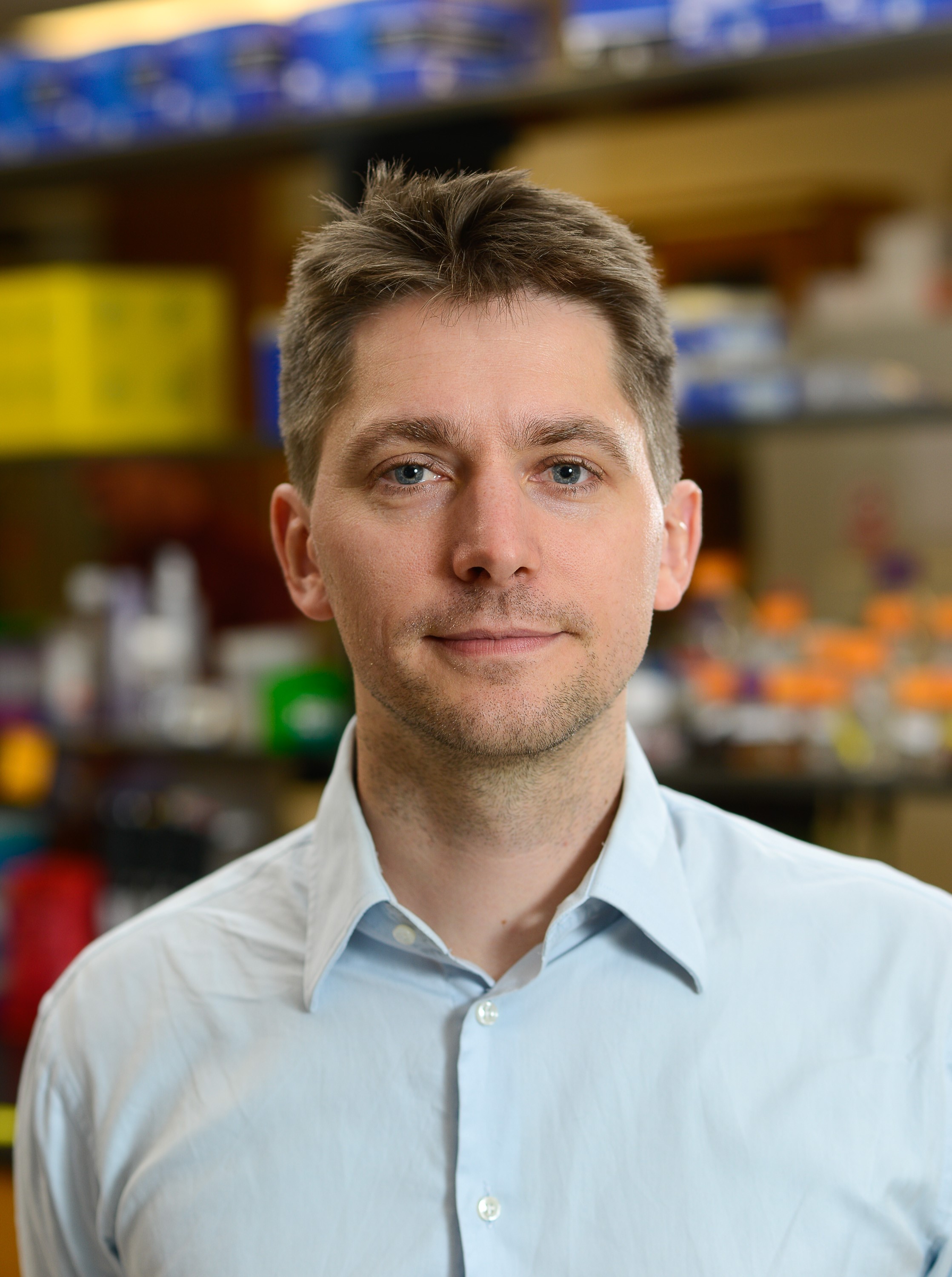
Manuel Kleiner is an Associate Professor in the Department of Plant and Microbial Biology at North Carolina State University. His research focuses on metabolic and physiological interactions in host-microbe systems, microbial ecology, and the application of metagenomics and high-resolution mass spectrometry to study complex microbiota-host relationships. Research Highlights: Development of metaproteomic techniques to quantify protein expression, analyze community structure via biomass contributions, and track isotope ratios to understand nutrient flow between hosts and microbiota. Creator of the "transductomics" approach to detect horizontal gene transfer via viral transduction in intestinal systems. Collaborates with researchers such as Theriot, Sartor, Sheikh, Ziegler, and Gonzalez. Recent Trends: His 2025 publications emphasize gut microbiome dynamics, maize root-microbe interactions, transplantation biology, and advancements in metaproteomic methodologies. Key themes include dietary impacts on microbiota, stable isotope probing, and synthetic microbial communities for plant and human health. Laboratory Tools: The Kleiner Lab utilizes quantitative metagenomics, high-resolution mass spectrometry, and computational modeling to dissect functional interactions in symbiotic systems across diverse environments, from marine organisms to agricultural crops.
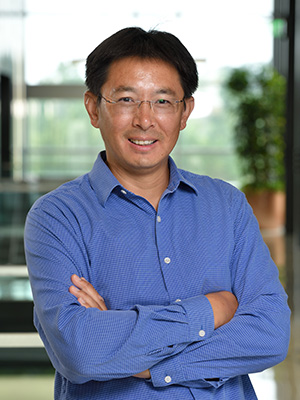
Honglei Chen is the MSU Foundation Professor in the Department of Epidemiology and Biostatistics at Michigan State University . With a career spanning over two decades, Dr. Chen specializes in neuroepidemiology with a focus on Parkinson's disease, dementia, and healthy aging. His research leverages large prospective cohorts to investigate environmental risk factors and prodromal stages of neurodegenerative diseases. Key methodologies include assessing olfactory dysfunction, REM sleep behavior, and inflammatory mechanisms as early markers of disease progression. Recent publications highlight his work on Environmental triggers in Parkinson's disease Genetic risk scores for neurodegeneration Inflammatory pathway modulation in macrophages Olfactory dysfunction as aging biomarker
Dr. Maja Matis is a Group Leader at the University of Muenster's Center for Molecular Biology of Inflammation (ZMBE) within the Institute of Cell Biology. Her research focuses on understanding the mechanical role of microtubules in tissue morphogenesis, particularly how microtubule-generated forces contribute to tissue remodeling through coordinated cellular behaviors. She leads the Matis Lab, which employs advanced microscopy techniques and genetic approaches to study cytoskeletal mechanics in developmental contexts. Key research areas include the structural regulation of microtubules, mechanics-driven cell shape changes, and integration of forces at adherens junctions. Her interdisciplinary projects combine biophysics, developmental biology, and quantitative imaging to unravel mechanisms underlying collective cell behavior during tissue formation. Notable contributions include studies on microtubule compression dynamics in epithelial tissues and the role of PCP signaling in patterning microtubule networks. She collaborates with institutions like the Cells in Motion Cluster of Excellence and has mentored multiple PhD/MD students. Her work is published in high-impact journals such as Nat. Commun. and Nat. Cell Biol.
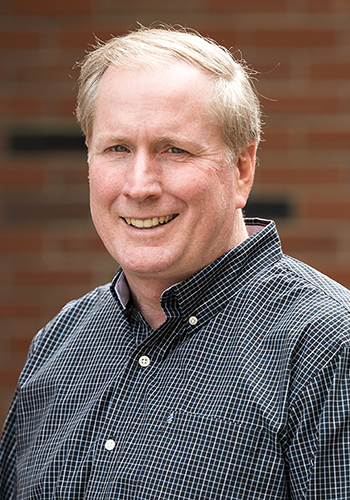
James McGrath is a Professor of Biomedical Engineering at the University of Rochester, holding the William R. Kenan, Jr. Professorship. He leads the Nanomembrane Research Group, pioneering ultrathin silicon nanomembrane technologies for biomedical applications. His work integrates material science, microfluidics, and tissue engineering to address challenges in diagnostics, regenerative medicine, and environmental health. McGrath's interdisciplinary team collaborates across academia and industry, including the Rochester-based SiMPore Inc. (co-founded by him). Education: B.S. Mechanical Engineering, Arizona State University (1991) M.S. Mechanical Engineering, MIT (1994) Ph.D. Biological Engineering, Harvard/MIT (1998) Research Interests: McGrath focuses on nanomembrane technologies for: Microphysiological systems (organ-on-a-chip) Biosensors and diagnostic tools Hemodialysis and toxin removal Microplastics detection in water and biological systems Inflammatory fibrosis modeling (e.g., blood-brain barrier dynamics) Extracellular vesicle biomarker platforms Awards & Recognition: Edmund A. Hajim Outstanding Faculty Award (2019) AIMBE Fellow (2015) William R. Kenan, Jr. Professorship (2023) Advising & Industry: McGrath has advised students and entrepreneurs through his lab and SiMPore Inc., focusing on translating nanomembrane innovations into clinical and commercial applications. His work bridges basic science and applied engineering, with a focus on scalable manufacturing and global health impact. Labs & Collaborations: The Nanomembrane Research Group collaborates with UR, RIT, and international partners to advance nanomembrane-based solutions for healthcare and environmental challenges. Key platforms include the MicroSiM barrier tissue system and silicon nanomembrane analysis pipelines.
Sabine Glasl-Tazreiter is a Lecturer at the University of Vienna's Faculty of Life Sciences , specifically within the Department of Pharmaceutical Sciences and its Division of Pharmacognosy . Her office is located in room 2E 412 on the 4th floor at Josef-Holaubek-Platz 2, Vienna, Austria (1090). Contact details include telephone number +43-1-4277-55207 and email sabine.glasl@univie.ac.at . Principal research focus: Phytochemistry & Biodiscovery Specialization: Secondary metabolites from ethnomedicinally used plants across Europe, Mongolia, and Latin America Key techniques: Isolation of bioactive compounds, structural elucidation, pharmacological evaluation Quality control expertise: Macroscopic/microscopic identification, chemical analytics Recent publications highlight her work in: 2024 - Development of the VOLKSMED Database for Austrian folk medicine wound healing plants 2025 - Advanced mucociliary clearance research in respiratory systems 2023 - Innovations in optoacoustic imaging technology 2019 - Structure-function analysis of phycobiliproteins for medical imaging 2017 - Phytochemical characterization of Latin American antidiabetic plants
Blanka Sharma, Ph.D., is an Associate Professor in the J. Crayton Pruitt Family Department of Biomedical Engineering at the University of Florida's Herbert Wertheim College of Engineering. Her research focuses on nanomedicine, stem cells, biomaterials, and targeted delivery systems for regenerative medicine and cancer therapy. She holds a B.A.Sc. in Chemical Engineering from the University of Waterloo (1999), a Ph.D. in Biomedical Engineering from Johns Hopkins University (2005), and completed a postdoctoral fellowship at the Cleveland Clinic (2005–2008). Dr. Sharma’s work explores material-cell interactions to develop therapies addressing inflammatory mechanisms in diseases like osteoarthritis and cancer. Notable achievements include pioneering biomaterials for cartilage repair and nanoparticle-based drug delivery systems. She has received prestigious awards, including the NSF CAREER Award (2019) and the UF Pramod P. Khargonekar Junior Faculty Award (2019–2020). Her research spans nanomedicine, tumor microenvironment engineering, and immunotherapy optimization. Recent studies include ROS-scavenging manganese dioxide nanoparticles for osteoarthritis and NK cell mechanosensing in tumors. She leads the Sharma Laboratory, advancing translational research in regenerative medicine and oncology.
Kaye Morgan is an Associate Professor in the School of Physics and Astronomy at Monash University, specializing in X-ray imaging technologies with applications in medical and respiratory research. She holds an Australian Research Council Future Fellowship and has held prestigious positions including a Hans Fischer Fellowship at Technische Universität München. Her research focuses on advancing X-ray optics methodologies, particularly phase contrast X-ray imaging (PCXI) and dark-field imaging, to enhance resolution, speed, and sensitivity. These techniques are applied to study airway health in cystic fibrosis and other respiratory diseases, using synchrotron facilities like SPring-8 and the Munich Compact Light Source. She has pioneered single-grid imaging and propagation-based dark-field approaches, enabling real-time visualization of lung dynamics and treatment efficacy. Morgan leads multiple high-impact projects funded by ARC and international collaborations, with over 85 publications in journals like Optics Express and Scientific Reports. Her work contributes to UN Sustainable Development Goals related to health and innovation. Key achievements include developing lab-based X-ray sources for clinical translation and quantifying lung microstructure through advanced imaging algorithms.
Professor Anita Chong is a distinguished immunologist at the University of Chicago's Pritzker School of Medicine, Department of Surgery-Transplant, where she leads groundbreaking research in transplantation immunology and tolerance mechanisms. Her laboratory has established herself as a leading authority in understanding the complex interplay between the immune system and organ transplantation. Dr. Chong's educational background includes a BS (Hons) from the University of Malaya, Malaysia, a PhD from Australian National University, Australia, and postdoctoral training at Tufts University, Boston, MA, followed by research associate work at the University of Arizona, Tucson, AZ. Her research program focuses on immunological tolerance and humoral immunity following allogeneic transplantation, with particular emphasis on understanding how infections prevent the induction of transplantation tolerance or destabilize established tolerance. Dr. Chong has developed innovative approaches to track defined populations of endogenous allospecific T cells (including CD4+ effectors, CD4+ Tregs, and CD8 effectors) and B cells, examining their behavior under conditions of rejection, memory/sensitization, and tolerance. She actively investigates memory alloreactive B cells in transplantation settings and has expanded her research into vaccination strategies to prevent infections as a means of stabilizing tolerance. Analysis of Dr. Chong's recent publications reveals a strong focus on cellular mechanisms of transplant tolerance and rejection, with particular emphasis on B cell biology, T regulatory cells, and the impact of infections on transplant outcomes. Her work increasingly incorporates multi-omics approaches and examines sex and gender differences in transplant outcomes, reflecting evolving trends in precision medicine within transplantation. Dr. Chong serves as Principal Investigator on multiple significant NIH-funded research projects, including R01AI182097 (Mechanistic studies on pregnancy-induced humoral sensitization in organ transplantation), R01AI148705 (Intrarenal B cells in acute kidney allograft rejection), and R01AI142747 (Deconstructing B cell transplantation tolerance). She has also served as Co-Principal Investigator on numerous collaborative grants. Her laboratory maintains extensive collaborations with Dr. Marisa Alegre studying infections and transplantation tolerance, Dr. Roger Sciammas at UC Davis, clinical transplant faculty at the University of Chicago and Ohio State University, Dr. Chris Montgomery on vaccination research, and Dr. Joel Collier at Duke University developing nanoparticulate adjuvant-free vaccines. These collaborative efforts have positioned her laboratory at the forefront of translational transplantation research with significant implications for clinical practice.
Dr. Carrie A. Karvonen-Gutierrez is an Associate Professor of Epidemiology and Associate Chair for Faculty Affairs at the University of Michigan School of Public Health . She serves as Director of the Center for Midlife Science , leading NIH-funded studies like SWAN-Aging and Michigan Bone Health and Metabolism Study , which track women's health over 25+ years. Her research integrates reproductive aging , chronological aging , and environmental toxicants to explore metabolic dysfunction , physical function , and disability . PhD in Epidemiologic Science (University of Michigan, 2012) MPH in Epidemiology (University of Michigan, 2005) BA in Biology (University of Northern Iowa, 2002) Her research focuses on inflammatory and metabolic biomarkers in osteoarthritis , frailty , and cardiometabolic health , with expertise in longitudinal data analysis . She leads the PROTECT-Moms cohort, examining environmental toxicants and postpartum metabolic health . Recent publications highlight her work on device-measured physical activity , adipokines , PFAS exposure , and sleep-cognition interactions . She collaborates on multi-ethnic disparities and neighborhood environmental impacts on cardiometabolic risk and cognitive decline .
Brian Kirby is the Meinig Family Professor in the Department of Mechanical Engineering at the College of Engineering, Cornell University. He is a leading researcher in microfluidics, biomedical engineering, and cancer diagnostics, with a strong emphasis on circulating tumor cells (CTCs), rare cell isolation, and biophysical forces in disease. His work bridges engineering, biology, and clinical medicine. Institution: Cornell University School: College of Engineering Department: Mechanical Engineering Rank: Professor Education: Stanford University, 2001 Brian Kirby's research focuses on developing and applying microfluidic technologies to solve biomedical challenges. His work centers on microfluidic rare cell capture , particularly circulating tumor cells (CTCs) , enabling early cancer detection and monitoring treatment response. He investigates biophysical forces such as shear stress and surface interactions in conditions like thrombosis and cancer metastasis. His lab also works on dielectrophoresis , acoustophoresis , and electrokinetics for cell separation and analysis. Additional interests include bioinstrumentation , lab-on-a-chip devices , and fluid mechanics in biological systems . His recent publications show a consistent focus on microfluidic diagnostics, cancer biophysics, and smart fluid systems. Articles span topics from CTC isolation in prostate and pancreatic cancers to thrombosis in medical devices and programmable viscosity metamaterials . The research integrates engineering design with clinical applications, often involving interdisciplinary collaboration. Scientific Awards: Creative Teaching Award, Cornell Center for Teaching Innovation Advising Award, College of Engineering, Cornell University, 2015 Research Award, College of Engineering, Cornell University, 2015 Brian Kirby is actively involved in advising and research mentorship. While specific student names are not listed in the provided text, his extensive publication record and leadership of a research group indicate active supervision of graduate students and postdoctoral researchers. His research is supported by grants related to cancer diagnostics, microfluidics, and biomedical engineering, though specific grant details are not provided. He has contributed to the development of novel microfluidic devices such as the GEDI (Geometrically Enhanced Differential Immunocapture) platform for CTC capture and functional analysis. Labs and Teams: Kirby leads a research laboratory at Cornell focused on microfluidics and biomedical instrumentation. His team develops and applies microfluidic platforms for clinical diagnostics, particularly in oncology and hematology. The lab collaborates with clinicians and scientists across disciplines to translate engineering innovations into medical applications.
Donghao Lu is a Professor at Karolinska Institutet's Institute of Environmental Medicine, where he leads the Epidemiology of Women's Mental Health Lab. His research program focuses on psychiatric epidemiology with specialization in women's reproductive mental health, using large-scale population cohorts to investigate biological mechanisms and health outcomes. Primary research domains include: Risk factors and health consequences of perinatal depression and premenstrual disorders Bidirectional relationships between autoimmune diseases and mood disorders Gender disparities in mental health presentation and outcomes Cardiometabolic comorbidities in reproductive psychiatric conditions His recent publications (2023-2025) demonstrate strong methodological consistency, predominantly using Scandinavian national registries for longitudinal cohort designs. Research themes show progression toward understanding systemic health impacts of reproductive mood disorders, particularly cardiovascular risks and mortality. Over 90% of recent work incorporates population-level data analysis with sample sizes exceeding 10,000 participants. Laboratory focus includes integrating epidemiological methods with biomarker research to bridge obstetrics/gynecology and psychiatry. Current projects investigate inflammatory pathways in perinatal depression and genetic determinants of premenstrual disorder trajectories. The team maintains international collaborations across Scandinavia, China, and North America.
Brian R. Smith is Professor of Laboratory Medicine, Biomedical Engineering, Internal Medicine (Hematology) and Pediatrics at Yale University. He serves as Deputy Dean for Clinical and Translational Research at the Yale School of Medicine, Co-Director of the Yale Center for Clinical Investigation, and Chair of the Department of Laboratory Medicine. Dr. Smith is also Chief of Laboratory Medicine and Attending Physician at Yale New Haven Hospital, as well as an attending physician at the Connecticut VA Medical Center and Bridgeport Hospital. Dr. Smith's research focuses on the inflammation-hemostasis interface, particularly in relation to biomaterials, and cellular immunotherapeutics. His work spans the full translational spectrum from basic wet bench research through clinical and epidemiological trials (T1-T4). He has been continuously funded by the NIH at the PI-level for over 35 years, demonstrating sustained excellence in translational research. His investigations have particular emphasis on hematologic malignancies, diagnostic accuracy, and the educational frameworks needed to train future laboratory medicine specialists. Analysis of Dr. Smith's publications reveals a consistent focus on advancing laboratory medicine through both clinical research and educational innovation. His work addresses critical issues in diagnostic accuracy, physician-scientist training pathways, and the integration of new technologies into clinical practice. The publications span oncology, hematology, medical education, and healthcare systems, reflecting his interdisciplinary approach to advancing laboratory medicine. Evans Award for Outstanding Contributions to Laboratory Medicine (2010) President, Academy of Clinical Laboratory Physicians & Scientists (2007-2008) Chair (elected), Research Committee and Member of the Council, Association of Pathology Chairs (2010) Dr. Smith has been instrumental in developing Yale's research infrastructure, overseeing implementation of research core facilities in Translational Immune Monitoring, Flow Cytometry, and Clinical Sample Real Time Acquisition. He chairs the Clinical Research Technology Committee and has guided the development of a Cellular Therapy core resource. As an educator, he has personally mentored over 50 MD, MD/PhD, and PhD trainees, most of whom hold tenure-track positions. He is the initiator and long-standing PI of Laboratory Medicine's post-doctoral T32 training program in Immunohematology. Dr. Smith has played a key national role in laboratory medicine education, developing curricula and physician-scientist training paradigms. Through his leadership in the Association of Pathology Chairs, he helped establish a specific Physician-Scientist residency pathway with the American Board of Pathology, addressing a critical need for specialized training in academic pathology.
Fadia Kamal, PharmD, PhD is an Associate Professor holding dual appointments in the Department of Orthopaedics and Rehabilitation and the Department of Cell and Biological Systems. She leads research at the Center for Cannabis and Natural Product Pharmaceuticals (CCNPP) with a strong publication record including 33 research outputs and an h-index of 18 based on Scopus data. Dr. Kamal's research focuses on cellular pathways that control chondrocyte homeostasis in healthy tissue and the pathological processes leading to cartilage damage in osteoarthritis. Her work investigates how chondrocytes transform into pathological cells that cause cartilage degradation, with particular interest in discovering new pathways and drugs to control chondrocyte behavior and potentially reverse osteoarthritis progression. Her laboratory also explores the therapeutic potential of non-euphorigenic cannabis compounds for bone fracture pain management and healing. Her recent publications demonstrate a strong trend toward interdisciplinary research combining orthopedics, molecular biology, immunology, and pharmacology. The work spans from fundamental cellular mechanisms in osteoarthritis to applied therapeutic development, with particular emphasis on cannabis-based treatments, immune responses in fracture healing, and novel imaging techniques. Her research shows increasing collaboration across multiple institutions and disciplines. Scientific Awards: Samuel Hinkle Junior Faculty Research Scholar Award (2022) - widely recognized with coverage by 5 news outlets, blogged by 1 source, posted by 38 X users, and shared on 1 Facebook page with 33 Mendeley readers Dr. Kamal serves as Principal Investigator on significant research projects, most notably the NIH-funded 'Therapeutic targeting of GPCR Gbetagamma-GRK2 in osteoarthritis' project (2019-2023) from the National Institute of Arthritis and Musculoskeletal and Skin Diseases. Her mentorship is evident through numerous co-authored publications with junior researchers who appear to be her students and postdoctoral fellows. She maintains active collaborations across immunology, bone healing, and natural product pharmacology research areas. Her work contributes to UN Sustainable Development Goals related to health and well-being, with research spanning osteoarthritis, heart failure progression, chondrocyte biology, and G protein-coupled receptor research. The Kamal lab maintains strong connections with the Center for Cannabis and Natural Product Pharmaceuticals, indicating a specialized research focus on natural compounds for musculoskeletal conditions.
Professor Maria Eriksdotter is a leading academic in geriatrics and dementia research at the Karolinska Institutet , holding the Department of Neurobiology, Care Sciences and Society . She also serves as a Senior Consultant in Themes Inflammation and Ageing at Karolinska University Hospital Huddinge and previously as Dean of KI South (2019–2023). Her work spans translational research, clinical trials, and national registry development, with a focus on Alzheimer's disease, cholinergic therapies, and aging. Her research group pioneered NGF cell therapy for Alzheimer's patients, demonstrating safety and cognitive stabilization in clinical trials. She chairs the SveDem registry , tracking over 100,000 dementia patients to refine diagnostics and care. Studies from SveDem revealed mortality reduction with cholinesterase inhibitors and highlighted pandemic-era diagnostic delays. Recent publications analyze dementia subtypes , comorbidities , and precision medicine in neurodegeneration. Her work intersects neuroimaging , epidemiology , and public health policy , addressing ageism and improving geriatric care systems. Collaborations span Karolinska University Hospital , NSGene Inc , and international institutions.
Tos T.J.M. Berendschot is a University Researcher in Biomedical Engineering at Eindhoven University of Technology , specializing in Medical Image Analysis . His work spans interdisciplinary domains linking diabetes, neurodegeneration, and ophthalmology. Email: t.t.j.m.berendschot@tue.nl Research Interests focus on diabetic complications, retinal neurodegeneration, and AI-driven medical imaging. Key areas include: Maturity Onset Diabetes of the Young (MODY) Microvascular dysfunction Advanced Glycation End-Products (AGEs) Retinal vascular tree analysis Keratoconus detection via AI Optical Coherence Tomography (OCT) Selected Publications highlight AI applications in ophthalmology, diabetic neurodegeneration, and vascular connectivity studies. Collaborations include Maastricht University Medical Center and international conferences in computer vision. Media Contributions feature expert commentary on cataract surgery, keratoconus, Alzheimer's disease biomarkers, and intraocular lens calculations.