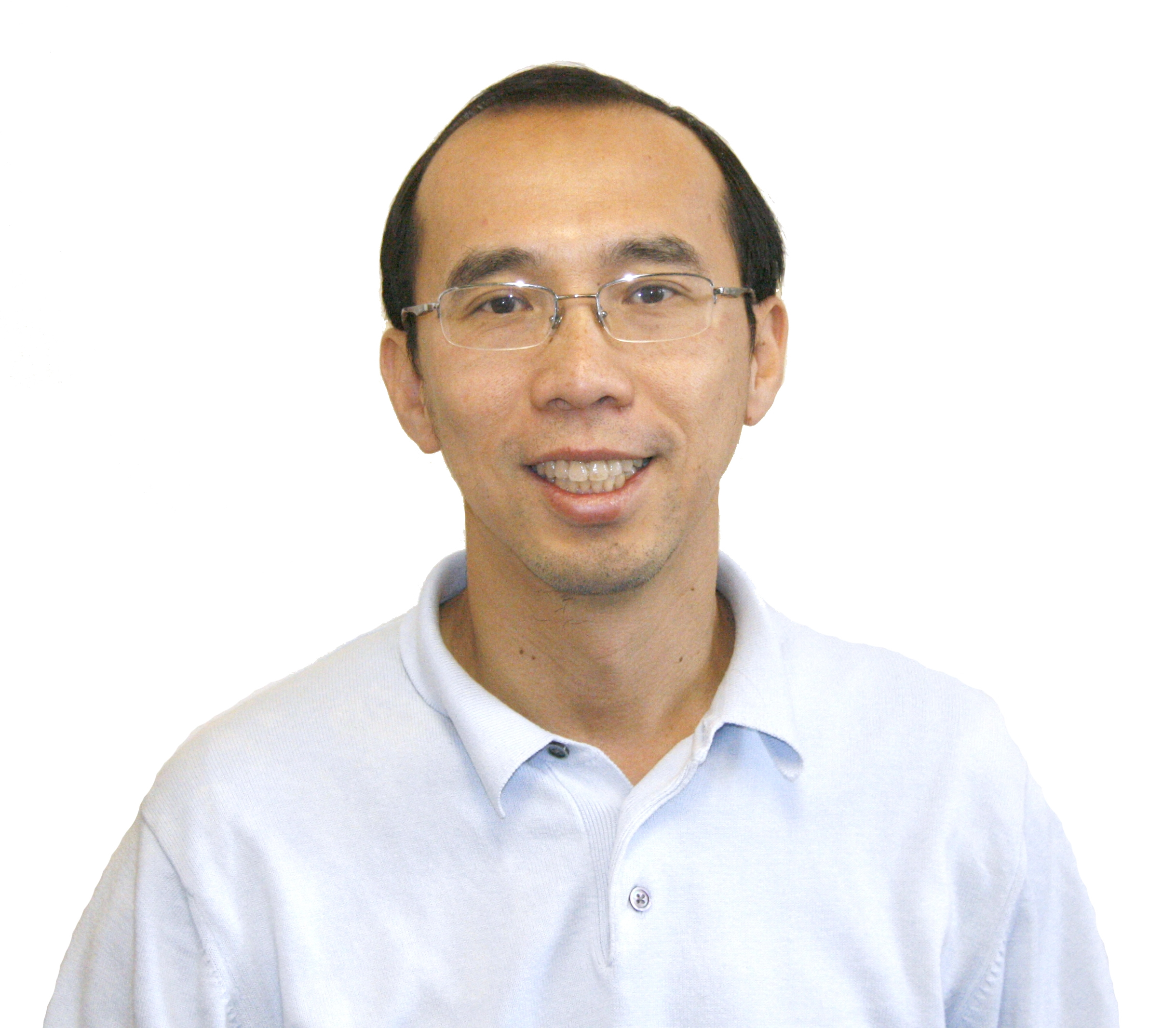
Bradley Nilsson is a Professor of Chemistry at the University of Rochester, Department of Chemistry. He leads the Nilsson Group, focusing on peptide self-assembly, amyloid structures, and their applications in biomedicine and materials science. His work bridges organic, biological, and materials chemistry, with notable contributions to amyloid-inspired hydrogels and HIV transmission mechanisms. He received the 2016 Goergen Award for Excellence in Teaching and the 2012 NSF CAREER Award. Education: PhD in Organic Chemistry (2003, University of Wisconsin-Madison), postdoctoral research at UC Irvine. He joined Rochester in 2006. Research interests include molecular recognition in amyloid peptides, SEVI fibrils' role in HIV transmission, and hydrogel development for tissue engineering. His lab has pioneered studies on stimulus-responsive self-assembly and co-assembly of peptides. Key achievements include the reductive trigger for peptide hydrogelation (JACS 2010), and NIH-funded work on anti-HIV microbicides. Current projects explore amyloid-β oligomer toxicity, SEVI mechanisms, and functional biomaterials from simple amino acid derivatives. Lab members include graduate students Elena Quigley, Melissa Jagrosse, Francine Yanchik, Hannah Distaffen, and Chris Jones. The lab collaborates on interdisciplinary projects funded through NIH and NSF grants.
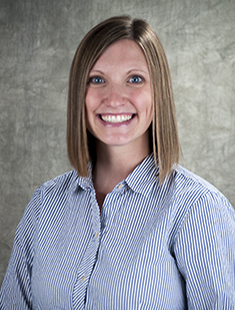
Dr. Oluwabunmi (Bunmi) Olaloye is an Assistant Professor of Pediatrics in the Division of Neonatology at Yale School of Medicine. She holds appointments in Neonatal-Perinatal Medicine and is affiliated with the Janeway Society. Her academic background includes an MD from Rutgers New Jersey Medical School, pediatrics residency at University of Texas Medical Branch, and neonatology fellowship at University of Pittsburgh Medical Center. Dr. Olaloye's research focuses on immune dysfunction underlying neonatal intestinal diseases such as necrotizing enterocolitis (NEC) and spontaneous intestinal perforation (SIP). Using cutting-edge techniques like single-cell RNA sequencing and mass cytometry, her work identifies biomarkers and therapeutic targets to improve outcomes for premature infants. Key research areas include fetal immune system maturation, placental immune interactions, and gestational age-specific inflammatory responses. Her publication record spans 12 peer-reviewed articles between 2019-2025, emphasizing translational immunology and neonatal pathophysiology. Notable contributions include defining immune cell trajectories in preterm infants and developing gating guidelines for high-dimensional cytometry data. Current projects involve constructing immune cell atlases across human lifespans and investigating nutritional interventions for intestinal disorders. Laboratory affiliations include the Laboratory for Surgery, Obstetrics & Gynecology where she explores neonatal mucosal immunity. Her work integrates clinical observations with systems immunology approaches to address critical gaps in understanding prematurity-associated gastrointestinal pathologies.
Tim O'Sullivan is a Senior Lecturer in Pharmaceutical Chemistry at University College Cork (UCC), holding joint appointments in the School of Pharmacy and School of Chemistry. He specializes in medicinal chemistry, natural products synthesis, and drug development targeting parasitic, bacterial, and viral diseases. His research focuses on Chagas disease, cystic fibrosis-related biofilm inhibition, and anti-HIV therapies. Dr. O'Sullivan holds a BSc in Industrial Chemistry from the University of Limerick and a PhD in natural products synthesis from the Australian National University. His academic career includes postdoctoral roles at Trinity College Dublin and University College Dublin, followed by a research manager position at UCD before joining UCC in 2006. He has secured significant grants from bodies like the Irish Research Council and Horizon 2020, totaling over €1M. Notable recognitions include the SEFS Student-nominated Staff Award (2022) and the Tetrahedron Award (2008). Research interests span synthesizing bioactive compounds, developing novel antiparasitics (e.g., Plakortide P analogs), and disrupting bacterial quorum sensing to combat antibiotic resistance. Collaborations involve institutions like the Universitat Autònoma de Barcelona and the Leibniz Institute in Germany. He mentors multiple PhD students and teaches courses in pharmaceutical chemistry and organic synthesis.
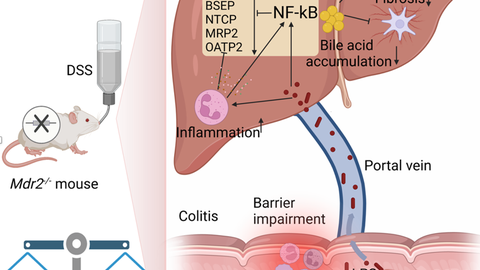
Prof. Kai Markus Schneider is a Full Professor (W3) of Molecular Gastroenterology and Hepatology at the TUD Dresden University of Technology, where he leads a research group at the Center for Regenerative Therapies Dresden (CRTD). He also serves as a Senior Physician in the Department of Medicine I at the University Hospital Dresden. His research deciphers molecular mechanisms of organ crosstalk to develop therapies for gastrointestinal and liver diseases, emphasizing neuro-immune interactions, gut-brain signaling, and microbiota dynamics. Education highlights include: Board Certification in Internal Medicine (2023) PhD (Dr. rer.nat) and MD (Dr. med) from RWTH Aachen University Clinical rotations at Harvard Medical School and MD Anderson Cancer Center His work spans: Neuro-Immunology : Stress-induced inflammation via the gut-brain axis Microbiome-Host Interactions : Dysbiosis in liver cancer and cholestasis Regenerative Therapies : Molecular circuits in GI disease recovery Recent publications (2021-2023) focus on stress-gut-liver interactions, highlighting roles of enteric nerves, microbiota imbalances, and FXR signaling in disease progression. Trends show interdisciplinary integration of neuroscience, immunology, and molecular biology. Awards include: Heinz Maier-Leibnitz Prize (2024) Theodor-Frerichs-Prize (2024) Rising Star Award (UEG, 2023) Early Career Investigator Award (AASLD, 2021) He advises PhD students (e.g., Qusay Salih) and oversees a team of postdocs, technicians, and visiting scientists. Research is funded by European and German institutions.
Dr. Barbara L. Hempstead is a Professor of Neuroscience and Medicine at Weill Cornell Medical College, where she has held positions since 2001 and 2002 respectively. Her research focuses on neurotrophin signaling mechanisms, particularly the roles of BDNF and its receptors in neuroinflammation, synaptic plasticity, and neurodegenerative diseases. She has made significant contributions to understanding proBDNF/proNGF signaling pathways in neuronal apoptosis and vascular biology. Education: M.D., Ph.D., Washington University School of Medicine (1982) B.A., Tufts University (1976) Dr. Hempstead's work bridges molecular neuroscience and cardiovascular biology, with a particular interest in receptor stoichiometry (p75NTR, TrkB), neurotrophin-induced synaptic remodeling, and therapeutic applications of neurotrophin modulators in Huntington's disease and post-seizure neuronal injury. Her lab investigates how genetic variants like BDNF Val66Met influence anxiety-related behaviors, social memory, and neurodegenerative disease progression through altered neurotrophin trafficking and signaling. Her recent publications highlight neuroinflammatory mechanisms (2023), immune-neurotrophin interactions (2022), and molecular pathways involving BDNF prodomain structure (2020) and SorCS2-mediated receptor trafficking (2017-2020). While no scientific awards are explicitly mentioned in the scraped text, her funded research (National Institute on Aging, NIMH) demonstrates sustained recognition of her work in neurotrophin biology. Dr. Hempstead's lab develops in vitro and in vivo models to study neurotrophin-receptor dynamics, including 3D culture systems for angiogenesis research and transgenic mouse models for Huntington's disease. Her interdisciplinary approach combines molecular neurobiology with vascular physiology to uncover novel therapeutic targets for neurological and cardiovascular conditions.
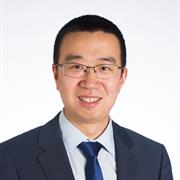
Raymond T. Ng is a Professor of Computer Science at the University of British Columbia (UBC) and serves as Director of the Data Science Institute . In addition, he is the part-time Chief Informatics Officer at the PROOF Centre of Excellence for the Prevention of Organ Failures located at St Paul’s Hospital. Since 2016 he has held the prestigious Canada Research Chair in Data Science and Analytics. Education B.Sc. (Hons.) Computer Science, University of British Columbia, 1986 M.Math. Computer Science, University of Waterloo, 1988 Ph.D. Computer Science, University of Maryland, College Park, 1992 Research Interests Professor Ng’s research lies at the intersection of data mining , text mining , health informatics , sensor analytics , and databases . Over the past decade he has focused on two major domains: Genomics & Biomarker Discovery: Developing multi-omics biomarker panels for heart, lung and kidney transplant rejection and COPD exacerbations using transcriptomics, proteomics and metabolomics data. Natural Language Processing: Mining and summarizing conversational text such as emails, blogs and meeting transcripts to generate structured metadata and actionable insights. Scientific Awards Canada Research Chair in Data Science and Analytics (2016-2026) Best Paper Award, ACM SIGMOD 2004 Best Paper Award, ACM SIGKDD 2001 Selected among Best Papers of VLDB ’99 & ’98 Governor General’s Gold Medal, UBC (1986) Research Funding & Leadership Since joining UBC in 1992, Professor Ng has continuously secured major peer-reviewed funding from NSERC, CIHR, Genome Canada, CFI, MITACS and industry partners (Google, IBM, SAP). He leads or co-leads several large-scale initiatives: HEARTBiT multi-marker blood test for cardiac transplant rejection (CIHR 2018-2021) MERIDIAN ocean acoustic data infrastructure (CFI 2018-2021) Pan-Canadian Early Detection of Lung Cancer (Terry Fox 2018-2021) Business Intelligence Network (NSERC 2009-2014) Multiple Genome Canada programs on biomarker translation (2004-2018) Laboratories & Teams Professor Ng directs the Data Science Institute and works closely with the Natural Language Processing Research Group . At the PROOF Centre he heads a multidisciplinary team of statisticians, computer scientists and clinicians advancing computational biomarker pipelines from discovery to clinical implementation.
Julian Knight is a Professor of Genomic Medicine at the University of Oxford, with affiliations including the Centre for Human Genetics , Merton College , and leadership roles in the NIHR Oxford Biomedical Research Centre and Central and South NHS Genomic Medicine Service . His work bridges clinical practice and research, focusing on translational genomics. Principal Investigator Deputy Director, Centre for Human Genetics Honorary Consultant Physician Tutor and Fellow, Merton College Director, Medical Sciences Division Graduate School Genomic Medicine Theme Lead, NIHR Oxford BRC Research interests include mechanisms of dysregulated immune responses in sepsis , autoimmune disease , and infection . Key contributions involve RNA signature stratification for sepsis outcomes and HLA allele associations in COVID-19 immunogenicity. Current work explores genetic/epigenetic modulators of innate immunity and causal relationships in multi-omic datasets. Recent publications highlight diverse applications of his group’s work: from pleural infection endotyping (2025) to TLR7 variants in severe COVID-19 (2024), with methodological advancements in single-cell demultiplexing (2024) and pathway analysis (2025). Keywords span genomic medicine , immunology , and multi-omic integration . Knight’s leadership extends to clinical implementation of genomics, education (DPhil/MSc programs), and public engagement. Collaborations span institutions including Imperial College , Wellcome Sanger Institute , and Queen Mary University of London .
Blanka Sharma, Ph.D., is an Associate Professor in the J. Crayton Pruitt Family Department of Biomedical Engineering at the University of Florida's Herbert Wertheim College of Engineering. Her research focuses on nanomedicine, stem cells, biomaterials, and targeted delivery systems for regenerative medicine and cancer therapy. She holds a B.A.Sc. in Chemical Engineering from the University of Waterloo (1999), a Ph.D. in Biomedical Engineering from Johns Hopkins University (2005), and completed a postdoctoral fellowship at the Cleveland Clinic (2005–2008). Dr. Sharma’s work explores material-cell interactions to develop therapies addressing inflammatory mechanisms in diseases like osteoarthritis and cancer. Notable achievements include pioneering biomaterials for cartilage repair and nanoparticle-based drug delivery systems. She has received prestigious awards, including the NSF CAREER Award (2019) and the UF Pramod P. Khargonekar Junior Faculty Award (2019–2020). Her research spans nanomedicine, tumor microenvironment engineering, and immunotherapy optimization. Recent studies include ROS-scavenging manganese dioxide nanoparticles for osteoarthritis and NK cell mechanosensing in tumors. She leads the Sharma Laboratory, advancing translational research in regenerative medicine and oncology.
William Mayhan is a Professor in Biomedical Sciences at the University of South Dakota . His research focuses on cerebral microcirculation and vascular biology , particularly examining endothelial cell function in disease states like diabetes and alcohol consumption. Education: PhD in Biomedical Sciences, University of Nebraska Medical Center (1983) Post-Doctoral Fellowship, University of Iowa (1985) BS in Biology, Creighton University (1977) His work investigates blood-brain barrier permeability and cerebral vasculature responses to hypertension, diabetes, and alcohol. Key findings include mechanisms of nitric oxide synthase (NOS) dysfunction and oxidative stress in diabetic and alcoholic models. Recent publications analyze prenatal alcohol exposure effects on cerebral arterioles and CB2 receptor agonists for vascular protection in diabetes. His studies span in vivo models, potassium channel dynamics , and inflammatory mediators in stroke pathogenesis.
Natalie Johnson is an Associate Professor in Environmental and Occupational Health at the College of Veterinary Medicine, Texas A&M University. She chairs the Interdisciplinary Program in Toxicology and leads critical research on air pollution impacts on vulnerable populations. Education PhD in Toxicology, Texas A&M University College of Veterinary Medicine Postdoctoral Fellowship in Environmental Health Sciences, Johns Hopkins Bloomberg School of Public Health BS in Biology, Texas A&M University College of Science Her research focuses on inhalation toxicology , maternal exposure to pollutants , and gene-environment interactions . She directs the mobile responding to air pollution in disasters (mRAPiD van), a real-time chemical pollutant detection platform, and investigates emerging environmental chemicals in breast milk. Current projects include: Respiratory toxicology of inhaled pollutants Prenatal/pediatric air pollution exposure and immune development Development of green-engineered clays for toxin mitigation
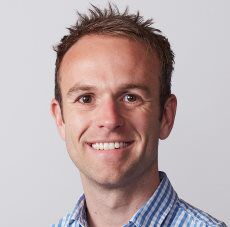
James Turner is an Associate Professor in Exercise Physiology and Immunology at the University of Birmingham's School of Sport, Exercise and Rehabilitation Sciences. Previously, he held roles at the University of Bath as a Lecturer (Assistant Professor) from 2013 to 2018 and promoted to Senior Lecturer (Associate Professor) in 2018 before moving to Birmingham in 2022. His research focuses on lifestyle impacts on ageing and chronic disease, particularly adipose tissue immunology and cancer immunology (e.g., breast cancer). He leads projects examining obesity, immune system ageing, and factors influencing cancer treatment outcomes. His work aligns with UN Sustainable Development Goals related to health and well-being. Education: BSc (Hons) Sport and Exercise Science (University of Bath, 2006); PhD in Exercise Biochemistry and Immunology (University of Birmingham, 2011). Post-doctoral training in cancer immunology followed. He has mentored 9 PhD/MSc students as lead or co-supervisor and contributed to grants from bodies like Cancer Research UK and the Biotechnology and Biological Sciences Research Council. Current research includes projects on adipose tissue inflammation and muscle mass regulation in older adults. Labs/Teams: Active in collaborative projects with institutions globally, focusing on exercise immunology and cancer treatment efficacy. Editor for journals like Frontiers in Physiology and International Journal of Sport Nutrition and Exercise Metabolism .
Dr. Julie Liu is an Associate Professor of Chemical Engineering at Purdue University, with a courtesy appointment in Biomedical Engineering. She is affiliated with the Global Engineering Program and serves on the Engineering Leadership Team. Her research focuses on biomaterials science, tissue engineering, and regenerative medicine, particularly in developing collagen-based hydrogels, protein-inspired adhesives, and bioelastomers for clinical applications. Recent work emphasizes tunable biomaterials that modulate cellular behavior in inflammatory environments and enhance tissue repair. Dr. Liu also contributes to STEM education outreach, promoting chemical engineering identity among young women through hands-on polymer activities. Her research interests include: Design of bioadhesives mimicking natural proteins Development of chondrogenic hydrogels for cartilage repair Controlled macromolecular transport in biomaterials Integration of stem cells with engineered matrices Redox-responsive and pH-sensitive hydrogels Recent publications highlight advancements in mussel-inspired adhesives, elastin-based bioelastomers, and chondroitin sulfate-modified scaffolds. These materials address challenges in cartilage regeneration, inflammation suppression, and tissue mimicry. Dr. Liu's work bridges chemical engineering principles with biomedical applications, emphasizing both material innovation and clinical translation.
Dr. Yi David Ju is a Senior Research Fellow at RMIT University's School of Science and an ARC DECRA Fellow at La Trobe University's School of Cancer Medicine. He leads the Nanomedicine and Gene Therapeutics Laboratory at the Olivia Newton-John Cancer Research Institute (ONJCRI) and holds Honorary Fellowships at the University of Melbourne's Department of Microbiology & Immunology and Chemical Engineering. PhD from University of Melbourne (2017, Frank Caruso) 2017–2021 : Research Fellow at University of Melbourne 2021 : Vice-Chancellor’s Postdoctoral Fellow at RMIT 2023 : Visiting Researcher at University of Manchester's Nanomedicine Lab His research focuses on Bio-Nano Interactions , particularly Nanoparticle-Immune System dynamics, Lipid Nanoparticle Engineering for mRNA Delivery , and Poly(ethylene glycol) Alternatives . Key contributions include stealth nanoparticles for prolonged circulation, anti-PEG antibody dynamics in vaccine development, and patient-specific targeting models for chronic lymphocytic leukemia . Recent publications analyze hybrid immuno-PET-MRI probes for inflammation monitoring, zwitterionic PEG nanoparticles for reduced immunogenicity, and RAFT polymer-based LNPs for enhanced gene delivery . His work also explores supramolecular DNA-polyphenol assemblies and metal-phenolic coatings for controlled drug release . Scientific Awards : 2023 ACIS ECR Lectureship Finalist, 2023 ACS Nano Impact Award 2022&2023 RMIT Enabling Capability Platform Funding 2021 CBNS Most Significant Publication Award 2020 CBNS Career Development Award 2019 Outstanding Postdoctoral Researcher Award 2019 Nanoscale Advances Oral Prize 2017 Reviewer Excellence Award for Chemistry of Materials 2014 Best Tutor Award Professional Roles : Associate Editor, Journal of Materials Science Committee Member, Royal Australian Chemical Institute (Victorian Branch) Active Member, Australasian Colloid and Interface Society
Brian Kirby is the Meinig Family Professor in the Department of Mechanical Engineering at the College of Engineering, Cornell University. He is a leading researcher in microfluidics, biomedical engineering, and cancer diagnostics, with a strong emphasis on circulating tumor cells (CTCs), rare cell isolation, and biophysical forces in disease. His work bridges engineering, biology, and clinical medicine. Institution: Cornell University School: College of Engineering Department: Mechanical Engineering Rank: Professor Education: Stanford University, 2001 Brian Kirby's research focuses on developing and applying microfluidic technologies to solve biomedical challenges. His work centers on microfluidic rare cell capture , particularly circulating tumor cells (CTCs) , enabling early cancer detection and monitoring treatment response. He investigates biophysical forces such as shear stress and surface interactions in conditions like thrombosis and cancer metastasis. His lab also works on dielectrophoresis , acoustophoresis , and electrokinetics for cell separation and analysis. Additional interests include bioinstrumentation , lab-on-a-chip devices , and fluid mechanics in biological systems . His recent publications show a consistent focus on microfluidic diagnostics, cancer biophysics, and smart fluid systems. Articles span topics from CTC isolation in prostate and pancreatic cancers to thrombosis in medical devices and programmable viscosity metamaterials . The research integrates engineering design with clinical applications, often involving interdisciplinary collaboration. Scientific Awards: Creative Teaching Award, Cornell Center for Teaching Innovation Advising Award, College of Engineering, Cornell University, 2015 Research Award, College of Engineering, Cornell University, 2015 Brian Kirby is actively involved in advising and research mentorship. While specific student names are not listed in the provided text, his extensive publication record and leadership of a research group indicate active supervision of graduate students and postdoctoral researchers. His research is supported by grants related to cancer diagnostics, microfluidics, and biomedical engineering, though specific grant details are not provided. He has contributed to the development of novel microfluidic devices such as the GEDI (Geometrically Enhanced Differential Immunocapture) platform for CTC capture and functional analysis. Labs and Teams: Kirby leads a research laboratory at Cornell focused on microfluidics and biomedical instrumentation. His team develops and applies microfluidic platforms for clinical diagnostics, particularly in oncology and hematology. The lab collaborates with clinicians and scientists across disciplines to translate engineering innovations into medical applications.
Anders Backlund is Professor of Pharmacognosy at Uppsala University's Department of Pharmaceutical Biosciences, with dual institutional roles including Garden Director at Uppsala Linnaean Gardens. His work bridges pharmaceutical sciences and botanical heritage through the university's historic gardens. His research centers on pharmacognosy and natural products chemistry, with pioneering development of the ChemGPS-NP platform for chemical space navigation. This computational tool maps biological activity in chemical property space, enabling prediction of pharmacological effects and mechanisms of action. His work spans plant metabolomics, evolutionary chemography, and drug discovery from natural sources including marine organisms, fungi, and medicinal plants. Recent publications (2019-2023) demonstrate strong continuity in applying ChemGPS-NP to diverse problems: predicting membrane permeability of Alpinia galanga constituents (2022), evaluating Ononis isoflavonoids for CNS targeting (2022), and decoding multi-functional bioactivities in Maca (2021). His work increasingly integrates computational prediction with experimental validation across anti-inflammatory, anti-allergic, and antimicrobial domains. As Garden Director of Uppsala Linnaean Gardens, he maintains institutional connections to botanical heritage while advancing modern pharmacognosy. His dual roles exemplify the integration of historical plant knowledge with contemporary drug discovery methodologies.