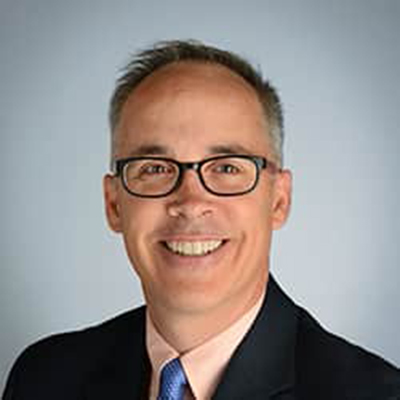
Jeff Searl is a Professor in the Department of Communicative Sciences and Disorders at Michigan State University (MSU), within the College of Communication Arts and Sciences. Previously, he held faculty roles at the University of Kansas Medical Center’s Hearing and Speech Department and the Otolaryngology – Head & Neck Surgery Department. He earned his Ph.D. from the University of Kansas. His research focuses on understanding how chemoradiation and surgery for head and neck cancers affect speech and voice production. The goal is to develop clinical practices that preserve or rehabilitate communication for patients post-treatment. His methods include physiological, acoustic, and auditory-perceptual measurements. Key emphases include optimizing communication while balancing speech intelligibility, physical/cognitive effort, and associated fatigue. Recent work addresses pandemic impacts on laryngectomy patients, clinician practices during crises, and vocal effort measurement across cultures. His lab investigates articulatory pressures, tracheoesophageal speech dynamics, and dysphagia treatment innovations. Though no specific awards are listed, his contributions to voice rehabilitation and clinical methodologies are significant. Dr. Searl advises on telemedicine applications for Parkinson’s voice therapy, group therapy feasibility, and alaryngeal communication modalities. His lab at MSU collaborates on interdisciplinary projects involving speech-language pathologists, engineers, and oncologists to advance communication restoration technologies.
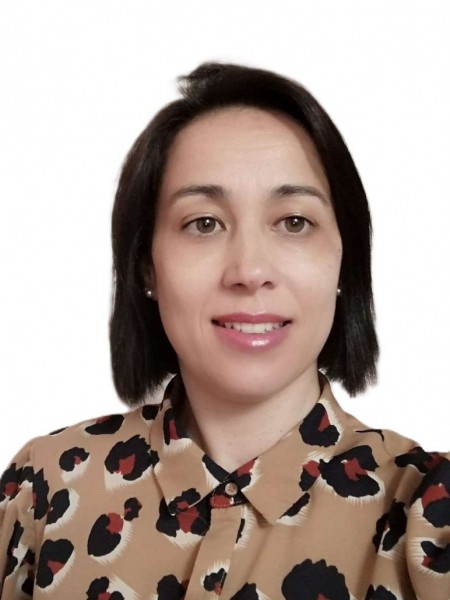
Prof. dr. Tessa Quax is an Associate Professor at the Faculty of Science and Engineering, University of Groningen, leading research in Molecular Microbiology . Her work focuses on archaeal virology and virus-host interactions, supported by prestigious grants including an ERC Starting Grant (2022) and NWO Vidi Grant (2023). Key Research Areas: Archaeal virus entry/egress mechanisms Cell surface dynamics and motility Extreme environment microbiology Genetic tool development for archaea Recent publications in Nature Reviews Microbiology (2025) and Current Opinion in Microbiology (2024) highlight her work on viral host recognition and structural diversity. Her lab's 44 research outputs span archaeal cell biology, viral evolution, and ecological impacts of virus-induced lysis. Scientific Recognition: KNAW Beijerinck Premium (2022) KNAW Early Career Award (2021) Hector Research Career Development Award (2021) ERC Starting Grant (2022) As Chair of the International Society for Viruses of Microbes SAB and Speaker of the German Microbiology Society's Microbial Viruses group, she coordinates global research networks including a HFSP grant (2023) with Japan/Australia/USA collaborators. Her lab currently includes PhD candidate Zaloa Aguirre Sourrouille and multiple postdoctoral researchers.
Dr. Carla Vilela is an Assistant Professor in the Department of Chemistry at the University of Aveiro and Principal Researcher at CICECO. She coordinates the Sustainable Materials research line and leads projects on cellulose-based materials and circular economy. Her research focuses on sustainable materials from cellulose and renewable resources for applications in water remediation, food packaging, and textiles. Education includes a PhD in Chemistry from the University of Aveiro and postdoctoral work at CICECO and ISIS Neutron and Muon Source (UK). Research interests include: Development of cellulose-based functional materials Nanocomposites for biomedical applications Sustainable packaging solutions Biopolymer modification and characterization Publications demonstrate strong focus on cellulose nanocomposites, bioprinting bioinks, and active packaging. Recent articles frequently involve nanocellulose modifications, drug delivery systems, and sustainable material design. Awards include being named among World's Top 2% Scientists annually since 2020. Funding includes national projects (Cell4Janus) and EU collaborations (PRIMA Im-Pack). Leads the BioPol4Fun research group and supervises 6 PhD students. Current projects explore cellulose-based microrobots, resin valorization, and marine biopolymers.
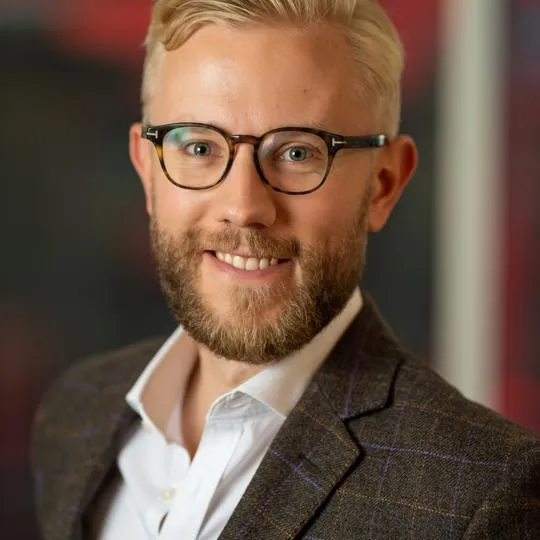
Dr Thomas Maguire is a Visiting Fellow with the King's Intelligence and Security Group in the Department of War Studies at King's College London, and Assistant Professor of Intelligence and Security at Leiden University. His research focuses on intelligence-propaganda interactions and international security cooperation, particularly in Cold War Southeast Asia and counter-terrorism contexts. Education: PhD in International Relations (POLIS, University of Cambridge) MPhil in International Relations (POLIS, University of Cambridge) BA (Hons) in History (Durham University) Maguire's research examines the intersection of intelligence operations and propaganda dissemination in foreign policy contexts, with specialized focus on British and American covert action in Southeast Asia. He also investigates post-colonial security relationships and international counter-terrorism cooperation frameworks. His work spans historical analysis and contemporary security challenges. Maguire's publications demonstrate interdisciplinary research across public health, virology, and immunology, particularly addressing COVID-19 diagnostics, vaccine development, and immune responses. This reflects methodological versatility in addressing complex global security and health challenges through both historical analysis and biomedical research. Scientific Awards: Lisa Smirl Prize for best thesis (University of Cambridge) Maguire leads the Dutch Government-funded 'Sharing Secrets' project investigating intelligence disclosure decision-making. He teaches intelligence studies courses and co-convenes the Cambridge Intelligence Seminar. At Leiden, he coordinates undergraduate and postgraduate programs in Intelligence Studies and Crisis Management. Maguire previously served as Research Fellow at Darwin College and the Department of Politics and International Studies (University of Cambridge), and as John Garnett Visiting Fellow at the Royal United Services Institute focusing on East African security challenges.
Dr. Jacques Archambault is a Professor in the Department of Microbiology and Immunology at McGill University , and an associate member of the Division of Experimental Medicine since 2016. His research focuses on the molecular biology and pathogenesis of human papillomaviruses (HPVs) and polyomaviruses (HPyVs), with an emphasis on their replication mechanisms as episomes in host cells. The Archambault laboratory employs functional genomics, proteomics, and chemical biology approaches to identify cellular pathways exploited by these viruses and develop high-throughput assays for screening small molecule inhibitors of viral replication. Analysis of his recent publications reveals a strong focus on HPV and HPyV replication machinery, including studies on the E1 helicase, UAF1-USP1 interactions, and structural characterization of viral proteins involved in DNA replication. His work bridges virology, oncology, and drug discovery, particularly targeting oncogenic HPV types implicated in anogenital and oropharyngeal cancers, as well as HPyVs like BKPyV and JCPyV that cause pathologies in immunosuppressed patients. Current efforts in the lab aim to elucidate the molecular mechanisms by which HPVs and HPyVs replicate their genomes and to develop antiviral therapies targeting these processes. Techniques such as fluorescence anisotropy, NMR spectroscopy, and crystallography are frequently employed to study protein-DNA and protein-protein interactions critical to viral replication.
William John Moss is a Professor in the Department of Epidemiology at the Johns Hopkins Bloomberg School of Public Health, where he also holds joint appointments in International Health and Molecular Microbiology and Immunology. He serves as Executive Director of the International Vaccine Access Center (IVAC) and Deputy Director at the Johns Hopkins Malaria Research Institute. His work spans multiple centers including the Center for Global Health, Center for Humanitarian Health, and Johns Hopkins Vaccine Initiative. Dr. Moss earned his MD from Columbia University in 1984 and his MPH in 1995. As a pediatrician with subspecialty training in infectious diseases, he has conducted extensive field research across multiple countries including Ethiopia, Kenya, South Africa, Zambia, Zimbabwe and India. His research focuses on the epidemiology and control of childhood infections in resource-poor settings, with particular emphasis on measles-HIV interactions, malaria transmission in southern Africa, serosurveillance for immunization programs, and care of HIV-infected children in rural Zambia. His recent work (2024-2025) demonstrates continued focus on measles epidemiology, malaria transmission dynamics, and vaccine implementation research, with numerous publications examining immunity gaps, human mobility patterns, and malaria vector biology in African settings. Scientific Awards: Wyeth-Lederle Vaccines and Pediatrics Young Investigator Award in Vaccine Development (1999-2001) Gustave J. Martin Innovative Research Fund Fellow (2001) Advising, Mentoring and Teaching Recognition Award (2007-2008) Dr. Moss leads multiple research projects including studies on HIV-infected children's immune reconstitution, malaria transmission dynamics in southern Zambia, and strengthening immunization systems through serosurveillance. His work bridges clinical medicine, epidemiology, and public health policy to address critical challenges in global infectious disease control.
Pamela Ronald is a Distinguished Professor of Plant Pathology at the University of California, Davis, affiliated with the Department of Plant Pathology within the College of Agricultural and Environmental Sciences. Her research focuses on understanding and enhancing crop resilience, particularly in rice, through genetic and molecular mechanisms. Key areas include plant immunity against pathogens, climate adaptation, and sustainable agricultural practices. Education and Background: Details on her academic qualifications are not explicitly mentioned in the provided text, but her career trajectory suggests advanced training in plant genetics and pathology. Research Interests: Ronald’s work centers on engineering disease-resistant crops, studying plant-microbe interactions, and developing climate-resilient varieties. Notably, she has contributed to identifying genes like XA21 that confer resistance to bacterial infections and pioneered methods to reduce methane emissions in rice. Her studies also explore the role of sulfated peptides in pathogen virulence and host defense mechanisms. Publications Trends: Her recent articles emphasize molecular mechanisms of plant immunity, genetic engineering applications, and sustainability challenges. Themes include directed evolution of immune receptors, machine learning in genotype-phenotype prediction, and mitigation of agricultural greenhouse gases. Awards and Recognition: While specific awards are not listed here, her leadership in plant genetics and advocacy for evidence-based biotechnology policies reflect significant recognition in her field. Grants and Advising: Ronald has led projects funded by agencies like the U.S. Department of Energy, focusing on bioenergy crops like switchgrass. She collaborates globally on initiatives such as the Rice Protein Tagging Project and the AI Institute for Next Generation Food Systems. Labs and Teams: She directs the Crop Genetics Innovation Lab at UC Davis, fostering interdisciplinary research in crop improvement and sustainable agriculture.
Dr. Joseph Choi is a Clinical Lecturer and General Surgery Fellow at the University of Sydney's Westmead Clinical School, within the Discipline of Surgery under the Faculty of Medicine and Health. He holds academic qualifications including BSc(Adv), MBBS, MPhil, and FRACS. His clinical and research interests focus on surgical outcomes, colorectal surgery, endometriosis management, and minimally invasive techniques. Dr. Choi's research emphasizes surgical complications, anastomotic leak prediction, and emerging surgical technologies. He has contributed to over 30 peer-reviewed publications since 2011, with recent work addressing robotic surgery feasibility, Strongyloides stercoralis infections, and HER2 therapy outcomes in breast cancer. His academic profile includes collaborations with multidisciplinary teams across oncology, gastroenterology, and gynecology. No formal awards or grants are explicitly listed, though his prolific publication record reflects sustained scholarly activity.
Yu He is an Assistant Professor of Applied Physics and Physics at Yale University, affiliated with the Department of Physics. His research focuses on condensed matter physics and experimental techniques such as angle-resolved photoemission spectroscopy (ARPES) and x-ray scattering to study correlated electronic systems and quantum materials. Prior to Yale, he completed a Miller Research Fellowship at UC Berkeley (2019) after earning his Ph.D. in Applied Physics from Stanford University. Key research areas include metal-to-insulator transitions, superconductivity, 2D magnetism, and solid-state quantum simulation. He has contributed to advancements in material characterization techniques, including high-resolution ARPES using tabletop lasers. His work integrates crystal synthesis, electric transport measurements, and surface decoration to explore material properties. Education: B.S. in Physics from University of Science and Technology of China (USTC); M.S. in Electrical Engineering and Ph.D. in Applied Physics from Stanford University. Research Interests: Experimental condensed matter physics, quantum materials, superconductivity, and light-matter interaction studies. His current projects aim to dissect microscopic degrees of freedom (electronic, lattice, spin) in novel materials using cutting-edge spectroscopic methods. The lab employs complementary techniques like electric transport measurements and crystal growth to characterize material properties comprehensively. Awards: Miller Research Fellow, UC Berkeley (2019) Advising & Grants: No student advisees listed. Research supported by Yale University and prior fellowships. Labs & Teams: Leads a research group at Yale focused on experimental condensed matter physics, collaborating on projects involving advanced material characterization and quantum material discovery.
Dr. Christina Leslie is a Research Professor and Member of the Computational & Systems Biology Program at Memorial Sloan Kettering Cancer Center (MSK). She leads an active research laboratory focused on developing computational approaches to understand complex biological systems. Dr. Leslie earned her PhD from the University of California, Berkeley and has established herself as a leading computational biologist in cancer research and immunology. Computational & Systems Biology Program, Memorial Sloan Kettering Cancer Center Gerstner Sloan Kettering Graduate School of Biomedical Sciences Dr. Leslie's research focuses on developing novel computational methods to study cellular biological systems from a global and data-driven perspective. Her lab exploits diverse high-throughput functional and genomic data to understand molecular networks underlying fundamental cellular processes, including transcription regulation, pre-mRNA processing, signaling, and post-transcriptional gene silencing. Her algorithmic methods draw heavily on machine learning to build accurate predictive models from noisy and high-dimensional biological data. Key areas of interest include modeling cell-type specific transcriptional programs and dissecting co- and post-transcriptional regulation, particularly microRNA-mediated gene regulation. Analysis of Dr. Leslie's publication record over the last five years reveals a strong focus on computational approaches to cancer genomics, immunology, and epigenetics. Her work bridges multiple disciplines, with a particular emphasis on developing machine learning methods to interpret complex biological data. The publications demonstrate increasing sophistication in integrating multiple data types (genomic, transcriptomic, epigenomic) to understand cancer biology and immune responses. Recent work shows a growing emphasis on single-cell technologies and spatial analysis of tumor microenvironments. Introduction of string kernel methodology for SVM classification of biological sequences Development of algorithms for predictive modeling of gene regulation First systems-level analyses of competition between microRNAs and between target transcripts Dr. Leslie actively mentors numerous graduate students and research associates, with current lab members including Vianne Gao, Alireza Karbalaghareh, Erik Ladewig, and several others. Her lab has received significant research funding to support their work on computational approaches to cancer biology and immunology. The Leslie Lab maintains close collaborations with multiple experimental groups at MSK, facilitating the translation of computational insights into biological understanding. The Leslie Lab operates within the Computational & Systems Biology Program at MSK, with strong ties to both the research and clinical missions of the institution. The lab maintains state-of-the-art computational infrastructure for analyzing large-scale genomic and proteomic datasets and collaborates extensively with wet-lab researchers to validate computational predictions experimentally.
Aida Maria de Oliveira Cruz Mendes is a distinguished academic and researcher at the Coimbra School of Nursing, where she has maintained a continuous appointment since 1987. With over three decades of academic service, she has established herself as a leading expert in nursing science with particular specialization in mental health, occupational health, and sleep quality among healthcare professionals. She currently serves on the Scientific Council for Life and Health Sciences at the Foundation for Science and Technology, demonstrating her significant contribution to Portuguese scientific policy. Education background: PhD from University of Minho (1996-2000) Master's in Occupational Health and Hygiene from University of Coimbra Medical School (1992-1995) License in Mental Health and Psychiatric Nursing (1990-1991) Bachelor's degree in Nursing (1977-1980) Multiple specialized certifications in psycho-oncology, cognitive therapy, and qualitative research Dr. Mendes' research program demonstrates remarkable consistency in addressing critical issues in nursing practice and healthcare delivery. Her work spans mental health services evaluation, occupational health challenges faced by nursing staff, sleep quality determinants in healthcare settings, and innovative programs for healthy aging and retirement transition. She has developed expertise in both qualitative and quantitative methodologies, with numerous systematic reviews and intervention studies to her credit. Her research bridges clinical practice with health promotion initiatives, creating tangible impacts on nursing education and healthcare policy. Analysis of her recent publication trajectory reveals a sophisticated evolution in research focus. While maintaining consistent attention to nursing staff wellbeing (particularly regarding sleep quality and stress biomarkers), she has expanded into developing and evaluating health promotion programs, most notably the REATIVA program for retirement transition. Her work increasingly incorporates international collaborations and demonstrates methodological sophistication, with publications appearing in multiple languages (Portuguese, English, and Spanish) across diverse healthcare contexts. Research funding highlights: Active Retirement: study of a healthy ageing promotor program (2013-2015) funded by Foundation for Science and Technology Mental Health Education and Sensibilization: A School-based Intervention Program for Adolescents and Young (2011-2014) funded by Foundation for Science and Technology Dr. Mendes has supervised numerous graduate students and collaborated extensively with international research teams, particularly in European nursing education contexts. Her work on nurse professional competence assessment among newly graduated nurses demonstrates her commitment to advancing nursing education standards. She maintains active research partnerships with institutions across Portugal and internationally, contributing to both clinical practice improvements and healthcare policy development.
Dr. Zaheer Nasar is a Reader in Atmospheric Aerosols at Cranfield University's School of Aerospace, Transport and Manufacturing. His work focuses on real-time bioaerosol characterization, indoor/outdoor air quality dynamics, and environmental health impacts of particulate matter. He leads the NERC-funded Light-Induced Fluorescence sensor project and contributes to the BioAirNet network (NE/V002171/1) as Co-I. Research Interests Physico-chemical and biological characterization of aerosols Spatio-temporal dynamics of particulate matter (PM) and bioaerosols Quantitative microbial risk assessment (QMRA) methodologies Low-cost air quality sensor networks and machine learning calibration Urban green infrastructure effects on air pollution Policy development in Hindu Kush Himalayan air quality Recent publications emphasize machine learning-enhanced sensor calibration (2024 IEEE paper), wastewater plant bioaerosol risks (2024 Water Research), and urban air quality interventions across the UK and Lahore. He has secured over £1.6M in grants from NERC, STFC, and UKRI GCRF, with significant work on BTEX exposure in Nigeria and SARS-CoV-2 risks in wastewater facilities. Scientific Recognition Fellow of the Higher Education Academy (FHEA) Co-investigator in multiple NERC/UKRI projects Active participant in BSI bioaerosol standards committee As an advisor, he mentors five postgraduate researchers including Reece Dillon and Hathaikarn Tathong, with a strong publication record in journals like Environmental Science: Atmospheres , Risk Analysis , and BJPsych Open . His work bridges environmental science, public health, and policy implementation through interdisciplinary research.
Dr. Angelika Rambold is a Group Leader at the Max Planck Institute of Immunobiology and Epigenetics in Freiburg, Germany, heading the Laboratory for Metabolic Organelle Networks in Immunology within the Department of Developmental Immunology. Previously affiliated with the University of Münster's Center for Molecular Biology of Inflammation (ZMBE) and Institute of Medical Biochemistry until January 2025, she investigates how intracellular organelle networks regulate immune cell function during inflammation, infection, and metabolic stress. Her research centers on dynamic interactions between mitochondria, lysosomes, lipid droplets, and autophagosomes during cellular adaptation to nutrient deprivation and pathogen challenge. Key interests include organelle communication mechanisms in immune cell activation, metabolic reprogramming in T cells and macrophages, and how defects in organelle networks drive primary immunodeficiencies like Chediak-Higashi syndrome. She employs advanced live-cell microscopy, super-resolution imaging, metabolomics, and single-cell transcriptomics to dissect these processes in primary immune cells and human disease models. Analysis of her publication record reveals consistent focus on mitochondrial dynamics as a central regulator of immune cell metabolism and fate determination. Landmark studies demonstrate TFEB-mediated itaconate synthesis for bacterial control in macrophages and coordinated organelle network responses during starvation, establishing critical links between organelle communication, immunometabolism, and disease pathogenesis across multiple immune cell types. Dr. Rambold serves as a supervisor in the Cells in Motion International Max Planck Research School (CiM-IMPRS) Graduate Programme, mentoring PhD students in interdisciplinary research. Her laboratory maintains active collaboration with the Center for Chronic Immunodeficiency (CCI) at the University of Freiburg to translate basic findings on organelle-mediated immune defects into clinical insights for patient-oriented research.
Professor Chengzhong (Michael) Yu is a Research Professor at the Australian Institute for Bioengineering and Nanotechnology (AIBN), University of Queensland. His research focuses on functional nanomaterials for healthcare, energy, and environmental applications. He holds over 400 publications with 36,000+ citations and has received prestigious awards like the NHMRC Leadership Fellowship and ARC Future Fellowship. Education: PhD in Chemistry from Fudan University. Research Interests: Silica-based nanoparticles for drug/gene delivery, energy storage materials (e.g., aluminum-ion batteries), sustainable catalysis, and nano-pesticides for agriculture. His group develops biomaterials for cancer therapy, immunotherapy, and mRNA vaccine platforms. Recent Trends in Publications: Focused on advancing nanocarrier systems for therapeutics, electrocatalytic H₂O₂ synthesis from seawater, and sustainable energy solutions. Collaborates with industry partners like N4 Pharma and Baosteel for translational applications. Awards & Grants: Multiple ARC Discovery/Linkage grants, NHMRC funding, and industry partnerships totaling millions. Notable projects include mRNA delivery platforms and rechargeable aluminum-ion batteries. Supervision & Labs: Mentors over 20 PhD/Master’s students. Leads the Yu Group, collaborating on projects like ‘Designer Nanoparticles for mRNA Factories’ and ‘Nanotechnology for Flystrike Control in Livestock’.
Prof. Dr. Michael Schloter serves as Director of the Research Unit for Comparative Microbiome Analysis at Helmholtz Munich since 2011 and holds a Professorship in Microbiology at the Technical University of Munich since 2010. He concurrently acts as Principal Investigator at both the German Center for Lung Diseases (DZL) and the Central for Food and Nutrition (ZIEL) at TU Munich, driving interdisciplinary research at the intersection of environmental and human health through the "Planetary Health" framework. His educational foundation was built through diploma studies at Ludwig Maximilian University Munich and doctoral research at the University of Bayreuth, followed by formative work in Brazil and the United States where he pioneered bioinocula development for stress-resilient agriculture. At Helmholtz Munich (formerly GSF), he evolved from group leader in soil microbial ecology (2001) to Research Unit Director, expanding his focus from agricultural systems to human microbiome-health connections. Dr. Schloter's research program centers on microbiome-host crosstalk across ecological scales, investigating how environmental microbiota interact with human and plant microbiomes to influence health outcomes. His work integrates ecological theory with microbiome analysis to decode host-microbe co-evolution patterns, with applications spanning sustainable agriculture, allergy prevention, and infection control. Key thematic pillars include holobiont theory, probiotic development, and microbiome-mediated disease prevention through environmental quality improvement. Analysis of his 2025 publications reveals a strategic research portfolio bridging fundamental and applied microbiome science. Agricultural studies dominate (maize, potato, apple systems), examining microbial inoculants and soil management, while human health investigations explore preterm birth complications and Antarctic mammal microbiomes. Computational approaches for antimicrobial resistance assessment and ecosystem-scale projects like JenaTron demonstrate methodological breadth, all converging on translating microbiome functionality into real-world sustainability solutions. Major recognitions include: Election to the Bavarian Academy of Science (2021) Consistent placement among the top 1% of highly cited global researchers (2019-2021) Heinrich Baur Research Award (2011) for agricultural microbiology contributions As Research Unit Director, Schloter leads large-scale collaborative initiatives including the DZL and ZIEL consortia, securing major funding for microbiome standardization projects and international research networks. His leadership extends to developing analytical frameworks for cross-ecosystem microbiome comparisons and establishing protocols for translating microbial ecology principles into clinical and agricultural applications. The Comparative Microbiome Analysis unit operates as a nexus for multi-host microbiome research, employing comparative genomics, field-scale agricultural trials, and clinical cohort studies to investigate microbiome dynamics across environmental, plant, and human systems. Current infrastructure includes advanced sequencing facilities and experimental platforms for plant-microbe and host-microbe interaction studies under controlled and natural conditions.