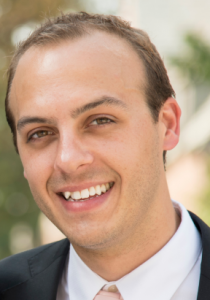
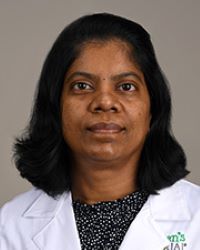
Margaret Guy is an Associate Professor in the Department of Psychology at Loyola University Chicago, affiliated with the Developmental Psychology and Cognitive Development Lab and the Loyola Center for Research on Child Development (CRCD) . Her research integrates behavioral, psychophysiological, and neuroscience methodologies to study early cognitive development in typical infants and those at risk for autism spectrum disorder (ASD).
Jed Elison is the Irving B. Harris Professor of Child Development and Distinguished McKnight University Professor at the University of Minnesota’s Institute of Child Development. His research focuses on developmental social neuroscience, structural brain development, and early autism detection. BA in Psychology and English (2005), University of Utah PhD in Psychology (2011), University of North Carolina-Chapel Hill Postdoc in Social Neuroscience (2013), California Institute of Technology Elison’s work examines how attentional orienting drives early cognitive and social development using eye tracking and neuroimaging (MRI, DWI). Key areas include autism , emerging psychopathology , and white matter microstructure . Recent studies model longitudinal trajectories in ASD and explore social-emotional competence. His 2025 articles address infant brain imaging datasets, gesture-vocabulary relationships in autism, and adaptive functioning in corpus callosum agenesis. Collaborative work spans Developmental Science , Pediatrics , and Autism Research . Irving B. Harris Professor of Child Development Distinguished McKnight University Professor Elison advises PhD students in the Cognition and Neurodevelopmental Studies (CNS) Lab, collaborating with Dr. Megan Swanson. The CNS Lab investigates infant brain-behavior associations, particularly in high-risk populations like those with corpus callosum agenesis or congenital CMV . Techniques include MRI , EEG , and behavioral assessments.
Dr. Bei Bei is an Associate Professor at the School of Psychological Sciences, Monash University, and an NHMRC Emerging Leadership (EL2) Fellow. She leads the Behavioural Sleep Medicine service, research, and training at Monash University Healthy Sleep Clinic, focusing on individual differences in sleep-wake behaviors, sleep-mental health relationships, and community dissemination of evidence-based sleep interventions. Doctor of Psychology (Clinical), University of Melbourne PhD, University of Melbourne Her research spans six major areas: Sleep-wake circadian rhythm disorders Cognitive Behavioral Therapy for Insomnia (CBT-I) Psychological/behavioral aspects of sleep Sleep-mental health interactions (mood, anxiety) Adolescent sleep patterns and wellbeing Perinatal/postpartum sleep interventions for women Recent publications (2024-2025) address: Insomnia treatment mechanisms in depression comorbidity Neurodevelopmental impacts of circadian factors Pregnancy-related insomnia risk identification Adolescent sleep facilitators/barriers Integrated models for youth depression and sleep across continents She also contributes to: Antifungal drug tolerance mechanisms RNA polyadenylation dynamics Mitochondrial RNA stability in cancer 3' UTR splice variants in rare diseases Awarded the NHMRC Emerging Leadership (EL2) Fellowship and Early Career Research Grant , Dr. Bei serves on editorial boards for Sleep Medicine Reviews, Sleep, and Behavioral Sleep Medicine journals.
Claudia Buß is a University Professor (W3) at the Institute of Medical Psychology, Charité – Universitätsmedizin Berlin, where she has been serving since 2019. She also holds an Adjunct Professor position in the Department of Pediatrics at the University of California Irvine School of Medicine since 2022, having previously served as Adjunct Associate Professor (2016-2022) and Adjunct Assistant Professor (2013-2016). Additionally, she is a faculty member at both the Berlin School of Mind & Brain and the Einstein Center for Neurosciences in Berlin. Dr. Buß received her psychology education at the University of Trier, Germany, and completed her PhD in Psychobiology at the University of Trier and McGill University in Montreal, Canada in 2006. She conducted postdoctoral research in the Department of Psychiatry and Human Behavior at the University of California Irvine, USA, before becoming an Assistant Professor in the Department of Pediatrics at the same institution from 2010-2012. Professor Buß's research focuses on the pre- and postnatal programming of health and illness across the lifespan, with particular emphasis on brain development. Her work investigates how maternal stress during pregnancy affects fetal development and disease vulnerability, including the intergenerational transmission of early childhood stress and trauma effects. She employs advanced imaging techniques such as MRI and EEG to examine stress effects on the brain and cognitive performance throughout life. Her extensive publication record demonstrates a consistent trajectory in understanding how maternal factors—including cortisol levels, inflammatory markers like IL-6, and childhood trauma history—influence fetal and newborn brain development. These studies frequently connect prenatal exposures to specific brain structures (amygdala, hippocampus, hypothalamus) and subsequent behavioral outcomes in children. Her recent work has expanded to examine multiple simultaneous exposures ("poly-exposures") and their cumulative effects on neurodevelopment. 2017: Elected Member, Academy of Behavioral Medicine Research (ABMR) 2015: Curt Richter Award of the International Society for Psychoneuroendocrinology (ISPNE) for "distinguished early to mid-career scientific contributions at the interface of health-related biological and psychological processes" As a principal investigator, Professor Buß leads research examining the developmental origins of health and disease, with particular focus on how early life experiences shape brain development and long-term health outcomes. Her work bridges basic science and clinical applications, investigating both biological mechanisms (endocrine, inflammatory) and psychological factors that influence the maternal-fetal interface. She collaborates extensively across institutions, as evidenced by her dual appointments in Berlin and California, and her involvement with the Berlin School of Mind & Brain and Einstein Center for Neurosciences. Professor Buß's laboratory utilizes a multidisciplinary approach combining psychological assessment, biological sampling, and advanced neuroimaging to investigate how maternal experiences become biologically embedded and transmitted across generations. Her team employs ecological momentary assessment methods to capture real-time stress experiences during pregnancy, providing a more accurate picture of maternal exposures than retrospective reports.
Associate Professor Yan Wong is a faculty member at Monash University's Department of Electrical and Computer Systems Engineering and Monash Biomedicine Discovery Institute. His research focuses on neural prosthetics, brain-machine interfaces, and restoring sensory functions through cutting-edge neural recording and stimulation techniques. He leads the Neurobionics Laboratory, advancing technologies like the Gennaris vision system, a wireless cortical implant for restoring vision in the blind. Yan holds a PhD in Biomedical Engineering from UNSW and has conducted postdoctoral research at New York University and the University of Melbourne. His work bridges engineering and medicine, addressing critical healthcare challenges such as quadriplegia, epilepsy, and hearing loss. He actively supervises students and contributes to teaching biomedical engineering courses at Monash, fostering the next generation of researchers. Key research interests include visual cortex stimulation, cochlear implants, spike-LFP interactions in movement planning, and endovascular neural interfaces. He has led or collaborated on multiple ARC-funded projects, including studies on neural prosthetic efficacy, chronic pain modulation, and visual attention mechanisms. His interdisciplinary approach integrates neuroscience, biomedical engineering, and clinical translation, aiming to deliver impactful medical technologies. Yan’s contributions have advanced neural prosthetics toward commercialization, with a focus on improving healthcare outcomes through innovative biomedical solutions.
Professor Sophie Moore is a Professor of Global Women & Children's Health at King's College London, based in the Department of Women & Children's Health. She holds a Wellcome Trust Senior Research Fellowship (2020-25) and leads research on global maternal and child nutrition, with a focus on micronutrient interventions during critical developmental periods. Her work spans epidemiological studies in rural Gambia, intervention research on infant neurodevelopment, and global health challenges related to food insecurity. She is affiliated with the Faculty of Life Sciences & Medicine and the School of Life Course & Population Sciences. Her research integrates nutritional epidemiology, epigenetics, and global health equity, with projects such as the BRIGHT (Brain Imaging for Global Health) cohort study and the PRECISE network investigating pre-eclampsia determinants. She has collaborated widely across institutions including the London School of Hygiene and Tropical Medicine, the Medical Research Council Unit in The Gambia, and international partners in Africa and Asia. Key contributions include studies on iron supplementation in infancy, maternal dietary diversity, and the role of calcium in pre-eclampsia prevention. Her work emphasizes translational research to bridge gaps between scientific evidence and public health policy, particularly in low-resource settings. Grants and awards include major funding from Wellcome Trust and the Bill & Melinda Gates Foundation. Professor Moore’s research also explores neurodevelopmental outcomes linked to nutritional status, leveraging advanced imaging techniques (fNIRS/EEG) and longitudinal cohort data. She actively engages in global health initiatives addressing food security, maternal-child health disparities, and the impact of environmental factors on early development.
Elisabeth L. Hill is a Professor in the Department of Psychology within the Institute for Social and Psychological Sciences at Goldsmiths, University of London. With an extensive publication record spanning over two decades, she has established herself as a leading researcher in developmental psychology, particularly focusing on Developmental Coordination Disorder (DCD), autism spectrum disorders, and the intersection of motor and cognitive development. Her educational background, though not explicitly detailed in the publication records, is evident through her sophisticated research methodology and theoretical contributions to the field. She has supervised numerous doctoral students who have gone on to become established researchers in their own right, including Emma J Sumner, Laura Crane, Hayley C Leonard, and Leighanne A Mayall. Hill's research interests focus on understanding the nature and impact of Developmental Coordination Disorder (DCD), sometimes referred to as dyspraxia, and its relationship with other neurodevelopmental conditions like autism spectrum disorder and ADHD. Her work has been instrumental in establishing DCD as a legitimate field of study and demonstrating how motor difficulties can impact broader cognitive, social, and emotional development. She has extensively investigated the relationship between motor skills and cognitive functions, particularly executive functioning, and has examined how these relationships manifest across the lifespan. Her 15 most recent publications reveal a researcher deeply engaged with both theoretical and clinical aspects of developmental disorders. The articles show a progression from foundational work establishing DCD as a distinct condition to more nuanced investigations of gender differences, age-related presentations, and the specific cognitive-motor interactions that characterize these conditions. Her research demonstrates particular attention to methodological rigor and clinical applicability. Hill has received recognition through numerous invitations to contribute to edited volumes and provide expert commentary on developmental disorders. She has served as editor for significant works including 'Understanding Motor Behaviour in Developmental Coordination Disorder' (2019), which demonstrates her standing as a thought leader in the field. Her research has important implications for educational practice, clinical assessment, and intervention strategies for children and adults with motor coordination difficulties. She has worked to translate research findings into practical applications through collaborations with educators, clinicians, and policymakers, and has been active in developing clinical guidelines for DCD assessment and intervention.
Dr. Stefon van Noordt is an Assistant Professor in the Department of Psychology at Mount Saint Vincent University. His research focuses on understanding brain-based markers of attention control and performance monitoring, particularly in developmental and individual differences contexts. He integrates behavioral, imaging, and computational tools to study neural dynamics in normative and pathological states like anxiety. His work is supported by NSERC, CIHR, and other institutions. He holds postdoctoral training from McGill University and Yale University. Education includes a Ph.D. in Psychology (2016) from Brock University, with postdoctoral fellowships at the Montreal Neurological Institute and Yale Child Study Centre. His research emphasizes EEG analysis, autism risk prediction, and medial frontal theta oscillations. Research interests span cognitive neuroscience, developmental psychology, and neuroimaging, with a focus on EEG methodologies and their application to autism spectrum disorder. Recent work includes studies on infant EEG connectivity, social exclusion effects, and neural responses to peer feedback. Dr. van Noordt collaborates on projects like the EEG-IP platform for international infant data integration and has published extensively on EEG biomarkers and neurodevelopmental trajectories. He mentors students in Honours thesis projects and postdoctoral training.
Dr. Cristiane Duarte is a Professor in the Division of Child and Adolescent Psychiatry at Columbia University - New York State Psychiatric Institute. She holds the prestigious title of Ruane Professor for the Implementation of Science for Child and Adolescent Mental Health. Dr. Duarte also serves as Co-Director of the NewYork-Presbyterian Youth Anxiety Center in Washington Heights. Dr. Duarte's educational background includes a PhD and MPH, though specific institutions aren't mentioned in the available text. Her academic journey has led her to become a prominent figure in child and adolescent mental health research. Her research focuses on innovative population-based studies examining the development of mental disorders in children, adolescents, and young adults. Through state-of-the-art sampling, recruitment, and culturally appropriate assessment methodologies, she generates knowledge relevant to diverse, often underserved and understudied populations. She is particularly known as the leader of the Boricua Youth Study, the only multi-national source of information about how mental disorders develop from childhood to young adulthood in Puerto Ricans. Dr. Duarte's publication record shows a strong trajectory of research from early work on child mental health in Latin America and post-9/11 trauma effects to more recent large-scale studies on prenatal influences, child development, and health disparities. Her work spans multiple disciplines including psychiatry, epidemiology, public health, and developmental psychology. Her research has received significant support from the Brain and Behavior Research Foundation, the Robert Wood Johnson Foundation, and multiple institutes of the National Institutes of Health including NIDA, NIMH, NIAAA, and NICHD. Dr. Duarte is a key member of international collaborations in global mental health, particularly focused on improving child mental health services and implementing interventions in low-resource settings. Her work bridges cross-cultural measurement of psychiatric disorders with addressing mental health disparities across diverse populations.
Sylvia H. Ley, PhD, RD, serves as a tenure-track Assistant Professor in the Department of Epidemiology at Tulane University's Celia Scott Weatherhead School of Public Health and Tropical Medicine. She teaches Epidemiologic Methods I and III while mentoring PhD and MS students in chronic disease research. Her educational background includes: Postdoctoral training at Harvard T.H. Chan School of Public Health focusing on large-scale cohort studies Doctoral studies in maternal and infant nutrition and clinical epidemiology at University of Toronto Registered Dietitian certification from Sunnybrook Health Sciences Centre Dr. Ley's research centers on life-course strategies for chronic disease prevention , with emphasis on nutrition , diabetes progression , and cardiovascular risk in women. Her work investigates how reproductive factors (menarche timing, lactation, gestational diabetes), sleep patterns , and dietary behaviors influence long-term metabolic outcomes across the lifespan. She employs advanced epidemiological methods in major cohort studies including NHANES and the Bogalusa Heart Study. Analysis of her recent publications reveals consistent focus on sex-specific disease pathways and developmental origins of health , particularly examining how early-life exposures manifest as cardiometabolic disorders decades later. Her work bridges clinical epidemiology with nutritional science to identify modifiable risk factors. Dr. Ley actively mentors graduate students including Santos MP, Mullen AJ, and Siebach MK. Her research receives continuous funding from major agencies including NIH, NSF, and CIHR, supporting her 80+ peer-reviewed publications that have accumulated over 14,000 citations. She serves in leadership roles as Past-Chair of Nutritional Epidemiology for the American Society for Nutrition, Associate Editor for the American Journal of Clinical Nutrition, and co-Chair of the Women's Interprofessional Network for the American Diabetes Association.
Dr. Carina de Klerk is a Senior Lecturer in the Department of Psychology at the University of Essex. Her research focuses on social cognition, action understanding, and imitation in infants and toddlers, with a particular emphasis on brain mechanisms underlying these abilities. She holds a PhD in Developmental Cognitive Neuroscience from Birkbeck College, University of London, and completed a master’s degree at Leiden University. Her work investigates facial mimicry development using EMG and fNIRS technologies, and explores how perceptual-motor couplings influence infants’ ability to predict others’ actions. She has secured grants including a Marie Curie fellowship and awards from the Cognitive Neuroscience Society. Her teaching roles include leading courses on psychology projects, numerical methods in cognitive neuroscience, and developmental theories. Dr. de Klerk’s research has addressed topics such as face processing in children at risk for autism, the role of sensorimotor experience in imitation, and inhibitory control in infants. She currently supervises PhD students researching empathy-aggression relationships and inhibitory control in early childhood. Recent grants include studies on infant body representations and the development of facial mimicry. Her lab, the Essex Babylab, focuses on multisensory experience and parent-infant relationships, with publications in journals like Cortex , Developmental Cognitive Neuroscience , and Proceedings of the Royal Society B .
Prof. Dr. Katrijn KLINGELS is a Senior Lecturer at the Faculty of Rehabilitation Sciences , Hasselt University , Belgium. Her work centers on Motivational Control , Developmental Neuroscience , and Pediatric Rehabilitation , with a focus on neurodevelopmental disorders like Cerebral Palsy and Developmental Coordination Disorder . Supervision of 11 ongoing doctorates, including studies on balance control heterogeneity , intensive balance training , and somatosensory deficits in children with motor disorders. Leadership roles in the OMT Bachelor ReKi program and the Examination Board for Rehabilitation Sciences. Her research integrates brain imaging , neuromechanics , and functional assessments to understand motor impairments and design targeted therapies. Current projects include CO-OP interventions for autism , ICP-Move implementation for intellectual disabilities, and muscle fatigue studies in cerebral palsy. She teaches courses like Evidence-Based Clinical Reasoning and Advanced Pediatric Rehabilitation .
Gnana Dheepa Ardhanari is an Assistant Professor in the Children's Heart Institute, Division of Pediatric Cardiac Critical Care Medicine at The University of Texas Health Science Center at Houston (UTHealth Houston). Education: Medical School: Stanley Medical College, Chennai, India Pediatric Residency: Maimonides Infant and Children's Hospital, Brooklyn, NY Pediatric Critical Care Medicine Fellowship: University of Miami Miller School of Medicine/Holtz Children's Hospital Pediatric Cardiac Critical Care Fellowship: UT Houston/McGovern Medical School Clinical Expertise: Dr. Ardhanari specializes in pediatric cardiac critical care with comprehensive knowledge in Extracorporeal Life Support, Cardiopulmonary bypass, Thromboembolism, Sepsis, MODS, Shock, Single Ventricle Physiology, Congenital Heart disease, Heart failure, and Neurodevelopment outcomes. Her practice focuses on providing critical care for children with complex cardiac conditions, particularly those requiring post-operative management following congenital heart surgery and advanced life support interventions. Professional Certifications: American Board of Pediatrics American Board of Pediatrics – Critical Care Medicine Academic Role: As an Assistant Professor, Dr. Ardhanari is actively involved in teaching medical students, residents, and fellows within the pediatric critical care training program. She contributes to the academic mission of the institution through clinical education and likely participates in research and quality improvement initiatives focused on improving outcomes for critically ill children with cardiac conditions.
Laura Caulfield, PhD, is a Professor in the Department of International Health at the Johns Hopkins Bloomberg School of Public Health. She is affiliated with the Center for Human Nutrition and the Center for Global Health, and her research focuses on maternal, infant, and child nutrition and health both in the United States and globally. Her research interests include nutritional epidemiology, maternal and perinatal health, child growth and development, breastfeeding and complementary feeding, and the evaluation of nutrition interventions. She is particularly interested in the early origins of adult disease and the development of nutrition surveillance systems to inform public health policy. Dr. Caulfield’s recent publications reflect a strong focus on public health nutrition, with studies on the WIC program, plant-based diets and diabetes, geospatial food environments and childhood obesity, and the intersection of nutrition and autism. Her work often employs cohort studies and systematic reviews to assess the impact of dietary patterns and public health programs. Outstanding Alumna, College of Health and Human Sciences, Colorado State University (2014) The Ruth Pike Lectureship, The Pennsylvania State University (2005) The Avanelle Kirksey Lectureship, Purdue University (2000) Golden Apple Award for Excellence in Teaching, Johns Hopkins University (1993) Dr. Caulfield has led and contributed to numerous research projects, including the MAL-ED study and evaluations of the WIC program. She has secured significant grant funding to support her work on maternal and child nutrition, program evaluation, and global health initiatives. Her research often involves community-engaged methods and collaborations across disciplines and institutions. She is actively involved in mentoring students and researchers and leads a dynamic research team focused on improving nutritional outcomes for vulnerable populations. Her lab emphasizes rigorous epidemiological methods, policy-relevant research, and the translation of findings into public health practice.
Judit Gervain is a Full Professor at the Department of Developmental and Social Psychology at the University of Padua, Italy, and a CNRS Senior Research Scientist (Directeur de Recherche) at the Integartive Neuroscience and Cognition Center (CNRS & Université Paris Descartes), Paris, France. Her research focuses on early speech perception, language acquisition in monolingual and bilingual infants, and the neural mechanisms underlying language learning. She pioneered studies on newborn speech perception using near-infrared spectroscopy (NIRS), revealing prenatal influences on perceptual abilities and the emergence of grammatical structures in preverbal infants. Education: PhD in Cognitive Neuroscience (2002, SISSA, Trieste), postdoctoral research at the University of British Columbia (2007–2009), and CNRS researcher since 2009. She has authored over 100 peer-reviewed articles in journals like Science Advances , Nature Communications , and Developmental Science . Research Interests: Infant language processing, bilingualism, neuroimaging techniques (fNIRS), and comparing infant learning trajectories to artificial intelligence systems. Her work bridges developmental psychology, neuroscience, and computational linguistics, emphasizing the role of innate biases and environmental input in language acquisition. Her recent studies explore how infants’ learning mechanisms differ from Large Language Models (LLMs), focusing on input requirements, critical periods, and the role of multimodal integration. She also investigates the impact of prenatal auditory experience on neonatal speech perception and the neural foundations of linguistic structure detection. Labs/Teams: Affiliated with the CNRS’s Integartive Neuroscience and Cognition Center and the University of Padua’s developmental psychology group. Serves as associate editor for Developmental Science and Neurophotonics .