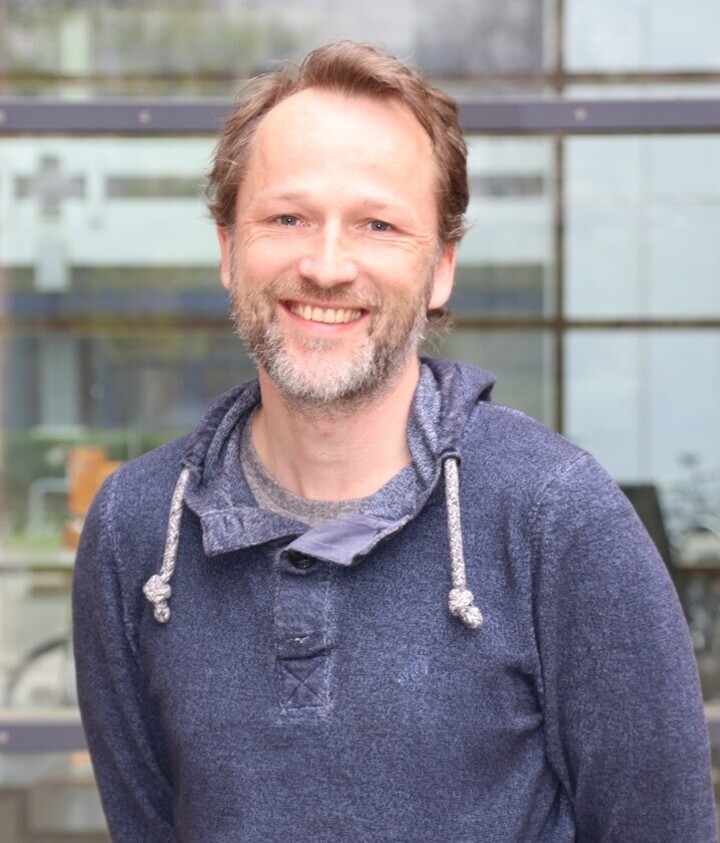
Lars-Henrik Erikssonمشاهده پروفایل
مدرس ارشد
Lars-Henrik Eriksson is a Senior Lecturer in the Department of Computer Science at Uppsala University, part of the Department of Information Technology. He holds a PhD and is recognized as an Excellent Teacher and educational mentor. He currently serves as the program director for the Master's program in Computer Science and has previously held leadership roles, including Head of the Department of Computer Science from 2004 to 2018. PhD in Computer Science Excellent Teacher Award Pedagogical Mentor at Uppsala University His research focuses on the applications of logic in computer science, particularly formal methods for software development. His work spans formal specification, verification, and synthesis, with strong emphasis on logic programming, interactive theorem proving, and logical frameworks. He has made significant contributions to the use of formal methods in safety-critical domains such as railway signaling. His current research includes modeling application domains within formal methods and formalizing concurrency theory using the Isabelle proof assistant. The recent publications reflect a sustained focus on modal logics for nominal transition systems, formal verification tools (e.g., GTO), and domain-specific applications of formal methods. These works demonstrate deep integration of theoretical logic and practical software engineering, especially in distributed and safety-critical systems. The recurring themes include concurrency, verification, and the use of domain models to enhance formal reasoning. Scientific Awards and Recognitions: Excellent Teacher Pedagogical Mentor Lars-Henrik Eriksson has advised numerous students through project supervision, thesis reviews, and course mentorship, though no formal list of advisees is provided. He has been involved in significant research management, including leading the department and directing a master’s program. He has also collaborated with industry, particularly in railway signaling, contributing to safety analysis and formal verification projects with Trafikverket and through companies he co-founded. He is a board member of Formal Methods Europe and served as program committee chair for the FME Symposium 2002 (part of FLoC’02). His work bridges academia and industry, especially in the application of formal methods to real-world engineering challenges.