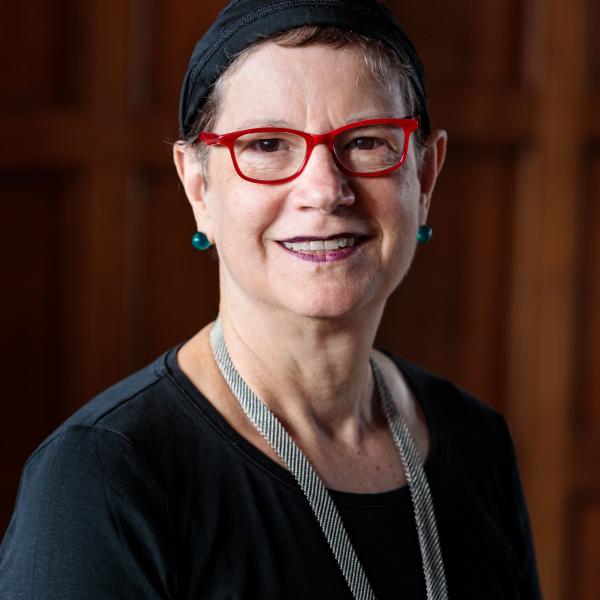
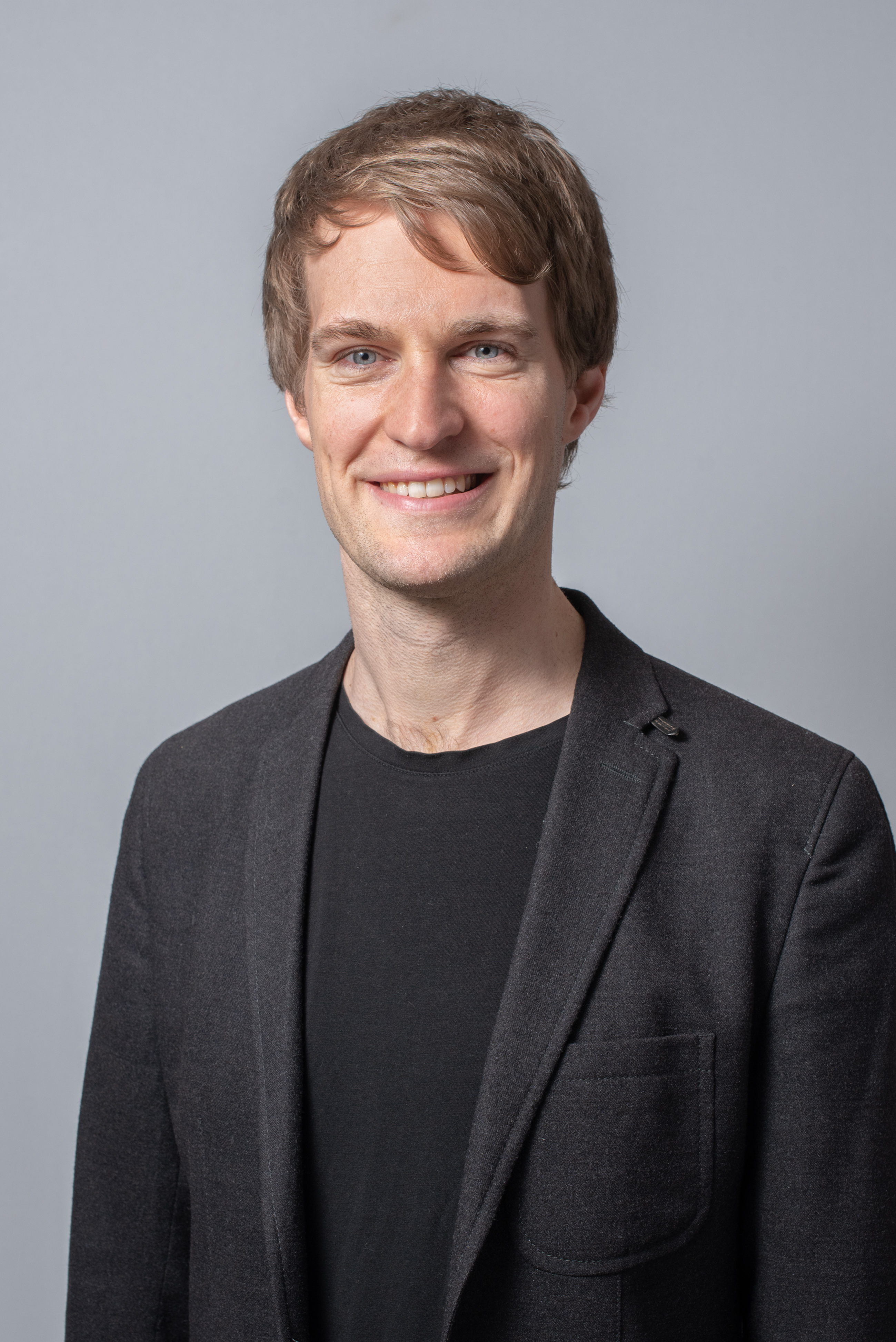
Larissa Samuelson is a Professor in the School of Psychology at the University of East Anglia, specializing in developmental cognitive science with a focus on early word and category learning. She holds administrative roles including Director of Research (2018–present). Her research integrates neural network models with empirical studies to understand how children process information and learn language. Education: BS (Honors) in Psychology, Indiana University (1993) PhD in Psychology & Cognitive Science, Indiana University (2000) Research Interests: Cognitive development in early childhood Word learning mechanisms and neural models Executive function development Cross-cultural language processing Awards: American Psychological Association Distinguished Scientific Award (2010) European Research Council Grant (2025–2031) Recipient of Leverhulme Trust funding (2025–2029) Projects: System of shape representations in cognition Neural process theory of vocabulary variability Language processing in deaf individuals Lab & Teams: Leads the Developmental Dynamics Laboratory , focusing on precision science of word learning and ensuring equitable early language potential for toddlers.
PJ Lamberson is an Associate Professor in the Communication Department at the University of California, Los Angeles (UCLA), serving as departmental Vice Chair and Director of Graduate Studies since 2023. He holds a Ph.D. in Mathematics from Columbia University (2006) and has held prior faculty positions at MIT Sloan School of Management and the Kellogg School of Management, where he also served as Associate Director of the Northwestern Institute on Complex Systems (NICO). His research focuses on social influence, networks, and collective intelligence, with interdisciplinary applications in political science, epidemiology, and computational social science. **Education**: B.A. Mathematics (University of Chicago, 2001), M.A., M.Phil., and Ph.D. in Mathematics (Columbia University, 2003–2006). He has received funding from NIH, UCLA, and other institutions for projects like "Team Dynamics, Networks, and Assembly (Team DNA)" ($1.7M) and "Network Games with Local Correlation and Clustering" ($5K). **Research Interests**: Explores how individual interactions aggregate into collective outcomes, including social contagion, network structures, and hybrid predictive systems. Recent work addresses voter turnout dynamics, obesity prevention via agent-based models, and optimal networks for problem-solving. **Awards**: IC2S2 Best Paper Award (2021), multiple Faculty Impact Awards (2013–2014), and recognition for contributions to teaching and interdisciplinary research. **Teaching**: Offers courses like Computational Communication (PhD), Social Networking (undergraduate), and Methodologies of Communication Research. Supervised over a dozen PhD and master’s students, including Gülşah Akçakır and Seonhye Noh. **Professional Roles**: Associate Editor of *System Dynamics Review*, contributor to international conferences, and frequent speaker on topics like computational social science and network theory.
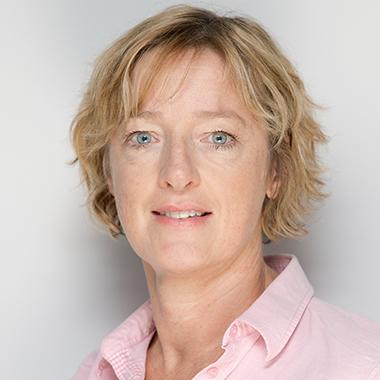
Frances Ferguson is the Mabel Greene Myers Distinguished Service Professor in the Department of English at the University of Chicago. She has taught there since 2012 and holds a Ph.D. from Yale University (1973). Her research focuses on 18th-century British literature, Romanticism, law and literature, and the novel, with additional interests in critical theory and the history of education. She explores how literature intersects with legal frameworks, educational systems, and evolving social values. Education: Ph.D., Yale University, 1973 Her research investigates the transformation of literary forms and critical practices across centuries, including the role of dissent in educational thought, the relationship between poetry and the novel, and the historical context of reading practices. She has advised students on topics ranging from Wordsworth’s philosophical influences to the critique of marriage in Victorian novels. Her publications include Pornography, The Theory (2005), Solitude and the Sublime (1992), and Wordsworth: Language as Counter-Spirit (1977), alongside numerous articles on Romanticism, legal narratives, and literary form. Her work bridges literary analysis with interdisciplinary inquiries into law, education, and cultural history, offering critical perspectives on how literature shapes and reflects societal structures.
Dr. Hannah Ditchfield is a Research Fellow at the University of Sheffield’s School of Sociological Studies, Politics and International Relations. She holds a PhD in Media and Communication from the University of Leicester (2018) and has taught Digital Media and Society modules at both undergraduate and postgraduate levels. Her research focuses on digital media’s role in everyday life, particularly how people use social media platforms to construct identity, navigate health-related risks (e.g., genetic predispositions to cancer), and engage with data practices in the public sector. Current projects include studying ‘previvors’ (individuals with genetic cancer risk) on TikTok and analyzing public perceptions of data use through interviews and focus groups. Education: PhD in Media and Communication, University of Leicester (2013–2018) MA in Communication and Media, Loughborough University BSc in Communication and Media, Loughborough University Research Interests: Online identity and self-presentation Social media affordances and interaction management Data ethics and public discourse on technology Health communication and genetic risk advocacy Grants & Projects: Principal Investigator: Previvorship in the Platform Society: Cancer Genetic Risk in the Digital Age (since 2022) Research Associate: Living With Data: Knowledge, Experience and Perceptions of Data Practices (2020–2022) Lab/Team Affiliations: None explicitly stated, but collaborates with interdisciplinary teams on digital health and data ethics projects.
Dr. Joel Town is an Adjunct Professor in the Department of Psychiatry and cross-appointed in the Department of Psychology and Neuroscience at Dalhousie University . He holds a BSc (Hons) from the University of York and a Doctorate in Clinical Psychology (DClinPsy) from the University of Sheffield. Education: BSc (Hons) in Psychology, University of York, England Doctorate in Clinical Psychology (DClinPsy), University of Sheffield, England Dr. Town's research focuses on psychotherapy outcome research , mechanisms of change in psychotherapy , and psychological treatments for depression and medically unexplained symptoms . He specializes in Intensive Short-Term Dynamic Psychotherapy (ISTDP) , examining its efficacy for conditions like treatment-resistant depression, post-traumatic stress disorder, and somatic symptom disorders. His work includes clinical trials , systematic reviews , and meta-analyses to evaluate therapeutic processes and outcomes. His recent publications highlight ISTDP applications for personality disorders, anxiety, chronic pain, and eating disorders. Key trends include emotional processing , therapeutic alliance dynamics , and cost-effectiveness of brief interventions . Dr. Town also explores how unconscious emotional conflicts influence treatment outcomes. As a clinician, he serves as the lead clinical psychologist at the Medically Unexplained Symptoms Clinic, QE-II Health Science Centre, and as Director of Dynamic Health Psychological Services, Halifax . He supervises clinical psychology interns and practicum students and contributes as a Consulting Editor for journals like Psychotherapy and Psychotherapy Research .
Professor Ahmad Hariri is a faculty member in the Department of Psychology & Neuroscience at Duke University, part of the Trinity College of Arts & Sciences. He holds affiliations with the Duke-UNC Brain Imaging and Analysis Center, the Duke Institute for Brain Sciences, and the Duke Initiative for Science & Society. His research integrates neuroimaging, pharmacology, and molecular genetics to study biological pathways underlying individual differences in behavior and psychopathology risk. Education: Ph.D. in Psychology from UCLA (2000), M.S. and B.S. in Psychology from the University of Maryland, College Park (1997, 1994). Research interests include understanding how genetic and environmental factors influence brain function and behavior, with a focus on psychopathology, stress, and resilience. His work explores neural correlates of traits like psychopathy, childhood adversity effects on brain structure, and biomarkers of aging. Recent studies highlight links between lead exposure and neurodegeneration, neighborhood disadvantage and dementia risk, and the role of brain connectivity in self-regulation. Key achievements include over 200 publications, including high-impact papers in Nature Aging , Neuron , and Biological Psychiatry . Honors include the APA Distinguished Scientific Award for Early Career Contribution (2009) and being named a Highly Cited Researcher (2014). Grants include leadership roles in the Duke-NCCU Postdoctoral Training Program in Child Psychiatric Conditions and the Duke Psychiatry Physician-Scientist Residency Program. He has contributed to editorial boards of journals like Cortex and Biology of Mood and Anxiety Disorders . Professional activities include mentoring in the Summer Neuroscience Program and serving as a Bass Connections Faculty Team Leader.
Professor Coral Dando is a Professor of Psychology at the University of Westminster, leading research in forensic cognition and investigative interviewing. With a background as a London Police Officer, she completed a BSc (Hons) Psychology and PhD in Applied Forensic Cognition. She is a Chartered Psychologist, National Teaching Fellow, and Registered Forensic Psychologist. Her research focuses on eyewitness memory, deception detection, and cross-cultural interviewing, with a particular emphasis on improving investigative methods in security and forensic contexts. Her academic roles include teaching forensic psychology modules (e.g., detecting deception, investigative interviewing) and supervising PhD students researching topics like virtual environments in interviews and neurodivergent credibility. She has secured significant research funding from entities like the Home Office, FBI, and CPNI, totaling over £2M across projects addressing insider threats, county lines exploitation, and aviation security. Key Research Themes: Eyewitness reliability, cognitive interviewing techniques, cross-cultural persuasion, and insider threat detection. Grants: Includes a 2024 €97,000 COST grant for implementing the Mendez Principles and a 2016 $469,000 FBI-funded study on intelligence interviewing. Professor Dando’s work bridges academia and practice, training professionals from police forces, security agencies, and NGOs. She contributes to policy development and has authored over 100 peer-reviewed publications, including seminal works on the cognitive interview and WAFA (Witness-Aimed First Account) for neurodivergent individuals. Her research emphasizes ethical, context-aware methodologies to enhance justice outcomes.
David A. B. Murray is a Professor in the Department of Anthropology and the School of Gender, Sexuality and Women's Studies at York University. His research integrates queer theory, anthropology, and migration studies to examine sexual and gender minorities across Martinique, Barbados, New Zealand, and Canada. Ph.D. Anthropology, University of Virginia M.A. (Distinction) Anthropology, University of Virginia B.A. (Honours) Anthropology, McGill University Professor Murray's work critically engages with nationalism, colonialism, identity performativity, and health inequities. His recent publications analyze queer temporalities, HIV/AIDS narratives, and transnational refugee politics. Emerging from his 2015-2025 publications, key trends include: Queer refugee experiences in Canada/USA HIV/AIDS in Caribbean contexts Queer temporality and biopolitics Language and identity politics Postcolonial identity negotiations Performance of cultural citizenship His research program involves fieldwork across Caribbean and Canadian sites, examining how marginalized communities navigate structural inequities through cultural resistance and identity reclamation.
Rachel Huxley is Deakin Distinguished Professor and Executive Dean of the Faculty of Health at Deakin University, a role she has held since October 2019. She leads the Faculty of Health and is based at the Melbourne Burwood Campus. She previously served as Associate Pro-Vice Chancellor (Research) at La Trobe University, Chair in Epidemiology at the University of Queensland, and Head of the School of Public Health at Curtin University. She holds honorary appointments at the George Institute for Global Health (UNSW) and the Nuffield Department of Population Health, University of Oxford. Education: Undergraduate studies at St John's College, Oxford Doctorate in Epidemiology and Public Health, Department of Public Health and Primary Care, Oxford University Post-doctoral training at Oxford University Professor Huxley's research centers on epidemiology and public health, with a focus on chronic disease risk factors, sex and ethnic disparities, and the health impacts of climate change and air pollution. Her work spans cardiovascular disease, obesity, diabetes, women's health, and environmental determinants of health. She has published over 200 research articles and maintains an h-index of 58 (Web of Science). The 15 most recent publications reflect a strong interdisciplinary focus on environmental health, mental health, cardiometabolic disease, and health policy. Key themes include air pollution and child obesity, climate change and asthma, green space and psychiatric disorders, and sex disparities in coronary heart disease care. Her research increasingly integrates planetary health, policy reform, and equity considerations. Scientific Awards and Fellowships: Inaugural Career Development Fellowship from the Heart Foundation and NSW Office for Science and Medical Research Career Development Award ($400K) from NSW and National Heart Foundation of Australia (2009–2010) Professor Huxley has secured over $2.5 million as Chief Investigator A and contributed to more than $5 million in co-investigator grants. Current and recent projects include NHMRC-funded studies on obesity, prediabetes, electronic cigarettes, women's health data, CT scanning risks, and coronary heart disease management. She supervises several doctoral students and is actively involved in national and international advisory boards, including the Telethon Kids Institute and the Australian Clinical Trials Alliance. She leads or contributes to major research initiatives such as the Centre of Research Excellence on Women and Non-communicable Disease (CRE WaND) and the Breathe Melbourne citizen science project. Her leadership extends to policy engagement, with research influencing public health strategies on air quality, climate change, and sex and gender equity in research.
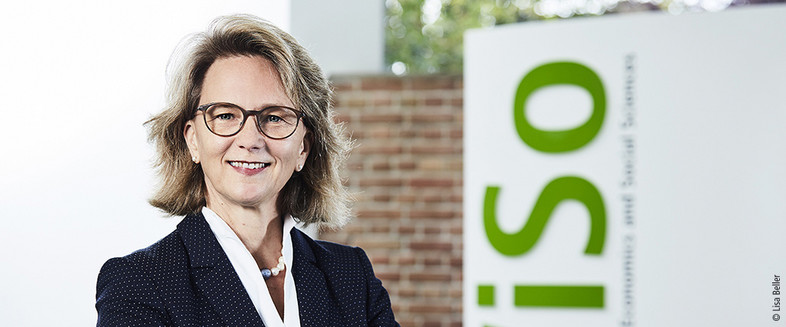
Prof. Dr. Bettina Rockenbach is a leading scholar in Experimental and Behavioral Economics at the University of Cologne , where she has served since 2011. She directs the Reinhard Selten Institute and acts as First Prorector for Research and Innovation . Her research explores social norm compliance , cooperative behavior , and human decision-making in economic contexts. Director, Reinhard Selten Institute (since 2017) First Prorector for Research and Innovation, University of Cologne (since 2015) Member, Leopoldina National Academy of Sciences (since 2013) Research Focus : Bettina Rockenbach investigates how individuals balance self-interest vs. social responsibility , examining phenomena like altruistic punishment , moral behavior , and inequality dynamics through controlled experiments. Her work bridges game theory and real-world social challenges , including resource management and gender pay gaps. In the last 5 years , her 15 most recent publications demonstrate a strong focus on: Public goods and cooperation incentives Gender dynamics in teamwork and pay Time preferences in conservation behavior Moral enforcement in social contexts Strategic communication and lying aversion Experiments in dynamic economic systems Scientific Recognition : 1995 Heinz Sauermann Award for best dissertation Leopoldina membership (since 2013) Advising & Grants : As a leader in experimental economics, she collaborates with institutions like the Cluster of Excellence ECONtribute and Core Profile Area Social and Economic Behavior . Her research receives support from Germany's Excellence Strategy, and she contributes to policy discussions through academic leadership roles.
Dr. Paulina Banaszkiewicz is a Senior Lecturer at the Department of Emotional and Personality Psychology, Institute of Psychology, Maria Curie-Skłodowska University. She holds a PhD in Psychology and focuses on emotion, jealousy, and consensual non-monogamy. Current Role: Senior Lecturer at Maria Curie-Skłodowska University Research Areas: Romantic jealousy, consensual non-monogamy, orthorexia, generational differences, attachment, and gender studies. Her research explores how biological and psychological gender differences influence romantic jealousy, with recent studies on polyamory and ambiguity tolerance. She has published extensively on emotional fluency and relational dynamics. Notable awards include the Rector's Individual Award (2023) . She collaborates on YouTube through the educational channel Niemono Podcast and has participated in numerous conferences. Scientific Awards: Rector's Individual Award 2023
Pekka Martikainen is a leading researcher in population health and demography, affiliated with the Population Research Unit at the Faculty of Social Sciences, University of Helsinki . He is also actively involved with the MaxHel Center and the Laboratory of Population Health , contributing to major research initiatives such as the Monitoring Mortality Inequalities Consortium and studies on immigrant-native health disparities. His research focuses on social and economic determinants of health and mortality over the life course, using extensive Finnish register data. Key interests include fertility and family dynamics , health inequalities , migration and health , early-life determinants of health, and behavioral factors influencing mortality. His work often explores intergenerational linkages and the role of socioeconomic status in shaping health outcomes. The most recent publications reflect a strong emphasis on mental health , genetic and social interactions , educational and occupational influences on health , and disparities in cancer and reproductive health . Studies frequently employ longitudinal, register-based designs across Nordic and European populations, highlighting cross-national comparative insights. Behavioral Determinants of Health and Mortality Costs and Gains of Postponing Parenthood Immigrant-Native Health Disparities Over the Life Course Linked Lives: Family and Socioeconomic Attainment Medically Assisted Reproduction Mortality Disparities at Subnational Level His research has been published in top journals including The Lancet , Demography , Social Science and Medicine , and European Journal of Epidemiology . He collaborates extensively with researchers at the Max Planck Institute for Demographic Research and leads or contributes to multiple large-scale projects analyzing health and demographic trends in Finland and beyond. Martikainen’s work informs public health policy and contributes to understanding how social structures and individual behaviors interact to shape population health and longevity. He plays a central role in advancing register-based demographic research in Europe.
Maarten De Vos is a Professor at the Department of Electrical Engineering (ESAT) , KU Leuven , with dual appointments in the Faculty of Medicine and Faculty of Engineering Science . He leads interdisciplinary research at the intersection of artificial intelligence and biomedical signal processing.
Dr. Miguel Olivo-Villabrille is a Research Fellow at the Tax & Transfer Policy Institute and Assistant Director of the Economic Analysis Team in the Australian Government Department of Education. He holds a PhD in Economics from the University of Calgary and has prior affiliations with UNSW and the University of Sydney. His research focuses on Labour Economics , Public Economics , and Family Economics , employing structural econometrics and causal analysis. Current projects include studying the elasticity of taxable income among high-income individuals, retirement behavior of couples, and the interplay between labor and marriage markets. His recent publications address disability insurance policy impacts, marital earnings dynamics, and household income inequality through assortative marriages. His work appears in journals like Labour Economics and Empirical Economics . He advises on policy-relevant research and leads economic analysis initiatives within government frameworks.
Prof. Dr. Garvin Brod is a Research Professor at the DIPF | Leibniz Institute for Research and Information in Education and Goethe University Frankfurt, specializing in individualized learning and cognitive development. He is affiliated with the Department of Educational Psychology within the College of Psychology & Sports Science. His research focuses on technology-supported educational interventions, memory and learning dynamics, and the development of knowledge acquisition processes. Brod leads projects like ACHILLES (learning success diagnostics), PROMPT (digital prompting techniques), and VokSi (vocabulary learning), addressing self-regulated learning, reading education, and cognitive strategies. The 13 most recent publications highlight trends in educational technology, self-regulated learning mechanisms, and cognitive development. Key themes include mobile learning interventions, memory retention strategies, and the role of executive functions in belief revision. Brod’s work bridges experimental psychology with practical EdTech solutions for children’s learning challenges. As a visiting fellow at St John's College, University of Cambridge, and head of DIPF’s departments for Individualized Support and Education and Development, Brod collaborates on data-sharing initiatives like ShaReD. He holds a doctorate from Humboldt University and a diploma in psychology from Saarland University.