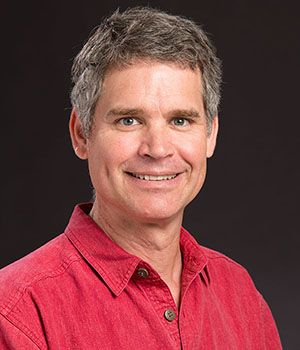
John Berges is Professor in Biological Sciences and Affiliate Professor at the School of Freshwater Sciences, University of Wisconsin-Milwaukee. His laboratory integrates physiological, genomic, and ecological approaches to study aquatic microorganisms across bacteria, phytoplankton, and fish. Research examines stress responses in phytoplankton, ecological consequences of invasive species, and biogeochemical cycling in freshwater ecosystems. Recent work develops digital twins of plankton systems and climate impacts on decomposition. Publications demonstrate consistent focus on Great Lakes ecology (40%), microbial physiology (30%), and methodological innovation (30%). Laboratory techniques span genomic analysis, biochemical assays, and field sampling. Collaborative projects investigate wastewater bioremediation and microbial fuel cells. No awards or specific student advisees are documented.
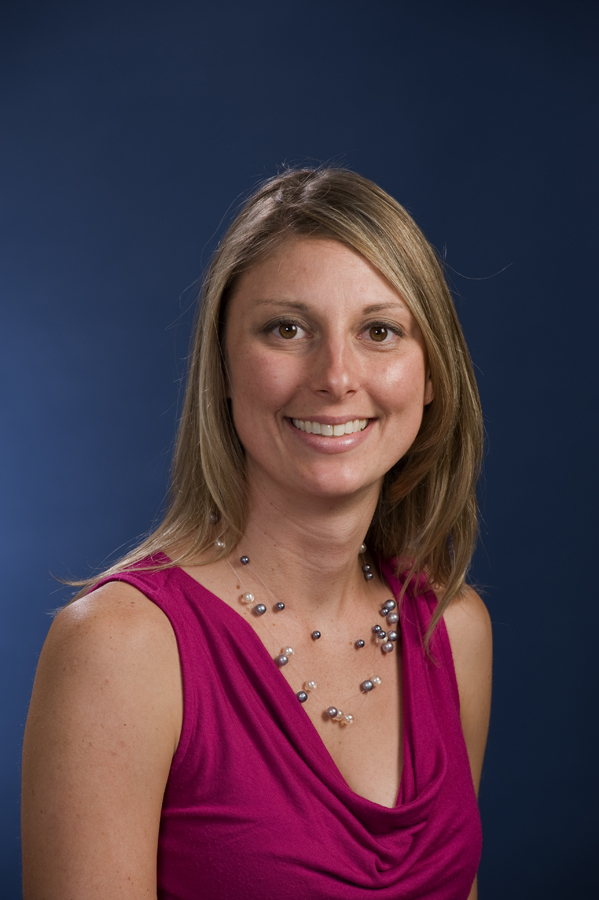
Jeanine LM Skorinko is an Associate Professor of Psychology at Worcester Polytechnic Institute (WPI) in the Department of Social Science and Policy Studies. She serves as the Director of the Psychological and Cognitive Sciences Program and previously directed the Psychological Science Undergraduate Program from 2008-2020. Dr. Skorinko received her AA from Bard College and Simon's Rock, BA from Rice University, and MA and PhD in Social Psychology from the University of Virginia. Her educational background includes: AA: Bard College and Simon's Rock BA: Rice University MA: University of Virginia PhD: University of Virginia (Social Psychology) Dr. Skorinko's research focuses on understanding how social environmental factors, particularly those operating outside conscious awareness, influence decisions and interpersonal interactions. Her work examines how external and internal influences such as subtle contextual cues, stereotypes, stigmas, perspective-taking abilities, and cultural orientation affect perceptions, decisions, and self-views, with special emphasis on legal and organizational contexts. She has made significant contributions to understanding social tuning processes, perspective-taking effects, and cultural differences in attitude formation and transmission. Her recent publications reveal a strong trajectory in social psychology with increasing focus on applied issues. Early work examined fundamental processes of social influence, stereotyping, and perspective-taking. More recently, her research has expanded into critical applied areas including jury decision-making, abuse prevention for individuals with intellectual disabilities, and systemic approaches to improving gender representation in academia. There's a clear evolution from basic social psychological processes to interventions addressing real-world problems, particularly those involving diversity, equity, and inclusion. Dr. Skorinko has received notable recognition for her work: Romeo L. Moruzzi Young Faculty Award for Innovative Undergraduate Education (2012) Institute of Feminist Academic Psychologists (IFAP) Scholar/Fellow (2018) NSF ADVANCE Adaptation Grant as Principal Investigator (2018-2022) New England Psychological Association (NEPA) President (2013-2014) Editorial roles including Frontiers in Psychology Special Issue on undergraduate research (2018-2019) Dr. Skorinko is deeply committed to mentoring students, with numerous undergraduate researchers winning prestigious awards under her guidance. She currently mentors approximately 14 students across senior theses, Interactive Qualifying Projects, and lab volunteer positions. As PI on the NSF ADVANCE grant, she leads institutional efforts to improve promotion pathways for faculty, particularly focusing on increasing gender representation among senior faculty ranks. She also serves as Co-PI on a grant developing assistive technologies to help individuals with intellectual and developmental disabilities recognize and report abuse. Dr. Skorinko directs the Social Psychology Inquiry (SPI) Lab at WPI, where students engage in research examining social environmental influences on decision-making and interpersonal interactions. The lab's work bridges basic social psychological processes with practical applications in legal, organizational, and educational contexts. Current projects include developing technology-based interventions for vulnerable populations and studying systemic approaches to reducing bias in academic and professional settings.
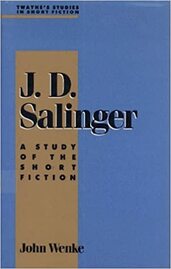
John Wenke is a Professor of English at Salisbury University, teaching American literature and writing. He holds an undergraduate degree from the University of Notre Dame and graduate degrees from the University of Connecticut. His research focuses on 19th-century American literature, particularly Herman Melville and J.D. Salinger, as well as short story studies and narrative analysis. Wenke has authored multiple books, including Melville's Muse: Literary Creation and the Forms of Philosophical Fiction (1995) and The Critical List: Stories (2020). He has received notable awards such as the Distinguished Faculty Award from Salisbury University and the Individual Artist Award in Fiction from the Maryland State Arts Council. His work spans academic essays, creative non-fiction, and literary criticism, with a focus on narrative self-fashioning and philosophical themes in literature. Wenke's publications include groundbreaking analyses of Melville's works, studies on Salinger's short fiction, and creative narratives exploring contemporary societal challenges. He serves on the editorial board of Leviathan: A Journal of Melville Studies . His recent research delves into early American novels, such as Charles Brockden Brown's Memoirs of Carwin the Biloquist , and the intersection of biography with literary creation. Wenke resides in Maryland with his family, balancing academic responsibilities with creative writing and public engagement through lectures and essays.
Pia Linscheid is a Researcher at the Institut für deutsche Sprache und Linguistik (Institute of German Language and Linguistics) at Humboldt-Universität zu Berlin. Her work contributes to the Collaborative Research Centre's projects, focusing on linguistic research involving corpus-based studies. Her research interests center on contrastive L1/L2 corpus studies, morphosyntactic variation, and the theoretical implications of inter-individual differences in language use. She examines how native speaker variability challenges assumptions about homogeneity in linguistic frameworks. Notably, her 2021 publication in Frontiers in Psychology highlights methodological considerations for corpus studies, emphasizing the need to account for intra-group variability in L1 populations. This work bridges empirical analysis with broader questions about language acquisition theories and usage-based models. Linscheid collaborates with institutions and researchers in interdisciplinary projects, contributing to debates on linguistic methodology and pedagogical applications.
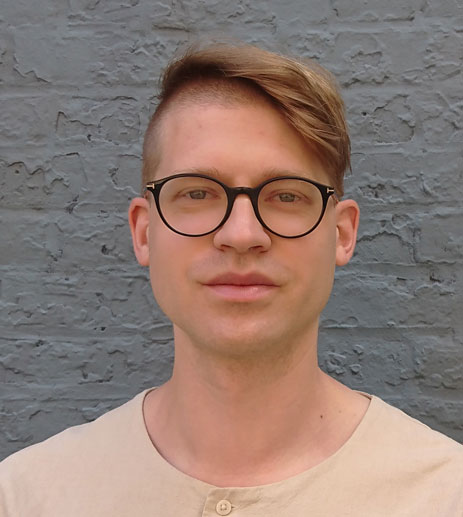
Philip Pärnamets is a Senior Research Specialist at Karolinska Institutet's Department of Clinical Neuroscience, working within the Social and Affective Learning and Decision-Making research group led by Andreas Olsson. He maintains dual affiliation with both the Department of Clinical Neuroscience and Department of Psychology at KI's Faculty of Medicine, reflecting his interdisciplinary approach to studying human decision processes. His research spans social psychology, cognitive science, and behavioral neuroscience, with particular expertise in moral decision-making, political psychology, and collective behavior during crises. Pärnamets has developed a distinctive research profile examining how social identity, moral values, and situational factors shape individual and collective responses to global challenges like pandemics and climate change. His work frequently employs cross-cultural methodologies, with numerous large-scale international collaborations spanning dozens of countries. Analysis of his recent publications reveals a strong emphasis on applying behavioral science to real-world problems, particularly in understanding pandemic responses and climate change attitudes across diverse cultural contexts. His research demonstrates sophisticated integration of cognitive neuroscience methods with social psychological theory to investigate the mechanisms underlying human cooperation and decision-making in complex social environments. As evidenced by his extensive collaborative network, Pärnamets works closely with leading researchers including Jay Van Bavel, Andreas Olsson, and other members of the Social and Affective Learning and Decision-Making group. His publication record shows consistent high-impact contributions across top journals in psychology, neuroscience, and interdisciplinary science.
Samantha Tornello is an Assistant Professor at Pennsylvania State University , holding dual appointments in the Department of Human Development and Family Studies and Women’s, Gender, and Sexuality Studies . Her research focuses on sexual and gender minority parents, particularly exploring pathways to parenthood, stigma impacts, family dynamics, and child development. She examines how stigma and discrimination affect couple relationships, parenting practices, and well-being across diverse family structures. Her work emphasizes resilience mechanisms within LGBTQ+ families, including the effects of health behaviors during crises like the COVID-19 pandemic. Key areas include transgender and nonbinary parents’ experiences, co-parenting dynamics in sexual minority families, and the intersection of gender identity with mental health and social support. Recent studies highlight her focus on pandemic-related family adaptations, long-term resilience through preventive interventions, and the global variations in LGBTQ+ parenthood. Her research consistently bridges micro-level family processes with macro-level societal factors, advocating for inclusive policies and practices.
Guy Claireaux serves as a University Professor at the University of Western Brittany, France, conducting cutting-edge research on marine fish physiological responses to environmental stressors including hypoxia, ocean acidification, and warming. His work primarily focuses on European sea bass and polar cod, examining cardiovascular, respiratory, and metabolic adaptations critical for survival in changing ocean conditions. His research spans hypoxia tolerance mechanisms, thermal biology, and synergistic stressor effects, employing controlled experiments to investigate oxygen transport systems, metabolic plasticity, and behavioral responses. This work reveals individual variation in physiological resilience and has direct applications for fisheries management and marine conservation under climate change, emphasizing the vulnerability of key species to anthropogenic pressures. Analysis of his recent publications shows concentrated investigation into transgenerational acclimation potential and multi-stressor interactions, particularly ocean acidification combined with warming or oil pollution. His findings highlight both adaptive capacities and critical thresholds in fish physiology, providing essential data for predicting ecosystem impacts and informing marine protection policies in warming oceans. Dr. Claireaux collaborates internationally through projects including Flamenco, OASYS, PACIO, and Seawise, addressing marine environmental challenges through integrated physiology-ecosystem approaches. Though previously affiliated with an unspecified laboratory at the University of Western Brittany, his current work maintains strong institutional ties while contributing to global understanding of fish responses to anthropogenic ocean change.
Kelley Strohacker is an Associate Professor in the Department of Kinesiology, Recreation, and Sport Studies at the University of Tennessee, Knoxville. She holds a PhD in Kinesiology from the University of Houston and a BS in Exercise Specialist from Bowling Green State University. Her research focuses on designing adaptive exercise models, leveraging ecological momentary assessment, and understanding psychological determinants of physical activity. Dr. Strohacker teaches courses including Fitness Testing, Behavioral Intervention Development, and Exercise Psychology. Her work emphasizes translating research into practical strategies for exercise adherence and behavior change. Key areas include wearable device applications, readiness-to-exercise metrics, and interventions for post-sport athletes. She has published extensively on periodization models, affective responses to exercise, and the use of quantitative methods like P-technique factor analysis. Dr. Strohacker’s lab collaborates on interdisciplinary projects involving biomechanics, digital health technologies, and qualitative studies on athlete transitions. She advises numerous graduate students and has secured grants supporting behavioral interventions and measurement innovation. Her contributions bridge exercise science with public health, emphasizing real-world applicability of research findings.
Julie Van Dyke is an Assistant Clinical Professor at the Child Study Center, Yale University. Her research focuses on reading comprehension mechanisms, linguistics, and educational interventions, employing eye-tracking technology and computational methods. She explores how text formatting, acoustic features, and linguistic structures influence comprehension across populations including ELL students and adolescents. Notable contributions include databases like DerLex and CompLex, analyzing word reading behavior through eye-movement studies. Her work bridges cognitive science with practical educational applications, addressing both theoretical and applied challenges in literacy development. Her academic contributions extend to special issue curation and peer-reviewed publication processes, reflecting her role in advancing scholarly discourse in reading research. While no explicit awards or student advisement are noted in the text, her prolific output since 2019 demonstrates sustained engagement with language processing, phonological awareness, and syntactic-semantic interactions in comprehension.
Michael Alvard is an Associate Professor in the Department of Anthropology at Texas A&M University, serving as Cultural Program Coordinator. His research focuses on the intersection of culture and biology, particularly in human evolutionary ecology, cooperation mechanisms, and environmental adaptations. He has conducted extensive fieldwork with indigenous groups, including studies of Lamaleran whale hunters in Indonesia and artisanal fishers in Dominica. Alvard holds a PhD from the University of New Mexico (1993). His work bridges anthropology with conservation biology, examining how cultural practices influence subsistence strategies and ecological sustainability. Key themes include kinship systems, cooperative behavior, and the impact of technology on hunting practices. His research spans multiple regions, from Neotropical rainforests to the Pacific islands, addressing topics like sustainable resource use, game behavior, and the interplay between genetic and cultural kinship. He has pioneered methods for analyzing fishing effort and movement patterns using GPS data, contributing to fisheries management strategies. Teaching includes courses on global cultures (ANTH 205), introductory anthropology (ANTH 201), and human evolutionary ecology (ANTH 424). His interdisciplinary approach integrates evolutionary theory with empirical field studies to explore how humans adapt to environmental challenges.
Dr. Barbara Class is a Research Fellow in the Faculty of Biology at Ludwig Maximilian University of Munich, specializing in Behavioral Ecology. Her work focuses on understanding how social behavior, individual differences, and environmental factors shape animal interactions and fitness. She leads research in the Behavioural Ecology work group, investigating topics such as urbanization impacts on behavior, disease effects on social networks, and evolutionary mechanisms driving behavioral traits. Education and Research Interests: Barbara’s research integrates field observations, statistical modeling, and genomics to address questions in behavioral ecology. Key themes include: Social behavior mechanisms in reptiles and birds Evolutionary consequences of assortative mating Behavioral responses to urbanization Pathogen transmission dynamics in wildlife populations Articles Trends: Her recent work emphasizes urban adaptation in reptiles, disease impacts on social networks, and statistical rigor in ecological studies. Notable contributions include disentangling non-random social assortment and exploring behavioral divergence along urbanization gradients. Labs and Teams: Barbara’s research is anchored in the Behavioural Ecology group, collaborating with international teams on projects combining field experiments and genomic approaches.
Giuliana Perrone is an Associate Professor in the Department of History at the University of California, Santa Barbara (UCSB), where she specializes in 19th-century U.S. history, slavery, law, and the Civil War and Reconstruction eras. She holds a Ph.D. from the University of California, Berkeley (2015). Her research examines the intersections of race, law, and political institutions, particularly focusing on reparations, legal frameworks of emancipation, and the sociolegal dimensions of slavery’s legacy. Research Interests : Perrone’s work centers on the history of slavery and abolition, legal responses to emancipation, and the Reconstruction era’s contested legacy. Her current project, Rehearsals for Reparations , explores enslavers’ testamentary bequests to enslaved individuals as precursors to modern reparations discourse. This work bridges historical archives and contemporary debates about racial justice and compensation. Publications & Honors : Perrone’s book Nothing More than Freedom: The Failure of Abolition in American Law (Cambridge, 2023) challenges assumptions about legal abolition’s efficacy. She has been awarded the University of California President’s Faculty Research Fellowship in the Humanities (2018–2019) and the William Nelson Cromwell Foundation Early Career Fellowship (2020). Teaching : Perrone teaches courses on U.S. legal history, slavery and abolition, and Reconstruction. Recent courses include History of the Present , American Legal & Constitutional History , and Slavery and the Making of African America . Current Projects : Her research extends into legal historiography, focusing on how courts navigated crises like the Civil War and Reconstruction. She advises graduate student Casey Haughin-Scasny and collaborates on interdisciplinary projects linking historical archives to modern social justice movements.
Dr. Fransiska Bossuyt is a Lecturer in the Department of Health Sciences and Technology at ETH Zürich. Her research focuses on biomechanical and musculoskeletal health challenges faced by individuals with spinal cord injuries and wheelchair users. Key research areas include shoulder pain mechanisms, wheelchair propulsion biomechanics, tendon adaptations in athletes, and rehabilitation strategies to mitigate injury risks. Her work integrates clinical studies with engineering approaches, such as developing wireless strain sensors for musculoskeletal monitoring and analyzing subacromial space dynamics during fatiguing activities. Notable contributions include longitudinal studies on elite wheelchair rugby athletes and systematic reviews evaluating portable dynamometer reliability for shoulder strength assessment. Dr. Bossuyt’s findings address clinical gaps in mobility-related injury prevention, emphasizing the interplay between physical activity adherence and musculoskeletal health outcomes in spinal cord injury populations.
Steffan Noe Niikanoff Christiansen serves as a Postdoctoral Researcher at the Department of Health Science and Technology within the Faculty of Medicine at Aalborg University, Denmark. His research program focuses on elucidating the genetic and epigenetic mechanisms underlying sudden cardiac death in young individuals, with particular emphasis on calmodulinopathies and DNA methylation patterns in cardiac tissues. His academic credentials include: PhD in Oral Sciences, Forensic Medicine and Bioanthropology from the University of Copenhagen (2017-2022) MSc in Molecular Medicine from Aarhus University (2014-2016) BSc in Molecular Medicine from Aarhus University (2011-2014) Christiansen's research integrates molecular cardiology with forensic applications, investigating how DNA and RNA variations contribute to cardiac arrhythmias and sudden death. His work addresses critical challenges in variant interpretation by examining calmodulin gene mutations (CALM1/CALM2/CALM3) and epigenetic modifications, particularly DNA methylation alterations in cardiac development and postmortem tissues. This research has significant implications for improving genetic testing accuracy and risk stratification in clinical and forensic contexts. Analysis of his publication trajectory reveals a pronounced methodological focus on epigenetic techniques, with increasing specialization in cardiac methylation patterns since 2021. His recent work demonstrates sophisticated integration of genomic technologies across cardiac and neurological contexts, consistently bridging basic science with clinical applications through advanced bioinformatics approaches. As Principal Investigator of the Danish Cardiovascular Academy project "The Deadly, the Deleterious, and the Dangerous – Decoding the Differential Pathogenicity among CALM1, CALM2, and CALM3" (2024-2026), Christiansen leads a multi-institutional collaboration investigating calmodulin variant pathogenicity. This project involves key partners including the University of Copenhagen and international experts in cardiac genetics. He actively contributes to methodological advancement through tools like the "Snpbeadchip" R package for genomic analysis, while maintaining active collaborations across Danish research institutions as evidenced by his network map showing extensive domestic and international connections.
Univ.-Prof. Dr. Klaus Faiß is a Professor in the Department of English and Linguistics at the University of Trier. His research focuses on historical linguistics, word formation, and the evolution of the English language. He has published extensively on topics such as Old English morphology, compound structures, and sociolinguistic analysis of ancient texts. Faiß has collaborated on interdisciplinary projects involving ancient Iranian languages and classical geographical texts. His work bridges historical linguistic analysis with comparative studies, emphasizing the interplay between language change and cultural context. Education: No formal education details listed, but expertise indicates advanced qualifications in English Linguistics and Historical Philology. Research Interests: Faiß specializes in historical morphology, word-formation processes, and the diachronic study of English. He also explores sociolinguistic dimensions of ancient texts, contributing to Zoroastrian studies and classical geography through linguistic analysis. His work often involves cross-linguistic comparisons between Germanic, Iranian, and classical languages. Publications Trends: His 50-year career includes monographs on English historical morphology (e.g., English Historical Morphology and Word Formation: Loss versus Enrichment , 1992) and co-authored studies on ancient texts like Zarathushtra and His Antagonists (2010). Recent work (2009–2013) combines historical linguistics with interdisciplinary topics like ancient geography and religious texts. Awards/Grants: No specific awards or grants mentioned. However, his extensive publication record indicates sustained academic recognition. Advising & Labs: No student advisement records listed. His research appears to be individually driven with collaborative co-authorship rather than lab-based work. Labs/Teams: No dedicated research groups or labs mentioned. Collaboration focuses on co-authored projects rather than institutional affiliations.