Furong Huang is an Associate Professor at the University of Maryland's Department of Computer Science, with affiliations at the Institute for Advanced Computer Studies, Center for Machine Learning, Maryland Robotics Center, and Applied Mathematics, Statistics, and Scientific Computation Program. Her research bridges trustworthy machine learning, sequential decision-making, and foundation models for robotics, emphasizing reliability, interpretability, and ethical standards. Research Interests: Trustworthy AI Generative AI Reinforcement Learning AI Security Algorithmic Fairness Foundation Models for Robotics Recent Publications span leading conferences (NeurIPS, ICML, ICLR, CVPR) and journals, focusing on: Robustness in Vision-Language Systems Trustworthy Generative AI Foundation Models for Sequential Decision-Making AI Security and Watermarking Scientific Awards MIT TR35 Innovator Under 35 (Asia Pacific 2022) Best Paper Award, AdvML Frontier Workshop, NeurIPS 2024 NSF NAIRR Pilot Awardee Microsoft Accelerate Foundation Models Research Award (2023) JP Morgan Faculty Research Awards (2019–2022) Advising and Grants : Her lab has graduated students to roles at OpenAI, Google, Meta, and Netflix. Research funded by DARPA, NSF, ONR, AFOSR, and industry partners like Microsoft, Adobe, and Capital One. Labs & Teams : Leads research groups focused on Trustworthy AI and Robotics at the University of Maryland, collaborating with the Maryland Robotics Center and Applied Mathematics Program.
Meredith Tamminga is an Associate Professor of Linguistics at the University of Pennsylvania, where she directs the Language Variation and Cognition Lab . Her work bridges sociolinguistics , psycholinguistics , and theoretical linguistics , focusing on how linguistic variability is represented in mental grammar and how social context influences speech perception and production. She co-leads the Philadelphia Signs Project , exploring sign language sociolinguistics with collaborators at Penn and Gallaudet University. PhD in Linguistics (2014), University of Pennsylvania BA in Linguistics (2009), McGill University Her research integrates experimental methods with naturalistic speech analysis to study individual and group-level language change. Keywords include phonetics-phonology mapping , intraspeaker variation , and quantitative modeling . Notable grants include NSF awards and SAS Dean’s Mentorship Award . Key affiliations include MindCORE , Penn’s hub for integrative mind sciences, and collaborative ties to the Phonetics Lab , Child Language Lab , and Cultural Evolution of Language Lab . Her lab emphasizes cross-departmental research and welcomes undergraduate RAs and PhD students.
John Oakey is a Professor and Graduate Coordinator in the Department of Chemical and Biomedical Engineering at the University of Wyoming, with additional affiliations to the INBRE Program, Molecular and Cellular Life Sciences Program, and Materials Science and Engineering Program. Education Postdoctoral Fellow, Center for Engineering in Medicine, Massachusetts General Hospital & Harvard Medical School (2007–2010) Ph.D. Chemical Engineering, Colorado School of Mines (2003) M.S. Chemical Engineering, Colorado School of Mines (1999) B.S. Chemical Engineering, Penn State University (1997) Research Interests Oakey’s laboratory integrates fluid dynamics, colloidal science and materials science to understand how biological systems behave under flow, on surfaces and within complex 3-D geometries. A unifying theme is the use of microfabrication and microfluidics to create new diagnostic, prognostic and therapeutic platforms. Current thrusts include: Heterogeneous biomaterials: self-assembled particulate tissue scaffolds whose mechanical and transport properties can be temporally programmed. Inertial microfluidics: exploiting lift forces for membrane-free particle sorting, enrichment and diagnostics. Multi-temporal analysis by flow cytometry: development of closed-loop, high-throughput microfluidic cytometers for longitudinal single-cell studies. Publication Trends From 2025 back to 2010, Oakey’s articles reveal a consistent trajectory that marries fundamental physics (microtubule mechanics, inertial focusing) with translational applications (cell encapsulation, tissue scaffolds, drug delivery). Recent work (2023-2025) increasingly targets injectable granular hydrogels, single-cell therapeutic delivery and sustainable carbon-sequestering living materials, demonstrating an evolution from microscale transport phenomena to macroscopic biomedical and environmental impact. Scientific Awards No named awards are listed in the supplied text. Advising & Coordination Roles As Graduate Coordinator for the Department of Chemical and Biomedical Engineering, Professor Oakey oversees graduate program development and student mentoring. While no individual students are named, his role implies active supervision of M.S. and Ph.D. advisees in chemical and biomedical engineering. Laboratory & Teams The Oakey Research Group operates from the Energy and Environmental Research Building (EERB 435A) at the University of Wyoming. The lab enjoys R1-level research infrastructure and collaborates broadly with the Wyoming INBRE network, the Molecular and Cellular Life Sciences Program, and the Materials Science and Engineering Program.
Jose Apesteguia is an ICREA Research Professor at the Department of Economics and Business, Universitat Pompeu Fabra, Barcelona, Spain. His research focuses on behavioral economics, decision theory, experimental economics, and game theory, with particular emphasis on topics such as behavioral heterogeneity, rationality measures, stochastic choice models, and social preferences. Apesteguia has collaborated extensively with scholars like Miguel A. Ballester and Jörg Oechssler, producing influential work on topics ranging from imitation dynamics to the impact of language on moral decisions. His research integrates theoretical frameworks with experimental methods, exploring how individuals make decisions under uncertainty, time preferences, and social contexts. Key contributions include the development of measures of rationality and welfare, as well as analyses of behavioral adaptation and the role of information in competitive environments. His work frequently bridges economic theory with empirical validation, addressing real-world issues such as rule compliance in public institutions and team performance in organizations. Apesteguia’s publications span top journals including the American Economic Journal: Microeconomics , Journal of Economic Theory , and Econometrica . He teaches advanced courses on bounded rationality and behavioral decision theory at the undergraduate and graduate levels. His research has been applied to fields like finance (e.g., copy trading behavior) and public policy (e.g., promoting compliance in libraries).
Marco Platzner is a Professor for Computer Engineering at Paderborn University , Germany. He serves as the Dean of Research for the Faculty of Computer Science, Electrical Engineering and Mathematics and heads the Department of Computer Science. Previously, he held research positions at ETH Zurich, Stanford University, GMD (now Fraunhofer IAIS), and Graz University of Technology. Education: Diploma and PhD in Telematics (Graz University of Technology, 1991 and 1996), Habilitation in Hardware-Software Co-Design (ETH Zurich, 2002) Research Interests focus on reconfigurable computing, approximate computing, self-* computing, and embedded systems. His work addresses hardware security, FPGA design, and sustainable AI in data centers. Current projects include energy-efficient AI through deep neural network approximation for FPGAs (EKI-App) and lifecycle sustainability of socio-technical systems (SAIL). Publication Trends show expertise in FPGA security, approximate circuit synthesis, robotics, and hardware acceleration. Collaborations span robotics (ROS 2 integration), AI (transformer optimization), and cybersecurity (Trojan detection). Scientific Awards: ACM SIGDA Hall of Fame (2020) Significant Paper Award (FPL 2015) Best Paper Awards at IEEE ISVLSI (2024), ARC (2018), IEEE ReConFig (2015), and others Weierstraß Prize for Teaching (2008) Leadership Roles include membership in the board of Paderborn Center for Parallel Computing (PC2) and the Jenny Aloni Centre for Early Career Researchers. He has contributed to EU FP7 FET project EPiCS and German priority programs on embedded systems and organic computing.
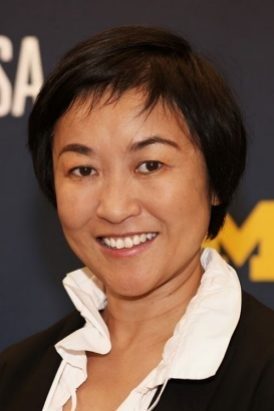
Fiona Lee is the Arthur F. Thurnau Professor of Psychology at the University of Michigan, with affiliations in Organizational Studies and the Advisory Committee. She holds a Ph.D. from Harvard University. Her research focuses on three core areas: Identity Integration (how individuals navigate multiple identities), Power Dynamics (effects of power on behavior), and Cultural Differences (impact of cultural contexts on organizations and individuals). She teaches courses on Organizational Psychology and Research Methods in Personality/Social Contexts. Lee’s work bridges social psychology and organizational behavior, emphasizing multicultural experiences and adaptation. Her recent studies explore refugee well-being, racial discrimination coping strategies, and the role of family in resettlement processes. Notably, she investigates how cultural identity integration influences creativity, decision-making, and social tolerance. Her publications span cross-cultural communication, biculturalism, and institutional barriers faced by minorities. Lee’s research often combines qualitative and quantitative methods to address real-world challenges in workplace dynamics and global mobility.
Professor John W. Edmunds is a leading academic in Infectious Disease Modelling at the London School of Hygiene and Tropical Medicine (LSHTM). Holding a Professor position since 2013 and serving as Dean of the Faculty of Epidemiology and Population Health (2013-2019), he combines mathematical, statistical, and economic models to inform public health policy. His part-time role at the Health Protection Agency (HPA) since 2008 underscores his policy advisory contributions. PhD in Infectious Disease Modelling (Imperial College, 1994) MSc in Health Economics (University of York, 1995) BSc in Biology (Imperial College, 1989) His research focuses on understanding disease transmission and optimizing control strategies. He has pioneered methods integrating social contact surveys , participatory surveillance (e.g., Influenzanet), and economic analysis to evaluate vaccines and interventions. Recent work includes SARS-CoV-2 dynamics , Ebola spatial forecasting , and typhoid vaccine prioritization . His 15 most recent publications highlight social contact patterns (Reconnect, CoMix studies), vaccine impact (HPV, typhoid), and real-time outbreak analytics (Ebola, cholera). Key trends include digital epidemiology , behavioral surveillance , and cross-country modeling for global health. Knighthood (2024) for services to epidemiology Weldon Memorial Prize (2022) for biostatistics contributions FMedSci (2018) for medical science excellence OBE (2016) for public service As an educator, he teaches "Modelling and the Dynamics of Infectious Diseases" and co-organizes "Pandemics: Emergence, Spread and Response" . Current grants include National Institute for Health and Care Research projects on post-pandemic surveillance and Bill & Melinda Gates Foundation funding for polio eradication. He leads collaborations with the Centre for Mathematical Modelling of Infectious Diseases , Vaccine Centre , and Health in Humanitarian Crises Centre , while advising UK and WHO committees on zoonotic influenza , variants , and testing programs .
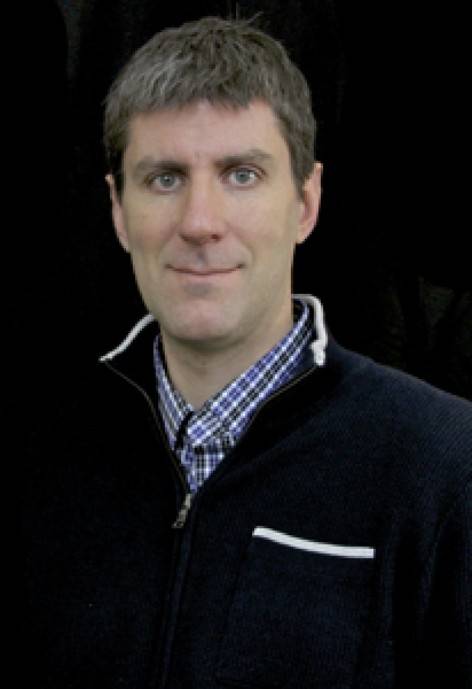
Zach Shahn is an Assistant Professor in the Department of Epidemiology and Biostatistics at the CUNY School of Public Health. He holds a PhD in Statistics from Columbia University and a BA in Mathematics from Stanford University. His research focuses on causal inference methods applied to healthcare data, particularly time-varying treatment effects and critical care applications. He has conducted postdoctoral work at Harvard School of Public Health and previously worked at IBM Research in Healthcare and Life Sciences. Education: PhD in Statistics and Probability, Columbia University BA in Mathematics, Stanford University Research interests include developing causal inference frameworks for evaluating treatment efficacy in dynamic healthcare settings, with a focus on critical care outcomes and methodological innovations. Recent work explores applications of causal diagrams, instrumental variables, and machine learning in healthcare decision-making. His studies often involve large-scale healthcare datasets to assess interventions' real-world impacts. Key trends in his articles include advancements in causal effect estimation under complex treatment regimes, bias analysis in observational studies, and methodological contributions to difference-in-differences and N-of-1 trial designs. His work bridges statistical theory with practical healthcare challenges, emphasizing reproducibility and policy relevance. No scientific awards are listed, though his contributions to causal inference methodologies are notable in academic circles. He has advised on healthcare data projects and published extensively without explicitly listed grants. His professional network includes collaborations with institutions like Harvard and IBM. He is affiliated with CUNY's public health programs and actively engages in academic discourse via Twitter and LinkedIn. His lab or team details are not explicitly mentioned in available materials.
Christian Schlag is a Professor at the Finance Department of Goethe University Frankfurt’s Faculty of Economics and Business , where he also serves as Dean. He leads the Chair of Derivatives and Financial Engineering and coordinates young researchers at the Leibniz Institute for Financial Research SAFE. His research focuses on equilibrium asset pricing, derivative securities, and empirical capital market analysis. Research Trends : Schlag’s recent work explores volatility dynamics, climate risk in asset pricing, return predictability, and investor behavior. His 2023 publications examine time-varying consumption growth risk, equity factors, and individual stock volatility models. Earlier studies (2021–2015) address pricing kernels, welfare costs of temperature volatility, and model mis-specification in hedging. Student Placements : Former advisees hold positions at institutions like the European Central Bank, INSEAD, Australian National University, and Warwick Business School. His Chair of Derivatives and Financial Engineering collaborates with networks across Europe, North America, and Asia.
Oswald J. Schmitz is the Oastler Professor of Population and Community Ecology at the Yale University School of the Environment. His research bridges biodiversity and ecosystem services, focusing on species interactions, climate change impacts, and conservation strategies. He employs field experiments and mathematical models to study predator-herbivore-plant dynamics, nutrient cycling, and carbon sequestration. Education: B.Sc., M.Sc., University of Guelph Ph.D., University of Michigan Research areas include: Trophic rewilding for climate solutions Human-wildlife conflict dynamics Meta-ecosystem nutrient flows Animal-driven carbon cycle modifications Context-dependent conservation strategies His 2024 Bormann Prize-winning work on calving impacts in nutrient cycles and other recent publications highlight innovative ecosystem science. Schmitz mentors students like Kristy Ferraro and collaborates with alumni such as Rob Buchkowski and Julia Monk. He teaches three conservation-focused courses with an emphasis on quantitative skills and real-world applications.
Natasha Zhang Foutz is a Research Associate Professor of Commerce at the McIntire School of Commerce, University of Virginia . Her work bridges Artificial Intelligence , Marketing Analytics , and Consumer Behavior , with a focus on Digital Content and Location-Based Services . She teaches Marketing Analytics , Entertainment Marketing , and Marketing Models across undergraduate to PhD programs. Ph.D. in Marketing, Cornell University M.S. in Statistics & Marketing, Cornell University B.S. in Economics, Fudan University Her research investigates: AI-Powered Entertainment Marketing : Using machine learning to analyze consumer behavior in digital content. Privacy and Ethical Data Use : Studying consumer trade-offs between privacy and public good, especially during crises like the COVID-19 pandemic . Location Analytics : Leveraging mobile data for urban economics, real estate, and emergency response modeling (e.g., MobiRescue for disaster logistics). Prosocial Consumer Behavior : Exploring how social capital and diversity drive innovation and policy compliance. Recent publications highlight trends in Reinforcement Learning for crisis management, Privacy-Preserving AI , and Freemium Pricing Models in digital markets. Her awards include the 2025 UVA Outstanding Researcher Award and the 2018 Mallen Award for motion picture studies. Natasha serves as an Area Editor for multiple journals, emphasizing Data Science in marketing. She has advised numerous PhD students and collaborated on projects analyzing Big Data in consumer mobility and platform economics.
Noman Mohammed is an Associate Professor of Computer Science at the University of Manitoba’s Faculty of Science, leading the Data Security & Privacy (DSP) laboratory. He specializes in privacy-preserving techniques for data sharing, addressing challenges in healthcare, genomic, and financial data. In 2020, he received the Terry G. Falconer Memorial Rh Institute Foundation Emerging Researcher Award for his contributions to bridging privacy and data utility gaps. His research focuses on balancing data accessibility and individual privacy through technical solutions like federated learning, differential privacy, and secure genomic data processing. He emphasizes integrating policy guidelines with advanced technologies to mitigate privacy risks from interconnected data sources. Notable achievements include developing toolkits for data anonymization and federated learning frameworks, as well as advancing methods to secure cloud-based data storage and analysis. His work aligns with societal needs for robust privacy mechanisms in an era of expanding personal data collection. Future objectives involve addressing privacy challenges in emerging technologies, such as heterogeneous data integration and scalable systems for personal data management. Despite his research focus, he notably avoids social media platforms.
Jaline L Gerardin is an Associate Professor in Preventive Medicine (Epidemiology) and McCormick School of Engineering at Northwestern University. She is affiliated with the Center for Global Health, Institute for Public Health and Medicine (IPHAM), Northwestern Institute on Complex Systems, and Robert J. Havey, MD Institute for Global Health. Her career focuses on malaria modeling and public health interventions. Current affiliations: Northwestern University, IPHAM, NICO, Center for Global Health Prior role: Malaria lead at Institute for Disease Modeling Research Focus: Gerardin specializes in malaria transmission modeling and public health intervention optimization . Her work addresses subnational tailoring of malaria strategies, intervention mix analysis for elimination, and ethical modeling practices. She integrates multidisciplinary data (entomology, immunology, demography) into agent-based models to guide policy in resource-limited settings. Article Trends: Recent publications emphasize subnational malaria intervention prioritization (Guinea, Nigeria), diagnostic performance evaluation, human mobility impacts on transmission, and wastewater surveillance applications for disease modeling. Leadership Roles: Co-chair: American Society of Tropical Medicine and Hygiene symposia Member: WHO working groups, Malaria Modeling Consortium Advisor: WHO Malaria Multi-Model Comparison initiatives Education: PhD from University of California, San Francisco (2013)
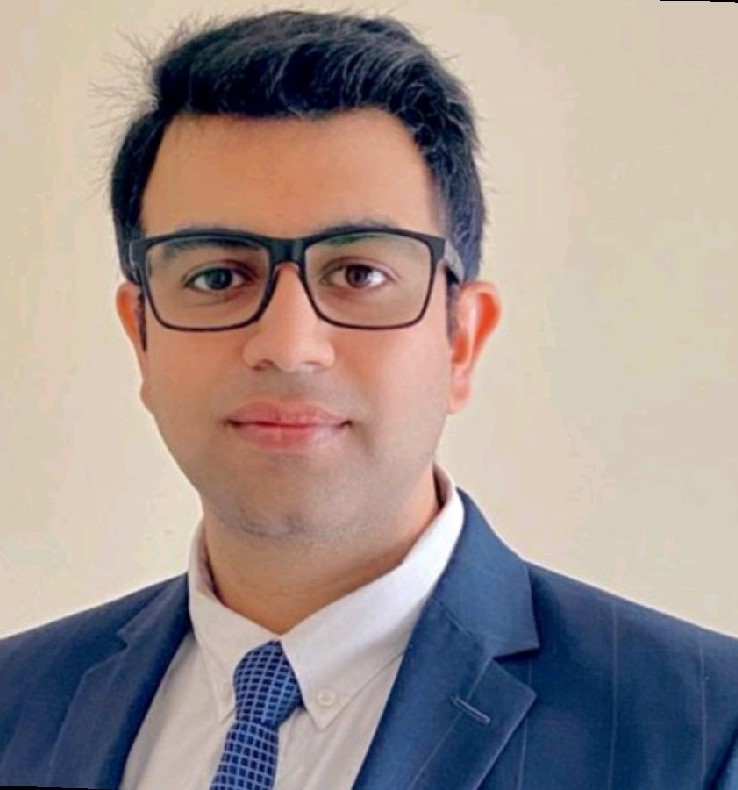
Dr. Vishal Sharma is a Senior Lecturer in the School of Electronics, Electrical Engineering and Computer Science at Queen's University Belfast. His research focuses on Cyber-Physical Systems (CPS), 5G/6G Security, Unmanned Aerial Vehicles (UAVs), Blockchain, and Digital Twins. He has held roles at institutions like Singapore University of Technology and Design (SUTD) and Soonchunhyang University, South Korea. Notable achievements include Best Paper Awards at ICCMIT 2017, IEEE SITE 2024, and HUCAPP/VISIGRAPP 2025. He leads the Innovation-by-Design Lab and is a Fellow of the Higher Education Academy (FHEA). Research Interests: Cyber Defence, UAV Security, Secure Computing, Network Security, and Sustainable Edge Computing. He has collaborated on projects like RapidRANDefender (QRICSec) and Traceable Procurement for Net-Zero Processes. Awards include the Royal Society International Exchanges Committee appointment (2025) and QUB's Individual Performance Award (2024). Grants and Projects: Principal Investigator for projects such as Exploring Operational Capabilities of Arm Morello for UAV Security (2023) and TUDOR: Ubiquitous 3D Open Resilient Network (2023). Active in editorial roles for IEEE Communications Magazine and IET Networks. His work aligns with UN Sustainable Development Goals (SDGs) related to climate action and innovation. Publications span 150+ articles in top journals/conferences, with a focus on secure communication, edge computing, and UAV networks. Supervises PhD students in cyber defence, AI security, and distributed ledger technologies.
Claus Thustrup Kreiner is a Professor of Economics and Director of the Center for Economic Behavior and Inequality (CEBI) at the University of Copenhagen's Faculty of Social Sciences, Department of Economics. He also serves as Area Director of Public Economics in the CESifo network and was co-editor of the Journal of Public Economics from 2014 to 2020. Kreiner has held various leadership positions including Director of the Economic Policy Research Unit (EPRU) since 2005 and Director of the Center of Excellence WEST from 2011-2013. Education: Ph.D. in Economics, University of Copenhagen, 1998 Visiting Ph.D. student, University of York, 1996 M.Sc. in Economics, University of Copenhagen, 1994 B.Sc. in Economics, University of Copenhagen, 1991 Claus Thustrup Kreiner's research primarily focuses on Public Economics , with secondary specializations in Labor Economics, Household Finance, Applied Microeconometrics, and Experimental Economics. His work examines inequality in income, wealth and health, optimal redistribution policy, and behavioral responses to public policy. Kreiner has conducted significant research using Danish administrative data to analyze tax compliance, labor supply responses, and inequality dynamics. His research often involves collaborations with institutions like Columbia University, London School of Economics, and UC Berkeley. His recent publications reveal a strong focus on inequality across multiple dimensions (income, wealth, health, life expectancy), tax policy design and compliance, labor market responses to policy changes, and the intersection of behavioral economics with public policy. Kreiner frequently employs high-frequency administrative data from Denmark to provide empirical evidence on how individuals and households respond to economic policies and shocks. Scientific Awards and Recognition: Appointed Knight of The Order of Dannebrog by Queen Margrethe II (2018) The Invisible Hand Award from the Society of Social Economics (2006, 2001) Best Teacher Award from the Study Board of Economics at University of Copenhagen (2002) Research Fellow at Centre for Economic Policy Research (CEPR), London (2009-) Kreiner has supervised numerous students primarily in Public Economics and has received multiple research grants including from the Danish Social Science Research Council (2003, 2006, 2009), International Growth Center (2009), and Danish National Research Foundation (1998-2003). He has served on important policy bodies including as co-chair of the Danish Economic Council (2010-2014) and member of the Danish Tax Commission (2008-2009). As Director of CEBI (Center for Economic Behavior and Inequality), Kreiner leads a major research center funded by the Danish National Research Foundation. He also directs the Economic Policy Research Unit (EPRU) and has been instrumental in establishing research collaborations through networks like CESifo. His work bridges academic research and policy application, as evidenced by his practical policy experience with government commissions.