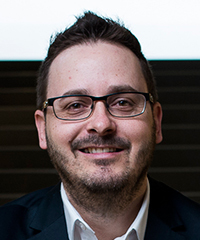
Qimin Liu is an Assistant Professor at Boston University, serving as Lab Director of the Quantitative Psychopathology Laboratory. He holds a PhD in Psychological Sciences from Vanderbilt University with specializations in Clinical Science and Quantitative Methods. His research focuses on emotional disturbances across development, statistical methodology development, and health equity with an emphasis on intersectional marginalization. He has expertise in analyzing intensive longitudinal data and has published extensively on topics like irritability, suicidality, and mental health disparities among sexual and gender minority populations. Dr. Liu’s work frequently integrates advanced statistical techniques such as latent variable modeling, network analysis, and machine learning. His recent studies explore the temporal dynamics of affect, the impact of stigma on mental health, and the role of childhood adversity in psychiatric outcomes. Notable contributions include developing methods for analyzing zero-inflated longitudinal data and creating algorithms for digital phenotyping of mood disorders through mobile device usage patterns. His scholarship emphasizes bridging clinical phenomena with rigorous quantitative approaches, addressing gaps in understanding how social determinants and individual differences shape mental health trajectories. He has collaborated on large-scale datasets like the Collaborative Psychiatric Epidemiological Surveys and contributed to interdisciplinary research on public health outcomes among aging sexual minority men. Dr. Liu’s methodological innovations include the DACF framework for ceiling/floor effect data and the lamme package for log-analytic multiplicative effects modeling. He actively publishes in high-impact journals such as Psychological Methods and Journal of Abnormal Psychology , focusing on both empirical findings and statistical best practices.
Hakwan Lau is a tenured Professor of Psychology at the University of California, Los Angeles (UCLA), where he is also a member of the Brain Research Institute. Additionally, he serves as Co-Director of the IBS Center for Neuroscience Imaging Research in South Korea, leading the Systems and Intervention Neuroscience (SIN) group. His work spans consciousness, metacognition, and perceptual reality monitoring, employing advanced neuroimaging and computational techniques. Education: Born and raised in Hong Kong, Hakwan Lau pursued graduate studies in England. He was previously an Associate Professor at Columbia University in New York before moving to UCLA, where he is now tenured. From 2017-2020, he was primarily based at the University of Hong Kong. Research Interests: Lau's lab investigates why we have subjective experiences , focusing on visual awareness, spatial attention, and metacognition. They use fMRI, decoded neurofeedback (DecNef), psychophysics, and computational modeling to explore how conscious perception arises and its clinical applications, such as treating phobias and PTSD. Research Trends: His recent work emphasizes decoded neurofeedback interventions for clinical conditions like phobias and PTSD, metacognitive mechanisms underlying confidence judgments, and neural correlates of subjective experience . The research bridges theoretical neuroscience with practical therapeutic applications, often using innovative techniques like closed-loop fMRI. Scientific Awards: While specific awards are not listed in the provided text, Lau has mentored 15 former trainees who are now independent PIs , reflecting his significant impact on the field. Advising and Grants: Lau actively advises numerous PhD students and postdocs across UCLA, the University of Hong Kong, and collaborative institutions. His lab supports projects ranging from AI-driven fMRI analysis to clinical neurofeedback trials . Labs and Teams: Lau leads the Metacognition and Consciousness Lab at UCLA, now relocated to the RIKEN Center for Brain Science near Tokyo. His team includes researchers from diverse backgrounds, focusing on interdisciplinary approaches to consciousness and metacognition.
Professor Gavan McNally is a distinguished behavioral neuroscientist at the University of New South Wales, where he serves as a Professor in the School of Psychology. He is actively engaged in research on the fundamental behavioral and brain mechanisms for learning and motivation, with applications to clinical conditions such as addictions, anxiety disorders, and mood disorders. McNally holds several prestigious editorial positions, including Editor-in-Chief of Neurobiology of Learning & Memory and Senior Editor of The Journal of Neuroscience. He also serves as President-Elect of the European Behavioral Pharmacology Society and is a Member of the Australian Research Council College of Experts. McNally's research interests span behavioral neuroscience, focusing on how fundamental brain mechanisms apply to clinical conditions. He employs a systems neuroscience approach, combining well-controlled behavioral approaches with optogenetics, chemogenetics, in vivo calcium imaging, and whole brain circuit mapping in both normal and transgenic animals. His work bridges basic science with clinical applications through collaborations with colleagues at University of Sydney, Sydney Local Health District, Monash University, and Turning Point. McNally's research particularly examines the cellular, circuit, and systems level mechanisms underlying learning, motivation, and their dysregulation in disorders like addiction. His laboratory investigates how these mechanisms translate to human conditions, with a strong emphasis on developing new treatments for psychological disorders. His extensive publication record demonstrates a clear trajectory in understanding punishment learning, addiction mechanisms, and the neural circuits underlying motivated behavior. Recent work has increasingly focused on the cognitive pathways to punishment insensitivity, the role of specific neural circuits in addiction, and translational approaches to understanding maladaptive behaviors. McNally's research bridges animal models with human studies, creating a comprehensive understanding of the neural mechanisms that govern learning and motivation, with particular attention to how these processes go awry in addiction and other psychological disorders. 2008 QEII Fellow, Australian Research Council 2009 Association for Psychological Science, International Rising Star 2010 Fellow, Association for Psychological Science 2010 UNSW Faculty of Science Staff Excellence Award for Research and Training 2011 Pavlovian Research Award, The Pavlovian Society 2012 Future Fellow (Level 3), Australian Research Council 2016 D.G. Marquis Behavioral Neuroscience Award, American Psychological Association 2017 Fellow, American Psychological Association 2019 Fellow of the Academy of Social Sciences in Australia 2021 D.G. Marquis Behavioral Neuroscience Award, American Psychological Association 2022 Ross Day Plenary Lecturer, Australasian Brain and Psychological Sciences 2023 European Behavioural Pharmacology Society Plenary Lecturer 2024 Elspeth McLachlan Plenary Lecturer, Australasian Neuroscience Society 2024 D.G. Marquis Behavioral Neuroscience Award, American Psychological Association Professor McNally actively supervises several students including Bixuan Lin, Si Yin Lui, Hannah Machet, Bart Cooley, Kelly Zhuang, and Alexandra Gregory. His current research is supported by significant funding including an Australian Research Council Discovery Project (2024-2026) on "Risky choices: From cells and circuits to computations and behaviour," another Discovery Project (2025-2028) on "Multimodal mapping of punishment learning," and NHMRC grants including a Synergy Grant on "Linking clinical and basic science discovery to find new treatments for alcohol-use disorder" and an Ideas Grant on "Novel pathways to abstinence from alcohol seeking." These projects reflect his commitment to both fundamental neuroscience and translational applications for treating psychological conditions. His teaching responsibilities include PSYC2081 Learning & Physiological Psychology and PSYC3051 Physiological Psychology. McNally's laboratory employs advanced techniques including optogenetics, chemogenetics, in vivo calcium imaging, and whole brain circuit mapping to investigate the neural mechanisms underlying learning, motivation, and their dysregulation in disorders. His team works at the intersection of basic neuroscience and clinical applications, with strong collaborations across multiple institutions to translate fundamental findings into potential treatments for addiction and other psychological disorders. The lab has made significant contributions to understanding the role of brain regions like the ventral pallidum, paraventricular thalamus, and nucleus accumbens in addiction, fear learning, and punishment sensitivity.
Dr. Steven A. Miller is a Professor of Psychology in the Department of Psychology at Rosalind Franklin University of Medicine and Science, within the College of Health Professions. He joined RFUMS in 2013 and serves as a statistics consultant for the university. His academic background includes a PhD in Social Psychology from Loyola University Chicago, an M.S. in Psychology from Illinois State University with specialization in Clinical Psychology, and an M.S. in Mathematics from Loyola University Chicago with specialization in Probability and Statistics. PhD in Social Psychology, Loyola University Chicago M.S. in Psychology, Illinois State University (Clinical Psychology specialization) M.S. in Mathematics, Loyola University Chicago (Probability and Statistics specialization) Dr. Miller's research focuses on the intricate relationship between personality characteristics/individual differences and emotional experiences. He investigates anxiety and emotional disorders, social cognitive models of personality, and applies quantitative methodology to psychological questions. His work examines intra-individual variability in emotional responses and how situational factors interact with personality to shape emotional experiences. He employs diverse methodologies including experience sampling studies and laboratory experiments to explore these complex dynamics. His recent publications demonstrate a strong focus on psychopathy, emotion regulation, network analysis of personality, and the tripartite model of anxiety and depression. His work spans clinical, forensic, and general populations, often employing sophisticated statistical techniques. There's a clear trajectory toward more complex modeling approaches including network analysis, longitudinal modeling, and advanced psychometric techniques across his publication history. Accredited Professional Statistician (PStat®) with the American Statistical Association Chartered Statistician (CStat) with the Royal Statistical Society Dr. Miller actively mentors graduate students, with numerous student co-authors appearing in his publications. He teaches advanced statistical courses including multivariate statistics, longitudinal models, and categorical data analysis. He is currently accepting doctoral students for the 2026/2027 academic year. His collaborative research spans multiple institutions including DePaul University and Texas A&M, focusing on emerging adults, romantic relationships, and chronic illness. His research laboratory examines the fundamental relationship between personality and emotion, exploring how situational contingencies and individual expectancies shape emotional responses. Current collaborative projects investigate daily experiences of emerging adults, psychopathy in romantic relationships, and social media use among individuals with chronic illness using diverse methodological approaches.
Peter Fino is an Assistant Professor in the Department of Health, Kinesiology, and Recreation within the College of Health at the University of Utah. He directs the Neuromechanics and Applied Locomotion Lab, which is situated within the Cognitive and Motor Neuroscience research theme. His research focuses on understanding and improving mobility in individuals with neurological dysfunction, particularly those with brain injuries, using core concepts from biomechanics and motor control to develop better diagnostic tools and rehabilitation approaches. Dr. Fino's research explores how humans maintain stability during everyday activities that require complex motor control. His primary areas of investigation include: Foot placement control during walking and turning on uneven surfaces Balance recovery mechanisms following perturbations Effects of neurological conditions like concussion and Parkinson's disease on gait Development and application of inertial sensor technology for clinical assessment Neuroanatomical correlates of motor dysfunction after brain injury Nonlinear dynamics approaches to understanding human movement His lab employs a multidisciplinary approach, collaborating with engineers, clinicians, physical therapists, and neuroscientists to translate research findings into practical applications that improve people's lives. Current projects examine mobility in populations with traumatic brain injury, Parkinson's disease, and other neurological conditions, with particular focus on turning gait, dual-task performance, and objective measurement of balance recovery using wearable sensor technology. Dr. Fino actively mentors a diverse research team comprising PhD students, MS students, research coordinators, and undergraduate researchers. His lab has produced numerous graduates who have gone on to academic positions, clinical research roles, and healthcare professions. He maintains strong collaborative relationships across the University of Utah and with external institutions including Oregon Health & Science University, University of Nebraska Omaha, and US Army-Baylor Physical Therapy. The lab participates in outreach through National Biomechanics Day and partnerships with high school programs to introduce students to biomechanics and neuroscience.
Chung-Lin Martin Yang is an Assistant Professor (Instructional Track) in the Department of Brain and Cognitive Sciences at the University of Rochester, School of Arts & Sciences. His research focuses on psycho- and neurolinguistics, speech perception/production, word recognition, word learning, evolution of human cognition, and second language acquisition. His work investigates how orthography influences second language phonological encoding, the role of Broca’s area in non-linguistic sequence learning, and neural correlates of emotional processing in early childhood. He has published extensively on topics such as bilingual phonological processing, individual differences in language learning, and the impact of orthographic depth on lexical representation. Notable research themes include the interplay between orthographic cues and phonological encoding in Mandarin and English, as well as neurodevelopmental aspects of emotional and linguistic processing in children. His contributions bridge cognitive neuroscience, psycholinguistics, and educational linguistics. Dr. Yang holds a PhD in Cognitive Science and teaches courses related to language acquisition and cognitive mechanisms. His lab explores experimental methods to understand how linguistic and cognitive systems interact during learning and perception.
Dr. Jennifer Silvers is an Assistant Professor in the Department of Psychology at the University of California, Los Angeles, affiliated with the College of Life Sciences. She directs the Social Affective Neuroscience and Development (SAND) Lab, focusing on emotional and physical health in youth, particularly how social ties influence neurobiological mechanisms of emotion regulation, learning, and decision-making. Academic Affiliation: Assistant Professor, UCLA Psychology Department Research Focus: Developmental neuroscience, emotion regulation, social influences on neurobiology Key Grants: NSF CAREER Award Her research examines age-related differences in emotion regulation, early adversity impacts, and neurodevelopmental pathways to resilience. Current work explores inflammation, pubertal timing, and social support systems through neuroimaging and behavioral studies. Recent publications highlight trends in developmental affective neuroscience, emphasizing neural networks (amygdala, prefrontal cortex), social decision-making, and adaptive responses to adversity across adolescence. Collaborations span institutions like the University of Chicago and Pomona College. Scientific Awards: NSF CAREER Award Wendell Jeffrey and Bernice Wenzel Term Chair in Developmental Neuroscience The SAND Lab, based at UCLA’s Franz Hall, fosters transparency and collaboration while prioritizing ethical science and participant welfare. Her team investigates neurodevelopmental mechanisms to improve interventions for youth with diverse backgrounds.
Prof. Sophie Schwartz is a leading neuroscientist at the University of Geneva , where she heads the Sleep & Cognition Lab within the Faculty of Medicine . Her research integrates neuroimaging (fMRI, hd-EEG, MEG) , behavioral testing , and computational modeling to unravel the neural mechanisms underlying memory consolidation , emotion processing , and dreaming during sleep, while also developing clinical interventions to enhance sleep in neurological and psychiatric disorders.
Almira Vazdarjanova is a Professor at the Medical College of Georgia, Augusta University, with academic appointments in the Department of Pharmacology and Toxicology and the Department of Neurology. Her work bridges neuroscience, pharmacology, and behavioral research, focusing on translational models of stress, memory, and feeding behavior. Education: Ph.D. in Biological and Biomedical Sciences, University of California - Irvine, 2000 M.S. in Biology/Biological Sciences, University of California - Irvine, 2000 B.S. in Biology/Biological Sciences, University of California - Irvine, 1995 Her research interests include neuropharmacology, behavioral neuroscience, sex differences in anxiety and fear, PTSD modeling, memory mechanisms, and hypothalamic regulation of feeding . She uses rodent and primate models to explore neural circuits underlying cognition and emotion. Her work integrates molecular, systems, and behavioral approaches to understand brain function and dysfunction. Recent publications highlight her focus on fear extinction, anxiety assessment tools, working memory enhancement via neuromodulation, and predictive models of PTSD . These studies reflect a strong trend toward translational neuroscience with implications for psychiatric and neurological disorders. Scientific Awards: VA Merit Award, VHA (2018) Integrity Award, AU Core Values, Augusta University (2017) Authentic Leadership for Women Academy, Augusta University (2017) VA Merit Award, VHA (2013) National Research Service Award, NIH (2003) Dr. Vazdarjanova has served on multiple graduate and faculty committees, including the Graduate Student Committee, MCG Faculty Affairs Committee, and Grievance Committee (where she served as Chair). She has been an ad hoc reviewer for the Society for Neuroscience. She teaches core medical and graduate courses such as Pharmacology & Therapeutics , Medical Physiology , Neuroscience I , and Neuropharmacology . While specific students are not listed, her role in seminars and tutorials suggests active mentorship. She is affiliated with the The Graduate School and participates in institutional research governance through the Partnership Council Committee on Research. There is no indication of part-time status, retirement, or emeritus designation.
Patrick Gaudreau is a Full Professor in the School of Psychology at the University of Ottawa, where he specializes in social and personality psychology. His research focuses on the determinants and consequences of achievement in educational, sport, and artistic domains, particularly through the lens of his Model of Excellencism and Perfectionism (MEP). The MEP distinguishes between healthy pursuit of excellence and harmful perfectionism, emphasizing how these motivations affect performance, psychological adjustment, and social behaviors. Gaudreau's work highlights the benefits of excellencism, such as reduced distress and ethical attitudes compared to perfectionism. He also investigates motivational dynamics, coping strategies, and the impact of digital devices on learning. Education: Ph.D. in Psychology, Université de Montréal (2004) M.Sc. in Psychology, Université de Montréal (2000) B.Sc. in Psychology, Université de Montréal (1999) Research Interests: Perfectionism vs. excellencism, achievement goals, self-determination theory, performance anxiety, sport psychology, health psychology, and quantitative methods. His laboratory, LAMRA (Laboratory for Research on Achievement, Motivation, and the Regulation of Action), explores interactionist perspectives on how social environments and individual traits shape achievement outcomes. Recent Articles: Recent work examines psychological needs in the context of excellencism, perfectionism's impact on social disconnection, and the motivational roles of fear of failure. His findings advocate for interventions to transform perfectionism into excellencism to enhance both performance and well-being. Awards: None explicitly listed, but recognized as editor of Anxiety, Stress, and Coping and for over 100 scientific publications. Active in applied settings, including coaching youth baseball and advising on athlete well-being. Advising & Grants: Supervises numerous graduate students and collaborates on grants focusing on perfectionism, excellencism, and motivational interventions. His research has been supported by studies on procrastination, academic transitions, and the psychological effects of sport participation. Labs/Teams: Leads the LAMRA, a multidisciplinary team investigating achievement-related processes. Engaged with the Student-athlete Well-being and Achievement Project (SWAP), examining sport and academic outcomes for student-athletes.
Dr. Elena Link is a Junior Professor for Science Communication at the Institute of Journalism at Johannes Gutenberg University Mainz since 2023. Her research focuses on health communication, particularly examining information seeking behaviors, information avoidance, and the impact of digital technologies on health communication processes. She has established herself as a leading researcher in understanding how individuals navigate health information in digital environments, with particular attention to trust dynamics and the emerging role of AI tools in health information contexts. Dr. Link's research interests span several key areas in health and science communication: Health information seeking and avoidance behaviors Digital health communication and AI applications Patient-provider communication dynamics Trust in health information sources Gender differences in health information behaviors Science communication regarding medical innovations Her recent publications demonstrate a strong focus on contemporary issues in health communication, particularly the emergence of AI tools in health information seeking, longitudinal analyses of information behaviors during health crises, and nuanced examinations of how physical and mental health conditions influence information practices. Her work often employs mixed-methods approaches, combining survey research with behavioral data analysis to provide comprehensive insights into health information behaviors across different population segments. Dr. Link has received numerous prestigious awards for her research, including: Best Paper Award from the DGPuK Health Communication Section (2024) Sibylle Kalkhof-Rose University Prize 2024 for humanities/social sciences Best Paper Award from the ICA Health Communication Division (2023) Acceptance into the Female Science Talents Program of the Falling Walls Foundation (2022) German Study Prize of the Körber Foundation in the Humanities section (2019) As an active contributor to the academic community, Dr. Link serves as Associate Editor of the European Journal of Health Communication and Co-Chair of the Health Communication Section of ECREA. Her research has significant implications for improving health communication practices, addressing health inequalities, and shaping the digital transformation of health information provision. She is particularly interested in empowering patients through effective communication strategies and combating information disparities in healthcare contexts.
Jaime Napier is an Associate Professor of Psychology at New York University and a Global Network Associate Professor at NYU Abu Dhabi. She is actively engaged in research and teaching in the field of social psychology, with a focus on gender, inequality, and ideological belief systems. Her work bridges psychological theory and real-world social issues, contributing to both academic and public discourse. Her research interests include gender, inequality, heteronormativity, system justification, political ideology, and subjective well-being . She investigates how social structures influence individual beliefs and behaviors, particularly how ideologies can both reflect and reinforce social hierarchies. Her work often explores the psychological mechanisms that sustain inequality, including prejudice, stereotyping, and identity management among marginalized groups. The recent articles highlight a consistent focus on ideology, gender, and well-being , with an emphasis on how psychological processes maintain or challenge social systems. Her research combines experimental methods with statistical rigor, often examining cross-cultural and interdisciplinary dimensions of social attitudes. Themes include the happiness gap between liberals and conservatives, the palliative function of system justification among LGBTQ+ individuals, and the role of power in reducing benevolent sexism. Early Career Contribution Award, International Society of Social Justice Research, 2018 Dr. Napier mentors undergraduate students through the Capstone Project in Psychology, supervising original research and guiding students in scientific writing and presentation. She has taught a range of courses including Prejudice , Psychology of Sex and Gender , and Lab in Psychology of Inequality . She has not disclosed external grant funding in the provided text, but her publications suggest active research engagement. She is affiliated with the Department of Psychology within the Faculty of Arts and Science at NYU. She teaches and conducts research at NYU Abu Dhabi, contributing to the global academic mission of NYU. While no formal lab or research team is named, her collaborative publications indicate active engagement with scholars in social and political psychology.
Dr. Marie Monfils is Professor of Psychology and Neuroscience at the University of Texas at Austin, where she leads the Monfils Memory Lab in the Department of Psychology within the College of Liberal Arts. Her research focuses on understanding fear memory mechanisms and developing interventions to attenuate maladaptive fear memories. Dr. Monfils received her Ph.D. in behavioral neuroscience from the Canadian Centre for Behavioural Neuroscience and conducted a postdoctoral fellowship at New York University. Her work bridges basic rodent models with translational applications for anxiety, trauma-related, and addiction disorders. Her research program investigates three primary streams: Post-consolidation manipulations that can persistently attenuate fear memories Factors underlying affiliative kinship and social transmission of information Individual differences and their impact on fear attenuation Her work integrates behavioral, neural, and molecular approaches to understand memory modification processes, with particular focus on reconsolidation and extinction mechanisms. Dr. Monfils' publication record demonstrates consistent contributions to understanding fear memory mechanisms. Her recent work examines CO2 reactivity as a biomarker for treatment response, social transmission of fear in rodent models, and optimizing fear attenuation techniques through reconsolidation-extinction interactions. Her research spans both basic neuroscience and clinical applications, with implications for improving exposure therapy for anxiety disorders. 2025: Published work on neural mechanisms of social learning, mechanisms of change in exposure therapy, and social context as a source of variability 2024: Published research on fear attenuation collaborations, carbon dioxide reactivity predicting fear expression, and social transmission dynamics 2023: Published updates on reconsolidation-extinction interactions, estrous cycle effects on behavior, and retrieval-extinction effects on alcohol seeking Dr. Monfils actively mentors graduate students and is accepting applicants for Fall 2026 and 2027. Her lab follows rats through their lifespan with a commitment to humane treatment, euthanizing only when necessary to minimize suffering or at the end of life. She acknowledges the Indigenous lands of Turtle Island where her research takes place, specifically recognizing the Alabama-Coushatta, Caddo, Carrizo/Comecrudo, Coahuiltecan, Comanche, Kickapoo, Lipan Apache, Tonkawa and Ysleta Del Sur Pueblo.
John A. Updegraff is a Professor and Graduate Coordinator in the Department of Psychological Sciences at Kent State University. He directs the Self, Health & Emotion Lab and is actively involved in research, teaching, and mentoring graduate students. Dr. Updegraff is accepting new PhD students for the 2025-2026 incoming class and considers GRE scores in the application evaluation process. Dr. Updegraff earned his Ph.D. in Social Psychology from the University of California, Los Angeles in 2002. His academic journey includes an NIMH-funded postdoctoral position at University of California, Irvine before joining Kent State University. As a social psychologist and health psychologist, Dr. Updegraff's research focuses on understanding how social psychological principles can explain and improve health behaviors. His work examines why some people succeed at improving their health behaviors while others fail, with particular attention to motivation, goal-setting, and self-regulation. He also investigates health communication, especially the role of message framing and tailoring in promoting health behavior change, and how self-concept and motivations influence people's interpretations of everyday experiences. Dr. Updegraff's recent publications demonstrate a consistent focus on health behavior change, particularly examining message framing effects, social influences on health behaviors, and psychological factors affecting health decisions. His work spans diverse health contexts including physical activity, dietary behaviors, cancer screening, hand hygiene during pandemics, and vaccination behavior. The research employs various methodologies including experiments, longitudinal studies, field tests, and meta-analyses, often with a focus on how individual differences moderate responses to health communications. Klein and Rothman Career Service Award for Contributions to Social Personality and Health Psychology Past president of the Social Personality and Health Network Dr. Updegraff has mentored numerous graduate students who have gone on to successful careers in academia and research. His lab, the Self, Health & Emotion Lab, conducts both basic and applied research using experimentation, intervention, survey, and experience sampling methods. The lab's research is funded by the National Institutes of Health and focuses on cognitive and emotional processes underlying health behavior change, well-being, and adaptation to stress. The lab is currently recruiting graduate students for Fall 2025 with interests in health communication, health behavior, motivation, self-concept, and emotions. The Self, Health & Emotion Lab is located in Kent Hall at Kent State University. The lab conducts research in three main areas: 1) Health behavior and how social psychological theories can explain and improve health behaviors; 2) How expectations, motivations, and self-concept influence reactions to everyday experiences; and 3) The role of positive psychological states in well-being and coping with stress. The lab also maintains an active undergraduate research program that provides valuable research experience for students considering graduate school in psychology or medicine.
Danielle Ekman Ladru is a Senior Lecturer and Head of the Department of Child and Youth Studies at Stockholm University. Her research bridges childhood studies, human geography, and urban planning, focusing on children’s spatiality, mobility practices, and participation in public spaces. She leads the Formas-funded project Sustainable Vertical Childhoods? and co-led the research on The Whole City as a Preschool Yard , examining how dense urban environments shape children’s play and mobility. Research Interests : Spatiality, mobility, public space, urban planning, childhood geography Teaching : Lecturer in Child and Youth Studies master’s program Projects : Sustainable Vertical Childhoods? (2019–present) Learning in the City (funded by Vetenskapsrådet, 2015–2020) Her recent publications analyze urban inequalities during the pandemic, the role of materialities in mobile preschools, and national identity construction in Nordic curricula. She supervises doctoral students in childhood studies and collaborates with interdisciplinary networks on children’s geographies.