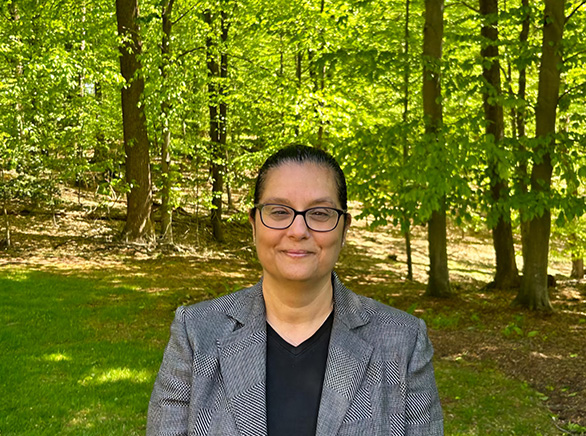
Jeppe Bennekou Schroll serves as a Clinical Associate Professor in the Department of Clinical Medicine at the University of Copenhagen's Faculty of Health and Medical Sciences, based at Blegdamsvej 3, 2200 Copenhagen N, Denmark. His research expertise spans: Gynecology and Obstetrics Cervical Cancer Screening methodologies HPV Vaccination impact assessment Women's Urological Health Elderly Women's Gynecological Care Population-based Medical Research Dr. Schroll's 2025 publications demonstrate a concentrated focus on evidence-based gynecological interventions using Danish population data. His work bridges clinical practice and public health through cohort studies on HPV vaccination efficacy, surgical outcomes in elderly patients, and innovative non-surgical treatments for urinary incontinence. The research consistently employs robust methodologies including population registries and randomized controlled trials, with significant media coverage across 14 news outlets and social platforms.
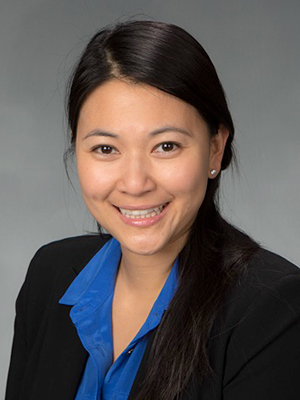
Deborah Richards is a Professor in the School of Computing at Macquarie University, affiliated with the Ethics and Agency Research Centre, Performance and Expertise Research Centre, and Frontier AI Research Centre. She holds roles as Industry and External Relations Director for the School and Director of the Virtual Reality Lab. Her research focuses on Intelligent Virtual Agents, Virtual Reality applications in education and health, knowledge acquisition, and cybersecurity ethics. She has authored over 425 publications and led 19 research projects, including studies on AI in healthcare and ethical AI design. Education: PhD (Artificial Intelligence, Macquarie University), MAppSc (Information Studies), BBus (Computing and MIS), and a Postgraduate Certificate in Higher Education (Leadership and Management). She advises on PhD and MRes students in Intelligent Virtual Agents research. Research interests include virtual agents for health behavior change, AI ethics, and educational technology. Notable projects include the eADVICE web-based management system for urinary incontinence and the development of embodied conversational agents for wellbeing support. Awards include the ABC Science Media Fellowship (2005) and Vice-Chancellor’s Citations for Outstanding Contributions to Student Learning (2017). Grants and collaborations span health informatics, cybersecurity, and AI ethics. She co-leads initiatives like the Respectful Maternity Care study and the Virtual Reality Lab’s immersive learning environments. Future work emphasizes ethical AI integration in education and healthcare.
Bekir Unlu, MD is an Assistant Professor in the Department of Obstetrics and Gynecology at the University of Texas Medical Branch (UTMB). His clinical and research activities focus on surgical interventions in obstetrics and gynecology, particularly robotic-assisted procedures and postoperative care optimization. Education: MD from Hacettepe University School of Medicine, Turkey (1999). His research explores pelvic floor disorders , urinary incontinence , and cesarean delivery outcomes , with a strong emphasis on robotic surgery and minimally invasive techniques . Recent studies include comparative analyses of surgical methods for pelvic organ prolapse and stress urinary incontinence , as well as randomized trials on post-cesarean care. Key trends in his publications since 2011 highlight collaborations in urogynecology , robotic-assisted surgeries , and multicenter clinical trials . Notable co-authors include G. S. Kilic, M. Borahay, and F. Dursun.
Dr. Ryan B Graham is an Associate Professor in the School of Human Kinetics at the University of Ottawa , with cross-appointments to the Ottawa-Carleton Institute for Biomedical Engineering . He holds Adjunct Assistant Professor positions at Queen's University and University of Waterloo , reflecting his interdisciplinary collaborations in biomechanics and biomedical engineering. His research focuses on spine movement analysis , motion capture validation , and sensor technology applications in clinical and military contexts. Recent work includes developing markerless motion capture systems, assessing movement reliability, and modeling spine dynamics for injury prevention. Editorial Contributions: Associate Editor for Biomechanics and Control of Human Movement at Frontiers in Sports and Active Living Dr. Graham's academic network includes collaborations with institutions in Canada, the UK, and the Netherlands, with a focus on advancing biomechanical methodologies and their clinical translation.
Taylor Ware is an Associate Professor in Biomedical Engineering and Materials Science & Engineering at Texas A&M University's College of Engineering, holding the Cain Faculty Fellowship. Her research focuses on designing structured biomaterials and medical devices using stimuli-responsive polymers for clinical applications. Education: Ph.D. in Materials Science and Engineering, The University of Texas at Dallas, 2013 Research Interests: Dr. Ware pioneers the development of liquid crystal elastomers as artificial muscles and implantable electronics substrates, engineered living materials for infection treatment, and directed self-assembly of hydrogels. Her lab specializes in polymer formulation, thermomechanical testing, and microfabrication. Key research thrusts include: Smart elastomers, hydrogels, and composites for dynamic medical devices Programming liquid crystalline polymers for shape-morphing applications Engineered living materials that respond to biomolecular cues in urinary tract environments Publication Trends: Recent work (2023-2025) demonstrates convergence of materials science, microbiology, and medical device engineering. Her group advances liquid crystal elastomers for soft robotics and implantable electronics, develops engineered living materials for UTI treatment using microbial competition, and creates novel hemostats and urethral support devices. Publications emphasize translational applications in urology, wound healing, and neural interfaces. Scientific Awards: Invited Participant, NAE Japan-USA Frontiers of Engineering Bilateral (2023) Senior Member, National Academy of Inventors (2022) NSF CAREER Award (2018) Air Force Young Investigator Award (2017) NSF Graduate Research Fellowship (2011) Fellow of AIMBE (American Institute for Medical and Biological Engineering) Advising and Grants: Dr. Ware leads the Ware Lab with significant funding including an NIH R01 grant (with UT Dallas and Case Western collaborators) and the NSF CAREER award. Her lab mentors postdoctoral fellows like Mustafa (winner of a prestigious postdoctoral fellowship) and graduate students. Current projects are supported by the NSF Engineering Research Center HAND, focusing on advanced materials for healthcare applications. Laboratory and Teams: The Ware Lab collaborates globally and is featured in Texas Monthly, Houston Chronicle, and National Geographic for breakthroughs in engineered living materials. As part of the NSF HAND ERC, the lab develops dynamic materials for stress urinary incontinence treatment and collaborates with medical institutions on UTI therapies using engineered E. coli strains.
Dr. James Ashton-Miller is a prominent faculty member in the Department of Mechanical Engineering at the University of Michigan, where he directs the Biomechanics Research Laboratory. He serves as a Center Member of the University of Michigan Injury Prevention Center and maintains affiliations with the Institute of Gerontology. His interdisciplinary work bridges engineering principles with medical applications, focusing on injury prevention across sports medicine, obstetrics, and geriatrics. Dr. Ashton-Miller's educational background includes: PhD from the University of Oslo, Oslo, Norway (1978-1983) MSME from M.I.T., Cambridge, MA, U.S.A (1972-1974) B.SC. (Hons) from the University of Newcastle-upon-Tyne, Newcastle-upon-Tyne, England (1967-1972) His research focuses on the biomechanics of injury prevention across multiple critical domains. In sports medicine, he has demonstrated that some ACL injuries are overuse injuries resulting from too many sub-maximal loading cycles that prevent healing of collagen damage. In women's health, his work on childbirth injuries addresses conditions that affect more women than breast cancer. His research on fall-related injuries in older adults reveals the dual threat of physical and cognitive factors. He also investigates sciatica, disc degeneration, and develops new medical devices for screening, diagnosis and treatment. Dr. Ashton-Miller's recent publications show a strong trend toward developing practical clinical applications from fundamental biomechanical research, with emphasis on advanced imaging methods, wearable sensors, and computational modeling for pelvic floor function assessment. His work consistently aims to translate engineering insights into clinical solutions for injury prevention. His research insights have earned him numerous national and international research awards, though specific awards aren't detailed in the available information. His work involves close collaboration with clinicians and surgeons who meet weekly to discuss progress and next steps. Dr. Ashton-Miller is deeply committed to mentoring, working with NIH K-series fellows along with 1-2 post-doctoral fellows, 3-5 PhD students, 2-4 M.S. students, 4-5 undergraduate students, and 2-4 young clinicians. His research is generously supported by the National Institutes of Health, National Science Foundation, National Basketball Association, Fortune 500 companies, and startup companies including Procter & Gamble and Hologic, Inc. He directs the Biomechanics Research Laboratory and co-leads the Pelvic Floor Research Group, where his teams develop new medical devices to improve screening, diagnosis, and treatment of various biomechanical conditions. These laboratories maintain strong clinical connections, ensuring research remains grounded in real-world medical challenges.
Sarah Boyd, MD is an Associate Professor specializing in Female Pelvic Medicine & Reconstructive Surgery. She focuses on optimizing patient outcomes for pelvic floor disorders through surgical and non-surgical approaches. Board-certified in Obstetrics and Gynecology (2017) and Female Pelvic Medicine & Reconstructive Surgery (2021), her expertise spans pelvic organ prolapse, urinary incontinence, and minimally invasive gynecologic procedures. Female Pelvic Medicine & Reconstructive Surgery Fellowship, Hartford Hospital (2016-2019) Obstetrics and Gynecology Residency, Christiana Care Health System (2012-2016) MD from Marshall University John C. Edwards School of Medicine (2008-2012) Her research explores adverse outcomes in pelvic reconstructive surgery, postoperative opioid consumption, catheter management, and non-surgical interventions for prolapse. She collaborates in multi-institutional research groups analyzing perioperative outcomes. Articles demonstrate trends in data-driven surgical optimization and pain management protocols. Scientific Awards: Pyrtek Research Paper Distinction Award in Clinical Research (2019)
Gokhan Kilic, MD , is a Professor in the Department of Obstetrics & Gynecology at the University of Texas Medical Branch (UTMB). He serves as Director of the Urogynecology Fellowship Program and Division Director of Gynecology, with a focus on minimally invasive and robotic surgery. Dr. Kilic holds the Endowed Faculty Chair in Obstetrics and Gynecology Honoring Alvin L. LeBlanc, MD, Harry M. Little, Jr, MD, and L Charles Powell, MD. Board Certified in Obstetrics and Gynecology Board Certified in Female Pelvic Medicine and Reconstructive Surgery Fundamental Laparoscopic Surgery Certification Dr. Kilic's research emphasizes urogynecology , pelvic floor disorders , and robotic surgical techniques . His work includes clinical studies on urinary incontinence, fall risk in older women, and innovative treatments for adenomyosis, blending laboratory research, non-human studies, and clinical trials. Recent publications highlight trends in geriatric urogynecology , robotic hysterectomy , and pharmacological interventions for pelvic health. Dr. Kilic's studies often address comorbidities in aging populations and the effectiveness of pelvic floor muscle training. Scientific Awards : Fellow of the American College of Obstetricians and Gynecologists (ACOG), Fellow of the American College of Surgeons (ACS), and Endowed Faculty Chair at UTMB. Dr. Kilic actively trains students, residents, and physicians in minimally invasive surgery. He leads research initiatives in UTMB's Obstetrics & Gynecology Department, focusing on improving pelvic health outcomes through interdisciplinary collaboration.
Jan Taeymans is a Professor at the Vrije Universiteit Brussel (VUB) in the Faculty of Physical Education and Physical Therapy, Department of Movement and Sport Sciences. His research focuses on musculoskeletal disorders, health economics, and systematic reviews. He has supervised multiple theses, including a doctoral thesis on long-term health-related fitness determinants and a master’s thesis on urinary incontinence costs. His recent work includes studies on pain-intensity correlations in low back pain patients, economic evaluations of lifestyle interventions, and hip instability analysis. He has received a national/international honor for contributions to academic pedagogy innovation. Research Interests: Taeymans’ research spans systematic reviews, meta-analyses, musculoskeletal health economics, and intervention efficacy. He explores topics like body composition in chronic pain, cost-benefit analyses for weight reduction therapies, and hip pathology mechanisms. Academic Contributions: With over 100 research outputs, Taeymans’ work bridges clinical practice and public health. His 2025 articles emphasize interdisciplinary approaches to chronic pain and obesity management. Recent projects include a lifestyle intervention study for low back pain sufferers and a menstrual cycle body composition analysis. Awards: National/international honour (2021) for advancing heutagogical teaching methods in academia. Collaborations & Grants: Taeymans advises on ethical reviews for clinical trials (e.g., GLA:D interventions, menstrual cycle studies) and co-leads health economic evaluations at Bern University of Applied Sciences. His grants fund studies on musculoskeletal conditions and lifestyle interventions. Labs/Teams: His work integrates with VUB’s Movement and Nutrition for Health and Performance team, focusing on translational research linking physical activity to musculoskeletal health outcomes.
Michele Jonsson-Funk, PhD, is an Associate Professor in the Department of Epidemiology at the UNC Gillings School of Global Public Health and Director of the Center for Pharmacoepidemiology. She leads the Pharmacoepidemiology Program within the Department and serves as an Affiliate Faculty member at the Injury Prevention Research Center. Dr. Jonsson-Funk is also a Fellow of the International Society for Pharmacoepidemiology and holds leadership roles in several professional organizations, including the Board of the International Society for Pharmacoepidemiology and advisory roles in epidemiology and clinical research networks. Dr. Jonsson-Funk holds a PhD in Epidemiology from the University of North Carolina at Chapel Hill (2003), a Master of Science in Public Health (MSPH) in Epidemiology from UNC Chapel Hill (2000), and a BA in Psychology from Reed College (1994). Her research focuses on pharmacoepidemiology, methods for estimating treatment effects in observational data, and women’s health. She examines topics such as sex differences in medication safety and efficacy, maternal and child health outcomes, and the application of electronic health records for population-level analyses. Her work integrates data from Medicare, Marketscan, and the Carolina Data Warehouse for Health to evaluate treatment effectiveness and safety. Dr. Jonsson-Funk has received several honors, including: Fellow, International Society for Pharmacoepidemiology (2018–present) Research Fellow, Sheps Center for Health Services Research, UNC Chapel Hill (2005–present) Member, Delta Omega Honorary Public Health Society, Theta Chapter (2004–present) Her research portfolio includes grants such as an R01 evaluating treatment effect heterogeneity in cardioprotective medications. She advises on interdisciplinary teams through her leadership roles in the Building Interdisciplinary Research Careers in Women’s Health (BIRCWH) Program and the Observational Pharmaco-Epidemiology Research & Analysis (OPERA) network. She also leads the Pharmacoepidemiology Research Lab Network under BIRCWH. Dr. Jonsson-Funk collaborates with clinical colleagues on studies addressing pelvic floor disorders, medication use during pregnancy, and diabetes-related cancer risks. Her methodological contributions include improving propensity score techniques and addressing confounding by frailty in observational studies.
Steven R. Fisher is a tenured Professor in the Department of Physical Therapy and Rehabilitation Sciences within the School of Health Professions at the University of Texas Medical Branch (UTMB), where he advances geriatric rehabilitation through clinical practice, research, and education. His work bridges physical therapy with aging science to improve functional outcomes in vulnerable older populations. Dr. Fisher earned his Master of Physical Therapy from Texas Tech University and his Doctorate of Philosophy in Rehabilitation Science from UTMB. He maintains a clinical specialist certification in Geriatric Physical Therapy (GCS), validating his expertise in age-related mobility disorders. His research program centers on physical functioning in older adults, with emphases on fall risk mitigation , urinary incontinence management , and post-hospitalization recovery . Key methodologies include actigraphy for mobility tracking, randomized clinical trials for intervention efficacy, and interdisciplinary collaborations addressing sarcopenia and functional decline. Current projects investigate testosterone therapy for hip fracture recovery and robotics-assisted gait training for Parkinson's disease. Analysis of his 15 most recent publications reveals dominant trends in geriatric rehabilitation, particularly the bidirectional relationship between urinary incontinence and fall risk in women, hospitalization-induced mobility loss, and innovative interventions like transcranial stimulation for stroke recovery. His work spans clinical trials, systematic reviews, and feasibility studies with strong translational focus. Scientific recognition includes: Fellow of the Sealy Center on Aging at UTMB Clinical Specialist Certification in Geriatric Physical Therapy Dr. Fisher serves as Co-Investigator and supervising physical therapist (5% effort) on NIH-funded research (R01 AG0496-11, 2017-2022) targeting accelerated sarcopenia mechanisms in older adults with type 2 diabetes and post-hospitalization. He actively contributes to professional societies including the American Physical Therapy Association (APTA), Acute Care Section, and Texas Physical Therapy Association (TPTA), advocating for evidence-based geriatric practice standards. As a Sealy Center on Aging Fellow, he collaborates with geriatricians, urologists, and neurologists on translational research addressing multimorbidity in aging. His team develops pragmatic interventions like the STEP-HI trial for hip fracture recovery and mobility-monitoring protocols to predict hospital readmissions.
Galit Levi Dunietz, PhD, serves as Associate Professor in the Department of Neurology at the University of Michigan, specializing in Sleep Medicine with a research focus at the intersection of epidemiology, women's health, and cardiometabolic outcomes during key reproductive life stages. Her work investigates how sleep disturbances impact cognitive function and long-term health across pregnancy, postpartum, and menopausal transitions. Her academic foundation includes: PhD in Epidemiology from Michigan State University College of Human Medicine (2015) MPH in Epidemiology from University of Michigan School of Public Health (2011) MA in Statistics from Columbia University Graduate School of Arts and Sciences (1999) Dr. Dunietz's research program centers on identifying sleep-health disparities through large-scale epidemiological studies, with particular emphasis on reproductive health events as critical windows for intervention. She examines bidirectional relationships between sleep patterns and physiological markers across menstrual cycles, pregnancy trajectories, and menopausal transitions, while addressing social determinants that exacerbate sleep inequities in minority and vulnerable populations. Her methodological approach integrates objective sleep metrics with longitudinal health outcomes to establish evidence for public health interventions. Analysis of her 2023-2025 publications reveals dominant themes in sex-specific sleep pathology, reproductive health intersections, and social epidemiology of sleep. Key trends include investigations into obstructive sleep apnea screening challenges in women, sleep characteristics during anovulatory cycles, metabolic biomarker fluctuations across menstrual phases, and structural determinants of sleep deserts. Her work increasingly incorporates intersectional frameworks examining how race, ethnicity, and socioeconomic status compound sleep health disparities during reproductive transitions. While specific awards aren't documented in the source materials, her publication record demonstrates significant scholarly impact through high-impact journals including SLEEP, Journal of Clinical Sleep Medicine, and American Journal of Epidemiology, with consistent contributions to understanding sleep's role in women's cardiometabolic and cognitive health. Dr. Dunietz actively contributes to interdisciplinary research through collaborations with major cohort studies including the Nurses' Health Study, BioCycle study, and MASALA study. Her work within the Division of Sleep Medicine involves clinical-population research translation, though specific grant details and advisee information aren't provided in available materials. She maintains strong institutional connections between neurology, public health, and women's health research initiatives at the University of Michigan.
Sylvie Nadeau is a Full Professor in the School of Rehabilitation at the University of Montreal's Faculty of Medicine. Her research focuses on locomotor activity assessment, rehabilitation interventions for neurological conditions, and biomechanical analysis of movement. She leads interdisciplinary projects addressing spinal cord injuries, stroke recovery, and mobility challenges in aging populations. Key affiliations include the INTER strategic research group and the REPAR provincial rehabilitation research network. She collaborates with institutions like the Institut de Réadaptation Gingras-Lindsay-de-Montréal (IRGLM) and has secured funding from agencies such as FRQNT, MITACS, and the Rick Hansen Institute. Her work integrates technologies like smart stationary bikes and real-time avatars to enhance rehabilitation outcomes. Research interests span gait analysis, dynamic balance, and sensorimotor rehabilitation. She has supervised over 30 graduate students, contributing to advancements in post-stroke mobility, incontinence management, and telerehabilitation. Recent projects include developing intelligent exercise systems and evaluating environmental impacts on mobility in museum settings. Directed the 2019 SOFPEL international congress Co-led the TRIVEL intelligent cycle prototype development Pioneered studies on bilateral upper limb coordination post-stroke Her teaching includes courses in physiotherapy and evidence-based practice, shaping future generations of rehabilitation professionals. She prioritizes translating research into clinical practice through innovative interventions and technology integration.
Dr. Savanna Thor serves as Assistant Professor of Medicine and Program Director of the GI Fellowship Program within the Department of Gastroenterology and Hepatology at SUNY Downstate Health Sciences University's School of Medicine. She specializes in advanced endoscopic diagnostics and treatment of gastrointestinal disorders through the Digestive Disease Center. Her educational background includes: Doctor of Osteopathic Medicine (DO) from Lake Erie College of Osteopathic Medicine, Erie, Pennsylvania Internal Medicine Residency at Drexel University/Hahnemann University Hospital, Philadelphia, Pennsylvania Gastroenterology and Hepatology Fellowship at Drexel University/Hahnemann University Hospital, Pennsylvania (serving as Chief Fellow) Dr. Thor's clinical expertise focuses on complex motility disorders including pelvic floor dysfunction, swallowing abnormalities, and anorectal conditions. Her research integrates patient education with health disparities analysis in gastrointestinal care, particularly for colorectal cancer screening accessibility and functional GI diseases. Procedural capabilities span upper endoscopy, colonoscopy, esophageal/anorectal manometry, capsule endoscopy, and impedance testing. As Fellowship Program Director, she oversees gastroenterology trainee development while maintaining active clinical practice. Her work emphasizes translating motility disorder research into practical patient management strategies for conditions like chronic constipation and fecal incontinence within underserved populations.
Paulo Alves is an Associate Professor at Católica Porto Business School, Universidade Católica Portuguesa, where he serves as Vice-Dean for Management Control, Accreditations, and Master's Programmes. He holds a Ph.D. and Post-Doctorate in Accounting and Finance from Lancaster University (UK) and maintains an active collaboration as a Visiting Research Associate and guest lecturer there. His research focuses on the impact of information on capital markets, particularly financial narratives in public-private partnerships, with publications in reputable journals. He is affiliated with the Research Center in Management and Economics (CEGE) and contributes to the Corporate Financial Information Environment project at Lancaster University. Education: Ph.D. in Accounting and Finance, Lancaster University (UK) Post-Doctorate in Accounting and Finance, Lancaster University (UK) Paulo Alves' research spans two distinct domains. In Finance and Accounting, he examines financial narratives, capital market impacts, and public-private partnership accountability. In Healthcare, his work includes pressure ulcer prevention, wound care, and health-related quality of life metrics. His publications reflect interdisciplinary engagement, combining rigorous financial analysis with clinical healthcare innovation. Recent publications highlight trends in Financial Reporting (public-private partnerships, earnings disclosures) and Healthcare Technology (prophylactic dressings, medical device safety). He has developed tools like the Ghent Global IAD Categorization Tool and contributed to consensus frameworks like SECURE prevention for pressure ulcers. Scientific Awards: International ranking distinction for researcher at Católica Porto Business School As a certified auditor and accountant, Paulo consults on governance and financial systems while leading projects analyzing financial information retrieval and healthcare quality metrics. His affiliations include CEGE and the Corporate Financial Information Environment initiative.