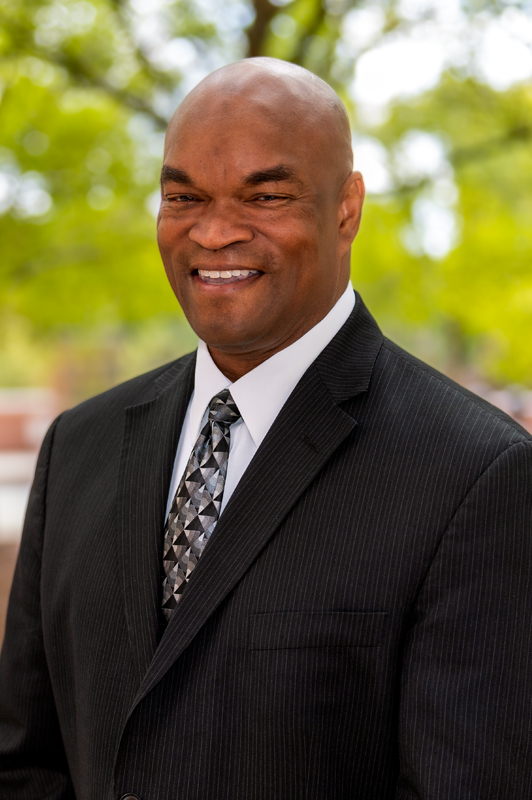
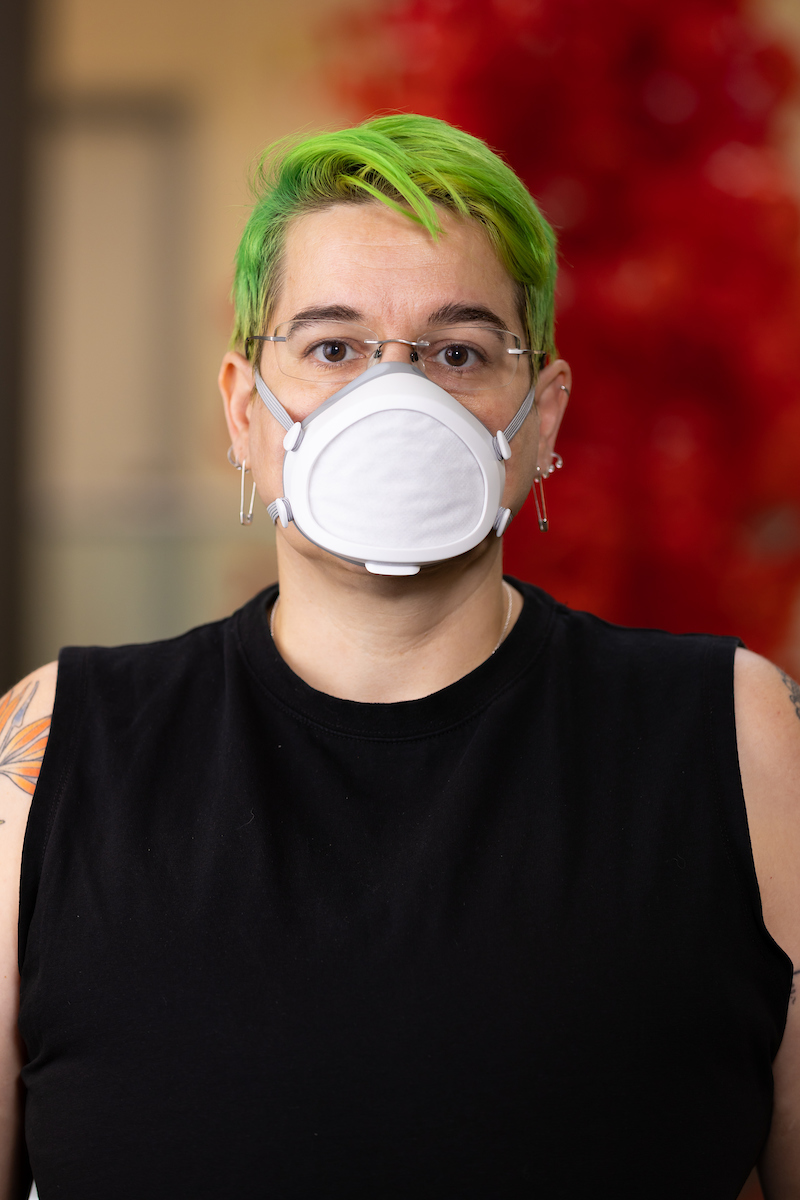
Dr Justine Howard is an Associate Professor in Education and Childhood Studies at Swansea University's Faculty of Humanities and Social Sciences. She holds Chartered Psychologist status and is an Associate Fellow of the British Psychological Society. Her research focuses on developmental psychology, educational psychology, and the role of play in early childhood development. With over 15 years of experience in higher education, she teaches and supervises PhD students in education-related topics. Her work emphasizes play-based learning, therapeutic play, and inclusive education. Notable contributions include publications on play's developmental benefits, teacher perspectives, and the implementation of play curricula. She has presented globally on topics like play advocacy and child well-being in crisis contexts. Awards include recognition from the British Psychological Society. Current PhD supervision includes projects on social justice in Bangladesh, music education impacts, and therapeutic play in healthcare settings. Howard's research spans international collaborations and policy engagement, such as advising on Welsh educational initiatives.
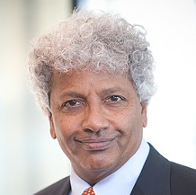
Mahadev Satyanarayanan is the Jaime Carbonell University Professor of Computer Science at Carnegie Mellon University. His multi-decade research focuses on performance, scalability, availability, and trust in distributed systems spanning cloud to mobile edge computing. He pioneered foundational concepts in mobile computing and Edge Computing through his seminal work on VM-based cloudlets. His current research explores cloudlet-based Edge Computing for latency-sensitive applications, wearable cognitive assistance systems integrating augmented reality, and edge-based machine learning frameworks for efficient training data discovery. He collaborates with Dan Siewiorek, Martial Hebert, and Bobby Klatzky on transformative applications. Dr. Satyanarayanan received his PhD from Carnegie Mellon University after completing Bachelor's and Master's degrees at the Indian Institute of Technology, Madras. His honors include ACM and IEEE Fellowships recognizing his contributions to distributed systems and mobile computing. ACM Fellow IEEE Fellow
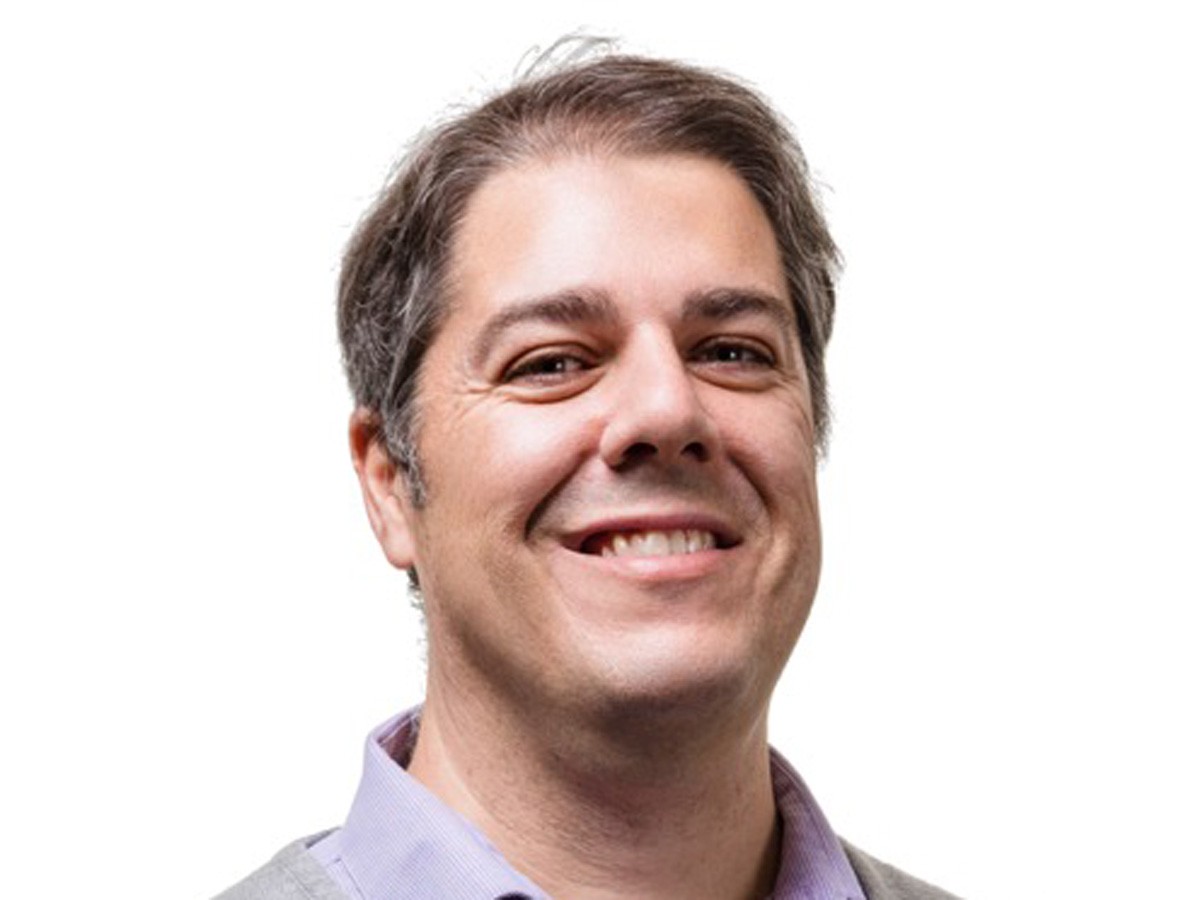
Aniket 'Niki' Kittur is a Professor in the Human-Computer Interaction Institute at Carnegie Mellon University's School of Computer Science. His research focuses on AI-augmented cognition, exploring how human and machine intelligence can collaborate to enhance creativity, decision-making, and innovation. He leads projects like the Semantic Reader and Skeema browser extension, aiming to reduce cognitive overload through intelligent systems. Education: BA in Psychology & Computer Science from Princeton University; PhD in Cognitive Psychology from UCLA. His work bridges HCI, crowdsourcing, and cognitive science, with 100+ publications and 17 best paper awards. He advises industry partners including Google, Microsoft, and Toyota while maintaining a lab focused on real-world impact. Research interests center on accelerating knowledge acquisition via systems that scaffold sensemaking (e.g., Selenite for web exploration) and fostering analogical innovation through crowdsourced/AI hybrid approaches. Notable contributions include CrowdForge (human-machine workflows) and Kinetica (touch-based data visualization). Awards include NSF CAREER Award, Allen Newell Award, and CHI Academy membership. His lab's Skeema tool has achieved 79% 30-day retention in beta, reflecting impactful user-centered design principles. Current projects emphasize LLM integration for composite cognition, aiming to create systems where 'LLMs + Humans > Either Alone.' Funding来自NSF, NIH, ONR, and industry partners like Bosch and Wikimedia. Teaching includes PhD bootcamps and user-centered research courses. Over 100 students have contributed to his projects, many advancing to tech leadership roles.
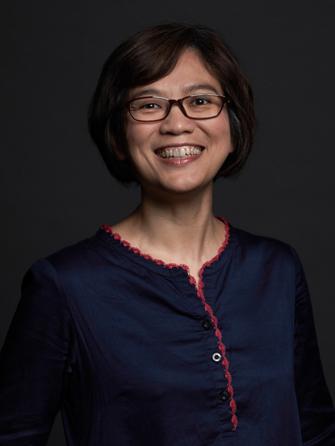
Dr. Jiang Qian is a Lecturer at the University of Sydney. He holds a PhD in Marketing from the University of Houston, a Master’s in Finance from Johns Hopkins University, and an undergraduate double major in Information Systems and Finance from the Southwestern University of Finance and Economics. His research focuses on leveraging quantitative models and machine learning techniques to extract insights from large-scale data in marketing and healthcare contexts, particularly in social media, online search, and healthcare markets. Current research supervision includes Jennifer Ye’s project on Audio Data Analytics: A New Dimension in Customer Service Excellence . Dr. Qian’s recent work spans AI applications in breast cancer detection, medical imaging analysis, and reinforcement learning for autonomous systems. His studies address challenges like AI model calibration, training data quality, and radiologist-AI collaboration in clinical settings. Notable contributions include analyzing video cover image impacts on advertisement engagement and exploring multiresolution techniques for medical imaging segmentation. His interdisciplinary approach bridges marketing analytics and healthcare technology, emphasizing practical clinical translation of AI systems.
Prof. Helen Blank is a Professor leading the Multisensory Perception Group and the Prediction in Communication Lab at the Institute for Systems Neuroscience, University Medical Center Hamburg-Eppendorf. Her work focuses on understanding how sensory information is integrated and predicted in contexts like speech perception and face recognition. She holds a Marie Curie Fellowship for her research on prior information's role in human communication. Fluent in German, English, and French, she contributes to experimental medicine and systems neuroscience. Her research spans predictive coding, neuroimaging, and clinical applications in Parkinson’s and developmental disorders. Education: Not explicitly stated in text, inferred as advanced degrees in neuroscience or related fields. Her research interests emphasize multisensory integration, predictive processing in speech and vision, and the neural bases of perception. Recent articles explore topics such as pupil responses to auditory surprise, face expectation hierarchies, and audio-visual speech processing. Awards include the Marie Curie Fellowship supporting her predictive communication work. She leads interdisciplinary teams within the Center for Experimental Medicine, advancing knowledge on perceptual mechanisms and their clinical implications.
Dr. Shirley Coleman is a distinguished Professor at Newcastle University Business School, specializing in the application of statistical methods to business and industrial problems. With over two decades of academic contributions, she has established herself as a leading expert in statistics, data science, and quality management within industrial contexts. Her research interests span several interconnected domains: Statistics, Data Science, Business Analytics, Quality Management, Six Sigma methodologies, Kansei Engineering (which integrates emotional design with product development), Industrial Statistics, Design of Experiments, Predictive Maintenance, and Customer Lifetime Value analysis. Coleman's work consistently bridges theoretical statistical concepts with practical business applications across diverse sectors including healthcare, manufacturing, facilities management, and digital marketing. Analysis of her recent publications reveals a strong focus on the evolving role of statistics in the digital age, particularly examining how statistical expertise contributes to AI development, Industry 4.0 initiatives, and data-driven business transformation. Her work demonstrates increasing emphasis on customer analytics, predictive maintenance modeling, and the strategic implementation of data science in small and medium enterprises. Coleman's publications frequently address methodological challenges while maintaining strong practical relevance for industry practitioners. Throughout her career, Coleman has been actively involved with the European Network for Business and Industrial Statistics (ENBIS), contributing to the development and dissemination of statistical methods in business contexts. Her collaborative approach is evident in numerous co-authored publications across disciplines, demonstrating her ability to work effectively with researchers from diverse fields including engineering, healthcare, and business management. Her advisory work appears focused on helping organizations implement statistical thinking in business processes, with particular attention to small and medium enterprises seeking to leverage data analytics for competitive advantage. Though specific grant information isn't detailed in the available publications, her extensive industry-focused research suggests significant engagement with practical business problems and industry partnerships. Dr. Coleman has made substantial contributions to the field through her leadership in professional organizations, particularly ENBIS, where she has helped shape the discourse around industrial statistics and their business applications. Her work on Kansei Engineering demonstrates innovative approaches to integrating human factors with statistical methods for product development.
Gerry Dozier is the Charles D. McCrary Eminent Chair Professor in the Department of Computer Science and Software Engineering at Auburn University's College of Engineering. His research focuses on artificial intelligence, computational intelligence, cybersecurity, identity science, and cyber identity protection. He leads initiatives like the Center for Artificial Intelligence and Cybersecurity Engineering and contributes to Alabama's AI policy through the state commission. Dr. Dozier holds a Ph.D. from North Carolina State University and has pioneered work in adversarial machine learning, biometric security, and low-resource language NLP. Education: Ph.D. Computer Science, North Carolina State University (Raleigh) M.S. Computer Science, North Carolina State University (Raleigh) B.S. Computer Science, Northeastern Illinois University Research Themes: Combines AI with cybersecurity to address modern digital challenges. Specializes in adversarial attacks/defenses, biometric authentication systems, and ethical NLP applications in multilingual contexts. Active in developing tools for sentiment analysis in underrepresented languages and mitigating biases in automated systems. Impact: Spearheaded Auburn's AI@AU initiative with lecture series and forums. Collaborates internationally on facial recognition, malware detection, and medical AI applications like bacterial vaginosis diagnosis. His work bridges theoretical CS advancements with real-world security and ethical considerations. Labs/Teams: Directs Auburn's AI & Cybersecurity Engineering Center and contributes to interdisciplinary groups like the McCrary Institute for Cyber and Critical Infrastructure Security.
Daniel Klein is a Professor in the Computer Science Division at the University of California at Berkeley , affiliated with the Berkeley Artificial Intelligence Research Lab (BAIR) and the Berkeley Natural Language Processing Group . His research focuses on statistical natural language processing, including unsupervised learning, syntactic parsing, information extraction, and machine translation, with applications in historical linguistics and AI.
Maria Rosa Rifà Ros is a Lecturer in the Department of Nursing and Physiotherapy at the Blanquerna School of Health Sciences, Universitat Ramon Llull. She is an active researcher with 52 publications spanning from 1993 to 2025 and maintains an h-index of 5 with 46 citations. Her research expertise centers on nursing education, primary health care, nursing diagnosis, and immigrant health. Dr. Rifà Ros employs diverse methodologies including cross-sectional studies, qualitative approaches, and systematic reviews to investigate nursing student experiences, pandemic impacts on healthcare education, and health disparities among vulnerable populations. Her fingerprint analysis shows strong focus areas in Nursing Diagnosis (100%), Immigrant Health (94%), and Nursing Student experiences (68%). Recent publications reveal a consistent trajectory examining healthcare inequalities, clinical education environments, and pandemic-related transformations in healthcare delivery. Her work spans both Spanish and international contexts with particular attention to vulnerable populations and healthcare system responses to emerging challenges. Dr. Rifà Ros has been actively involved in the Global Research on Wellbeing (GRoW) project as a researcher from 2017-2021 and continues in this role from 2022-2025, funded by the Agència de Gestió d'Ajuts Universitaris i de Recerca (AGAUR). This sustained research commitment demonstrates her dedication to advancing knowledge in health and wellbeing. She has mentored numerous nursing students and collaborated extensively with colleagues including Carrillo Alvarez, Rodríguez Monforte, Salinas Roca, and Costa Tutusaus on research examining healthcare systems, student experiences, and health inequalities. As a key member of the Global Research on Wellbeing group, Dr. Rifà Ros collaborates with an interdisciplinary team across various health science disciplines, contributing her nursing expertise to address complex health challenges through research that directly impacts clinical practice and healthcare education.
Frank Russo is a Professor in the Department of Psychology at Toronto Metropolitan University, where he holds the NSERC-Sonova Senior Research Chair in Auditory Cognitive Neuroscience. He leads the Science of Music Auditory Research and Technology (SMART) Lab and holds affiliate and adjunct positions at the University Health Network and the University of Toronto, respectively. Research Interests: Dr. Russo's work lies at the intersection of auditory cognitive neuroscience, music psychology, and rehabilitation. His research explores how humans perceive music and speech, particularly under challenging conditions such as hearing loss or non-native accents. He investigates the cognitive and neural mechanisms of listening effort, emotional speech processing, and the social and therapeutic benefits of music, especially through community choirs and digital interventions. Publication Trends: His recent publications emphasize objective measurement of listening effort using functional near-infrared spectroscopy (fNIRS), music-based interventions for Parkinson’s disease and dementia, vocal and emotional responses to singing, and multisensory integration in beat perception. The work is highly translational, bridging basic cognitive neuroscience with clinical and community applications. Scientific Awards and Honors: NSERC-Sonova Senior Research Chair in Auditory Cognitive Neuroscience Fellow of the Canadian Psychological Association Fellow of Massey College Fellow of the Canadian Society for Brain, Behavior and Cognitive Science Past President of the Canadian Acoustical Association Advising and Grants: Dr. Russo actively mentors students and researchers, as evidenced by his co-authorship with numerous junior colleagues. He has secured major funding through NSERC and industry partnerships, enabling the development of impactful technologies such as hearing aid algorithms, sensory substitution systems, and digital therapeutics. His SingWell project fosters collaboration across academic, clinical, and community sectors. Labs and Teams: He directs the SMART Lab at Toronto Metropolitan University, a hub for interdisciplinary research on music, hearing, and cognition. The lab collaborates extensively with KITE Research Institute, Rehabilitation Sciences at the University of Toronto, and various community organizations focused on aging, hearing loss, and neurodegenerative conditions.
Michelle Doas is an Associate Professor of Nursing at Chatham University 's College of Health Sciences , where she has been actively contributing since 2007. Her expertise spans clinical nursing, education, and interdisciplinary research applications. Ed,D., MSN, BSN, RN Research Interests Dr. Doas focuses on critical thinking development in nursing education , adult literacy in healthcare , and reminiscence therapy . Her work bridges clinical practice with pedagogical innovation, exploring how techniques from service industries (e.g., Disney's hospitality model) can enhance patient satisfaction and communication in healthcare settings. Article Trends Her publications and presentations demonstrate a consistent emphasis on improving clinical outcomes through structured interventions like mind mapping for education, relaxation therapy for post-operative care, and concept mapping for knowledge organization. Key themes include patient safety , workplace culture , and interdisciplinary applications in nursing. Scientific Awards She is a member of the prestigious Sigma Theta Tau International Honor Society , recognizing her contributions to nursing scholarship. Additional Contributions Dr. Doas has served on the Business Faculty Search Committee (2008) and presented on diverse topics such as food handling safety in environmental science contexts and nursing career advocacy at high school outreach events.
Dr. Gan Sheuo Hui serves as Lecturer in Animation at LASALLE College of the Arts, Singapore, with extensive international engagement through visiting positions at National University of Singapore (NUS), Kyoto Seika University, and the Sainsbury Institute for the Study of Japanese Arts and Cultures. Her academic profile bridges Japanese animation scholarship with Southeast Asian cultural contexts through fieldwork-driven research. Her educational qualifications include: PhD in Human and Environmental Studies from Kyoto University, Japan Master of Communication (Screen Studies) from University of Science Malaysia Bachelor of Communication (Film Studies) from University of Science Malaysia Dr. Gan's research examines Japanese anime, manga, and popular culture through lenses of authorship, censorship, and cultural hybridity, with particular focus on transnational adaptations in Southeast Asia. She integrates theoretical frameworks with empirical fieldwork involving creators, curators, and fans across Asia and the West, emphasizing practical production aspects alongside critical analysis. Her interdisciplinary approach connects film studies, media theory, and cultural anthropology. Her scholarly trajectory reveals consistent exploration of animation aesthetics (especially limited/selective animation), historical evolution of Japanese animation, and hybrid cultural forms in Southeast Asia. Key thematic threads include re-evaluating animation techniques beyond Western paradigms, analyzing global anime circulation, and documenting local adaptations of manga in Malaysia. This body of work demonstrates strong methodological integration of archival research, industry analysis, and ethnographic observation. Scientific recognition includes: Two-year Japan Society for the Promotion of Science (JSPS) Grant for postdoctoral research on Japanese anime history Sainsbury Institute for the Study of Japanese Arts and Cultures Fellowship Dr. Gan has secured competitive research funding including the JSPS grant, and maintains active international collaboration through invited lectures at institutions like Sorbonne, Tokyo University, and Keio University across 20+ countries. Her teaching innovations include NUS modules incorporating Japan-based field studies, reflecting her commitment to experiential learning in Japanese visual culture. While specific student advising isn't detailed, her pedagogy emphasizes creator-fan industry ecosystems. Her research network spans the Archive Center for Anime Studies (Niigata University), Kyoto Seika University's Manga Department, and global symposia, facilitating cross-institutional knowledge exchange on animation history and contemporary media practices.
Dr. Andrea Grover is an Associate Professor in the Department of Information Systems and Quantitative Analysis at the University of Nebraska Omaha’s College of Information Science & Technology. Her research focuses on citizen science, technology design, and collaboration systems in data-intensive environments. She holds a Ph.D. in Information Science & Technology from Syracuse University, an MS in Information from the University of Michigan, and a BA in Mathematics from Alma College. Her research interests include organizational impacts of technology, open collaboration frameworks, and ethics in information systems. She teaches courses on management and IT ethics, employing ungrading techniques to enhance student engagement. Notable contributions include work on citizen science data quality, cyber-security tools leveraging crowdsourcing, and barriers in STEM education equity. Dr. Grover has been recognized with the 2022 Rising Star Distinguished Ecologist award and serves on editorial boards (e.g., Frontiers in Ecology) and conference committees (e.g., ACM CSCW DEI Co-chair). She has secured grants such as the NSF-funded “Streamlining Embedded Assessment to Understand Citizen Scientists' Skill Gains” (2017–2019) and contributed to media discussions on citizen science via National Public Radio. Her recent publications explore hybrid human-AI tools, agile citizen science methodologies, and systemic barriers in education. She actively participates in interdisciplinary initiatives, bridging technology, ecology, and social sciences to advance participatory research practices.
Michael C. Hughes ("Mike") is an Assistant Professor in the Department of Computer Science at Tufts University's School of Engineering, where he develops statistical machine learning methods for healthcare applications. His work focuses on building predictive models that extract actionable insights from complex clinical data, including electronic health records and medical imaging. PhD, Computer Science, Brown University (2016) MS, Computer Science, Brown University (2012) BS, Computer Science, Franklin W. Olin College of Engineering (2010) Research interests center on: Bayesian hierarchical models for documents, sequences, and medical images Optimization algorithms for approximate inference Model fairness and interpretability in clinical contexts Semi-supervised learning for medical diagnostics Recent publications demonstrate these capabilities through applications in cardiovascular disease diagnosis, opioid overdose forecasting, and ICU risk prediction. His lab emphasizes reproducibility through open datasets like TMED-2 and open-source tools like BNPy. Grants include NIH R01 funding for heart valve disease detection, NSF CAREER support for model interpretability, and NSF GCR funding for educational uncertainty research. Scientific awards include: NIH R01 Award (PI) for heart valve disease detection (2025) NSF CAREER Award (2024) NSF GCR Grant (2024) Best Poster Award at Time Series Workshop (ICML 2021) Top 10% Reviewer Awards at AISTATS (2023, 2022) Teaching activities include courses on Bayesian Deep Learning, Introduction to Machine Learning, and Statistical Pattern Recognition. He previously served as postdoctoral fellow at Harvard SEAS.
Marta González-Lloret is a Professor of Spanish and Applied Linguistics at the Department of Languages and Literatures of Europe and the Americas (LLEA) and an Associated Graduate Faculty member of the Department of Second Language Studies (SLS) at the University of Hawai‘i at Manoa . Originally from Valladolid, Spain, she has resided in Hawaii for over 30 years and holds a PhD in Second Language Acquisition, an MA in Linguistics, an MA in European Languages, and a Licenciatura in English Philology. Education: PhD in Second Language Acquisition, University of Hawai‘i at Manoa (2008) MA in Linguistics, University of Hawai‘i at Manoa (1997) MA in European Languages (Spanish Linguistics), University of Hawai‘i at Manoa (1993) Licenciatura in Filología Inglesa, Universidad de Valladolid (1991) Her research focuses on the intersections of technology and Task-Based Language Teaching (TBLT) , as well as L2 Pragmatics and Conversation Analysis . Her work explores how digital environments enhance pragmatic competence and foster intercultural communication. She has co-edited seminal volumes on technology-mediated TBLT and serves as Series Editor for Task-Based Language Teaching and Pragmatics & Language Learning . She has received prestigious awards, including the Board of Regents’ Medal for Excellence in Teaching (2018) and the HALT Excellence in Teaching Award (2010) . Her teaching portfolio includes Spanish language, teacher training, and critical digital literacies, often delivered through hybrid or online formats. Scientific Awards: Board of Regents’ Medal for Excellence in Teaching (2018) College of LLL Excellence in Teaching Award (2013) HALT Excellence in Teaching Award (2010) 'Oihana Maika’i Award for Research Excellence (2005) Top 2% Most-Cited Researchers (2023) Top 400 World Linguists (2023) She has conducted over 80 invited talks and 17 plenary/keynote lectures globally, addressing topics like AI in language education, pragmatic development in digital spaces, and task design for multilingual contexts. Her editorial and leadership roles include co-chairing international conferences and serving on advisory committees for ACTFL Guidelines (2024).