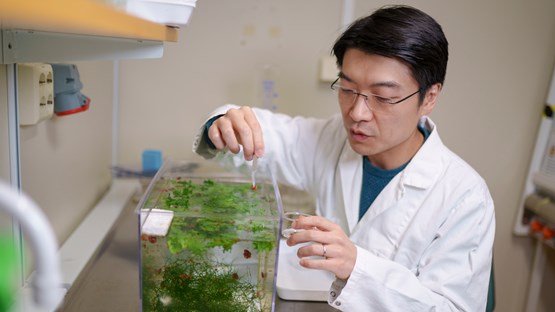
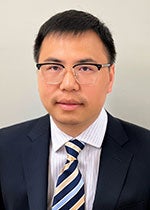
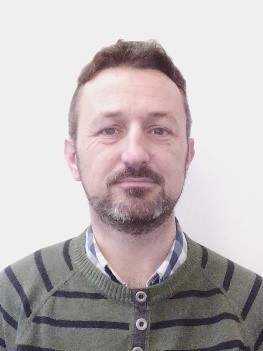
Ryo Morimoto is a Research Fellow and Group Leader at the Department of Molecular Biology, Umeå University, affiliated with Molecular Infection Medicine Sweden (MIMS). He leads studies on the evolutionary foundations of adaptive immunity and host genome editing mechanisms. MD (2011) and PhD (2017) from University of Tokyo Postdoctoral work at Max Planck Institute for Immunobiology & Epigenetics (2017-2024) Project Leader (2022) and Group Leader (2024) at MIMS His research explores antigen receptor diversification in jawless vertebrates, evolutionary emergence of lymphopoietic systems, and self-tolerance mechanisms. Using non-conventional models, his lab integrates in vitro biochemistry, single-cell omics, and computational genomics to address genome integrity challenges in adaptive immunity. The lab's recent publications highlight evolutionary insights into immune system development and its implications for human immunity. Research focuses on conserved enzyme families mediating genome editing and their biotechnological applications. Ryo Morimoto's team emphasizes multicultural collaboration, interdisciplinary training, and skill development for early-career scientists. The lab maintains partnerships with Umeå Centre for Microbial Research (UCMR) and employs in vivo techniques alongside molecular and computational approaches.
Michael McAlpine is a Professor in the Mechanical Engineering department at the University of Minnesota . He also holds affiliations with the Biomedical Engineering and Electrical and Computer Engineering departments. His research focuses on 3D printing functional materials & devices , Nanoscale inks , Biomedical devices , Bioelectronics , and Flexible Microsystems . Research Interests : 3D Printing, Biomedical Engineering, Nanotechnology, Flexible Electronics, Microfluidics Labs : ME 361/363 Contact : mcalpine@umn.edu , (612) 626-3303, ME 117 Recent Research Trends include 3D Printed Biomedical Devices , Flexible Electronics , and Bioprinting Applications . His work spans from Spinal Organoid Formation to Programmable Drug Release Capsules . Scientific Award : Circulation Research 2020 Best Manuscript Award
Kelly Arnold is an Associate Professor in the Department of Biomedical Engineering at the University of Michigan. Her research integrates systems engineering principles with immunology to investigate variability in immune responses across infection, vaccination, and injury, with a focus on computational modeling and clinical translation. Research Focus Systems-level immune response modeling Vaccination and antibody functionality Vaginal microbiome-host interactions Chronic lung disease progression Computational serology and proteomics Recent Work Her 2025 studies examine SARS-CoV-2 vaccination responses in cancer patients and computational frameworks for vaginal probiotics. Earlier works (2024-2007) span COPD progression, lupus fibrosis, HIV susceptibility, and tissue engineering for fertility preservation. Methodologies include proteomic profiling, network modeling, and microfluidic systems.
Professor Urs Jenal is a Full Professor at the Biozentrum of the University of Basel, Switzerland, where he has led research on bacterial signal transduction since 2008. His laboratory investigates the molecular mechanisms of bacterial persistence and antibiotic resistance, with particular focus on pathogens causing chronic infections in humans. Previously, he served as Associate Professor (2002-2008) and Assistant Professor (1996-2002) at the same institution, and completed postdoctoral training at Stanford University and ETH Zurich. Education 2000: Habilitation and VENIA DOCENDI in Microbiology, University of Basel 1987-1991: PhD in Molecular Microbiology, ETH Zurich (supervisor: Prof. T. Leisinger) 1982-1986: Studies of Experimental Biology, ETH Zurich 1977-1981: Gymnasium with Matura Type C, Chur Research Focus Prof. Jenal's research centers on understanding how bacterial pathogens persist in the human body despite antibiotic treatments. His laboratory investigates cyclic nucleotides, particularly c-di-GMP, as signaling molecules that control bacterial biofilm formation, virulence, and antibiotic tolerance. His team studies pathogenic Escherichia coli causing recurrent urinary tract infections and Pseudomonas aeruginosa causing long-term lung infections in cystic fibrosis patients. Recent work has revealed how "sleeping" bacteria survive antibiotic treatments and how pathogens breach respiratory epithelia through goblet cell invasion. Scientific Recognition 2014: Elected member of the European Academy of Microbiology (EAM) 2013: ERC Advanced Investigator Award 2012: Elected member of the European Molecular Biology Organization (EMBO) 2011: Elected member of the American Academy of Microbiology (AAM) Mentorship and Collaborations Prof. Jenal has mentored numerous PhD students and postdocs, many receiving awards for their research. His laboratory is part of the NCCR AntiResist initiative focused on developing novel approaches against antibiotic resistance. He collaborates extensively with clinical researchers and has developed innovative models, including human mini-lungs, to investigate pathogen-host interactions. His recent publications demonstrate how understanding bacterial persistence mechanisms can lead to new therapeutic strategies against chronic infections.
Prof. Waldemar Kolanus leads the Molecular Immunology and Cell Biology department at the University of Bonn's Life & Medical Sciences Institute (LIMES) . His research bridges immunoregulation , stem cell dynamics , and metabolic stress responses in immune cells. Unit 2 member at LIMES Principal investigator in SFB 704 and ImmunoSensation Cluster Leads a multidisciplinary lab with postdocs, PhD students, and technical staff His work focuses on intracellular signaling pathways connecting immune activation to tissue homeostasis, particularly through: Cytohesin proteins in integrin-mediated adhesion and migration TRIM71 in stem cell regulation and congenital hydrocephalus High-salt environments affecting macrophage function Publication trends show expertise in immune cell migration , genetic models , and chemical inhibition , with frequent use of mice and zebrafish for in vivo studies. Key articles explore: TRIM71's dual role in auditory development and germ cell maintenance Cytohesin family's Golgi regulation and insulin signaling Ruxolitinib's off-target migration inhibition of dendritic cells Contact details: Address: LIMES Institute, Carl-Troll-Straße 31, Bonn Email: kolanus.sekretariat@uni-bonn.de Phone: +49 228 73-62788
Professor Hala Zreiqat AM is a leading biomedical engineer at The University of Sydney , serving as the Director of the ARC Training Centre for Innovative BioEngineering . A Fellow of all major Australian academies (AAS, ATSE, FAHMS, FRSN), she develops 3D printed bioceramics for bone regeneration while championing diversity through initiatives like the IDEAL Society and BIOTech Futures mentorship program. Her work bridges academia, clinical practice, and industry in musculoskeletal research . Research Focus: Her lab creates synthetic bone scaffolds that mimic natural bone architecture, strength, and porosity, enabling non-rejected bone regeneration via patient-matched implants. Key applications include orthopaedic, dental, and maxillofacial repair , with over $18M in competitive funding and multiple patents. Current projects explore AI-driven scaffold performance prediction and anti-senescence strategies for aging-related bone loss. Scientific Trends: Recent publications highlight 3D printed nanovoxelated ceramics , antisenescence biomaterials , and multifunctional theranostic platforms . Her team integrates machine learning for scaffold design, atom probe tomography for interface analysis, and two-photon imaging for cellular monitoring in 3D environments. 2021-2022 Fulbright Senior Scholar 2018 NSW Premier's Woman of the Year 2019 Eureka Prize for Innovative Use of Technology Fellow of Australian Academy of Science (2021) Over $18M in research funding Teaching & Leadership: She designed core courses like Tissue Engineering and Nanomaterials in Medicine , mentoring 158 students in 2020 alone. As Chair of CAAR (2020-2023), she strengthens Australia-Arab collaborations. Her lab trains early-career researchers , with alumni now in academia and industry.
Professor Marek Sanak serves as Full Professor at the Department of Internal Medicine, Jagiellonian University Medical College in Cracow, Poland. He concurrently holds leadership positions as Acting Director of the Department of Forensic Medicine, Head of the Division of Molecular Biology and Clinical Genetics, and Vice-Rector for Research and International Cooperation since 2016. His academic foundation includes: MD from Jagiellonian University Medical College Specialization in Pediatrics and Genetics PhD from Jagiellonian University Research appointments at Harvard University, University of Paris VI, and University of Zurich Professor Sanak's research integrates clinical genetics with molecular immunology, focusing on asthma pathogenesis, lipid mediators of inflammation, and genetic diagnostics. His laboratory employs advanced techniques including deep DNA/RNA sequencing to identify biomarkers and elucidate disease mechanisms. The work bridges fundamental molecular discoveries with clinical applications in respiratory diseases, allergic disorders, and forensic medicine, demonstrating particular expertise in aspirin-exacerbated respiratory disease and epigenetic regulation of inflammatory pathways. Analysis of his recent publications reveals a strategic evolution from classical asthma research toward molecular genetics and viral pathogenesis. His 2017-2021 work increasingly incorporates epigenetic approaches (DNA methylation, microRNA profiling) while expanding into SARS-CoV-2 research during the pandemic. The publications demonstrate interdisciplinary integration across immunology, respiratory medicine, and molecular diagnostics, with consistent focus on translational applications. His distinguished career has been recognized through numerous honors: The Lancet Investigators Award on Asthma (1997) Polish Ministry of Health Individual Prize (1999) Jagiellonian Laurel (2012) Pro Arte Docendi Award (2014/15) Gold Medal for Long Service (2019) Top 2% of world scientists ranking (Elsevier 2022) As Vice-Rector for Research, Professor Sanak has significantly expanded international collaborations with King's College London, University of Southampton, and University of Zurich. His leadership has secured substantial funding for molecular diagnostics and inflammatory disease research while mentoring numerous early-career researchers. He delivers invited lectures globally for organizations including the American Thoracic Society and European Academy of Allergy and Clinical Immunology. Professor Sanak directs integrated research units across the Division of Molecular Biology and Clinical Genetics, Division of Biochemical and Molecular Diagnostics at University Hospital Cracow, and the Department of Forensic Medicine. These teams combine clinical service with basic research to advance genetic diagnostics and understand disease mechanisms, maintaining forensic genetics expertise developed over 20 years of practice.
Professor Hak-Kim Chan of the Sydney Pharmacy School at the University of Sydney is a world-renowned expert in respiratory drug delivery, particularly pulmonary aerosols and inhalation therapies. With over 480 publications and 17,580+ Google Scholar citations, he has pioneered advancements in powder formulation , in silico modeling , and clinical applications of inhalation technologies. His work includes the development of FDA-approved diagnostics like Aridol™ (inhaled mannitol for asthma) and Bronchitol™ (for cystic fibrosis), and groundbreaking research on inhaled bacteriophage therapy to combat antibiotic-resistant respiratory infections. Education: BPharm (University Medal, 1983), PhD (1988), DSc (2009) from University of Sydney Professional Experience: Postdoc at University of Minnesota (1988–89), Scientist at Genentech Inc. (1992–95) Leadership: Executive Editor of Advanced Drug Delivery Reviews , Fellow of AAPS and RACI His research spans in vitro production methods, computational modeling of inhaler design, and in vivo imaging of aerosol deposition. Current projects focus on nanomedicine , phage therapy , and combating superbugs via inhalation routes. He has secured significant recognition for his work, including NHMRC case studies highlighting public health impacts. Professor Chan has supervised numerous researchers, including PhD student Grace YAU studying pulmonary probiotic delivery . His team's 10 patents (7 as first inventor) reflect practical innovations in dry powder inhalers , antimicrobial formulations , and drug stabilization technologies.
Prof. Friederike Ebner holds the Chair of Infection Pathogenesis at the Technical University of Munich (TUM) since 2023, within the TUM School of Life Sciences. Her research focuses on the immunobiology of parasite infections, particularly studying gastrointestinal helminths like Ascaris suum and their interactions with host immune systems to design novel intervention strategies. She also develops biomedical models for studying infectious diseases. Educational Background: Friederike Ebner earned a biotechnology degree from TU Berlin and Dongseo University (South Korea). She completed her PhD in biology at Humboldt University Berlin (2014), followed by postdoctoral research in immunology at Freie Universität Berlin, where she became an assistant professor before moving to TUM. Research Interests: Her work spans helminth-host immune dynamics, vaccine development, microbiome interactions in parasitic infections, and translational models for human diseases. Key topics include Th2/Th1 immune balance, helminth-derived immunomodulators, and xenotransplantation safety. Notable Contributions: Her recent studies address diagnostic methods for ascariasis, microbiome roles in helminth survival, and immunotherapeutic applications of parasite products. Current efforts emphasize bridging fundamental immunology with clinical and veterinary applications. Professional Activities: Prof. Ebner teaches immunology and parasite biology at TUM while maintaining active collaborations in global health and infectious disease research. She advocates for interdisciplinary approaches to address knowledge gaps in parasitology and vaccinology.
Dr. Jacques Archambault is a Professor in the Department of Microbiology and Immunology at McGill University , and an associate member of the Division of Experimental Medicine since 2016. His research focuses on the molecular biology and pathogenesis of human papillomaviruses (HPVs) and polyomaviruses (HPyVs), with an emphasis on their replication mechanisms as episomes in host cells. The Archambault laboratory employs functional genomics, proteomics, and chemical biology approaches to identify cellular pathways exploited by these viruses and develop high-throughput assays for screening small molecule inhibitors of viral replication. Analysis of his recent publications reveals a strong focus on HPV and HPyV replication machinery, including studies on the E1 helicase, UAF1-USP1 interactions, and structural characterization of viral proteins involved in DNA replication. His work bridges virology, oncology, and drug discovery, particularly targeting oncogenic HPV types implicated in anogenital and oropharyngeal cancers, as well as HPyVs like BKPyV and JCPyV that cause pathologies in immunosuppressed patients. Current efforts in the lab aim to elucidate the molecular mechanisms by which HPVs and HPyVs replicate their genomes and to develop antiviral therapies targeting these processes. Techniques such as fluorescence anisotropy, NMR spectroscopy, and crystallography are frequently employed to study protein-DNA and protein-protein interactions critical to viral replication.
Xian Wu, Ph.D., serves as a Research Assistant Professor in the Department of Pharmacology & Toxicology at East Carolina University's Brody School of Medicine. Her research leverages human stem cell models to investigate developmental vulnerabilities to environmental contaminants in cardiovascular and neural systems, with emphasis on epigenetic mechanisms and disease modeling. Dr. Wu's academic credentials include: Ph.D. in Toxicology from the University of Georgia M.S. in Biomedicine from East China Normal University B.S. in Biotechnology from Anhui University Her postdoctoral training comprised a Fellowship at the National Institute of Environmental Health Sciences and an ORISE Fellowship at the U.S. Food and Drug Administration. Research focuses on creating human stem cell-derived organoid systems to model developmental toxicology, particularly examining cardiac and neural development under chemical exposure. The laboratory employs fluorescence reporter systems and RNA-seq to identify critical vulnerability windows during early development, with recent work targeting Parkinson's disease mechanisms through dopaminergic neuron models and cardiac fibrosis via advanced organoids. Methodological innovations include high-content imaging for neurogenesis quantification and epigenetic pathway analysis. Publication trends (2016-2025) demonstrate consistent advancement in stem cell-based toxicology testing, with increasing emphasis on micro/nanoplastics risk assessment, arsenic neurotoxicity mechanisms, and doxorubicin cardiotoxicity modeling. The work bridges environmental health, epigenetics, and regenerative medicine through interdisciplinary approaches. Scientific recognition includes: 2025 SPARC Award (ECU) 2024 Top Abstract Award (Developmental Origins of Health and Disease Society) 2024 NIEHS P30 Center Travel Award 2023 ECU Research and Creative Activity Award Dr. Wu actively mentors graduate researchers including Ph.D. candidate Cate Duncan and M.S. students Kamilah Muhammad and Bailey Skeen, alongside undergraduate Bryce Tilghman. Former trainees McKyrah Brown and Monica Cross completed honors theses in the laboratory. Current grants include ECU's SPARC Award funding stem cell model development for environmental contaminant testing. The BSOM 6S-11 laboratory maintains specialized capabilities in cardiac and cerebral organoid generation, fluorescence-based toxicity screening, and RNA-seq epigenetic analysis. Collaborative networks include the National Institute of Environmental Health Sciences and ECU's Center for Human Health and the Environment, supporting translational research on developmental vulnerability periods.
Caitriona M. O'Driscoll is Professor and Chair of Pharmaceutics at University College Cork's School of Pharmacy, Ireland. With over four decades of academic experience, she previously served as Head of the School of Pharmacy at UCC from 2003-2009 and 2010-2013. Her established drug delivery research team spans from pre-formulation through to production and manufacture of prototype delivery systems suitable for clinical trial, with strong industry links underpinning many research projects. Her research interests focus on translational drug delivery with emphasis on 'problem' drugs including poorly water soluble compounds and biopharmaceuticals like peptide/protein drugs, plasma DNA and siRNA. She develops nano-sized delivery constructs that are robust enough to survive processing, stable on storage, and achieve cell/site specific delivery in vivo. Greater than 40% of new chemical entities are poorly water soluble Biopharmaceuticals now approach 50% of all new drugs in development Major barrier is design of efficient delivery systems Special focus on oral drug delivery despite challenges Analysis of her recent publications reveals a strong emphasis on targeted nanodelivery systems for cancer therapy, particularly prostate and colorectal cancer, as well as neurodegenerative diseases like Huntington's. Her work demonstrates expertise in cyclodextrin-based nanoparticles, siRNA delivery, and disease-specific formulations that account for conditions like Crohn's disease that affect drug delivery. Scientific awards include: 'Person of the Year award' by Parenteral Drug Association (Ireland Chapter) in 2013 'Award for Professional Excellence' by Helix Health in 2007/2008 'Award for Pharmacist of the Year' by Helix Health in 2007/2008 With €10.5M in career research income and 25 PhDs graduated, Professor O'Driscoll's work has attracted funding from diverse sources including Science Foundation Ireland, Enterprise Ireland, and industry partners. Her research group maintains strong links with Pharmaceutical Chemistry and Process & Chemical Engineering at UCC, creating a unique strength for drug development research from design through to clinical trial. She has served as external examiner for multiple universities and as PhD thesis examiner at institutions worldwide. Her research team operates within UCC's drug delivery group, which has established expertise spanning from pre-formulation through to production and manufacture of prototype delivery systems. The group maintains strong industry connections and offers various PhD positions, focusing particularly on translational research with product-driven applications.
Professor Eric Morgan at Queen's University Belfast leads parasitology research in the School of Biological Sciences , focusing on climate-driven epidemiology of parasitic infections in animals. His work integrates predictive modeling, parasite transmission dynamics at the wild-domestic interface, and sustainable livestock health solutions. Veterinary parasitology and climate change impact Anthelmintic resistance mitigation strategies AI-enhanced diagnostic systems for animal health Current research students include Anthony George, who investigates Combining alternative approaches for helminth control in grazing livestock . Public engagement initiatives like the BUG Consortium and Poo Patrol translate findings into practical parasite management. His recent publications in 2025 address topics like flood reactors, zoonotic toxocariasis, and precision agriculture tools for parasite risk assessment.
Emine Ayaz is a Professor at Istanbul Technical University's Department of Electrical Engineering. Her research spans fault detection in electric motors, signal processing, and nuclear power plant monitoring, with recent work integrating deep learning (e.g., dual RNN architectures) and medical applications (e.g., parasitology, plant-based wound healing). Key Collaborations : International partnerships in motor diagnostics and nuclear engineering. Projects : Led grants on high-voltage training and predictive maintenance for TEİAŞ and industrial processes. Research Trends : Recent publications emphasize neural networks for motor fault classification, coherence analysis for insulation diagnostics, and interdisciplinary work in plant biotechnology and parasitology. Labs & Teams : Involved in projects analyzing vibration signals, wavelet transforms, and sensor fusion for industrial and nuclear systems.
Professor Ravi Shukla is a faculty member at RMIT University's School of Science, holding the title of Professor and Deputy Head of Department (Research). He specializes in Nanobiotechnology, with research spanning biomaterials, drug delivery systems, and medical diagnostics. His work integrates biosciences, materials science, and food technology to advance understanding of nanomaterial-biomolecular interactions. Academic History: Professor Shukla has held roles at RMIT since 2011, progressing from Research Fellow to his current professorship. He also serves as an Adjunct Professor at the University of Missouri and Theme Leader for Nanobiotechnology at RMIT’s Center for Advanced Materials and Industrial Chemistry. His teaching focuses on fostering student belonging and innovation in biotechnology education, including coordinating RMIT’s undergraduate Biotechnology program. Research Interests: His lab explores hybrid biomaterial synthesis, nano-enabled proteomics, and non-viral gene therapy using MOFs. Recent work emphasizes applications in diabetes biosensing, CRISPR/Cas9 delivery, and antimicrobial resistance mitigation through nanostrategies. Over 130+ publications and substantial research funding highlight his interdisciplinary impact. Professional Engagement: Editor roles in Frontiers in Bioengineering and Biotechnology , Co-Editor-in-Chief of Current Research in Nutrition and Food Science , and advisor to the Australasian Association of Ayurveda underscore his leadership. He actively mentors students in projects like nano-antimicrobial wound healing and aptamer-based hepatitis A detection. Key Achievements: Pioneered nucleic acid-encapsulated MOFs for cancer therapy and developed paper-based biosensors for rapid diagnostics. His work aligns with UN Sustainable Development Goals 2 (Zero Hunger) and 3 (Good Health).