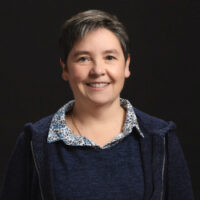
Sophie Lanone is a researcher and team leader of the Genetic-environment Interactions in COPD, Cystic Fibrosis, and Respiratory Pathologies (GEIC2O) team at the Mondor Institute of Biomedical Research (IMRB), affiliated with Université Paris-Est Créteil. Her work focuses on understanding the interplay between genetic and environmental factors in respiratory diseases, particularly COPD, cystic fibrosis, and surfactant-related pathologies. She leads a multidisciplinary team of clinicians and scientists investigating molecular mechanisms, inflammation resolution, and environmental impacts on pulmonary health. Key research themes include the molecular basis of cigarette smoke-induced COPD, genetic and cellular aspects of cystic fibrosis, and the role of specialized pro-resolving mediators in disease. Funding sources include EU programs (e.g., H2020 REMEDIA), ANR, and patient associations like Vaincre la Mucoviscidose. Recent advances include identifying lipid mediator defects in CF patients and demonstrating resolvin E1’s efficacy in correcting ciliary dysfunction. Team members have received awards, such as Khadeeja Adam Sy’s 2024 prize for active participation in CF research. Collaborations span in vitro/ex vivo models, patient cohort studies, and translational approaches toward personalized therapies. The team also explores environmental exposures (e.g., asbestos, nanoparticles) and their long-term respiratory health impacts.
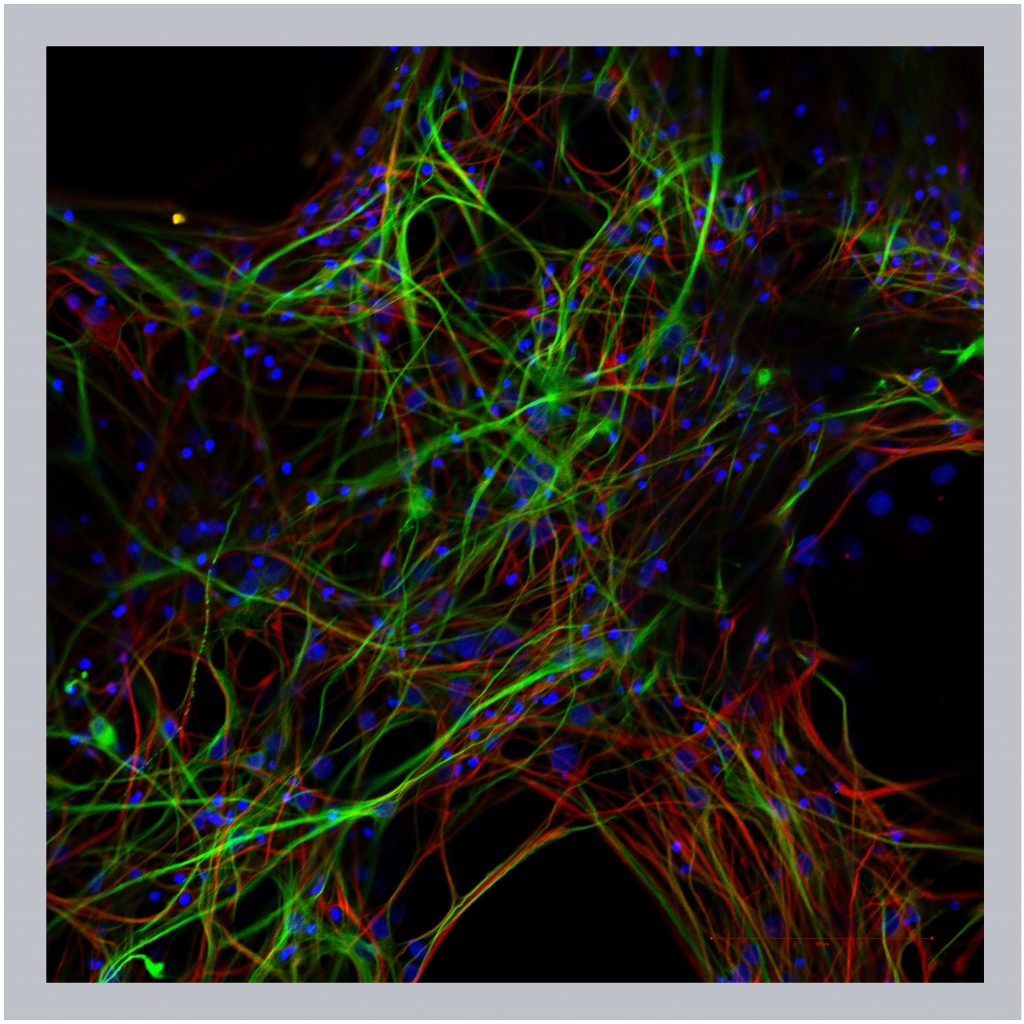
Sara Pedron Haba is a Research Assistant Professor at the University of Illinois at Urbana-Champaign, affiliated with the Carle Illinois College of Medicine, Carl R. Woese Institute for Genomic Biology, and Department of Chemical & Biomolecular Engineering. She holds a PhD in Materials Science and Engineering from the University Carlos III Madrid and a BS in Chemistry from the University of Valencia. Her research focuses on developing biomaterial-based platforms to study brain physiology and neurological diseases, particularly glioblastoma. Key research areas include biomaterials for tissue engineering, tumor microenvironment modeling, and hyaluronic acid's role in cancer progression. Dr. Haba's work emphasizes creating microphysiological systems to bridge the gap between in vitro models and clinical applications. She has received notable awards, including the AACR NextGen Star (2021) and the Nature Publishing Award from the Society for Biomaterials (2016). Her lab collaborates widely, integrating expertise from chemical engineering, biomedical science, and oncology to advance therapeutic strategies for brain cancers. Education: PhD, Materials Science and Engineering, University Carlos III Madrid (2004–2009) BS, Chemistry, University of Valencia (2001) Awards: NextGen Star, AACR (2021) Nature Publishing Award, Society for Biomaterials (2016) CPLC 10K Pilot Program (2014) Research Themes: Biomaterials for brain tumor modeling Extracellular matrix dynamics in glioblastoma Therapeutic efficacy assessment platforms Her lab's efforts aim to improve patient-specific therapies and understand tumor-stroma interactions through innovative biomaterial systems.
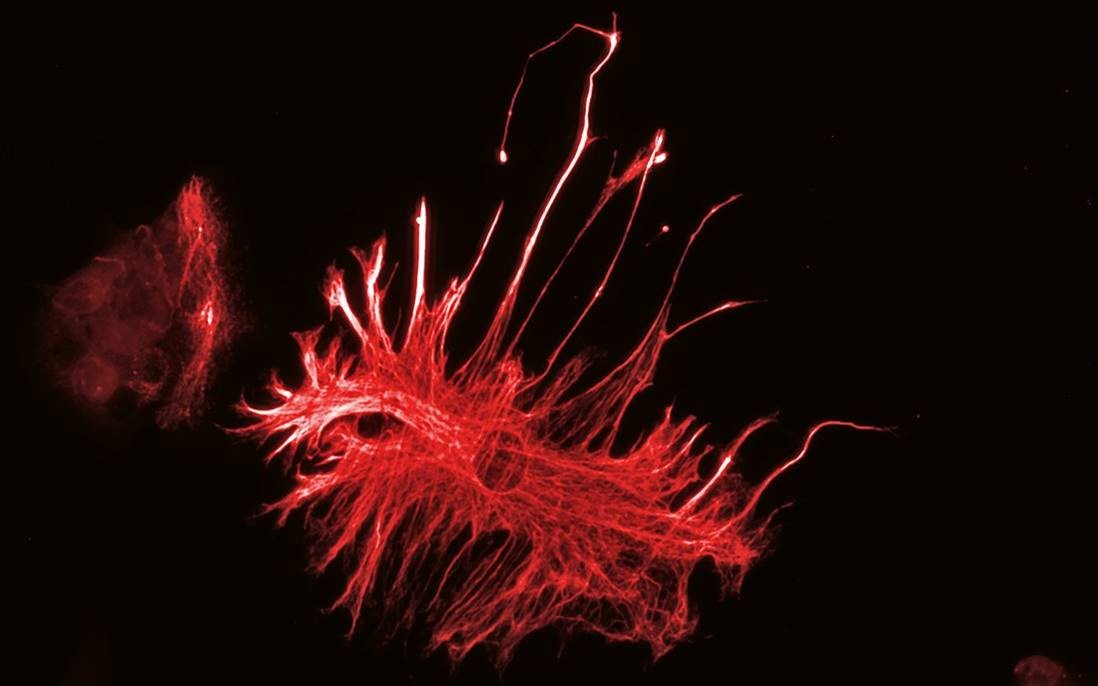
Prof. Laura Suter-Dick is a Professor and Team Leader of Cell Biology and In Vitro Toxicology at the University of Applied Sciences and Arts Northwestern Switzerland (FHNW), within the School of Life Sciences and the Institute for Chemistry and Bioanalytics. She also serves as Group Leader for Molecular Toxicology and Node Representative for the Swiss Competence Center for 3Rs (3RCC). Her research focuses on developing in vitro models for toxicology and disease modeling, emphasizing alternatives to animal experimentation. Key technologies include 3D cultures, microfluidic systems, bioprinting, and advanced imaging techniques. She teaches Cell Biology, bioassays, and Toxicology at the university level. Her work integrates cutting-edge methods like single-cell sequencing and functional assays to study substance efficacy and toxicity, particularly in brain medicine and drug discovery. Prof. Suter-Dick leads a team supervising bachelor, master, and PhD students in these areas. Her technical expertise spans liver fibrosis modeling, nephrotoxicity screening (e.g., NephroScreen platform), and blood-brain barrier systems. She collaborates on projects like the reduction-responsive enzyme immobilization and neurotoxicity assessment of organic solvents. Her lab employs advanced analytical tools, including flow cytometry and bioanalytical methods, to address translational challenges in toxicology and regenerative medicine. Prof. Suter-Dick advocates for the 3Rs (Replacement, Reduction, Refinement) in animal research and contributes to standardizing microphysiological systems for reproducibility. Her interdisciplinary approach bridges academic research with industry needs, particularly in developing fit-for-purpose in vitro models for regulatory and safety assessments.
Colin R Campbell is an Associate Professor in the Department of Pharmacology at the University of Minnesota Medical School . His research focuses on DNA repair mechanisms , particularly DNA-protein crosslink repair , homologous recombination , and mitochondrial DNA stability , with significant contributions to understanding cancer mechanisms and genetic toxicology . Research Themes DNA-Protein Crosslink Repair Homologous Recombination Pathways Mitochondrial DNA Maintenance Chemotherapy-Induced DNA Damage Enzymatic Processing Mechanisms Article Trends 2024-2025 work emphasizes transcription-coupled DNA repair and ubiquitin-mediated repair pathways 2020-2023 studies explore mitochondrial crosslink repair and interdisciplinary sustainability leadership 2000-2018 publications cover rad51 interactions , nitrogen mustard effects , and calpain-mediated repair enzyme degradation Grants & Projects NIH/NHLBI: Summer Research (2024-2029) NIH/NIEHS: DNA-Protein Crosslink Repair (2019-2025) NIH/NHLBI: Cellular Repair Mechanisms (2018-2024) Collaborations Natalia Tretyakova (Chemistry) Hoang D Nguyen (Microbiology) Paul B Bitterman (Medicine) Beverly S Moriarity (Genetics)
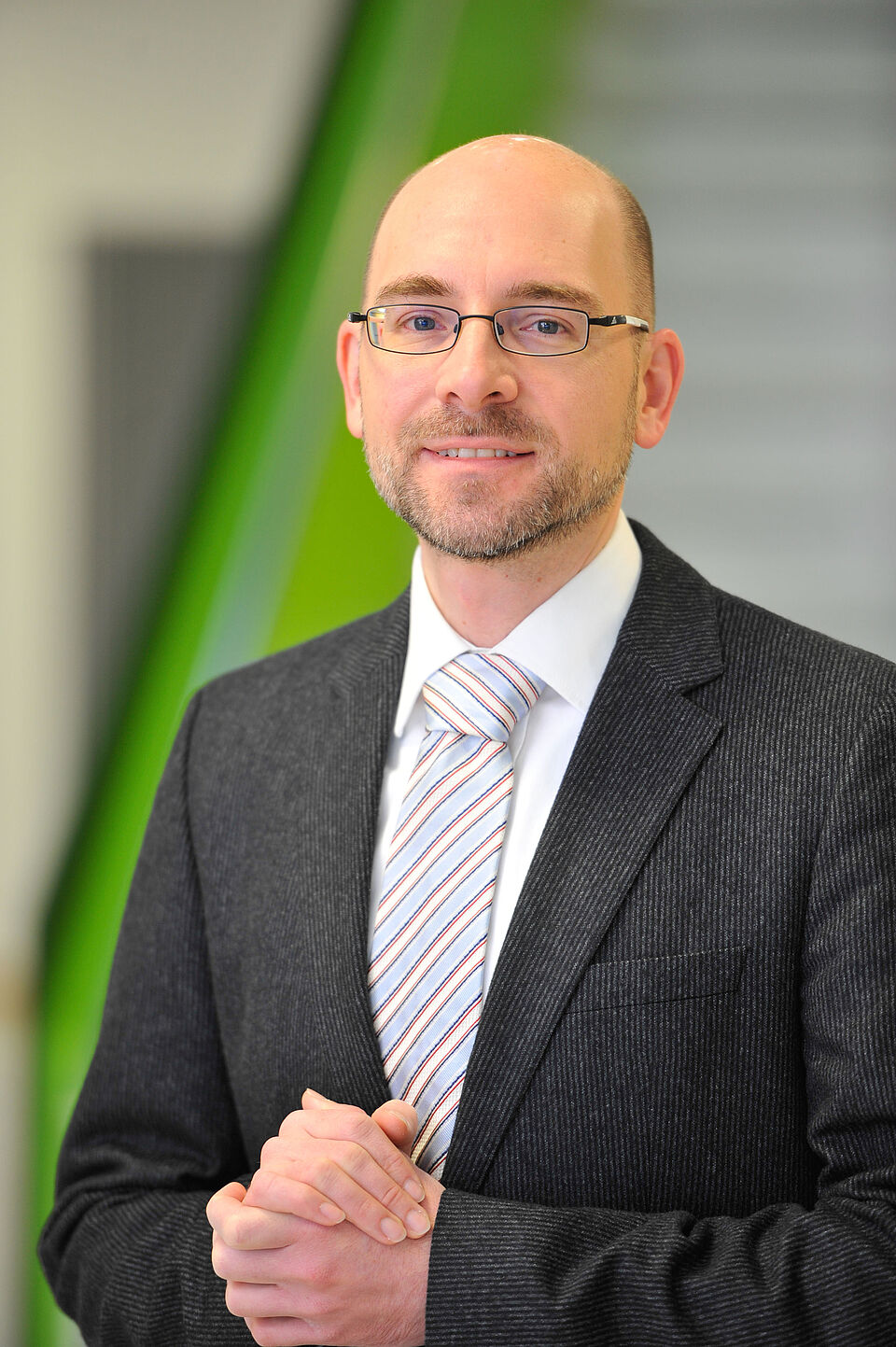
Prof. Dr. Georg Garnweitner is a full Professor of Nanomaterials at the Institute for Particle Technology , Faculty of Mechanical Engineering, Technische Universität Braunschweig. He has served as Dean of Studies since 2023, DFG Liaison Lecturer since 2021, and head of the Laboratory for Emerging Nanometrology (LENA) board since 2013. University Professorship in Nanomaterials (2013–present) Junior Professorship in Nanoparticles/Nanocomposites (2007–2013) Research at Max Planck Institute (2005–2006) His research focuses on nanomaterial synthesis , non-aqueous nanoparticle formation , and energy storage materials , particularly for lithium-sulfur batteries. He also explores drug delivery systems using silica aerogels and optofluidic particle analysis . His work combines materials science , surface chemistry , and advanced characterization techniques . Recent publications highlight breakthroughs in solid-state electrolyte design (2023), solvent-free drug loading (2022), and nanoparticle migration dynamics (2020). He contributes to crystal engineering (2021) and population balance modeling (2017) for nanoparticle formation.
Dr. Marco Conti is the Fred Gellert Endowed Professor at the University of California San Francisco (UCSF) School of Medicine, where he serves in the Department of Obstetrics, Gynecology and Reproductive Sciences. He previously directed the Center for Reproductive Sciences at UCSF, a leading institution in reproductive biology research. Dr. Conti received his M.D. from the University of Rome School of Medicine in 1974, followed by postdoctoral training in Reproductive Biology at the same institution (1974-75) and Endocrinology at the National Institutes of Health in Bethesda, MD (1975-77). His research career spans over four decades with significant contributions to understanding oocyte development and reproductive biology. Dr. Conti's research program focuses on signal transduction pathways required for germ cell development, particularly those controlling oocyte meiotic maturation and developmental competence. His lab has identified critical signals arising in somatic cells during ovulation that establish oocyte developmental competence. The research examines how disruption of these pathways affects maternal mRNA translation patterns into proteins critical for nuclear reprogramming and early embryo development. This work has significant implications for stem cell research, understanding mechanisms controlling cell replication during preimplantation development, and developing embryonic stem cells into artificial gametes. Additional research interests include fertility preservation for cancer patients. Analysis of Dr. Conti's publication record reveals a consistent focus on reproductive biology with particular emphasis on cAMP signaling pathways, phosphodiesterases, mRNA translation regulation, and oocyte maturation. His work shows progression from foundational studies on cAMP-specific phosphodiesterases in the 1990s to more recent sophisticated analyses of maternal mRNA translation programs using single-cell approaches and multi-omics techniques. The research demonstrates increasing complexity in methodology while maintaining focus on fundamental questions of oocyte developmental competence. International Fogarty Fellow (1975-77) Phi Beta Kappa Teaching Excellence Award (2000) Sandler Foundation Senior Investigator Award (2001) Society for the Study of Reproduction Research Award (2003) Board of Directors Society for the Study of Reproduction (2006) Dr. Conti has mentored numerous researchers in reproductive biology and has been instrumental in establishing genetic models to study oocyte developmental competence. His laboratory work has significant translational potential for improving assisted reproductive technologies and understanding age-related declines in fertility. The Center for Reproductive Sciences at UCSF, which he previously directed, serves as a hub for interdisciplinary research connecting basic science discoveries with clinical applications in reproductive medicine.
Vivian Li is a Senior Group Leader and Assistant Research Director at The Francis Crick Institute in London, UK, leading a research group focused on intestinal stem cell biology and colorectal cancer mechanisms. Dr. Li earned her PhD from the University of Hong Kong's Department of Pathology in 2008, researching molecular mechanisms of human colonic development and tumorigenesis, for which she received the Gold Medal Prize. She then completed postdoctoral training with Hans Clevers at the Hubrecht Institute in the Netherlands, funded by the Croucher Foundation Fellowship, focusing on Wnt pathway proteomics and intestinal stem cell genes using transgenic mouse models. Her research program investigates how stem cells maintain healthy gut tissue and what goes wrong during cancer development, with particular emphasis on Wnt signaling pathways. Dr. Li's laboratory utilizes advanced organoid technology ('mini-guts') to study stem cell behavior in three-dimensional cultures, gene editing techniques, and state-of-the-art imaging approaches. Her work spans developmental biology, stem cell research, and cancer biology with significant translational implications. Analysis of her recent publications (2022-2025) reveals a strong focus on cancer stemness mechanisms, intestinal regeneration pathways, Wnt signaling components, and innovative organoid modeling approaches for colorectal cancer. Her research consistently bridges basic science with potential clinical applications in gastrointestinal medicine. Gold Medal Prize for PhD thesis Croucher Foundation Fellowship Dr. Li established her independent laboratory at the MRC National Institute for Medical Research in February 2013 and transitioned to the Francis Crick Institute in 2015. Her research aims to develop tumor-specific therapies for bowel cancer and grow replacement human gut tissue for transplantation or drug testing platforms. She leads a multidisciplinary team utilizing cutting-edge techniques including reverse mouse genetics, ex vivo organoid cultures, and advanced genomic and proteomic analyses to investigate stem cell regulation in health and disease. Her laboratory at the Crick Institute operates within the Biological Research Facility and collaborates extensively with other research groups both within the institute and internationally, contributing significantly to understanding intestinal stem cell niche dynamics and cancer development mechanisms.
Edward C. Norton is the UnitedHealthcare Professor of Health Care Management at the University of Michigan, holding appointments in both the Department of Health Management and Policy at the School of Public Health and the Department of Economics. He is a Research Associate of the National Bureau of Economic Research in the Health Economics Program and the Economics of Aging Program. Dr. Norton earned his Ph.D. in Economics from MIT in 1990 and his A.B. from Princeton University in 1986. Prior to joining Michigan, he taught at UNC Chapel Hill and Harvard Medical School. His academic journey includes serving as Director of the Robert Wood Johnson Foundation Scholars in Health Policy Research program. His research spans critical areas of health economics including: Advanced econometric methods for health services research Long-term care economics and aging populations Pay-for-performance systems in healthcare Obesity economics and body mass index impacts Dr. Norton's publication record shows a methodological sophistication with recent work focusing on reproductive health economics, surgical outcomes analysis, and dementia care economics. His research frequently employs instrumental variable approaches and advanced econometric techniques to analyze large healthcare datasets from Medicare and commercial insurance claims. Among his notable recognitions is the 2018 School of Public Health Excellence in Research Award from the University of Michigan. As an educator, Dr. Norton teaches HMP674: The Economics of Health Management and Policy II and HMP826: Applied Econometrics in Health Services Research, training the next generation of health services researchers in rigorous quantitative methods. He maintains active affiliations with the Institute for Healthcare Policy and Innovation and serves as Director of Quantitative Analytics in the Center for Healthcare Outcomes and Policy, bridging academic research with practical healthcare applications.
Robert Falconer serves as Professor of Medicinal Chemistry and Director of the Institute of Cancer Therapeutics (ICT) at the University of Bradford. A registered pharmacist with the General Pharmaceutical Council, he leads a multidisciplinary research team focused on tumor glycocalyx targeting and protease-activated anticancer prodrugs. His academic journey spans from pharmacy training at The School of Pharmacy, University of London to establishing the medicinal chemistry program at ICT in 2005. Pharmacy Degree: The School of Pharmacy, University of London (now UCL School of Pharmacy) PhD in Medicinal Chemistry: London (2000) Professional Registration: General Pharmaceutical Council Professor Falconer's research centers on tumor glycocalyx modulation through polysialyltransferase inhibition and protease-activated drug delivery systems. His work spans osteosarcoma, neuroblastoma, breast, and prostate cancers with emphasis on developing targeted therapies that minimize systemic toxicity. The Falconer group employs computational design, solid-phase synthesis, and advanced biological evaluation techniques to develop novel anticancer agents. His publication portfolio demonstrates consistent focus on tumor-specific activation mechanisms (2023-2025), glycocalyx-targeted metastasis inhibition (2019-2021), and prodrug development (2010-2014). Recent work emphasizes theranostic applications and DNA repair targeting for pediatric cancers. Fellow of the Royal Society of Chemistry Former Honorary Treasurer, RSC Central Yorkshire Local Section Trust (2012-2018) Registered Pharmacist with General Pharmaceutical Council As principal investigator, Falconer has secured substantial funding from Breast Cancer Now, Bone Cancer Research Trust, Worldwide Cancer Research, and Neuroblastoma UK. He leads the £2m ICT Doctoral Training Centre and co-founded spin-out company Incanthera plc, which is advancing the MMP-targeted prodrug ICT2588 to clinical trials. His mentorship includes three PhD students and multiple postdoctoral researchers developing next-generation cancer therapeutics. The Falconer group operates within the ICT's state-of-the-art facilities, collaborating with Stanford University, University of Sheffield, and Ellipses Pharma. Current projects address unmet needs in pediatric oncology while developing platform technologies applicable across multiple cancer types.
Brenda L Bohnsack, MD, PhD is Associate Professor of Ophthalmology (Pediatric Ophthalmology) and Pediatrics at Northwestern University Feinberg School of Medicine, where she serves as Chief of Pediatric Ophthalmology in the Department of Ophthalmology. She also holds the Lillian Sherman Cowen Reiger and Harold L.S. Cowen Research Professorship of Pediatric Ophthalmology. Dr. Bohnsack practices at Ann & Robert H. Lurie Children's Hospital of Chicago. Her educational background includes: BA from Northwestern University (1999) PhD from Baylor College of Medicine (2004) MD from Baylor College of Medicine (2006) Transitional Year Intern at Oakwood Hospital (2007) Residency in Ophthalmology at University of Michigan (2010) Chief Residency in Ophthalmology at University of Michigan (2010) Postdoctoral Fellowship in Orbital and Ocular Development at University of Michigan (2011) Fellowship in Pediatric Ophthalmology and Adult Strabismus at Duke University (2012) As an academic pediatric ophthalmologist and developmental biologist, Dr. Bohnsack focuses on the clinical aspects and underlying basic science of congenital eye diseases. Her clinical expertise includes the medical and surgical management of complex pediatric eye conditions such as primary congenital glaucoma, Peters Anomaly, Axenfeld-Rieger syndrome, aniridia, microphthalmia, and congenital ectropion uvea. Her research spans both clinical and basic science domains, with clinical research concentrating on identifying new genes associated with congenital eye diseases and outcomes in affected individuals, while her basic science research utilizes zebrafish and human embryonic stem cell models to study ocular neural crest cells and their role in eye development. Analysis of Dr. Bohnsack's most recent publications reveals a strong focus on pediatric ocular conditions with particular emphasis on Stickler syndrome, pediatric glaucoma management, and complications of systemic treatments in children. Her work spans clinical studies, surgical technique evaluations, systematic reviews, and investigations into the genetic basis of pediatric eye diseases. The publications demonstrate her commitment to improving diagnostic approaches, surgical outcomes, and understanding the molecular mechanisms underlying congenital eye disorders. Dr. Bohnsack has received numerous scientific awards and honors throughout her career: Honor Award, American Association of Pediatric Ophthalmology and Strabismus (2025) Secretariat Award, American Academy of Ophthalmology (2024) Academic Leadership Development Program, Association of University Professors of Ophthalmology (2024) Alpha Omega Alpha (2023) Gunter von Noorden Young Investigator Award (2022) Dr. Bohnsack actively participates in multi-center research collaborations focusing on the genetics of childhood glaucomas, long-term outcomes of myopia control, socioeconomic influences on eye disease outcomes, and health disparities in global myopia management. Her laboratory research focuses on molecular regulation of neural crest migration and differentiation in the anterior segment of the eye, with applications for understanding and potentially treating congenital eye disorders. She leads research efforts utilizing both in vivo (zebrafish) and in vitro (human embryonic stem cells) systems to model eye diseases, with particular attention to ocular neural crest cells and their contribution to corneal, iris, and aqueous humor drainage system development. Her work bridges basic science discoveries with clinical applications to improve understanding and treatment of blinding diseases in children.
Prof. Henning Hintzsche is a Professor at the University of Bonn's Institute of Nutrition and Food Sciences. His research focuses on genotoxic effects of food-derived substances, employing methods such as DNA damage analysis and micronucleus assays. Key interests include understanding mechanisms of genotoxicity, developing protective strategies, and improving regulatory risk assessment frameworks. Notable work includes studies on micronucleus dynamics in cell models and toxin mixtures' effects in zebrafish and human cells. Research topics span synthetic dyes (e.g., Alizarin Red S), perfluoroalkyl substances (PFAS), and natural compounds like pyrrolizidine alkaloids. Findings have been published in journals like Archives of Toxicology and Scientific Reports . Collaborations emphasize translational applications in food safety and regulatory science. No awards or grants are explicitly listed, though his work contributes to EU policy frameworks. His lab's interdisciplinary approach bridges basic toxicology with real-world risk mitigation strategies.
Soojung Claire Hur is an Assistant Professor in the Department of Mechanical Engineering at Johns Hopkins University (JHU), with a secondary appointment in the Department of Oncology at the JHU School of Medicine. She is affiliated with the Hopkins Extreme Materials Institute and the Johns Hopkins Institute for NanoBioTechnology. Her research focuses on developing microfluidic platforms to study complex fluid dynamics and translate these insights into clinical applications, particularly in oncology and regenerative medicine. Education: Hur earned her B.S., M.S., and Ph.D. in Mechanical Engineering from UCLA (2005, 2007, 2011). She was a Rowland Fellow at Harvard University (2011–2016) and conducted clinical studies at Vortex Biosciences, Inc. before joining JHU's Whiting School of Engineering faculty in 2015. Research Interests: Her work spans inertial microfluidics, nonlinear fluid dynamics, cellular biophysics, and personalized medicine. She pioneers techniques like vortex-assisted electroporation and inertial focusing for high-throughput cell analysis, separation, and drug delivery. These methods aim to improve cancer diagnosis, immunotherapy, and gene therapy. Awards: Notable honors include the 2024 Johns Hopkins Discovery Awards, the 2023 Susan G. Komen Career Catalyst Award, and the 2018 Johnson & Johnson WiSTEM2D Scholars Award. Her research is funded by the Susan G. Komen Foundation, the Hartwell Foundation, and others. Advising & Grants: While no students are listed, her grants support projects like drug resistance monitoring and rare cell analysis. She holds three U.S. and two international patents for microfluidic technologies. Labs & Roles: The Hur Lab on Micro-Fluidic Biophysics develops clinical tools for cell mechanics analysis. Hur serves as an editor for Nature Scientific Reports , SLAS Technology , and Biomicrofluidics , and reviews for major journals and agencies like the NSF and NASA.
Dr. Farhad Maleki is an Assistant Professor in the Department of Computer Science at the University of Calgary, Faculty of Science. He holds a PhD in Computer Science from the University of Saskatchewan (2019). His postdoctoral research at McGill University’s Augmented Intelligence & Precision Health Laboratory focused on machine learning for medical image analysis. He has held leadership roles, including President of the Association of Postdoctoral Fellows at McGill and President of the Computer Science Graduate Council at the University of Saskatchewan. Currently, he serves on the Machine Learning Education Sub-Committee of the Society for Imaging Informatics in Medicine and as a guest editor for journals in medical data analysis. Dr. Maleki’s research spans Artificial Intelligence , Machine Learning , Biomedical Data Analysis , and Computer Vision . His work emphasizes medical applications, including tumor segmentation, clinical outcome prediction, and AI-driven diagnostics in oncology and cardiology. He also explores agricultural challenges, such as wheat head segmentation using generative models and domain adaptation. Key contributions include developing robust medical imaging tools (e.g., Rel-UNet for tumor segmentation) and frameworks for evaluating AI model reliability ( RIDGE ). His work bridges clinical needs with computational innovation, addressing issues like reproducibility, generalizability, and low-annotation learning across healthcare and agriculture domains. Dr. Maleki’s articles focus on advancing AI methods for precision health and agriculture. His recent work highlights interdisciplinary applications, such as integrating clinical and pathology data for cancer survival prediction, optimizing radiation therapy using Bayesian methods, and leveraging synthetic data for crop phenotyping. These studies emphasize practical deployment and ethical considerations in AI adoption.
Dr. Amir Sanati Nezhad is a Full Professor in the Department of Biomedical Engineering and Mechanical and Manufacturing Engineering at the University of Calgary's Schulich School of Engineering. He leads the BioMEMS and Bioinspired Microfluidic Laboratory and holds memberships in the Hotchkiss Brain Institute, Snyder Institute for Chronic Diseases, and Arnie Charbonneau Cancer Institute. With a PhD in Mechanical Engineering from Concordia University (2013) and postdoctoral training at Harvard and McGill, he specializes in bioinspired microfluidics, tissue engineering, biosensors, and organ-on-chip technologies. His research focuses on developing point-of-care devices for cancer, brain injury, and infectious disease diagnostics, alongside bioinspired microdevices for disease modeling. He has published over 350 peer-reviewed works and holds prestigious awards like the Canada Research Chair and Governor General’s Gold Medal. His educational background includes degrees from Isfahan University of Technology (B.S., 2006), Amirkabir University (M.S., 2009), and Concordia University (PhD, 2013). Research interests include biosensing, microfluidics, and digital health technologies. Recent articles highlight innovations in wearable biosensors, molecularly imprinted polymers, and self-powered microfluidic systems. His awards reflect contributions to both research and teaching excellence. Grants and collaborations include licensing technologies to diagnostic companies. His lab emphasizes translational research, integrating microfluidics with AI for healthcare applications. He teaches advanced biomedical engineering courses and oversees interdisciplinary projects in organ-on-chip and biomaterials.
Professor Sungheon Gene Kim holds a faculty position at the Weill Cornell Medicine Graduate School of Medical Sciences within the Department of Radiology . His research focuses on quantitative MRI methodology for oncological applications , particularly in breast cancer and head and neck cancer . Kim's lab develops advanced dynamic contrast-enhanced MRI (DCE-MRI) and diffusion MRI (dMRI) techniques to assess tumor microenvironment and treatment response . Key research areas include: Tumor vascular properties via 3D UTE-GRASP MRI Cellular microstructural analysis through POMACE framework Adipose-tissue cancer interaction via MR spectroscopic imaging His lab has received continuous funding from the National Cancer Institute (R01CA219964, UG3/UH3CA228699, R01CA160620). Recent publications demonstrate technical advancements in ultrafast MRI reconstruction , deep learning-enhanced perfusion analysis , and multi-parametric tumor characterization . Collaborations with the National Institutes of Health Quantitative Imaging Network have produced novel cellular water exchange rate measurements that correlate with patient survival outcomes .