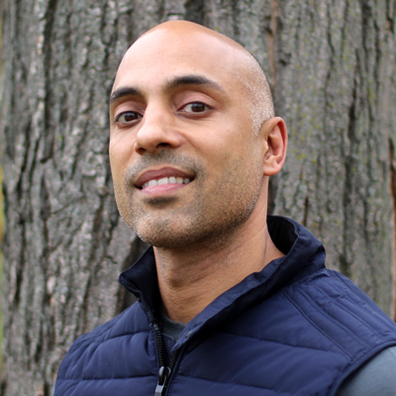
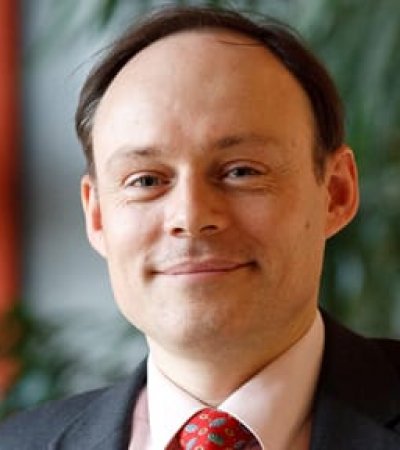
Professor Gabriel Kuperminc is a faculty member at Georgia State University’s College of Arts & Sciences, Department of Psychology, with a secondary appointment in the School of Public Health. He serves as Chair of the Community Psychology Program and a member of the Developmental Psychology Program. His research focuses on resilience in adolescence, community-based prevention programs, and cultural factors influencing health and development. He collaborates with non-profits to evaluate youth programs and has expertise in mentoring interventions, substance abuse prevention, and immigrant youth studies. Education: Ph.D., University of Virginia, 1994. Research interests include understanding how cultural contexts shape youth development and health behaviors. His work emphasizes collaboration with marginalized communities, including immigrant families and organizations addressing systemic inequities. Notable projects include studies on group mentoring effectiveness (funded by DOJ), photovoice methodologies for trauma recovery, and interventions targeting acculturative stress among Latino youth. Key affiliations include the Center for Latin American and Latino Studies, Center for Human Rights and Democracy, and Center for Research on School Safety. Since 2009, he leads a Maymester Study Abroad Program on Human Rights in Argentina. Grants and collaborations include DOJ-funded research on juvenile justice system interventions and CDC evaluations of public health programs. He directs the Social Ecology and Adolescent Development Lab, focusing on youth resilience and community health interventions.
Valerie Karplus is a Professor in the Department of Engineering and Public Policy at Carnegie Mellon University (CMU) and Associate Director of the Wilton E. Scott Institute for Energy Innovation. She holds a Ph.D. in Engineering Systems from MIT and a B.S. in Biochemistry and Political Science from Yale University. Her research focuses on resource and environmental management in global industrial contexts, emphasizing institutions, management practices, and policy design. Key areas include decarbonization pathways, hydrogen energy systems, and the intersection of public policy with workforce resilience. Dr. Karplus leads the Laboratory for Energy and Organizations (LEO) at CMU and is affiliated with MIT’s Energy Initiative and environmental policy centers. She previously directed the MIT-Tsinghua China Energy and Climate Project (2011–2016), analyzing China’s energy policies and their global impacts. Her work bridges academia and practice, addressing challenges like steel industry decarbonization and clean energy workforce development through interdisciplinary approaches. Notable contributions include modeling China’s carbon neutrality targets (C-REM 4.0), evaluating hydrogen hub risks, and assessing energy audit effectiveness. She has secured grants such as a $500,000 ARISE planning grant to analyze Appalachian workforce skills for decarbonization. Media engagements include commentary on EU energy strategies, green hydrogen viability, and nuclear energy for AI systems.
Ben Green is an Assistant Professor in the University of Michigan School of Information and a courtesy Assistant Professor in the Gerald R. Ford School of Public Policy. He holds a PhD in Applied Mathematics from Harvard University with a secondary focus on Science, Technology, and Society. His research examines algorithmic ethics, fairness, and governance, aiming to reduce harms and advance social justice. Notable works include The Smart Enough City (2019) and his forthcoming Algorithmic Realism . He is affiliated with the Berkman Klein Center for Internet & Society at Harvard and the Center for Democracy & Technology. Education: PhD in Applied Mathematics, Harvard University (with secondary field in Science, Technology & Society) BS in Mathematics & Physics, Yale University Research Interests: Algorithmic fairness in public policy Human-algorithm interaction dynamics Regulatory frameworks for AI Equity-centered data science practices Urban technology policy His recent publications explore themes like the limitations of human oversight in algorithmic systems, the sociotechnical challenges of implementing ethical AI, and the intersection of legal reasoning with computational systems. His writing emphasizes actionable solutions to systemic biases in algorithmic governance. Ben’s current projects include advancing algorithmic realism – a framework for grounding data science in socially just practices – and analyzing how counterfactual explanations influence judicial decisions. He serves on multiple interdisciplinary advisory boards and frequently collaborates with policymakers to translate research into actionable strategies.
Daniel Wilhelm is a Professor of Statistics and Econometrics at LMU Munich, with a courtesy appointment in the Department of Economics. His research focuses on econometric theory, nonparametric methods, measurement error modeling, and statistical inference. He leads the Statistics and Econometrics Group at LMU and holds affiliations with the Centre for Microdata Methods and Practice (CeMMAP), Institute for Fiscal Studies (IFS), and the Centre for Research and Analysis of Migration (CReAM). Wilhelm’s work includes groundbreaking contributions to NPIV estimation, robust statistical testing, and the development of R and Stata packages for rank inference and econometric analysis. His recent publications address topics like rank-based inference, measurement error detection, and high-dimensional independence testing. He organizes academic events such as the Munich Econometrics Seminar and the LMU-Todai Econometrics Workshop. His research emphasizes methodological rigor and practical applications, with a focus on improving statistical techniques for social science and policy analysis.
Richard Lang is an Extraordinary Professor at the University of Bolzano within the Faculty of Economics , specializing in cooperative management, social entrepreneurship, and housing policy. He leads the Competence Center for Cooperative Management , focusing on innovative models for community-led housing and nonprofit sector development. His research emphasizes the role of social capital, institutional contexts, and collaborative governance in fostering sustainable urban and rural development. Recent work highlights his engagement with cooperative housing initiatives , including studies on social innovation in Vienna, grassroots movements in England, and rural entrepreneurship across Europe. Lang’s interdisciplinary approach bridges economics, sociology, and urban planning to address systemic challenges in housing equity, community integration, and policy implementation. Education Background: Not explicitly stated in provided texts. Labs/Teams: Competence Center for Cooperative Management (University of Bolzano). Grants/Awards: None listed in the provided texts. His articles consistently analyze the intersection of institutional frameworks and grassroots action, emphasizing how cooperative models can drive social and economic sustainability. Key themes include contextual adaptation of policies, multilevel social capital utilization, and the governance challenges in collaborative housing systems.
Jasmine Travers Altizer is an Assistant Professor at NYU Rory Meyers College of Nursing, where she conducts research to improve health outcomes and reduce disparities among vulnerable older adults. Her work spans long-term care systems, aging, and health equity, with a focus on both quantitative and qualitative approaches. Education: PhD, Columbia University School of Nursing MHS, Yale University MSN, Stony Brook University (Adult-Gerontological Health) BSN, Adelphi University Her research interests include gerontology, health disparities, workforce diversity, infection control, and policy in long-term care. She investigates how neighborhood disadvantage, staffing levels, and systemic inequities affect care quality in nursing homes and home-based settings. Her recent work has explored antipsychotic medication use, caregiver coping strategies, and the impact of federal programs like the Paycheck Protection Program on staffing. The 15 most recent publications reflect a strong trajectory in health services research, with recurring themes in equity, workforce well-being, and policy evaluation. Her studies frequently use large national datasets and mixed methods to address structural barriers in care delivery for underserved populations, particularly Black and Latino older adults. Scientific Awards and Honors: Rising Star Research Award, Eastern Nursing Research Society (2022) Health in Aging Foundation New Investigator Award (2022) NASEM Committee Member on Quality of Care in Nursing Homes (2020) Scholar, National Clinician Scholars Program, Yale (2020) Jonas Policy Scholar (2019) Douglas Holmes Emerging Scholar Paper Award (2018) Travers is actively involved in mentoring and accepting PhD students. She leads multiple federally funded research projects, including a Robert Wood Johnson Foundation Career Development Award and a National Institute on Aging K76 Beeson Award. She has served on national committees and contributed to high-impact policy reports, demonstrating leadership in translating research into action. Her work is frequently covered in media outlets such as Scientific American , AARP , and Crain's New York . Laboratories and Research Teams: She is affiliated with several active research initiatives, including the NH Explanatory Trials Network and projects examining dementia care workforce experiences, health equity in nursing home quality measures, and culturally sensitive interventions for Black adults with chronic conditions.
Samuel Brazys is Associate Professor in the School of Politics and International Relations (SPIRe) at University College Dublin (UCD), where he also serves as Vice Principal for Research, Impact & Innovation in the College of Social Science & Law. He is the Editor of the Journal of International Development and has a strong research profile in international political economy and development. BA in Political Science/Economics, Marquette University MA in Economics, Indiana University MSc in Politics of the World Economy, London School of Economics PhD in Political Science, Indiana University Professional Certificate in University Teaching & Learning, UCD His research focuses on the political economy of development, with emphasis on foreign aid, foreign direct investment, Chinese development finance, and governance. He employs sub-national and spatial analysis methods, often using geo-referenced data to assess local-level impacts of development interventions in Africa, South Asia, and the Pacific. His work bridges comparative and international political economy, international organizations, and development studies. Recent publications reveal a consistent trend in analyzing the spatial and political dimensions of development finance, particularly Chinese aid and FDI, and their effects on conflict, governance, and public perceptions. His work increasingly engages with public diplomacy, as seen in studies on mask diplomacy and wolf warrior rhetoric, using large-scale text analysis of media and social media. Irish Research Council Grant: Trade Related Assistance for Development. Evidence from Micro-Level Evaluations (2018) UCD College of Human Sciences Research Funding Scheme (2015–2016) His research has had significant policy impact, notably cited by the U.S. State Department in decisions regarding Confucius Institutes. He is a member of major professional associations including the American Political Science Association and the International Studies Association. He teaches core modules in International Political Economy, Research Methods, and Governance and Development, and has coordinated thesis and internship programs. He leads a research agenda that critically examines donor behavior, recipient agency, and the political economy of global development, contributing to both academic discourse and policy debates.
Dr. Irene Kamara is an Assistant Professor at Tilburg Law School and TILT (Tilburg Institute for Law, Technology, and Society) at Tilburg University. She holds a joint doctorate from Tilburg University and Vrije Universiteit Brussel (VUB), specializing in data protection standardization. Irene is an affiliated researcher at VUB’s Law, Science, Technology, and Society (LSTS) group and serves as Research Coordinator at TILT since August 2022. Education: PhD in Law with a focus on Data Protection Standardization (Tilburg University & VUB, 2021) LL.B. in Law (Democritus University of Thrace) MSc in International and European Studies (University of Piraeus) Research Interests: Irene examines the intersection of technology and human rights, particularly cyberviolence (cyberstalking, image-based abuse), cybersecurity governance, AI ethics, and data protection law. Her work emphasizes EU legal frameworks, technical standards, and soft law instruments. Recent projects include analyzing child cyberbullying legislation across EU states and developing privacy-preserving AI frameworks through the ENCRYPT Horizon Europe project. Teaching: Course coordinator for Cybercrime (LL.M. Law & Technology) and Regulating Cybersecurity (MSc Artificial Intelligence & Cybersecurity). Supervises PhD and master’s theses. Professional Activities: Member of ENISA Experts List, Netherlands Network for Human Rights Research (NNHRR), and European Academy for Standardisation (EURAS) Evaluator for EU-funded proposals on societal security Editorial Board member of the Journal of Standardisation Awards & Grants: 2025 KNAW Early Career Partnership Grant 2021 CEN CENELEC Standards+Innovation Individual Researcher Award 2023 Nominated for Praemium Erasmianum Foundation Prize Current Projects: CArE Project : Combating technology-facilitated cyberviolence (2023–2027) ENCRYPT Project : Privacy-preserving AI frameworks (2022–2025) HE Edu4Standards.eu : Standardization education initiatives (2024–2026)
Henry Rothstein is a Professor of Risk & Regulation at King's College London's Department of Geography, School of Global Affairs. He serves as Deputy Director of the King's Centre for Risk Management. His research focuses on risk governance, regulatory transparency, and comparative policy analysis across Europe and China. He holds a BSc from Bristol University and advanced degrees from Sussex University. Key Roles: Deputy Director (King's Centre for Risk Management), Editorial Board Member (Journal of Risk Research, Health, Risk and Society) His work examines institutional factors shaping risk governance in public and private sectors, including healthcare quality regulation via big data, food safety policies, and EU regulatory coordination. Recent projects include analyzing pandemic responses across China/US/UK/Germany and evaluating NHS healthcare quality monitoring systems. Notable grants include a £1.1M ESRC-Open Research Area grant (2012). He supervises PhD students researching comparative risk governance and regulatory philosophies. Current research explores 'big data for healthcare quality regulation' and 'national political philosophies of risk management.' Labs/Teams: King's Centre for Risk Management, Risk, Hazard & Society research group.
Sara Schaefer, MD, MHS, FAAN is an Associate Professor of Neurology at Yale School of Medicine, where she serves as Program Director for the Movement Disorders Fellowship and Adult Neurology Residency Program Director. She specializes in treating patients with movement disorders including Parkinson's disease, tremors, chorea, dystonia, and Huntington's disease, and evaluates patients for deep brain stimulation surgery. Dr. Schaefer is also deeply involved in medical education innovation, having designed interactive video-based curricula used worldwide. Dr. Schaefer's educational background includes: ScB from Brown University (2007) MD from The Ohio State University College of Medicine (2012) Internship in Medicine at Yale-New Haven Hospital (2013) Residency in Neurology at Yale-New Haven Hospital (2016) Chief Residency in Neurology at Yale-New Haven Hospital (2016) MHS with focus on medical education from Yale University (2019) Dr. Schaefer's primary research interests center on movement disorders and medical education. She has a particular focus on developing innovative educational tools for neurology training, including video-based curricula and podcasts. Her work aims to improve how movement disorders are taught to medical students, residents, and practicing physicians, with the goal of reducing diagnostic delays and improving patient care. She has designed an interactive, video-based online training curriculum in movement disorders that is used by learners worldwide and co-founded the MDS podcast. She also founded The Grey Matter Project, a virtual high school neuroscience club engaging students globally. Dr. Schaefer's scholarly work demonstrates a clear trajectory from clinical research in movement disorders toward an increasing focus on medical education innovation. While her early publications addressed specific movement disorder conditions and treatments, her more recent work centers on educational methodology, curriculum development, and assessment in neurology training. Her research bridges clinical neurology with educational science, creating practical tools that have been implemented across multiple institutions. Dr. Schaefer has received numerous honors and awards for her work: Fellowship Director of the Year from American Academy of Neurology (2025) Burton A. Sandok Visiting Professor of Neurologic Education from Mayo Clinic Department of Neurology (2024) Attending of the Year from Yale Department of Neurology (2023) Education Innovation Poster Award at Yale Medical Education Day (2018) Creative Expression of Human Values in Neurology award from American Academy of Neurology (2016) Alpha Omega Alpha Honor Medical Society (2012) Gold Humanism Honor Society (2012) As an educator and program director, Dr. Schaefer has mentored numerous neurology residents and fellows. She serves as co-founder and deputy editor of the MDS podcast, launched in January 2019, and founder and producer of the Neurology Nuts and Bolts: Constructing your Career podcast, launched in February 2022. She is the Movement Disorders Section Head of the Annual Academy of Neurology Resident In-Service Training Examination (RITE) Committee and CME editor for the Movement Disorders Journal. Her educational initiatives have received institutional support through Yale's educational infrastructure, though specific grant funding isn't detailed in the provided text. Dr. Schaefer founded The Grey Matter Project, a virtual high school neuroscience club that engages students worldwide with lectures, career panels, and projects related to neurology. She is also actively involved with the Movement Disorders Society Education Committee and has contributed to developing educational resources through this professional organization.
Dr. Ken Ferens is an Assistant Professor in the Department of Electrical and Computer Engineering at the Price Faculty of Engineering, University of Manitoba. He serves as the Computer Engineering Champion in the Centre for Engineering Professional Practice and Engineering Education and directs the Applied Cognitive Intelligence (ACI) Research Group. Dr. Ferens is a senior member of the Institute of Electrical & Electronics Engineers (IEEE), Chair of the EduManCom Chapter of the IEEE, Vice-Chair of the Computer and Computational Intelligence Chapter of the IEEE, and Chair of the Industry, Teaching Assistants, and Student Forums for Engineering Curriculum Review and Improvement. Ph.D. (Computer Engineering), University of Manitoba, 1996 M.Sc. (Computer Engineering), University of Manitoba, 1991 B.Sc. (Electrical Engineering), University of Manitoba, 1989 Dr. Ferens has over 33 years of research experience in computational intelligence, focusing on cognitive machine learning, artificial intelligence, cognitive computational intelligence, chaos theory applications, agent-based models, and various optimization algorithms including simulated annealing, genetic algorithms, artificial neural networks, and particle swarm optimization. His research applies these techniques to develop software and hardware intrusion detection systems for cybersecurity applications. He teaches graduate-level courses on Computer Network Security and Applied Computational Intelligence, providing students with theoretical background and hands-on experience in state-of-the-art security methods. Analysis of Dr. Ferens' recent publications reveals a strong focus on applying cognitive and chaotic computational techniques to cybersecurity challenges, particularly malware detection and network intrusion detection. His work increasingly integrates complexity theory, fractal analysis, and hybrid optimization approaches to enhance security systems' effectiveness. There's a clear progression toward more sophisticated machine learning architectures applied to increasingly complex security scenarios, with growing emphasis on real-world IoT and network security applications. Best Paper Award at IEEE International Conference on Cognitive Informatics and Cognitive Computing (ICCI*CC 2022) Best Paper Award at IEEE International Conference on Cognitive Informatics and Cognitive Computing (ICCI*CC 2015) Best Journal Paper Award for 2013 (Journal of ICT Research and Applications) Best Poster Award at 12th International Conference on e-Health Networking, Application & Services (2010) Best Paper Award at IASTED International Conference on Computer, Electronics, Control, and Communication (1991) Dr. Ferens collaborates with national and international industry partners including the Department of Advanced Information Management, Content Technology Canadian Tire Corporation (CTC), and Magellan Aerospace. His research group has received funding supporting the Cyber-security Research Program, developing practical applications of computational intelligence for security systems. He has supervised numerous graduate students in the Electrical and Computer Engineering department, focusing on research at the intersection of machine learning and cybersecurity. Dr. Ferens leads the Applied Cognitive Intelligence (ACI) Research Group within the Department of Electrical and Computer Engineering, which focuses on applying cognitive, chaotic, and computationally intelligent algorithms to build intrusion detection systems. The group collaborates with industry partners to develop practical security solutions while providing students with hands-on research experience in cutting-edge security technologies. Their work spans both theoretical algorithm development and practical hardware implementation for real-world security applications.
Neil F. Lobo is a Research Professor in the Department of Biological Sciences at the University of Notre Dame, where he has held progressive academic positions since 2004. His work lies at the intersection of medical entomology, infectious disease epidemiology, and public health policy, with a focus on mosquito-borne diseases such as malaria and dengue. He conducts field and laboratory research across multiple continents, collaborating with global health programs to inform vector control strategies. Ph.D. in Molecular Biology, University of Notre Dame (1995–2000) B.Sc., St. Joseph’s Arts and Science College, Bangalore, India (1990–1994) Dr. Lobo's research centers on understanding the biological and behavioral traits of Anopheles mosquitoes that influence malaria transmission. His lab investigates vector bionomics, species composition, insecticide resistance, and the impact of human behavior on disease spread. A major focus is residual transmission—malaria cases that occur despite existing interventions like bed nets and indoor spraying. His work emphasizes evidence-based decision-making for national malaria control programs. His recent publications span topics including spatial repellents, human exposure patterns, and malaria eradication strategies. Collectively, these studies reflect a strong commitment to operational research that bridges scientific discovery with real-world implementation. His work is published in high-impact journals such as The Lancet , Malaria Journal , and American Journal of Tropical Medicine and Hygiene , and often involves multi-institutional, international collaborations. Scientific awards and honors: No specific awards mentioned in the provided text. Dr. Lobo has advised numerous research projects and contributed to major global health initiatives, including collaborations with ministries of health in Africa and Southeast Asia. His lab supports operational research to evaluate intervention efficacy, vector surveillance, and transmission drivers. He has secured funding for long-term field studies in countries such as Indonesia, Kenya, Tanzania, Zambia, and Ethiopia, enabling data-driven policy recommendations for vector control. The Lobo Lab operates with a strong commitment to equity, inclusion, and anti-racism in science. It fosters an open, intersectional environment that values diverse perspectives to enhance scientific rigor and global applicability. The lab collaborates with academic institutions, NGOs, and public health agencies worldwide to advance health standards, particularly for populations disproportionately affected by preventable diseases.
Barak Ariel is a Professor of Experimental Criminology at the Institute of Criminology, University of Cambridge. He holds a PhD in Criminology from Hebrew University of Jerusalem, an LLM (Hebrew University), LLB (Academic Centre of Law & Business), MA in Criminology (Hebrew University), and BA in Psychology (University of New York). Since 2008, he has been affiliated with the Jerry Lee Centre of Experimental Criminology and teaches on the MSt in Applied Criminology and Police Management. Academic Rank: Professor of Experimental Criminology Key Affiliations: University of Cambridge, Jerry Lee Centre of Experimental Criminology Education: PhD, LLM, MA, LLB, BA Dr. Ariel specializes in experimental criminology, evidence-based policing, and the role of technology in crime prevention. His research focuses on evaluating policing strategies through randomized controlled trials (RCTs), particularly in areas such as body-worn cameras, domestic abuse hotspots, and interventions to reduce violence against women. He has advised police departments and governments across the UK, USA, Latin America, and Europe. His recent publications highlight trends in global crime dynamics, the impact of police interventions on offender behavior, and the use of machine learning for crime forecasting. These works span subfields including hot spots policing, procedural justice, victim-offender overlaps, and network analysis of organized crime. Scientific Awards : Academy of Experimental Criminology Young Experimental Scholar Award European Society of Criminology Young Criminologist Award Fellow of the Division of Experimental Criminology As Chair of the Division of Experimental Criminology (2019–2021), Dr. Ariel has contributed to advancing methodological rigor in criminological research. He has conducted extensive evaluations of police-led interventions, including trials on body-worn cameras, victim communication strategies, and data-driven approaches to domestic homicide prevention. His work bridges academic research with practical policing reforms, emphasizing the importance of empirical evidence in criminal justice policy.
Professor Michael Pollitt is a faculty member at the University of Cambridge , holding the title of Professor of Business Economics . He serves as Director of the MPhil in Technology Policy Programme and is affiliated with the Centre for Business Research (CBR) . Additionally, he holds advisory roles on Ofwat's Water 2020 board and the National Infrastructure Commission's Regulatory Challenge Panel , and is a Joint Academic Director at CERRE Centre on Regulation in Europe . His research focuses on industrial economics , privatisation and regulation of utilities (particularly electricity), productive efficiency measurement , and the intersection of Christian ethics with business practices . He has advised numerous governmental and international bodies, including the UK Competition Commission , World Bank , and European Commission , and has consulted for major energy firms like National Grid and Eneco . His publications address critical energy and regulatory issues, with recent work exploring electricity market design , carbon pricing , net zero transitions , and infrastructure productivity . He contributes to academic governance as a member of editorial boards for journals such as The Energy Journal and Utilities Policy , and leads the Association of Christian Economists, UK .
Professor Atilla Ansal is a distinguished academic in Civil Engineering at Özyeğin University's School of Engineering, where he has served as a full-time professor since March 2012 and previously as the Founding Chair of the Civil Engineering Department from 2012-2019. With an extensive career spanning over five decades, Professor Ansal has held prominent positions at Istanbul Technical University, Bogaziçi University's Kandilli Observatory and Earthquake Research Institute, and has served as a visiting professor at numerous international institutions including Northwestern University, University of California, and Tokyo University. Northwestern University, 1978 (Doctorate) Civil Engineering, Istanbul Technical University, 1969 (Master's) Civil Engineering, Istanbul Technical University, 1969 (Bachelor's) Professor Ansal's research focuses on Earthquake Geotechnical Engineering, Soil Dynamics, Seismic Hazard Analysis, Landslide hazard analysis, Seismic Microzonation, and Laboratory and In-Situ Testing of Soil Properties. His work has significantly advanced our understanding of soil behavior under seismic loading, site response analysis, and seismic microzonation methodologies. His research has direct applications in urban planning, earthquake risk mitigation, and performance-based seismic design. Professor Ansal has pioneered approaches to site-specific earthquake characterization and developed methodologies for seismic microzonation that have been implemented in numerous Turkish cities and adopted internationally. His extensive publication record demonstrates consistent contributions to earthquake engineering, with recent work focusing on probabilistic seismic microzonation, 2D basin effects, site-specific response analysis, and performance-based design approaches. His research shows a clear evolution from fundamental soil behavior studies to practical applications in urban risk assessment and mitigation. 7th Prof.N.Ambraseys Lecturer (2024), European Association for Earthquake Engineering 15th Nonveiller Lecturer (2017), Croatian Geotechnical Society Third Prof.Dr. Rıfat Yarar Lecturer (2015), Turkish Civil Engineers Association Third Ord.Prof.Dr. Hamdi Peynircioglu Lecturer (1988) Professor Ansal has advised 15 PhD students and 27 Master's students, shaping the next generation of earthquake engineers. His leadership extends to editorial roles as Editor-in-Chief of the Springer journal 'Bulletin of Earthquake Engineering' since 2002 and Editor-in-Chief for the Springer book series on 'Geotechnical, Geological and Earthquake Engineering'. He served as Secretary General (1994-2014), President (2014-2018), and Vice President (2018-2022) of the European Association for Earthquake Engineering, significantly influencing the field internationally. His work has been supported by numerous grants from Turkish government agencies, international organizations including UNESCO, and collaborative research projects across Europe. Professor Ansal has been instrumental in establishing geotechnical monitoring systems in Istanbul, including vertical arrays for site response analysis. His leadership in the 'Earthquake Master Plan for Istanbul' and 'Seismic Microzonation for Municipalities' projects has created critical infrastructure for earthquake risk management in Turkey's most populous city. His work with GeoIst, Geotechnical Earthquake Engineering and Consultancy Inc. has translated academic research into practical engineering solutions for seismic risk mitigation.