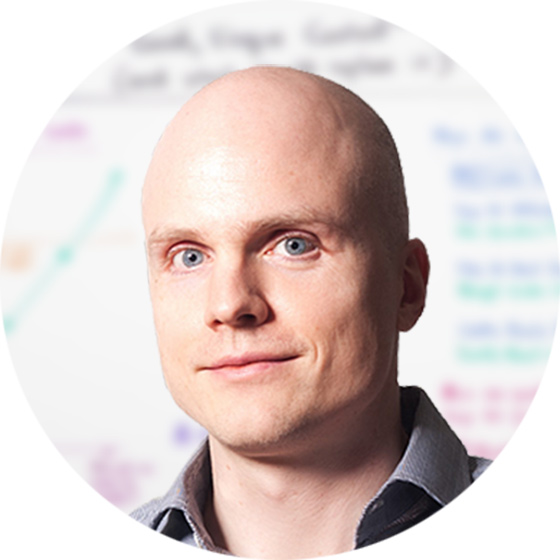
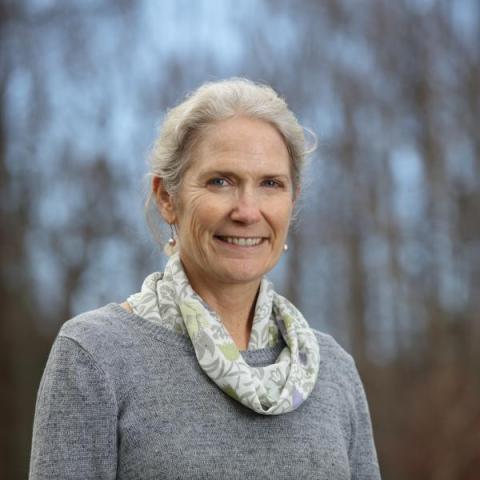
Professor John L Provis is a leading expert in cement materials science at the University of Sheffield 's School of Chemical, Materials and Biological Engineering. He also holds a Visiting Professor position at Luleå University of Technology's Building Materials division. PhD in Chemical Engineering (University of Melbourne) 2013 RILEM Robert L'Hermite Medal 2015 Honorary Doctorate from Hasselt University Editor-in-Chief of Materials and Structures His research focuses on alkali-activated materials and geopolymer binders for sustainable construction, with key themes in chemical speciation , waste immobilization , and novel cement systems for nuclear applications. Recent publications highlight 15 representative articles spanning topics: Radiation-resistant cementitious matrices Geopolymer synthesis for heavy metal containment Thermodynamic modeling of binder systems Corrosion mechanisms in alkali-activated concretes Low-carbon cement alternatives Microstructural analysis via advanced spectroscopy Scientific Recognition : RILEM Robert L'Hermite Medal recipient Hasselt University Honorary Doctorate Editorial leadership roles in major journals Contact: j.provis@sheffield.ac.uk | Sir Robert Hadfield Building, University of Sheffield
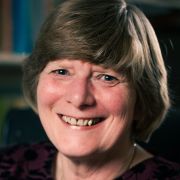
George Candea is an Associate Professor at the École polytechnique fédérale de Lausanne (EPFL) and heads the Dependable Systems Laboratory (DSLAB). He also holds teaching roles in the School of Computer and Communication Sciences, focusing on computer science, communication systems, and software engineering. Education: PhD in Computer Science (2005) from Stanford University; B.S. and M.Eng. in Electrical Engineering and Computer Science (1997, 1998) from MIT. His research centers on achieving reliability, security, and predictable performance in complex software systems. He has pioneered concepts like 'crash-only software' and 'microrebooting' to enhance system resilience. His work spans theoretical foundations and practical implementations, addressing scalability challenges in real-world systems. George has co-founded two technology companies: Cyberhaven (2016, cybersecurity) and Aster Data Systems (now Teradata Vantage , big-data analytics). He actively contributes to academic governance as a member of EPFL's Innovation Council (2017-2021) and Innogrant committee (2018-2022). Scientific Awards: 2024: ACM Mark Weiser Award 2014: ACM Eurosys Jochen Liedtke Young Researcher Award 2005: MIT TR35 Young Innovators Award 2011: ERC Starting Grant Multiple Best Paper Awards at ASPLOS, USENIX NT, and SIGCOMM KBNets He has advised numerous PhD students and served on program committees for top conferences like SOSP, OSDI, and ASPLOS. His work bridges academia and industry through startups and collaborations with tech giants.
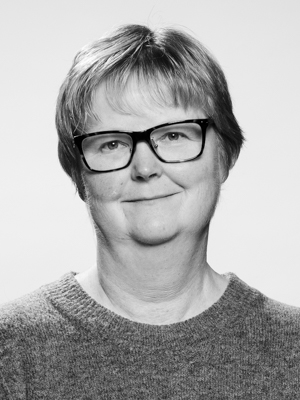
Philip Bell is a Professor in the Learning Sciences & Human Development at the University of Washington College of Education . He holds the Shauna C. Larson Endowed Chair in Learning Sciences and serves as Director of the Institute for Science + Math Education . Additionally, he co-directs the LIFE Science of Learning Center , focusing on equity-driven innovation in STEM education. Education : PhD and MEd in Human Development & Cognition, Science/Math Education from UC Berkeley (1998, 1996); BS in Electrical Engineering & Computer Science from University of Colorado Boulder (1989). Bell’s research emphasizes cognitive and cultural approaches to learning across diverse environments, including everyday science expertise , learning technology design , culturally expansive instruction , and large-scale educational reform . His work bridges formal and informal learning contexts , addressing equity through participatory design research. Recent research trends include culturally sustaining pedagogies , climate justice science education , and systemic equity in STEM . His team develops STEM Teaching Tools and collaborates with national networks to improve science standards and instructional coherence. Scientific Awards : Shauna C. Larson Endowed Chair in Learning Sciences. Bell mentors a diverse group of doctoral students and has advised numerous PhD/MEd graduates now in academic and research roles. His projects span K-12 STEM innovation , science communication , and equity-focused policy , including contributions to the Next Generation Science Standards . He leads the Institute for Science + Math Education and collaborates with the Research+Practice Collaboratory , Seattle/Renton school districts, and national teams to scale equitable science education.
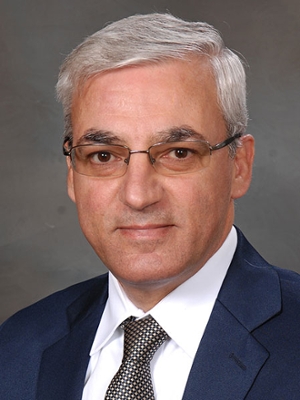
Soojin Oh Park is an Assistant Professor in the Learning Sciences & Human Development department at the University of Washington College of Education. Her research focuses on equity-driven improvements in early childhood education, family literacy engagement with Dual Language Learners (DLLs), and culturally grounded parenting practices. Ed.D., Human Development and Education, Harvard University M.Ed., Educational Policy and Analysis, Harvard University M.S.Ed., Learning, Teaching, and Literacies, University of Pennsylvania B.A., Psychology, University of Pennsylvania Park’s interdisciplinary work combines qualitative, quantitative, and mixed-methods approaches to address gaps in early childhood education (ECE) and parenting, emphasizing: Family literacy engagement for DLLs’ language and literacy development Culturally sustaining pedagogy to amplify family strengths Equity-oriented reforms in ECE systems and policies Her publications span topics like heritage language maintenance, culturally responsive assessment, and the impact of immigration policy on child development, often utilizing advanced methodologies such as machine learning. Awards include the SRCD Federal Policy Fellowship and Best Article of the Year from the Journal of School Psychology. Outstanding Research Paper Award (Korean American Educational Research Association) Distinguished Paper Award (Washington Educational Research Association) Best Article of the Year Award (Journal of School Psychology) Emerging Scholar Fellowship (National Research Center on Hispanic Children and Families) Park leads projects such as FAMILY (Fathers And Mothers Investing in Learning of Young Children) and BASECAMP (Bolstering Asian Students in Early Childhood by Advancing Multilingual Pedagogies). She teaches courses on language and literacy learning, bilingual development, and parenting impacts on early education.
Professor Lorraine Maltby , OBE, is a distinguished academic at the University of Sheffield , specifically within the School of Biosciences and the Department of Animal and Plant Sciences . She currently serves as the Deputy Vice-President for Research at the university (2017–2022). With a career spanning over three decades at the University of Sheffield, she has held various significant roles including Head of the Department of Animal and Plant Sciences (2008-2012) and progression from Lecturer to Professor of Environmental Biology (2004). PhD – University of Glasgow (1984) BSc – University of Newcastle (1981) Research Interests: Professor Maltby is a leading expert in freshwater ecology and ecotoxicology , focusing on the impacts of anthropogenic activities on freshwater ecosystems. Her research examines how pollution and climate change affect these delicate environments and the ecosystem services they provide. She aims to develop a mechanistic understanding of key ecosystem services and the ecological processes that underpin them, particularly how they are affected by human inputs and activities. Her recent publications reflect her research focus on topics such as spatial variation in macroinvertebrate sensitivity to chemicals, linking ecotoxicity to ecosystem service damage , and heterogeneity in biological assemblages for chemical risk assessment. Scientific Awards and Recognition: Officer of the Most Excellent Order of the British Empire (OBE) for services to Environmental Biology and Animal and Plant Sciences (2020) Elected Fellow of the Royal Society of Biology (2021) Elected Fellow of the Freshwater Biological Association (2019) Portrait of a Woman Exhibition (2017) Elected Fellow of the Society of Environmental Toxicology and Chemistry (2016) Society of Environmental Toxicology and Chemistry Environmental Education Award (2009) Society of Environmental Toxicology and Chemistry Exceptional Service Award (2005) Professional Activities: Professor Maltby has significant leadership and service roles in her field, including: Chair of UK-SCAPE Programme Advisory Board Chair of Irish Research Council COALESCE International Review Panel Member of NERC peer review panels Member of European Centre for Ecotoxicology and Toxicology of Chemicals Scientific Committee (2010-) Member of European Food Safety Authority Stakeholder Bureau (2023-) Member of SETAC Panel on Chemicals Management (2023 - )
Dan Lizotte is an Associate Professor jointly appointed to the Department of Computer Science in the Faculty of Science and the Department of Epidemiology and Biostatistics in the Schulich School of Medicine & Dentistry at Western University. Additional affiliations include the Schulich Interfaculty Program in Public Health and a cross-appointment to the Department of Statistics and Actuarial Sciences. Based in Middlesex College, London, Ontario, his contact email is dlizotte@uwo.ca. His research centers on machine learning and biostatistics for health decision support, with emphasis on sequential decision-making in chronic disease management where evolving patient health status and preferences inform adaptive interventions. Core contributions involve adapting reinforcement learning frameworks to model dynamic health decisions in public health and primary care settings, addressing methodological challenges in personalized medicine and risk prediction. Analysis of his publication record reveals consistent focus on healthcare applications of machine learning, particularly in chronic disease risk modeling using electronic medical records, intersectionality frameworks in public health AI, and Bayesian methods for dose personalization. His work bridges reinforcement learning with clinical decision support systems, advancing dynamic treatment regimes and statistical methodologies for evolving patient data. No scientific awards were mentioned in the provided text. The text does not specify any advisees, grant funding, or educational background details. Lizotte leads a research laboratory focused on machine learning applications in health, as evidenced by the dedicated lab site referenced in his contact information. His team likely explores intersections of statistical methodology, AI ethics, and clinical implementation for personalized health interventions.
Anne H Schistad Solberg is a Professor in the Department of Informatics at the University of Oslo's Faculty of Mathematics and Natural Sciences. She leads research in digital signal processing and image analysis, with a focus on machine learning applications across multiple domains. As co-director of SFI Visual Intelligence, she oversees research on interpretable deep learning models, uncertainty quantification, contextual learning, and self-supervised learning approaches. Her research spans medical imaging (particularly cardiovascular ultrasound), environmental monitoring using satellite imagery, and seabed mapping with sonar technology. Professor Solberg's work demonstrates a consistent trajectory from foundational signal processing techniques to cutting-edge deep learning applications. Her recent publications show increasing specialization in medical image analysis, particularly in echocardiography enhancement and cardiac structure segmentation, while maintaining strong contributions to remote sensing and geophysical applications. She teaches several popular courses including IN2070, IN3310, and IN5400 (Machine Learning for Image Analysis), which is noted as the most popular master's/PhD course on deep learning at the University of Oslo. Professor Solberg serves as principal investigator for the Intelligent Cardiovascular Ultrasound Scanner (INCUS) project, collaborating with GE Vingmed Ultrasound to develop AI-enhanced cardiac imaging systems that improve diagnostic accuracy and productivity in echocardiography. Co-director of SFI Visual Intelligence research center Principal Investigator for the INCUS project (Intelligent Cardiovascular Ultrasound Scanner) Member of the Digital Signal Processing and Image Analysis (DSB) research group Member of the Strategic Research Initiative: Multimodal Medical Imaging and Image Analysis (MEDIMA) Her research group develops algorithms that address real-world challenges in medical diagnostics and environmental monitoring, with a particular emphasis on making deep learning models more interpretable and reliable for critical applications. The INCUS project, funded through User-driven Research-based Innovation (BIA), aims to reduce the time wasted during cardiac ultrasound examinations by implementing intelligent algorithms that learn from expert users and historical data.
Nasir Gharaibeh serves as a Professor in the Zachry Department of Civil & Environmental Engineering at Texas A&M University, specializing in infrastructure systems performance, resilience, and management decision-support systems. His academic credentials include: Ph.D. in Civil Engineering from the University of Illinois, Urbana-Champaign (1997) M.S. in Civil Engineering from Jordan University of Science and Technology (1991) B.S. in Civil Engineering from Jordan University of Science and Technology (1990) Dr. Gharaibeh's research program addresses critical infrastructure challenges through computational methodologies for mitigating gradual deterioration and disaster-induced damage. His work spans pavement, bridge, and stormwater systems with pioneering contributions to citizen-science infrastructure monitoring, enabling community-driven data collection and decision-making processes. He develops decision-support tools for resource allocation, maintenance planning, and project selection while advancing sustainable community resilience frameworks through hazard informatics and infrastructure management systems. No information regarding scientific awards was provided in the source material. Details about graduate student supervision and research grants are not specified in the available documentation. Dr. Gharaibeh leads an active research team focused on computational infrastructure modeling and community-engaged monitoring systems, with ongoing projects targeting real-world implementation of resilience strategies.
Javier Zamora is a Professor at IESE Business School , part of the University of Navarra. He holds a Ph.D. in Electrical Engineering from Columbia University and an M.Sc. in Telecommunications Engineering from the Polytechnic University of Catalonia. Education Ph.D., Electrical Engineering, Columbia University M.Sc., Telecommunications Engineering, Polytechnic University of Catalonia PDG, IESE Business School Research Interests : Zamora specializes in digital transformation, focusing on data-driven organizations and artificial intelligence. His work explores how new technologies reshape business models, organizational structures, and leadership strategies. Publications span topics from AI implementation in finance and sports management to cloud computing in crisis scenarios. His research emphasizes practical frameworks like the "Digital Density" concept and tools for assessing digital maturity. Professional Roles : He co-founded Inqbarna (AI-powered mobile solutions) and served as CEO of eNeo Labs (digital home products). Currently, he directs executive programs at IESE, including Digital Transformation: Senior Management Program and Navigating IT Architecture .
Dr. Angeline Lillard is Commonwealth Professor of Psychology and Director of the Montessori Science Program at the University of Virginia. She leads the Early Development Lab, focusing on children's social and cognitive development, particularly Montessori education's impact on learning and wellbeing. A Fellow of AAAS, APA, and APS, she earned her BA in English Literature from Smith College and PhD in Psychology from Stanford University. Research Interests: Dr. Lillard's work bridges Montessori pedagogy with developmental psychology, analyzing how play, educational environments, and culturally responsive teaching shape child outcomes. She explores standardized testing disparities, discipline equity, and the neurobiological underpinnings of pretend play. Key themes in her 15 most recent publications include Montessori's role in reducing educational inequality, the cognitive effects of fantasy in media, and the use of multilevel modeling to assess school discipline patterns. Her research spans preschool to adult wellbeing, emphasizing self-determination theory and longitudinal data. Scientific Recognition: Awarded the Nancy Staub Award for Puppetry Research (2024) Recognized for her book with the Cognitive Development Society Book Award (2006) James McKeen Cattell Sabbatical Fellow (2005-06) Albert Bandura Graduate Research Award (2016-17) Advising and Grants: Mentored 15+ graduate students including Lee LeBoeuf and Christina Carroll. Secured IES funding for a 600-child study on public Montessori preschools and Arnold Foundation support for kindergarten data collection.
Sara McLaughlin Mitchell is Professor of Political Science and courtesy Professor at the College of Law at the University of Iowa, where she holds the Collegiate Fellow honor. Her interdisciplinary work bridges international relations, political methodology, and gender dynamics in academia. Her educational background: PhD in Political Science, Michigan State University, 1997 BS in Economics and Political Science, Iowa State University, 1991 Professor Mitchell's research centers on international conflict with deep expertise in maritime disputes, identity claims, and climate-conflict linkages. She pioneers political methodology through large-scale datasets like the Issue Correlates of War (ICOW) project, while her groundbreaking work on gender in academia examines citation patterns and career advancement barriers for women scholars. Her analytical rigor spans quantitative conflict modeling and qualitative institutional analysis. Recent publications reveal three dominant trajectories: environmental security (climate volatility impacts on human rights and disasters), geopolitical conflict (Russia-Ukraine War analysis, maritime/river disputes), and gender equity (academic networks, citation practices). She consistently integrates methodological innovation with real-world policy relevance, particularly in disaster response and international adjudication. Her major scientific awards include: Collegiate Fellow, University of Iowa Quincy Wright Distinguished Scholar Award (2015) Foreign Policy Analysis Distinguished Scholar Award (2023) Conflict Processes Lifetime Achievement Award (2023) Distinguished alumni award from Iowa State University A dedicated mentor, Mitchell co-founded the Journeys in World Politics workshop for junior women in international relations, earning university mentoring awards. Her research program is sustained by substantial grants from: Department of Defense National Science Foundation United States Agency for International Development She leads the Issue Correlates of War project and collaborates extensively through the Peace Science Society (where she served as President), driving interdisciplinary research on conflict management regimes and gender equity initiatives across academic networks.
Marita Dale is a Senior Lecturer in the Discipline of Physiotherapy at the University of Sydney and an Early Career Researcher affiliated with the Charles Perkins Centre. She specializes in cardiorespiratory physiotherapy, focusing on exercise interventions for chronic respiratory and cardiac diseases, particularly asbestos-related and dust-related conditions. Her work emphasizes improving accessibility to pulmonary rehabilitation services and leveraging mHealth technologies for patient care. Education: PhD in Physiotherapy (2016, University of Sydney). Her research interests include optimizing pulmonary rehabilitation through mobile health platforms, such as the m-PR™ app, and investigating pediatric burn injury rehabilitation, including orthosis use and scar prevention. She also explores multimorbidity management and simulation-based learning in healthcare education. Recent studies have highlighted her contributions to COPD care protocols, telehealth implementation during the pandemic, and qualitative analyses of patient experiences. Major awards: Sydney School of Health Sciences Teaching Citation (2022), Ashurst Prize for Outstanding Oral Presentation (2015), Helga Pettitt FHS Postgraduate Study Award (2010). Marita supervises Honours, Masters, and PhD students, including Mitchell Taylor on airway clearance in bronchiectasis. Her teaching spans undergraduate and postgraduate programs in cardiopulmonary and musculoskeletal physiotherapy. She collaborates on projects like the Lung Support Service, a nationwide text message program for chronic respiratory patients during the pandemic, and contributed to the commercialization of the Perx-R app for pulmonary rehab. Labs/teams: Active member of the Charles Perkins Centre, focusing on interdisciplinary chronic disease research and healthcare innovation.
Dr. Kenji Fujita is a Research Fellow at the Kolling Institute, University of Sydney, specializing in ageing, pharmacology, and pharmaceutical care quality. He holds a PhD, MScMed (ClinEpid), and BPharm from the University of Sydney. Previously a pharmacist in Japan, he leads international initiatives in the Pharmaceutical Care Network Europe (PCNE) and the International Pharmaceutical Federation (FIP). His work focuses on deprescribing strategies, polypharmacy, and developing quality indicators for healthcare services. Dr. Fujita’s research integrates big data analysis, statistical modeling, and machine learning to address challenges in geriatric pharmacotherapy. Current projects include validating frailty indices, evaluating deprescribing interventions in older adults, and developing NLP tools for clinical documentation analysis. He has also contributed to assessing organizational readiness for guideline implementation in community pharmacies. Awards include the 2023 Outstanding Poster Presentation Award at the IAGG Asia/Oceania Congress and 2022 Best Poster at the Japanese Society of Social Pharmacy. He has secured grants such as the 2024 electronic frailty index project and the 2021 systems-approach to medication review initiative. Dr. Fujita collaborates with global networks like J-HOP (Japan Home Visiting Pharmacy Association) and leads multidisciplinary teams across Australia and Europe. His lab focuses on translating data-driven insights into actionable clinical practices to improve medication safety and quality in ageing populations.
Prof. Gjalt de Graaf is a Full Professor in the Department of Political Science and Public Administration at Vrije Universiteit Amsterdam, leading the New Public Governance (NPG) research group. He holds dual appointments in the Faculty of Social Sciences and Humanities, specializing in public governance quality, integrity, and value conflicts. His work addresses how social media, academic education, and whistleblowing impact governance practices. Research focuses on resolving public value conflicts, particularly in academia and public institutions. He explores governance through lenses like art’s role in policy-making and administrative traditions’ influence on professional ethics. Notable contributions include studies on Dutch justice policy under pressure and cross-national comparisons of academic integrity. Awarded the Best Article Award 2017 Public Integrity and the VU Faculty of Social Sciences Research Prize (2008) , his work aligns with UN SDGs on peace, justice, and strong institutions. He advises 4 PhD theses and leads projects like Veerkrachtige en zinvolle samenlevingen , addressing societal resilience and youth participation. Teaching includes courses on good governance, public administration ethics, and leadership in dynamic environments. He actively engages in media commentary on integrity issues and organizes conferences on anti-corruption and ethical leadership.
Charles A. O'Reilly is The Frank E. Buck Professor of Management in the Organizational Behavior area at Stanford Graduate School of Business, where he has been on faculty since 1993. Previously, he served as Professor at University of California, Berkeley (1980-92) and Assistant Professor at University of California, Los Angeles (1976-80). His educational background includes a PhD in Organizational Behavior from University of California Berkeley (1975), MBA from University of California, Berkeley (1971), and BS in Chemistry from University of Texas El Paso (1965). O'Reilly's research focuses on leadership, organizational culture, innovation and change, organizational demography and diversity, and executive compensation. His work has increasingly concentrated on narcissistic leadership and its organizational consequences, ambidextrous organizations that can simultaneously exploit existing capabilities while exploring new opportunities, and the relationship between organizational culture and performance. His influential papers on person-organization fit, organizational ambidexterity, and leadership have shaped contemporary organizational theory. His publications reveal a strong trend toward examining the dark side of leadership, particularly narcissism in executives, and how CEO personality shapes organizational culture. His recent work explores the connection between narcissistic leadership and organizational outcomes including unethical behavior, legal vulnerabilities, and cultural toxicity. Distinguished Scholar Award by the Academy of Management Organizational Behavior Division Lifetime Achievement Award (2010) Distinguished Teaching Award for MBA teaching at Stanford Graduate School of Business (2001) California Management Review Best Paper Award (1996, 2009, 2019, 2020) Administrative Science Quarterly Scholarly Contribution Award (1995, 1998) Hank McKinnell-Pfizer Inc. Faculty Fellow (2022-23) O'Reilly has developed and directed executive education programs including Culture as a Competitive Advantage and Leading Change and Organizational Renewal. He has consulted for numerous public and private firms globally and has taught at UC Berkeley, UCLA, Columbia, and Harvard Business School. His research has been supported by various academic and corporate funding sources that enable his extensive studies of organizational dynamics and leadership. As Co-Director of Culture as a Competitive Advantage and Leading Change and Organizational Renewal programs, O'Reilly works with executive teams to transform organizational culture and implement strategic change. His research on organizational ambidexterity has influenced how companies approach innovation within established organizations, particularly through his work with Michael Tushman on the concept of 'corporate explorers' who drive innovation from within.