Fabian Pfrengle is a full Professor of Organic Chemistry at the Institute of Organic Chemistry , Department of Natural Sciences and Sustainable Resources , University of Natural Resources and Life Sciences Vienna (BOKU). He previously led research groups at the Max Planck Institute of Colloids and Interfaces (2013-2020) and worked at The Scripps Research Institute (2010-2013). Research Focus: His work bridges carbohydrate chemistry and plant biology , specializing in plant cell wall glycans and glycosyltransferases . He develops synthetic glycan arrays for enzyme characterization and investigates immune response triggering mechanisms in plants through oligosaccharide fragments . His projects include automated polysaccharide synthesis and liposome-based immune tolerance applications. Publication Trends: His 15 most recent articles emphasize chemical synthesis of sugar nucleotides , plant glycan arrays , and enzyme specificity analysis , reflecting his focus on carbohydrate engineering and plant immunity . Key subfields include UDP-sugar derivatization , Xylan structure-function relationships , and Glycosyltransferase profiling . Grants & Projects: Currently leads 5 major projects including Automated Algal Polysaccharide Synthesis (EU-funded, 2023-2028) and Synthetic Glycan Ligands for Plant Immune Receptors (FWF-funded, 2022-2026). His research also explores thrombocyte biology and Rhamnogalacturonan-II fragments with support from FWF and City of Vienna . Community Service: Serves on editorial boards ( Monatshefte für Chemie , 2021-present) and as reviewer for 12 journals including JACS Au , Nature Communications , and Angewandte Chemie . Member of professional societies: Gesellschaft Österreichischer Chemiker (2020), Deutscher Hochschulverband (2019), and Gesellschaft Deutscher Chemiker (2008).
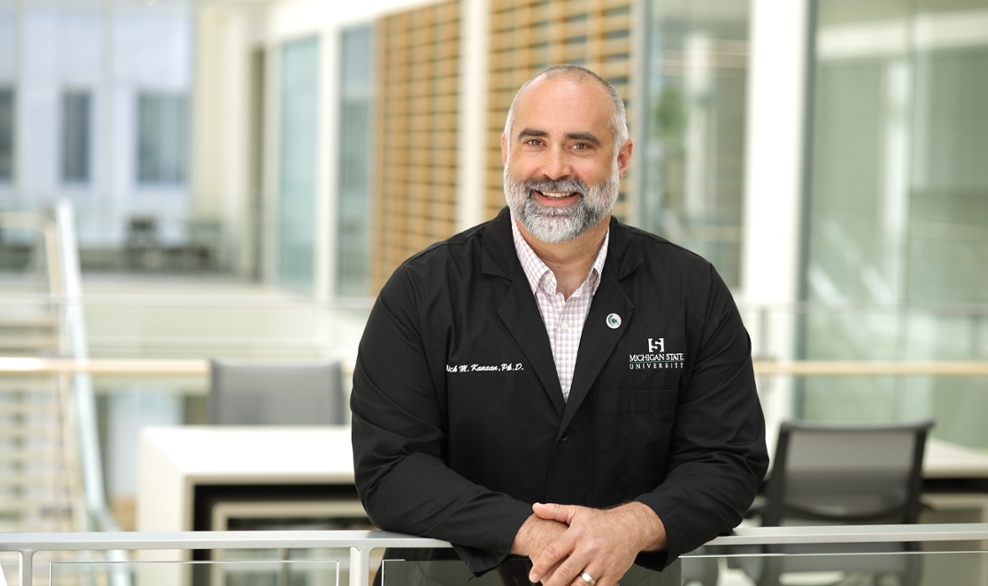
Nicholas M. Kanaan is a Professor of Translational Neuroscience and holds the Maibach Smiley Professorship of Alzheimer's Research at Michigan State University's College of Human Medicine. He serves as Director of Advanced Microscopy and is faculty in both the MSU Neuroscience Program and the MSU BioMolecular Science Gateway. His research is centered at the Grand Rapids Research Center where he leads the Kanaan Laboratory. Dr. Kanaan received his B.S. in Neuroscience, Psychology, and Sociology from Central Michigan University in 2001, followed by a Ph.D. in Neurological Sciences from Rush University Medical Center in 2007. He completed postdoctoral training at Northwestern University from 2007-2010 under Dr. Lester Binder. His research focuses on neurodegenerative diseases, particularly Alzheimer's disease (AD) and Parkinson's disease (PD), with emphasis on tau protein pathology. The Kanaan Lab investigates mechanisms underlying degenerative diseases using a combination of in vitro and in vivo model systems. A major focus is understanding how disease-related alterations in tau cause neuronal dysfunction through disruption of axonal transport. His lab has identified a phosphatase-activating domain (PAD) in tau that inhibits anterograde fast axonal transport. Analysis of Dr. Kanaan's publication record reveals a consistent focus on tau protein biology, with recent work emphasizing iPSC models, CRISPR screening, tau proteostasis, and therapeutic interventions targeting tau phosphorylation and oligomerization. His research spans basic molecular mechanisms to translational applications, with increasing use of primate models and advanced screening technologies in recent years. Scientific Awards and Recognition: Maibach Smiley Alzheimer's Research Professor Maibach Smiley Professor of Alzheimer's Research Dr. Kanaan mentors numerous students and postdoctoral fellows in his laboratory, with research supported by multiple grants focused on understanding and treating neurodegenerative diseases. His lab employs a wide range of technical expertise including recombinant protein purification, cell culture, monoclonal antibody production, various microscopy techniques, and behavioral testing in rodent models. Outside the lab, Dr. Kanaan enjoys photography, woodworking, and fishing.
Kuo-Ching Mei is an Assistant Professor of Molecular Pharmaceutics in the College of Pharmacy at the University of Utah. His laboratory pioneers lipid nanoparticle (LNP)-based gene delivery platforms that span cancer immunotherapy, immune tolerance induction, and programmable nanomedicine. Education B.Sc., Taipei Medical University Ph.D., University of London Dr. Mei’s research integrates molecular pharmaceutics, immunoengineering, and translational pharmaceutical sciences to advance precision immunotherapies. Core themes include mRNA-LNP systems for both immunostimulatory (anti-cancer vaccines) and immunomodulatory (tolerogenic) applications, the influence of immunometabolic cues (IFN-γ, amino-acid deprivation) on RNA translation, and the development of next-generation lipid chemistries for organ- and cell-specific delivery. Across his recent publications, a clear trend emerges toward refining LNP composition and architecture to enhance RNA delivery specificity, minimize toxicity, and modulate innate and adaptive immunity. Studies range from fundamental formulation science to pre-clinical evaluation in syngeneic tumor models and assessments of anti-vector immune responses. Research Support & Collaborations While specific grant numbers are not listed, the breadth and continuity of projects—from programmable lipid synthesis to high-throughput in vivo screening—indicate robust funding and active interdisciplinary collaborations within the University of Utah’s bioscience ecosystem. Laboratory & Team Dr. Mei leads a dynamic lab that employs chemical synthesis, formulation development, high-throughput screening, and integrated in vitro/in vivo disease models to translate discoveries into clinically viable RNA therapeutics and immunoengineering solutions.
Caryl E. Sortwell is a Professor of Translational Neuroscience and Edwin A. Brophy Endowed Chair in Central Nervous System Disorders at Michigan State University's College of Human Medicine. She leads the Sortwell Lab within the Neuroscience Program and Grand Rapids Research Center, focusing on Parkinson's disease (PD) therapeutics. Education : B.S. in Psychology/Pre-medicine (University of Illinois, 1987), Ph.D. in Anatomy and Cell Biology/Neurobiology (University of Illinois at Chicago, 1994) Positions : Assistant/Associate Professor at Rush University Medical Center (1997-2005), Associate Professor at University of Cincinnati (2005-2009), Professor at MSU College of Human Medicine (2009-present) Her research investigates alpha-synuclein pathology in PD using preformed fibril models to study neurodegeneration, neuroinflammation, and therapeutic interventions. She explores neurotrophic factors like BDNF, gene therapies targeting CaV1.3 channels, and deep brain stimulation mechanisms. Her work emphasizes precision medicine approaches to optimize treatment outcomes. Scientific contributions include methodological advancements in neurochemical sensing with diamond electrodes and viral vector delivery systems. Key collaborations include research with Dr. Joe Patterson on alpha-synuclein genetic consequences. Technical Expertise : Immunohistochemistry, stereotactic surgery, in vivo neurotoxicant models, protein analysis (Western blot/ELISA), droplet digital PCR, and neuroinflammatory profiling
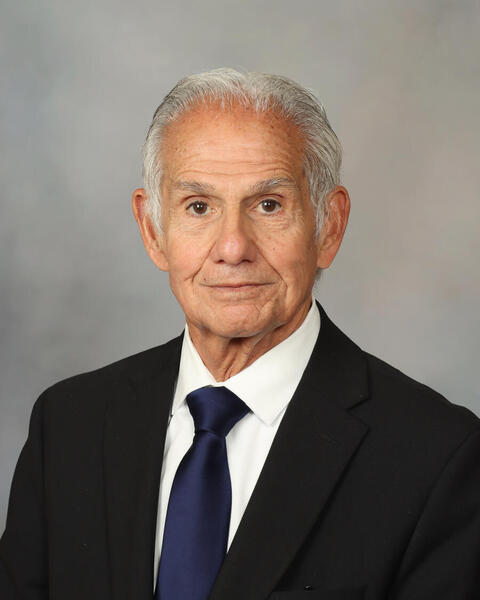
Eduardo E. Benarroch, M.D., is a Professor of Neurology and Consultant in the Department of Neurology at Mayo Clinic in Rochester, Minnesota. His research focuses on neurochemical mechanisms underlying neurodegenerative disorders such as multiple system atrophy (MSA) and Lewy body diseases, with emphasis on brainstem and hypothalamic neuronal groups controlling homeostasis. His work is supported by the MSA Coalition and has contributed to understanding autonomic, respiratory, and sleep symptom mechanisms in Parkinson's disease. Dr. Benarroch holds a D.Sci. in Physiology from Buenos Aires University and completed multiple fellowships including NIH Fogarty International Fellowship at Cornell University. He has held leadership roles including President of the American Autonomic Society and Co-Director of Mayo's Neuroscience Laboratory. His 286+ publications span neurochemical pathology, autonomic disorders, and clinical neurology. Awarded the AB Baker Lifetime Achievement Award in Neurologic Education, he has received repeated teaching honors including Mayo's Distinguished Educator Award. His professional memberships include American Academy of Neurology, Society for Neuroscience, and Sigma Xi. He has advised numerous trainees and contributed to consensus guidelines on dysphagia in neurodegenerative diseases.
Adam Caparco is the DiPietro Assistant Professor of Chemical Engineering at Northeastern University, with a 25% joint appointment in the Department of Chemistry and Chemical Biology. He leads the Caparco Research Group, focusing on agricultural and environmental biotechnology, enzyme immobilization, and protein assemblies. His work integrates plant virology, nanotechnology, and molecular engineering to address sustainability challenges in agriculture and environmental remediation. He is a member of the Institute for Plant-Human Interface and holds affiliations with Northeastern’s College of Engineering and School of Arts and Sciences. Education: B.S. in Chemical and Biomolecular Engineering from UCLA (2015), Ph.D. from Georgia Tech (2020) under Julie Champion and Andreas Bommarius, followed by a USDA NIFA Postdoctoral Fellowship at UC San Diego under Nicole Steinmetz. His research spans plant immunoengineering, biomanufacturing in plants, and protein-based nanomaterials for bioremediation. Research Interests Plant excretion pathways for pathogen defense and environmental remediation Design of immobilized enzymes for green chemical synthesis Plant virus nanoparticles for nucleic acid delivery and immunity modulation Multifunctional protein engineering for sustainable agriculture Recent articles highlight advancements in plant virus-based delivery systems, enzyme immobilization strategies, and nano-enabled precision agriculture. Awards include the USDA NIFA Postdoctoral Fellowship. Caparco advises graduate and undergraduate researchers, including Julia Hilgemberg Merlin (PhD ChE), Olha Bereziuk (PhD CCB), and Paul Carter (PhD ChE). He collaborates widely and seeks to expand interdisciplinary research in plant biotechnology. Labs/Teams: Caparco Research Group (EXP 420 lab, EXP 530B office) and the Institute for Plant-Human Interface.
Professor Roland J. Pieters is a distinguished academic at Utrecht University's Faculty of Science, where he serves as a full Professor in the Department of Chemical Biology and Drug Discovery. With over two decades of experience at the institution, he has progressed from Assistant Professor (1998) to Associate Professor (2005) and ultimately to Full Professor (2010-present). His research group is internationally recognized for groundbreaking work at the intersection of carbohydrate chemistry, chemical biology, and drug discovery, with particular emphasis on developing novel therapeutic approaches against bacterial infections and pathogenic mechanisms. Full Professor, Utrecht University (2010-present) Associate Professor, Utrecht University (2005-2010) Assistant Professor, Utrecht University (1998-2005) NWO Talent Post-doctoral Fellow, ETH-Zürich (1995-1996) Postdoctoral Researcher, University of Groningen (1996-1998) Professor Pieters earned his M.Sc. in Organic Chemistry from the University of Groningen in 1990, where he worked with Professor Ben Feringa, and completed his Ph.D. at MIT in 1995 under the supervision of Professor Julius Rebek Jr. His doctoral research focused on molecular recognition and template effects in bisubstrate systems, establishing the foundation for his lifelong interest in molecular interactions. Professor Pieters' research primarily centers on glycodrugs and the strategic interference with protein-carbohydrate interactions using multivalent systems of varying architectures. His laboratory has made significant contributions to understanding how rigid spacers in multivalent ligands can dramatically enhance binding affinity to target proteins, with applications against viral and bacterial adhesion proteins, toxins, galectins, and glycosidases. A particular focus has been on developing inhibitors for Pseudomonas aeruginosa lectin LecA, cholera toxin, influenza virus hemagglutinin, and more recently, SARS-CoV-2 spike protein interactions with host cell receptors. His group also pioneered the use of glyco- and peptide-microarrays for high-throughput screening of carbohydrate-protein interactions and drug discovery, particularly in the area of O-GlcNAcylation research. The publication record of Professor Pieters demonstrates consistent innovation in the field of multivalent carbohydrate-based therapeutics. His recent work (2020-2024) shows a strategic expansion into viral pathogenesis (particularly influenza and SARS-CoV-2), immune modulation through glycan recognition, and novel approaches to vaccine development. A notable trend is the increasing sophistication of multivalent architectures, moving from simple divalent systems to tetra- and hexavalent ligands with precisely engineered spatial arrangements. His research bridges fundamental chemical principles with practical therapeutic applications, maintaining strong connections to pharmaceutical development while advancing basic science understanding of carbohydrate-mediated biological processes. Professor Pieters' scientific achievements have been recognized with prestigious awards including a Fellowship from the Royal Netherlands Academy of Arts and Sciences (KNAW) in 1999 and a VICI personal grant from the Netherlands Organisation for Scientific Research (NWO) in 2008. These competitive awards reflect the significance and innovation of his research program. He has also served on editorial advisory boards, notably as Section Editor-in-Chief for Chemical Biology in the journal Molecules (2018-2022), contributing to the scholarly community through peer review and academic leadership. Fellowship of Royal Netherlands Academy of Sciences (KNAW), 1999 VICI, personal grant, NWO, 2008 Section Editor-in-Chief Chemical Biology for Molecules (2018-2022) Throughout his career, Professor Pieters has coordinated significant research projects including the EU project POLYCARB and secured competitive funding that has sustained his innovative research program. His laboratory has fostered numerous collaborations across Europe and internationally, creating a vibrant research environment that has trained many scientists now working in academia and industry. His research on multivalent carbohydrate systems represents a sustained intellectual contribution to chemical biology with direct relevance to developing new anti-infective strategies and therapeutic approaches. Professor Pieters leads an active research group within Utrecht University's Department of Chemical Biology and Drug Discovery, situated in the David de Wied Building. His laboratory maintains strong connections with other research groups both within Utrecht University and internationally, particularly in the fields of glycobiology, infectious diseases, and drug discovery. The research environment he has cultivated emphasizes interdisciplinary approaches, combining synthetic chemistry, biophysical analysis, and biological testing to address fundamental questions in carbohydrate-mediated biological processes with therapeutic applications.
Dr. Alexandre Marques is an Assistant Professor at the University of Southern Mississippi. His expertise spans Microbiology, Immunology, and Parasitology, with a focus on vaccine development against parasitic infections like Leishmaniasis, Chagas disease, and Malaria. He holds a PhD from the Universidade de São Paulo (2007) and teaches courses such as Gen Microbiology and Microorg Hth Di at the university. His research integrates immunological, clinical, and molecular approaches to understand parasitic disease mechanisms and therapeutic interventions. Notable areas include α-Gal immunization strategies, transcriptomic analysis of breast cancer, and vaccine design against Leishmania. He has also explored applications in aquaculture nutrition and cosmetic safety assessments. Dr. Marques’ work spans interdisciplinary collaborations, including veterinary medicine, nanotechnology-based drug delivery, and antimicrobial stewardship in pediatrics. His contributions to animal models for Chagas disease and canine visceral leishmaniasis highlight translational research impact. Key themes in his publications include immune response modulation, pathogen-host interactions, and biomarker discovery in chronic infections. He has published over 50 articles across microbiology, immunology, and biomedical engineering since 2007.
Mahima Swamy is a Principal Investigator and Wellcome Trust Sir Henry Dale Fellow at the MRC Protein Phosphorylation and Ubiquitylation Unit (PPU) at the University of Dundee. Her research focuses on understanding immune interactions at the intestinal epithelium, particularly the role of intraepithelial lymphocytes (IEL) in maintaining gut homeostasis and resisting infections. She leads a lab investigating IEL biology, including their regulation by PIM kinases and LRRK2 in inflammatory bowel diseases (IBD) and Crohn’s disease. Dr. Swamy earned her BSc in Biological Sciences from BITS Pilani and completed her PhD at the Max-Planck Institute in Freiburg, Germany. She held postdoctoral fellowships at CRUK London Research Institute and the University of Dundee before establishing her independent group in 2016. Her work combines proteomics, mouse models, and in vitro co-cultures to explore IEL signaling pathways and their dysregulation in diseases. Key research interests include: IEL-mediated protection against pathogens, metabolic adaptations of IEL to the gut environment, and the role of LRRK2 in intestinal immune function. Her lab collaborates with the Alessi lab to study LRRK2 inhibitors for IBD therapy. Education: BSc (BITS Pilani) → PhD (MPIIB, Germany) → Postdocs (CRUK, Dundee) Lab Members: Includes PhD students (Rebecca Pemberton, Srishti, Neema Skariah) and postdocs (Amanpreet Chawla, Purbasha Bhattacharya) Collaborations: Tayside Immunology Group, Society for Mucosal Immunology Scientific achievements include discoveries of PIM kinases in IEL function and LRRK2’s role in gut inflammation. Her group has pioneered tools like phospho-proteomic analyses and epithelial organoid:IEL co-cultures.
Raymond Andersen is a Professor in the Faculty of Science at the University of British Columbia, affiliated with the Department of Earth, Ocean & Atmospheric Sciences and the Department of Chemistry . His research focuses on the isolation and structural elucidation of bioactive natural products from marine and terrestrial organisms, with applications in drug discovery and chemical ecology. He has contributed to breakthroughs in anticancer agents, antiviral compounds, and inhibitors of Mycobacterium tuberculosis. Education: B.Sc. (University of Alberta, 1969), M.Sc. (Berkeley University, 1970), Ph.D. (University of California San Diego, 1975), followed by postdoctoral training at MIT (1975-76). Awards include the Killam Research Prize (1987), Rutherford Medal in Chemistry (1988), and Fellow of the Chemical Institute of Canada. Research interests span marine invertebrate-derived metabolites, phytoplankton toxins, and plant defensive compounds. His lab investigates antitumor agents, HIV latency reversal, and novel pharmacophores for cancer and infectious diseases. Recent work includes antiviral agents targeting SARS-CoV-2 and inhibitors of androgen receptor signaling in prostate cancer. Co-developed clionamine B, an autophagy-stimulating compound effective against latent tuberculosis. Identified sintokamides as androgen receptor antagonists for prostate cancer therapy. Advanced genome-mining techniques for discovering nonribosomal peptides. Overseen numerous graduate students, including notable theses on natural product synthesis, SAR studies, and bioactivity screening. Active in collaborative drug discovery projects, with patents on androgen receptor modulators, SHIP1 activators, and antiviral agents. Labs/Teams: Leads the Andersen Research Group at UBC, focusing on marine natural products and chemical genetics. Collaborates with the Pacific Museum of Earth and Bamfield Marine Sciences Centre for field studies.
Prof Jean Van Den Elsen is a Professor of Biochemistry at the University of Bath , affiliated with the Department of Life Sciences and several research centers including the Centre for Sustainable Chemical Technologies (CSCT) , Centre for Therapeutic Innovation , and Milner Centre for Evolution . They are actively accepting doctoral students and leading multidisciplinary projects at the intersection of structural biology and immunology. Education: Not explicitly mentioned Appointments: University of Bath (current), with collaborations across Chemistry, Biology & Biochemistry departments Research Focus: The laboratory investigates protein structural biology in two major areas: Complement System Interactions: Studying how pathogenic microbes like Staphylococcus aureus evade host immunity through complement system manipulation , with structural analysis of proteins such as C3d and C5 complexes. This work directly informs vaccine design and autoimmune disease treatment . Glycation Mechanisms: Developing diagnostic tools for detecting non-enzymatic sugar modifications linked to diabetes , Alzheimer's , and aging, with commercial partnerships like Abcam . Article Trends: Recent publications demonstrate: Structural analysis of complement evasion proteins (2022-2025) Engineering knob domains as miniature antibodies (2023) Evolutionary studies on cooperative behavior (2021-2025) Advancements in peptide synthesis platforms (2022-2023) Applications of AI protein folding (2020) Scientific Contributions: ORCID: 0000-0002-0367-1956 BBSRC Funding recipient (2023) 100+ citations across 76 research outputs Student Mentorship: Directly supervising 4 current PhD students and 1 postdoc, with a track record of mentoring 11 previous students including Daphne Jackson Fellows and MSCA researchers. Collaborations: Maintains active partnerships with Dr. Tony James (Chemistry), Dr. Rob Williams (Biochemistry), and industry partners UCB Celltech and Porton Biopharma Ltd. Their work contributes to UN Sustainable Development Goals 3 (Good Health), 12 (Responsible Consumption), and 13 (Climate Action).
Simon Crouch is a Senior Research Fellow in Biostatistics at the University of York's Health Sciences department. With a strong mathematical background from Cambridge and Warwick, he leads the analytics team within the Epidemiology and Cancer Statistics Group and works closely with the Haematological Malignancy Research Network (HMRN) and Cardiovascular Health team. His work focuses on statistical modeling of complex epidemiological data related to hematological malignancies. University of Cambridge: MA, MMath in Mathematics University of Warwick: PhD in Mathematics University of Lancaster: MSc in Medical Statistics Dr. Crouch specializes in the statistical modeling of complex epidemiological data, with particular focus on hematological malignancies. His research encompasses predictive modeling, event history analysis, and machine learning applications in cancer epidemiology. He has made significant contributions to understanding myelodysplastic syndromes, lymphoma classification, and survival analysis in blood cancers through population-based studies. His work often involves collaboration with international registries including the European Myelodysplastic Syndromes Registry (EUMDS) and the Haematological Malignancy Research Network. Analysis of his recent publications reveals a strong focus on myelodysplastic syndromes (MDS), with particular attention to risk stratification, survival analysis, and treatment outcomes. His work increasingly incorporates genomic and molecular data to refine disease classification and prediction models. The trend shows progression from purely statistical methodology development toward integrated translational research that combines clinical, genomic, and epidemiological data to improve patient outcomes. Extensive publication record with 113 research outputs including 66 articles, 21 patents, and numerous meeting abstracts Active participation in major international research consortia including MDS-RIGHT and ImmunAID Significant contributions to the development of statistical methodologies for cancer epidemiology Dr. Crouch actively supervises PhD students in mathematical and statistical modeling applied to cancer epidemiology, with particular interest in time-to-event models, complex longitudinal models, and simulation techniques. His research has been supported through multiple projects, including the European Myelodysplastic Syndromes Registry and the MDS-RIGHT project focused on facilitating informed decision-making in hemato-oncology. He contributes to the Advanced Health and Social Statistics module for postgraduate students at the University of York.
Dr. Rebecca Clark is an Associate Professor in the Department of Biosciences at Durham University. Her research focuses on understanding intestinal function in health and disease using the Drosophila model. She investigates how the intestinal epithelium balances barrier function, nutrient absorption, microbial symbiosis, and cell turnover, particularly during aging and disease states. Key research questions include mechanisms of intestinal barrier failure and the interplay between nutrition and intestinal homeostasis. Her work integrates genetic, microbiological, and physiological approaches to explore aging-related pathologies. Current projects aim to identify molecular pathways linking intestinal health to longevity. Supervised postgraduate students include Ale Acevedo Marcelin, Beñat Yanez, and Fanila Shahzad. Dr. Clark’s lab uses Drosophila as a model system due to its powerful genetic tools and evolutionary relevance. Research has implications for understanding human conditions such as inflammatory bowel disease and age-related metabolic disorders. Recent findings highlight microbiota-independent aging mechanisms and the role of tricellular junctions in stem cell regulation. No scientific awards are explicitly listed in the provided materials. Her research has been published in journals like Cell , Nature Cell Biology , and Proceedings of the National Academy of Sciences .
Sonia Mayoral is the Robert J. and Nancy D. Carney Assistant Professor of Neuroscience at Brown University. Her research focuses on studying cell-cell interactions in the brain, particularly the development and function of oligodendrocytes – glial cells critical for myelin formation. She explores how these cells contribute to myelination, remyelination processes, and their roles in neurological disorders like multiple sclerosis. Her work integrates cellular neuroscience, immunology, and drug screening methodologies. Research interests include glial cell biology, neuron-glial interactions, and the molecular mechanisms governing myelin repair. She investigates how environmental cues and signaling pathways regulate oligodendrocyte differentiation and function. Notable projects involve developing high-throughput screening platforms for MS therapeutics and studying sex-specific responses to neurodegenerative challenges. Her lab’s recent work includes clinical trials (Re-WRAP) evaluating Bazedoxifene for remyelination in women, and fundamental studies on regulatory T cell roles in myelin regeneration. She also examines how mechanical stimulation and epigenetic changes influence oligodendrocyte behavior. Her research bridges basic science and translational efforts, aiming to advance treatments for myelin-related disorders. Dr. Mayoral’s lab is active at Brown University, with a dedicated website detailing ongoing projects and collaborations. While no specific grants or students are listed here, her work reflects a strong focus on interdisciplinary approaches to neurodegenerative disease mechanisms.
Dr. Xuan Li is a British Heart Foundation (BHF) Senior Basic Science Research Fellow and Principal Investigator in Cardiovascular Health at the Victor Phillip Dahdaleh Heart & Lung Research Institute, University of Cambridge. Her research focuses on microtubule dysfunction in inflammatory cardiovascular diseases, particularly investigating how microtubule regulation impacts inflammasome activation and cardiomyocyte contractility in heart failure and atherosclerosis. Her academic journey includes medical training in China, a CRUK-funded PhD in biochemistry at the University of Birmingham, postdoctoral research in microtubule cell biology as an MRC Career Development Fellow at the MRC-LMB Cambridge, and specialized cardiovascular medicine training at the University of Cambridge. She established her independent research group at Cambridge, pioneering multidisciplinary approaches to study microtubule function in cardiovascular cells. Dr. Li's research program centers on the role of microtubule-regulating kinases (particularly MARK4) in cardiovascular pathologies. Her group employs advanced methodologies including cardiovascular disease models (atherosclerosis, myocardial infarction, cardiomyopathy), primary cell culture of cardiomyocytes and immune cells, single-cell physiology using IonOptix systems, and cutting-edge microscopy techniques. Key discoveries include the identification of MARK4 as a critical regulator of inflammasome activation in atherosclerosis and microtubule detyrosination in ischemic heart failure. Her publication record demonstrates consistent focus on microtubule-cytoskeleton interactions in cardiovascular inflammation, with recent high-impact papers in Nature, Nature Communications, and Circulation Research revealing novel therapeutic targets for heart disease treatment through microtubule modulation. Scientific recognition includes: British Heart Foundation Senior Basic Science Research Fellowship MRC Career Development Fellowship Cancer Research UK PhD Studentship Dr. Li's group currently pursues four major research thrusts: elucidating microtubule dysfunction mechanisms in cardiovascular disease development, dissecting inflammation-microtubule interplay in pathogenesis, establishing human cardiomyocyte culture systems for microtubule studies, and translating basic findings into diagnostic and therapeutic applications for cardiovascular diseases. Her work bridges fundamental cell biology with clinical cardiology to develop innovative treatments targeting the microtubule cytoskeleton.