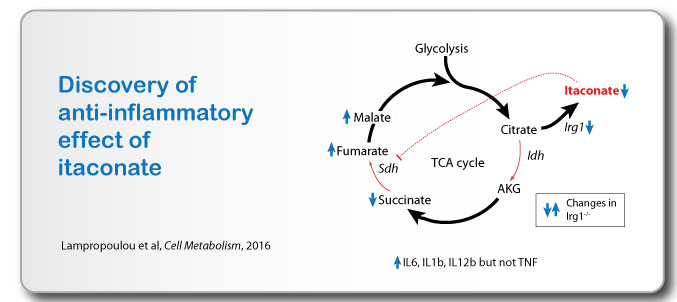
Maxim Artyomov is an Alumni Endowed Professor and Professor of Pathology and Immunology at Washington University School of Medicine , with affiliations to the Institute of Clinical and Translational Sciences (ICTS), Bursky Center for Human Immunology & Immunotherapy Programs (CHiiPs), and Siteman Cancer Center. His research spans Systems Immunology , Immunometabolism , and Cancer Immunology , focusing on integrating epigenetic, transcriptional, and metabolic regulation in immune cells. 2018 promoted to Associate Professor with Tenure 2017 awarded LEAP Inventor Challenge 2018 Unanue Prize for Innovative Research in Immunology Key research contributions include: Discovery of itaconate's anti-inflammatory role (2016) Metabolic reprogramming in macrophage polarization (2015) TREM2's function in microglial metabolic fitness (2017) Development of CORESH gene signature search engine (2025) His high-throughput omics pipelines enable cross-disciplinary analysis of immune responses in tuberculosis, Alzheimer's, and cancer. Notable collaborations include work with Schreiber's lab on immune checkpoint therapy (2018) and ITMO University on systems biology workshops (2017-2018). Awards and grants include the Unanue Prize (2018), LEAP Inventor Challenge (2017), and R01 grant from NIAID (2017). He mentors PhD/MSTP students and co-organizes international systems biology workshops.
Dr. Joe F. Lutkenhaus is a University Distinguished Professor and Chair of the Department of Microbiology, Molecular Genetics and Immunology at the University of Kansas School of Medicine. A member of the American Academy of Microbiology (2002) and the National Academy of Sciences (2014), he has received prestigious accolades including the Louisa Gross Horwitz Prize (2012) and an NIH Merit Award. BSc, Chemistry, Iowa State University PhD, Biochemistry, UCLA Postdoctoral Fellowship, Molecular Biology, University of Edinburgh Postdoctoral Fellowship, Microbiology, University of Connecticut His research focuses on bacterial cytokinesis, particularly the molecular mechanisms of the Z ring and divisome complex in Escherichia coli . Key areas include spatial/temporal regulation of septation, protein interactions (FtsZ, FtsA, FtsEX), and the evolution of cell division machinery across prokaryotes. Recent work explores photosynthesis-related proteins in haloarchaeal division and the self-enhancing nature of divisomes in Caulobacter crescentus . Scientific contributions span over 40 years, with 15 most recent publications highlighting regulatory mechanisms of FtsZ polymers, ATP-dependent divisome assembly, and novel protein interactions. Articles demonstrate expertise in bacterial cell cycle regulation, peptidoglycan synthesis, and cytoskeletal dynamics. Recipient, Louisa Gross Horwitz Prize (2012) NIH Merit Award Member, National Academy of Sciences (2014–Present) Member, American Academy of Microbiology (2002–Present) Dr. Lutkenhaus's lab has contributed to understanding Z ring kinetics, FtsEX-FtsA interactions, and Min system oscillation. His work bridges fundamental bacterial biology with implications for antibiotic development, supported by continuous NIH funding and collaborations across structural biology and genetics.
Jing Fan is an Associate Professor of Medical Microbiology & Immunology at the University of Wisconsin-Madison and a metabolism investigator at the Morgridge Institute for Research. She serves as a faculty trainer in multiple graduate programs, including Cellular and Molecular Biology (CMB) and the Integrated Program in Biochemistry (IPiB). Education: PhD, 2014, Princeton University Her research focuses on metabolic reprogramming in immune and cancer cells, particularly macrophages and neutrophils during immune responses and tumor microenvironment interactions. She employs metabolomics, lipidomics, and fluxomics integrated with biochemical and genetic techniques. The 15 most recent publications highlight her lab's work on metabolic flexibility in neutrophils and macrophages nutrient utilization during immune activation epigenetic regulation by metabolic pathways metabolic interactions in tumor microenvironments systems-level metabolic flux analysis translational applications for immunotherapy . She leads the Fan Lab, which includes current team members such as graduate students Carlos Mellado Fritz, Nick Arp, and Jorgo Lika, alongside postdoctoral fellows James Votava and Julia Nunes. Alumni include PhD graduates Emily Britt (Thermo Fisher Scientific) and Gretchen Seim (Genentech), as well as MD/PhD graduate Laura Steenberge (University of Pittsburgh Residency).
Justin Milner, PhD, serves as Assistant Professor in the Department of Microbiology and Immunology at the University of North Carolina at Chapel Hill School of Medicine and is a member of the UNC Lineberger Comprehensive Cancer Center. His research develops novel approaches to enhance cancer immunotherapies through multi-omics and bioengineering techniques. Education: Postdoctoral Fellowship, UCSD PhD, UNC Chapel-Hill BS, UNC Chapel-Hill Dr. Milner's lab investigates molecular drivers of T cell differentiation and function within tumor microenvironments, utilizing cutting-edge genomics, bioengineering, and computational immunology. His work focuses on reprogramming T cell activity to overcome immunotherapy resistance in cancers, with particular emphasis on epigenetic regulation and metabolic adaptations of tumor-infiltrating lymphocytes. Recent projects explore hydrogel-based delivery systems for immunotherapeutics and transcriptional networks governing T cell exhaustion. Analysis of his 15 most recent publications reveals dominant themes in cancer immunotherapy enhancement, particularly through T cell engineering (7/15 articles), tumor microenvironment modulation (5/15), and computational approaches to T cell biology (3/15). Key methodologies include single-cell multi-omics, in vivo screening, and biomaterial-based drug delivery systems targeting solid tumors. Scientific Awards: NIH NCI K99/R00 Pathway to Independence Award V Foundation Scholar Award Lung Cancer Initiative Career Development Award UNC Lineberger Innovation Award Multiple institutional pilot awards including Hirschberg Foundation and Mary Kay Ash Awards Dr. Milner currently advises three graduate students and multiple postdoctoral researchers while leading an NIH-funded R01 project ($2.79 million) investigating epigenetic regulation of T cell exhaustion. His lab maintains active collaborations across computational medicine and pancreatic cancer research programs at UNC. The Milner Lab operates within the UNC Lineberger Comprehensive Cancer Center, utilizing core facilities for single-cell genomics, murine tumor modeling, and bioengineering. Current team includes seven researchers focused on T cell reprogramming strategies for solid tumor immunotherapy.
Professor Annette Byrne is a leading academic at RCSI University of Medicine and Health Sciences , where she serves as Professor of Physiology and Head of the Precision Cancer Medicine (PCM) Group. She has held this position since 2019 after progressing through roles as Lecturer (2008), Senior Lecturer (2013), and Associate Professor (2017). Her research focuses on precision medicine approaches for colorectal and brain cancers , integrating multi-modality molecular imaging , Next Generation Sequencing , and patient-derived xenograft models . PhD in Cell Biology (University of York, 1999) John Kerner Fellowship in Gynaecologic Oncology (UCSF, 1999-2001) Scientist at Pharmacyclics Inc. (2001-2003) Senior Scientist at Angion Biomedica Corp. (2003-2005) Principal Investigator at UCD Conway Institute (2005-2008) Her research interest lies in precision cancer medicine , particularly elucidating predictive biomarkers (genomic, transcriptomic, proteomic) and identifying novel therapeutic targets . Key methodologies include radiomics , fluorescence-guided surgery , and systems modeling of apoptosis pathways. She has pioneered Ireland's first Tumour Xenograft Facility and Translational In Vivo Imaging Centre . Recent publications highlight her work on cross-species radiomics , cell-free DNA analysis , and glioblastoma microenvironment subtyping . Her Marie Curie networks (Gliotrain, Glioresolve) and COLOSSUS project have trained 25+ PhD researchers in brain cancer therapeutics. Over €45M in national/international grants Member of Royal Irish Academy (2025) Highly cited in Cancer Discovery , Annals of Oncology , and Nature journals She supervises multiple PhD candidates and leads the RCSI Precision Cancer Medicine Group , which utilizes computational approaches and molecular imaging to improve cancer treatment outcomes. Her GLIORESOLVE and EDIReX projects focus on tumor microenvironment manipulation and distributed PDX infrastructure.
Dr. Janin Chandra is a Senior Research Fellow at the Frazer Institute, University of Queensland, leading her own lab since 2023. Her research focuses on immune regulation in HPV-driven cancers, antigen-presenting cells, and squamous cell carcinomas. She holds a PhD in Immunology from the University of Zurich and has extensive postdoctoral experience at UQ and biotech companies like Admedus Vaccines. She has published over 35 journal articles, contributed to clinical trials, and received the Garnett Passe Mid-Career Fellowship (2023–2027). Education: Master of Science (Goethe University, Frankfurt), PhD (University of Zurich). Research highlights include developing HPV vaccines, studying immune suppression mechanisms, and investigating Langerhans cell dysfunction in tumors. Her work bridges immunology and oncology, targeting therapies to modulate antigen-presenting cells. Research Interests : HPV-induced immune evasion mechanisms Antigen-presenting cell biology in cancer Clinical development of DNA vaccines Immune microenvironment of head/neck and cutaneous cancers Grants & Awards : Current funding includes targeting cancer-associated fibroblasts (Garnett Passe Fellowship). Past grants involve microbiome analysis and vaccine development. Lab Activities : Her lab investigates intra-tumor immune regulations and develops novel immunotherapies. Collaborations span veterinary oncology and microbiome research.
Univ.-Prof. Dr. med. Martin A. Kriegel serves as full Professor and Department Head of the Department of Translational Rheumatology and Immunology at the Institute of Musculoskeletal Medicine, University of Münster, while maintaining an active laboratory at Yale School of Medicine. He leads the Section for Rheumatology and Clinical Immunology (SRKI) at Medical Clinic D, where his team integrates clinical care with cutting-edge microbiome research. His department operates from Röntgenstraße 21 and Von-Esmarch-Str. 54 in Münster, Germany, with extensive collaborations including the "Cells in Motion" research initiative and the CiM-IMPRS graduate program. Dr. Kriegel's research program focuses on the critical interface between host immunity and microbiota, particularly investigating how gut commensals translocate to host tissues and trigger autoimmune responses. His laboratory pioneered the discovery that specific pathobionts like Enterococcus gallinarum and certain Lactobacillus strains can translocate from the gut to mesenteric lymph nodes, liver, and other sites, driving autoimmune responses through molecular mimicry of human autoantigens. His work has established fundamental mechanisms by which microbiota influence rheumatic diseases, cutaneous autoimmunity, and cancer immunology, with particular emphasis on Ro60 autoantigen mimicry, TLR7-dependent pathways, and diet-microbiome interactions. The laboratory employs advanced techniques including gnotobiotic mouse models, humanized systems, and detailed molecular characterization of host-pathobiont interactions. Analysis of Dr. Kriegel's publication record reveals a consistent trajectory of high-impact research connecting microbiome dynamics to autoimmune pathogenesis. His most recent work (2023-2025) demonstrates increasingly sophisticated understanding of how specific bacterial strains influence disease phenotypes across multiple autoimmune conditions, with notable advances in identifying shared microbiome signatures across lupus and inflammatory bowel disease. The publications show progressive refinement from initial observations of microbial translocation to detailed mechanistic insights into tryptophan catabolism pathways, structural basis of molecular mimicry, and diet-sensitive microbial triggers. Dr. Kriegel's scientific recognition includes US Patent No. 11,058,756 B2 for compositions treating autoimmune diseases by reducing enterococcus, reflecting the translational potential of his research. His laboratory receives substantial funding, most notably a $3 million award from the Lupus Research Alliance for the TransLuMi project investigating gut pathobiont translocation in systemic lupus erythematosus. As an educator and mentor, Dr. Kriegel directs a substantial research team including multiple postdocs (Drs. Marcia Pereira, Nathalie Becker), PhD candidates (Anna Brinkhege, Carina Brune, Helen Fuhrmann), and laboratory specialists. He participates in the CiM-IMPRS graduate program and supervises medical students through the MedK program. His laboratory currently manages multiple significant research projects including: (A) intestinal wall permeability and pathobiont translocation in autoimmunity; (B) diet-environment-microbiome interactions; (C) microbiota disruption of immunological tolerance; and (D) microbiome roles in lymphoma development. The Kriegel laboratory maintains state-of-the-art facilities at both Münster and Yale, with specialized capabilities in gnotobiotic research, microbiome analysis, and immune profiling. His team collaborates with international partners including Dr. Eran Elinav at Weizmann Institute, Dr. Nissan Yissachar at Bar-Ilan University, Prof. George Tsokos at Harvard, and Prof. Ilana Brito at Cornell University. The laboratory's website (https://www.medizin.uni-muenster.de/mikrobiom/startseite/) details ongoing projects and research opportunities.
Steven M. Dubinett is a distinguished academic leader at the University of California Los Angeles (UCLA), serving as Dean of the School of Medicine and holding professorships in Medicine, Pathology and Laboratory Medicine, and Molecular and Medical Pharmacology. His work is deeply integrated with key research centers including the UCLA Jonsson Comprehensive Cancer Center and the UCLA Clinical and Translational Science Institute, where he drives innovation in lung cancer research and translational medicine. Dubinett earned his medical degree from Rutgers New Jersey Medical School in 1980, followed by an internship and residency in Internal Medicine at University Hospital and UCLA. He completed specialized fellowships in Pulmonary Medicine at Massachusetts General Hospital and in Tumor Immunology at Harvard Medical School, establishing the foundation for his career at the intersection of pulmonary medicine and cancer research. Dr. Dubinett's research program is centered on the pathogenesis of lung cancer, with particular emphasis on translational approaches to understanding immunobiology, tumor microenvironment dynamics, and mechanisms of epithelial-mesenchymal transition in human non-small cell lung cancer. His laboratory has made seminal contributions to understanding how chronic inflammation drives lung carcinogenesis and how these insights can be translated into novel therapeutic strategies. His work bridges molecular mechanisms with clinical applications, focusing on identifying targets for lung cancer interception and prevention. Analysis of Dr. Dubinett's recent publications (2023-2025) reveals a sophisticated integration of multi-omics approaches with spatial analysis to understand lung adenocarcinoma evolution. His research increasingly focuses on tumor heterogeneity, immune microenvironment characterization, and innovative immunotherapeutic approaches including dendritic cell vaccines and engineered immune cells. A significant portion of his work addresses mechanisms of immunotherapy resistance and strategies to overcome it through combination approaches. Among his numerous accolades, Dr. Dubinett received the prestigious William S. Middleton Award from the U.S. Department of Veterans Affairs in 2019, the American Thoracic Society Recognition Award for Scientific Accomplishments in 2008, and the Stanley Blatt Award for Lung Cancer Research in 1999. His work has been consistently recognized by the American Lung Association through multiple awards spanning his career. Dr. Dubinett has secured substantial research funding throughout his career, including NIH grants and institutional support that has enabled his team to pursue cutting-edge approaches to lung cancer diagnosis and treatment. His leadership extends to national advisory roles, including chairing the FDA Cellular, Tissue and Gene Therapies Advisory Committee, and representing UCLA in international research collaborations with the Chinese Academy of Sciences. He has mentored numerous physician-scientists who have gone on to establish their own research programs in oncology and pulmonary medicine. Dr. Dubinett leads a multidisciplinary research team within the UCLA Jonsson Comprehensive Cancer Center focused on translating basic discoveries into clinical applications. His laboratory employs advanced techniques in molecular biology, immunology, and systems biology to investigate the molecular mechanisms of lung cancer development and progression. Current research directions include developing non-invasive diagnostic approaches using liquid biopsies, understanding the evolution of premalignant lesions, and developing novel immunotherapeutic strategies to enhance T-cell responses against lung cancer.
Dr. Vicente Valero is a Professor and Deputy Chairman in the Department of Breast Medical Oncology at The University of Texas MD Anderson Cancer Center. He has been affiliated with MD Anderson since 1991, with expertise in breast cancer, particularly inflammatory breast cancer (IBC) and HER2-positive cancers. His academic credentials include an M.D. from Universidad Autonoma de Nuevo Leon, followed by postgraduate training in Internal Medicine at St. Elizabeth Hospital and Northeastern Ohio University College of Medicine, and fellowships in Hematology-Medical Oncology at the University of Cincinnati and The University of Texas Medical Branch in Galveston. Board-certified in Internal Medicine, Medical Oncology, and Hematology, Dr. Valero is a leading researcher in neoadjuvant therapies, molecular residual disease, and IBC treatment protocols. His research focuses on improving outcomes for metastatic breast cancer patients, optimizing surgical de-escalation strategies, and advancing immunotherapy and targeted therapies. He leads multiple clinical trials, including NRG-BR004 and NRG-BR003, and has authored over 150 peer-reviewed articles. Dr. Valero is recognized for his dedication to education, having received the Division of Medicine Teacher of the Year award twice and the Educator of the Month honor. He actively contributes to multidisciplinary quality assurance conferences and serves as a primary investigator for several funded research protocols. Key achievements include developing the R-IBC residual tumor burden calculator and pioneering studies on eliminating breast surgery for exceptional responders to systemic therapy. His work emphasizes translating research into clinical practice to enhance early detection, prevention, and treatment efficacy in breast cancer.
Kazuki Sato is an Associate Research Scientist in the Department of Cell Biology at Yale School of Medicine. His research focuses on immune regulation, inflammation, and cancer biology with particular emphasis on the roles of immune receptors like DNAM-1 and TIGIT in tumor progression and regulatory T cell function. He has conducted studies on B cell biology, macrophage subpopulations, and the interplay between gut permeability and cardiovascular inflammation. Education: PhD from University of Tsukuba (2017), MS (2013), BA (2011). His work has been supported by awards including the Overseas Research Fellowship and Daiichi Sankyo Foundation of Life Science grant. He leads research in the Su Lab, investigating immune mechanisms in chronic inflammation and cancer. Key contributions include identifying marginal reticular cells' role in germinal center apoptosis clearance and developing protocols for isolating follicular dendritic cells. Research interests span immune checkpoint modulation, tumor immunology, and the gut-immune axis. His publications highlight translational insights into cytokine signaling pathways (e.g., IFN-γ, IL-6) and cellular interactions in inflammation-driven diseases.
Eduardo N. Chini, M.D., Ph.D., is a Professor at Mayo Clinic with primary and joint appointments in the Department of Anesthesiology and Perioperative Medicine and the Department of Cancer Biology. He is based in Rochester, Minnesota, and leads a research program focused on NAD metabolism, aging, and their roles in diseases such as cancer, obesity, and kidney disease. Education: BS in Biology, Centro Educacional de Niteroi-RJ MD, Universidade do Rio de Janeiro PhD in Biological Chemistry, Universidade do Rio de Janeiro Fellow, Department of Physiology and Biophysics, Mayo Clinic Resident in Anesthesiology, Mayo Clinic College of Medicine Research Interests: Eduardo N. Chini's research investigates the central role of nicotinamide adenine dinucleotide (NAD) in cellular metabolism, aging, and disease. His lab has made foundational discoveries in NAD catabolism, identifying CD38 as the primary enzyme regulating NAD levels in mammals. His work explores SIRT1 regulation via CD38 and DBC1, NAD metabolism in cancer, and its implications in polycystic kidney disease. He is particularly interested in how NAD signaling influences aging, metabolic syndrome, and organ dysfunction. Recent Research Trends: His recent publications (2023–2025) reveal a strong focus on the role of CD38 in aging, immune function, and tissue metabolism. Key themes include NAD+ depletion triggering inflammatory responses, CD38 inhibition as a therapeutic strategy for cardiotoxicity and metabolic aging, and the interplay between senescence, stem cell function, and mitochondrial health. His work increasingly integrates translational models with molecular mechanisms in aging and cancer. Scientific Awards: Florida Investigator of the Year, Mayo Clinic (2024) Glenn/AFAR Breakthroughs in Gerontology Award (2007) Edward C. Kendall Award, Mayo Clinic Alumni Association (2002) Directors Award for Aging Research, Kogod Center on Aging (2018) Distinguished Scientist Seminar Series, Georgetown Medical School (2022) Grants and Leadership: Dr. Chini is a co-Principal Investigator on multiple NIH-funded grants, including projects on CD38 in scleroderma, CLL, and male reproductive aging. He is Co-Director of the Mayo Clinic Mitochondrial Care Center and Associate Director of the Robert and Arlene Kogod Center on Aging. He has served on numerous national review panels and advisory councils, including the NIH Hepatobiliary Pathophysiology Study Section and AFAR's National Scientific Advisory Council. Labs and Teams: Dr. Chini leads a research laboratory at Mayo Clinic focused on NAD metabolism and aging. His team collaborates extensively with experts in cancer biology, mitochondrial medicine, and aging research. He is affiliated with the Mayo Clinic Comprehensive Cancer Center, the Kogod Center on Aging, and the Robert M. and Billie Kelley Pirnie Translational PKD Center.
Michael DiGiovanna is a Professor of Internal Medicine and Pharmacology at Yale School of Medicine, specializing in Medical Oncology with a focus on breast cancer. He holds clinical leadership roles including Chair of the Breast Cancer Tumor Board and educational leadership as Co-Director of the Pre-Clerkship Curriculum and Thread Leader in Pharmacology. MD and PhD from Yale University (1990) Residency and Fellowship at Yale School of Medicine Board Certified in Medical Oncology (ABIM) His research investigates signal transduction mechanisms in breast cancer, particularly HER2/EGFR/ER/IGF-I receptor interactions and their implications for targeted therapies. Clinical work spans pharmacology, oncology, and translational research with frequent co-authorship alongside Lajos Pusztai and Donald Lannin. Scientific Awards: American Cancer Society Research Scholar Grant Women's Health Investigator Award Swebilius Translational Cancer Research Award Alvan R. Feinstein Award Contact: Email: michael.digiovanna@yale.edu Office: 203.785.2876 Clinical: 203.200.2328
Andrew Godwin is a Professor at the University of Kansas Medical Center , where he serves as the Chancellor’s Distinguished Chair in Biomedical Sciences and Director of Molecular Oncology in the Department of Pathology and Laboratory Medicine. He is also the Deputy Director of the NCI-designated University of Kansas Cancer Center and the Founding Director of the Kansas Institute for Precision Medicine and Biospecimen Shared Resource . Dr. Godwin is a leader in translational research and precision medicine , with a focus on molecular oncology , biomarker discovery , and genomic diagnostics . His work bridges basic and clinical science to improve cancer patient care, particularly in ovarian cancer , Ewing sarcoma , and breast cancer . He has contributed over 230 ovarian cancer-related publications and pioneered studies linking the PI3K/AKT pathway to cancer treatment targets. His research program encompasses liquid biopsies using extracellular vesicles , molecular therapeutics , companion diagnostics , and clinical trial validation . He leads the Biomarker Discovery Laboratory and has secured over $250M in extramural funding , including a $11.4M NIH grant for precision medicine initiatives. His team has developed CELLSEARCH® , the first FDA-cleared test for circulating tumor cells. Notable awards include the Dolph C. Simons, Sr. Higuchi Award (2020), Outstanding Mentorship in Pathology Award (2024), and multiple mentoring accolades from KU. He has mentored over 150 trainees across career stages and leads a multidisciplinary lab with expertise in genomics , proteomics , and bioengineering . Academic Roles: Chancellor’s Distinguished Chair in Biomedical Sciences Director, Molecular Oncology, Pathology and Laboratory Medicine Deputy Director, KU Cancer Center Founding Director, Kansas Institute for Precision Medicine Adjunct Professor, Bioengineering Program, University of Kansas Scientific Awards: KUMC Achievement Award for mentoring postdocs (2014) Chancellor’s Club Award for Research (2018) Dolph C. Simons, Sr. Higuchi Award (2020) KU Excellence in Mentoring Award (2021) Outstanding Mentorship in Pathology (2024) Key Research Themes: Extracellular vesicles as liquid biopsy tools Molecular mechanisms of sarcoma and breast cancer Genomic diagnostics and precision oncology Clinical trial biomarker validation Biospecimen repository leadership
Zhishan Wang, MD, PhD is a Research Professor in the Department of Pathology at Stony Brook University's Renaissance School of Medicine . His work focuses on environmental carcinogenesis , particularly mechanisms of cancer biology and cancer therapy , with a specialization in metal-induced carcinogenicity. Research Interests: Environmental Carcinogenesis Epigenetic and Epitranscriptomic Mechanisms Tumor Microenvironment Remodeling Metal Toxicity Pathobiology Non-Coding RNA Regulatory Networks Scientific Contributions: Analysis of 15 recent publications reveals expertise in: Metal-Induced Oncogenic Pathways (e.g., NF-κB activation, Hedgehog signaling) RNA Modification Dynamics (m6A, lncRNA-splicing interactions) Stem Cell Plasticity in Carcinogenesis Multi-Carcinogen Synergy Mechanisms Epigenetic-Genotoxic Interplay Transcriptomic Reprogramming by Toxicants
Hokyung Kay Chung, PhD is an Assistant Professor in the Department of Cell Biology and Physiology at the University of North Carolina at Chapel Hill School of Medicine and a member of the UNC Lineberger Comprehensive Cancer Center. Her research program integrates synthetic biology, immunology, and cancer biology to engineer T cells for enhanced anti-tumor efficacy. Dr. Chung's research focuses on harnessing synthetic biology to reprogram T cell differentiation states for cancer immunotherapy. Her laboratory employs protein engineering, next-generation sequencing, CRISPR screening, and bioinformatics to develop three core platforms: (1) Transcription factor recipes for T cell programming using multiomics atlas-based analysis and in vivo CRISPR screening; (2) Synthetic toolkits for designer immunity including drug-inducible transcription factor circuits and signal rewiring platforms; (3) Hijacking tumors via engineered oncolytic viruses to encode immune modulators. Her work aims to create context-specific cell state programming that enhances T cell therapy efficacy across diverse cancer types. Her publication portfolio demonstrates significant contributions to synthetic immunology, with high-impact papers in Science, Nature Chemical Biology, Cell, and Immunity covering protease-based control systems, T cell differentiation engineering, and tumor microenvironment remodeling. Recent work includes developing sonogenetic CAR-T cells controllable by ultrasound and elucidating metabolic mechanisms of T cell exhaustion. K01 Research Scientist Development Award, NIH, 2023 Keystone Symposia Future of Science Fund Scholarship, 2020 Damon Runyon Fellowship Award, 2019 Salk Women & Science Special Award, 2019 Hans Neurath Outstanding Promise Travel Award, 2017 Dr. Chung leads the Chung Lab at the UNC Lineberger Comprehensive Cancer Center, where she directs research on synthetic T cell engineering. Her lab utilizes advanced techniques including single-cell CRISPR screening, protein engineering, and oncolytic virology to develop next-generation immunotherapies. Current projects focus on creating artificial T cell differentiation pathways and engineering the tumor microenvironment to support persistent anti-tumor immunity.