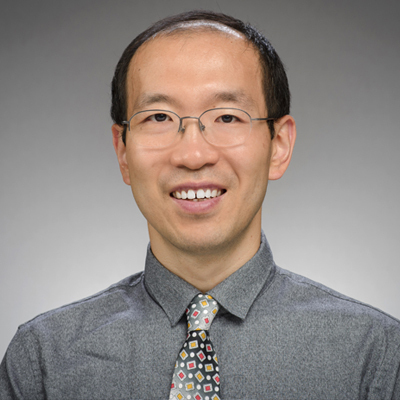
Wing Lam is an Associate Research Scientist in the Department of Pharmacology at the Yale School of Medicine. He holds a BSc in Molecular Biology and a PhD in Biochemical Pharmacology from City University of Hong Kong, followed by postdoctoral training at Yale. His research focuses on developing traditional Chinese medicine (TCM) formulations as adjuvants for cancer therapy, notably YIV-906, which enhances chemotherapy efficacy and mitigates intestinal toxicity. Lam also pioneered the STAR database for herbal drug discovery and the Mechanism-Based Quality Control (MBQC) platform for botanical drug standardization. Education: BSc (Hons) Molecular Biology, City University of Hong Kong, 1995 PhD Biochemical Pharmacology, City University of Hong Kong, 1999 Postdoc, Pharmacology, Yale University, 1999-2002 His research interests span cancer pharmacology, TCM modernization, and mitochondrial toxicity mechanisms. Key projects include YIV-906’s role in enhancing anti-PD1 and CAR T-cell therapies, developing L-nucleoside analogs like troxacitabine, and investigating tylophorine analogs’ antitumor effects. Lam has co-chaired sessions at multiple Consortium for Globalization of Chinese Medicine (CGCM) meetings and contributed to patents on herbal drug formulations and quality control methods. Recent work explores YIV-906’s potential for inflammatory bowel disease (IBD) and phase II clinical trials for colon and liver cancers. Lam’s publications highlight synergistic drug interactions, mitochondrial DNA depletion mechanisms, and TCM’s evidence-based application in chronic diseases. His grants include studies on PHY906 as an adjuvant in rectal cancer therapy and collaborations with Yiviva, Inc. He maintains active roles in editorial boards, including a special issue on herbal drug quality control in Frontiers in Pharmacology . Lam’s lab is embedded within Dr. Yung-Chi Cheng’s group, focusing on translational pharmacology and botanical drug innovation.
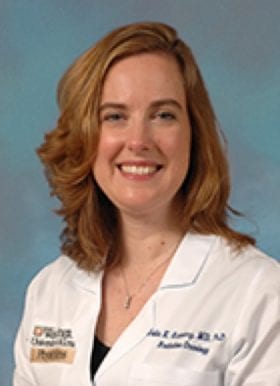
Kelly Arnold is an Associate Professor in the Department of Biomedical Engineering at the University of Michigan. Her research integrates systems engineering principles with immunology to investigate variability in immune responses across infection, vaccination, and injury, with a focus on computational modeling and clinical translation. Research Focus Systems-level immune response modeling Vaccination and antibody functionality Vaginal microbiome-host interactions Chronic lung disease progression Computational serology and proteomics Recent Work Her 2025 studies examine SARS-CoV-2 vaccination responses in cancer patients and computational frameworks for vaginal probiotics. Earlier works (2024-2007) span COPD progression, lupus fibrosis, HIV susceptibility, and tissue engineering for fertility preservation. Methodologies include proteomic profiling, network modeling, and microfluidic systems.
Peter A. Jones is President and Chief Scientific Officer at the Van Andel Institute (VAI) in Grand Rapids, Michigan, where he leads the Department of Epigenetics. He previously served as Director of the USC Norris Comprehensive Cancer Center from 1993 to 2011 and has been a central figure in advancing epigenetics research, particularly in cancer. His laboratory investigates DNA methylation, chromatin dynamics, and epigenetic therapies. Research Interests: Dr. Jones's work centers on epigenetic mechanisms in cancer, including DNA methylation, histone modifications, nucleosome positioning, and the therapeutic potential of epigenetic drugs. His research has pioneered the use of DNA methylation inhibitors like 5-azacytidine and explored viral mimicry as a mechanism for immune activation in cancer. He also studies transposable elements and their role in gene regulation and immune response. Publication Trends: His recent publications (2021–2024) reveal a strong focus on the interplay between epigenetics and immunotherapy, particularly how DNA methyltransferase inhibitors (DNMTi) induce viral mimicry, enhance immune recognition, and improve responses to checkpoint blockade. Studies span hematological malignancies, solid tumors, and T cell biology, with frequent collaboration with Stephen Baylin and others. Scientific Awards: Member, National Academy of Sciences Member, National Academy of Medicine Fellow, AACR Academy Fellow, AAAS Fellow, American Academy of Arts and Sciences Kirk A. Landon Award for Basic Cancer Research (2009) Medal of Honor, American Cancer Society (2011) Outstanding Investigator Grant, NCI Harvey Prize (2024) Advising and Grants: Dr. Jones mentors multiple postdoctoral fellows, graduate students, and research scientists. His lab is supported by major grants, including the VAI-SU2C Epigenetics Dream Team, which has launched 15 clinical trials. He has received sustained funding from the National Cancer Institute and collaborates with institutions worldwide to advance epigenetic therapies. Labs and Teams: He leads the Peter Jones Laboratory at VAI, a multidisciplinary team investigating epigenetic regulation in cancer. The lab includes computational biologists, clinical researchers, and molecular biologists, working on both basic mechanisms and translational applications. The team is part of larger collaborative initiatives such as the VAI-SU2C Epigenetics Dream Team and the International Linked Clinical Trials Program.
Dr. Tim Halim is a Sir Henry Dale Fellow and Junior Group Leader at the Cancer Research UK Cambridge Institute (CRUK Cambridge Institute), University of Cambridge. His primary research program focuses on pancreatic cancer, with thoracic cancer as a secondary research focus within the CRUK Cambridge Centre's structured research programs. Dr. Halim's research expertise lies at the intersection of cancer biology and immunology, with particular emphasis on innate lymphoid cells (especially ILC2) and regulatory T cells within the tumor microenvironment. His work investigates how these immune cell populations interact with cancer cells and influence tumor progression, metastasis, and response to therapy. His research has significant implications for developing novel immunotherapeutic approaches for pancreatic and thoracic cancers. His publication record demonstrates a consistent focus on the role of innate lymphoid cells in cancer, with recent work examining IL-33 and ILC2 in pancreatic cancer, cross-talk between ILC2 and regulatory T cells, and the influence of innate lymphoid cells on pancreatic stromal composition. His research employs advanced techniques including in vivo labeling, single-cell analysis, and fate-mapping approaches to understand immune cell behavior in cancer contexts. Dr. Halim has been awarded the prestigious Sir Henry Dale Fellowship, a joint fellowship from the Royal Society and Wellcome Trust that supports early-career researchers of outstanding promise working at the interface of basic and clinical science.
Joshua D. Rabinowitz is a Professor of Chemistry and the Lewis-Sigler Institute for Integrative Genomics at Princeton University, where he also serves as Director of the Ludwig Princeton Branch. His research focuses on achieving a quantitative, comprehensive understanding of cellular metabolism, with applications in both basic science and medical research. Dr. Rabinowitz's research interests span multiple areas of metabolism and systems biology: Quantitative analysis of metabolic networks and regulation Metabolomics and measurement of metabolite concentrations and fluxes Cancer cell metabolism and therapeutic targeting Metabolic regulation in microbes (E. coli, Saccharomyces cerevisiae) Biofuel production (focusing on Clostridium acetobutylicum) Metabolic impact of pathogen infection (viral infection of human cells) His laboratory has developed innovative methods for measuring cellular metabolites using state-of-the-art mass spectrometry technology and approaches for quantitating metabolic fluxes through isotope-labeling data interpretation. Analysis of recent publications reveals a strong focus on NAD+ metabolism, cancer metabolism, metabolic adaptations in disease states, and the intersection of metabolism with immunology and neuroscience, particularly in areas like T cell metabolism, Alzheimer's disease, and cardiac function. Dr. Rabinowitz has received recognition as a Highly Cited Researcher by Web of Science, indicating significant impact in his field. He advises several graduate students and has mentored numerous alumni, including Michel I. Nofal, Edmundo Leiva III, and Sean Hackett. His research is supported by multiple programs including NIH NHGRI Training Program and QCB Graduate Program. The Rabinowitz Lab operates at the intersection of chemistry, biology, and computational science, with all projects involving a mix of biological experiments, metabolomics, and computation to achieve their goal of a holistic understanding of cellular metabolism.
Kjetil Taskén is a full Professor at the Institute for Clinical Medicine, Faculty of Medicine, University of Oslo , and serves as the Director of the Institute for Cancer Research, Oslo University Hospital . He leads the OUS Center for Precision Medicine in Cancer (SEPREK) since 2021 and has held multiple leadership roles in molecular medicine initiatives, including Director of the Norwegian Centre for Molecular Medicine (NCMM) and co-founder of Bioteknologisenteret. Current affiliations: University of Oslo | Oslo University Hospital Education: Dr.med. (Molecular Cell Biology) | Cand.med. | Research Leadership Course Research interests include immunoregulation in cancer , precision oncology , cellular signal transduction in disease , and drug development targeting immune checkpoints . His work bridges translational immunology and molecular oncology , with a focus on regulatory T cell modulation for cancer therapy. Scientific contributions span high-impact publications on regulatory T cell inhibition , precision medicine implementation , and signal pathway drug targeting . Recent articles highlight collaborations across Europe (PCM4EU, PRIME-ROSE) and Norway (IMPRESS-Norway), with methodological advances in tumor microenvironment modeling and mutation timing analysis . Awards : King Olav V Cancer Research Prize | Anders Jahre Medical Prize | Faculty Medal (UiO) | Norwegian Academy of Science and Letters Leadership : Director of NCMM | Founder of Bioteknologisenteret | Head of multiple national cancer research initiatives Labs and teams include the Cancer Immunology Section at Oslo University Hospital and affiliations with the K. G. Jebsen Center for B-Cell Malignancies , where he co-leads research groups.
Xin Lu is the John M. and Mary Jo Boler Collegiate Associate Professor in the Department of Biological Sciences at the University of Notre Dame. She is a full member of the Harper Cancer Research Institute (HCRI), the Boler-Parseghian Center for Rare and Neglected Diseases (CRND), and the Tumor Microenvironment and Metastasis Program at the Indiana University Simon Comprehensive Cancer Center. Her research spans tumor immunology, immunotherapy, metastasis, and multi-omics, with a focus on prostate, breast, and rare cancers. Ph.D. in Molecular Biology, Princeton University (2004–2010) B.S. in Biological Sciences, Tsinghua University, China (2000–2004) Postdoctoral Fellow, Dana-Farber Cancer Institute and M.D. Anderson Cancer Center (2010–2016) Assistant to Associate Professor, University of Notre Dame (2017–Present) Dr. Lu's research investigates the molecular and cellular mechanisms of tumor-immune crosstalk, particularly the role of myeloid-derived suppressor cells (MDSCs) and neutrophils in promoting immunotherapy resistance. Her lab uses genetically engineered mouse models, functional genomics, single-cell and spatial transcriptomics, and high-throughput screening to uncover novel therapeutic targets. A major focus is on how cancer-cell-intrinsic oncogenic signaling shapes the immunosuppressive tumor microenvironment. Her recent publications reveal mechanisms such as Acod1-mediated ferroptosis resistance in neutrophils, Pygo2-driven immunosuppression in prostate cancer, and the efficacy of ketogenic diets in overcoming checkpoint blockade resistance. These studies span multiple disciplines including cancer biology, immunology, metabolism, epigenetics, and bioengineering, reflecting a highly integrative approach to immuno-oncology. Jane Coffin Childs Postdoctoral Fellow John M. and Mary Jo Boler Faculty Appointment Cluster Chair, Cellular & Molecular Biology, IBMS PhD Program Junior Chair, Boler-Parseghian Center for Rare and Neglected Diseases Dr. Lu mentors a diverse team of graduate students, postdoctoral fellows, and undergraduates. Her lab is actively recruiting and has secured funding from federal agencies and private foundations. She collaborates with chemists, bioengineers, and bioinformaticians to develop novel therapeutics, including antibody-drug conjugates, CAR-NK cells, and small-molecule inhibitors. Her lab also develops innovative platforms like mini-tumor chips for immunotherapy evaluation. Her lab maintains affiliations with multiple interdisciplinary centers including the Warren Family Center for Drug Discovery, Eck Institute for Global Health, and Berthiaume Institute for Precision Health, underscoring her collaborative and translational research vision.
Dr. Zhi-Ping Feng is a Bioinformatician at the John Curtin School of Medical Research (JCSMR), Australian National University (ANU). Her research focuses on integrating omics data with protein structure-function relationships to study interactions between macromolecules. She has expertise in analyzing genomic and transcriptomic data (e.g., RNA-Seq, ChIP-Seq) and protein structure determination via nuclear magnetic resonance (NMR) spectroscopy. Previously, she held a Senior Research Fellow position at the Walter and Eliza Hall Institute (WEHI) from 2009, working on quality control in omics research and genomic data analysis. Her postdoctoral work at WEHI (2002–2005) involved structural biology of malaria-related proteins, supported by an Australian Postdoctoral Fellowship. She holds a PhD in protein bioinformatics from China and a physics background from Peking University. Education: PhD in Protein Bioinformatics (China) Bachelor’s in Physics, Peking University Research Interests: Her work bridges computational biology and structural biology, with emphasis on: Intrinsically unstructured proteins (IUPs) and their applications in malaria proteomics Omics data integration for disease modeling (e.g., cancer, diabetes, neurodegeneration) Protein-protein interaction networks and structural bioinformatics Publications: Recent work spans cancer immunotherapy, miRNA regulation in retinal degeneration, and T cell biology, with contributions to understanding Wnt signaling in joint replacement complications and genetic fusions in pediatric brain tumors. Awards: Australian Postdoctoral Fellowship (2005) Grants/Teams: Currently affiliated with ANU Bioinformatics Consultancy, supporting translational medical research in immunology, cancer, and genomics. Labs/Teams: Collaborates with the JCSMR’s multidisciplinary teams focusing on biomedical informatics and translational research.
Justin Milner, PhD, serves as Assistant Professor in the Department of Microbiology and Immunology at the University of North Carolina at Chapel Hill School of Medicine and is a member of the UNC Lineberger Comprehensive Cancer Center. His research develops novel approaches to enhance cancer immunotherapies through multi-omics and bioengineering techniques. Education: Postdoctoral Fellowship, UCSD PhD, UNC Chapel-Hill BS, UNC Chapel-Hill Dr. Milner's lab investigates molecular drivers of T cell differentiation and function within tumor microenvironments, utilizing cutting-edge genomics, bioengineering, and computational immunology. His work focuses on reprogramming T cell activity to overcome immunotherapy resistance in cancers, with particular emphasis on epigenetic regulation and metabolic adaptations of tumor-infiltrating lymphocytes. Recent projects explore hydrogel-based delivery systems for immunotherapeutics and transcriptional networks governing T cell exhaustion. Analysis of his 15 most recent publications reveals dominant themes in cancer immunotherapy enhancement, particularly through T cell engineering (7/15 articles), tumor microenvironment modulation (5/15), and computational approaches to T cell biology (3/15). Key methodologies include single-cell multi-omics, in vivo screening, and biomaterial-based drug delivery systems targeting solid tumors. Scientific Awards: NIH NCI K99/R00 Pathway to Independence Award V Foundation Scholar Award Lung Cancer Initiative Career Development Award UNC Lineberger Innovation Award Multiple institutional pilot awards including Hirschberg Foundation and Mary Kay Ash Awards Dr. Milner currently advises three graduate students and multiple postdoctoral researchers while leading an NIH-funded R01 project ($2.79 million) investigating epigenetic regulation of T cell exhaustion. His lab maintains active collaborations across computational medicine and pancreatic cancer research programs at UNC. The Milner Lab operates within the UNC Lineberger Comprehensive Cancer Center, utilizing core facilities for single-cell genomics, murine tumor modeling, and bioengineering. Current team includes seven researchers focused on T cell reprogramming strategies for solid tumor immunotherapy.
Steven M. Dubinett is a distinguished academic leader at the University of California Los Angeles (UCLA), serving as Dean of the School of Medicine and holding professorships in Medicine, Pathology and Laboratory Medicine, and Molecular and Medical Pharmacology. His work is deeply integrated with key research centers including the UCLA Jonsson Comprehensive Cancer Center and the UCLA Clinical and Translational Science Institute, where he drives innovation in lung cancer research and translational medicine. Dubinett earned his medical degree from Rutgers New Jersey Medical School in 1980, followed by an internship and residency in Internal Medicine at University Hospital and UCLA. He completed specialized fellowships in Pulmonary Medicine at Massachusetts General Hospital and in Tumor Immunology at Harvard Medical School, establishing the foundation for his career at the intersection of pulmonary medicine and cancer research. Dr. Dubinett's research program is centered on the pathogenesis of lung cancer, with particular emphasis on translational approaches to understanding immunobiology, tumor microenvironment dynamics, and mechanisms of epithelial-mesenchymal transition in human non-small cell lung cancer. His laboratory has made seminal contributions to understanding how chronic inflammation drives lung carcinogenesis and how these insights can be translated into novel therapeutic strategies. His work bridges molecular mechanisms with clinical applications, focusing on identifying targets for lung cancer interception and prevention. Analysis of Dr. Dubinett's recent publications (2023-2025) reveals a sophisticated integration of multi-omics approaches with spatial analysis to understand lung adenocarcinoma evolution. His research increasingly focuses on tumor heterogeneity, immune microenvironment characterization, and innovative immunotherapeutic approaches including dendritic cell vaccines and engineered immune cells. A significant portion of his work addresses mechanisms of immunotherapy resistance and strategies to overcome it through combination approaches. Among his numerous accolades, Dr. Dubinett received the prestigious William S. Middleton Award from the U.S. Department of Veterans Affairs in 2019, the American Thoracic Society Recognition Award for Scientific Accomplishments in 2008, and the Stanley Blatt Award for Lung Cancer Research in 1999. His work has been consistently recognized by the American Lung Association through multiple awards spanning his career. Dr. Dubinett has secured substantial research funding throughout his career, including NIH grants and institutional support that has enabled his team to pursue cutting-edge approaches to lung cancer diagnosis and treatment. His leadership extends to national advisory roles, including chairing the FDA Cellular, Tissue and Gene Therapies Advisory Committee, and representing UCLA in international research collaborations with the Chinese Academy of Sciences. He has mentored numerous physician-scientists who have gone on to establish their own research programs in oncology and pulmonary medicine. Dr. Dubinett leads a multidisciplinary research team within the UCLA Jonsson Comprehensive Cancer Center focused on translating basic discoveries into clinical applications. His laboratory employs advanced techniques in molecular biology, immunology, and systems biology to investigate the molecular mechanisms of lung cancer development and progression. Current research directions include developing non-invasive diagnostic approaches using liquid biopsies, understanding the evolution of premalignant lesions, and developing novel immunotherapeutic strategies to enhance T-cell responses against lung cancer.
Robert M Prins is a Professor of Neurosurgery and Professor of Molecular and Medical Pharmacology at the University of California Los Angeles (UCLA). He leads the Robert Prins Lab at UCLA, which focuses on developing novel immunotherapies for brain tumors, particularly glioblastoma. Dr. Prins received his B.S. in Kinesiology (1992) and M.S. in Physiological Science (1996) from UCLA, followed by a Ph.D. in Anatomy & Immunology from the Medical College of Virginia/Virginia Commonwealth University (2001). He completed fellowships in Tumor Immunology at Cedars-Sinai Neurosurgical Institute (2002) and Brain Tumor Immunotherapy at the David Geffen School of Medicine at UCLA (2003). His research focuses on brain tumor immunology and immunotherapy, with particular emphasis on dendritic cell vaccination, immune checkpoint inhibitors, and adoptive T cell therapy for glioblastoma. Dr. Prins has secured multiple NIH grants as Principal Investigator, including current funding for neoadjuvant checkpoint blockade for recurrent glioblastoma (R01CA267726) and identification of neoantigen-specific T cells for GBM immunotherapy (R01CA222695). Dr. Prins' work has demonstrated the potential of neoadjuvant immunotherapy approaches for glioblastoma, showing that early administration of immune checkpoint inhibitors before surgery can induce significant immune responses within the tumor microenvironment. His research has also explored mechanisms of immunotherapy resistance in brain tumors and strategies to overcome these barriers. He has published extensively in high-impact journals including Nature Medicine, Nature Communications, and Neuro-Oncology, with his most recent work focusing on spatial immune profiling of glioblastoma, CAR-T cell therapies, and epigenetic approaches to enhance immunotherapy efficacy. Dr. Prins is actively involved in clinical translation of his research findings, with several clinical trials underway at UCLA to evaluate novel immunotherapeutic approaches for patients with malignant brain tumors.
Shengwu Li is a Professor of Economics at Harvard University’s Department of Economics, affiliated with the Faculty of Arts and Sciences (FAS). He previously served as a Junior Fellow of the Society of Fellows. His research spans behavioral economics theory and molecular oncology, focusing on mechanisms of cancer drug resistance, targeted therapies, and epigenetic regulation in tumors. He has contributed to understanding KRAS inhibition resistance, HER2 exon 20 insertion mutations, and synergistic immunotherapies combining epigenetic modifiers with immune checkpoint blockade. Education details not explicitly listed in the text. Research interests include behavioral economic models of decision-making under uncertainty, coupled with experimental studies in cancer biology. His work bridges theoretical economics and translational oncology, addressing challenges in precision medicine and drug development. Recent studies explore therapeutic efficacy of CDK7 inhibitors in pancreatic cancer and mechanisms of adeno-to-squamous transition in lung tumors. Notable achievements include the Junior Fellow distinction, highlighting early-career excellence in interdisciplinary research. Collaborative projects involve preclinical models of tumor organoids and ex vivo patient-derived spheroids to identify combination therapies for HER2-mutant lung cancers.
Julie K. Schwarz, MD, PhD, FASTRO is a tenured Professor of Radiation Oncology at Washington University School of Medicine, where she serves as Vice-Chair of Research and Director of the Cancer Biology Division. She also holds appointments as Professor of Cell Biology and Physiology and is affiliated with the Roy and Diana Vagelos Division of Biology & Biomedical Sciences, specifically within the Cancer Biology and Molecular Cell Biology programs. Dr. Schwarz is a key member of the Siteman Cancer Center and co-leads one of only five centers comprising the NIH's Radiation Oncology-Biology Integration Network (ROBIN). Dr. Schwarz completed her BS in Biology at Duke University (1995) followed by an MD/PhD in Cell and Molecular Biology at Washington University School of Medicine (2004) through the Medical Scientist Training Program. She completed her Internal Medicine internship (2005) and Radiation Oncology residency (2009) at Barnes-Jewish Hospital, becoming board-certified by the American Board of Radiology in Radiation Oncology (2010). Her research program focuses on translational studies of gynecologic cancers, particularly cervical cancer, with emphasis on tumor metabolism, biomarker discovery, and treatment resistance mechanisms. Dr. Schwarz's laboratory maintains one of the largest tumor repositories for cervical cancer, which includes specimens collected before and during chemoradiation treatment. Her work has demonstrated the critical role of pretreatment and post-treatment FDG-PET scanning for cervical cancer patients and has identified alterations in PI3K/Akt pathway genes associated with treatment response. Recent research directions include studying obesity's paradoxical favorable impact on cervical cancer outcomes, glucose and glutamine metabolism as targets for cancer therapy, and the role of tumor immunology in therapy resistance. Analysis of Dr. Schwarz's most recent publications reveals a strong focus on cervical cancer biology, tumor metabolism, and novel therapeutic approaches. Her work integrates clinical data with laboratory research to identify biomarkers and develop improved treatment strategies. Current research emphasizes the interface between tumor metabolism, the microenvironment, and response to therapy, with particular attention to HPV-related cancers, tumor imaging, and metabolic targets for radiosensitization. Fellow of American Society for Radiation Oncology (ASTRO) (2024) Danforth WashU Physician-Scientist Scholar Award (2024) Elected into American Society for Clinical Investigation (2022) Michael Fry Research Award for Outstanding Junior Investigator: Radiation Research Society (2012) Fellow: National Cancer Care Network (2008) RSNA Roentgen Resident/Fellow Research Award (2008) As a dedicated mentor, Dr. Schwarz has guided numerous trainees across all levels including undergraduates, graduate students, medical students, residents, fellows, and postdoctoral researchers. Her Schwarz Lab is highly collaborative and actively recruits students and researchers, with recent successes including Leahan Castillo receiving an Honorable Mention at AACR and Brett Tortelli developing significant research on the vaginal microbiome's relationship to cervical cancer treatment response. Dr. Schwarz is R01-funded and leads multiple research projects, including work on the TARGET Center which focuses on understanding the biologic effects of radiation therapy in cancer treatment. She actively participates in national organizations including the ASTRO/NCI Radiobiology Consensus Workshop, AACR Radiation Oncology Think Tank, and the ASTRO Community of Radiation Oncology Physician Scientists. Dr. Schwarz directs the Schwarz Lab, which is growing and actively recruiting postdocs, staff scientists, and graduate students. The lab employs a multidisciplinary approach combining well-annotated clinical databases, prospectively collected patient tumor banks, and state-of-the-art sequencing technologies. Current research directions include single-cell sequencing approaches to study treatment effects on tumor cells and immune cells within the tumor microenvironment, glucose and glutamine metabolism as targets for cancer therapy, and targeting myeloid-derived cells to improve anti-tumor immunity. The lab is highly collaborative and studies multiple tumor types including cervical, pancreatic, and ovarian cancers.
Dr. Masahiro Ono is a Reader in Immunology at Imperial College London's Department of Life Sciences, within the Faculty of Natural Sciences. He leads research on T-cell regulation, focusing on autoimmunity, infections, and cancer. His lab pioneered the Tocky system, using Fluorescent Timer proteins to study T-cell activity dynamics in vivo. Dr. Ono holds affiliations with the CRUK Convergence Science Centre, Infection and Immunity, and Integrative Systems Biology. His academic journey includes an MD from Kyoto University (1993-1999) and a PhD in regulatory T cells (2002-2006). He was awarded a HFSP Fellowship (2009) and BBSRC David Phillips Fellowship (2012), establishing his UCL lab before joining Imperial in 2015. Research Interests : Dr. Ono's work bridges immunology, genomics, and systems biology. His lab explores T-cell activation mechanisms, tumor immunology, and bioinformatics tools for single-cell analysis. Key innovations include the Tocky system for real-time cell kinetics tracking and integrative approaches like GatingTree for cytometry data analysis. Awards : HFSP Fellowship (2009) BBSRC David Phillips Fellowship (2012) Grants & Advising : Dr. Ono's grants have supported projects on viral latency, tumor microenvironment modulation, and immune checkpoint therapies. His lab actively collaborates on translational research, though specific grant details are not listed here. Labs & Teams : His lab at Imperial focuses on Tocky-based technologies and interdisciplinary convergence science through the CRUK Centre. Collaborations span virology, oncology, and bioengineering to address unmet clinical needs in immunotherapy.
Dr. Virginia Pedicord is a Principal Investigator at the University of Cambridge's Department of Medicine and the Cambridge Institute of Therapeutic Immunology & Infectious Disease (CITIID). She leads the Pedicord Lab within the Cambridge Immunology Network as a Sir Henry Dale Fellow, a prestigious research fellowship jointly funded by the Royal Society and Wellcome Trust. Her research focuses on understanding the complex interactions between gut microbiota, host immunity, and disease pathogenesis. Dr. Pedicord received her PhD in Immunology and Microbial Pathogenesis from Cornell University under the supervision of Dr. James P. Allison at Memorial Sloan Kettering Cancer Center, where she studied CD8+ T cell biology. She completed her postdoctoral training at the Rockefeller University before joining the University of Cambridge in 2018. Her laboratory employs a multi-disciplinary approach combining functional metagenomics, in vivo models, cellular immunology, transcriptomics, and proteomics to investigate how commensal microbes influence host intestinal and systemic physiology. Research focuses on gut microbiota's role in immune responses and pathogen resistance Investigates how gut microbes and microbial metabolites affect resistance to infection Studies local and systemic T cell responses and gut-brain axis of neuronal function Uses functional metagenomics to identify cellular and molecular targets of microbiota-mediated immunity Dr. Pedicord's recent publications demonstrate a strong focus on how specific gut bacteria like Enterocloster clostridioformis protect against pathogens such as Salmonella, how microbial metabolites enhance cancer immunotherapy, and the role of the microbiome in various disease contexts including pancreatic cancer and inflammatory bowel disease. Her work bridges fundamental microbiome research with potential therapeutic applications. Scientific Recognition: Sir Henry Dale Fellow (2018) Dr. Pedicord's research program aims to provide mechanistic insights into host-microbiota interactions that will advance our understanding of infectious diseases, autoimmune disorders, and cancer, potentially enabling new therapeutic approaches. Her laboratory is situated at the Jeffrey Cheah Biomedical Centre on the Cambridge Biomedical Campus.