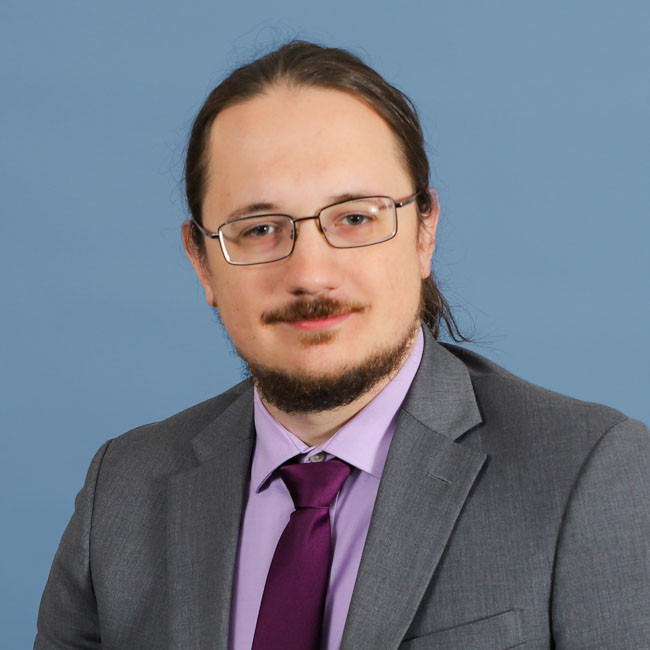
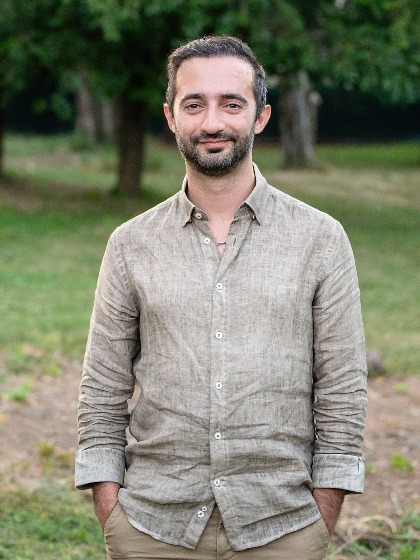
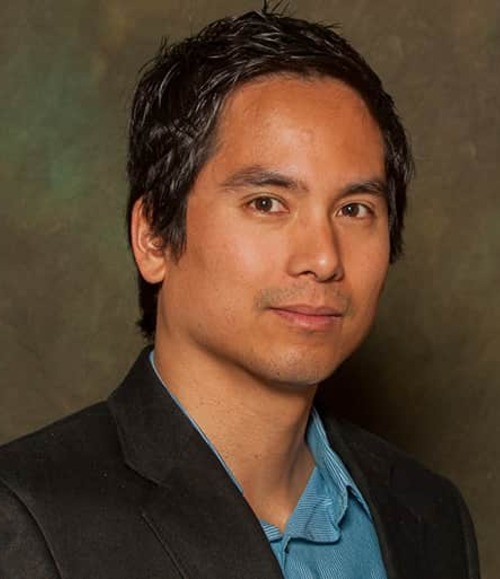
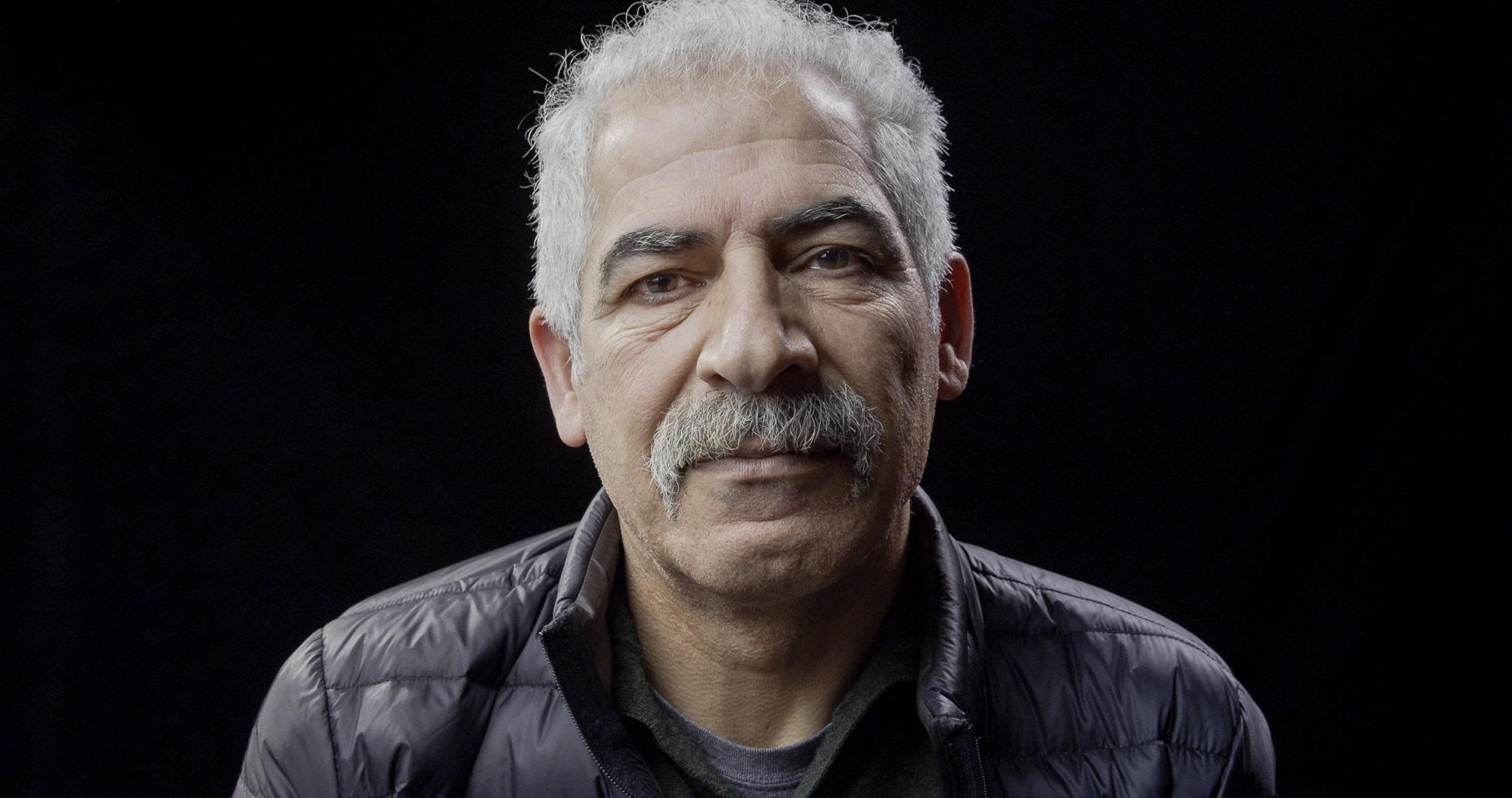
Krishnendu Ray is a Professor of Food Studies and Director of the Food Studies PhD Program at New York University's Steinhardt School of Culture, Education, and Human Development. He holds a Ph.D. in Sociology from SUNY Binghamton (2001) and a master’s in Political Science from Delhi University, India. Prior to NYU, he served as faculty and Acting Associate Dean for Curriculum Development at The Culinary Institute of America. Roles: Professor, Director of Food Studies PhD Program, Chair of the Department of Nutrition, Food Studies, and Public Health (per external sources). Research Focus: Immigrant culinary practices, globalization of food, ethnic restaurants, urban food cultures, and the sociocultural dimensions of taste. His work bridges sociology, anthropology, and public health, examining how food shapes identity, migration, and urban spaces. Notable publications include The Ethnic Restaurateur (2016) and The Migrant’s Table (2004). He co-edits special issues on topics like street vending and global cities, highlighting food’s role in cultural exchange and urban transformation. Recent articles (2020–2025) explore global Asias, resilient immigrant cooking, and the intersection of food studies with contemporary crises. His research frequently engages interdisciplinary methods, including ethnography and historical analysis.
Sapha Barkati, MD, MSc is an Assistant Professor at the Department of Medicine, Faculty of Medicine and Health Sciences, McGill University , and an Investigator at the RI-MUHC Glen site . Her work bridges clinical practice and research in tropical medicine, focusing on parasitic diseases affecting vulnerable populations. Affiliations: Assistant Professor, McGill University Investigator, Research Institute of the McGill University Health Centre (RI-MUHC) McGill International Tuberculosis Centre Research Focus: Specializes in neglected tropical diseases like strongyloidiasis and tegumentary leishmaniasis, particularly among migrants and immunocompromised individuals. Studies include: Physician awareness of Strongyloides screening Prevalence patterns in non-endemic countries HTLV-1 co-infection treatment response Cost-effective screening strategies Scientific Contributions: Key publications address tropical disease management in non-endemic settings, mpox outbreak dynamics, and SARS-CoV-2 immunity patterns. Her work emphasizes evidence-based guidelines for: Parasite screening in transplant recipients Leishmaniasis treatment protocols Traveler disease prevention Collaborative Networks: Partners with institutions like Universidad Peruana Cayetano Heredia and participates in GeoSentinel surveillance. Leads studies on: Covid-19 health disparities Vaccine effectiveness against variants Remote patient monitoring systems
Rebecca Diamond is the Class of 1988 Professor of Economics at Stanford University’s Graduate School of Business, a Senior Fellow at the Stanford Institute for Economic Policy Research (SIEPR), and holds a courtesy appointment in the Economics Department. Her research focuses on urban economics, housing policy, economic inequality, and labor markets. Key areas include analyzing rent control effects, gig economy dynamics, nutritional disparities, and spatial sorting of workers by skill. She advises doctoral students on topics like urban economics and public policy. Her work has been published in top journals such as the American Economic Review, Quarterly Journal of Economics, and Review of Economic Studies. Teaching responsibilities include courses on applied econometrics, public economics, and social insurance. She has been involved in doctoral training through practicums and independent studies. Her research has influenced policy debates on housing affordability, racial disparities in housing returns, and the impacts of high-skilled immigration on innovation. Positions: Professor of Economics (GSB), SIEPR Senior Fellow, Courtesy Professor (Economics) Key Research Themes: Urban policy, labor market inequality, gig economy, food deserts, rent control
Joseph Roso is an Assistant Professor of Sociology at Ambrose University, specializing in the practices and political activities of religious congregations and leaders. His work examines how religious institutions adapt to 21st-century challenges, including technological integration and political polarization. Roso holds a PhD from Duke University, where he also completed his MA, and a BA from Vanderbilt University, all in Sociology. He teaches courses on quantitative methods, multivariate statistics, and sociological principles. His research focuses on congregational adaptation, clergy activism, and the intersection of religion and politics. Education: PhD in Sociology, Duke University MA in Sociology, Duke University BA in Sociology, Vanderbilt University Roso's research interests center on religious organizations' responses to societal changes, including technology adoption (e.g., streaming services pre-pandemic), political polarization impacts, and clergy-lay dynamics. His recent studies highlight tensions between religious leaders and their congregants on political issues, as well as institutional disaffiliation trends in denominations like the United Methodist Church. His articles analyze topics ranging from evangelical rhetoric on immigration to clergy political activism, leveraging data from the National Survey of Religious Leaders. He has contributed to debates on congregational technological readiness and worship practice evolution. Labs/Teams: Collaborates with projects like the National Congregations Study and National Survey of Religious Leaders, emphasizing large-scale survey methodologies to map religious institutional trends.
Kristen Cole serves as an Associate Professor in the Department of Communication Studies within San Jose State University's College of Social Sciences. Her academic work centers on critical interrogations of health communication systems, disability justice, and the socio-linguistic construction of personhood, with particular attention to marginalized communities navigating healthcare barriers and systemic inequities. Her research is anchored in two foundational inquiries: how individuals negotiate health/illness meanings under cultural constraints, and how communication assumptions shape human categorization. Methodologically grounded in critical/cultural studies, disability frameworks, feminist/queer theories, and autoethnography, her work examines pandemic-era health communication dynamics, citizenship language in immigration processes, and pedagogical innovations for inclusive classrooms. Personal experiences with chronic illness and ELL instruction directly inform her commitment to health justice and communicative equity. Analysis of her 15 most recent publications reveals persistent thematic engagement with disability studies and health communication, featuring methodologies like duoethnography and critical discourse analysis. Key trends include socio-emotional disablism during COVID-19, feminist disability pedagogy through participation menus, and neuroqueering communication theory. Her scholarship consistently exposes how communication practices reinforce or challenge power structures in healthcare, education, and political discourse. While specific grant details remain unlisted in available materials, her research directly addresses urgent contemporary issues: health inequality in pandemic response systems and language-based exclusion in citizenship processes. Her chronic illness narrative and ELL classroom experiences demonstrate profound personal investment in dismantling communication barriers, particularly regarding how vulnerability categorization affects healthcare access and how language determines political inclusion.
Dr. Adriana Kugler is a Full Professor at Georgetown University’s McCourt School of Public Policy and Economics. She currently serves as Governor of the Federal Reserve Board, on leave from Georgetown since 2023. Previously, she was U.S. Executive Director at the World Bank (2022–2023), Chief Economist at the U.S. Department of Labor (2011–2013), and Vice Provost for Faculty at Georgetown (2013–2016). Her research focuses on labor markets, policy evaluation, and development economics, with notable work on unemployment insurance, immigration, and vocational training. She holds a Ph.D. from UC Berkeley (1997) and a BA from McGill University (1991). Education : Ph.D. in Economics, University of California, Berkeley (1997) B.A. in Economics and Political Science (First Class Honors), McGill University (1991) Research Interests : Dr. Kugler examines the impact of public policies on labor markets, including payroll taxes, employment protections, and unemployment insurance. Her work bridges academia and policy, addressing issues like occupational licensing, immigration, and global development. She has published in top journals such as the American Economic Review and the Journal of Labor Economics. Awards : Chase Award (U.S. Treasury, 2023) 100 Most Influential Women in U.S. Finance (Barrons, 2024–2025) John T. Dunlop Outstanding Scholar Award (2007) Global Development Network First Prize (2010) Grants and Service : She secured NSF grants supporting women in STEM and advised Congress on economic policies. She chairs committees at the National Academies of Science and served on the Bureau of Labor Statistics’ Technical Advisory Committee. Labs/Teams : Founder of the International Summer Institute on Policy Evaluation (2010–2013) and affiliated with multiple research institutes, including NBER and CEPR.
Martha Stiegman is an Associate Professor at the Faculty of Environmental and Urban Change, York University. Her research integrates Indigenous knowledge, food sovereignty, and arts-based methodologies to address issues of social, environmental, and disability justice. She is actively engaged in community-based research and public scholarship in Toronto and Mi’kma’ki (Nova Scotia). Her educational background includes a PhD from Concordia University’s Special Individualized Program and a BA in English Literature & Political Science from McGill University. This interdisciplinary foundation supports her work at the intersection of activism, research, and art. Stiegman’s research focuses on three interconnected domains: Indigenous/settler treaty relations, food sovereignty and justice movements, and participatory video and arts-based research. She emphasizes decolonizing methodologies and community-led knowledge production. Her work explores how arts-based approaches can deepen dialogues across communities and strengthen collective action for justice. Her recent publications and multimedia projects demonstrate a strong trend toward interdisciplinary, community-engaged scholarship that bridges Indigenous epistemologies, environmental justice, and disability justice. She frequently uses film, digital storytelling, and public art to mobilize knowledge and challenge colonial narratives. Co-creator of A Treaty Guide for Torontonians (2022) Lead on the Polishing the Chain project exploring Toronto’s treaty relationships Editor of the forthcoming Anti Colonial Food Systems (Routledge) Active collaborator with Indigenous scholars and artists including Dr. Sherry Pictou, Ange Loft, and Elder Kerry Prosper Stiegman has been involved in significant research grants such as the Atlantic Aboriginal Health Research Program. While specific advisees are not listed, her collaborative projects suggest active mentorship and supervision. She does not appear to lead a formal lab but works within research collectives and community partnerships.
Domenic Vitiello is an Associate Professor of City and Regional Planning at the University of Pennsylvania’s Weitzman School of Design. He holds a Ph.D. in History from the University of Pennsylvania (2004). His research focuses on immigrant communities, urban agriculture, and the history of urban planning. Vitiello’s work examines how migration patterns, food systems, and historical policies shape contemporary urban landscapes. He teaches courses on metropolitan food systems, migration and development, and the role of immigrant communities in urban contexts. His scholarly contributions include studies on the transformation of Chinatowns, the politics of sanctuary cities, and the ecological and economic potential of urban agriculture. Vitiello’s research bridges historical analysis with contemporary urban challenges, emphasizing questions of equity, sustainability, and community resilience. His work often intersects with themes of urban policy, cultural preservation, and transnational migration. Notable projects include analyses of Philadelphia’s urban development history, the impact of immigrant labor on cultural economies, and the role of food systems in community revitalization. Vitiello’s interdisciplinary approach combines urban studies, environmental sociology, and historical methodologies to address pressing urban issues.
Carrie Hempel is a Distinguished Clinical Professor of Law at the University of California, Irvine School of Law, where she serves as Co-Director of the Community and Economic Development Clinic. She was UCI Law's founding Associate Dean for Clinical Education and Service Learning, playing a key role in establishing the school's clinical programs. Prior to joining UCI, she taught at the University of Southern California School of Law, where she directed the Post-Conviction Justice Project, providing legal assistance to indigent prisoners. Professor Hempel's research focuses on clinical legal education, post-conviction practice, criminal law, gender and the law, and transactional law with emphasis on community economic development and affordable housing. Her work bridges theoretical legal education with practical community impact, particularly through clinic-based teaching models that address systemic issues in housing and economic justice. Her publications reveal a consistent trajectory of innovation in legal education, with particular emphasis on experiential learning models. Hempel's scholarship demonstrates how law clinics can serve as both educational platforms for students and meaningful service providers addressing community needs, especially in the areas of immigrant worker cooperatives, affordable housing preservation, and post-conviction relief mechanisms. As Co-Director of the Community and Economic Development Clinic, Hempel oversees student attorneys who work on real cases involving community development, small business formation, nonprofit organizations, and housing issues. Her leadership in clinical legal education has positioned UCI Law as an innovator in practice-based legal training that connects students with underserved communities.
Dr. Yasin Koc is an Assistant Professor of Social Psychology at the University of Groningen, affiliated with the Department of Psychology within the Faculty of Behavioural and Social Sciences. His research focuses on identity dynamics, intergroup relations, and the psychological experiences of disadvantaged groups. He holds a PhD from the University of Sussex and dual BA degrees in Psychology and Comparative Literature from Istanbul Bilgi University. Education: 2014–2018: PhD in Social Psychology, University of Sussex 2006–2011: BA in Psychology (High Honours), Istanbul Bilgi University 2006–2010: BA in Comparative Literature (High Honours), Istanbul Bilgi University Research Interests: Dr. Koc investigates how disadvantaged groups navigate identity conflicts within privileged systems, majority perceptions of marginalized groups, and new masculinities. His five core research lines include multiple conflicting identities, experiences of disadvantaged groups, majority perceptions, responses to privilege, and evolving masculinities. He employs mixed-methods approaches, combining experimental and qualitative studies. Key Achievements: Recipient of the APS Rising Star Award (2022) Principal Investigator of the Koc Social Identities Lab Editorial board member for British Journal of Social Psychology and Journal of LGBTQ Issues in Counseling Awards & Grants: APS Rising Star Award (2022) Netherlands Research Council (NWO) grants for intergroup psychology projects Lab & Collaboration: He leads the Koc Social Identities Lab , exploring identity integration, prejudice, and systemic inequality. Collaborations include global projects like the PsyCorona consortium analyzing pandemic-related behavioral responses.
Bruno Takahashi is the Brandt Endowed Professor of Environmental Communication at Michigan State University, holding a joint appointment in the School of Journalism and AgBioResearch. He serves as Research Director of the Knight Center for Environmental Journalism and maintains affiliations with the Health and Risk Communication Center, the Environmental Science and Policy Program, and the Center for Latin American and Caribbean Studies at MSU. Born and raised in Lima, Peru, Dr. Takahashi earned his bachelor's degree in communication from Universidad de Lima, followed by M.S. and Ph.D. degrees in Environmental Science from SUNY ESF. Bachelor's in Communication, Universidad de Lima, Peru M.S. in Environmental Science, SUNY ESF Ph.D. in Environmental Science (specializing in environmental communication and participatory processes), SUNY ESF Dr. Takahashi's research program focuses on news coverage of environmental issues, environmental journalism practices in Latin America and U.S. Latino media, and identity in science communication. His work emphasizes counter-hegemonic environmental discourses in Latin American contexts, examining complex networks of actors, media, and communication processes embedded in post-colonial and social and environmental justice dynamics. He has conducted extensive field research in Peru, Bolivia, and Puerto Rico, with particular attention to environmental communication during disasters and in Indigenous communities. His recent scholarly output reveals a strong trend toward examining climate change communication through diverse cultural lenses, with significant attention to Latin American perspectives, immigrant experiences in the United States, and identity factors in science communication. His publications frequently address decolonial approaches to environmental communication and the need for more inclusive international scholarship that centers Global South perspectives. Scientific awards and recognitions include: 2024 AEJMC First Place in Latin American Communication Research 2021 Fellow of the Institute for Diverse Leadership, AEJMC 2019 Knudson Latin America Book Prize Multiple top paper awards from ICA and AEJMC conferences Dr. Takahashi actively mentors a diverse research team of Ph.D. students, post-doctoral associates, and MA students, with former students now holding positions at universities including University of Nevada, University of Minnesota, and Emory University. His research is supported by significant grants including a $2.8 million NSF grant for the SciComm Identities Project, funding from the Climate and Land Use Alliance, and multiple State Department and Embassy grants for environmental journalism training in Latin America. He has developed and led education abroad programs to Peru (2018, 2024) and the Netherlands/Belgium (2022), providing experiential learning opportunities for students in environmental communication. As Research Director of the Knight Center for Environmental Journalism, Dr. Takahashi leads initiatives supporting environmental journalists globally. His current projects include examining environmental discourses in the Peruvian Amazon related to oil spills affecting Indigenous communities, studying decolonial environmental journalism practices in Bolivia and Peru, and co-leading Working Group 5 on Public Engagement and Governance for The Lancet Countdown Latin America, which has generated significant media coverage in outlets like CNN and El País.
Elliott Green is a Professor of Development Studies at the London School of Economics (LSE), where he holds a joint appointment in the Department of International Development. He earned a BA from Princeton University and an MSc and PhD from LSE, focusing on nationalism, ethnicity, and African development. His research integrates political science, economics, and sociology, with a focus on ethnic politics, African development trajectories, and national identity formation. Key areas include the political demography of modern Africa, patronage systems, and the impact of industrialization on ethnic assimilation. Green is the author of Industrialization and Assimilation: Understanding Ethnic Change in the Modern World (Cambridge University Press, 2022), which explores how industrialization reshapes ethnic identities. His work has appeared in top journals like the British Journal of Political Science , World Development , and Journal of Development Studies . He currently co-directs the MSc Development Management program and teaches the course 'Democracy and Development' at LSE. His research spans Sub-Saharan Africa, with fieldwork in Uganda, Tanzania, and Botswana. Notable contributions include analyzing ethno-regional favoritism in public goods provision and the role of urbanization in identity transformation. Green serves on editorial boards of prestigious journals and is active in professional organizations like the American Political Science Association. His recent work emphasizes the intersection of demographic trends, political systems, and long-term development outcomes. In addition to academia, Green contributes to public discourse through op-eds and media commentary on issues like immigration, nationalism, and global development challenges. His interdisciplinary approach bridges theoretical scholarship with real-world policy implications, making him a leading voice in African studies and development research.
Lea Ypi is a Professor of Political Theory at the London School of Economics and Political Science (LSE) and an Honorary Professor of Philosophy at the Australian National University. She holds degrees from the University of Rome La Sapienza and a PhD from the European University Institute, followed by postdoctoral research at Nuffield College, Oxford. Her work spans political theory, the history of philosophy, Marxism, critical theory, and Kantian philosophy. Notable publications include Global Justice and Avant-Garde Political Agency , The Meaning of Partisanship (with Jonathan White), and Free: Coming of Age at the End of History . Ypi’s research has been recognized with the British Academy Prize and a Leverhulme Prize. She is a Fellow of the British Academy, Academia Europea, and the Albanian Academy of Sciences. Her research interests include revolutionary theory, Kantian philosophy, structural injustice, and global justice. Key publications address topics like Kant’s views on colonialism, the ethics of migration, and the role of partisanship in democracy. Ypi’s academic contributions bridge normative political theory with critical engagement in contemporary social and political issues. Awards include the British Academy Prize for Excellence in Political Science (2015), Leverhulme Prize (2014), and fellowships in leading academic institutions. Her interdisciplinary approach integrates historical, philosophical, and contemporary analyses to address urgent political questions.
Gholam Khiabany is a Reader in Media and Communications at Goldsmiths, University of London, within the Department of Media, Communications and Cultural Studies (MCCS). His academic career spans over two decades with significant contributions to the understanding of media, politics, and cultural practices, particularly in relation to the Middle East. He serves as an editor of the Middle East Journal of Culture and Communication and is a member of the council of management of the Institute of Race Relations. Khiabany's research interests center on the complex relationship between citizenship, political activism, and media and cultural practices. His work critically examines media representation of race, migration, and refugees, with particular attention to anti-Muslim racism and the culturalization of terror. He has extensively studied political communication in Iran and the broader Middle East, analyzing how digital media transforms political engagement in authoritarian contexts. His scholarship also addresses the rise of the security state, multiculturalism debates, and the political economy of media in neoliberal times. His scholarly output demonstrates consistent engagement with contemporary political issues through a critical media studies lens. Recent publications reveal a growing focus on migration securitization, citizenship rights, and the marketization of higher education. His work consistently bridges theoretical rigor with urgent political questions, particularly regarding racialized politics and state power. Khiabany frequently collaborates with scholars like Milly Williamson, Natalie Fenton, and Des Freedman, reflecting his commitment to collective scholarly work. Khiabany has authored influential books including Iranian Media: The Paradox of Modernity (2009), Blogistan: The Internet and Politics in Iran (2010, co-authored with Annabelle Sreberny), and Media, Democracy and Social Change: Re-imagining Political Communications (2020). He has also co-edited significant volumes such as After Charlie Hebdo: Terror, Racism and Free Speech (2017) and The Handbook of Media and Culture in the Middle East (2023). His academic work consistently addresses issues of power, representation, and resistance, with particular attention to how marginalized communities navigate media landscapes. Khiabany's research has evolved to increasingly focus on the intersection of migration politics, security discourses, and racialized state power, while maintaining his foundational interest in Middle Eastern media politics and alternative communication practices.
Sergio Carrera serves as Senior Research Fellow and Head of the Justice and Home Affairs Unit at the Centre for European Policy Studies (CEPS), a prominent Brussels-based think tank. Additionally, he holds the position of Adjunct Professor at the Paris School of International Affairs (PSIA) in SciencesPo, France, where he contributes to academic teaching and research in international affairs. Dr. Carrera's academic background includes a Ph.D. on immigration and citizenship from Maastricht University (The Netherlands), an LL.M. in European, Comparative and International Law from the University of Maastricht, and a Law Degree from Universidad de Salamanca in Spain. His extensive educational foundation in European and international law underpins his expertise in EU justice and home affairs policy. His primary research interests focus on EU justice and home affairs (JHA) law and the Area of Freedom, Security and Justice policy, with particular emphasis on migration, asylum, citizenship, and Schengen policies. Dr. Carrera's expertise also extends to EU criminal justice law and police cooperation, examining their impacts on data protection, privacy, and the rights of the defense. His work consistently addresses the intersection between security measures and fundamental rights within the European context. Dr. Carrera has produced an extensive body of scholarly work, with over 190 published publications according to the available information. His recent research has particularly focused on EU-US data transfers, rule of law challenges in the context of migration management, global asylum governance, and the evolving landscape of EU security policy. His publications demonstrate a consistent concern with ensuring that security and migration policies uphold fundamental rights and the rule of law. Among his notable contributions are policy analyses on the European Green Deal's implications for climate policy, assessments of the EU's response to the Ukraine crisis, and examinations of the impact of the Trump administration on EU security policy. His research often bridges academic analysis with practical policy recommendations for EU institutions. Dr. Carrera leads and participates in numerous research projects addressing critical issues in EU policy. Current initiatives include "Reclaiming our past, rebuilding our future: new approaches to fighting antigypsyism" (2024-2026) and the "Study on Mapping Civil Dialogue Practices in the EU Institutions" (2024-2025). Previous significant projects include "Global Asylum Governance and European Union's Role" (ASILE, 2019-2023), "Pan-European Response to the ImpactS of COVID-19" (PERISCOPE, 2020-2023), and "IT tools and methods for managing migration FLOWS" (ITFLOWS, 2020-2023). His work has been commissioned by various EU institutions, including the European Parliament's Policy Department for Citizens' Rights and Constitutional Affairs, demonstrating the policy relevance and impact of his research. Dr. Carrera's expertise is frequently sought for task forces addressing timely issues such as EU-US data transfers, digital justice, and cross-border cooperation in criminal matters.