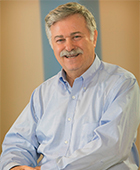
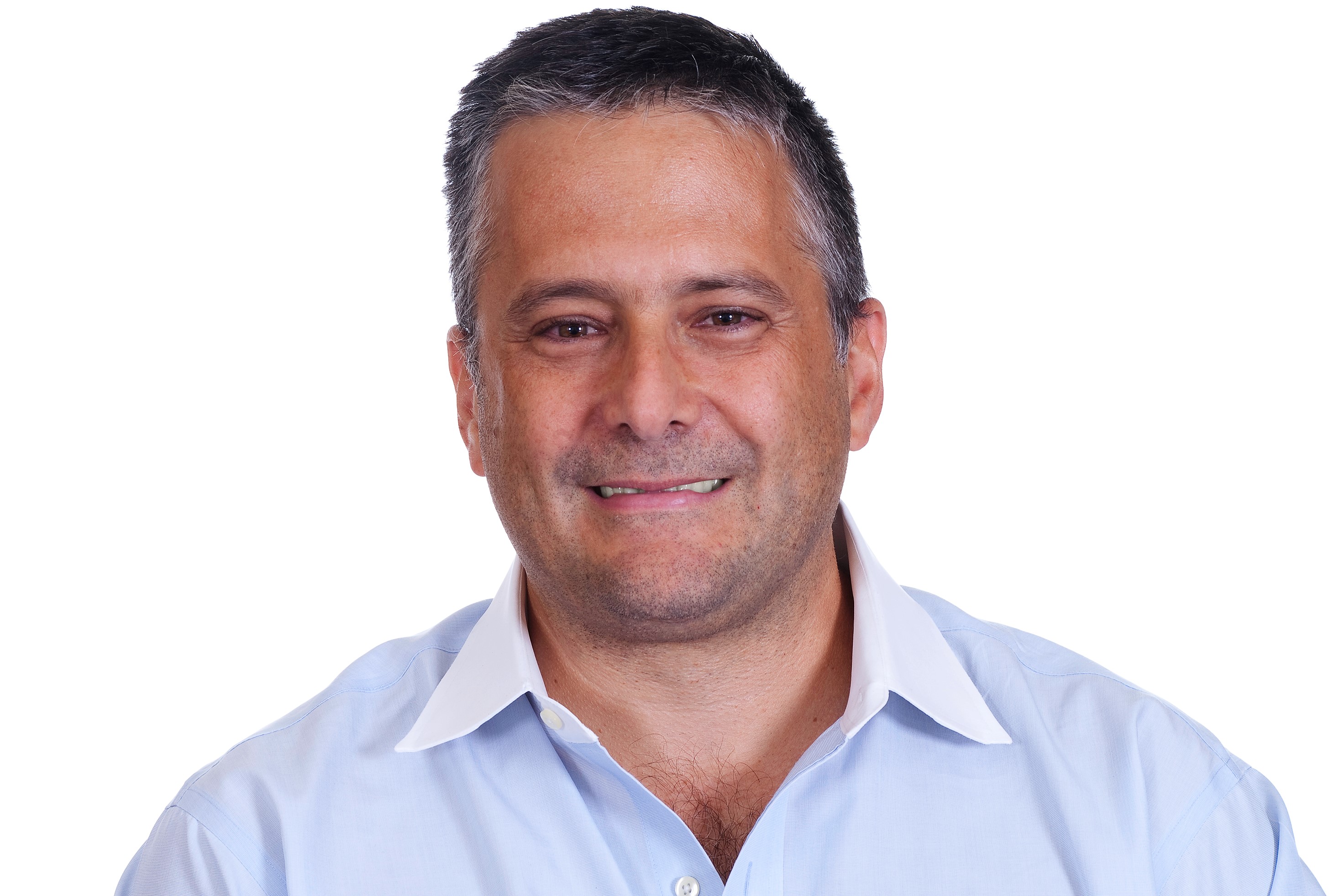
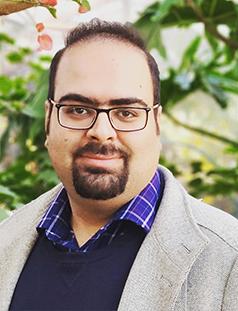
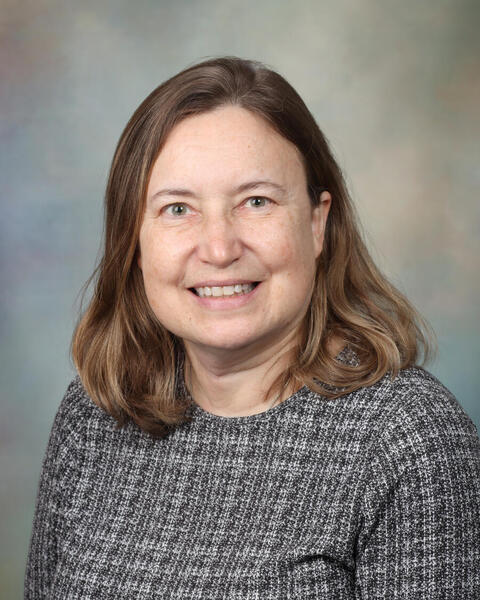
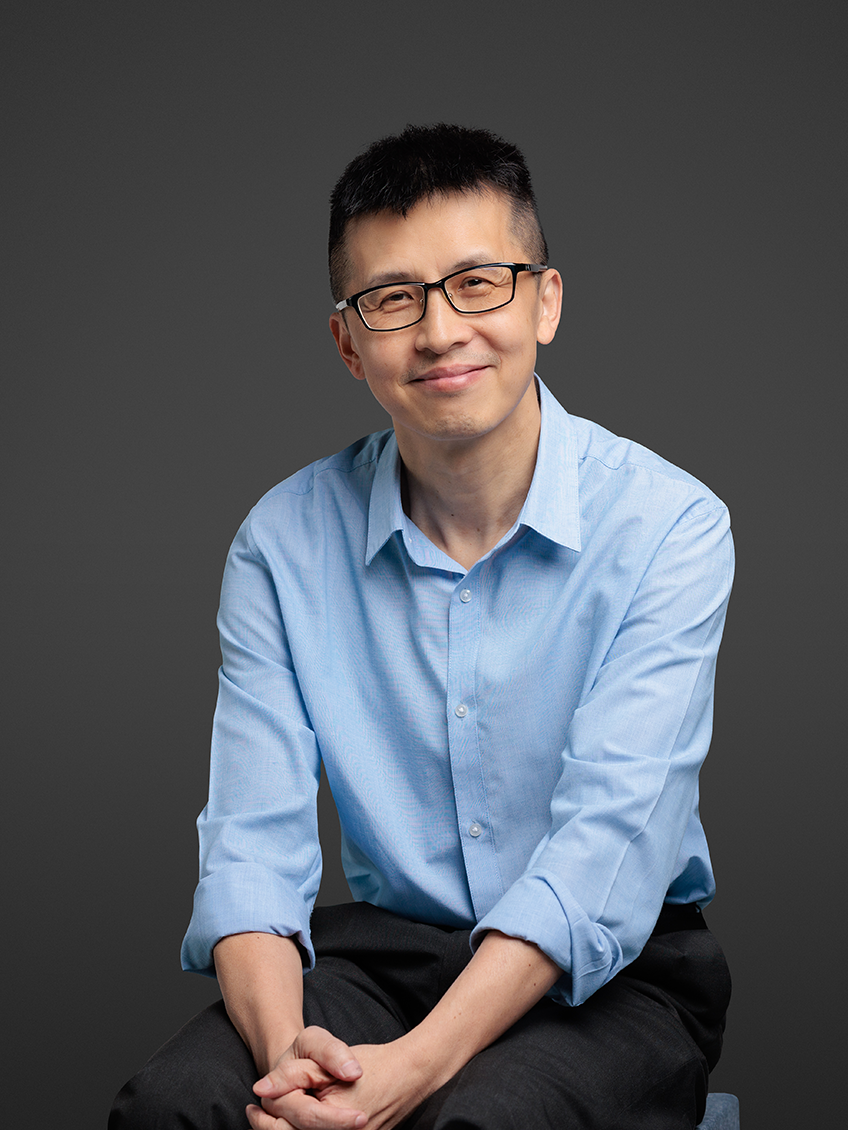
Prof. Zheshen Zhang is a Professor in the Department of Electrical and Computer Engineering at the University of Michigan College of Engineering . He leads the Quantum Engineering Lab , focusing on harnessing quantum mechanical resources like entanglement to advance sensing, communication, and computing systems. Academic Rank: Professor Institution: University of Michigan School: College of Engineering Department: Electrical and Computer Engineering Research Interests: His work spans quantum engineering, emphasizing: Quantum computing architectures using continuous-variable cluster states Quantum communication via entanglement-assisted protocols Quantum sensing for precision metrology and dark matter detection Hybrid photonic circuits with Scandium Aluminum Nitride and Silicon Nitride Application of machine learning to quantum information processing Publications Trends: Recent articles highlight: Advances in integrated photonics for scalable quantum devices Development of entanglement-enhanced sensors for covert and precision applications Exploration of exceptional points in optical cavities for metrology Quantum network prototypes enabling open-access quantum computing Machine learning integration with quantum data acquisition
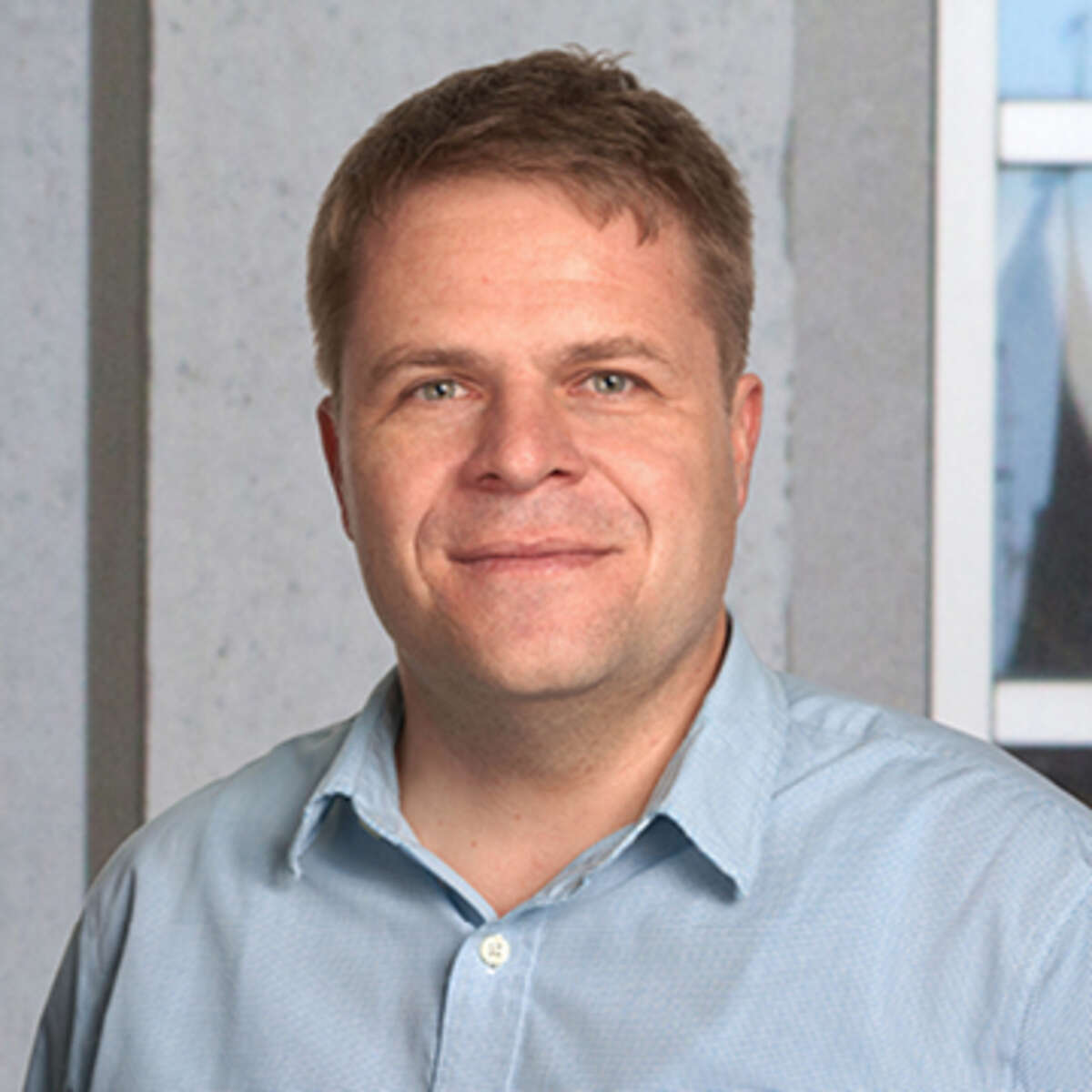
Arie E. Kaufman is a Distinguished Professor in the Department of Computer Science at Stony Brook University, serving as Chief Scientist of the Center of Excellence in Wireless and Information Technology (CEWIT) and Director of the Center of Visual Computing (CVC). He additionally holds a Distinguished Professorship in Radiology, with a 40+ year career at Stony Brook since joining in 1985 and chairing the CS department from 1999-2009. His seminal research spans computer graphics, visualization, and virtual reality with biomedical applications, pioneering breakthroughs including 3D Virtual Colonoscopy (FDA-approved colon cancer screening), Cube hardware architectures (commercialized as VolumePro), the Reality Deck (1.5 billion-pixel immersive display), and foundational work in volume visualization. His interests focus on real-time rendering, medical imaging, and immersive analytics, with recent work integrating machine learning for healthcare and environmental risk visualization. Recent publications demonstrate continued leadership in high-resolution immersive displays (Silo), XR analytics with LLMs, storm surge visualization, and neural reconstruction techniques. His work bridges theoretical innovation with practical applications, particularly in pancreatic cancer prognosis and disaster preparedness. Major honors include: IEEE Visualization Career Award (2005) Fellow of the National Academy of Inventors (2017) ACM Fellow (2009) IEEE Fellow (1998) Long Island Technology Hall of Fame (2013) European Academy of Sciences membership (2002) As PI on 100+ research grants, Kaufman's work has generated 300+ refereed papers, 40+ patents, and extensive media coverage (New York Times, Science, Wall Street Journal). He leads the Center of Visual Computing with focus on translational research, including VolVis software (5,000+ installations) and Reality Deck deployments for big data analytics. His lab develops cutting-edge visualization infrastructure for medical diagnostics and environmental modeling, with current projects advancing immersive storm surge analytics, neural structure extraction, and VR-based risk communication systems. Future work emphasizes AI-enhanced visualization for precision medicine and climate resilience planning.
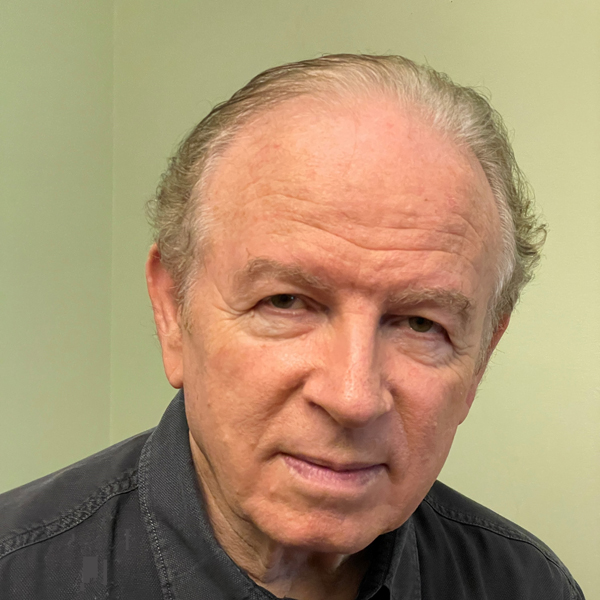
Facundo M. Fernandez is a Regents' Professor and Vasser-Woolley Chair in Bioanalytical Chemistry at the Georgia Institute of Technology, where he leads the Fernandez Research Group within the School of Chemistry and Biochemistry in the College of Sciences. His research spans multiple cutting-edge areas of analytical chemistry with significant applications in medicine, forensics, and basic science. Dr. Fernandez earned his M.Sc. in Chemistry (1996) and Ph.D. in Analytical Spectrometry/Metallomics (1999) from the Facultad de Ciencias Exactas y Naturales at Buenos Aires University, Argentina. His research program focuses on Bioanalytical Mass Spectrometry with particular emphasis on Ambient Sampling/Ionization & Molecular Imaging, Ion Mobility Spectrometry, Metabolomics, and Pharmaceutical Forensics. His work has pioneered new approaches in ambient ionization techniques that enable direct analysis of complex samples without extensive preparation. His recent publications reveal a strong trend toward spatial metabolomics, particularly in traumatic brain injury and ovarian cancer research, with increasing integration of machine learning approaches for data analysis. His work also extends to pharmaceutical quality control, exercise physiology through the MoTrPAC consortium, and prebiotic chemistry investigations. The interdisciplinary nature of his research is evident in collaborations across Georgia Tech's campus and with external institutions. NSF CAREER Award (2007) 3M Non-tenured Faculty Award (2008) CETL/BP Junior Faculty Teaching Excellence Award (2009) Ron A. Hites Award for Outstanding Research Publication (2010) Sigma Xi (GT Chapter) Best Faculty Paper Award (2010) Vasser-Wooley Faculty Fellow (2012) Dr. Fernandez has secured significant funding for his research, including NSF CAREER support, and leads projects related to metabolomics for ovarian cancer detection, pharmaceutical forensics through the CODFIN network, and participation in the large-scale Molecular Transducers of Physical Activity Consortium (MoTrPAC). His laboratory develops advanced instrumentation for mass spectrometry applications and maintains strong collaborations with the Integrated Cancer Research Center, the College of Computing, and the Center for Chemical Evolution at Georgia Tech.
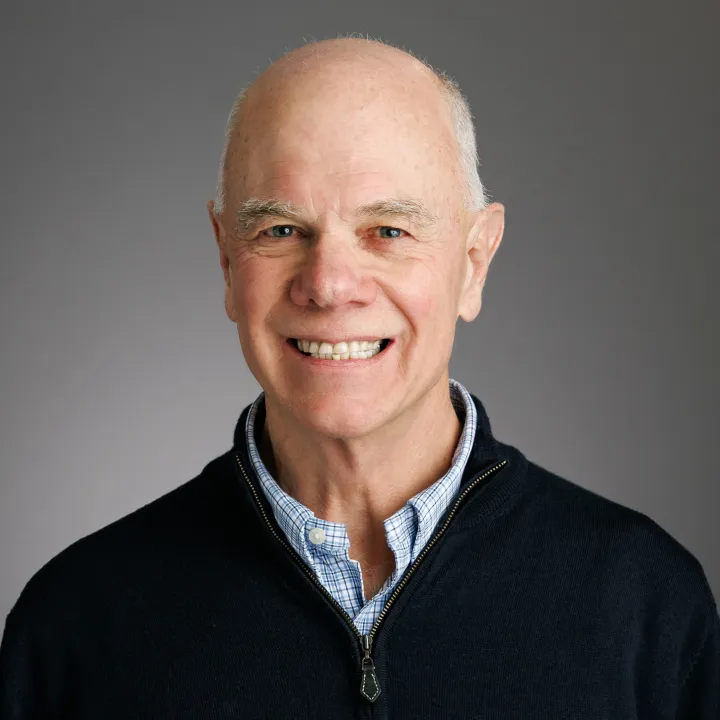
Ehud Gazit is a distinguished Professor in the Department of Molecular Microbiology and Biotechnology at Tel Aviv University's Faculty of Life Sciences. He holds the Chair for Nano-Biology and serves as Vice President for Research and Development at Tel Aviv University. Professor Gazit has held numerous prestigious visiting appointments including at Umeå University, Fudan University, and Cambridge University. His academic journey began with a B.Sc. (summa cum laude) from Tel Aviv University's Special University Program for Outstanding Students in 1991, followed by a Ph.D. (with distinction) from the Weizmann Institute of Science in 1997, and postdoctoral training at MIT from 1997-2000. Professor Gazit's research focuses on molecular structure and self-assembly at the nano-scale, particularly examining protein folding, unfolding, and misfolding phenomena. His laboratory investigates the mechanisms and significance of protein unfolding and misfolding, with experimental systems including bacterial toxin-antidote systems, type II diabetes-related amyloidogenic proteins, and the VHL tumor suppressor protein. His work bridges fundamental biochemistry with nanotechnology applications, exploring how molecular self-assembly can be harnessed for technological innovation. His recent publications demonstrate a strong trajectory in peptide-based nanomaterials, with particular emphasis on amyloid formation mechanisms, peptide self-assembly for functional materials, and therapeutic applications targeting neurodegenerative diseases. His work spans multiple disciplines including biochemistry, nanotechnology, materials science, and biomedical engineering, showing increasing integration of fundamental research with practical applications. Professor Gazit has received numerous prestigious awards including: 2020 Landau Prize in Sciences and Arts in the Field of Healthy Aging 2019 Rappaport Prize for Excellence in Biomedical Research 2018 Foreign Fellow of the National Academy of Sciences, India 2016 ERC Advanced Grant from the European Research Council 2015 Elected Member of the European Molecular Biology Organization (EMBO) Professor Gazit has been actively involved in mentoring students and researchers, as evidenced by his extensive publication record with numerous collaborators. He has secured significant research funding including an ERC Advanced Grant. His professional activities include editorial board memberships for journals including Journal of Peptide Science, Nanoscience & Nanotechnology - Asia, and Amyloid. He previously served as Chief Scientist of the Ministry of Science and Technology (2012-2014). His laboratory has developed innovative approaches to studying molecular self-assembly, with particular expertise in peptide nanostructures. The research team has made significant contributions to understanding amyloid formation mechanisms while simultaneously developing novel biomaterials with applications ranging from electronics to medicine. They have established strong collaborations with research groups worldwide, creating a dynamic interdisciplinary research environment focused on the intersection of biology and nanotechnology.
Dr. Richard Y. Zhao is a tenured Professor in the Department of Pathology and Microbiology-Immunology at the University of Maryland School of Medicine. His research combines molecular biology, fission yeast genetics, mammalian biology, and virology to study virus-host interactions, particularly for HIV and Zika virus. He previously held academic positions at Northwestern University and Columbia University and has contributed to over 120 peer-reviewed articles. B.S., China Oceanography University (1981) M.S., Oregon State University (1995) Ph.D., Oregon State University (1991) Postdoctoral Training, Columbia University (1991-1992) Dr. Zhao's research focuses on: Virus-host interactions and pathogenicity High-throughput drug screening for antivirals Role of viral proteins in neuroinflammation and cancer Translational genomics in precision medicine His recent publications highlight SARS-CoV-2 ORF3a, Zika envelope proteins, and HIV protease inhibitors, emphasizing host-pathogen mechanisms across species. He has served on NIH panels and editorial boards for journals like Cell Research and Retrovirology . Scientific awards include: Fellow, American Academy of Microbiology (2019) Bernard L Mirkin Endowed Chair (2001-2004) Honorary Director, Shandong Gallo Institute (2009) Distinguished Service from SCBA (2015) Outstanding Service from CBA-USA (2016) Dr. Zhao also contributes to clinical diagnostics and personalized medicine through molecular testing and pharmacogenetics programs.
Dr. Mohsen Yoosefzadeh Najafabadi is an Assistant Professor in the Department of Plant Agriculture at the University of Guelph, Ontario Agricultural College. He holds a PhD in Plant Breeding from the University of Guelph (2022), following M.Sc. and B.Sc. degrees from the University of Tehran. His research focuses on dry bean breeding, computational biology, and integrating omics technologies to enhance crop resilience and productivity. Key areas include developing stress-tolerant dry bean varieties, leveraging remote sensing for trait prediction, and optimizing genomic selection methods. He leads the Dry Bean Breeding & Computational Biology Program and has contributed to over 30 peer-reviewed publications since 2017. Education : PhD, Plant Breeding, University of Guelph (2022) M.Sc., University of Tehran B.Sc., University of Tehran Research interests emphasize computational tools development (e.g., AllInOne preprocessing framework), omics-based selection strategies, and non-Mendelian heredity mechanisms. His lab combines machine learning with field phenotyping to address agricultural challenges such as disease resistance and climate adaptation. Collaborative projects include soybean cold stress analysis and cannabinoid profile prediction in cannabis. Publications span genomic approaches to crop improvement, remote sensing applications, and transcriptomic studies. He teaches courses in plant breeding methodologies and actively engages in technology transfer initiatives. Lab activities include developing high-yielding dry bean cultivars resistant to biotic/abiotic stresses and advancing data-driven pipelines for crop breeding. Future work aims to synergize AI with multi-omics data to enhance crop resilience in diverse environments.
Karen S. Anderson, M.D., Ph.D. is a Professor of Medicine at Mayo Clinic in Phoenix, Arizona, where she serves as a Contract Physician in the Division of Hematology/Oncology within the Department of Internal Medicine. Her clinical practice focuses on breast cancer, and she is affiliated with the Mayo Clinic Comprehensive Cancer Center and the Breast Clinic. As an active researcher, Dr. Anderson leads clinical trials in breast cancer immunotherapy and biomarker development. Dr. Anderson's educational background includes: Medical Scientist Training Program (MD), Duke University School of Medicine (1994) Ph.D. in Microbiology and Immunology, Duke University (1994) BA in Chemistry, University of Virginia (1986) Internship and Residency in Internal Medicine, Brigham and Women's Hospital, Boston Fellowship in Adult Hematology and Oncology, Dana Farber Cancer Institute Dr. Anderson's research focuses on cancer immunology with particular emphasis on breast cancer biomarkers, ovarian cancer biomarkers, pancreatic cancer biomarkers, cancer vaccines, and HPV-related cancers. Her work spans from basic immunology to clinical applications, with a strong focus on translating laboratory findings into clinical practice. She has developed innovative approaches for early cancer detection and has been instrumental in advancing breast cancer immunotherapy through clinical trials. Analysis of Dr. Anderson's recent publications reveals a consistent focus on breast cancer immunology, biomarker discovery, and HPV-related cancers. Her work integrates molecular biology, immunology, and clinical oncology to develop novel diagnostic and therapeutic approaches. Notably, her research has expanded to include computational approaches for neoantigen prediction and has addressed public health challenges including HPV-related cancer screening and even COVID-19 vaccine strategies. Dr. Anderson has received several prestigious awards: Outstanding Faculty Mentor Arizona State University Faculty Women's Association (2020) Chief Resident West Roxbury VA Hospital (1996) Phi Beta Kappa University of Virginia (1986) Merck Scholar (1986) Alpha Omega Alpha Honor Medical Society (1986) Echols Scholar University of Virginia (1982) Dr. Anderson has been actively involved in mentoring students and early-career researchers, serving on numerous thesis committees at Arizona State University across multiple departments including Molecular and Cellular Biology, Chemistry, and the Barrett Honors College. Her research is supported by multiple grants from the National Cancer Institute, including her role as Co-Chair of the Breast and Gynecologic Cancers Collaborative Group within the Early Detection Research Network. Dr. Anderson is a key member of the Arizona Biomarker Alliance Executive Committee and has established collaborative research teams focused on cancer biomarker discovery and validation. Her laboratory work integrates protein microarray technology, immunology, and cancer genomics to develop novel diagnostic and therapeutic approaches for breast and HPV-related cancers.
Eli Blevis is a Professor of Informatics at Indiana University's Luddy School of Informatics, Computing, and Engineering, with a joint appointment as Visiting Professor at Hong Kong Polytechnic University's School of Design. His research focuses on Sustainable Interaction Design, Visual Thinking, and Transdisciplinary Design Theory. He is renowned for integrating sustainability principles into HCI practices and exploring the role of visual media in design and education. Affiliations: Luddy School of Informatics, Computing, and Engineering, Indiana University Visiting Professor, School of Design, The Hong Kong Polytechnic University Research Interests: Sustainable Interaction Design (SID) Visual Thinking in HCI (e.g., photographic ethnography) Design Pedagogy (e.g., Design Challenge-Based Learning) Sustainability in Digital Infrastructure Cross-Cultural Design Practices His work spans over 50 publications, with awards including the CHI Best Paper and Computing Reviews Notable Paper. He advises students on projects like visible mending, nonlinear design thinking, and sustainable food systems. Blevis also curates the Visual Thinking Gallery and contributes to international conferences like NordiCHI and DIS. His lab explores tangible interfaces (e.g., MemoryReel) and eco-conscious design strategies. Awards: CHI Best Paper Award CCC Sustainability Award ACM Computing Reviews Notable Paper DIS Best Paper Award Grants and Funding: Research supported by NSF and industry partnerships.
Cheung Ngai-Man is an Associate Professor and Associate Head of Pillar (Education) at Singapore University of Technology and Design (SUTD), part of the Information Systems Technology and Design (ISTD) pillar. He holds a Ph.D. in Electrical Engineering from the University of Southern California (2008) and has held research positions at Stanford University, Texas Instruments, IBM, and others. His research focuses on image and signal processing, computer vision, machine learning, and artificial intelligence. Education: Ph.D., Electrical Engineering, University of Southern California (2008); Postdoctoral research at Stanford University (2009–2011). Research Interests: Develops algorithms for multimedia data processing, explores interdisciplinary applications of signal processing and AI, and addresses challenges in computer vision and generative models. Recent work includes fairness in generative models, few-shot image generation, and adversarial robustness. Publications: Over 100+ peer-reviewed papers in top venues (CVPR, NeurIPS, IEEE TIP, TPAMI) focusing on computer vision, generative models, and AI security. Notable 2023 work includes studies on label-only model inversion attacks and fairness metrics in generative systems. Awards: Best Paper Finalist (CVPR 2019), SAIL Award Finalist (WAIC 2019), Outstanding Associate Editor (IEEE T-MM), Croucher Foundation Fellowship. Students: Supervised postdocs (Hossein Nejati, Fang Lu), research assistants (Mohammad Rostami), and visiting students (Ma Rui). Labs/Teams: Leads research groups in AI, computer vision, and multimedia systems at SUTD. Has spun off AI initiatives for wound care and contributed to Singapore’s National AI Strategy.
Professor Sebastian Hiller is a Full Professor at the Biozentrum of the University of Basel, Switzerland, where he leads a research group focused on structural biology and biophysics. His laboratory specializes in using nuclear magnetic resonance (NMR) spectroscopy to elucidate the structures and functions of proteins and their interactions at the atomic level. His research spans several key areas including molecular chaperones and protein folding mechanisms, outer membrane protein biogenesis in bacteria, and kinase signaling pathways. Notably, his group has made significant contributions to understanding how chaperones like trigger factor function, the mechanisms of outer membrane protein assembly through the Bam complex, and dynamic kinase interactions. Their work has direct implications for neurodegenerative diseases and antibiotic development. The Hiller lab's recent publications demonstrate a strong focus on NMR methodology development, protein folding dynamics, and structural mechanisms of antibiotic action. Their research on darobactin's mechanism of action against Gram-negative bacteria represents a significant advance in antibiotic discovery. The group frequently publishes in high-impact journals including Nature, Science, and Nature Communications. ICMRBS Founder's Medal (2018) EMBO Young Investigator (2014) ERC starting grant (2011) SNSF professorship (2010) SNSF scholarship for young researchers (2008) Professor Hiller supervises numerous PhD students and postdoctoral researchers, with many alumni having secured prestigious positions in academia and industry. His laboratory maintains strong collaborations across multiple institutions and has received significant funding through ERC grants and other competitive mechanisms. The Hiller group also operates advanced NMR facilities that serve the broader research community at the University of Basel.
Hyun-soon Chong is a Professor of Chemistry at the Lewis College of Science and Letters , Illinois Institute of Technology. The Chong group focuses on interdisciplinary research spanning organic synthesis, medicinal chemistry, and nuclear medicine to develop targeted therapeutics for cancer and neurodegenerative diseases. Education : B.S. from Kyung Hee University, Ph.D. from the University of North Texas Research interests include: Organic synthesis using aziridinium ions Development of bifunctional chelators for radiotherapy/imaging Bioconjugate chemistry for antibody-drug conjugates Targeted cancer therapies and diagnostics Nuclear medicine applications with isotopes like Cu-64, Y-90, and Lu-177 Key publication trends show expertise in chelation chemistry, bioconjugation, and radiopharmaceutical development. The group has advanced aziridinium ion-based methodologies and created novel agents with preclinical efficacy. Labs/teams: The Chong group specializes in synthetic strategies for enantiomerically enriched molecules and biomedical chelators. Contact: chong@illinoistech.edu
Eitan Tadmor is a Distinguished University Professor at the Department of Mathematics and Institute for Physical Science & Technology at the University of Maryland. He holds the 2024 Chaire d'excellence at Sorbonne University's Fondation Sciences Mathématiques de Paris, and has served as Director of multiple research centers including the Center for Scientific Computation and Mathematical Modeling (2002-2016) and The Sackler Institute of Scientific Computation (1993-1996). Current: University of Maryland (2005-present) Previous: UCLA (1995-2002), Tel-Aviv University (1989-1995), CalTech (1980-1982) His research spans nonlinear conservation laws , entropy-stable schemes , collective dynamics , spectral methods , and multiscale modeling . He pioneered the spectral viscosity method and developed stability criteria for numerical schemes. Recent publications focus on swarm-based optimization , Euler-Poisson equations , and hydrodynamic alignment with over 15000 citations. His work on kinetic formulations and regularizing effects in PDEs has become foundational in computational mathematics. 2022 Norbert Wiener Prize (AMS-SIAM) 2022 Gibbs Lecturer (AMS) 2015 Peter Henrici Prize (SIAM-ETH) 2013-2021 Fellow of AMS/SIAM NSF grants (1999, 2008-2012, 2012-2020) He developed CentPack software for hyperbolic conservation laws and co-authored influential review papers on numerical methods and mathematical modeling. His collaborative work with institutions like IPAM, KI-Net, and ETH-ITS demonstrates international scientific leadership.
Ulrich Tallarek serves as Professor of Analytical Chemistry in the Faculty of Chemistry at Philipps University of Marburg, where he has held a W3 professorship since 2011. He also serves on the Board of Directors for the Materials Science Center at the university, a position he has held since 2007. His research group focuses on the fundamental understanding of transport phenomena in porous media with applications spanning chromatography, battery technology, and microfluidic systems. The group maintains strong collaborations with institutions worldwide and secures substantial research funding for advanced computational and experimental work. Professor Tallarek's research interests center on functional porous solids, with specific focus on morphology-transport-performance relationships. His work bridges multiple scales from molecular dynamics simulations of solute behavior in nanopores to macroscopic transport in chromatographic columns and battery electrodes. Key research areas include diffusion in hierarchical porous media, electrokinetic phenomena in microfluidic systems, molecular simulation of chromatographic processes, and advanced characterization of porous materials using tomography and other techniques. His group has pioneered multiscale simulation approaches that connect molecular-level surface chemistry to macroscopic transport properties. The research output demonstrates consistent focus on understanding fundamental transport mechanisms in porous systems, with recent publications emphasizing multiscale simulation techniques, molecular dynamics studies of solvent effects in chromatography, advanced characterization of mesoporous structures, and applications to separation science and energy storage. The work shows strong integration of computational modeling with experimental validation across multiple length scales. 2003: Desty Memorial Prize for Innovation in Separation Science, The Royal Institution of Great Britain, London 2006: Young Scientist Award from DECHEMA e.V. 2011: Named Discussion Leader at the 2011 Gordon Research Conference on Physics & Chemistry of Microfluidics 2011–2012: Chairman of the German Chemical Society (GDCh), Marburg 2013: Finalist, World Technology Awards, for category Environment 2013: Named as one of the 100 most influential analytical scientists in the world (The Analytical Scientist Power List) 2017: Recipient of the Silver Jubilee Medal 2017, The Chromatographic Society, UK Professor Tallarek's research has been supported by numerous grants enabling high-performance computing resources, advanced instrumentation, and international collaborations. His group maintains strong ties with industry partners in separation science and analytical instrumentation. The Tallarek Research Group includes postdoctoral researchers, PhD students, and technical staff working across experimental and computational domains. Current projects focus on molecular simulation of chromatographic processes, advanced characterization of porous battery electrodes, and development of novel separation methodologies. The Tallarek Research Group operates state-of-the-art facilities for computational modeling, including access to high-performance computing resources at Forschungszentrum Jülich. The group also maintains experimental capabilities for chromatographic analysis, materials characterization, and microfluidic device development. Their work on physically reconstructed porous media has established new standards for connecting microstructure to transport properties in complex materials systems.
Dr. Mohamed Khalifa is a Visiting Fellow at the Centre for Health Informatics, Australian Institute of Health Innovation, Macquarie University, Sydney. He holds a PhD in Health Innovation from Macquarie University (2020) and an MSc in Health Informatics from the University of Edinburgh (2012). His expertise spans health informatics, AI-driven healthcare solutions, and strategic healthcare management. He has led multidisciplinary teams in developing evidence-based frameworks like GRASP for clinical predictive tools. Affiliations: Visiting Fellow, Macquarie University Director of Studies, College of Health Sciences (Education Centre of Australia) Former Digital Health Officer, Australian Digital Health Agency (2020–2021) His research focuses on AI applications in healthcare, clinical decision support systems, and health analytics. Over 20 years, he has published 60+ peer-reviewed papers and holds an innovation patent (2018). He has received awards including the IMIA Best Paper (2020) and ICIMTH Best Paper (2015). Dr. Khalifa’s work emphasizes improving healthcare efficiency through technology, including projects on predictive tools, emergency room performance, and diabetes management. He is a Fellow of the Australasian Institute of Digital Health and certified in healthcare information systems (CPHIMS).
James S. Duncan is the Ebenezer K. Hunt Professor of Biomedical Engineering at Yale University, with additional appointments in Electrical & Computer Engineering and Radiology & Biomedical Imaging. His research focuses on biomedical image processing, quantitative image analysis using geometrical models, and applications in cardiac function and neuro-structure analysis. He has pioneered image-guided interventions and developed computational frameworks for medical imaging challenges. He holds a Ph.D. from the University of Southern California. His work integrates AI, deep learning, and statistical decision-making to advance medical imaging technologies. Notable contributions include advancements in 3D image segmentation, deformable models, and MRI-based tumor response assessment. Dr. Duncan has received prestigious awards, including IEEE Fellow (2001) and induction into the American Institute for Medical and Biological Engineering (2000). His recent research spans AI-driven hemodynamics modeling, trustworthy healthcare AI guidelines, and molecular MRI innovations in immunotherapy monitoring. He collaborates across disciplines to address challenges in cardiovascular, neuroimaging, and oncological applications.