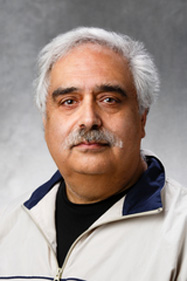
Renju Kuriakose, MD, is an Assistant Professor in the Division of Neurology under the Department of Medicine at Dalhousie University's Faculty of Medicine. He practices at Saint John Regional Hospital and has contributed to research on Parkinsonism, neuroimaging, and movement disorders. Education: MD with a Certificate in Indian Neurology. Contact: Phone 506-648-7556; Mailing Address: 600 Main Street, Suite 200 Building C, Saint John, NB E2K 1J5. Research Focus: Dr. Kuriakose's work examines dopaminergic imaging, cortical activation patterns post-subthalamic stimulation, and rare neurological conditions like Perry syndrome and Holmes tremor. His studies also explore atypical presentations of dystonia and psychogenic movement disorders. Article Trends: His research spans neuroimaging applications (SPECT, DBS), Parkinsonism subtypes (PLA2G6-related, genetic), and cortical-motor interactions. Additional work includes scleredema diabeticorum and brainstem infarction localization. Scientific Awards: No awards mentioned in the provided data. Advising & Grants: No students or grants explicitly cited in the available records. Labs & Teams: Affiliated with Dalhousie University's Faculty of Medicine and Saint John Regional Hospital's neurology division.
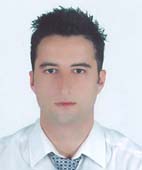
Assistant Professor Mahmut Aykaç is affiliated with Gaziantep University, Faculty of Engineering, Department of Electrical and Electronics Engineering. He holds a Doctorate (2010-2018), Master's (2006-2009), and Licence (2001-2006) in Electrical and Electronics Engineering from Gaziantep University, specializing in Circuits and Systems Theory. His research spans Image Processing , Machine Learning , and Wireless Communication Systems , with a focus on RFID localization ZigBee-based navigation Chaos theory in cryptography Edge computing for neural networks Legacy textile system modernization Scientific contributions include 7 refereed journal articles and participation in 7 international conferences. Notable projects: ZigBee Campus Navigation System (2013-2017) Jacquard Loom Control System Modernization (2007-2009) Supervised master's theses on: Single-band GSM RF energy harvesting Automatic power factor correction systems Received certification as expert witness in Expropriation and Electrical Engineering fields.
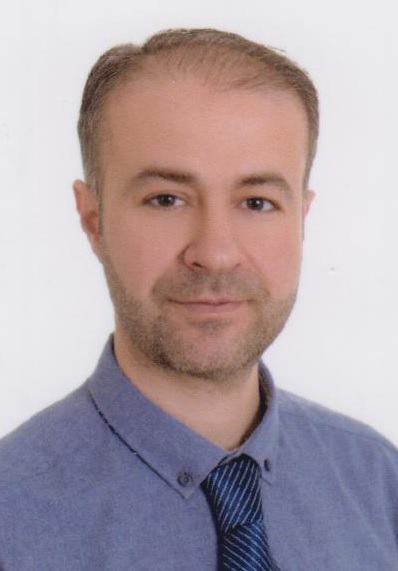
MEHMET SAİT MENZİLCİOĞLU is an Associate Professor at Gaziantep University, Faculty of Medicine, Department of Internal Medicine, specifically working in the Department of Radiodiagnostics. He serves as the Dean's Assistant (2023-2026) and previously held the position of Hospital Deputy Director (2021-2023). His academic journey began with a medical degree from Gaziantep University (1996-2005), followed by medical specialization in Radiodiagnostics (2006-2011). Dr. Menzilcioğlu's research primarily focuses on ultrasound elastography applications across various medical specialties. His work spans kidney disease imaging, thyroid assessment, musculoskeletal applications, and pediatric radiology. He has made significant contributions to understanding tissue stiffness measurement in conditions ranging from Duchenne Muscular Dystrophy to hydatid cyst disease. His research demonstrates a consistent pattern of exploring quantitative ultrasound techniques to improve diagnostic accuracy and disease monitoring. His publication trend shows a strong emphasis on comparative studies between different imaging modalities and the development of reference values for healthy populations. The research spans multiple organ systems but maintains a consistent methodological approach centered on elastography techniques. Recent work has expanded into obstetric applications and ultra-low-dose CT protocols, reflecting an ongoing commitment to radiation dose reduction while maintaining diagnostic quality. GAZİ ÜNİVERSİTESİ REKTÖRLÜĞÜ YAYIN ÖDÜLÜ (2016) GAZİ ÜNİVERSİTESİ TEŞEKKÜR BELGESİ (2015) GAZİ ÜNİVERSİTESİ REKTÖRLÜĞÜ YAYIN ÖDÜLÜ (2015) Dr. Menzilcioğlu has supervised two theses to completion in 2022, focusing on renal elastography in diabetic children and CT evaluation of paranasal sinus variations. He has led two national research projects, one on pediatric lung X-ray radiation doses (2021-2024) and another on shear wave elastography in renal transplant patients (2019-2020). His editorial work includes contributions to Journal of Pediatric Neuroradiology, Radiology Open Journal, ClinMed International Library, and Spine Research. He maintains active membership in numerous professional organizations including the European Society of Radiology and Turkish Radiology Association, reflecting his commitment to advancing the field through both research and professional engagement.
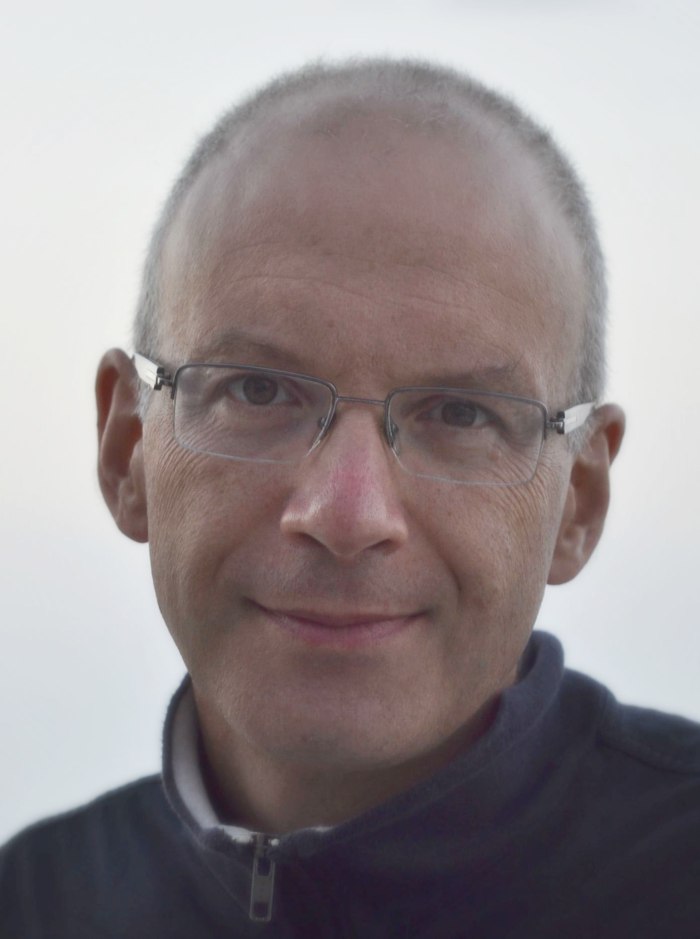
Sudhanshu Shekhar Singh is an Associate Professor in the Department of Materials Science & Engineering at the Indian Institute of Technology Kanpur (IIT Kanpur), where he conducts cutting-edge research in materials characterization and mechanical behavior of alloys. Education: PhD (2015) from Arizona State University, Tempe, Arizona, USA B.Tech (2008) from IIT Kharagpur Dr. Singh specializes in 3D/4D Materials Science and Mechanical Metallurgy, with a particular focus on nanoindentation, micro-mechanical testing, lightweight alloys, deformation behavior of alloys, and powder metallurgy. His research employs advanced characterization techniques including X-ray synchrotron tomography to investigate the microstructural properties and mechanical behavior of materials at unprecedented resolution. His work has significant implications for understanding corrosion mechanisms, stress-strain relationships, and failure analysis in advanced metallic materials, particularly aluminum alloys used in aerospace and other critical applications. His recent publications demonstrate a consistent research trajectory focused on the application of 3D X-ray synchrotron tomography and nanoindentation techniques to study aluminum alloys, particularly the Al 7075 system. His work bridges the gap between microstructural characterization and mechanical property determination, providing valuable insights into how microstructural features influence material performance under various conditions. Scientific Awards: Outstanding Dissertation Award, ASU (2015) Student Travel Award, ASU (2014, 2015) Institute Silver Medal, IIT Kharagpur, India (2008) Best B. Tech Project Work Award, Metallurgical and Materials Engineering Department, IIT Kharagpur, India (2008) Indranil Award for Metallurgy, The Mining, Geological & Metallurgical Institute of India, India (2008) Ramneek Sodhi Award, IIT Kharagpur, India (2008) Before joining IIT Kanpur as faculty, Dr. Singh worked as a Manager at Tata Steel (2008-2011) and completed a postdoctoral fellowship at Arizona State University (Aug 2015-Dec 2015). His industry experience at Tata Steel provides him with practical insights that complement his academic research. Dr. Singh maintains his laboratory in room WL303B at IIT Kanpur, where he conducts advanced materials characterization research using specialized equipment for micro-mechanical testing and 3D/4D materials science investigations.
Devid Maniglio is an Associate Professor at the Department of Industrial Engineering, University of Trento. His research focuses on bioengineering, biomaterials, and tissue engineering, with a particular emphasis on bioprinting, surface modification, and functional materials. He has contributed to advancements in silk fibroin and hydrogel-based systems for medical applications. Research Interests Bioengineering for personalized medicine Biomaterials and surface engineering 3D bioprinting and tissue regeneration Molecular imprinting and biosensors Drug delivery and cell encapsulation Teaching Diagnostic and therapeutic technologies for personalized medicine Engineered materials for precision medicine Fundamentals of biomedical technologies Functional surfaces laboratory Labs & Collaborations Devid Maniglio is affiliated with the Functional Surfaces Laboratory at the University of Trento, collaborating with researchers such as Stefano Rossi and Flavio Deflorian. His work integrates interdisciplinary approaches in biomedical engineering and sustainable medical technologies.
Dr. Masato Inoue is a Professor at the Faculty of Science and Engineering , School of Advanced Science and Engineering at Waseda University. He holds a Doctor of Medical Science from Kyoto University. Education: 2003 - Kyoto University Graduate School of Medicine 2003 - Kyoto University His research spans multiple disciplines at the intersection of Medical Informatics , Bioinformatics , and Statistical Mechanics . Key areas include: Medical Imaging : Developing Bayesian super-resolution algorithms and Prior Ensemble Learning for improved MRI reconstruction Voice Analysis : Creating innovative voice quality quantification systems for clinical diagnostics Genetic Analysis : Advancing haplotype inference methods and gene network modeling Signal Processing : Applying statistical mechanics to diverse problems from coding theory to neuroscience His recent publications (2021-2012) demonstrate consistent contributions to medical imaging algorithms , voice disorder classification , and genetic data analysis . Notable collaborations include work with Kyoto University researchers , Swedish medical institutions , and cross-disciplinary teams in bioengineering.
Christopher W. Baird is an Associate Professor of Surgery at Harvard Medical School and a key faculty member in the Department of Cardiac Surgery at Boston Children's Hospital. He holds leadership roles as Director of the Heart Valve Program and Co-Director of the Vascular Ring & Airway Program , focusing on congenital heart defects and structural valve repair. Biology (BS) - Appalachian State University Medicine (MD) - University of North Carolina at Chapel Hill His research addresses pediatric congenital heart surgery , with a focus on vascular ring decompression, aortic and pulmonary valve reconstruction, and airway stabilization. He has pioneered techniques like the Ozaki method for congenital valve repair and developed analytical models for surgical planning. Recent publications highlight outcomes in vascular ring reoperation, biventricular repair strategies, and anticoagulation therapy post-valve replacement. His work bridges clinical practice and biomedical innovation, particularly in low-resource surgical solutions.
Dr. Bob Mahmoodi serves as a Lecturer in the Department of Electrical and Computer Engineering at the University of St. Thomas School of Engineering, where he has taught for 10 years since 2012. Concurrently, he holds an adjunct instructor position at the University of Minnesota's Electrical and Computer Engineering department for 35 years. His industry background includes over 30 years at 3M in R&D focused on wireless RFID and biometric sensors, plus three years at Honeywell developing airborne radar systems. His educational qualifications include: PhD in Electrical Engineering and Control Sciences from the University of Minnesota MS in Electrical Engineering from the University of Minnesota BS in Electrical Engineering from the University of Minnesota Dr. Mahmoodi's research spans wireless communication, digital signal processing, control systems, medical instrumentation sensors, and FPGA/IC design. His work integrates analog/digital systems with applications in biometric security and image compression. Current teaching focuses on Electronics I laboratories, Engineering Design Clinic II, and graduate-level Digital Signal Processing coursework emphasizing machine learning applications. His publication history from 1981-2013 reveals consistent innovation in image enhancement algorithms and radar signal processing, with increasing specialization in medical imaging after 1984. Key thematic developments include the transition from military radar applications to medical/biometric systems and the evolution of real-time processing techniques for commercial printing technologies. Dr. Mahmoodi holds seven U.S. patents covering image enhancement (1986, 1994), projection displays (2006), and oil quality monitoring systems (2012-2013). His professional service includes IEEE Twin Cities Chapter chairmanship (1989-1990), IS&T Conference chairmanship (1991), and ACR-NEMA standards committee membership for image compression. As an active design clinic instructor, he mentors student teams in industrial problem-solving through the Senior Design Clinic program. His industry experience directly informs classroom instruction, particularly in sensor integration and system modeling applications. Laboratory development for electronics courses leverages his 3M/Honeywell background in practical circuit design.
Julien FAVIER is a Professor at Aix-Marseille Université, where he directs the M2P2 laboratory and coordinates the H2020 FALCON project on fluid-structure interaction in aeronautics. He also serves as an associate editor for Computers and Fluids . Research Focus: Fluid-structure interaction (FSI), Lattice Boltzmann Method (LBM), Immersed Boundary Method (IBM), turbulent and compressible flows Applications: Biomedical (aortic valves, mucus transport), aerospace (hypersonic flows), and mechanical systems (rupture/fragmentation) Scientific Contributions include: Developing stable explicit FSI solvers for LBM-IBM coupling Modeling metachronal wave dynamics in cilia arrays Advancing compressible LBM with rotating overset grids Studying drag reduction via flexible filament coatings Pioneering non-Newtonian fluid transport simulations Technical Expertise spans: Multi-grid and dual-time stepping techniques GPU acceleration for heterogeneous architectures Viscoelastic and Herschel-Bulkley flow modeling Validation of immersed boundary methods for turbulent flows
Trung Le is a Lecturer in the Department of Data Science & AI at Monash University. His research focuses on deep generative models, kernel methods, optimization in machine learning, and Bayesian inference, with applications to supervised learning, adversarial learning, and cyber security. He holds a PhD in Computer Science from the University of Canberra (2013). Key projects include the Australian Research Council-funded initiatives such as 'Can Machines Unlearn? Toward Next-Generation Safe Artificial Intelligence' (2025–2029) and 'Trustworthy Generative AI: Towards Safe and Aligned Foundation Models' (2024–2026). His work contributes to UN SDG 4 (Quality Education) through advancements in AI ethics and safety. Education: PhD in Computer Science, University of Canberra (2013) Research Areas: Continual Learning, Diffusion Models, Domain Adaptation, Adversarial Machine Learning Awards: KDD 2023 Best Student Paper Award, Imagine Cup 2010 Australia First Prize Trung has published extensively in top-tier venues like NIPS, ICLR, and JMLR, with over 100 outputs since 2009. His recent work emphasizes robustness in AI systems, including projects on adversarial defense and ethical concept erasure in generative models.
George Drettakis is a Senior Researcher at INRIA Sophia-Antipolis and leads the GRAPHDECO research group. He has held professorial roles at institutions including MIT, University of Reims, University of Toronto, and École Normale Supérieure. His research focuses on rendering for computer graphics and sound, with emphasis on image-based rendering, perceptual rendering, and audio-visual cross-modal effects. He has also explored interactive illumination, shadows, relighting, and generative models. Current Students: G. Kopanas (Neural Rendering), N. Violante (Generative Models), A. Petitjean (co-supervised), Y. Poirier-Ginter (co-supervised), P. Panantonakis (starting fall 2023). Postdoctoral Researchers: A. Gauthier at INRIA. His recent work includes 3D Gaussian Splatting , Diffusion-based Relighting , and Neural Radiance Fields . He has received the Eurographics Outstanding Technical Contributions Award (2007) and was named an Eurographics Fellow . He manages projects like ERC Advanced Grant FUNGRAPH and has participated in H2020 EMOTIVE , ANR SEMAPOLIS , and CROSSMOD . His group collaborates internationally and has hosted researchers from institutions such as UC Berkeley, Imperial College London, and TU Wien.
Elena Simona Lohan is a Professor at Tampere University's Faculty of Information Technology and Communication Sciences , leading the Signal Processing for Wireless Positioning research group. She also holds a Visiting Professor position at Universitat Autonoma de Barcelona's SPCOMNAV group. Education : MSc in Electrical Engineering (Politehnica University of Bucharest, 1997), DEA in Econometrics (École Polytechnique, Paris, 1998), PhD in Telecommunications (Tampere University of Technology, 2003) Research Focus : GNSS algorithms, interference detection, wearable computing, and 5G positioning convergence. Her work spans signal processing for GNSS (Galileo, GPS, GLONASS, BeiDou), indoor/outdoor localization, and IoT communication. She coordinates the H2020 MSCA European Joint Doctorate A-WEAR and serves as Associate Editor for the Journal of Navigation and IET Radar, Sonar & Navigation . Notable projects include GRAMMAR (Galileo receivers), UJI IndoorLoc Platform , and SP4TE collaborations. She has authored over 250 publications and 6 patents.
Dr. V. Menkovski serves as an Associate Professor in Data Mining at Eindhoven University of Technology's Department of Mathematics and Computer Science. He also holds associate professor positions with EAISI Health and EAISI High Tech Systems, and is an ICMS Affiliated member. His work spans multiple domains of artificial intelligence and computational physics, with significant contributions to fusion energy research. Mathematics and Computer Science, Data Mining (Primary Appointment) EAISI Health (Associate Professor) EAISI High Tech Systems (Associate Professor) ICMS (Affiliated Member) Menkovski's research focuses on Graph Neural Networks, Machine Learning, Deep Learning, and their applications in diverse fields from plasma physics to metamaterials. His work demonstrates strong interdisciplinary connections, particularly between computer science and fusion energy research. He has developed novel approaches for crowd simulation, tokamak plasma monitoring, and metamaterials homogenization using advanced neural architectures. His fingerprint reveals expertise in Quality-of-Experience, Autoencoders, Neural Networks, Annotation, Graph Neural Networks, Video Streaming, Adversarial Machine Learning, and Anomaly Detection. Analysis of his recent publications (2023-2025) shows a clear trend toward applying Graph Neural Networks to complex physical systems, particularly in fusion energy research and materials science. His work increasingly integrates symmetry principles with neural architectures, as seen in his research on equivariant networks for metamaterials and symmetry-informed networks for zeolite analysis. There's also significant focus on practical applications in fake news detection, anomaly detection, and plasma state monitoring. Best Paper Award ICPM 2021 (with Sommers and Fahland) Best Paper Award of LoG 2022 (with multiple co-authors including Huang, Chen, Fang, Zhao, Yin, Pei, Mocanu, Wang, Pechenizkiy, and Liu) Menkovski teaches several advanced courses including Deep Learning, Advanced Topics in Artificial Intelligence, and Sociophysics 2, which runs through August 2025. His supervised work portfolio includes 79 projects, indicating substantial mentorship activity. He has received significant media attention for his research, including coverage by 11 news outlets, blog posts, and mentions on social media platforms. His work on 'Supervised Learning of Process Discovery Techniques Using Graph Neural Networks' was particularly noted in media coverage. His research involves collaboration with multiple institutions and teams, particularly in fusion energy research (Eurofusion Tokamak Exploitation Team, ASDEX-Upgrade team, EUROfusion MST1 Team). He works closely with researchers across disciplines, including physicists working on tokamak plasma and materials scientists studying metamaterials and zeolites.
Yang Sui is a Postdoctoral Research Associate in the Department of Computer Science at Rice University, collaborating with Professors Xia (Ben) Hu and Hanjie Chen. His research focuses on Efficient AI and Trustworthy AI, including deep neural networks, large language models (LLMs), diffusion models, and algorithm-hardware co-design. He holds a PhD from Rutgers University (2024), an MS from Jilin University (2019), and a BS from Jilin University (2016). Education: PhD, Computer Science, Rutgers University, 2024 MS, Computer Science, Jilin University, 2019 BS, Computer Science, Jilin University, 2016 Research Interests: Efficient AI: Model Compression (pruning, quantization, low-rank decomposition), Generative AI (diffusion models, LLMs), and algorithm-hardware co-design. Trustworthy AI: Adversarial robustness (backdoor attacks, vulnerability detection). He has interned at Snap Research (2024), Tencent America (2022), and Baidu (2018), contributing to projects like BitsFusion quantization and Paddle-Lite framework. Awards: Paul Panayotatos Scholarship (2024) Best Paper Runner-Up Award (DCAA Workshop at AAAI 2023) First Place in ESWEEK Classification Track (2023) SGS Travel Award (2023) Advising & Grants: Advises students on topics like LLM quantization and multimodal models. Collaborates with industry and academia on grants related to efficient AI and hardware co-design. Led projects like Rice’s “Efficient Deep Learning Reading Group” (2023). Labs & Teams: Contributes to Snap’s Creative Vision team, Rutgers’ research groups, and co-design initiatives with industry partners like Baidu and Tencent.
Prof. Thomas Cowan is the Director of the Institute of Radiation Physics at the Helmholtz Center Dresden-Rossendorf (HZDR). His research focuses on high-intensity laser-matter interactions, quantum electrodynamics (QED) under extreme conditions, and plasma diagnostics. He leads projects involving ultra-short pulse lasers, vacuum birefringence experiments, and advanced X-ray scattering techniques. Key collaborations include the Helmholtz International Beamline for Extreme Fields (HIBEF) and the European XFEL facility. Research interests include laser-driven proton acceleration, solid-density plasma dynamics, and material behavior under megabar pressures. His work bridges fundamental physics with applications in radiobiology and advanced diagnostics. Notable projects involve developing spatio-temporal diagnostics for solid plasmas and exploring QED effects in strong electromagnetic fields. Publications highlight advancements in X-ray Thomson scattering, femtosecond temperature measurements, and vacuum birefringence experiments. His group uses facilities like the DiPOLE laser and ELBE radiation source to study ultrafast phenomena. Ongoing efforts focus on optimizing laser-driven proton beams for medical applications and improving the theoretical understanding of relativistic plasma interactions.