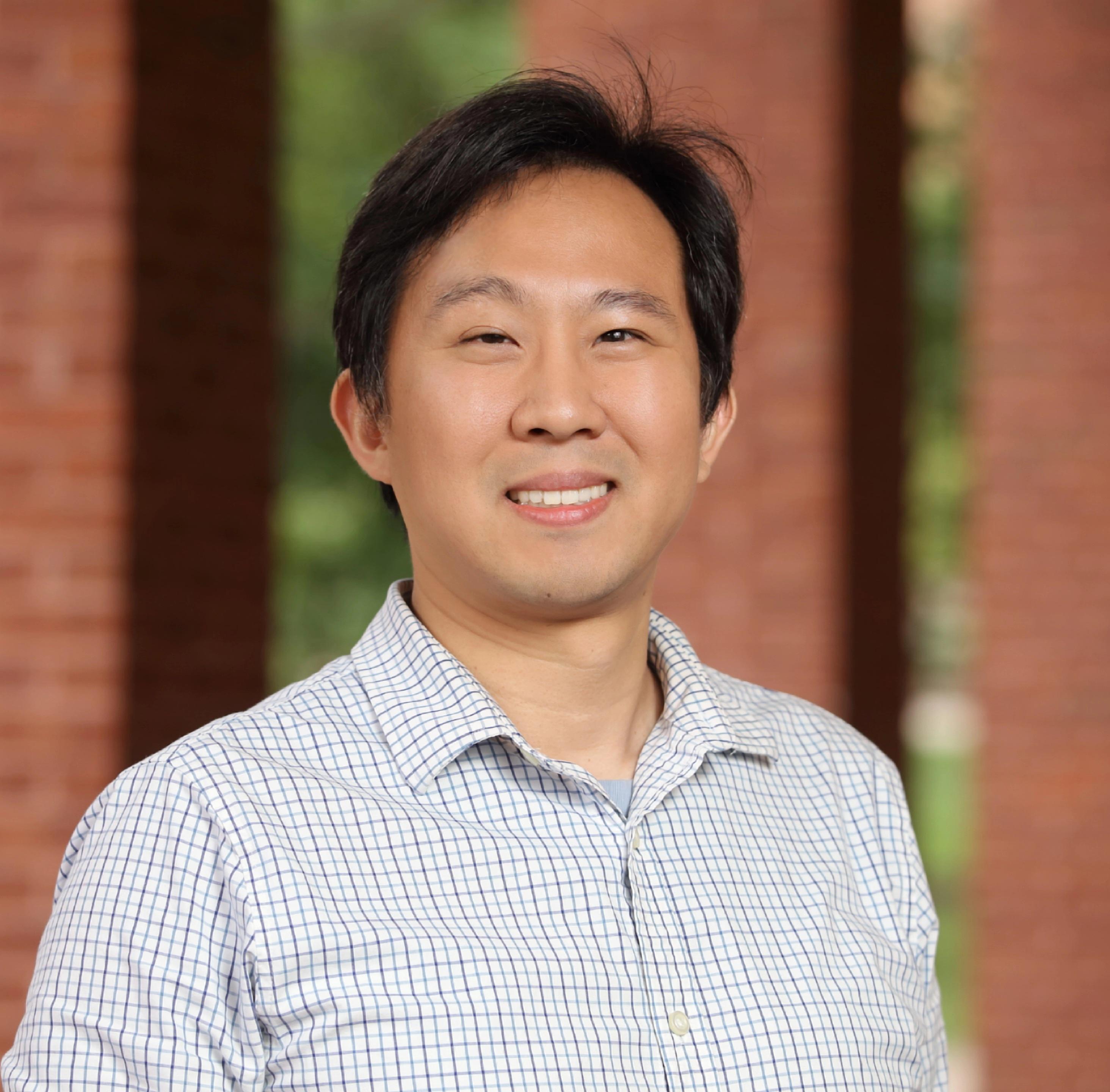
Dr. Zhenghao Chen is an Assistant Professor at the University of Newcastle. He holds a B.Eng. H1 and Ph.D. from the University of Sydney (2017 and 2022). His research focuses on Computer Vision, NLP, and Machine Learning, with expertise in Generative AI. He has published in top conferences like CVPR and journals such as IEEE T-IP. Awards include the Google Australia Prize and ACM SIGMM Outstanding Thesis Award. He previously worked at TikTok and Disney Research, and serves on program committees for major conferences. Research interests emphasize generative models and industrial applications. His publications span topics like image compression, facial recognition, and medical imaging. Awards highlight academic and industrial recognition. Teaching includes courses on visual signal understanding and video intelligence. Current roles include HDR recruitment and organizing international workshops.
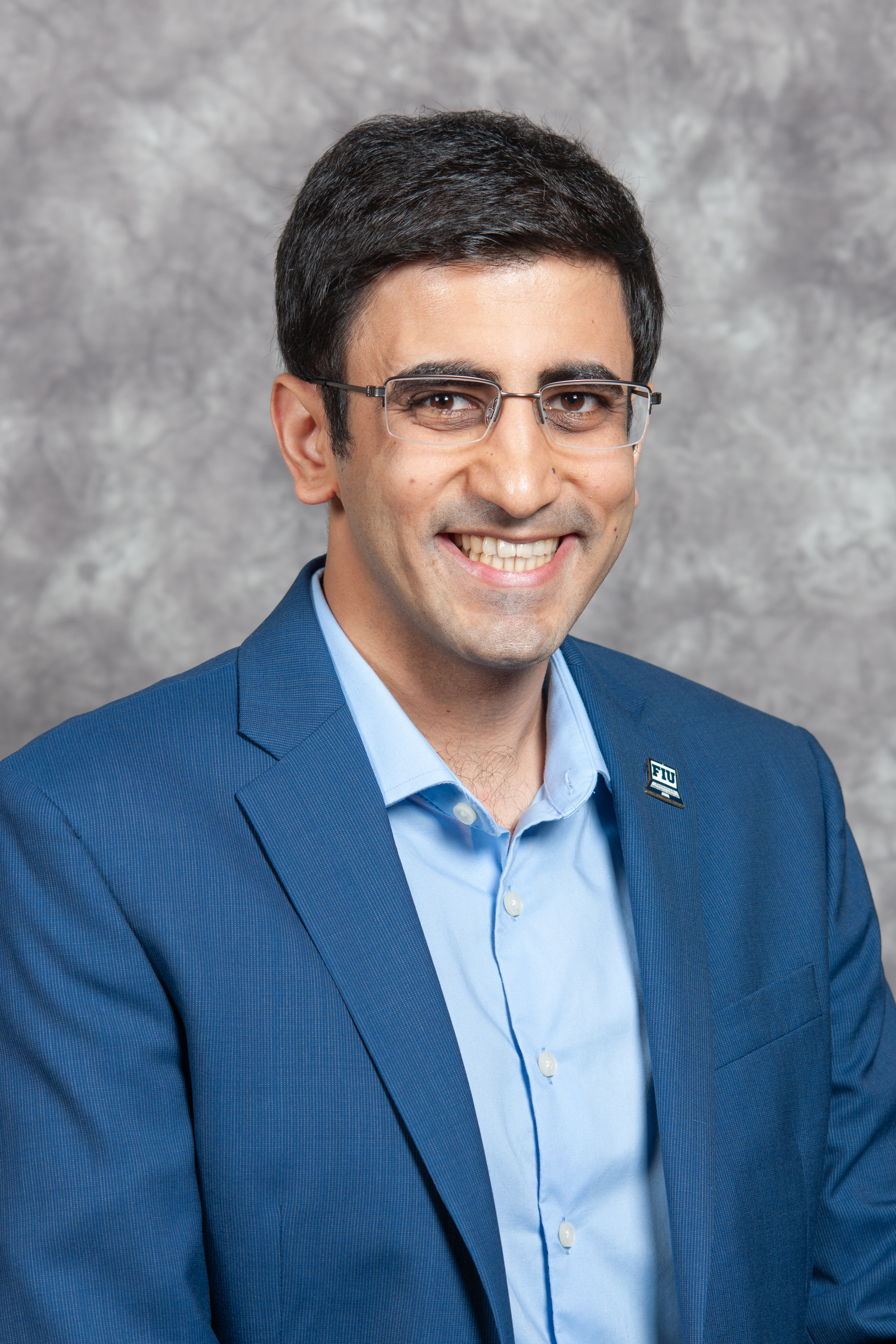
M. Hadi Amini is an Assistant Professor at Florida International University's Knight Foundation School of Computing and Information Sciences. He founded and directs the Sustainability, Optimization, and Learning for InterDependent networks (SOLID) laboratory, focusing on cyber-physical-social systems and distributed AI applications. Ph.D., Electrical and Computer Engineering (2019), Carnegie Mellon University M.Sc., Electrical and Computer Engineering (2015), Carnegie Mellon University M.Sc. (2013), Tarbiat Modares University B.Sc. (2011), Sharif University of Technology His research spans federated learning, interdependent network optimization, and AI applications in smart cities , energy systems , and healthcare . Recent work emphasizes privacy-preserving techniques, quantum encryption, and blockchain integration for secure distributed learning. The 15 most recent publications highlight trends in large language models , edge computing , medical imaging security , and infrastructure resilience , with interdisciplinary emphasis across computer science, systems engineering, and urban planning. Best Paper Award, IEEE Conference on Computational Science & Computational Intelligence (2019) Best Journal Paper Award, Springer Nature Operations Research Forum (2021) Excellence in Teaching Award, FIU (2020) Multiple Best Reviewer Awards, IEEE Transactions NSF Travel Awards (2019) As Associate Editor for Frontiers in Communications and Networks and book series editor for Sustainable Interdependent Networks , he actively shapes research discourse. His lab has secured $3.6M in federal/state funding for AI-driven infrastructure projects.
Christophe Charrier is a Full Professor in Forensics and AI at Université de Caen Normandie, affiliated with GREYC UMR CNRS 6072 and IUT Grand Ouest Normandie's Multimedia and Internet Department (Dept. MMI). He obtained his PhD in Computer Science from Université Jean Monnet (Saint-Etienne) in 1998, followed by an HDR (Habilitation à Diriger des Recherches) in 2011 from Université de Caen Normandie. His academic journey includes roles as a Postdoctoral Researcher at Université Laval (1998-2001), Associate Professor at IUT Saint-Lô (2001), and Visiting Scholar/Professor positions at University of Texas at Austin (2008) and University of Sherbrooke (2009-2011). His research focuses on Digital Image and Video Forensics (e.g., deepfake detection), Image/Video Quality Assessment , Computational Vision , and Biometrics (fingerprint quality, template update, presentation attack detection). He leads the SAFE research group since 2016 and collaborates with the E-payment & Biometrics team at GREYC. His work integrates machine learning for quality metrics, biometric system evaluation, and forensic analysis. Recent publications highlight advancements in deepfake detection , 3D mesh quality assessment , and biometric security . Articles span journals like Intelligent Service Robotics (2024), IEEE Access (2024), and conferences such as CORESA (2024) and Cyberworlds (2023-2024). His studies on fingerprint systems, behavioral biometrics, and environmental impacts on data quality underscore his interdisciplinary approach. Scientific Awards : Best PhD Paper Award (ASONAM 2022) Best Full Paper Award (CW2022) He has mentored 14 PhD students since 2003, including notable alumni like Xinwei Liu (Zhejiang Wanli University) and Antoine Cabana (ALTEN, Toulouse). His projects span biometric certification, latent space manipulation, and 3D mesh evaluation, often in collaboration with institutions in Canada, Norway, and Morocco.
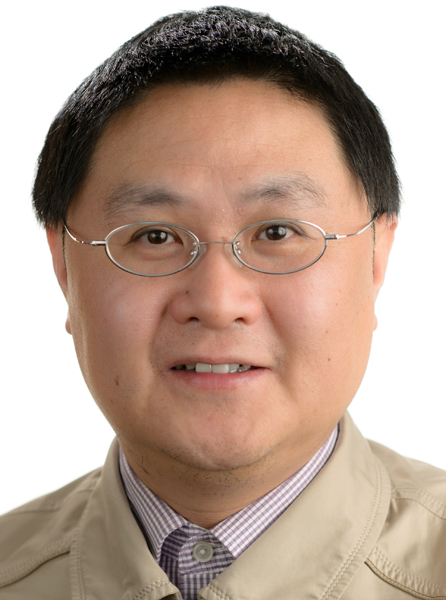
Professor Dong Xu is a Tenured Professor in the Department of Computer Science at the University of Hong Kong (HKU), part of the School of Computing and Data Science. He holds a B.Eng. and Ph.D. from the University of Science and Technology of China (USTC). His career includes tenured roles at Nanyang Technological University and the University of Sydney, alongside postdoctoral research at Columbia University. His research focuses on Artificial Intelligence, Computer Vision, Multimedia, and Machine Learning , with applications in autonomous driving, AR/VR, medical image analysis, and video surveillance. Xu has authored over 150 papers in top journals and conferences, including CVPR, ICCV, and IEEE Transactions. He actively contributes to the academic community as an editorial board member for journals like ACM Computing Surveys and IEEE Transactions, and through leadership roles in conferences such as ACM Multimedia and ICME. Notable awards include Fellowships from IEEE and IAPR, and the IEEE Signal Processing Society Distinguished Lecturer title (2021–2022). Education: B.Eng. (USTC, 2001), Ph.D. (USTC, 2005) Professional Service: Program Coordinator of ACM Multimedia 2024, Guest Editor of over ten special issues.
David E. Breen is a Professor in the Department of Computer Science within the College of Computing & Informatics (CCI) at Drexel University. He leads the Geometric Biomedical Computing Group and is affiliated with the Metadata Research Center and the Center for Biological Discovery from Big Data. His research spans interdisciplinary domains including biomedical image informatics, geometric modeling, textile modeling, and bio-inspired self-organization algorithms. Education: PhD, Computer and Systems Engineering, Rensselaer Polytechnic Institute MS, Computer and Systems Engineering, Rensselaer Polytechnic Institute BA, Physics, Colgate University His research interests focus on computational methods for biomedical applications, including shape and image analysis for cancer diagnosis, 3D reconstruction of biological tissues, and video analysis of animal behavior. He also investigates geometric modeling techniques for textiles and self-organizing systems. His work integrates computer science with biology, medicine, and engineering to solve complex problems in biomedical computing. The recent publications highlight a strong trend in computational modeling of textiles, biomedical image informatics, and AI-driven data analysis. Key themes include geometric modeling of knitted fabrics, deep learning for medical image classification, agent-based modeling of cancer metastasis, and metadata generation for biological image collections. His work bridges fundamental geometric algorithms with practical applications in healthcare and digital archives. Scientific Awards: No specific awards mentioned in the provided text. Breen has advised numerous students and collaborators across multiple domains, particularly in biomedical computing and textile modeling. His research has been supported through affiliations with major centers and collaborations with institutions such as Johns Hopkins University and the Max Planck Institute. He has been involved in projects related to NSF Center for Visual & Decision Informatics and has contributed to over 100 technical publications. He leads the Geometric Biomedical Computing Group , which conducts research at the intersection of biology, medicine, engineering, and computer science. The group develops algorithms and software for geometry-related computing problems in biomedical applications. Collaborations include the Drexel Integrated Laboratory for Cellular Tissue Engineering, Dr. Dan Marenda's Lab, and Dr. Aleister Saunder's Lab in Drexel's Biology Department.
Craig Gotsman is a Professor and Dean at the Ying Wu College of Computing, New Jersey Institute of Technology. He previously held roles at Cornell Tech, Technion, ETH Zurich, and MIT. His research focuses on computational geometry, computer graphics, and 3D animation. Ph.D. in Computer Science, Hebrew University of Jerusalem (1991) His work spans geometric modeling, mesh processing, and applications in animation and visualization. Recent research trends include gaze correction in video conferencing, mesh parameterization, and spectral compression techniques. Notable awards include Fellowships in the US National Academy of Inventors and the Academy of Europe, multiple best paper awards, and the Technion's Hewlett Packard Chair in Computer Engineering. Gotsman has mentored over 50 postgraduate students and holds ten US patents. He co-founded three companies: Virtue 3D Inc. (acquired by NVIDIA), Estimotion Inc. (now ITIS Israel Ltd.), and CatchEye.
Christian Timmerer is a Professor at the Institute of Information Technology, Alpen-Adria-Universität Klagenfurt. His research focuses on adaptive video streaming , energy efficiency , MPEG standardization , and quality of experience (QoE) , with significant contributions to HTTP Adaptive Streaming (HAS), multi-codec optimization, and immersive media systems. Email: christian.timmerer@aau.at Office Hours: Monday 3:00-4:00 PM (by appointment) Projects: CD-Labor ATHENA, GAIA, SPIRIT His research integrates machine learning and generative AI to enhance video encoding, super-resolution, and voice dubbing, while prioritizing sustainability through energy-aware algorithms and open-source tools like GREEM and VEED. Current work emphasizes latency reduction and dynamic bitrate adaptation in live streaming environments. Recent publications address VVC optimization , multi-resolution encoding , and perceptual quality modeling , reflecting interdisciplinary efforts in networking , computer vision , and human-computer interaction . Awards include leading funded projects on adaptive streaming and green video systems.
Prof. Dr. Aljosa Smolic is a Professor and Co-Head of the Immersive Realities Research Lab at Lucerne School of Computer Science and Information Technology, Lucerne University of Applied Sciences and Arts. He joined HSLU in 2022 and became Co-Head in 2023. Previously, he served as SFI Research Professor at Trinity College Dublin (2016-2021) where he led the V-SENSE group in visual computing, combining computer vision, graphics, and media technology. His career includes positions as Senior Research Scientist at Disney Research Zurich (2009-2016) and Scientific Project Manager at Fraunhofer HHI (2001-2009). He holds a PhD from RWTH Aachen University. Research focuses on immersive technologies including AR/VR, volumetric video, light-fields, and deep learning applications in visual computing. His work has resulted in over 50 Disney R&D projects, publications, patents, and technology transfers. Publications emphasize VR evaluation, volumetric video applications, 3D reconstruction, and XR in education, frequently employing deep learning and computer vision techniques. Awards and Recognition: IEEE ICME Star Innovator Award 2020 TCD Campus Company Founders Award 2020 Multiple best paper awards Co-founded Volograms (volumetric video startup) and holds editorial roles including Associate Editor for IEEE Transactions on Image Processing.
Peter H.N. de With is a Full Professor at the Video Coding & Architectures group within the Department of Electrical Engineering at Eindhoven University of Technology (TU/e). He is an international expert in video compression and image analysis for health, surveillance, and automotive applications, with over 35 years of R&D experience. He leads the Video Coding & Architectures Group (SPS-VCA) and contributes to initiatives like the Center for Care & Cure Technology Eindhoven and Eindhoven MedTech Innovation Center. De With's research focuses on video/image signal processing, machine learning, and their applications in healthcare (e.g., esophageal cancer detection), security, and automotive systems. His work includes collaborations with hospitals, EU projects, and industry leaders like Bosch Security Systems and ASML. His recent publications emphasize real-time 3D processing, assembly state recognition, driver action analysis, and medical imaging advancements, reflecting his expertise in computer vision and AI. Notable scientific awards include IEEE Fellowship and multiple paper awards (CE Chester Sall, SPIE, Elsevier). Scientific Awards IEEE Fellow CE Chester Sall Award SPIE Paper Award Elsevier Journal Award Best Paper Award (2017) Second Place in CAMELYON17 Challenge De With has supervised numerous research projects and contributed to datasets in noise reduction, augmented reality, and medical imaging. He actively collaborates on AI-driven innovations for healthcare and industrial applications.
Dr. Stevan Rudinac is a Researcher at the University of Amsterdam's Faculty of Economics and Business , Section Business Analytics . His work focuses on interactive learning systems and multimodal data analysis, particularly in urban contexts and multimedia modeling. Education: PhD in Multimedia and Information Retrieval from Delft University of Technology (2013). Research Interests: Stevan specializes in multimedia modeling , hypergraph learning , and interactive video search . He develops frameworks for scalable analysis of social networks, urban imagery, and large multimodal datasets, bridging machine learning with practical applications in city planning and financial social media. Recent Trends: His 2024-2025 publications highlight large language model optimization , diffusion model evaluation , and dynamic graph embedding for meme stocks. Collaborative projects include the CASTLE 2024 dataset and Exquisitor , a system for 100 million image exploration. Labs & Teams: He contributes to the Business Analytics group at UvA, collaborating with Prof. Marcel Worring and Dr. Björn Þór Jónsson. He co-organized the UrbanMM'21 workshop and participates in ACM Multimedia and MMM conferences.
Fengqing Maggie Zhu is an Associate Professor at the Elmore Family School of Electrical and Computer Engineering within Purdue University , West Lafayette campus. Her research spans image processing , video compression , computer vision , and smart health , with notable contributions to learned image compression , 3D reconstruction , and nutrition analysis via computer vision . Educational background: BS in Electrical Engineering, Purdue University (2004) MS in Electrical and Computer Engineering, Purdue University (2006) PhD in Electrical and Computer Engineering, Purdue University (2011) Her work focuses on developing machine learning-based compression techniques for 2D/3D images and videos, with applications in food portion estimation , wearable dietary monitoring , and virtual reality facial expression tracking . She explores structured pruning , mixed precision quantization , and continual learning to create efficient, robust systems for edge-cloud collaboration. The 2025-2024 article collection reveals concentrated efforts in learned image compression (with 8 papers on quantization, pruning, hierarchical VAEs), food-related computer vision (12+ papers on portion estimation, databases, classification), and 3D reconstruction (MetaFood3D dataset, ICP-3DGS algorithm). Emerging themes include privacy-preserving AI for wearable cameras and class-incremental learning frameworks. Contact: zhu0@purdue.edu
Professor David Scott Taubman is a faculty member and Deputy Head of School (Research) at the School of Electrical Engineering and Telecommunications (EE&T) at UNSW Sydney, Australia. He is also co-director of Kakadu Software Pty. Ltd. and its affiliates Kakadu R&D and Kakadu GPU. He earned his academic credentials from the University of Sydney and University of California at Berkeley: B.Sc. in Mathematics and Computer Science, University of Sydney, 1986 B.E. (Medal) in Electrical Engineering, University of Sydney, 1988 M.Sc. in Electrical Engineering, University of California at Berkeley, 1992 Ph.D. in Electrical Engineering, University of California at Berkeley, 1994 Professor Taubman's research interests span multiple domains within electrical engineering and telecommunications, particularly focusing on: Image Compression (EBCOT algorithm, JPEG2000 technologies) Video Compression (scalable video compression, motion compensated temporal lifting) Image and Video Processing (motion and depth estimation, demosaicing of digital color images, medical image analysis) Multimedia Communication (JPIP standard for interactive imaging, scalable communication systems) He has received numerous scientific awards and honors, including best paper awards from IEEE Signal Processing Society, IEEE Circuits and Systems Society, and IEEE Int. Conf. Image Processing. He has also received teaching awards from UNSW and was recognized with the NSi Inventor of the Year Award. Professor Taubman has contributed significantly to industry standards: Author of the EBCOT coding algorithm adopted in the JPEG2000 standard in November 1998 Author of Verification Model and associated documentation for JPEG2000 Central contributor to IS15444-1, IS15444-4, IS15444-9, IS15444-15 and IS15444-17 Developer of the commercially successful Kakadu Software tools for JPEG2000 He has held various leadership positions at UNSW including Head of the Telecommunications Research Group, Head of the Signal Processing Research Group, and Director of Research at School of EE&T.
Hyojoon Kim is an Assistant Professor in the Department of Computer Science at the University of Virginia. His research focuses on computer networks and distributed systems, emphasizing in-network computing, programmable networks, software-defined networking (SDN), network measurement, and security. He received his Ph.D. from Georgia Tech (2015) and B.S. from the University of Wisconsin-Madison (2005). Prior to UVA, he worked as an Associate Research Scholar at Princeton University. Education: Ph.D. in Computer Science, Georgia Institute of Technology, 2015 B.S. in Computer Science, University of Wisconsin-Madison, 2005 Research Interests: Programmable Networks & SDN Network Measurement & Performance Analysis Network Security & Privacy In-Network Computing & Real-Time Monitoring Teaching: CS 7457: Advanced Computer Networks (Graduate) CS/ECE 4457: Computer Networks (Undergraduate) CS 6501: Software-Defined Networking & Programmable Networks (Graduate) Lab & Group: The Network Mechanics Group at UVA focuses on improving network monitoring, troubleshooting, and configuration through SDN, P4, and programmable data planes. Advising: Current advisees include Di Zhu (PhD) and Carson Kuzniar. The group actively seeks PhD students interested in systems and networking research.
Leif Kobbelt serves as a University Professor at RWTH Aachen University, leading the Computer Graphics Group within the Department of Computer Science (Informatik 8). His research focuses on advancing geometry processing, interactive visualization, and computer graphics through innovative algorithmic solutions and interdisciplinary collaborations. Professor Kobbelt's research program centers on geometry acquisition and processing, with significant contributions to mesh generation, surface reconstruction, and neural rendering techniques. His work bridges theoretical geometry with practical applications in computer vision, photo-realistic image synthesis, and multimedia data transmission, often involving collaborations with industry partners and international research teams funded by DFG and EU sources. Recent publications (2023-2025) reveal a strategic integration of deep learning with traditional geometry processing, particularly in Gaussian splatting for real-time rendering, NeRF-based 4D content generation, and robust mesh Boolean operations. His group maintains leadership in quad mesh optimization and surface mapping while expanding into immersive visualization techniques for complex data analysis. The group has earned recognition through prestigious awards: Günter Enderle Best Paper Award at Eurographics 2023 Best Paper Award (1st place) at Symposium on Geometry Processing 2022 Honorable Mention for Best Paper at ACM Symposium on Virtual Reality Software and Technology Funding from Deutsche Forschungsgemeinschaft and European Union programs supports the group's research infrastructure and international collaborations. The team actively supervises graduate theses while developing open-source software tools that translate theoretical advances into practical industry applications, particularly in digital fabrication and immersive visualization systems. The Computer Graphics Group operates as a central hub for visual computing research at RWTH Aachen, maintaining strong ties with both academic institutions and technology companies. Their recent work on virtual reality educational tools and high-fidelity 3D reconstruction systems demonstrates commitment to knowledge transfer and real-world impact beyond traditional publication venues.
Nick Antipa is an Assistant Professor at the University of California, San Diego, affiliated with the Jacobs School of Engineering and the Department of Electrical and Computer Engineering. His work focuses on computational imaging systems that integrate optics, sensors, and algorithms to enable novel imaging modalities. PhD in Electrical Engineering from UC Berkeley Former optical metrology engineer at Lawrence Livermore National Lab Research interests span computational imaging , lensless camera design , and single-shot high-dimensional optical signal capture . His lab develops systems like DiffuserCam for compressive 3D imaging and Miniscope3D for miniature fluorescence microscopy. Recent publications address differentiable wave optics, high-speed video reconstruction, and marine imaging applications. Awards include Best Paper at ICCP 2016/2019 and Best Demo at ICCP 2017. His lab explores machine learning-driven optical design and differentiable rendering frameworks for end-to-end optimization of imaging systems. Current projects include oceanographic imaging, computational photography, and infrared spectroscopy acceleration.