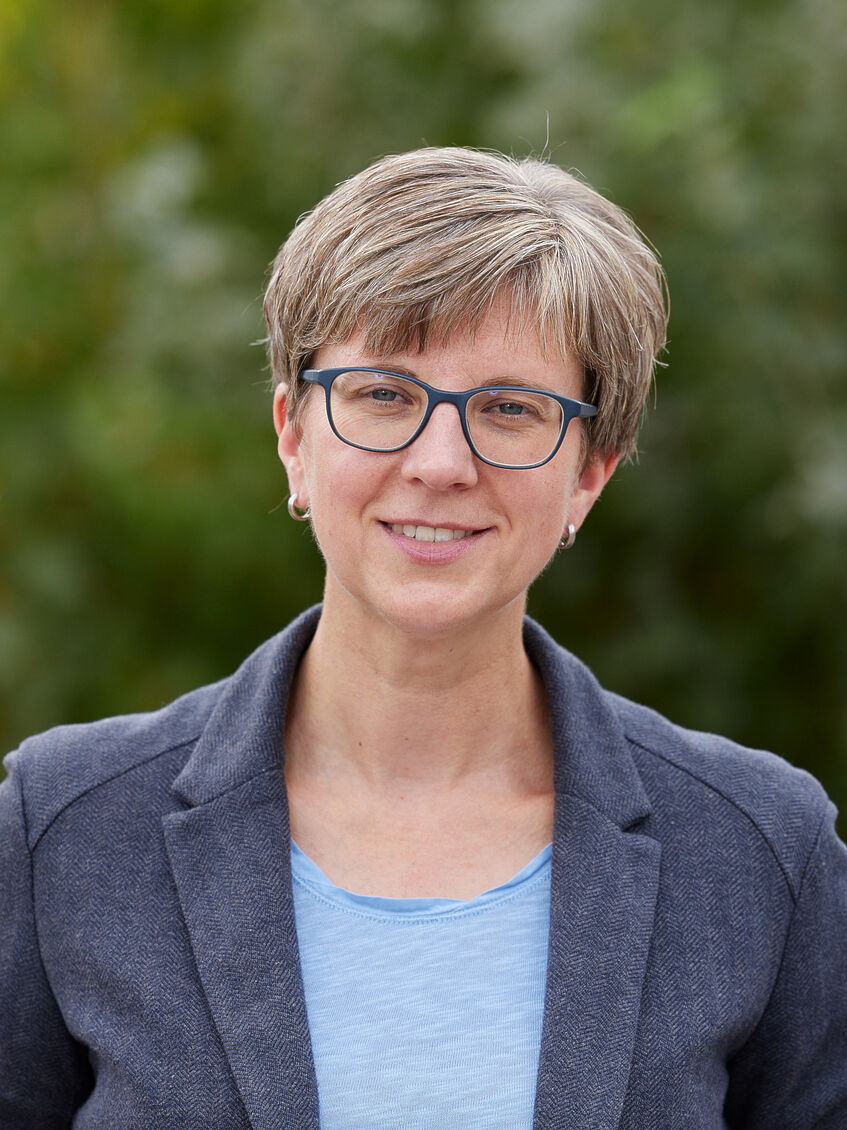
Dagmar Woebken is Associate Professor and Head of the Department for Microbiology and Ecosystem Science at the University of Vienna, where she leads the Division of Microbial Ecology. Her research investigates microbial survival strategies in challenging soil habitats, particularly focusing on adaptation mechanisms to environmental stressors. Research encompasses three primary themes: Dormancy and reactivation dynamics in desert soil microbial communities Assembly and function of plant-associated microbiomes Ecological success factors of Acidobacteria in terrestrial environments Her group employs molecular techniques including metagenomics, stable isotope probing, and single-cell approaches (NanoSIMS, Raman microspectroscopy) combined with cultivation-based methods. Publications demonstrate expertise in: Microbial adaptation to extreme environments Plant-microbe-nutrient interactions Genomic basis of bacterial ecological strategies Recent work increasingly utilizes advanced imaging and isotopic tracing to investigate microbial processes at cellular scales. Dr. Woebken pioneered the NifMAP bioinformatic pipeline for analyzing nitrogen-fixing communities and developed methods combining Gold-FISH with NanoSIMS for targeted analysis of plant-associated bacteria. She leads research projects on microbial symbioses funded by the Austrian Science Fund (FWF). She directs a research group investigating microbial ecology across ecosystems from deserts to forests. Current projects include studies of ant-plant-microbe associations and microbe-mediated nitrogen cycling in grasslands. The group maintains collaborations with international institutions and participates in public outreach through science communication platforms.
Rainer Winter is a Professor at the Institute for Media and Communication Studies at Alpen-Adria-Universität Klagenfurt. He specializes in Cultural Studies, Media Research, Media Education, and Qualitative Research Sociology. His work bridges critical theory with contemporary media analysis, focusing on mediatization processes, resistance studies, and the societal implications of media narratives.
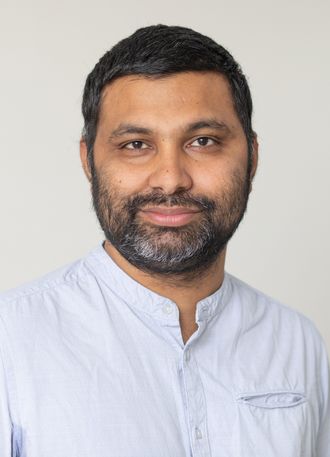
Shah Nawaz is an Assistant Professor at the Institute of Computational Perception , Johannes Kepler University Linz. His research focuses on multimodal systems, deep learning applications in healthcare, and cross-modal learning frameworks. He leads projects addressing challenges like missing modalities in machine learning, face-voice association, and medical image analysis. Key research interests include machine learning for medical diagnostics (e.g., breast cancer detection, skin lesion segmentation), speech recognition, and adaptive neural network architectures. He has contributed to frameworks like Chameleon for robust multimodal learning and the FAME challenge for face-voice association in multilingual environments. Publications emphasize practical applications, such as bilingual healthcare chatbots for pregnant women and light-weight speech recognition models for resource-constrained systems. His work bridges theoretical advancements and real-world deployment in healthcare and security domains. Shaw Nawaz actively participates in academic communities through workshops like DaQuaMRec@RecSys2025 and has developed open-source frameworks for image restoration and multimodal fusion. His lab focuses on scalable solutions for multimodal data challenges in both technical and clinical contexts.
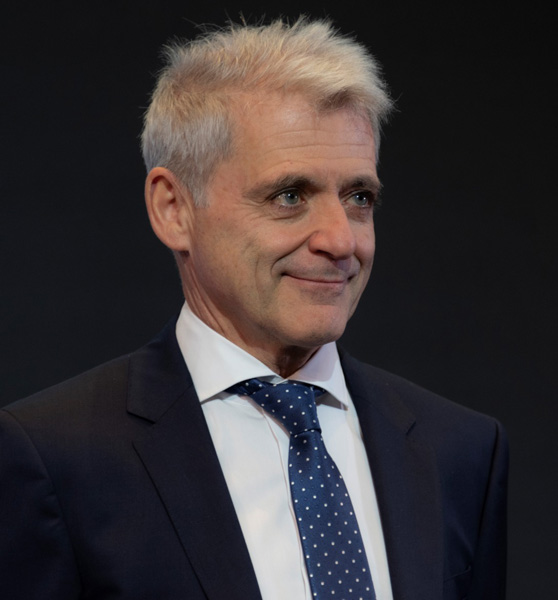
Jean Ponce is a Professor of Computer Science at Ecole Normale Superieure (ENS) in Paris and a Part-Time Global Distinguished Professor at New York University's Courant Institute of Mathematical Sciences and Center for Data Science (CDS). He previously served as Director of the ENS Computer Science Department (2011-2017) and held positions at Inria (2017-2022), University of Illinois at Urbana-Champaign (1998-2006), MIT, Stanford, and Inria (1982-1985). Academic Leadership: Scientific Director of PRAIRIE Interdisciplinary AI Research Institute in Paris Startup Involvement: Co-founder and CEO of Enhance Lab (2022) Editorial Roles: Senior Editor-in-Chief of International Journal of Computer Vision (2019-2022) Conference Leadership: Chair of IEEE CVPR (1997,2000), ECCV (2008), and upcoming ICCV (2023) Research Focus: Computer vision, machine learning, robotics, and AI with applications in exoplanet imaging, 3D reconstruction, and image quality assessment. His work bridges statistical learning and deep learning approaches. Awards: IEEE Fellow (2003) ELLIS Fellow (2019) ERC Advanced Grant (2011) IEEE CVPR Longuet-Higgins Prizes (2016,2020) ICML Test-of-Time Award (2019) Patents & Publications: Co-author of influential textbook Computer Vision: A Modern Approach (translated into Chinese, Japanese, Russian). Holds two US patents and one pending French patent. Google Scholar h-index of 78 with over 55,000 citations.
Martin Ostoja-Starzewski , Ph.D. (McGill), is a Professor of Mechanical Science & Engineering at the University of Illinois at Urbana-Champaign , with affiliate appointments at the Beckman Institute and National Center for Supercomputing Applications . His research spans continuum mechanics , stochastic wave propagation , and fractal media , focusing on scaling laws and the statistical-to-representative volume element transition. 2006–Present: Professor, UIUC 2001–2005: Canada Research Chair, McGill University 2023: Rothschild Distinguished Visiting Fellow, University of Cambridge 2022: Member, European Academy of Sciences and Arts 2024: Academia Europaea Foreign Member His work pioneered continuum mechanics with spontaneous second law violations and tensor random fields for stochastic PDEs. He authored four foundational books, including Tensor-Valued Random Fields for Continuum Physics (2019), and edited 16 special issues. Recent 2025–2023 articles explore odd elasticity , fractal thermodynamics , and stochastic wavefronts , bridging non-equilibrium thermodynamics to granular Couette systems . Scientific accolades include the Worcester Reed Warner Medal (2018) and ASME , AAM , SES fellowships. As part-time faculty at Beckman Institute (2008–Present), he integrates bioimaging with mechanics across electrosurgery and traumatic brain injury modeling.
Tobias Ofner-Graff is a researcher at the Institute of Forest Growth within the Department of Ecosystem Management, Climate and Biodiversity at the University of Natural Resources and Life Sciences, Vienna (BOKU). Based at Peter-Jordan-Straße 82, 1190 Wien, his work focuses on advanced forest monitoring technologies. His research interests include: LiDAR and remote sensing applications in forestry Automated forest inventory systems Forest regeneration quantification Airborne Laser Scanning (ALS) data analysis Sustainable forest harvesting planning Recent project contributions include: Leading lidar-based forest monitoring systems development Developing spatial forest growth models Implementing digital inventory workflows His publications demonstrate expertise in: Quantifying forest resources through 3D point clouds Advanced timber stack measurement techniques ALS data integration for forest modeling Mobile laser scanning applications Forest climate adaptation strategies
Manfred Kern serves as Professor and Head of the Department of German Studies at Paris Lodron University Salzburg. With an extensive publication record dating back to 1995 and continuing through 2025, he maintains an active research profile in medieval literature and digital humanities. His leadership role as department head and project manager for significant research initiatives demonstrates his standing within the academic community. Professor Kern's research interests center on medieval literary cultures, particularly through the lens of digital humanities. His work on the Wenceslas Bible represents a significant interdisciplinary contribution, combining traditional philological approaches with cutting-edge computer vision techniques. His recent editorial work on disability representation in art ( Kunst und Gebrechen ) demonstrates expanding scholarly interests at the intersection of cultural history and visual studies. His research consistently bridges historical scholarship with contemporary methodological innovations. Kern's publication trends reveal a strategic evolution from traditional literary studies toward digital humanities applications. His most recent work (2024-2025) shows a strong emphasis on computational analysis of historical manuscripts, particularly the Wenceslas Bible project, while simultaneously developing theoretical frameworks for understanding disability representation in historical art contexts. This dual focus represents a sophisticated integration of technical and humanistic approaches to cultural heritage. As project manager for significant research initiatives including WB-DEA (The Wenceslas Bible - Digital Edition and Analysis, 2022-2024), TALC_ME (Textual and Literary Cultures in Medieval Europe, 2014-2017), and ALIENA (Old literature re-aestheticized in the experience space, 2010-2013), Professor Kern has secured substantial research funding and built collaborative networks across institutions. His organizational role in numerous academic events, including the IZMF lecture series and the In Nomine conference on medieval naming practices, further demonstrates his leadership in the field. Professor Kern actively participates in departmental and university governance, serving on habilitation committees and appointment committees (Berufungskommission). His academic service extends to editorial work and conference organization, reflecting his commitment to scholarly community building. His leadership of the German Studies department at Paris Lodron University Salzburg positions him at the center of academic activity in his field.
Andreas Fink serves as a University Professor at the Institute of Psychology within the Faculty of Natural Sciences at Karl-Franzens-University Graz, Austria. His research bridges cognitive neuroscience, psychology, and sports science with a particular emphasis on understanding the neurobiological foundations of creative thinking and emotional processing. As a leading figure in creativity neuroscience, Professor Fink employs advanced methodologies including EEG, fMRI, and ambulatory monitoring to investigate how physical activity influences brain function and cognitive performance. His work has significant implications for mental health interventions and cognitive enhancement strategies across various populations. Professor Fink's research interests center on three interconnected domains: biological mechanisms of cognitive and affective functions, creativity neuroscience, and the relationship between physical activity and brain health. His laboratory investigates how physical exercise influences neural processes related to creativity, emotion regulation, and cognitive performance through both basic neuroscience research and applied interventions. A hallmark of his approach is examining EEG alpha power during creative ideation tasks while simultaneously exploring how running, dance, and other physical activities can improve mental health outcomes and cognitive functioning. His work spans from laboratory-based experimental designs to real-world interventions with ecological validity. Analysis of Professor Fink's recent publication trajectory reveals a sophisticated evolution in his research focus, with increasing emphasis on the intersection of physical movement, brain function, and creative cognition. His work has progressively incorporated more ecologically valid approaches using ambulatory monitoring to study creativity in natural contexts, while maintaining rigorous neuroscience methodology. A consistent theme across his publications is neuroplasticity, particularly how physical exercise interventions induce structural and functional brain changes, with special attention to hippocampal volume and white matter integrity. His research has expanded to explore specialized forms of creativity including malevolent creativity and the nuanced relationship between everyday movement patterns and creative cognition. 2009 Psychology Prize for innovative scientific or practical work for his habilitation thesis 'The neuroscientific study of creative thinking' from the Professional Association of Austrian Psychologists (BÖP) and the Austrian Psychological Society (ÖGP) Professor Fink currently leads multiple significant research initiatives funded by the Austrian Science Fund (FWF), including 'Neuronal mechanisms underlying the generation of creative solutions in complex environments' (2016-2018), 'Running Away From Depression with Your Brain and Your Heart' (2022-2025), and 'Dance and Brain' (2024-2026). These projects demonstrate his commitment to translating basic neuroscience findings into practical interventions for mental health. While specific doctoral students aren't listed in the provided materials, his position as a full professor and principal investigator on multiple grants indicates active mentorship of junior researchers and graduate students. His collaborative approach is evident through interdisciplinary partnerships spanning psychology, neuroscience, sports science, and clinical practice. Professor Fink is an active member of the 'Complexity of Life' profile area at the University of Graz and participates in the 'Brain and Behavior' research network. His laboratory environment fosters interdisciplinary collaboration, bringing together researchers from diverse backgrounds to tackle complex questions about the brain-mind-body connection. Current projects suggest his team employs a multimodal approach combining neuroimaging, physiological monitoring, behavioral assessments, and intervention studies to comprehensively investigate how physical activity influences brain function and creative cognition. His 'Running Away From Depression' project exemplifies his translational research focus, directly connecting basic neuroscience findings to clinical applications for mental health improvement.
Prof. Hermann Hellwagner is a Full Professor at the Department of Information Technology, University of Klagenfurt. He has held roles such as Vice President (Natural and Technical Sciences) at the Austrian Science Fund (FWF) and Vice Dean of the Faculty of Technical Sciences. His research focuses on multimedia communication, network engineering, and future internet architectures. Notable projects include work on adaptive streaming, edge computing, and drone networks. He holds a Ph.D. in Systolic Architectures from the University of Linz (1988). Research interests span distributed multimedia systems, information-centric networking (ICN), and optimizing video streaming quality-of-experience (QoE). Recent work emphasizes edge computing solutions for low-latency streaming and dynamic codec adaptation. His contributions include frameworks like ALPHAS and MEDUSA for bitrate optimization, and studies on point cloud streaming in augmented reality. Publications (2021–2025) highlight advancements in edge-assisted streaming, hybrid P2P-CDN architectures, and transcoding techniques. His work often bridges theoretical models with real-world implementations, addressing challenges in latency, cost, and device adaptability. Current projects involve 6DoF video streaming and multi-robot system optimization. Labs/Teams: Part of the Institute of Information Technology (ITEC), Klagenfurt. Collaborates on EU-funded projects and industry partnerships in 5G edge computing and drone networks. Active in standards groups for HTTP adaptive streaming protocols.
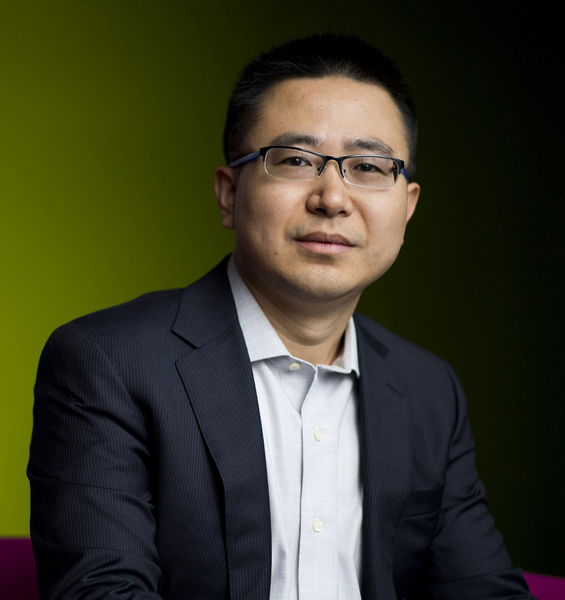
Yun Fu is a Distinguished Professor at Northeastern University, affiliated with the College of Engineering and Khoury College of Computer Science. He holds tenure in Electrical and Computer Engineering (ECE). His roles include Professor, Senior Vice President at Shiseido Americas, founder of Giaran (acquired by Shiseido), and co-founder of TVision Insights. He earned his Ph.D. from the University of Illinois at Urbana-Champaign. His research focuses on artificial intelligence, computer vision, machine learning, and data mining. Key achievements include over 500 publications, 50+ patents, and prestigious awards like IEEE Fellow, OSA Fellow, and AAIA Fellow. He leads the SMILE Lab, exploring AI applications in vision, robotics, and healthcare. Notable entrepreneurship includes AI-driven ventures in cosmetics and media analytics. Research interests emphasize AI-driven solutions for computer vision challenges, including anomaly detection, trajectory prediction, and multimodal learning. His work bridges academia and industry, with impactful contributions to both fields.
Prof. Dr. Andreas Stadlbauer is a medical physicist affiliated with the Clinical Institute for Diagnostic and Interventional Radiology at St. Pölten University Hospital and the Department of Neurosurgery at Friedrich-Alexander University Erlangen-Nuremberg. He holds an adjunct professorship at the University of Erlangen-Nuremberg and contributes to both clinical and academic research in biomedical imaging and AI applications in oncology. University: Friedrich-Alexander University Erlangen-Nuremberg Hospital Affiliation: St. Pölten University Hospital Department: Department of Neurosurgery Academic Rank: Adjunct Professor His research focuses on advanced MRI techniques, particularly physio-metabolic imaging of brain tumors, oxygen metabolism, and the integration of artificial intelligence in clinical diagnostics. He has led research on glioma classification, tumor microenvironment characterization, and deep learning models for radiomic analysis. The recent publications highlight a strong trend toward AI-driven diagnostic tools in neuro-oncology, particularly in differentiating glioblastomas from metastases and predicting genetic mutations using machine learning. His work emphasizes the clinical translation of complex imaging data into actionable insights. Artificial Intelligence in Oncology Medical Imaging and Radiomics Brain Tumor Metabolism Deep Learning for MRI Analysis Oxygen Metabolism Imaging Clinical Decision Support Systems Prof. Stadlbauer has been involved in seed-funded research projects developing deep learning algorithms for clinical integration. He collaborates extensively with neurosurgeons, radiologists, and oncologists across institutions, contributing to multidisciplinary tumor boards and translational research initiatives. He completed his doctorate in medical physics in 2004, habilitation in 2008, and an MBA in Health Management in 2010. His academic journey reflects a blend of technical expertise and leadership in healthcare innovation.
Thomas Blaschke is a Research Fellow at the Department of Geoinformatics - Z_GIS, University of Salzburg. His work bridges geospatial technologies, remote sensing, and sustainable urban systems, emphasizing object-based image analysis (OBIA) as a transformative paradigm in geographic information science. Research Areas : Geoinformatics, Remote Sensing, Spatial Research, Physical Geography, Cartography Blaschke’s publications highlight advancements in OBIA techniques, sustainable landscape management, and urban monitoring using geospatial technologies. His 2014 paper on Geographic Object-based Image Analysis (GEOBIA) demonstrates its integration into modern remote sensing workflows. He has received prestigious awards including the Christian-Doppler-Preis , Marie Curie Research Grant , and Fulbright Professorship , underscoring his international impact. His projects often involve interdisciplinary collaborations, supported by grants from institutions like the European Commission and University of South Carolina. Scientific Awards : Christian-Doppler-Preis des Landes Salzburg Marie Curie Research Grant Förderungspreis der Österreichischen Geographischen Gesellschaft Fulbright Professorship Provost Grant of the University of South Carolina
Prof. Markus Valtiner is a Professor at TU Wien's Department of Applied Interface Physics, focusing on interfacial processes, corrosion science, and electrochemistry. His research combines experimental and theoretical approaches to study solid-liquid interfaces, surface chemistry, and material degradation mechanisms. He leads a team investigating high entropy alloys, passive film structures, and biomimetic membrane systems. Education: Dipl.-Ing. (Diplom-Ingenieur) in Engineering, Dr.techn. (Doctor of Engineering) from TU Wien. Research Interests: Corrosion mechanisms, electrochemical analysis, surface modification, and thin film characterization. His work spans applications in automotive materials, protective coatings, and biomedical systems. Recent Trends: Articles emphasize real-time visualization of ion dynamics, advanced surface analysis via LEIS and AFM, and sustainable material treatments. Studies on hydration layers and superlubrication highlight innovative solutions for friction reduction in confined spaces. Awards: None explicitly mentioned. Advising & Grants: Advised 19 thesis students (2018–2023) on topics like electrochemical functionalization, corrosion protection, and nanophotonic materials. Grant activities focus on interdisciplinary collaborations between physics, chemistry, and engineering. Labs & Teams: Leads the Network Lab at TU Wien, specializing in interfacial physics and advanced materials characterization using cutting-edge microscopy and spectroscopy techniques.
Antonio Plaza is a Full Professor at the University of Extremadura, Spain, and Head of the Hyperspectral Computing Laboratory. With over 600 publications, he is a leading expert in hyperspectral data processing and parallel computing of remote sensing data. He serves as IEEE Fellow and has received numerous accolades, including the 2019 Excellent Teaching Award and multiple Highly Cited Researcher recognitions. Research Interests : His work bridges Hyperspectral Image Analysis , Medical Imaging , and High-Performance Computing . Recent projects focus on 3D anatomical modeling, AI-driven surgical tools, and deep learning applications for aortic dissection segmentation. Scientific Awards : 2019 Highly Cited Researcher (Geosciences) 2015 IEEE Fellow 2019 Excellent Teaching Award 2018 Highly Cited Researcher (Cross-Field) 2002 Best PhD Dissertation, University of Extremadura Editorial Leadership : Served as Editor-in-Chief of IEEE Transactions on Geoscience and Remote Sensing (2013–2017) and held multiple committee roles in IEEE GRSS. His articles reflect a shift from remote sensing to medical imaging, with a focus on Aortic Dissection Segmentation , Skull Reconstruction , and AI-driven Medical Tools .
Johan Hofkens is a full Professor at KU Leuven since 2008, with a career spanning over 25 years in advanced spectroscopy and microscopy development. His work bridges chemistry, materials science, and nanobioscience, focusing on optical spectroscopy techniques and superresolution microscopy applications. Current research integrates fluorescence/SEM microscopy (integrated microscopies) Specializes in single molecule detection (SMS) and perovskite synthesis Applies NASCA microscopy and RESOLFT techniques for nanoscale imaging His publications (>400) and high citation counts (H-index 69) reflect significant contributions to molecular (bio)materials and metal cluster spectroscopy. Awards include: ERC Advanced Grant (2012) Proteomass Scientific Society Award (2016) European Academy of Science membership Prof. Hofkens collaborates internationally through guest professorships at University of Parma and Hokkaido University, and has pioneered innovations in single molecule detection techniques.