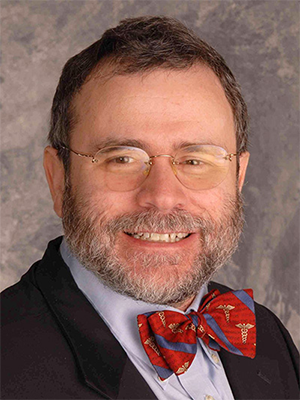
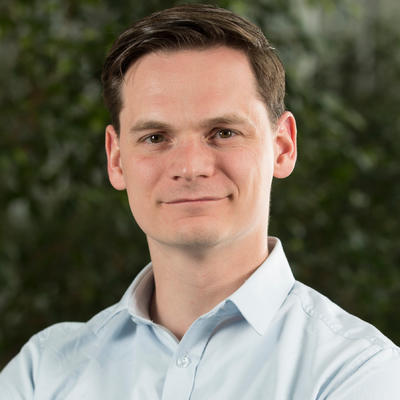
Diego Borro is a Full Professor (Catedrático) in Computer Science and Artificial Intelligence at TECNUN, Technological Campus of the University of Navarra , where he has been part of the faculty since 2004. He is a leading researcher at CEIT since 2003, focusing on Robotics, Virtual/Augmented Reality, Computer Vision, and Artificial Intelligence. His academic credentials include a PhD in Computer Science (2003) and an MS in Computer Science (2000) from the University of Navarra and University of Basque Country respectively. His research spans from 3D tracking and haptics to industry 4.0 applications and medical robotics, with over 34 journal papers and 65 conference articles. He has supervised 14 doctoral theses and participated in 55+ research projects. His leadership roles include heading CEIT's Simulation Unit (2012-2016) and Vision and Robotics (V&R) research line (2016-2022), currently serving as main researcher at Intelligent Systems for Industry 4.0 group (SS4I4). Accredited as Full Professor (Catedrático) by ANECA (3 sexenios) Member of IEEE, ACM, and Eurographics societies Key projects: STEPbySTEP exoskeleton benchmark, WARM AR maintenance systems, and inner ear drug delivery research
Mohit Bansal is the John R. & Louise S. Parker Distinguished Professor and Director of Graduate Admissions in the Computer Science Department at the University of North Carolina Chapel Hill. He leads the MURGe-Lab (UNC-AI Group) and serves as Lead (Core AI) for the ENGAGE NSF-AI Institute. Previously, he was a Research Assistant Professor at TTI-Chicago. Dr. Bansal earned his Ph.D. from UC Berkeley in 2013 under Dan Klein and his B.Tech. from IIT Kanpur in 2008. His research spans Natural Language Processing and Multimodal Machine Learning , with specific expertise in multimodal generative models, grounded and embodied semantics (language with vision/speech for robotics), faithful language generation, reasoning and planning agents, and interpretable deep learning. He employs techniques from structured prediction, reinforcement learning, and model editing to address challenges in compositional generalization and robustness. His recent work focuses on multimodal understanding, vision-language navigation, model merging, and evaluating/factuality in generative models. Trends show increasing emphasis on trustworthy AI, with projects addressing hallucination reduction, cultural bias diagnosis, and safe generation. His publications span top venues including ACL, CVPR, NeurIPS, and ICML, with significant contributions to multimodal foundation models and parameter-efficient learning. AAAI Fellow (2025) Presidential Early Career Award for Scientists and Engineers (PECASE) (2025) IIT Kanpur Young Alumnus Award (2023) DARPA Director's Fellowship (2019) NSF CAREER Award (2019) Microsoft Investigator Fellowship (2019) Outstanding Paper Awards at ACL, CVPR, EACL, COLING, and CoNLL Dr. Bansal has advised numerous PhD students who now hold positions at top institutions including UT Austin, NTU Singapore, JHU, Meta, and Adobe. His lab secures substantial funding from NSF, DARPA, NIH, and ONR, including the $20M NSF-AI Institute on Engaged Learning where he serves as Core AI Lead. Current projects include DARPA's Environment-driven Conceptual Learning (ECOLE) and ONR's Science of Artificial Intelligence program. The MURGe-Lab (Multimodal Understanding, Reasoning, and Generation) develops foundational models for multimodal tasks, with recent work on VideoTree for long video reasoning, SELMA for skill-specific text-to-image experts, and LASeR for adaptive reward model selection. The lab collaborates extensively with industry partners including Google, Meta, and Microsoft.
Will N. Browne is a Professor specializing in Artificial Intelligence with extensive contributions to Learning Classifier Systems, Evolutionary Computation, and Machine Learning. His research spans multiple disciplines including Robotics, Computer Vision, and Explainable AI, with publications in top-tier conferences and journals across these fields. Dr. Browne's research interests primarily center around Learning Classifier Systems, which are rule-based machine learning systems combining reinforcement learning, supervised learning, and evolutionary algorithms. His work has significantly advanced the field by developing methods to scale these systems for complex problems, addressing perceptual aliasing through lateralized learning approaches, and extending them to handle continuous features. He has pioneered the integration of attention mechanisms with rule-based learning, creating more robust systems for applications like emotion recognition from partially covered faces. His recent research strongly emphasizes interpretable and explainable AI, developing evolutionary methods that maintain model transparency while achieving high performance. His scientific contributions show a clear progression from theoretical foundations to practical applications. Early work focused on core Learning Classifier System algorithms and their application to Boolean problems, while recent publications demonstrate successful applications in multi-robot systems, emotion recognition, and human-robot interaction. His publications in IEEE Robotics and Automation Letters, Evolutionary Computation, and Neurocomputing reflect the interdisciplinary nature of his work. Dr. Browne has mentored numerous researchers, with frequent collaborations indicating his role in guiding students and postdocs. His work often bridges theoretical advances with practical implementations, as evidenced by applications ranging from robot navigation and collision avoidance to smart home technology adoption frameworks. He has been instrumental in developing Learning Classifier Systems for real-world problems, particularly focusing on making these systems applicable to continuous domains and enhancing their interpretability. His laboratory appears to focus on creating AI systems that can be understood by humans, which addresses a critical need in the deployment of AI technologies across various domains.
R. Lyle Hood is an Associate Professor in the Department of Mechanical Engineering at The University of Texas at San Antonio (UTSA), within the Margie and Bill Klesse College of Engineering and Integrated Design. He leads the Medical Design Innovations Laboratory, focusing on developing life-saving medical devices for military and civilian emergency applications. His educational background includes: B.S. from the University of Houston M.S. from Virginia Tech-Wake Forest University Ph.D. from Virginia Tech-Wake Forest University Hood's research spans Biomedical Engineering with emphasis on military medical technology , nanofluidic drug delivery , and emergency airway management . His work addresses critical battlefield medical challenges through innovations in portable suction devices, fail-safe drug delivery systems, and optical tissue characterization, significantly enhancing performance and portability in resource-limited environments. Analysis of his 2023-2025 publications reveals dominant trends in military medical technology (40% of recent work), particularly battlefield-ready suction systems and airway management solutions. Substantial research (30%) focuses on nanofluidic drug delivery platforms for HIV prevention and cancer treatment, while optical tissue characterization comprises 20% of his output. While no specific awards are documented in available sources, his military-focused research suggests significant funding from Department of Defense initiatives and biomedical grants. Dr. Hood mentors graduate students in the Medical Design Innovations Laboratory, though specific advisee names aren't publicly listed. His team collaborates extensively with military medical personnel, biomedical engineers, and nanotechnology specialists to rapidly translate laboratory innovations into field-deployable medical solutions.
Sripriya Sundararajan is an Associate Professor in the Division of Neonatology at the University of Maryland School of Medicine, where she serves as Medical Director of the Neonatal Intensive Care Unit and Neonatal Director of OB-MFM relations. Her clinical leadership encompasses oversight of a Level IV NICU, the implementation of evidence-based practices, and coordination of multidisciplinary care for high-risk infants. Dr. Sundararajan received her MD in Pediatrics from Chennai Medical College, India after completing medical school at Stanley Medical College, India. She recertified in Pediatrics and completed her fellowship training in Neonatal-Perinatal Medicine from the University of Virginia. She maintains active membership in the American Academy of Pediatrics (Section on Neonatal-Perinatal Medicine), the Society for Pediatric Research, and serves as a council member of the Eastern Society for Pediatric Research. Her research program focuses on improving outcomes for preterm infants through multiple critical pathways: reducing morbidities including necrotizing enterocolitis and retinopathy of prematurity, studying the impact of red blood cell transfusions, investigating delayed cord clamping benefits, and establishing standardized guidelines for blood product use in the NICU. She has implemented quality improvement initiatives including the WARM bundle to reduce hypothermia and led institutional efforts to incorporate delayed cord clamping into clinical practice. Her work extends to collaborative revisions of neonatal cardiac classification with Maternal-Fetal Medicine and Pediatric Cardiology specialists. The publication record demonstrates consistent focus on neonatal transfusion practices, retinopathy of prematurity, intestinal microbiome development, and neonatal hypothermia prevention. Her most recent work explores intestinal barrier maturation, retinal blood flow measurements, and innovative approaches to managing complex congenital heart disease in infants. Mentor recognition award from the University Of Maryland School Of Medicine and Office of Student Research for transformational impact on medical students (2017, 2018, 2019, 2021) Eastern Society for Pediatric Research – Council Member / Co-Chair for Planning Committee Dr. Sundararajan actively mentors medical students through the Foundations of Research and Critical Thinking program and serves as faculty mentor for Lois Young-Thomas House of the Core Mentoring Group. She has secured NIH R21 and Gerber Foundation grants focusing on intestinal barrier maturation in preterm infants, with responsibilities for IRB protocols, subject enrollment, data collection, and dissemination of results. Her educational contributions include serving as Course Director for the pathophysiology curriculum in the Neonatal-Perinatal fellowship program (2015-2022) and participating in the National Neonatology Curriculum through flipped classroom guides. As Medical Director of a Level IV NICU, she creates systems to evaluate, monitor, and improve patient and team-based care while coordinating obstetric and pediatric subspecialty providers. Her leadership extends to mediating conflicts between providers and families and serving as liaison between NICU staff and hospital administration.
Giovanni M. Lasio, PhD is an Associate Professor in the Department of Radiation Oncology at the University of Maryland School of Medicine. He also serves as the Radiation Safety Officer for the department. His research focuses on imaging in radiotherapy and dosimetry for radiobiological experiments. Education: Laurea in Physics from University of Torino, PhD in Physics and Astronomy from University of California at Irvine, postdoctoral training at Virginia Commonwealth University. Dr. Lasio's work bridges medical imaging and radiation physics , with core contributions to CT image quality improvement and accurate dosimetry in both clinical and research settings. His research emphasizes collaboration between physicists and biologists for precision radiation applications. Recent publications highlight trends in Cone Beam CT optimization , image-guided lung therapy , deep learning for fibrosis segmentation , and small animal dosimetry . These works span Medical Physics , Radiation Oncology , and Biomedical Imaging disciplines. Dr. Lasio collaborates extensively in radiation biology teams and clinical research groups at University of Maryland Upper Chesapeake Medical Center, with ongoing projects in dose accuracy and image-guided protocols . He has contributed to multi-center dosimetry standardization efforts through publications and technical reviews.
Dr. Vinita Patanaphan is a Clinical Associate Professor in the Department of Radiation Oncology at the University of Maryland School of Medicine. She practices at the Upper Chesapeake Hospital in Bel Air, MD, specializing in advanced radiation therapies including intensity-modulated radiation therapy (IMRT), stereotactic body radiation therapy (SBRT), and tomotherapy. With over four decades of experience, she has performed more than 300 intracavitary applications and 150 interstitial implants for gynecologic, breast, and gastrointestinal cancers. Education and Training: Premedical Education - Mahidol University, Thailand (1967) M.D. - Siriraj Hospital, Mahidol University, Thailand (1971) Rotating Internship - Police General Hospital, Thailand (1972) General Practitioner Residency - Police General Hospital, Thailand (1974) Rotating Internship - Perth Amboy General Hospital, USA (1975) Radiation Therapy Residency - University of Maryland Hospital, USA (1978) Research Focus: Dr. Patanaphan's expertise centers on brachytherapy techniques and the treatment of breast, prostate, gastrointestinal, and gynecologic cancers. Her research emphasizes metastatic patterns, prognostic factors, and optimizing radiation delivery systems. She has pioneered work in high-dose-rate brachytherapy and radioactive implants for complex malignancies. Publication Trends: Her 15 most recent articles demonstrate a consistent focus on radiation oncology advancements, particularly in gynecologic and gastrointestinal cancers. Key themes include brachytherapy dosimetry, metastatic behavior analysis, prognostic factor identification, and innovative applications of CT-guided treatment planning. Her work frequently addresses clinical challenges in cervical, breast, and colorectal malignancies.
Vasil Hnatyshin is a Full Professor and Department Head of the Department of Computer Science within the College of Science & Mathematics at Rowan University. He has established himself as a prominent figure in computer science education and research, with a focus on network technologies and data science applications. His educational background includes: Ph.D. in Computer and Information Sciences from the University of Delaware M.S. in Computer and Information Sciences from the University of Delaware B.S. in Computer Science from Widener University Hnatyshin's research expertise spans multiple critical areas of computer science, with particular emphasis on Internet and Computer Networks, Computer and Network Security, and Data Science. His work bridges theoretical concepts with practical applications, especially in network simulation and security protocols. He has developed innovative approaches to network modeling and has contributed significantly to the understanding of routing protocols in mobile ad hoc networks. His recent research has expanded into machine learning applications, particularly in metabolomics and clustering algorithms, demonstrating his ability to apply computational methods to interdisciplinary problems. An analysis of his publication record reveals a consistent research trajectory focused on computer networking fundamentals that has evolved to incorporate data science and machine learning techniques. His early work centered on network protocols, bandwidth distribution, and quality of service mechanisms, while more recent publications demonstrate an expansion into data clustering algorithms, machine learning applications, and wireless communication systems. This evolution reflects the broader shifts in computer science research toward data-intensive approaches while maintaining his foundational expertise in network technologies. Dr. Hnatyshin has secured significant research funding through multiple collaborative projects with Bristol-Myers Squibb (BMS), serving as Principal Investigator on several initiatives including the Rowan-BMS Collaboration projects spanning from 2014 to 2022. These projects focused on areas such as PCO project development, automated image classification frameworks, EDM software improvements, and automated data analysis. Hnatyshin is an active member of professional organizations including the Association for Computing Machinery (ACM) and the Institute of Electrical and Electronics Engineers (IEEE), demonstrating his engagement with the broader computer science community. His work has been cited numerous times, with his OPNET User Guide book being particularly influential in network simulation education and practice.
Dr. Flavia Rodrigues de Oliveira Silva is a Senior Research Assistant at the School of Chemical Engineering, University of Queensland. Her work focuses on the biomedical and analytical applications of metal and ceramic nanoparticles. Research Interests : Nanoparticle synthesis and characterization Dentistry and biomaterials Cancer diagnostics via porphyrin fluorescence Antimicrobial nanomaterials Optical sensing and spectroscopy Lipid/metabolic biomarker detection Publications : Her 15 most recent papers span 2024–2019, covering dental materials, antibacterial nanocomposites, cancer biomarkers, and sustainable nanoparticle synthesis methods. Collaborations : She frequently collaborates with Lilia Coronato Courrol and Maria Helena Bellini on fluorescence-based diagnostic projects.
Prof. Nassir Navab is a full professor and director of the Chair for Computer Aided Medical Procedures & Augmented Reality at the Technical University of Munich (TUM) School of Computation, Information and Technology. He leads the Medical Augmented Reality summer school series and is a member of Academia Europaea. Education: Mathematics and Physics, Computer Engineering and Systems Control, PhD at INRIA/Paris XI Professional History: Postdoctoral research at MIT Media Lab; Distinguished Member of Technical Staff at Siemens Corporate Research (1993–2003); Full Professor at TUM since 2003 Leadership Roles: Board Member of MICCAI (2006–2012, 2014–2017); Editorial Board Member of IEEE TMI, MedIA, IJCV His research focuses on bridging medicine and computer science through Computer Vision , Medical Augmented Reality , and Robot-Guided Surgery . He pioneered digital surgical workflow modeling (2005) and robotic imaging (2012), with over 100 patents and 90,926 citations (h-index 129). Recent publications highlight AI-driven medical imaging trends, including ultrasound-CT registration , reinforcement learning for robotic sonography , and semantic scene graphs for operating room modeling . Collaborations span institutions like Johns Hopkins University and cover applications in ophthalmology , oncology , and orthopedic interventions . MICCAI Enduring Impact Award 2021 IEEE ISMAR Career Impact Award 2024 IEEE ISMAR 10 Years Lasting Impact Award 2015 Siemens Inventor of the Year 2001 16 Best Paper Awards at MICCAI He mentors teams advancing medical AI and surgical robotics , with labs like CAMP and NARVIS. His work also emphasizes medical education , including courses on Computer Science for Medical Students and Innovation in Healthcare .
Dr Jessica Schults is a Senior Research Fellow at the School of Nursing, Midwifery and Social Work within the Faculty of Health, Medicine and Behavioural Sciences at The University of Queensland. She is also a Queensland Government Clinical Research Fellow and an incoming NHMRC Emerging Leadership Fellow (2026) based at the Herston Infectious Diseases Institute. With a background as a pediatric critical care nurse, Dr Schults focuses on reducing healthcare-associated infections through improved hospital surveillance, safer invasive device care, and rapid evidence translation. Education: Postgraduate Diploma in Nursing Science, James Cook University Masters (Research) of Applied Science, Queensland University of Technology Doctor of Philosophy, Griffith University Dr Schults' research program aims to reduce the burden of healthcare-associated infections through better hospital surveillance, safer invasive device care, and rapid translation of evidence. She has extensive clinical experience in critical care with a particular passion for ventilator associated infections. Her work strongly emphasizes the application of digital technologies, including AI-enabled risk prediction and clinical decision support tools. She is committed to growing the next generation of clinician-researchers, in-particular, in the underrepresented field of nursing. Dr Schults' recent publications demonstrate a strong focus on infection prevention, particularly related to vascular access devices and pediatric critical care. Her work spans systematic reviews, randomized controlled trials, and consensus methodologies like Delphi studies. Key themes include catheter-related bloodstream infections, endotracheal suction practices, and healthcare-associated infection surveillance. She frequently employs advanced statistical methods and has a growing body of work on the application of technology in improving vascular access outcomes and infection prevention. Major Awards and Fellowships: Queensland Government Clinical Research Fellow incoming NHMRC Emerging Leadership Fellow (2026) Dr Schults is actively supervising three PhD students on projects related to heparinization protocols, the IVCare adaptive platform trial, and alcohol withdrawal assessment in ICU. She has received significant funding including NHMRC MRFF Clinical Trials Activity grants (2025-2030), NHMRC TCR Collaborations in Health Services Research grants (2025-2027), and several other competitive grants focused on infection prevention and vascular access. She is a Chief Investigator on the IVCare adaptive platform trial, which evaluates strategies to prevent catheter-related bloodstream infections, and leads the NHMRC-funded REBUILD project, which aims to strengthen national infection control systems using a learning health system approach. Dr Schults holds leadership roles with the Australian and New Zealand Intensive Care Society, serves as a board member for the ANZ Intensive Care Foundation, and is a technical advisor to the Australian Commission on Safety and Quality in Health Care. She has strong, established partnerships with national and international healthcare consumers, organizations, and health services.
Daniel M. Siegel, MD, Clinical Professor of Dermatology at SUNY Downstate Health Sciences University, is a board-certified dermatologist and fellow of the American Academy of Dermatology (AAD), American College of Mohs Surgery (ACMS), and American Society for Mohs Surgery. He served as President of the AAD and the Noah Worcester Dermatological Society (2019-2021). Internationally, he was a board member of the International League of Dermatological Societies (2015-2023) and currently serves as vice president of the International Society of Dermatology. He also contributes to debRA International and the Regional Dermatology Training Center in Tanzania. Dr. Siegel's education includes: Undergraduate: Rensselaer Polytechnic Institute Medical School: Albany Medical College Internship: Categorical Diversified Internal Medicine Intern, Albany Medical Center Hospital Residency: Dermatology Resident and Chief Resident, Parkland Memorial Hospital UT Southwestern Fellowship: Mohs Micrographic Surgery and Dermatologic Surgery, Baylor College of Medicine Additional: Master of Science in Management and Policy from SUNY Stony Brook; Advanced Certificate in Labor/Management His research focuses on skin cancer, cutaneous surgery, non-invasive imaging, computer applications in dermatology, botanical therapeutics, and payment policy. With over 200 publications, recent work includes melanoma detection, optical coherence tomography for Mohs surgery, phototherapy for wound healing, and ultraviolet radiation effects. This interdisciplinary research bridges dermatology, engineering, and public health to improve clinical outcomes and healthcare systems. Dr. Siegel has received numerous awards, including: 2023 American Academy of Dermatology Gold Medal 2013 American Skin Association Public Policy & Medical Education Award 2012 Clinical Educator Award from the Winter Clinical Dermatology Conference Multiple American Academy of Dermatology Presidential Citations 2009 President’s Volunteer Service Award Honorary membership in the American Academy of Dermatology (2015) As a Clinical Professor, Dr. Siegel mentors dermatology trainees and has served on the Scientific Program Committee for the Noah Worcester Dermatological Society. He represented the AAD on the AMA Specialty Society RVS Update Committee (2003-2010) and currently advises it, influencing dermatology reimbursement policy. His international work includes supporting the Regional Dermatology Training Center in Tanzania.
Donald Degraen is a Lecturer at the University of Canterbury 's Human Interface Technology Laboratory (HIT Lab NZ) within the Faculty of Engineering . His research intersects haptic perception , digital fabrication , and virtual reality , focusing on physical artifacts that enhance digital experiences. Current appointments: Lecturer at HIT Lab NZ (2024-present) Education: PhD in Computer Science (2023), M.Sc. in Electrical Engineering (2012), B.Sc. in Industrial Engineering (2005) Research Expertise spans multiple domains: Human-Computer Interaction : User-centered design methods, psychophysical experiments Virtual Reality : Physical gamification, haptic feedback systems Digital Fabrication : 3D printing (FDM, SLA, SLS), procedural generation Haptic Experience Design : Tactile texture generation, sensory substitution Living Media Interfaces : Ambient feedback systems, plant-based interfaces Recent publications demonstrate expertise in: Haptic feedback mechanisms (TactStyle, WinDirect) Physical gamification (EcoMeal, Hakoniwa) VR interaction techniques (CollabJam, spatial haptics) Exergaming applications Metamaterials for haptics Passive haptic devices Supervision : Registered to guide Master's/Doctoral students with 6 research-based degrees supervised (2023-2025). Courses taught include Human Interface Technology - Design and Evaluation (HITD602) and Human Interface Technology - Prototyping and Projects (HITD603).
Vicky Kalogeiton is a Professor in AI at École Polytechnique's Computer Science Laboratory (LIX) and heads the VISTA team. She is a core member of ELLIS Paris, contributing to multimodal generative AI with focus on efficiency, structured outputs, and medical applications. Her work appears in top venues like CVPR, ICCV, ECCV, and IJCV, emphasizing open science and slow research principles. PhD from University of Edinburgh/INRIA Grenoble with Vittorio Ferrari and Cordelia Schmid Research Fellow at VGG, University of Oxford Organizer of CVPR 2025 and Hi!Paris Summer School Her research spans generative AI (diffusion models, flow matching), medical imaging (renal transplant analysis, brain disorders), and cinematic AI (camera control, humor detection). Key projects include E.T. dataset for camera trajectories, FunnyNet-W for multimodal humor analysis, and SCAM for semantic image generation. Recent work demonstrates state-of-the-art performance in visual geolocation (CVPR 2024), optical video generation (AKiRa), and character-aware camera motion (E.T. dataset). She has secured grants from ANR, Hi!Paris, and Microsoft. Program Chair, CVPR 2027 Diversity Chair & Area Chair, ICCV 2025 Best Paper Awards (ICCV-W 2021, ACCV 2022 Honorable Mention) Outstanding Reviewer Awards (ICCV 2021, ECCV 2020) She supervises PhD candidates in generative modeling , medical AI , and reinforcement learning . Collaborations span institutions including Inria, MBZUAI, and MPI.
Dr. Dan Xu is a Postdoctoral Researcher at the Visual Geometry Group (VGG) within the Department of Engineering Science at the University of Oxford. His research focuses on computer vision, machine learning, and deep learning, particularly for 2D/3D scene understanding tasks including depth estimation, object detection, and image generation. Ph.D. in Computer Science (2018), University of Trento Research Assistant, Chinese University of Hong Kong Dr. Xu's research spans computer vision and deep learning , with specific interests in scene depth prediction , visual SLAM , object contour detection , and generative adversarial networks . Recent work explores 3D Gaussian splatting , diffusion models , and multi-task learning . Key research trends include 3D scene reconstruction , controllable video generation , and multi-modal alignment . His publications emphasize neural radiance fields , attention mechanisms , and generative models for advanced visual tasks. Best Paper Award Nominee at ACM Multimedia 2018 Best Scientific Paper Award at ICPR 2016 Student Travel Grant (SIGMM/ACM Multimedia 2016) Dr. Xu contributes to open-source projects and provides training/testing code for his research. He actively reviews for premier journals and conferences including CVPR , NeurIPS , and TPAMI .