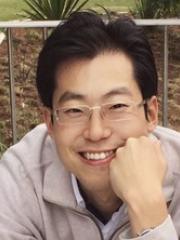
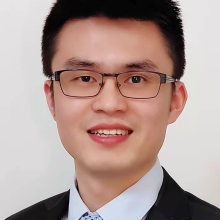
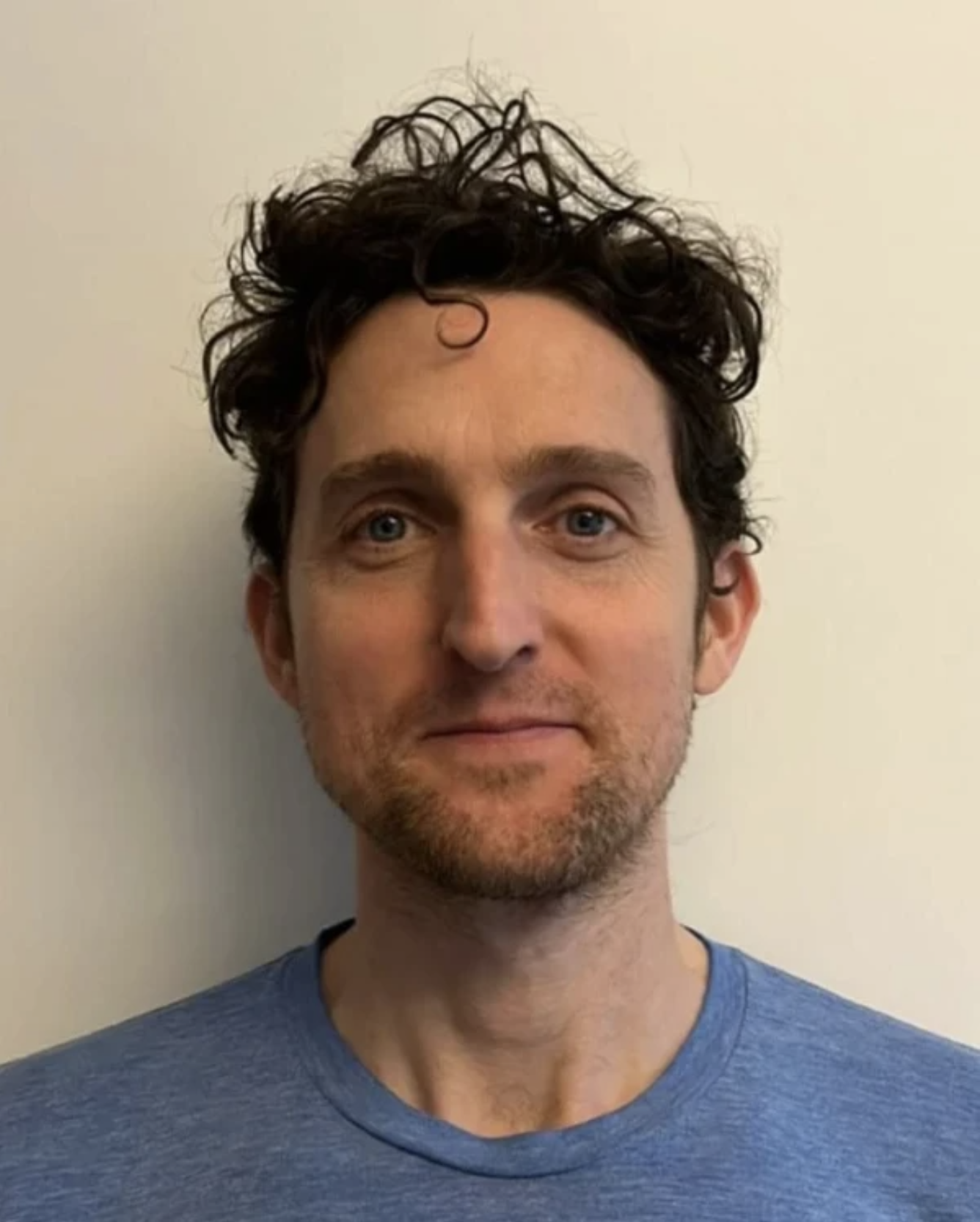
Xiang Yin is a Research Associate at the Department of Computing in Imperial College London , affiliated with the Computational Logic and Argumentation group (CLArg) . His work bridges Explainable AI (XAI) and Computational Argumentation (CA) , focusing on the explainability of Quantitative Bipolar Argumentation Frameworks (QBAFs) through attribution and counterfactual explanations. Research Interests: Explainable AI (XAI) Computational Argumentation Quantitative Bipolar Argumentation Frameworks Model Interpretability Human-AI Interaction Logical Reasoning for AI Publication Trends reveal a focus on argumentation-based explainability, with 2025-2024 works addressing large language models for claim verification, truth-discovery frameworks, and counterfactual explanations. Earlier works (2023-2022) explore random forest explanations, faithfulness criteria, and QBAF analysis. His 2018 publications on aircraft prediction systems demonstrate applied machine learning expertise. Education PhD in Artificial Intelligence under Prof. Francesca Toni and Dr. Nico Potyka Pre-PhD: Machine Learning R&D Engineer at Baidu Labs & Teams Xiang is part of the CLArg group at Imperial College London, focusing on integrating computational argumentation with AI explainability and contestability.
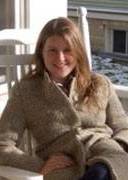
Amy Vaughan Van Hecke serves as Assistant Chair and Professor in Marquette University's Department of Psychology, leading research on autism spectrum disorder (ASD) and social development across the lifespan using neuroimaging and psychophysiological methods. She directs community initiatives to improve autism services access for underserved Milwaukee populations through the Next Step Clinic. Her academic foundation includes: B.A. in Psychology from Smith College Ph.D. in Developmental Psychology from the University of Miami Dr. Van Hecke's research centers on brain activity, heart rate regulation, and social behavior in individuals with and without ASD, utilizing high-density EEG and MRI to examine neural responses to interventions like PEERS ® . Current projects investigate pandemic impacts on social interaction in autistic adults and neural mechanisms of social isolation remediation. Her work bridges laboratory neuroscience with community-based clinical applications. Publication analysis reveals consistent focus on intervention efficacy (particularly PEERS ® ), neural plasticity measurement, and comorbid conditions across developmental stages. Recent work emphasizes gender-specific outcomes, family impacts, and pandemic-related mental health, demonstrating methodological diversity from EEG asymmetry to community-based participatory research. Her distinguished scientific recognition includes: Kirschstein National Research Service Award (NRSA) from the National Institute of Mental Health Dr. Van Hecke mentors students through her Marquette Autism Project lab and the Next Step Clinic training program while securing major grants from Marquette University, Johnson Controls Foundation, and the Greater Milwaukee Funders’ Collaborative. She teaches undergraduate/graduate courses in developmental psychology and statistics. Advising: Clinical psychology graduate mentorship (excluding 2025 intake); undergraduate research supervision Grants: $500k+ secured for Next Step Clinic serving underserved Milwaukee children She co-directs the Marquette Interdisciplinary Autism Initiative and the Next Step Clinic, which employs a Family Navigation model in Milwaukee's Metcalfe Park neighborhood to provide autism screening, diagnosis, and therapy for children aged 15 months-10 years facing systemic barriers to care.
Prof. Dr. Wolfgang Nejdl is a Professor at the Institute for Data Science within the Faculty of Electrical Engineering and Computer Science at Leibniz University Hannover. He serves as Executive Director of the L3S Research Centre and Leibniz Forschungszentrum Inclusive Citizenship. Web Science Information Retrieval Artificial Intelligence Deep Learning His recent research focuses on AI applications in medicine , multimodal data fusion , and ethical AI systems . Projects include CAIMed (AI in Causal Medicine) and DAISEC (AI & Cybersecurity). His publications span conferences like AAMAS, WWW, and SIGIR. Notable awards include membership in the National Academy of Science and Engineering (acatech) . Former students hold positions at institutions like Stanford, TU Dresden, and ETH Zürich. Current projects involve climate resilience AI , federated learning for healthcare , and quantum-inspired data science .
SangHyung Ahn is a Lecturer at the School of Civil Engineering , University of Queensland (UQ), since 2017. He joined UQ as a postdoctoral research fellow in 2015 after earning his PhD in Civil Engineering (Construction Engineering and Management) from Purdue University, USA. Prior to his academic career, he worked as an assistant manager at Hyundai Engineering and Construction Co., Ltd. (2003-2007) and holds an MBA in international business from Hanyang University and a B.Sc in Civil Engineering from Korea University. Research Focus: Construction process modelling with virtual reality, decision support systems for construction, automation of data-driven simulation modelling, sensor-based operations analysis, and integration of Building Information Modelling (BIM). Teaching: Coordinates undergraduate courses Introduction to Project Management (CIVL3510) and Construction Engineering Management (CIVL4522) . Research Trends: His recent publications highlight interdisciplinary work in transportation engineering, structural design, and AI-driven simulation tools. Key themes include application of machine learning to car-following models, drone-based vehicle identification, and optimization of public transport systems using agent-based simulations. Supervision: Available for supervision, with completed supervision of PhD and Master’s theses on topics such as BIM-LCA integration, pedestrian trajectory analysis, and AI-driven driving behavior models.
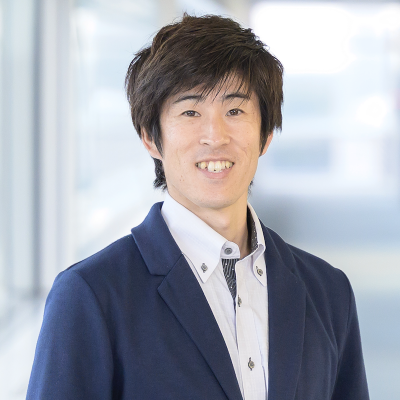
Hirokatsu Kataoka serves as Chief Senior Researcher at the National Institute of Advanced Industrial Science and Technology (AIST) in Japan, with multiple academic affiliations including Academic Visitor at the Visual Geometry Group (VGG) at University of Oxford, Visiting Associate Professor at Keio University, and Adjunct Associate Professor at Tokyo Denki University. He is Principal Investigator of both cvpaper.challenge and LIMIT.Lab, and serves as Research Advisor for SB Intuitions. Dr. Kataoka earned his Ph.D. in Engineering from Keio University (April 2011 - March 2014), where he received the Fujiwara Prize in 2014 as valedictorian equivalent. His research primarily focuses on innovative pre-training methodologies that eliminate dependency on natural image datasets, with his Formula-Driven Supervised Learning (FDSL) framework being particularly influential in the field. Kataoka's research interests center around representation learning with limited data resources, including zero-shot, unsupervised, and synthetic learning approaches. His work explores how visual/multimodal models can be effectively trained with minimal real-world data, addressing critical ethical concerns related to large-scale datasets. He has pioneered methods using fractal geometry, mathematical formulas, and procedural generation to create effective pre-training frameworks that rival traditional ImageNet-based approaches. His publication record shows a clear trajectory toward solving the challenges of learning with limited resources, with recent work expanding FDSL to audio processing, microfossil analysis, and visible-to-infrared translation. His papers consistently address the core challenge of building robust visual recognition systems without relying on massive annotated datasets, with increasing focus on practical applications across diverse domains. Scientific Awards & Recognition ACCV 2020 Best Paper Honorable Mention Award for 'Pre-training without Natural Images' AIST Best Paper Award (2019, 2022) BMVC 2023 Best Industry Paper Finalist Featured in MIT Technology Review His 3D ResNets paper ranks among the top 0.5% most-cited CVPR papers over a five-year period Dr. Kataoka actively advises numerous researchers across multiple institutions, with his research team comprising Ph.D. and Master's students from various universities. He has served as Area Chair for CVPR 2024 and 2025, will serve as IEEE TPAMI Associate Editor beginning in 2025, and organizes the LIMIT Workshop series at major computer vision conferences. His LIMIT.Lab, established in June 2025, serves as a collaboration hub focused on building multimodal AI models under constrained resources including compute, data, and labels.
Guojun Chen is an Assistant Professor at the Department of Biomedical Engineering and a member of the Rosalind & Morris Goodman Cancer Institute (GCI) at McGill University . His research focuses on engineering intelligent biomaterials for precision medicine , with emphasis on non-viral genome editing , cold atmospheric plasma (CAP) therapy , and biomaterials-mediated immunotherapy . The lab operates in a multidisciplinary environment , integrating principles from materials science , chemistry , biology , and health sciences . Education : Ph.D. from University of Wisconsin-Madison (2017), Postdoc at UCLA (2020) Research Themes : Genome Editing Delivery : Designing non-viral vectors for efficient CRISPR/Cas9 delivery in vivo. CAP-mediated Immunotherapy : Developing portable cold plasma devices to synergize with immune checkpoint blockade and study CAP’s immunological mechanisms. Biomaterials-based Immunotherapy : Reprogramming tumor microenvironments using bioresponsive materials to enhance immune responses. Publication Trends : Recent work spans responsive nanomaterials , genomic editing systems , and plasma oncology , with a focus on cancer immunotherapy , diabetes diagnostics , and bioinspired medical devices . Scientific Awards : Canada Research Chair (2024, 2025) McGill's President's Prize for Emerging Researchers (2025) FRQS Chercheurs-boursiers (2022) Chinese Association for Biomaterials Young Investigator Award (2022) NSERC Discovery Grant (2021) Advising & Grants : Supervises 14 current graduate and undergraduate students. Secured $5M+ in funding from CIHR , NSERC , CCS , and CFI , including multi-institutional collaborations with Dr. Morag Park , Dr. Réjean Lapointe , and Dr. Ian Watson .
Benedikt Günther is a research scientist at the Technical University of Munich (TUM) working within the Chair of Biomedical Physics led by Prof. Dr. Franz Pfeiffer. His research focuses on the Munich Compact Light Source (MuCLS), a laboratory-scale inverse Compton X-ray source that provides synchrotron-like radiation for biomedical applications. Günther plays a key role in developing, optimizing, and characterizing this innovative technology, contributing to both its fundamental physics and practical medical applications. His primary research interests center around X-ray physics and imaging techniques, particularly laser enhancement cavities for inverse Compton X-ray sources, X-ray microscopy, dynamic phase-contrast imaging, and X-ray spectroscopy. Günther's work bridges fundamental physics with practical medical applications, developing instrumentation that brings synchrotron-quality imaging to conventional laboratory settings. His research has significant implications for improving medical diagnostics while making advanced imaging techniques more accessible. Analysis of Günther's publication record reveals a consistent focus on advancing compact X-ray source technology and its applications. His work demonstrates expertise in both theoretical modeling and experimental implementation, with publications spanning instrument development, imaging techniques, and specific medical applications. The research shows progression from fundamental source characterization to increasingly sophisticated biomedical applications, particularly in breast imaging, dental diagnostics, and materials science. 2019 Best Poster Award at the combined meeting of the 68th Denver X-ray Conference (DXC) & 25th International Congress on X-ray Optics and Microanalysis (ICXOM) for 'Full-Field Structured Illumination Super-Resolution X-ray Transmission Microscopy' Günther regularly presents his work at major international conferences including the International Particle Accelerator Conference, High-Brightness Sources and Light-driven Interactions Congress, and specialized X-ray imaging meetings. His research is conducted within the Munich Compact Light Source facility, a collaborative project involving physicists, engineers, and medical researchers working to develop laboratory-scale synchrotron technology for widespread biomedical use.
Prof. Yair Weiss is a faculty member at the School of Computer Science and Engineering, The Hebrew University of Jerusalem . He holds a PhD in Brain and Cognitive Sciences from MIT and an MSC in Applied Mathematics from Tel-Aviv University. Education: MSc in Applied Mathematics, Tel-Aviv University (1993) PhD in Brain and Cognitive Sciences, MIT (1998) His research focuses on Human and Machine Vision , Machine Learning , Bayesian Methods , and Neural Computation . Recent work explores adversarial examples, generative models, and robustness in neural networks. Recent publications highlight trends in: Understanding neural network representations Advancements in GANs and adversarial training Image restoration and translation techniques Perceptual distance modeling Bayesian approaches to computer vision Mathematical analysis of deep learning architectures
Michael Harrison is an Assistant Professor in the Department of Cell and Developmental Biology at Weill Cornell Medicine, where he leads the Regeneration and Development Lab within the Graduate School of Medical Sciences. His research focuses on vascular development and regeneration using zebrafish as a model organism, with emphasis on coronary and cerebral vasculature. Education: B.Sc. in Genetics, University of Edinburgh (2005) Ph.D. in Developmental Genetics, University of Sheffield (mentor: Vincent Cunliffe) Postdoctoral Fellowship, Saban Research Institute, Children’s Hospital Los Angeles (CIRM Fellow) Harrison's research centers on understanding how blood and lymphatic vessels form and regenerate, particularly in the heart and brain. His lab investigates coronary vessel development, the role of lymphatic systems in inflammation and regeneration, and revascularization after injury. By leveraging zebrafish genetics and advanced imaging, his work aims to uncover pathways that could be harnessed for regenerative therapies in humans. His recent publications reveal key signaling mechanisms such as Cxcr4-Cxcl12 in coronary development and the two-step formation of cardiac lymphatics. The 15 most recent articles demonstrate a strong, consistent research trajectory in vascular biology and regeneration, with increasing use of advanced techniques like single-nuclei multiomics, fluidic imaging devices, and CRISPR-based genome editing. His work spans developmental mechanisms, functional imaging, and translational applications in cardiac repair. Scientific Awards: No awards explicitly mentioned in the provided text. Harrison actively mentors a team of postdoctoral fellows, research assistants, and students, several of whom have progressed to medical school or research careers. His lab collaborates extensively, particularly with Ching-Ling Lien's group. He has secured research space and funding to support ongoing projects in cardiac and cerebral vasculature. The lab is actively recruiting rotation students from BCMB, PBSB, IMP, and Tri-Institutional programs, as well as postdoctoral researchers and research assistants, indicating an expanding research team and active grant support. Labs and Teams: Regeneration and Development Lab, Weill Cornell Medicine Collaborations with Ching-Ling Lien Lab Member of Tri-Institutional PhD Programs Active participation in BCMB, PBSB, and IMP training programs
Daniel Sage is a Lecturer and Scientific Advisor at École polytechnique fédérale de Lausanne (EPFL) , affiliated with the Biomedical Imaging Laboratory (LIB) under the College of Engineering (STI) and School of Life Sciences (SV) . He specializes in bioimage informatics , structured-illumination microscopy , and deep learning applications for biomedical imaging. His work spans algorithm development for single-molecule localization microscopy (SMLM) , fluorescence imaging , and 3D reconstruction . His research group has developed open-source tools like FlexSIM for light inhomogeneity correction, DeepImageJ for integrating deep learning in ImageJ, and Steer'n'Detect for orientation-accurate template detection. His publications focus on correcting multiple-blinking artifacts in PALM, optimal transport metrics for SMLM evaluation, and contextual feature analysis for xenograft cell classification. He mentors PhD students and contributes to interdisciplinary education through courses such as Bioimage Informatics and Fundamentals of Image Analysis , emphasizing practical software solutions and Java programming for bioimage processing. His collaborations include institutions like Howard Hughes Medical Institute and Centre National de la Recherche Scientifique (CNRS) .
Bertrand Jean-Claude serves as a Senior Scientist at the Research Institute of the McGill University Health Centre (RI-MUHC) at the Glen site and holds a Professorship in the Department of Medicine within McGill University's Faculty of Medicine and Health Sciences. His primary affiliation lies with the Metabolic Disorders and Complications Program under the Centre for Translational Biology. His research centers on innovative anticancer drug development, specifically focusing on the design and synthesis of multitargeted drug candidates engineered to simultaneously block multiple pathways in tumor cells. Key methodologies include kinase inhibitor development , molecular modeling , and pharmacokinetic analysis of combi-drugs—hybrid molecules designed for dual mechanisms of action such as EGFR receptor inhibition coupled with DNA damage. His publication history reveals consistent contributions to molecular oncology, with recent work emphasizing EGFR and DNA repair pathway dual targeting Fluorescence-based drug distribution tracking Overcoming P-glycoprotein-mediated drug resistance Stable combi-molecule fragmentation mechanisms His work bridges medicinal chemistry and translational cancer research, aiming to develop more effective tumor-selective therapies. Jean-Claude maintains active laboratory operations within the RI-MUHC's Centre for Translational Biology, where his team investigates combi-targeting strategies for oncology applications. His research program receives support through institutional frameworks of McGill University and the RI-MUHC, with emphasis on translating molecular discoveries into preclinical therapeutic candidates.
Phu Nguyen is an Associate Adjunct Professor in the Department of Civil and Environmental Engineering at the Samueli School of Engineering, University of California, Irvine. His academic background includes a Ph.D. in Civil Engineering from UC Irvine (2014), an M.S. in Engineering Science from the University of Melbourne (2008), and a B.Sc. in Civil Engineering from Bach Khoa University HCMC Vietnam (2003). Education Ph.D., University of California, Irvine, 2014 M.S., University of Melbourne, 2008 B.Sc., Bach Khoa University, 2003 Nguyen’s research focuses on flood modeling and forecasting, with a strong emphasis on satellite-based precipitation estimation. He has developed systems like CONNECT for analyzing large-scale rainfall systems, RainSphere for integrated satellite data tools, iRain for real-time rainfall observations, and DataPortal for on-demand data processing. His work leverages machine learning, GIS, and remote sensing technologies to improve hydrologic and disaster management applications. Recent publications highlight his integration of deep learning and satellite infrared/microwave data to enhance precipitation estimation accuracy. Key contributions include bias correction frameworks, tropical cyclone detection models, and evaluations of climate data records like PERSIANN-CCS-CDR. Nguyen is actively affiliated with the Center for Hydrometeorology & Remote Sensing (CHRS) at UC Irvine, where he contributes to advancing satellite precipitation methodologies and their hydroclimatic applications.
Jennifer Ryan is a Professor of Numerical Analysis and Division Head of Numerical Analysis, Optimization, and Systems Theory at the Department of Mathematics, KTH Royal Institute of Technology. Her research focuses on designing and developing numerical schemes to extract accuracy from simulations, particularly through superconvergence properties and computational efficiency improvements. She applies these techniques to applications such as imaging, fluid visualization, and plasma dynamics. Education: PhD in Applied Mathematics, Brown University; MS in Mathematics, Courant Institute; BA in Applied Mathematics, Rutgers University. Professional Activities: Member of editorial boards for BIT Numerical Mathematics, ESAIM:M2AN, and Communications on Applied Mathematics and Computation; Steering committee member of AWM's Women in Numerical Analysis and Scientific Computing (WINASc). Her publications emphasize discontinuous Galerkin methods, SIAC filtering, and applications in fluid dynamics. She has served on multiple grant review panels and received awards for diversity and inclusion initiatives. Grants: Principal Investigator for projects funded by the Swedish Research Council, NSF, and US Air Force Office of Scientific Research. Awards: Fellow of UK Higher Education Academy, DAAD Fellowship, and Householder Fellowship.
Trond Vidar Hansen is a Professor at the Department of Pharmacy, University of Oslo , and leads the LIPCHEM research group . He collaborates with institutions including the University of Bergen and Vestlandets Innovasjonsselskap through the VITADEL project, which recently received NOK 5,000,000 in verification support from the Research Council of Norway. His research focuses on the synthesis and biological evaluation of specialized pro-resolving lipid mediators derived from omega-3 fatty acids, with applications in inflammation resolution, neuroinflammation, and drug development. University : University of Oslo Department : Department of Pharmacy Research Group : LIPCHEM Collaborations : University of Bergen, Vestlandets Innovasjonsselskap Research Interests : H Hansen's work centers on the organic synthesis of bioactive lipid derivatives, particularly pro-resolving mediators from omega-3 polyunsaturated fatty acids. His team investigates their roles in inflammatory disease models , neuroinflammation , and PPAR receptor activation , aiming to develop therapeutic agents for conditions like chronic pain, diabetes, and neurodegenerative disorders. The research integrates stereoselective chemistry , biochemical profiling , and pharmacological evaluation to validate these mediators' clinical potential. Recent Awards : 2025: NOK 2,000,000 verification support from Research Council of Norway 2025: Co-leader of NOK 5,000,000 VITADEL project Publications : His articles (2015–2024) reveal a focus on stereoselective synthesis of resolvins, protectins, and maresins, with applications in anti-inflammatory and neuroprotective therapies . Key subfields include omega-3 metabolite profiling , PPAR agonist design , and biosynthetic pathway elucidation , often utilizing human cell models and mouse disease models . Collaborative projects emphasize commercialization of academic research and translational medicine .
Jessica J. Walsh, PhD is an Assistant Professor in the Department of Pharmacology at the University of North Carolina at Chapel Hill School of Medicine and a member of the UNC Neuroscience Center. She leads the Walsh Lab, which focuses on understanding neural circuit mechanisms underlying motivated social behavior using a multi-level approach to elucidate the molecular and circuit mechanisms that govern social interactions and their alterations in disease states. Dr. Walsh earned her B.A. in Neuroscience & Behavior from Columbia University, where she began her research journey volunteering in Dr. Gerald Fischbach's laboratory. During her graduate work, she explored neural circuit mechanisms underlying social stress susceptibility at the Icahn School of Medicine at Mount Sinai under Dr. Ming-Hu Han. Prior to joining UNC, she completed her postdoctoral fellowship at Stanford University with Dr. Robert Malenka, investigating neural circuit mechanisms in genetic mouse models with social deficits. Her research focuses on neural circuit mechanisms underlying motivated behavior, neurodevelopmental and psychiatric disorders, and functional/anatomical brain mapping. The Walsh Lab specifically uses genetic mouse models to investigate how genetic mutations and experience lead to circuit adaptations that govern impaired behavior seen in autism spectrum disorders. They combine whole brain optical clearing methods, light sheet microscopy, in vivo imaging, and machine learning based behavioral analysis to elucidate neural adaptations responsible for motivated behavior. Her publication record demonstrates a strong focus on neural circuits related to social behavior, with particular emphasis on autism spectrum disorders, serotonin and dopamine signaling, and the neural basis of prosocial behaviors. She has published extensively in high-impact journals including Nature, Nature Neuroscience, PNAS, and Neuropsychopharmacology, with research spanning from molecular mechanisms to circuit-level analyses of behavior. Dr. Walsh mentors several trainees in her lab, including a postdoctoral fellow, multiple graduate students, and numerous undergraduate researchers. Her lab team includes researchers with diverse interests spanning from molecular biology to machine learning applications in neuroscience. The lab actively recruits postdocs and graduate students interested in joining their research on motivated behavior and psychiatric disorders. The Walsh Lab employs a comprehensive research approach including genetic manipulation, whole brain activity mapping, viral tracing, slice physiology, optogenetics, chemogenetics, fiber photometry, and machine learning based behavioral classification to gain a nuanced understanding of neural circuits involved in motivated social behavior.