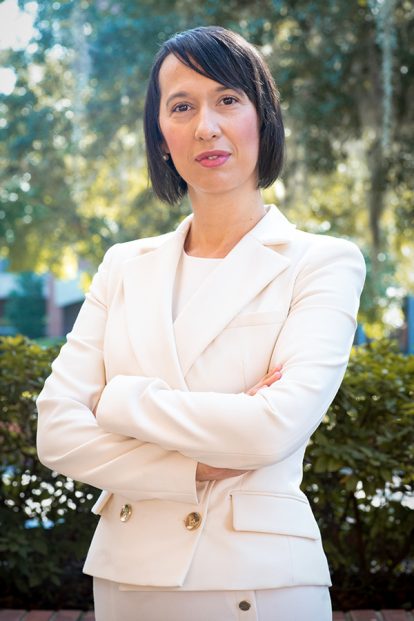
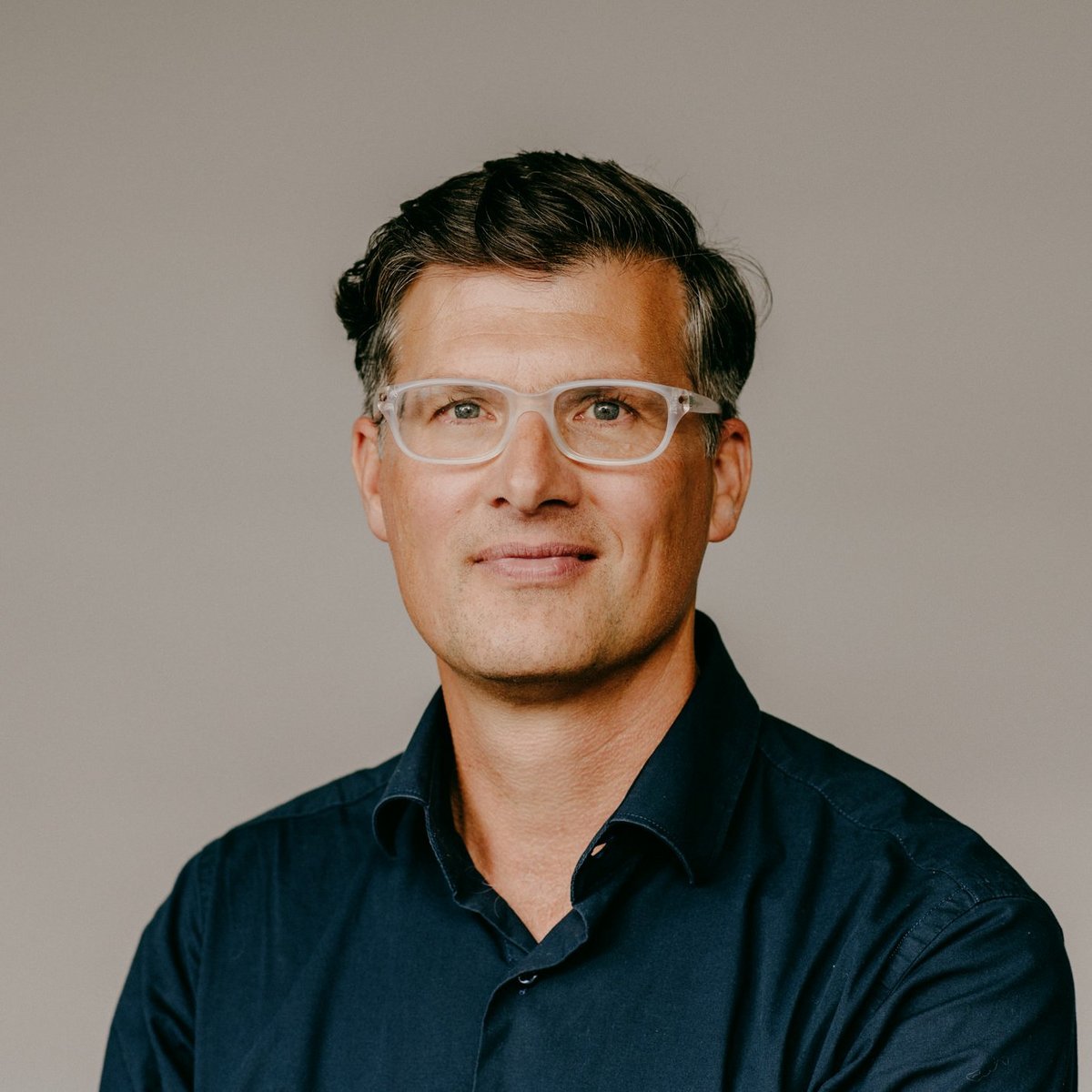
Eleni Bozia is an Associate Professor of Classics and Digital Humanities at the University of Florida. She leads the Data-Driven Humanities Research Group and serves as Associate Director of the Digital Epigraphy and Archaeology Project, focusing on 3D digitization of cultural heritage and AI integration in humanities. Her research explores linguistic/cultural diversity in Imperial Greek/Latin literature and its intersections with modern globalism. Bozia holds dual doctorates from the University of Florida (2009) in Classical Studies and Universität Leipzig (2018) in Digital Humanities. Her scholarly work bridges classical studies with digital innovation, including computational analysis of ancient texts, virtual reality for experiential learning, and collaborative global preservation initiatives. Recognized with awards from La Fondation Hardt and the American Academy in Rome, her contributions span peer-reviewed articles, edited volumes, and public engagements like TEDx talks. She actively promotes interdisciplinary collaboration through roles in the Florida Digital Humanities Consortium and the Literary Encyclopedia. Bozia’s research portfolio includes groundbreaking books on Lucian’s works, multilingual practices in antiquity, and digital epigraphy. She advocates for reimagining classical pedagogy through technology, emphasizing accessibility and relevance for younger generations. Her lab’s projects like the Digital Rosetta Stone and 3D artifact preservation redefine how ancient knowledge is studied, shared, and experienced in the digital age.
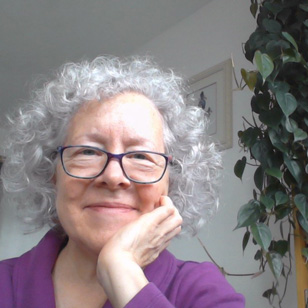
Christena Nippert-Eng is Professor of Informatics at Indiana University's Luddy School with adjunct appointment in Sociology. She directs the Animal Computer Interaction Track and researches cognition, privacy, ethnography, and human-animal interaction. Her work combines sociological frameworks with technology design. Nippert-Eng has authored influential books on boundary negotiation and ethnographic methods. Her current research examines privacy negotiations with domestic robots and human-animal-computer interaction. She has consulted for major technology companies including HP, Motorola, and Steelcase. Her publications demonstrate sustained interdisciplinary examination of privacy practices across contexts including homes, workplaces, online gaming, and social media, increasingly focusing on technology-mediated interactions and ethical considerations.
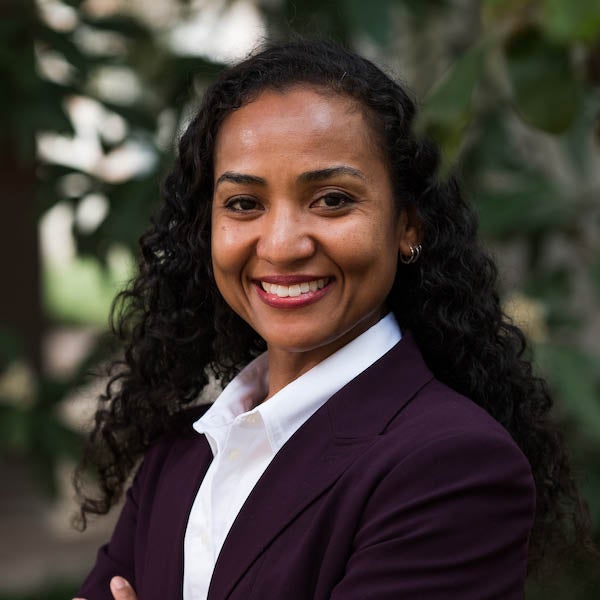
Aileen Friesen is an Associate Professor in the Department of History at the University of Winnipeg, affiliated with the Faculty of Arts. She also serves as Executive Director of the Plett Foundation, focusing on interdisciplinary historical research and community engagement. Her work bridges academic and public history through initiatives like heritage cruises and educational outreach. Education Background : While specific degrees are not detailed in the text, her academic roles and publications suggest advanced training in History, likely with a PhD in Russian or Mennonite Studies. She is associated with the Centre for Transnational Mennonite Studies and the H. Sanford Riley Centre for Canadian History. Research Interests : Mennonite History : Focuses on migration, religious dissent, and colonial experiences in Siberia and Ukraine. Russian/Soviet History : Explores Orthodoxy’s role in colonization, state-religion interactions, and ethnic group policies. Migration Studies : Analyzes displacement patterns, transnational identity formation, and diaspora communities. Her work frequently intersects with environmental history, religious studies, and colonial studies. Publications Trends : Recent scholarship emphasizes Siberian Mennonite communities, Soviet-era religious policies, and transnational ethnic mythologies. She combines archival research with oral histories, as seen in The Russian Mennonite Story (2018) and Colonizing Russia’s Promised Land (2024). Her 2020 analysis of Omsk bishops reveals how spiritual networks shaped colonial dynamics. Awards & Grants : No specific awards listed. However, her publications and roles suggest sustained institutional support for research in Mennonite and Russian studies. Labs/Teams : Active in the Newberry Consortium in American Indian Studies and the State Socialism Workshop. Collaborates with the Oral History Centre and the Centre for Rupert’s Land Studies.
Pascal Boyer is Professor of Sociocultural Anthropology and Psychology at Washington University in St. Louis, where he also holds the Henry Luce Professorship of Collective and Individual Memory. He is jointly affiliated with the Department of Anthropology and the Department of Psychology, reflecting his interdisciplinary research at the intersection of cognitive science, evolutionary psychology, and cultural anthropology. PhD, Université de Paris-Nanterre Graduate work with Jack Goody, University of Cambridge Fieldwork in Cameroon on Fang oral epics and traditional religion Former teaching positions at Cambridge, San Diego, Lyon, and Santa Barbara Boyer’s research investigates the cognitive foundations of cultural transmission, particularly focusing on religion, memory, and the evolution of human social cognition. He proposes that religious ideas and cultural norms are shaped by universal properties of the human mind, making certain concepts more cognitively 'natural' and thus more easily transmitted across generations. His work integrates experimental psychology, developmental studies, and ethnographic research to explore how brains evolved to process cultural information. His publications span cognitive development, agency detection, autobiographical memory, and the neural underpinnings of cultural concepts. Notable books include The Naturalness of Religious Ideas (1994), Religion Explained (2001), and Memory in Mind and Culture (2009). His most recent work, Minds Make Societies (2018), synthesizes insights from evolutionary biology, psychology, and economics to model the formation of human societies. The body of his work shows a consistent trend toward interdisciplinary integration, using cognitive science to explain cultural universals. Henry Luce Professor of Collective and Individual Memory Editor of Memory in Mind and Culture (2009) Contributor to major cognitive science and anthropology journals Boyer has mentored numerous students and collaborators, though specific names are not listed in the provided texts. He has secured significant academic recognition through his publications and endowed professorship, indicating sustained research funding and academic leadership. He is actively involved in both experimental and theoretical research, leading projects on early cognitive development and mathematical reasoning. His lab combines cognitive psychology paradigms with anthropological field methods, fostering a unique interdisciplinary team. Boyer continues to publish and contribute to the advancement of cognitive anthropology as a rigorous scientific discipline.
Prof. Dr. Kenny R. Cupers is Professor of Architectural History and Urban Studies at the University of Basel , affiliated with the Department of Social Sciences in the Faculty of Humanities and Social Sciences . He co-founded and leads the Urban Studies division, focusing on the intersections of architecture, urbanism, colonialism, and planetary design in African and European contexts. PhD, Harvard University (2010) M.Sc. and B.Sc. in Architecture, Catholic University of Leuven Studies in Visual Culture and Urban Theory, Goldsmiths College, London His research centers on architectural modernism, housing, infrastructure, and decolonization . Key themes include the planetary politics of design, coloniality of infrastructure, and the role of architecture in state transformation. He is currently working on two book projects in Kenya: one on unmaking the plantation system through arts and architecture, and another on post-independence Nairobi’s urban history. Recent publications include The Earth that Modernism Built: Empire and the Rise of Planetary Design (2024) and The Social Project: Housing Postwar France (2014). He leads the Sinergia project Governing through Design (2020–2025) and previously directed the SNF-funded How Infrastructure Shaped Territory in Africa (2018–2022). His work appears in journals such as e-flux Architecture , Antipode , and Architectural Theory Review . Scientific Awards: No specific awards listed in the provided text. As an educator, Cupers promotes engaged pedagogy and collaborative research, co-editing What is Critical Urbanism: Urban Research as Pedagogy (2022). His public research projects include Swiss Corporate Coloniality and Lamu Futures . He has advised multiple PhD and Master’s students, though specific names are not listed. He is part of a vibrant research team including Dr. Ernest Sewordor, Dr. Laura Nkula-Wenz, and Dr. Prita Meier. Laboratories and Research Teams: Urban Studies, University of Basel Critical Urbanisms Program Sinergia Project: Governing through Design How Infrastructure Shaped Territory in Africa (completed) Infrastructure Space and the Future of Migration Management (completed)
Fay Yarbrough is the Senior Associate Dean of Faculty and Graduate Programs and William Gaines Twyman Professor of History at Rice University's School of Humanities. She specializes in 19th-century Native populations of the U.S. Southeast and Indian Territory, focusing on Indigenous-African diaspora interactions. Her research examines tribal sovereignty, race formation, and gender through legal frameworks and colonial dynamics. Education: PhD (Emory University), MA (Emory University), BA (Rice University). Teaches courses on Civil War history, Native history, African American history, and gender studies. Key works include Race and the Cherokee Nation (2008), Choctaw Confederates (2021), and co-edited Gender and Sexuality in the Indigenous Americas (2011). Explores topics like Cherokee marriage laws, Choctaw Civil War participation, and colonial gender manipulation. Affiliated with Rice's Center for the Study of Women, Gender & Sexuality and Center for African & African American Studies. Active in promoting interdisciplinary research on race, Indigenous sovereignty, and gender in historical contexts.
Timothy James Lockley is Professor of American History at the University of Warwick. He has held academic positions at the university since 1996, progressing from Lecturer to Professor in 2015. His research spans the social history of the colonial and antebellum American South, the Caribbean, slavery, race, class, poverty, and medical history. He is also interested in the cultural history of cricket and classical music broadcasting. M.A., University of Edinburgh, 1993 Ph.D., University of Cambridge, 1996 Lockley's research explores the complex relationships between race and class, particularly among non-slaveholding whites and enslaved African Americans. His work on medical history examines racial immunity theories and mortality patterns in urban centers like Savannah. He has also published on the history of classical music radio and the social role of cricket in the American South. His recent articles focus on military slavery in the West India Regiments, slave conspiracies, family life under slavery, urban poverty, and the cultural impact of radio. These publications reflect a consistent engagement with themes of race, resistance, gender, and health in the Atlantic world. Scientific awards and grants include: AHRC Grant (2015–2018): "Africa's Sons Under Arms" AHRB Grant (2000–2002): "Southern Charities Project" He has supervised numerous PhD and MA students on topics including enslaved masculinity, slaveholding ideology, antislavery networks, and folk religion in Jamaica. He has served as associate editor of Slavery & Abolition and contributed to major reference works. He is actively involved in public history, appearing on BBC’s "In Our Time" to discuss topics such as the Pilgrim Fathers, Pocahontas, and the Haitian Revolution. Lockley leads research groups and collaborates with scholars across the UK and US, focusing on Atlantic history, slavery, and cultural memory. His future research includes a study of Savannah in 1820 and the history of classical music radio during World War II.
Luke Cooper is an Associate Professorial Research Fellow in the Department of International Relations at the London School of Economics and Political Science (LSE), where he is affiliated with the Conflict and Civicness Research Group. He serves as Director of PeaceRep’s Ukraine programme, leading interdisciplinary research teams across six global institutions and a broader network of scholars in Ukraine and the region. His academic work sits at the intersection of historical sociology, political theory, and international relations. His research interests include nationalism, authoritarianism, democracy, uneven and combined development, conflict, and systemic societal transformation. Dr Cooper’s work combines theoretical innovation with empirical analysis, drawing on both historical and contemporary case studies to examine processes of social and political change. His recent publications explore themes such as the global threat of authoritarian contagion, the historical evolution of national identity in the British Atlantic, and the political imaginaries in science fiction literature. These works reflect a consistent engagement with macro-historical processes and structural transformations in global politics. Authoritarian Contagion; the Global Threat to Democracy (2021) Imagined communities: from subjecthood to nationality in the British Atlantic (2022) Worlds beyond capitalism: images of uneven and combined development in Kim Stanley Robinson’s Mars trilogy (2021) Dr Cooper has been involved in significant policy advocacy and public engagement, co-founding the campaign group Another Europe Is Possible and co-hosting the Another Europe podcast. He has led projects on Brexit impacts and international solidarity with Ukraine. He previously served as a visiting fellow at the Institute of Human Sciences (IWM) in Vienna and has taught at Anglia Ruskin University, Richmond American University London, and the University of Sussex. He leads multiple funded research initiatives, including PeaceRep’s Ukraine programme, which conducts evidence-based policy analysis on Ukraine’s war economy and investigates the broader phenomenon of global fragmentation beyond traditional geopolitics. His work emphasizes transnational interconnections in the defense of national sovereignty. Dr Cooper completed his PhD in International Relations at the University of Sussex, holds an MSc in Comparative Politics from LSE, and a BA in Political Studies from the University of Leeds.
Lisa Lowe is the Samuel Knight Professor of American Studies at Yale University, with affiliate appointments in the Programs in Ethnicity, Race, and Migration and Women's, Gender, and Sexuality Studies. She has previously taught at the University of California, San Diego, and Tufts University, establishing a distinguished interdisciplinary career in American Studies, Comparative Literature, and critical race theory. Education: Stanford University – European Intellectual History University of California, Santa Cruz – French Literature and Critical Theory Lowe's research focuses on the intersections of colonialism, race, immigration, and globalization. Her work critically examines how liberal modernity is built upon racial capitalism, settler colonialism, and transnational displacement. She is a leading voice in transnational feminism and Asian American studies, analyzing how immigrant subjects are constructed as 'perpetual foreigners' within national cultures. Her scholarship bridges literary analysis, historical critique, and political theory to interrogate the legacies of empire. Her recent publications show a sustained engagement with the entanglements of liberalism, empire, and intimacy across continents. Themes include racial capitalism, the transpacific, feminist resistance, and the cultural politics of globalization. Her work consistently challenges disciplinary boundaries and calls for a rethinking of American Studies through a global and decolonial lens. Scientific Awards and Honors: Guggenheim Fellow American Council of Learned Societies Fellow Rockefeller Foundation Fellow Mellon Foundation Fellow UC Humanities Research Institute Fellow University of California President's Faculty Research Fellow (2011–12) Visiting Fellow, School of Advanced Study, University of London F. Ross Johnson-Connaught Distinguished Visitor, Munk School of Global Affairs, University of Toronto (2012) Carl Bode - Norman Holmes Pearson Award (2018) Richard A. Yarborough Prize (2018) Finalist, John Hope Franklin Award (2016) Nicolás Guillén Outstanding Book Award (2018) 1997 Book Award in Cultural Studies, Association for Asian American Studies Lowe has been a mentor to numerous scholars, particularly from underrepresented backgrounds, recognized by the Richard A. Yarborough Prize. She has received multiple grants and fellowships supporting her research, including from the Mellon, Rockefeller, and Guggenheim Foundations. She co-convened the Mellon Sawyer Seminar 'Comparative Global Humanities' at Tufts and has been an Affiliate Scholar at the Boston Psychoanalytic Society and Institute (2022–2023). She has also served as a visiting fellow and speaker at numerous international institutions, indicating sustained collaborative and advisory engagement. Lowe co-edits the influential book series Perverse Modernities with Jack Halberstam at Duke University Press, shaping contemporary critical theory. She has also co-edited special issues and volumes that have advanced the field of Asian American Studies. Her scholarly network includes leading institutions across the U.S. and globally, and she continues to be a central figure in interdisciplinary humanities.
Dave Miranda is an Associate Professor in the Department of Psychology at the University of Ottawa, Faculty of Social Sciences. His research focuses on the psychological role of music in adolescent development, particularly in relation to personality, mental health, and cultural identity. Research Interests: Psychology of Music Adolescent Development Developmental Psychopathology Personality Traits Cultural Diversity Cyberpsychology Emotion Regulation His work explores how music functions as a tool for emotion regulation, identity formation, and cultural understanding among youth. He investigates music’s role in coping with internalizing symptoms and reducing cultural prejudice, often using interdisciplinary approaches that combine psychology, musicology, and cultural studies. The recent trend in his publications shows a strong emphasis on empirical and meta-analytic studies, particularly examining neuroticism, music listening behaviors, and cross-cultural musical influences. His research spans journals such as Musicae Scientiae and Psychology of Aesthetics, Creativity, and the Arts , reflecting a blend of experimental and theoretical inquiry. Scientific Awards: No awards listed in the provided text. Advising and Grants: No students or advisees mentioned. No grants or funding sources specified in the text. Labs and Teams: No specific lab or research team is mentioned in the provided information.
Aneta Podkalicka is a Senior Lecturer in Communications and Media Studies at the School of Media, Film and Journalism (MFJ), Monash University, Melbourne. She is actively engaged in research, teaching, and supervision, with a strong focus on media's role in social innovation, environmental sustainability, and everyday life. Her work bridges academic research with real-world applications across non-profit, government, and commercial sectors. Her research interests include: Media and everyday life Environmental communication Media for social innovation Digital and automated technologies and work futures Thrift, secondhand, and circular economies Media analytics and research training Aneta’s recent publications reflect a consistent trajectory in examining how media shapes sustainable practices, digital economies, and social inclusion. Her work spans cultural studies, sociology of consumption, and media policy, often employing qualitative and interdisciplinary methods. She has contributed to journals such as International Journal of Cultural Studies , Media International Australia , and Convergence , as well as book publications with Intellect and Palgrave. She is currently a Chief Investigator on the international project 'Workers in transition through automation, digitalisation and robotisation of work' (2020–2025), and previously led a project on virtual housing policy modeling. She has served as guest editor for Media International Australia and Linkoping University Electronic Press, demonstrating her active role in academic publishing. Aneta supervises postgraduate students in media, communication, sociology of consumption, and design. She is part of the 'Media and Environment' research group at MFJ and contributes to advancing the UN Sustainable Development Goals, particularly those related to sustainable consumption and environmental sustainability.
Matthew Lester Eatough is Associate Professor of English and Affiliate Faculty of Black and Latino Studies at Baruch College, City University of New York (CUNY), within the Weissman School of Arts and Sciences. He teaches courses on twentieth- and twenty-first century novels, publishing and book history, world literature, and African literature, with recent Spring 2025 offerings including The Global Business of Lit and Horror Fiction. His educational background features a Ph.D. and M.A. in English from Vanderbilt University, an M.A. in Humanities from the University of Chicago, and a B.A. in English/History from the University of Wisconsin-Madison. This interdisciplinary foundation informs his cross-cultural research approach. Eatough's research centers on global modernisms through African and Irish literary lenses, examining corporate ideology in contemporary African fiction, globalization of Irish literature, and translated fiction in Anglo-American small presses. His work consistently interrogates how literary forms engage with world-systems theory, postcolonial economies, and infrastructural time, revealing connections between cultural production and global power structures. Particular attention is paid to small-press networks as sites of transnational literary circulation. His recent publications demonstrate a clear trajectory from modernist studies to contemporary global literature, with increasing focus on African science fiction and Irish literary networks. A recurring theme is the role of cultural institutions (like the Goethe-Institut) in shaping literary futures, while his book projects analyze corporate influence in African fiction and the international networks of Irish literature. His scientific recognition includes: Abioseh Porter Best Essay Award (2019) from the African Literature Association Margaret Church Modern Fiction Studies Memorial Prize (2016) Shortlisting for Modernist Studies Association Best Book Award (2013) Robert Manson Myers Graduate Award for Best Dissertation Prospectus (2011) Rose Alley Press Award (2010) John M. Aden Award for Best Graduate Paper (2009) Phi Beta Kappa (2004) Eatough has secured eight consecutive PSC-CUNY research grants (2015-2023) totaling over $35,000, supporting projects on small presses, translation, and global literary networks. His current grant-funded work examines Irish fiction in small presses and the Goethe-Institut's role in African literary futurity. While specific graduate students aren't listed, his extensive teaching of Global Studies Capstone courses and independent studies demonstrates significant undergraduate mentorship in global literary studies. He serves as Committee Chair for Baruch's Global Studies Minor and co-edits special journal issues, including Literary Geographies' 'Geographies of African Futures' (2022). His professional activities include editorial board membership for NANO: New American Notes Online and active participation in the Modernist Studies Association as Treasurer.
Anna L. Boozer is a Professor in the History Department at Baruch College's Weissman School of Arts and Sciences, City University of New York. Her research focuses on households, connectivity, and empires in Roman Egypt and Meroitic Sudan, with extensive fieldwork at Amheida (Dakhleh Oasis) and Meroe. She directs the CUNY excavations at Amheida and the Meroe Archival Project. Boozer earned her Ph.D., M.Phil, and M.A. in Archaeology/Anthropology from Columbia University and a B.A. in Philosophy and History of Math/Science from St. John's College. Her scholarly contributions span household archaeology, imperial borderlands, and material culture studies, examining how domestic spaces reflect broader social and political dynamics in antiquity. Her research interests center on social archaeology of Roman Egypt and Meroitic Sudan, with particular focus on household organization, material culture, and imperial connectivity. She examines how domestic spaces serve as sites of cultural negotiation, exploring themes of identity formation, social memory, and daily life practices at imperial frontiers. Her work challenges traditional Romanization narratives by highlighting local agency and cultural hybridity. Boozer's publications reveal consistent engagement with household archaeology, material culture analysis, and imperial borderlands studies. Her work demonstrates how domestic contexts provide critical insights into larger imperial processes, with recurring themes of connectivity, cultural negotiation, and the social significance of material remains. She frequently employs interdisciplinary approaches bridging archaeology, anthropology, and history. Teaching and Learning Award (University of Reading, 2013) Lump Sum Award (University of Reading, 2012) Boozer actively supervises doctoral dissertations and has secured multiple research grants including PSC-CUNY awards totaling over $20,000 for projects on Roman Egypt and Meroitic Sudan. She serves as Area Editor for the Encyclopedia of Ancient History and sits on editorial boards for Dotawo: A Journal of Nubian Studies and Brepols' Borders, Boundaries, and Landscapes series. She directs two major research initiatives: the CUNY excavations at Amheida (ancient Trimithis), a Romano-Egyptian city in the Dakhleh Oasis, and the Meroe Archival Project which analyzes legacy data from Sudan's ancient Meroitic capital. These projects involve international collaborations with institutions in Egypt, Sudan, and Europe, focusing on household archaeology and imperial connectivity.
Ben Seymour is a Lecturer in Fine Art at the Department of Art, Goldsmiths, University of London. His research focuses on the intersections of urban regeneration, gentrification, and culture, alongside critical analyses of contemporary capitalism's ideologies, including precarious labor, creative economy, and financialization of art. He is also a writer and Deputy Editor of Mute Magazine , contributing to debates on digital culture, political economy, and artistic resistance. Position: Lecturer in Fine Art Institution: Goldsmiths, University of London Research Themes: Urban Regeneration, Gentrification, Art and Capitalism, Cultural Politics Email: b.seymour@gold.ac.uk Ben's academic and artistic work critically examines urban development processes, particularly in London's Hackney and other global cities, through films, articles, and visual essays. He has explored the socio-political consequences of regeneration projects, linking them to broader capitalist dynamics such as financialization and the erosion of community spaces. His practice extends to curatorial and editorial projects, including co-programming films on gentrification and organizing reading groups on Marx's Capital in Hackney and Brooklyn. His films have been internationally screened at festivals and galleries in Edinburgh, Leeds, NYC, Amsterdam, and Spain, addressing themes of urban utopianism and capitalist critique.
Dirk Leuffen is a Professor of International Politics at the Department of Politics and Public Administration at the University of Konstanz. Since April 2024, he has served as the University of Konstanz' Vice Rector for Research, Innovation and Impact, having previously held this position from 2015 to 2019. He is also a representative of the German Rectors' Conference (HRK) in the Committee for the selection and evaluation of International Max Planck Research Schools (IMPRS) since 2019. Leuffen directs the project 'Conditions of European Solidarity' (CONSOLI) with Sharon Baute at the Cluster of Excellence on the Politics of Inequality, and has led multiple significant research projects including 'EU3D: EU Differentiation, Dominance and Democracy' and 'EMU-SCEUS - The Choice for Europe since Maastricht.' Leuffen earned his doctoral degree from the University of Mannheim and previously worked as a Senior Researcher at ETH Zurich before joining the University of Konstanz. Professor Leuffen's research focuses on European integration, with particular emphasis on differentiated integration, decision-making processes within the European Union, and the interplay between domestic and international politics. His work examines how citizens perceive and respond to various forms of European integration, with a strong interest in the legitimacy of differentiated integration arrangements and public support for European solidarity. He investigates political preference formation, particularly how crises like the Eurozone crisis and the COVID-19 pandemic shape European policy preferences. His research combines theoretical frameworks from political science with empirical analysis of public opinion data across multiple EU member states. His recent publications reveal a strong focus on how democratic backsliding affects European solidarity, the role of fairness considerations in citizen evaluations of EU policies, and the institutional design features that foster public support for differentiated integration. Leuffen's work often employs experimental methods and comparative survey research across multiple European countries, demonstrating a methodological sophistication that bridges qualitative and quantitative approaches. His research consistently addresses the tension between national sovereignty and European integration, examining how citizens balance concerns about national autonomy with support for European cooperation. As Vice Rector for Research and a principal investigator on multiple major projects, Leuffen has secured significant research funding and leads interdisciplinary teams examining the politics of inequality and European integration. His leadership extends beyond his institution through his role in the German Rectors' Conference, where he influences national research policy and evaluation frameworks. Leuffen is an active member of the Cluster of Excellence on the Politics of Inequality at the University of Konstanz, where he contributes to the research group 'Political Science & International Politics.' His work often involves collaboration with researchers across Europe, reflecting the transnational nature of his research focus on European integration and solidarity.