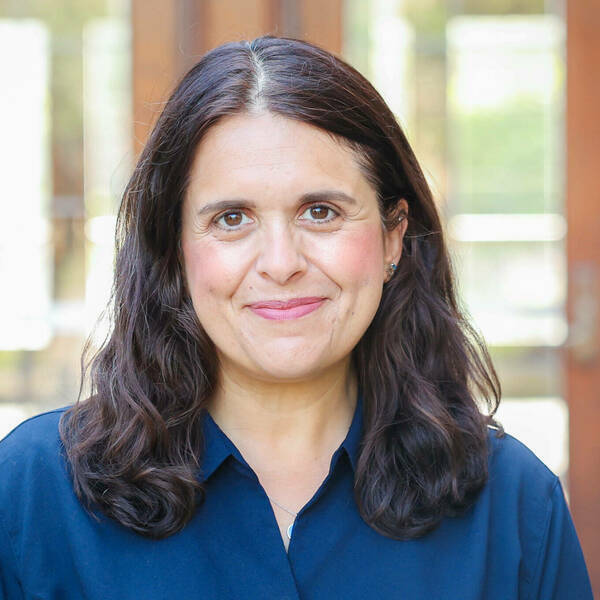
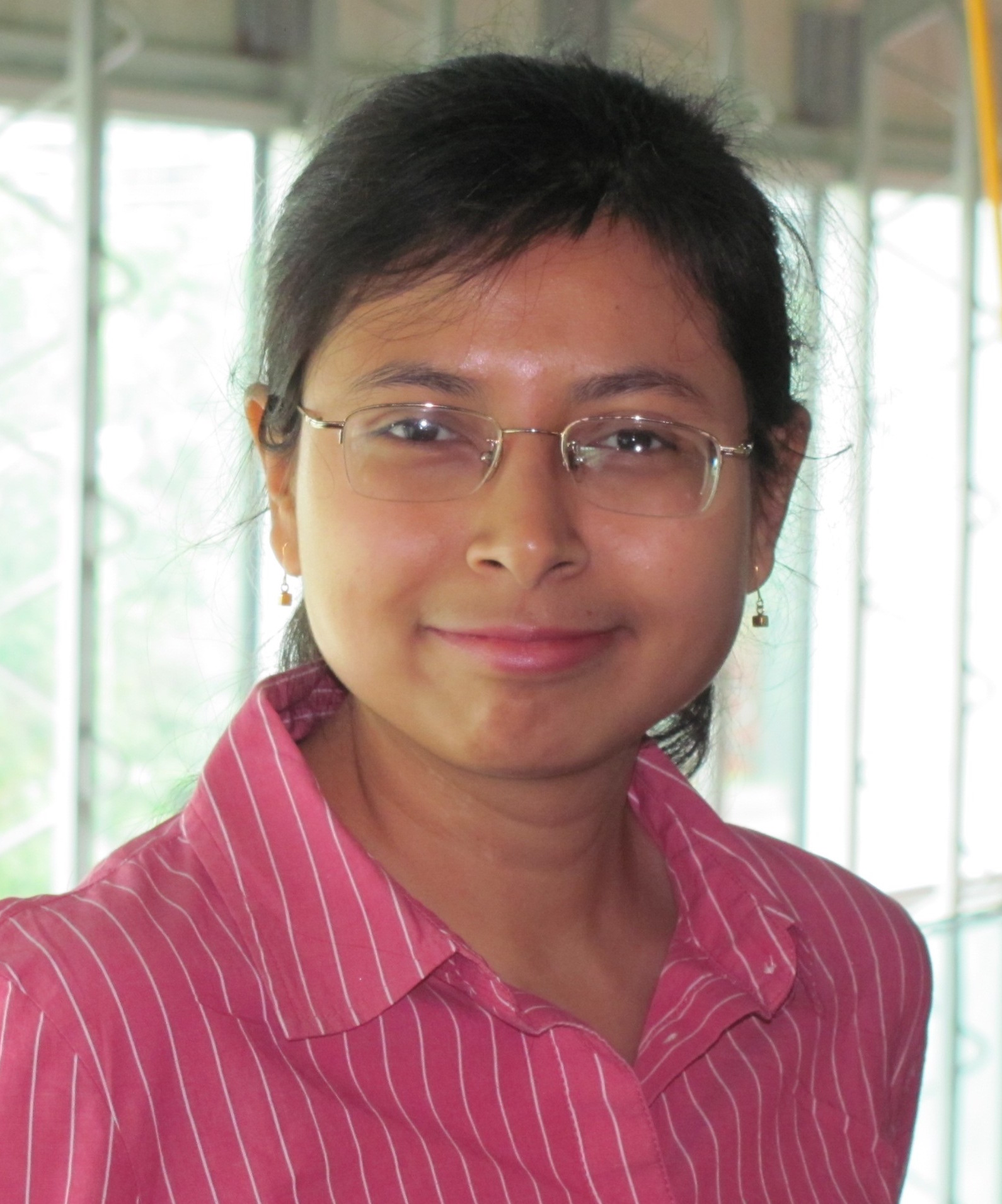
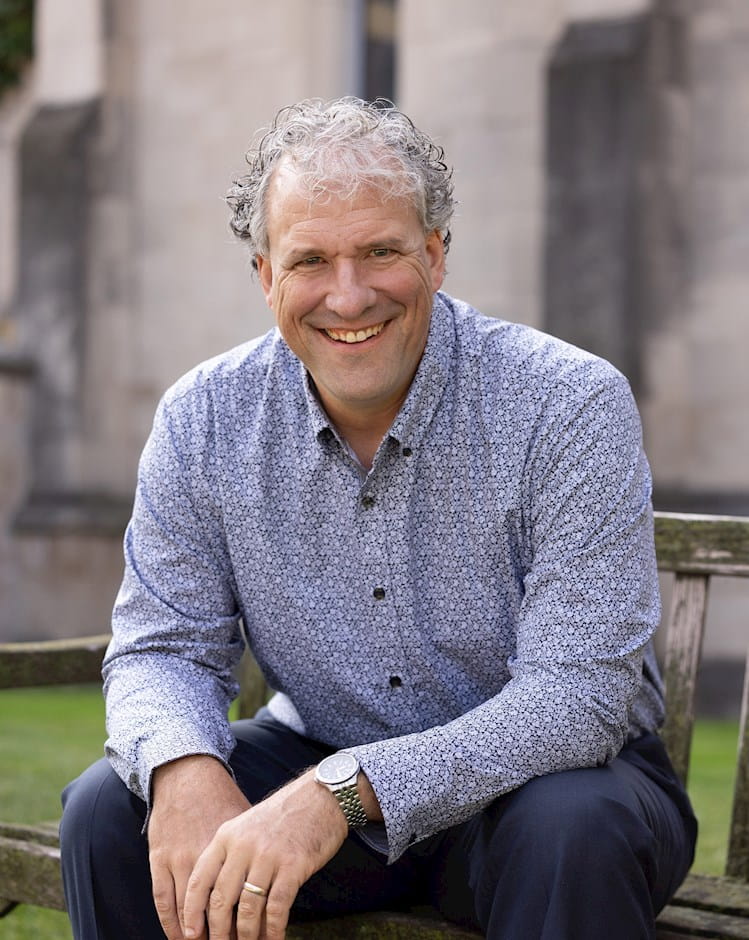
Simon King is a Professor of Speech Processing at the University of Edinburgh , affiliated with the School of Philosophy, Psychology and Language Sciences . He serves as Director of the Centre for Speech Technology Research (CSTR) and teaches courses like Speech Processing and Speech Synthesis , while directing the MSc in Speech and Language Processing . Research Interests His research focuses on: Developing new acoustic models (e.g., Linear Dynamical Models, factorial-HMMs) for speech recognition Advancing unit selection and HMM-based speech synthesis Integrating articulatory measurement data for enhanced modeling Exploring perceptual measures in synthesis criteria Building multilingual speech systems to identify universal speech building blocks Publication Trends Simon's recent work emphasizes deep learning (DNNs, LSTMs) in speech synthesis, multilingual frameworks , and articulatory-acoustic feature integration . His studies often bridge grapheme-based modeling , perceptual error reduction , and noise-robust synthesis . Scientific Awards EPSRC Advanced Research Fellowship (2005-2009) Students & Collaborations He has supervised numerous PhD students including Rasmus Dall, Tom Merritt, and Srikanth Ronanki. Current research fellows like Mirjam Wester and Zhizheng Wu contribute to projects such as Natural Speech Technology (NST) and Simple4All .
Alice Reagan is Professor of Professional Practice and Director of Undergraduate Studies in the Department of Theatre at Barnard College, Columbia University. She teaches directing, performance, and seminars on Zora Neale Hurston, Black performance, and AIDS activism, while also directing professionally across the U.S. Education: B.A., Bates College M.A., Tisch School of the Arts, New York University M.F.A., Columbia University, School of the Arts Her research and artistic practice centers on theatre directing, adaptation, new play development, and ensemble-based work , with a strong commitment to feminist and socially engaged theatre. She founded New Plays at Barnard , commissioning works by women-identified playwrights. Her recent and upcoming productions include Evelyn Brown (A Diary) , Cherry Orchard , Measure for Measure , and The Thanksgiving Play . Her recent publications and public scholarship focus on the revival of María Irene Fornés' work and the ethics of white educators teaching Black diasporic material, especially her influential 2019 article Teaching While White . The articles reflect a consistent engagement with race, pedagogy, classical reinterpretation, and feminist performance . Selected Awards & Honors: Named to Kilroys List, 2023 Individual Artist Grant, NYSCA, 2023 Cherry Orchard Teaching Excellence Award, 2022 Princess Grace Award Drama League Directing Fellow Berkshire Theatre Award nominations (9) She advises student productions and leads the New Plays at Barnard program, shaping the next generation of theatre artists. She has received grants from the Shubert Foundation and NYSCA. Her professional affiliations include Stage Directors and Choreographers Society, New Georges, and Wingspace Design. She is deeply involved in lab programs such as the Lincoln Center Directors Lab and Mabou Mines/SUITE. She leads the New Plays at Barnard initiative and collaborates with professional ensembles like Portland Experimental Theatre Ensemble and Shakespeare & Company, bridging academic and professional theatre.
Mikhail (Misha) Belkin is a Professor at the Halicioglu Data Science Institute (HDSI) at the University of California San Diego , with an affiliated appointment in the Department of Computer Science and Engineering . He is also an Amazon Scholar , reflecting his impactful industry collaboration. Since January 2024, he has served as the Editor-in-Chief of the SIAM Journal on Mathematics of Data Science (SIMODS) . Research Interests: Belkin's research centers on the theoretical foundations of machine learning, particularly the mathematical understanding of modern deep learning. His work investigates interpolation , over-parameterization , and feature learning in neural networks. He is renowned for introducing the double descent risk curve, which reconciles classical bias-variance trade-offs with the success of overfitted models. His recent work identifies the Average Gradient Outer Product (AGOP) as a fundamental mechanism of feature learning, applicable across architectures like CNNs and transformers. Scientific Contributions and Trends: His recent publications, appearing in Science , PNAS , and NeurIPS , demonstrate a strong trend toward unifying theories of generalization and optimization in over-parameterized systems. He explores how interpolating models can be statistically optimal, how gradient descent converges in non-convex landscapes via the PL* condition, and how kernel methods can be enhanced to perform feature learning. ACM Fellow (2023) Editor-in-Chief, SIAM Journal on Mathematics of Data Science (2024–present) Advising and Grants: Belkin actively mentors students and collaborators such as Adityanarayanan Radhakrishnan , Daniel Beaglehole , and Chaoyue Liu , who are frequent co-authors. He is a Principal Investigator (PI) in the Collaboration on the Theoretical Foundations of Deep Learning , funded by the NSF and Simons Foundation. He is also an external collaborator with the Eric and Wendy Schmidt Center at the Broad Institute and part of the NSF-funded TILOS AI Institute . Laboratories and Teams: While not explicitly named, his research group at UCSD is deeply involved in theoretical machine learning, focusing on the intersection of statistics, optimization, and deep learning. His work often involves large-scale collaborations and is closely tied to initiatives like SIMODS and TILOS.
Patricia Champion is a Professor in the Department of Biological Sciences at the University of Notre Dame, where she holds the title of Notre Dame Collegiate Professor. Her research is centered on the molecular mechanisms of mycobacterial pathogenesis, with a focus on protein transport and virulence. She is affiliated with the Eck Institute for Global Health and the Center for Rare and Neglected Diseases. PhD in Molecular Biology, Princeton University (2003) B.S. in Biological Sciences, Carnegie Mellon University (1998) Her research interests lie in understanding how pathogenic mycobacteria, including Mycobacterium tuberculosis and M. marinum , cause disease through targeted protein secretion, particularly via the Type VII (ESX-1) secretion system. She investigates how secreted proteins function as effectors and regulate gene expression, and how post-translational modifications like acetylation influence virulence. Her lab employs an interdisciplinary approach combining genetics, molecular biology, proteomics, and transcriptomics. The recent publications highlight a strong focus on ESX-1-mediated secretion, identification of novel substrates, regulatory mechanisms (e.g., WhiB6, EspM), and post-translational modifications. The work spans fundamental bacterial physiology to host-pathogen interactions, contributing to the broader goal of identifying targets for anti-virulence therapeutics against tuberculosis. Her scientific recognition includes being named a Notre Dame Collegiate Professor, a distinguished honor reflecting her scholarly excellence. Dr. Champion leads an active research laboratory committed to fostering an inclusive and respectful environment, emphasizing core values such as integrity, teamwork, and excellence. Her lab's work is supported by ongoing research grants, though specific funding sources are not detailed in the text. The Champion Lab operates within the Department of Biological Sciences and collaborates with key institutes at Notre Dame focused on global and neglected diseases.
Sushmita Ruj is an Associate Professor in the School of Computer Science and Engineering at the University of New South Wales (UNSW), Sydney. She serves as the Faculty of Engineering Lead for the UNSW Institute for Cybersecurity (IfCyber) and as the Taste of Research (ToR) Coordinator within the School of Computer Science and Engineering. Her academic journey includes previous positions as a Senior Research Scientist at CSIRO's Data61 (2019-2022), Associate Professor at the Indian Statistical Institute, Kolkata, and Assistant Professor at the Indian Institute of Technology (IIT), Indore. Dr. Ruj's primary research interests focus on applied cryptography, post-quantum cryptography, cybersecurity, blockchains, and data privacy. She designs practical, efficient, and provably secure protocols for real-life applications, with particular emphasis on critical infrastructure including smart grids, cloud computing, ad hoc networks, and data sharing frameworks. As quantum technology advances, her work increasingly focuses on developing quantum-safe algorithms to ensure a more secure Internet infrastructure. Her research spans multiple domains including cryptographic key management, proofs of storage, verifiable computation, vector commitments, and privacy-enhancing technologies for cloud and IoT environments. Her recent publications demonstrate a strong trend toward post-quantum cryptography solutions, with particular emphasis on blockchain applications, DNS security, and privacy-preserving protocols for industrial IoT. The research shows increasing focus on practical implementations of theoretical cryptographic concepts, with applications across multiple sectors including finance, healthcare, and critical infrastructure. Her work bridges the gap between theoretical cryptography and real-world security challenges, with growing emphasis on the transition from classical to quantum-resistant systems. Best Paper Award at ACISP 2024 JNCA Best Survey Award (2023) NSW Innovation Award (iAward) Merit Winner (2022) Women in Science Award from CSIRO (2020) ACM Senior Member (2016) IEEE Senior Member (2015) Samsung GRO award (2014) Dr. Ruj has successfully mentored numerous PhD and Master's students, with many of her former students now holding academic positions at institutions like IIT Indore, TU Wien, and CISPA Helmholtz Center. She has secured significant competitive funding including multiple Australian Research Council (ARC) grants, Samsung GRO Award, NetApp Faculty Fellowship, Cisco Academic Grant, and IBM Research grant. Her current research portfolio includes projects on blockchain-based quantum-safe digital medical passports, embedding trust in digital IDs, and resilience of supply chain unstructured data. As Faculty of Engineering Lead for IfCyber, Dr. Ruj plays a key role in UNSW's cybersecurity research initiatives. She has served on editorial boards for prestigious journals including IEEE Transactions on Information Forensics and Security and has held leadership positions in major conferences such as ACISP 2021 and Indocrypt 2020. She was also a member of the working group on "Blockchain For Cybersecurity" for the National Blockchain Roadmap of Australia and the first Blockchain Working group set up by the Reserve Bank of India.
Westley Weimer is a Professor in the Department of Electrical Engineering and Computer Science (EECS) at the University of Michigan, College of Engineering. He teaches advanced courses such as EECS 590 (Advanced Programming Languages) and EECS 481 (Software Engineering), and has previously taught at the University of Virginia. His research integrates software engineering, programming languages, and cognitive science, focusing on automated program repair, program analysis, and the neuroscience of code comprehension. University: University of Michigan School: College of Engineering Department: Department of Electrical Engineering and Computer Science Academic Rank: Professor His research interests include automated program repair (e.g., GenProg), software quality, cognitive modeling of programming, neuroimaging studies of code review, and the application of medical imaging to software engineering. He explores deep questions at the intersection of consciousness, time, and computation, advocating for interdisciplinary approaches to understanding the mind through programming behavior. The most recent publications reflect a trend toward empirical and cognitive studies in software engineering, combining automated repair with human factors, neuroimaging (fMRI, TMS), and real-world software challenges. Themes include bias in code review, programming under cognitive influences, and the neurological basis of code comprehension. His work increasingly bridges computer science with psychology, neuroscience, and social science. Scientific awards include multiple Distinguished Paper Awards at ICSE, FSE, and ESEC/FSE, Best Paper and Runner-up awards, and several 10-Year Most Influential Paper Awards from ASE, GECCO, POPL, and ASPLOS, recognizing the lasting impact of his contributions to automated software repair and program analysis. He has advised numerous PhD and Master’s students, many of whom have gone on to faculty positions or industry research roles. He contributes to academic service through organizing diversity and inclusion initiatives, maintaining graduate career resources, and promoting ethical and inclusive practices in computing. He leads a vibrant research group focused on improving software quality through both technical and human-centered innovations, with ongoing projects in automated repair, cognitive modeling, and secure systems.
Tom Coates is a Professor of Pure Mathematics in the Department of Mathematics at Imperial College London's Faculty of Natural Sciences. He holds affiliations with the Artificial Intelligence Network, the CNRS-Imperial Abraham de Moivre UMI, and the Pure Mathematics research group. His office is located in the Huxley Building (662) on the South Kensington Campus, London SW7 2AZ, and he can be contacted via email at t.coates@imperial.ac.uk or phone at +44 (0)207 594 3607. Professor Coates' research spans pure mathematics with emphasis on algebraic geometry, mirror symmetry, and Gromov-Witten theory. He investigates quantum cohomology and Fano variety classification to construct a 'Periodic Table for shapes' through computational algebra, data mining, and machine learning. His work integrates geometric methods with cluster-scale computing to identify structural patterns in algebraic varieties, focusing on quantum periods, toric degenerations, and Laurent polynomial applications. His recent publications (2021-2024) demonstrate a strong trend toward computational classification of Fano varieties and polytopes, leveraging machine learning for dimension prediction and database construction. Key themes include mirror symmetry via Laurent inversion, toric geometry applications, and connections between Gromov-Witten invariants and modular forms. These works often utilize custom tools like PCAS and Fanosearch for large-scale algebraic computations. While specific student names are not listed, Professor Coates mentors PhD and Master's students in algebraic geometry and computational mathematics. His research is supported by the Simons Foundation, member institutions, and contributors, enabling international collaborations through networks like the CNRS-Imperial Abraham de Moivre UMI. He leads a research team developing the Periodic Table for shapes framework, utilizing high-performance computing resources. The team maintains open-source tools including PCAS (Periodic Table for Algebraic Shapes) and Fanosearch for Fano variety exploration, with code repositories hosted on Bitbucket and quantum period databases published in Scientific Data.
Nicholas Epley is the John Templeton Keller Professor of Behavioral Science and Director of the Roman Family Center for Decision Research at the University of Chicago Booth School of Business. His work focuses on understanding social cognition and human connections through rigorous experimental research. Epley's research explores how people think about other people's minds, with particular emphasis on perspective taking, intuitive human judgment, and social connection. His work reveals systematic miscalibrations in social cognition that lead people to misunderstand others, avoid social interactions with strangers, and underestimate the positive impact of prosocial behaviors like expressing gratitude or giving compliments. He argues that humans possess a 'sixth sense' for understanding others but often overestimate their accuracy in doing so. His publications consistently examine barriers to social connection, showing how people routinely underestimate how positively others will respond to social overtures. This pattern appears across multiple contexts - from talking to strangers on public transportation to expressing gratitude to friends and colleagues. His research has identified what he terms 'undersociality' - the tendency for people to engage in fewer social interactions than would maximize their well-being. 2008 Theoretical Innovation Award from the Society for Personality and Social Psychology 2011 Distinguished Scientific Award for Early Career Contribution to Psychology from the American Psychological Association 2015 Book Prize for the Promotion of Social and Personality Science 2018 Career Trajectory Award from the Society for Experimental Social Psychology Named 'professor to watch' by the Financial Times One of the 'World's Best 40 under 40 Business School Professors' by Poets and Quants One of the 100 Most Influential in Business Ethics in 2015 by Ethisphere Epley has secured significant research funding from the National Science Foundation and the Templeton Foundation to support his investigations into social cognition. His teaching includes the popular MBA course 'Designing a Good Life,' which focuses on ethics and wellbeing. His research has been featured extensively in major media outlets including the New York Times, Wall Street Journal, CNN, Wired, and National Public Radio. As Faculty Director of the Roman Family Center for Decision Research, Epley oversees one of Booth's premier research centers dedicated to understanding human decision-making processes through interdisciplinary research that combines insights from psychology, economics, and neuroscience.
Zsófia Zvolenszky is an Associate Professor at the Department of Logic, Institute of Philosophy, Eötvös Loránd University (ELTE). She earned her Ph.D. in Philosophy from New York University (2007) and is a Marie Curie Fellow (2016-2018). Her research focuses on the semantics of natural language, including proper names, indexicals, and modal logic, with a special emphasis on fictional discourse and relevance theory. Ph.D., Philosophy, New York University Marie Curie Fellow, Slovak Academy of Sciences Head of the Analytic Philosophy Ph.D. Program at ELTE Her recent work explores the intersection of literal and figurative meaning, particularly metaphor and malapropism, using relevance-theoretic frameworks. She has edited the Hungarian anthology Metaphor, Relevance, Meaning (2015/2016) and coordinates interdisciplinary collaborations through the Erasmus Collegium Language Research Group . Scientific awards include: Marie Curie Fellow (SASPRO, 2016-2018) She has supervised three Ph.D. students and secured two major grants: Principal Investigator, OTKA-NKFIH K-116191 (2016-2020) Senior Researcher, OTKA-NKFIH K-109456 (2013-2017)
Maria Golson, PhD, is an Assistant Professor of Medicine in the Division of Endocrinology, Obesity and Metabolism at the Johns Hopkins School of Medicine. She joined the institution in 2020 and leads research focused on the intrinsic and extrinsic regulation of beta-cell function and insulin secretion. Her work is central to understanding pancreatic endocrine cell development and its implications in diabetes. Education: B.S. in Biology (Genetics concentration), Duke University, 2000 Ph.D. in Cell and Molecular Biology (Genetics and Gene Regulation), University of Pennsylvania, 2008 Postdoctoral Training, Vanderbilt University Dr. Golson's research spans molecular mechanisms of beta-cell function, epigenetic regulation in diabetes, and single-cell analysis of pancreatic islets. She employs advanced genomic and epigenomic tools to explore cellular states in both type 1 and type 2 diabetes, with a focus on identifying pathways that could be targeted for regeneration or functional enhancement of insulin-producing cells. Her recent publications, appearing in journals such as Nature Metabolism and Diabetes , reflect a strong trend toward multiomics and single-cell technologies to uncover novel cellular states in human islets. These studies integrate transcriptomics, epigenetics, and functional validation to dissect disease mechanisms. Dr. Golson has been supported by institutional affiliations and collaborations, including membership in the HPAP Consortium and the American Diabetes Association. While no formal awards are listed, her publication record indicates significant scientific contributions. She has mentored researchers through collaborative projects, though no formal advisees are named. Her lab engages in interdisciplinary research involving genetics, molecular biology, and bioinformatics to advance diabetes therapeutics.
James Smith is an Associate Professor and scientific group leader at Norwich Medical School, University of East Anglia, UK, where he leads research in pluripotent stem cells and cardiovascular disease. He is a member of the Metabolic Health and Cardiovascular and Metabolic Health research groups. Education: PhD in Mesenchymal Stem Cells and Extracellular Matrix, University of Birmingham Post-doctoral training in automated manufacture of human pluripotent stem cells, University of Nottingham His research focuses on using CRISPR gene editing and human induced pluripotent stem cells (hiPSCs) to model and investigate cardiovascular diseases. Key areas include the role of snoRNAs in heart development and disease, cardiomyocyte maturation, and inflammatory responses following cardiac interventions. He established his independent research group at UEA in 2019. The recent publications reflect a strong trend in molecular and cellular cardiology, particularly in non-coding RNA biology, extracellular matrix interactions, and stem cell-based disease modeling. His work bridges basic science with clinical implications, especially in hypertrophic cardiomyopathy and post-intervention inflammation. Scientific Funding & Projects: Identifying novel SNORD116 targets and signalling pathways – Foundation for Prader-Willi Research (2025–2026) Do snoRNAs govern genotype-phenotype interactions in hypertrophic cardiomyopathy? – British Heart Foundation (2023–2027) Dupuytren’s Disease: Genetic variants and cellular phenotype – Action Arthritis (2026–2029) Investigating cardiomyocyte communication in hypertrophic cardiomyopathy – Academy of Medical Sciences (2020–2022) He advises graduate students and early-career researchers in his lab, though specific names are not listed. He has secured competitive grants from major funding bodies and maintains an active laboratory focused on translational cardiovascular research. His work contributes to the UN Sustainable Development Goal 3: Good Health and Well-being. He is based at the Bob Champion Research & Education Building and maintains a lab website at https://www.smithlabuea.com/ .
Andreas Duit is a Professor of Political Science at Stockholm University and also serves as a Guest Professor at the Political Science Unit, Luleå University of Technology. His academic work focuses on comparative environmental politics with special emphasis on the role of the state in addressing environmental challenges. Department of Political Science, Stockholm University Guest Professor, Political Science Unit, Luleå University of Technology Former visiting scholar at the Workshop in Political Theory and Policy Analysis at Indiana University, Bloomington Former visiting scholar at the Department of Political Science, University of Washington Professor Duit's research centers on comparative environmental politics, particularly examining how states address environmental challenges. His work employs quantitative methods and cross-national panel data analysis, with additional engagement in complex system analysis and survey research. His primary research interests include climate policy, environmental governance, sustainability transitions, and the relationship between welfare states and environmental policy. Analysis of Professor Duit's recent publications reveals a strong focus on climate governance mechanisms, environmental state development, and the interplay between political institutions and environmental outcomes. His research spans multiple analytical levels from international climate agreements to domestic policy implementation, with particular attention to how different governance structures affect environmental performance across countries. GREENTRANS: The Great Green Transformation – Politics, Markets and Civil Society in the Anthropocene (funded by Marcus and Marianne Wallenberg Foundation) THERAPY: The Electoral Ramifications of Environmental Policy (funded by FORMAS) GLEAN: A Global Survey of Learning, Participation and Ecosystem Management in Biosphere Reserves GRACE: Governing the Anthropocene – Environmental Policy and Outcomes in a Comparative Perspective Professor Duit has secured significant research funding from major Swedish research organizations including FORMAS, MISTRA, the Swedish Research Council, and the Marcus and Marianne Wallenberg Foundation. His research portfolio demonstrates a consistent focus on understanding the political dimensions of environmental challenges and identifying effective governance approaches for sustainability transitions.
Rochester Institute of Technology (RIT)United States
Christian Newman is an Associate Professor in the Department of Software Engineering at the Golisano College of Computing and Information Sciences, Rochester Institute of Technology (RIT). He serves as the Graduate Program Director and has expertise in software engineering methodologies, refactoring techniques, and source code analysis. His research focuses on improving code quality, developer practices, and automated documentation. Education: Newman holds a BS, MS, and Ph.D. from Kent State University. His academic background aligns with his current research in software engineering and empirical studies. Research Interests: His work emphasizes identifier naming standards, technical debt management, refactoring strategies, and code reuse. He explores how developers perceive and implement refactoring tools, as well as the role of large language models (LLMs) in programming education and code generation. Publications: Newman's recent work includes studies on identifier semantics, part-of-speech tagging for code analysis, and the performance of LLMs in introductory programming tasks. His research often combines empirical studies with tool development, such as SATDBailiff for technical debt tracking and TSDetect for test smell detection. Teaching & Advising: He teaches courses like SWEN-250 (Personal Software Engineering), SWEN-331 (Engineering Secure Software), and graduate-level thesis supervision. His courses emphasize secure development, software design principles, and team-based projects. Tools & Contributions: Newman has developed tools like srcSlice (static slicing), srcType (type resolution), and SCALAR (identifier analysis). These tools support software evolution, code comprehension, and empirical research in the field.
Damon Clark is an Associate Professor (with tenure) in the Department of Economics at the University of California, Irvine, within the School of Social Sciences. He is also affiliated with several prestigious research institutions, including the National Bureau of Economic Research (NBER), IZA Institute of Labor Economics, and the Institute for Fiscal Studies (IFS) in London. Research Interests: His primary research focuses on the economics of education, with additional expertise in labor economics and public economics. His work explores school choice, educational policy, the signaling value of credentials, and the long-term impacts of education on health and economic outcomes. He employs rigorous empirical methods, including field experiments and quasi-experimental designs, to evaluate educational reforms and policies. The most recent publications reflect a consistent focus on education policy evaluation, school effectiveness, peer effects, and human capital formation. His research often uses large-scale administrative datasets and natural experiments to identify causal effects, contributing significantly to debates on equity, accountability, and efficiency in education systems. Scientific Awards and Honors: UC Irvine Faculty Mentoring Award (2015–2016) Excellence in Refereeing Award, Journal of the European Economic Association (2003) Excellence in Refereeing Award, American Economic Review (2012) Excellence in Refereeing Award, Quarterly Journal of Economics (2011) National Academy of Education/Spencer Post-Doctoral Research Fellow (2007–2008) European Economic Association Young Economist Award (2005) Advising and Grants: While specific student names are not listed, his role as a tenured associate professor and principal investigator on multiple grants indicates active mentoring of graduate students. He has secured significant external funding from agencies such as the National Institutes of Health (NIH), the Institute of Education Sciences (IES), the WT Grant Foundation, and the Nuffield Foundation, supporting research on test-based retention, school access, and intergenerational education transmission. Labs and Research Teams: Clark collaborates extensively with researchers at institutions like NBER, IZA, IFS, and universities across the U.S. and Europe. His work is often conducted through collaborative research networks rather than a single lab, reflecting the interdisciplinary and policy-oriented nature of his scholarship.
Amanda N. Laubmeier is an Assistant Professor in the Department of Mathematics & Statistics at Texas Tech University. Her research integrates mathematical modeling with ecological systems, focusing on predator-prey dynamics, pest suppression, and biodiversity mechanisms. She holds a Ph.D. in Applied Mathematics from North Carolina State University (advised by H. T. Banks) and a B.S. in Mathematics from the University of Arizona. Her postdoctoral work at the University of Nebraska-Lincoln (under Richard Rebarber and Brigitte Tenhumberg) further developed her expertise in ecological modeling. Her research interests emphasize theoretical exploration and data-driven validation of ecological processes, particularly in agricultural and climate-sensitive contexts. Key areas include predator community dynamics, temperature effects on ecosystems, and the compatibility of biological control with pesticides. She actively engages in scientific outreach to promote inclusivity in academia and supports underserved communities in STEM. Her recent publications explore topics such as trap crop efficacy, predator-prey models under climate change, and parameter estimation in ecological systems. These studies highlight interdisciplinary approaches combining mathematical theory with empirical validation. She also contributes to educational initiatives like the Science Meets Popular Culture Speaker Series, bridging academic research with public engagement. Laubmeier advises students through her research group, which focuses on ecological modeling projects. While no named advisees are listed, her group’s work is detailed on her website. Her grants and funding history are not explicitly mentioned, but her CV (dated Jan. 2025) likely provides further details. She advocates for inclusive academic practices and integrates outreach into her professional activities.