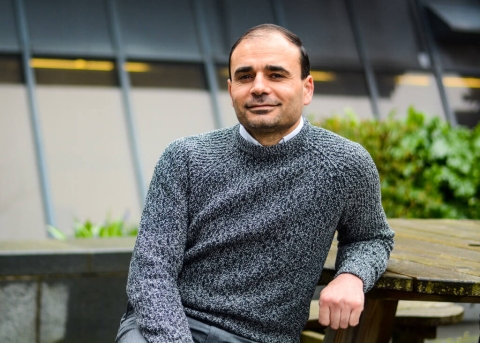
Maria Rogersمشاهده پروفایل
دانشیار
Maria Rogers is an Associate Professor in the Counseling Psychology program at Carleton University, holding the prestigious Tier II Canada Research Chair in Child and Youth Well-being. She concurrently serves as an Adjunct Professor in the Faculty of Education at the University of Ottawa, where her institutional email is maintained. Her clinical credentials include licensure as a child and adolescent psychologist in Ontario and Quebec, enabling direct practice alongside academic work. Professor Rogers' research program centers on interpersonal dynamics in child development, with three interconnected pillars: (1) relational health of children with neurodevelopmental disorders (particularly ADHD) and its academic implications, (2) chronic school absenteeism and its mental health correlates, and (3) Indigenous children's educational well-being through community partnerships. Her work consistently examines how parent-child and teacher-student relationships mediate learning outcomes, especially during crisis periods like the COVID-19 pandemic. Analysis of her recent publications reveals evolving methodological sophistication, transitioning from single-institution studies to national longitudinal designs. Key emerging trends include intersectional analysis of ADHD symptomatology across gender identities, integration of physical activity metrics into mental health models, and development of virtual single-session interventions for parental support. Her work increasingly incorporates Indigenous research methodologies through community-led partnerships. Scientific Recognition: Tier II Canada Research Chair in Child and Youth Well-being As co-founder of the Canadian Partnership for School Attendance (CPSA), Rogers leads a transdisciplinary research collective involving school boards, mental health agencies, and Indigenous communities. Her lab develops evidence-based frameworks for addressing school absenteeism, with recent focus on pandemic recovery strategies and culturally responsive interventions for Indigenous youth. Current projects examine the effectiveness of mindfulness adaptations for neurodiverse learners and longitudinal tracking of mental health trajectories following school reintegration.