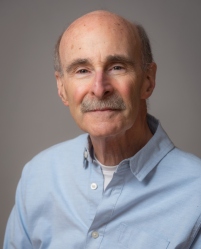
Ed Grant is a Professor in the Department of Chemistry at the University of British Columbia (UBC), Faculty of Science. He leads research in chemical physics, focusing on laser spectroscopy, ultracold plasmas, and Raman spectroscopy. B.A., 1969, Occidental College Ph.D., 1974, University of California, Davis Research Interests: Grant's work spans fundamental and applied domains. His team investigates ultracold plasmas using molecular beam techniques, revealing Coulombic interactions and strong correlations. In Raman spectroscopy, they develop instruments for microscale biological sample analysis and employ multivariate classification. Recent projects integrate quantum computing, machine learning, and environmental science (e.g., microplastics' atmospheric impact). Scientific Awards: R&D 100 Award (1998) Fellow of the American Physical Society (1992) Humboldt Research Award (1992, 2012) Kelly Award for Excellence in Undergraduate Teaching (1990) Fulbright Senior Scholar (1988)
Dr. Ali Sadaghiani is an Associate Professor in Surface Engineering and an Anniversary Fellow at the University of Birmingham, affiliated with the Department of Mechanical Engineering in the School of Engineering. He leads the Smart Research Group, focusing on advancing phase-change heat transfer and interfacial transport phenomena for sustainable energy and water solutions. PhD in Thermofluidics, Sabanci University, 2019 MSc in Mechatronics Engineering, Sabanci University, 2015 BSc in Mechanical Engineering, Iran University of Science and Technology, 2012 His research lies at the intersection of thermal-fluid engineering and material science, with a strong emphasis on boiling, condensation, evaporation, and freezing. He develops advanced engineered surfaces to enhance heat transfer efficiency in applications such as electronic cooling, battery thermal management, solar desalination, and anti-icing systems. His work integrates experimental methods (e.g., micro-PIV, Raman spectroscopy), multiscale modeling (CFD, MD), and surface modification techniques. His recent publications and projects reflect a consistent focus on sustainable technologies, including solar-driven interfacial evaporation, hydrogen-powered propulsion systems, and solid-state battery thermal regulation. He has led and contributed to multiple Horizon Europe and national research initiatives such as Triathlon, ARISE, MicroFlowTec, and BioAFC, demonstrating strong interdisciplinary collaboration and innovation. ERC Starting Grant laureate Anniversary Fellow Dr. Sadaghiani actively supervises PhD students and welcomes applicants interested in phase-change heat transfer, surface engineering, AI-driven material design, and sustainable thermal systems. He has secured significant research funding and continues to develop scalable solutions for next-generation energy and water technologies.
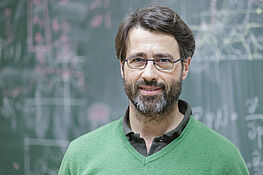
Christoph Dellago is a full Professor of Computational Physics at the Faculty of Physics of the University of Vienna, where he has been a faculty member since 2003. He currently serves as Director of the Erwin Schrödinger Institute for Mathematics and Physics, Head of the Computational and Soft Matter Physics Group, and Project lead of EuroCC Austria - National Competence Centre for Supercomputing. Previously, he served as Dean of the Faculty of Physics (2009-2012) and Coordinator of the Doctoral College Advanced Functional Materials (DCAFM). Full Professor, Faculty of Physics, University of Vienna (2003-present) Director, Erwin Schrödinger Institute for Mathematics and Physics (2017-present) Head, Computational Physics and Soft Matter Group (2024-present) Coordinator, Doctoral College Advanced Functional Materials (DCAFM) Austrian Representative, Council of CECAM Dellago received his PhD in Physics from the University of Vienna in 1996, followed by postdoctoral research at UC Berkeley as a Schrödinger Fellow of the Austrian Science Foundation. His research focuses on developing computational methods to study rare events in condensed matter systems, particularly transition path sampling methodology for simulating nucleation, chemical reactions, and biomolecular reorganizations. He has pioneered the application of machine learning to molecular structure recognition and potential energy surfaces. Recent work examines self-assembly of nanocrystals, biopolymer folding, aqueous interfaces, phase separation in alloys, thermo-polarization, cavitation, and freezing phenomena. Analysis of Dellago's recent publications (2023-2025) reveals a strong emphasis on machine learning applications in computational physics, particularly neural network potentials for simulating water interfaces, crystal defects, and phase transitions. His work bridges traditional statistical mechanics with modern computational techniques, creating powerful tools for studying complex dynamical processes that occur on timescales far beyond conventional molecular dynamics simulations. The publications demonstrate increasing integration of machine learning with rare event sampling methods, reflecting the cutting-edge direction of computational statistical mechanics. Förderpreis der Stiftung Futura zur Förderung junger Südtiroler im Ausland (1997) The Raymond and Beverly Sackler Prize in the Physical Sciences (2005) UNIVIE Teaching Award of the University of Vienna (2014) Dellago leads an active research group with multiple PhD students and postdocs, focusing on computational statistical mechanics. His group develops trajectory-based sampling methods and machine learning approaches for molecular simulation. He has secured significant funding through EuroCC Austria and various research platforms including the Research Platform Accelerating Photoreaction Discovery and the Research Platform Erwin Schrödinger International Institute for Mathematics and Physics. His research has been supported by numerous grants enabling advanced computational infrastructure for high-performance simulations. The Dellago Group operates within the Computational and Soft Matter Physics division at the University of Vienna, with strong connections to the Research Network Data Science. The group collaborates extensively with international research institutions and maintains close ties with the Erwin Schrödinger Institute, which Dellago directs. Their research environment combines theoretical physics, computational chemistry, and machine learning expertise to tackle fundamental questions in condensed matter physics and soft matter systems.
Professor Ian Johnston is the Director of the Biodetection Technologies Hub and the Wolfson Centre for Biodetection & Instrumentation Research at the University of Hertfordshire. He leads multidisciplinary research in microfluidics, bioaerosol detection, and antimicrobial nanomaterials. His work spans applications in biosecurity, food safety, and environmental monitoring, with collaborations involving UK defense agencies and institutions like the Pirbright Institute and Universities of Cambridge and Bristol. Affiliations: Wolfson Centre for Biodetection, Microfluidics & Microengineering Research Group Education: BSc (Hons) Physics (University of Leeds, 1994), PhD in Microfluidics (University of Hertfordshire) Research interests include digital microfluidics (EWOD), microfluidic lab-on-a-chip devices, and biodetection systems for in-field applications. His projects address biowarfare threats, aquaculture monitoring, and crop protection. Notable collaborations include developing antimicrobial PDMS polymers and electrowetting-enhanced bioaerosol collectors. Over 30 years of expertise in microfluidics and bioaerosol technologies, with notable contributions to droplet actuation systems and rapid pathogen detection platforms. Projects often involve defense and environmental agencies, emphasizing practical, field-ready solutions. Grants & Projects: Leads or co-leads 40+ projects, including CIBD (Compact Biological Detection), Micro-FloTec (flow technology), and bioaerosol sampling innovations. Recent funding spans 2023–2028 with focuses on hydrogel-based sensing and portable biodetection systems.
Prof. Dr. Corinna Hoose leads the Cloud Physics research group at the Institute of Meteorology and Climate Research - Tropospheric Research (IMKTRO) within Karlsruhe Institute of Technology (KIT) . She has held this W3 Professorship since 2013 and previously led a Helmholtz Young Investigators Group (2010-2016). Her work focuses on aerosol-cloud interactions , mixed-phase cloud processes , and numerical modeling of atmospheric systems . Professor of Theoretical Meteorology at KIT (2013-present) Former Helmholtz Group Leader (2010-2016) University of Oslo & ETH Zurich Postdoc experience Co-Editor of Atmospheric Chemistry and Physics Research Interests center on ice nucleation mechanisms , cloud dynamics , and climate sensitivity studies . Her group develops parameterizations for heterogeneous ice nucleation and investigates precipitation formation across different cloud types. Notable methodological contributions include SEVIRI satellite data analysis and ICON model modifications for microphysical-dynamic coupling. Publication Trends show consistent leadership in mixed-phase cloud modeling (2013-2025), with particular emphasis on Arctic cloud systems , heterogeneous ice formation , and aerosol impacts on precipitation . Her work bridges laboratory ice nucleation studies (e.g., dust-ash parameterizations) and regional climate modeling at various spatial resolutions. Teaching includes core courses in Theoretical Meteorology , Numerical Methods , and Cloud Physics at KIT. She has mentored multiple early-career researchers as evidenced by co-authorships with advisees like A. Oertel and L. Ickes. Collaborations span institutions including ETH Zurich, University of Oslo, and EU projects like EUCAARI. Her research group interacts with observational teams through field campaigns like Swabian MOSES and utilizes both in situ and remote sensing data for model validation.
Dr. Zhaoxia Pu is a Professor in the Department of Atmospheric Sciences at the University of Utah and an Adjunct Professor at the School of Computing . Recognized as a Fellow of both the American Meteorological Society and the Royal Meteorological Society, she serves on the NOAA Science Advisory Board and has led 38 federally funded projects from agencies including NOAA, NASA, NSF, DOE, and ONR. Specializes in numerical weather prediction , data assimilation , and AI/machine learning for high-impact weather systems Developed advanced methods integrating satellite/radar data (GOES-R, CYGNSS, TROPICS) with Earth system models (UFS, E3SM, WRF) Recipient of the 2024 Excellence in Research Award and 2023 Provost's Banner Project recognition Research Trends : Her recent publications focus on: Machine learning approaches for precipitation retrieval using GOES-R data Cold fog microphysics and visibility parameterization in complex terrain Tropical cyclone dynamics through radar and lidar data assimilation Boundary layer turbulence in landfalling storms Drought mechanisms linked to synoptic-scale circulation New particle formation in mountainous regions Scientific Leadership : Lead scientist for CFACT NSF field campaign (2021–2025) Editorial board member of leading journals Active reviewer for NSF, DOE, NOAA, and NASA Teaching & Mentorship : Teaches Numerical Weather Prediction , Atmospheric Dynamics , and Introduction to Atmospheric Sciences courses. Has supervised 28 graduate students to completion.
Ragnvald Mathiesen serves as Professor in the Department of Physics at the Norwegian University of Science and Technology (NTNU), Trondheim. His research leverages advanced synchrotron-based X-ray and neutron imaging techniques to investigate dynamic solidification processes in metallic alloys and geomaterials, with significant contributions to understanding microstructure evolution under varied conditions including microgravity. His primary research interests focus on solidification physics , in-situ X-ray radiography/tomography , and microstructure characterization of metallic systems. Key specialties include dendrite growth kinetics, phase transformation dynamics, grain refinement mechanisms in aluminum alloys, and the application of 4D imaging to capture transient phenomena in materials processing. His work bridges fundamental physics with industrial metallurgy applications, particularly in aluminum and magnesium alloy systems. Analysis of his 15 most recent publications (2019-2025) reveals a consistent emphasis on time-resolved imaging methodologies applied to solidification phenomena. His research demonstrates increasing sophistication in multi-modal imaging (X-ray/neutron), with growing applications in geomaterials and electro-active systems. The publications show strong international collaboration patterns, particularly with European synchrotron facilities like ESRF, and address both fundamental questions in solidification physics and practical challenges in materials processing. Professor Mathiesen actively contributes to the development of advanced X-ray microscopy techniques, as evidenced by his 2017 doctoral dissertation on high-energy X-ray transmission microscopy and recent publications on dark-field imaging and diamond lens optimization. His laboratory work utilizes NTNU's materials characterization infrastructure alongside major international facilities including the European Synchrotron Radiation Facility.
Tuukka Petäjä is a Professor at the University of Helsinki's Faculty of Science and Department of Physics, currently serving as Docent and supervisor for the Doctoral Programme in Atmospheric Sciences. He is affiliated with the Institute for Atmospheric and Earth System Research (INAR). Research focuses on atmospheric and Earth system science Active in aerosol research and climate modeling Recipient of multiple scientific awards His research spans air pollution mapping, aerosol dynamics, and climate-relevant particle formation. Recent publications analyze aerosol sources in Europe, Arctic blowing snow events, and machine learning applications in atmospheric science. Notable scientific awards include: Aerosol Foundation Award (2022) Finnish Association for Aerosol Research Award (2010) Thompson Reuters Highly Cited Researcher in Geosciences (2014-2016) He supervises doctoral students and co-manages research infrastructure projects, including SMEAR Stations for Earth system-atmosphere relations. Current research involves international collaboration through initiatives like ACTRIS and PEEX-Academic-Challenge workshops.
Katrianne Lehtipalo is a Professor at the University of Helsinki, affiliated with the Institute for Atmospheric and Earth System Research (INAR) within the Faculty of Science. Her research focuses on atmospheric aerosol formation, new particle formation mechanisms, and their implications for climate and air quality. She holds a docent (Adjunct Professor) position at the Department of Physics and has contributed to major projects like the CERN CLOUD experiment and the EU-funded RI-URBANS initiative. Her work spans experimental, field, and computational studies, addressing topics such as aerosol chemistry, pollution dynamics, and the impacts of atmospheric particles on climate. Key research areas include the formation and growth of atmospheric nanoparticles, the role of organic vapors and ions in nucleation, and the effects of anthropogenic and biogenic emissions. Lehtipalo has led projects on aerosol measurement techniques and contributed to understanding particle behavior in diverse environments, from boreal forests to urban centers. She has been recognized with awards like the Väisälä Award (2022) and World Cultural Council Special Recognition (2023), highlighting her scientific contributions. Her professional activities include peer review for journals like Nature Geoscience and Environmental Science & Technology Letters , organizing conferences, and supervising doctoral research. Collaborations span global institutions, and her work has advanced the integration of field observations, laboratory experiments, and modeling in atmospheric science.
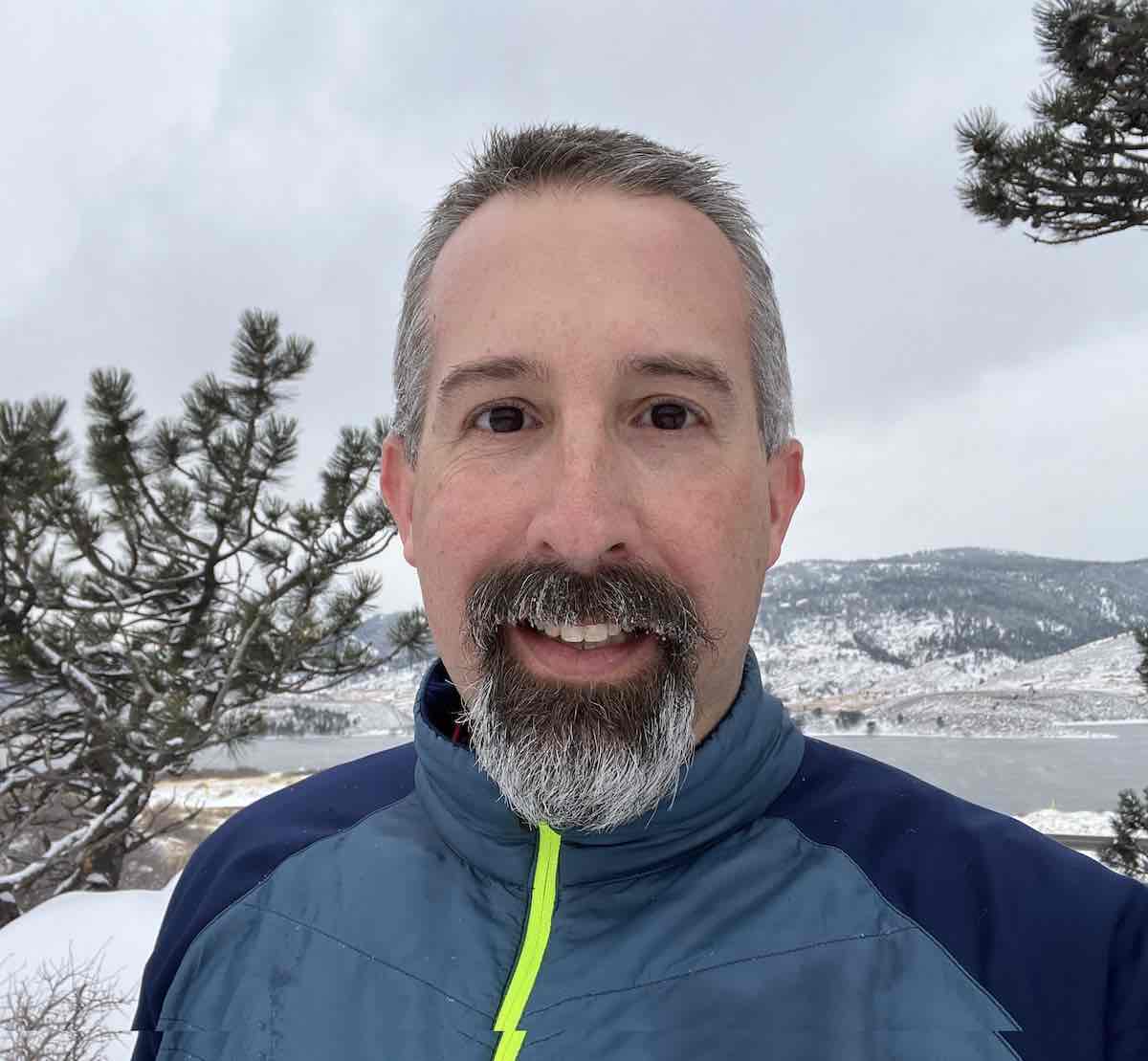
Stephen Saleeby is a Senior Research Associate at Colorado State University, working in the field of atmospheric science since July 2000. His research focuses on cloud microphysics, aerosol-cloud interactions, and numerical modeling using the RAMS mesoscale model. Education: B.S. in Physics (1997), M.S. in Atmospheric Science (2000) Affiliation: Colorado State University Research Interests: Cloud microphysics, aerosol effects on precipitation, numerical modeling His recent publications analyze aerosol impacts on deep convection, ice nucleation processes, and convective storm initiation mechanisms. He has contributed to model development (e.g., tobac v1.5) and validation studies using satellite and radar observations. Field experience includes the ISPA-2 and ISPA-3 projects at Storm Peak Lab, where he conducted aerosol and snowfall measurements. He also coaches the Kinard Middle School Science Olympiad Meteorology Team.
Dr. David Bell is a Scientist at the Paul Scherrer Institute (PSI) within the Center for Energy and Environmental Sciences and Laboratory of Atmospheric Chemistry . Since 2017, he has conducted research on aerosol formation and aging processes, particularly focusing on secondary organic aerosol (SOA) from biomass burning and complex combustion sources. He transitioned to a Tenure Track position at PSI in 2021. Education : B.Sc. in Chemistry and Mathematics from University of Wisconsin-Stevens Point (2008); Ph.D. in Chemistry from University of Utah (2013); Postdoctoral Researcher at Pacific Northwest National Laboratory (2013-2017). His research systematically investigates aerosol source profiles using atmospheric simulation chambers and real-time chemical composition analysis. Key areas include secondary organic aerosol formation , oxidative potential of combustion aerosols , and humidity effects on aerosol behavior . He employs advanced instrumentation like extractive electrospray ionization mass spectrometry (EESI-TOF) for molecular-level insights. The 15 most recent publications (2023-2025) highlight his work on biomass burning emissions , α-pinene oxidation , NO3 radical impacts , and instrument development for aerosol analysis. His studies emphasize the interplay between inorganic-organic interactions (e.g., ammonia effects) and climate-relevant processes (e.g., cloud formation).
Dr. Łukasz Baran is an Assistant Professor at the Department of Theoretical Chemistry , Maria Curie-Skłodowska University (UMCS), Lublin, Poland. He earned his PhD in Chemical Sciences (2022) with a dissertation on computer simulations of molecular self-assembly processes on solid surfaces. His current research focuses on interfacial behavior of water in liquid/crystalline forms and the influence of confinement curvature on patchy particle systems, combining molecular dynamics and advanced Monte Carlo simulations. Current Affiliation: Maria Curie-Skłodowska University (UMCS), Lublin, Poland Additional Affiliation: Complutense University of Madrid, Spain (PostDoc, 2024-) His research spans self-assembly mechanisms , ice friction phenomena , and 2D supramolecular networks , with applications in nanoscience and materials chemistry. Recent work includes studies on colloidal diamond formation, ice premelting layers, and confinement effects on Janus particles. His publications have appeared in high-impact journals like Nanoscale , PNAS , and Journal of Chemical Physics . Scientific Awards Ministry Scholarship for Young Researchers (2022) START Scholarship by Foundation for Polish Science (2020) Best PhD Thesis Award, UMCS Faculty of Chemistry (2022) Dr. Baran has secured significant grants including NCN PRELUDIUM 20 (2022-2025) and the "Diamentowy Grant" (Diamond Grant) (2018-2021). His work has been featured in Polish media (TVP Lublin) and international outlets like phys.org . He collaborates with researchers across Europe, including teams in Madrid and Lublin.
Yun Li is a Research Assistant Professor and Master's Supervisor at Southern University of Science and Technology (SUSTech), affiliated with the Department of Earth and Space Sciences within the Faculty of Science. He serves as a youth council member of the mineral materials division of the Chinese Ceramic Society and holds multiple research grants including the National Natural Science Foundation of China Youth Fund Project. Research Assistant Professor at SUSTech (2022-present) Postdoctoral Research Associate at SUSTech (2020-2022) Youth Director of International Association of Clay Minerals (2025-2029) Principal Investigator for multiple research projects Dr. Li earned his B.S. in Petroleum Engineering from Yan'an University (2010-2014), M.S. in Oil and Gas Field Development Engineering from Southwest Petroleum University (2014-2017), and Ph.D. in Mineralogy, Petrology, Mineral Deposit Geology from Guangzhou Institute of Geochemistry, Chinese Academy of Sciences (2017-2020). Dr. Li's research focuses on mineral surface-interface interactions and gas hydrates, with particular emphasis on unconventional oil and gas resources including gas hydrates, shale oil and gas, and geological hydrogen/helium. His work investigates the geological storage and mineralization of carbon dioxide, employing surface-interface analysis techniques, molecular simulation methods, and in-situ visualization experimental techniques (X-ray and neutron) to study energy/environmental fluid interactions with clay minerals. His research has significant applications in unconventional oil and gas development and carbon capture technologies. Analysis of Dr. Li's recent publications reveals a strong focus on molecular dynamics simulations of hydrate formation mechanisms in clay minerals, particularly examining how different cations, organic matter, and mineral structures affect methane and carbon dioxide hydrate formation. His work bridges fundamental surface science with practical energy applications, showing increasing emphasis on carbon dioxide storage mechanisms in recent years. His publications appear in high-impact journals including ACS Sustainable Chemistry & Engineering, Applied Surface Science, Applied Clay Science, and Langmuir. Young Director of International Association of Clay Minerals (AIPEA) (2025-2029) Young Director of Mineral Materials Branch of Chinese Ceramic Society (2023-2028) SUSTech 'Qiming' and 'Taiyi' Star Scientific Research Achievement Awards (2024) Top Ten Young Scholars' Report at 10th National Conference on Mineral Science and Engineering (2024) Excellent Presentation Awards at multiple international clay and mineral conferences Outstanding reviewer for Applied Clay Science journal As a Master's Supervisor, Dr. Li mentors graduate students in earth sciences and energy-related research. He has secured significant research funding including the China Postdoctoral Science Foundation, Guangdong Basic and Applied Basic Research Foundation, and Shenzhen Science and Technology Program. His current projects include the National Natural Science Foundation of China Youth Fund Project (2025-2027) focusing on unconventional energy resources. Dr. Li has participated in major infrastructure projects including the material genomics experimental facility in Shenzhen and the high-pressure neutron diffraction/imaging spectrometer at Chinese Spallation Neutron Source. Dr. Li's research integrates computational modeling with experimental techniques through collaborations with major research facilities. His work on in-situ visualization techniques connects with neutron source facilities, while his molecular simulation research requires high-performance computing resources. He serves on editorial boards for journals including Unconventional Resources and special issues on unconventional oil and gas, demonstrating leadership in his research community.
Dr. Jason D. Surratt is the Cary C. Boshamer Distinguished Professor and holds dual appointments in the Department of Environmental Sciences and Engineering and the Department of Chemistry at the University of North Carolina at Chapel Hill. He leads the Surratt Laboratory, which focuses on atmospheric and environmental chemistry, particularly secondary organic aerosol (SOA) formation and PFAS transformations. His work bridges analytical chemistry, environmental science, and public health, addressing anthropogenic chemical impacts on natural cycles. Education: PhD in Chemistry, California Institute of Technology (2010) BS and BA in Meteorology and Chemistry, North Carolina State University (2003) Research interests include: Chemical mechanisms of SOA formation, particularly from isoprene oxidation PFAS emissions, exposure pathways, and health effects Biomass burning aerosol chemistry and aging Interactions between anthropogenic pollutants and natural organic systems Key achievements: 2025 AAAR Annual Conference Chair Editorial roles for journals including ACS ES&T Air and Atmospheric Chemistry and Physics His research group has pioneered advanced mass spectrometry techniques and conducted field studies near manufacturing facilities to assess PFAS releases. Collaborations with toxicologists explore inhalation health impacts, while laboratory experiments simulate atmospheric processes using indoor smog chambers and oxidation flow reactors. Service activities include leading the NC PFAS Testing Network (2018–2021) and developing educational initiatives like the Development of a Hydrophilic Interaction Liquid Chromatography (HILIC) Method for the Chemical Characterization of Water-Soluble Isoprene Epoxydiol (IEPOX)-Derived Secondary Organic Aerosol .
Professor Geoff Smith is a leading academic in Pharmaceutical Process Analytical Technology at De Montfort University, affiliated with the Leicester School of Pharmacy and the Pharmaceutical Technologies research group. He holds a PhD from the University of Brighton and a BPharm from the University of Bath, and has been instrumental in advancing freeze-drying and process analytical technologies. His research expertise lies in developing and applying novel sensing technologies for pharmaceutical manufacturing. Key areas include freeze-drying process development, impedance and dielectric spectroscopy, terahertz imaging, dynamic laser speckle, and electrostatic measurements for powder flow analysis. His work is strongly industry-oriented, focusing on enhancing process understanding and control through real-time, non-invasive monitoring. The recent publications highlight a strong trend in the application of Through-Vial Impedance Spectroscopy (TVIS) for lyophilization process optimization. Research spans from fundamental studies on ice nucleation and glass transition to practical applications in micro-collapse detection, heat transfer coefficient calculation, and container compatibility. There is also significant work on terahertz-based characterization of crystallinity and microneedle penetration, indicating a broader interest in advanced spectroscopic and imaging techniques for pharmaceutical quality assurance. Scientific Awards and Recognition: While specific awards are not listed in the provided text, his extensive publication record, multiple patents, and leadership in Innovate UK-funded projects reflect high recognition in his field. Professor Smith has successfully secured substantial research funding from Innovate UK and the Technology Strategy Board, including grants such as EXTALcoat, FastLyo, AtlasBio, BioStaRT, and LyoDEA, involving collaborations with industry leaders like GEA, AstraZeneca, and Sanofi. He has supervised numerous PhD projects and plays a key role in teaching Pharmaceutical Quality by Design and Good Manufacturing Practice. He leads the Pharmaceutical Technologies group, which he restructured to include chemists, physicists, and engineers, fostering a multidisciplinary approach to solving current pharmaceutical challenges. Laboratories and Research Groups: He leads the Pharmaceutical Technologies research group at DMU, which focuses on developing and applying advanced analytical techniques like TVIS, terahertz spectroscopy, and laser speckle imaging for pharmaceutical process understanding and control. The group operates at the intersection of pharmaceutical science, engineering, and material science, with a strong emphasis on industrial collaboration and technology transfer.