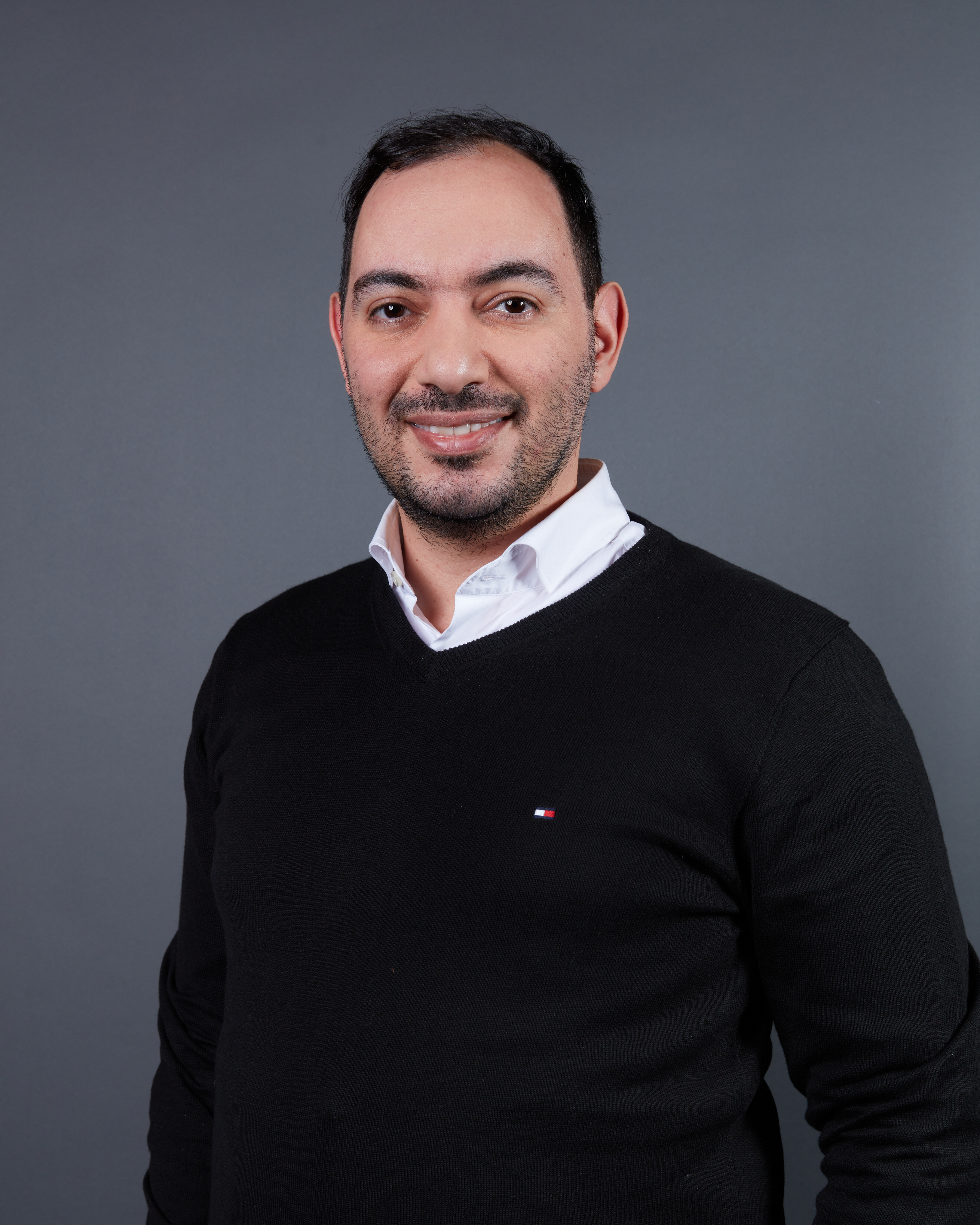
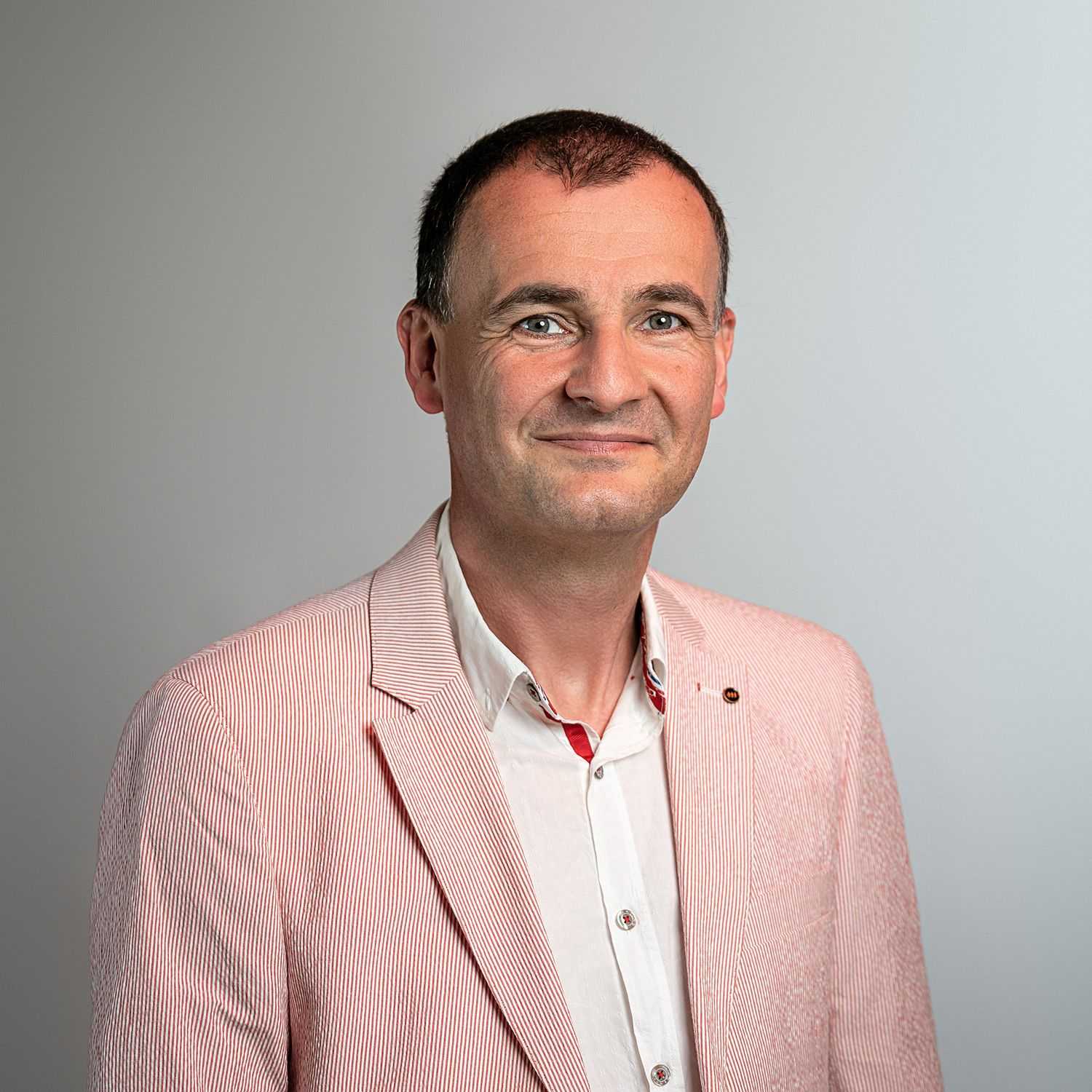
Dr. Husain Najafi is a hydrological forecasting expert at the Department of Computational Hydrosystems within the Helmholtz Centre for Environmental Research (UFZ). He specializes in operational early warning systems for floods and droughts, currently leading national-scale impact-based forecasting platforms in Germany while supporting international initiatives under the WMO's Multi-Hazard Early Warning Systems (MHEWS) framework. Research Highlights Developed FFS4DE (Germany's experimental high-resolution flood forecast system) Created HS2S (Sub-seasonal Soil Moisture Forecast System for drought prediction) Contributed to UNDRR and IPCC aligned climate risk frameworks Active member of the IDMP expert network for drought management Scientific Contributions 2024 Nature Communications paper on 10-meter floodplain inundation modeling Recipient of UFZ Young Scientist Award 2022 for operational drought forecasting Key contributor to ESA 4DHydro project for hyperresolution hydrological modeling
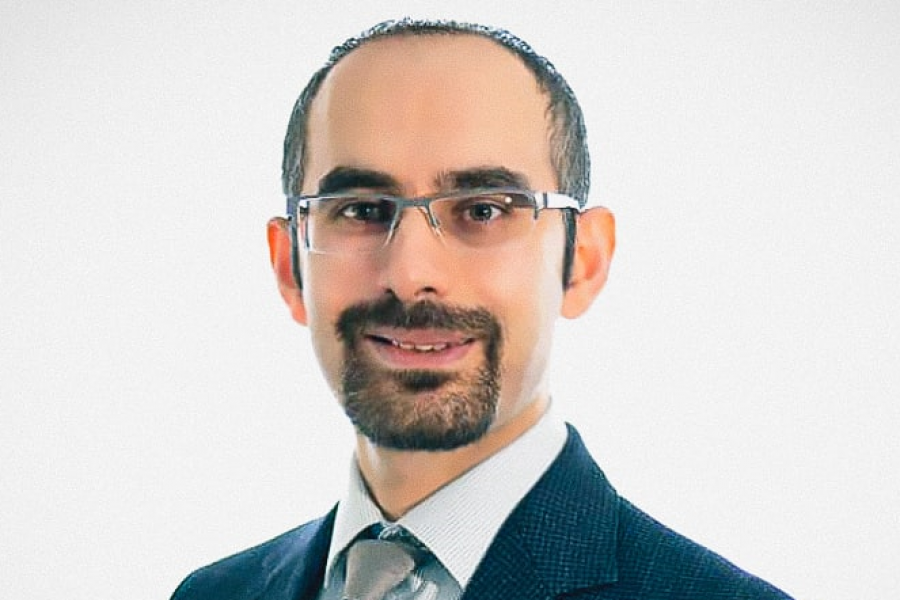
Christian Betz is a full Professor and Director of the Department of Otorhinolaryngology at the University Medical Center Hamburg-Eppendorf (UKE), Faculty of Medicine, University of Hamburg. As Deputy Director of the Head and Neurocenter, he specializes in head and neck surgery, optical diagnostic imaging, and HPV-related cancers. Medical Specialist in Otorhinolaryngology Vice-Deanery for Research representative Active in the European Platform for Photodynamic Medicine International collaborations in LASER SURG MED and radiobiology His research focuses on: Optical metabolic imaging for tumor differentiation AI-driven computer-aided diagnosis of sinus anomalies DNA repair mechanisms in HNSCC Photodynamic therapy applications Post-COVID olfactory dysfunction Key scientific contributions include: Over 30 publications in LASER SURG MED and HEAD NECK-J SCI SPEC 2025 international multicenter studies on surgical outcomes 2024 leadership in AI integration for maxillary sinus classification Awards: Video Award for 5-ALA fluorescence endoscopy Best Oral Communication Prize for OCT applications
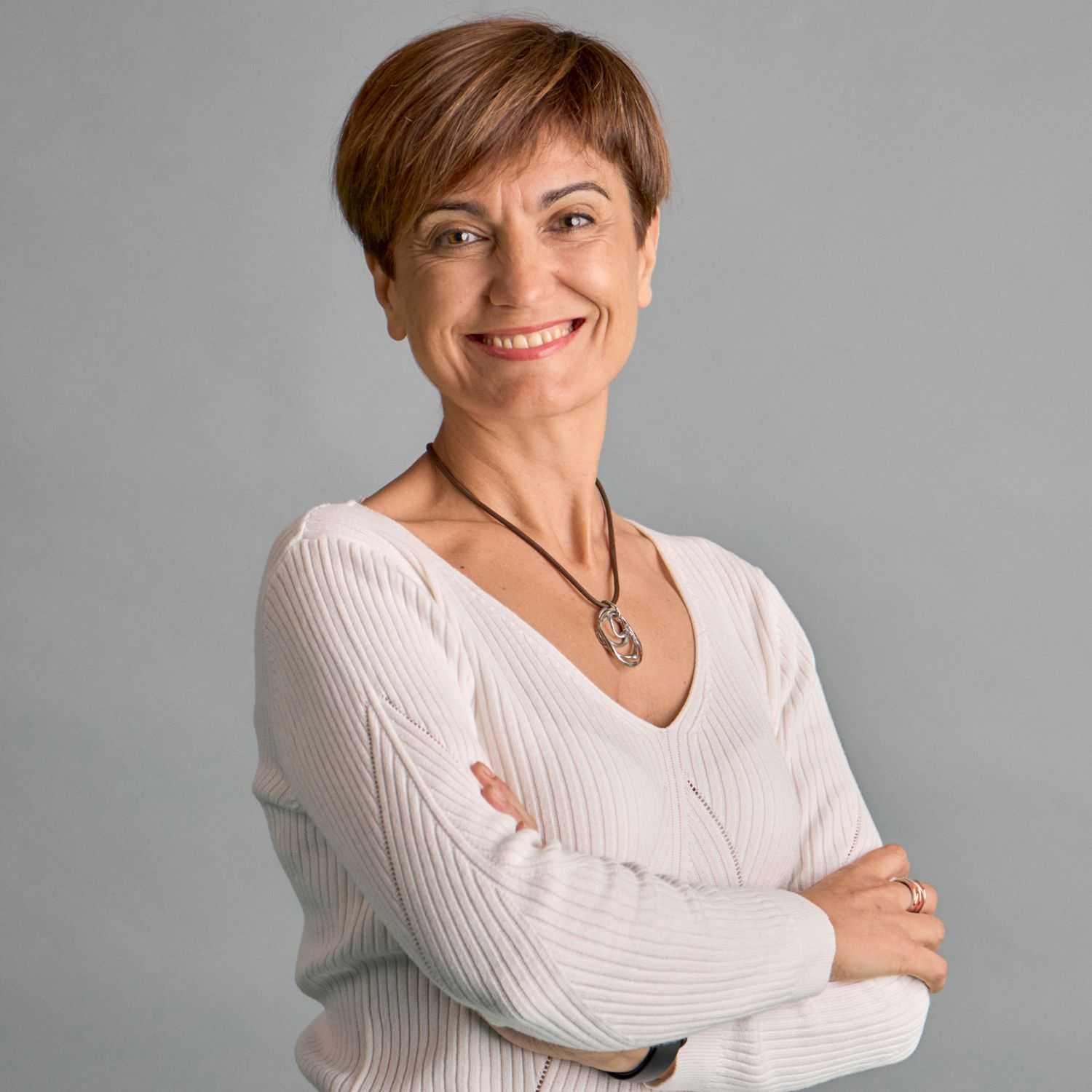
Dr. Pooneh Bagheri Zadeh is Course Director in Computer Science at Leeds Beckett University, affiliated with the School of Built Environment, Engineering and Computing. She holds a PhD in Computer Vision from Glasgow Caledonian University and has held academic positions at De Montfort University, Staffordshire University, and the University of Gloucestershire. She is currently External Examiner at London Metropolitan University and Edinburgh Napier University. Her research spans image and video processing, computer vision in AI drones, machine learning, digital forensics, mobile forensics, and hyperspectral imaging. She has published over 50 international papers and actively supervises PhD students. Her publications reflect a consistent focus on intelligent systems integrating AI and computer vision, particularly in security and forensics. Applications include drone vision, video analytics, and image super-resolution. She bridges theoretical research with practical implementation in embedded and mobile environments. External Examiner, London Metropolitan University – Computer Systems Engineering and Robotics External Examiner, Edinburgh Napier University – Digital Forensics and Cybersecurity She has successfully graduated two PhD students and currently supervises four. She has also examined eight PhD and MPhil theses from UK universities. She teaches courses including Embedded Intelligent & Vision Systems, Mobile Forensics Investigation, and Forensics Image Processing, and supervises final year and MSc projects. She is actively involved in research teams focusing on AI-driven vision systems and digital forensics, contributing to advancements in secure and intelligent computing technologies.
Mohammad Nadimi is an Assistant Professor in the Department of Biosystems Engineering at the Price Faculty of Engineering, University of Manitoba. He holds a PhD in Electrical Engineering from the same institution and has a multidisciplinary research profile spanning photonics, food quality, and data analytics. His work focuses on integrating advanced optical techniques with machine learning to improve agri-food production and storage systems. Education: PhD in Electrical Engineering, University of Manitoba, 2018 M.Sc. in Electrical Engineering, Iran University of Science and Technology, 2011 Dr. Nadimi's research centers on real-time quality monitoring of agri-food products using electromagnetic imaging, spectroscopy, and smart sensing technologies. He applies machine learning and AI to optimize data analysis in large-scale agricultural datasets. His work also includes microstructural analysis of food materials and laser-based biostimulation to enhance crop viability. These efforts aim to reduce post-harvest losses and improve food safety and sustainability. The selected publications reflect a strong trend in applying photonics and artificial intelligence to food quality assurance. Key areas include hyperspectral imaging, NIR spectroscopy, terahertz sensing, and deep learning models for contamination detection, spoilage prediction, and structural analysis of grains and legumes. His work bridges engineering innovation with practical agricultural challenges. Scientific Service: Senior Editor, Measurement: Food (Elsevier) Dr. Nadimi has published over 40 peer-reviewed journal articles and 20 conference papers. He is actively involved in graduate education and is currently seeking new students for research projects. His industry experience as a Senior Data Analyst at Wawanesa Insurance further strengthens his expertise in big data analytics and risk modeling. He leads a research program that combines experimental photonics with computational intelligence to develop next-generation food monitoring systems. Laboratory and Research Team: Dr. Nadimi's research group focuses on developing integrated photonics and data analytics solutions for agri-food systems. The team works on sensor development, machine learning model training, and real-time monitoring platforms for grain and oilseed storage environments.
Dr. Angela Escolme is a Senior Lecturer and Researcher in Geology and Geometallurgy at the University of Tasmania's School of Natural Sciences. Her research focuses on mineral deposits, particularly porphyry copper systems, and integrates field studies, microanalytical techniques, and hyperspectral data analysis. She leads the AMIRA P1202 project's Module 4, developing methodologies for characterizing porphyry copper deposits' transition zones. Education: PhD in Geology, University of Tasmania (2017) MSc in Earth Sciences (Hons), University of Manchester (2007) Research Interests: Dr. Escolme's work emphasizes mineralogical and geochemical characterization of ore deposits to improve geometallurgical modeling and environmental sustainability. Key areas include: Porphyry copper systems and their transition zones Hyperspectral imaging and machine learning for ore characterization Alteration overprints and mineral chemistry vectors Geometallurgical predictive modeling Teaching & Supervision: She coordinates the KEA711 Geometallurgy short course and has supervised multiple doctoral and masters students, including studies on the Valeriano Cu-Mo-Au Deposit and the Mankayan District gold system. Awards: Best student oral presentation, Society of Economic Geologists (2015) Grants & Projects: Leads or collaborates on AMIRA-funded projects P1202 and P1249, focusing on porphyry systems and complex orebody characterization. Recent funding includes $3.97 million for P1249 (2022–2026). Professional Activities: Active in industry partnerships and serves on the ARC TMVC Hub. Previously held postdoctoral roles and worked in exploration geology at a Western Australian gold mine.
Christian Huck is a full Professor and Head of the Institute of Analytical Chemistry and Radiochemistry at the University of Innsbruck. He holds roles including Deputy Head of Institute (2009), Vice-President of the Austrian Chemical Society (2019), and Head of the Faculty of Chemistry and Pharmacy Council (2021). His academic journey includes a Dr.rer.nat. (1998), Habilitation in Analytical Chemistry (2006), and professorships at Universities of Stuttgart (2014) and Innsbruck (2015). Research focuses on vibrational spectroscopy (NIR/MIR/Raman/FUV), quantum chemical simulations, separation technologies (LC/MS/MS), and applications in phytomics, metabolomics, and proteomics. He leads projects like 'Cereal' (Interreg Austria-Italy) and 'Qualimeat' (Interreg Austria-Bavaria), and collaborates with industries like Bionorica SE. His lab uses advanced instruments including Bruker SenterraII Raman and Orbitrap Exploris 120. Huck is an award-winning scientist with honors including the SAS Fellow Award (2021) and Birth Award (2022). He chairs conferences like NIR 2023 and serves on editorial boards of Spectrochimica Acta and Frontiers in Chemistry . Current research spans forensic bone analysis, environmental microplastics, and handheld NIR sensors for food safety.
Hendrik Hamann is a Professor at Stony Brook University's School of Marine and Atmospheric Sciences and Chief AI Scientist at EBNN, Brookhaven National Laboratory. He holds adjunct roles at the University of Illinois Urbana-Champaign and Yamagata University. His research bridges physical and computational sciences, focusing on AI, machine learning, high-performance computing, and geoinformatics for climate, sustainability, and energy applications. Education: Ph.D. in Physics from the University of Göttingen (1995). Prior Roles: IBM Research (1995–2024), leading initiatives in data center efficiency, geospatial analytics (PAIRS), and climate modeling. Spearheaded AI foundation models for energy grids and climate. Research interests include AI-driven climate forecasting, geospatial data fusion, and sustainable energy systems. His work has led to 180+ patents and transformative technologies like IBM PAIRS and the thermally assisted magnetic recording (HAMR). He has been recognized with the AIP Prize and IBM's Master Inventor title. Awards: 2016 AIP Prize, APS Fellowship, IEEE Senior Member, and IBM Academy of Technology membership. Grants: $20M DOE grant (2024) for methane quantification and multi-million DOE projects in energy systems. Labs/Teams: Led global IBM Research Climate & Sustainability teams (2021–2024) and co-developed geospatial foundation models for weather and earth observation.
Dr. Erin Hestir is a Professor in the Civil & Environmental Engineering department at the University of California, Merced. Her research focuses on water security and food production, biodiversity monitoring, and ecosystem services analysis through advanced geospatial technologies. Academic Affiliation: School of Engineering, UC Merced Research Expertise: Hyperspectral & Satellite Remote Sensing, Sensor Networks in Aquatic Systems Key Techniques: Geospatial Analytics, Environmental Modeling, Field Campaigns Her work spans inland and coastal watersheds, emphasizing climate resilience and sustainable resource management. Recent publications highlight: Wildfire impacts on aquatic ecosystems Multi-sensor biodiversity mapping Cyanotoxin risk assessment via satellite Machine learning applications in environmental sensing Community-inclusive research methodologies
Marc Vaisband is a researcher at the Life and Medical Sciences Institute (LIMES) of the University of Bonn, where he pursues his PhD under Prof. Hasenauer. His research focuses on machine learning applications in biomedical imaging and oncology, supported by funding from the Salzburg Cancer Research Institute. Education B.Sc. and M.Sc. in Mathematics at the University of Bonn Specialized in stochastics and numerical analysis, with theses on KPZ theory and Totally Asymmetric Simple Exclusion Process Research Interests His work bridges machine learning and biomedical challenges, particularly in age-related macular degeneration diagnostics, cancer therapy optimization, and stochastic modeling. He develops neural networks for medical imaging and survival analysis in hematologic malignancies. Scientific Contributions Marc's 15 most recent publications include machine learning-driven AMD detection via fluorescence microscopy, precision dosing in anticancer therapy, and deep learning validation for NGS genetic variants. His articles emphasize statistical modeling, image analysis, and clinical outcome prediction. Professional Context As part of the Hasenauer Lab, Marc contributes to computational medicine projects. His interdisciplinary approach integrates mathematical rigor with clinical applications.
Pernille Klarskov Hansen is an Associate Professor at the Department of Electrical and Computer Engineering, Aarhus University, specializing in Electronics and Photonics. Her work bridges fundamental THz spectroscopy with industrial applications for sustainable materials. University: Aarhus University Department: Electrical and Computer Engineering Rank: Associate Professor Her research focuses on terahertz (THz) spectroscopy for material characterization, particularly in biodegradable polymers and flame retardants . She combines thermal-strain engineering with machine learning to enhance piezoelectric properties in eco-friendly materials. Key application areas include plastic waste sorting and environmental safety . Recent publications highlight her expertise in in-line sensing systems for industrial recycling, such as hyperspectral imaging of flame retardants in polyolefins. Her work spans journals like Nanoscale Horizons and conferences like FLEPS 2024, emphasizing scalable solutions for green electronics and marine pollution mitigation .
Bartolomeo Montrucchio is a Full Professor of Information Processing Systems (ING-INF/05) at the Department of Control and Computer Engineering (DAUIN) of the Polytechnic University of Turin. He is a member of the Interdepartmental Center Photonext - PoliTo Interdepartmental Center on Applied Photonics and serves as deputy director at the Interuniversity Center of Regional Interest for the Training of Secondary School Teachers (CIFIS) since July 2012. Additionally, he has held an adjunct professor position at the University of Illinois at Chicago during July 2008. Professor Montrucchio's research spans several cutting-edge areas with a primary focus on quantum computing, computer vision, and sensor networks. His work encompasses image processing, scientific visualization, parallel and distributed systems, and wireless sensor networks. He actively contributes to European research initiatives including the EQUO (European QUantum ecOsystems) project as Scientific Responsible. His research bridges theoretical computer science with practical applications across multiple industries. His publication record shows a strong trajectory toward quantum technologies, with numerous recent publications focusing on quantum machine learning, quantum algorithms for financial applications, and quantum applications in cybersecurity. His work demonstrates increasing emphasis on practical implementations of quantum computing in real-world scenarios, particularly in industrial settings and telecommunications. Best student paper award at BIOSIGNAL2002, conferred by EURASIP, Italy (2002) Associate Editor of IEEE TRANSACTIONS ON VEHICULAR TECHNOLOGY (2019-present) Professor Montrucchio actively supervises numerous PhD students working on quantum computing applications across various domains including finance, cybersecurity, traffic optimization, and industrial use cases. His teaching portfolio includes courses on Quantum Computing, Parallel and Distributed Computing, and Image Processing and Computer Vision across multiple degree programs including Computer Engineering, Biomedical Engineering, and Quantum Engineering. He leads multiple research projects funded by both competitive calls and commercial contracts, with a significant focus on quantum technologies since 2019. His patent portfolio includes several inventions related to tire manufacturing processes and visual rehabilitation for telemedicine.
Renato Ferrero is an Associate Professor at the Department of Control and Computer Science (DAUIN), Politecnico di Torino (Polito) , with key roles as contact person for training activities and member of the PIC4SeR Interdepartmental Center for Service Robotics . His research spans Wireless Sensor Networks (WSN) , Internet of Things (IoT) , and Environmental Monitoring , supported by competitive grants like AGRITech Spoke 6 (2022-2025) and MIUR funding (2017). He has published extensively on topics including air pollution monitoring , quantum-inspired security , and agricultural technology , with recent work focusing on deep learning for mask/respirator detection and biofertilizer analysis . As an IEEE Access Associate Editor and program committee member for conferences like COMPSAC and RFID-TA, he contributes to academic governance. His teaching includes Computer Architecture (2019-2025) and Ubiquitous Computing (2019-2021) at Polito. He advises PhD students Chiara Panico and Nicola Dilillo , with projects in Data Science , Computer Vision , and AI Life Sciences .
Dora Blanco Heras is a Full Professor in the Department of Electronics and Computer Engineering at the University of Santiago de Compostela. She holds a BS in Physics (1993) and a PhD cum laude from her current university. Research Focus: High Performance Computing, Computer Vision, Remote Sensing Projects: Rapid Digital Monitoring of River Ecosystems, High Performance and Cloud Computing for Demanding Applications Her work emphasizes GPU-accelerated algorithms for multispectral/hyperspectral image processing, anomaly detection, and human-computer interfaces for sustainability indices. She has contributed to technical committees like GRSS Earth Science Informatics and organized summer schools on geospatial AI.
Manuel Fernández Delgado is an Associate Professor at the University of Santiago de Compostela (manuel.fernandez.delgado@usc.es). His research spans Machine Learning , Pattern Recognition , and Computer Vision with applications in medical diagnostics, agricultural monitoring, and gender-inclusive education. PhD in Computer Science (1999) Developed software tools: Govocitos , CystAnalyser , STERapp Research highlights: Medical Imaging : Breast cancer and oral leukoplakia analysis via image segmentation/classification Agricultural AI : Nutrient deficiency detection in wheat, marbling analysis in ham Gender Equality : Pioneering computational thinking education with gender perspectives Robotics : Fault diagnosis systems for antenna arrays Key methodologies include Extreme Learning Machines, Support Vector Machines, and Deep Learning. He collaborates with teams in TELGalicia and TecAnDaLi networks.
Thomas Villmann is a Professor of Computational Intelligence and Techno-Mathematics at Mittweida University of Applied Sciences in Germany. He serves as Deputy Spokesperson for the Mathematics Department, AI Coordinator at the university, Director of the Saxon Institute for Computational Intelligence and Machine Learning (SICIM), and President of the German Chapter of the European Neural Network Society (GNNS). His academic credentials include the German 'Dr. rer. nat. habil.' designation, indicating both doctoral and habilitation qualifications in natural sciences. Professor Villmann's research focuses on computational intelligence with particular emphasis on vector quantization, learning vector quantization, neural networks, and interpretable machine learning. His work spans theoretical developments in mathematical foundations of machine learning algorithms as well as practical applications in bioinformatics, remote sensing, medical diagnostics, and autonomous systems. He has developed mathematically sound methods for data-based analysis (clustering), decision support systems, data-based prediction models, and visualization of complex data. His recent publication record demonstrates a strong trend toward interpretable and explainable AI, with emphasis on vector quantization techniques applied across diverse domains including medical diagnostics (particularly breast cancer detection), fairness in machine learning, satellite remote sensing, and autonomous vehicle systems. Villmann's work consistently bridges theoretical mathematics with practical applications, maintaining a focus on making machine learning models more transparent, reliable, and ethically sound. As Director of SICIM and leader of the Computational Intelligence Research Group, Professor Villmann oversees an integrated research ecosystem focused on problem-oriented intelligent data analysis. His institutes aim to stimulate interest in computational intelligence among students and young researchers while supporting public institutions, authorities, and companies in data analysis both regionally and internationally. His leadership extends to organizing academic events and workshops, including serving as president of the German Chapter of the European Neural Network Society.