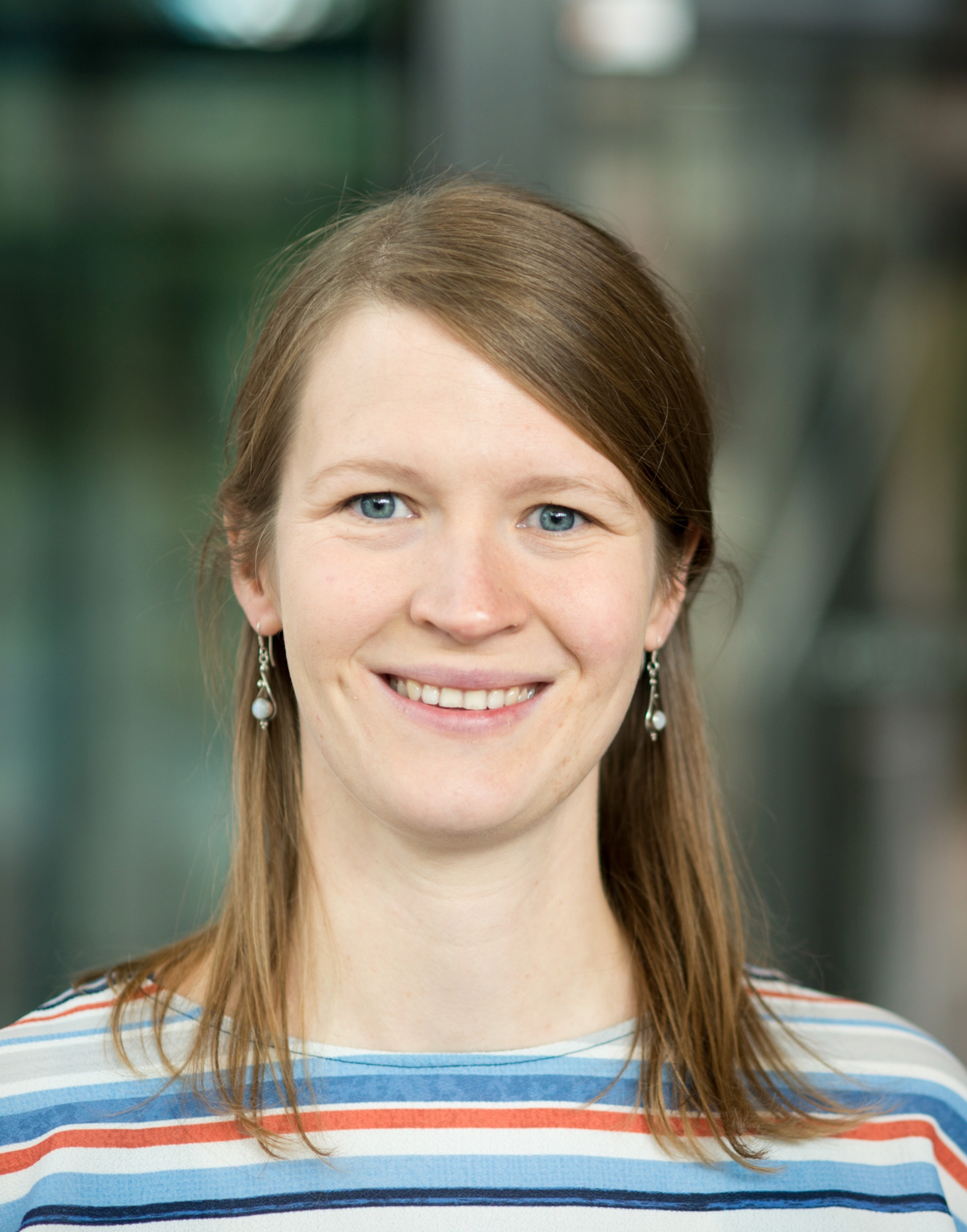
Jule Thober is a Scientific Manager at the Helmholtz Centre for Environmental Research - UFZ , leading Topic 5 "Landscapes of the Future" in the Helmholtz Program and managing the Integration Platform "Robust Pictures of the Future". She contributes to cross-disciplinary research in Smart Models / Monitoring and Computational Hydrosystems , focusing on agent-based models, sustainable land management, and climate risk analysis. Roles : Scientific Manager (2022–), Postdoc (2017–2021), PhD Student (2013–2016) Projects : Copernicus Contract Ulysses 2, LandYOUs Game Development Research Interests center on socio-environmental systems, integrating agent-based models with ecological economics. Her work explores decision-making under climate uncertainty, land use policy, and resilience of pastoral systems through computational methods. Publication Trends (15 most recent) span ecological complexity, environmental informatics, and computational hydrosystems. Key themes include agent-based land use models , climate risk mitigation , and participatory decision support tools . Collaborations involve UFZ departments, international institutions, and interdisciplinary teams in Germany and abroad. She contributes to Helmholtz POF IV programs and EU-funded initiatives like 4DHydro.
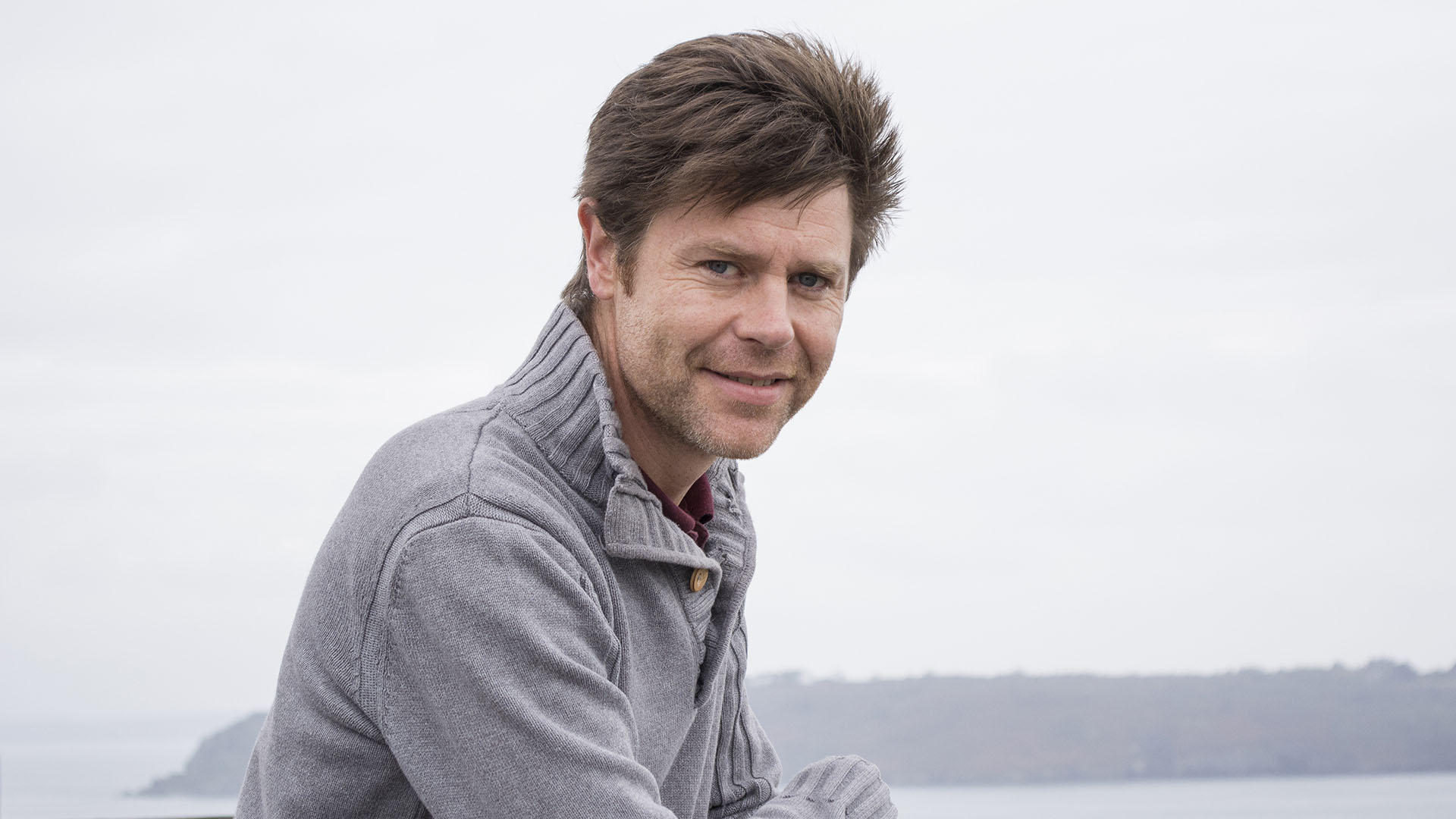
Dr. Matthias Cuntz is a Senior Researcher at the Department of Computational Hydrosystems within the Helmholtz Centre for Environmental Research (UFZ) in Leipzig, Germany. He leads the Regional Ecophysiology group and focuses on integrating stable isotopes, remote sensing, and computational modeling to study terrestrial ecosystems. Research Interests: Energy, water, and trace gas exchange in ecosystems; stable isotope applications; global water-carbon cycle modeling; eddy-covariance flux analysis; sap flow dynamics. Key Projects: Involved in TERENO (Terrestrial Environmental Observatories) and ICOS (Integrated Carbon Observation System) for long-term ecological monitoring. Recent Publications address soil freeze-thaw processes, Amazon forest carbon dynamics, hydrological model calibration, and isotopic partitioning of evapotranspiration. His work spans computational hydrology, remote sensing validation, and uncertainty quantification in environmental models. Contact: Email: matthias.cuntz@ufz.de Personal Webpage: www.macu.de
Dr. Vianney Pichereau is a University Professor at the LEMAR Laboratory (Laboratoire d'Excellence Mer) within the University of Western Brittany. His research focuses on environmental impacts on marine organisms, integrating proteomics, omics approaches, and microbiology to assess ecosystem health. Key projects include studies on Vibrio-bivalve interactions, brown ring disease, and the effects of climate change and pollution on estuarine species. He leads investigations into stress responses in marine organisms such as flounder, scallops, and oysters, using cutting-edge techniques like proteomics and transcriptomics. His work addresses urgent issues like eutrophication, industrial accidents, and ocean acidification, with applications in biomonitoring and aquaculture. Dr. Pichereau collaborates on interdisciplinary projects including CLIMCLAM, IRP CORRIENTE, and VIVALDI, focusing on coastal ecosystem resilience. His lab employs cell culture models to study bivalve pathogens and has pioneered biomarker approaches for chemical risk assessment in heavily polluted environments like the Seine estuary.
Ehsan Modiri is a researcher at the Department of Hydrosystem Modelling , Helmholtz Centre for Environmental Research (UFZ), Germany. His work focuses on climate change impacts on hydrological systems, drought monitoring, and environmental modeling using advanced computational frameworks. Affiliation: UFZ - Helmholtz Centre for Environmental Research Department: Hydrosystem Modelling Research Themes: Climate Change, Droughts, Hydrological Forecasting, Water Resource Management Research Interests: Modiri specializes in understanding hydrological responses to climate change, particularly in drought dynamics and soil moisture variability. His work bridges observational data with sophisticated modeling frameworks to improve predictability of water balance components under warming scenarios. Scientific Contributions: Recent publications highlight his role in developing high-resolution drought simulations, evaluating hydrological model performance, and analyzing groundwater responses to global warming. He participates in large-scale European hydrological projects and collaborates on climate-hydrology integration initiatives.
Dr. Alraune Zech is an Assistant Professor at the Department of Earth Science, Utrecht University , and a Guest Scientist at the Department of Computational Hydrosystems, Helmholtz Centre for Environmental Research - UFZ . Her work focuses on Hydrogeology and Groundwater Modeling , particularly in quantifying Aquifer Heterogeneity and Transport Theory . Education: Diploma in Mathematics, University of Leipzig (2009) PhD in Environmental System Science, Friedrich-Schiller-University Jena (2013) Research Interests: Alraune investigates transport experiments , field-scale dispersion , and statistical aquifer parameter estimation from pumping tests. Her projects include groundwater simulations in the Thuringian Basin and revisiting transport theories with modern tools. Publications highlight her contributions to macrodispersivity estimation , geostatistical toolboxes , and heterogeneous aquifer modeling . Recent works in Groundwater and Advances in Water Resources emphasize practical applications and theoretical advancements. Collaborations include projects with the UFZ, Utrecht University, and international institutions. She has contributed to interdisciplinary efforts in groundwater-surface water coupling and contaminant transport analysis .
PD Dr. habil. Thomas Wöhling serves as a Senior Research Scientist and Team Leader for Stochastic Modelling of Hydrosystems at the Chair of Hydrology, Dresden University of Technology's Faculty of Environmental Sciences. His research spans integrated environmental systems modeling with particular expertise in surface water-groundwater interactions, braided river systems, and vadose zone processes. Previously, he held research positions at Water and Earth System Sciences Competence Cluster in Tübingen (2010-2015) and Lincoln Environmental Research in New Zealand (2006-2010). Dr. Wöhling completed his Dipl.-Hydrol. (1999) and PhD in Hydrology (2005) at Dresden University of Technology, followed by habilitation in Stochastic Hydrology (2021). His educational background includes extensive research at the Institute of Hydrology and Meteorology at TU Dresden (1999-2005) where he developed foundational expertise in hydrological modeling. Wöhling's research focuses on integrated modeling of coupled environmental systems , particularly flow and contaminant transport in surface water-groundwater systems, nutrient and energy fluxes in soil-plant-atmosphere systems, and distributed hydrological modeling. His work emphasizes stochastic modeling and uncertainty analysis , with significant contributions to inverse modeling, model calibration, multiobjective optimization, and Bayesian model averaging techniques. He has pioneered methods for evaluating monitoring network worth and data utility for environmental models. His publication record demonstrates consistent contributions to hydrological science, with recent work (2023-2025) focusing on machine learning applications in hydrology, advanced statistical inversion techniques, and complex karst system modeling. Key trends include integration of physics-based and data-driven approaches, improved uncertainty quantification methods, and applications to climate change impacts on water resources. His work bridges theoretical advances with practical applications in New Zealand's braided rivers and European hydrological systems. STAHY Best Paper Award (2018) ASCE Journal of Irrigation and Drainage Engineering Best Reviewer Awards (2008, 2010, 2011, 2015, 2018) ASCE Journal of Irrigation and Drainage Engineering Best Paper Awards (2008, 2009) Dr. Wöhling leads the Stochastic Modelling of Hydrosystems team and has secured funding for numerous projects including Klimakonform, ISOSIM, VAMOS II, and the International Research Training Group 'Integrated Hydrosystem Modelling.' His work combines novel monitoring techniques with modeling and optimal sensor placement to improve prediction reliability for river-groundwater exchange fluxes. He collaborates extensively with international partners, particularly in New Zealand through the Lincoln Agritech's Braided Rivers program. His laboratory work focuses on combining traditional hydrological measurements with advanced computational techniques, including deep learning applications for soil surface hydrology and time-windowed Bayesian analysis for predictive modeling. The team maintains strong connections with field sites in Germany's Saxon region and New Zealand's Canterbury Plains, facilitating integrated theoretical and empirical research approaches.
Dr. Emily Solly is a Researcher in the Department of Computational Hydrosystems at the Helmholtz Centre for Environmental Research - UFZ (Leipzig, Germany) since September 2023. She holds a PhD in Chemistry and Geosciences from Friedrich Schiller University Jena (2014) and has previously held postdoctoral and fellow positions at ETH Zurich, Swiss Federal Institute WSL, and the Max Planck Institute for Biogeochemistry. Education : PhD (2014), Chemistry and Geosciences, Friedrich Schiller University Jena MSc (2010), Environmental Sciences and Management, University of Torino BSc (2008), Natural Sciences, University of Torino (Biology, Ecology) Research Interests : Soil biogeochemistry and terrestrial ecosystem ecology Carbon and nutrient balance in forest ecosystems Root-soil interface processes under environmental change Impact of drought on plant-soil-microbial interactions Isotope-based tracking of carbon/nitrogen transformations Soil organic carbon storage mechanisms Awards & Funding : Ambizione Fellowship (SNSF) Roles & Collaborations : Topical Editor for the journal SOIL Co-Editor of Special Issue on Global Change Effects on Terrestrial Biogeochemistry at the Plant-Soil Interface (Biogeosciences, 2022) Contributor to the collaborative project Standardized Monitoring of Growth Responses of Central European Forest Tree Species to Climatic Extremes (MW³) Member of the Computational Hydrosystems working group at UFZ
Jeeban Panthi is a Teaching Assistant Professor in the Department of Civil Engineering at Kansas State University's College of Engineering. He holds a Ph.D. in Geosciences (Hydrogeology) from the University of Rhode Island and an M.S. in Environmental Science from Tribhuvan University, Nepal. His research focuses on integrated hydrological systems, particularly groundwater-surface water interactions under climate and land-use changes. Ph.D. - University of Rhode Island (Geosciences/Hydrogeology) M.S. - Tribhuvan University, Nepal (Environmental Science) B.S. - Tribhuvan University, Nepal (Environmental Science) Using numerical modeling, geophysical techniques, and satellite remote sensing (e.g., GRACE/GRACE-FO), Panthi investigates water availability and quality across scales—from mountainous regions to coastal areas. His work bridges upstream to downstream hydrological processes through data-driven approaches. As of 2024, Panthi has authored over 26 peer-reviewed journal articles and 20 conference papers. His research has been funded by prestigious grants including USGS 104(b) program, USAID, and the Kansas Water Institute. Kansas Water Institute’s CoSearch competition winner (2024) Best Presentation Award recipient (2023) UNEP PROVIA Young Scientist Fellow Asia-Pacific Network for Global Change Research grantee Multiple NSF/GSA/AGU research/travel grantee He leads the Panthi HydroSystem Lab, specializing in agricultural and semi-arid landscapes like Kansas. The lab integrates geospatial technologies with field observations to develop science-based water management solutions for sustainability and resilience.
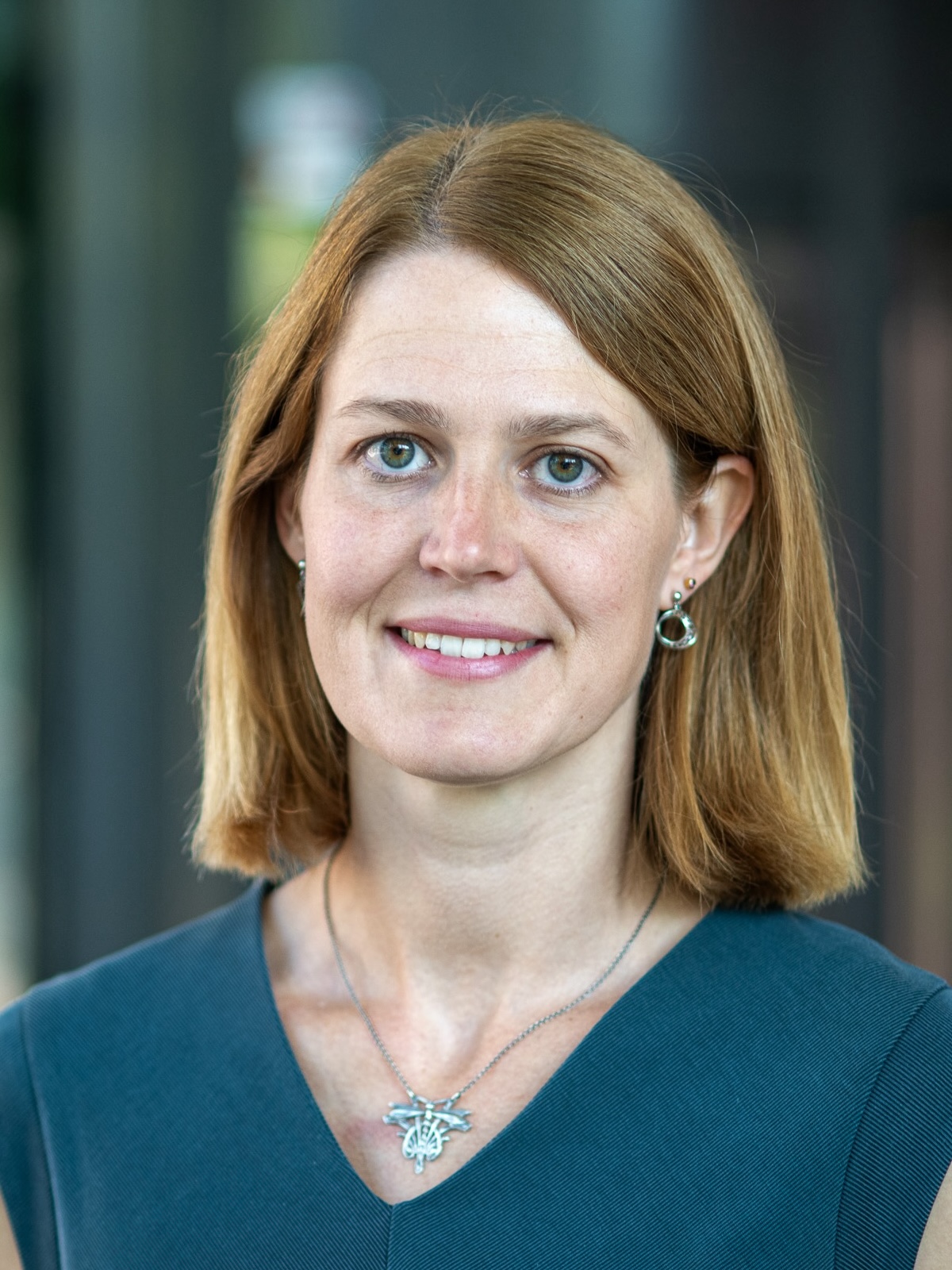
Dr. Alraune Zech is an Assistant Professor for Computational Environmental Hydrogeology at Utrecht University, Faculty of Geosciences, Department of Earth Sciences, Hydrogeology group. Her research focuses on groundwater flow and transport processes in heterogeneous environments, with emphasis on practical applications in contaminated aquifers, PFAS remediation, and construction-related groundwater issues. She is affiliated with the Helmholtz-Centre for Environmental Research and serves as convener for EGU sessions on contaminant transport. Dr. Zech's educational background includes: PhD in Computational Hydrosystems from Friedrich-Schiller-University Jena and Helmholtz-Centre for Environmental Research (2010-2013) Prediploma Degree in Business Mathematics from University Leipzig (2011) Diploma in Mathematics with minor in Chemistry from University Leipzig (2003-2009) Her research interests span hydrogeology, groundwater modeling, and environmental remediation. She specializes in stochastic and computational modeling of subsurface processes, with focus on contaminated aquifers, PFAS removal strategies, biodegradation, bioremediation, and heat transport in the subsurface. Her work bridges theoretical approaches with practical applications in construction engineering and environmental protection. Analysis of Dr. Zech's recent publications (2021-2025) reveals strong focus on advancing hydrogeological modeling techniques, particularly in aquifer heterogeneity characterization, machine learning applications in hydrogeology, and practical remediation strategies. Her work spans fundamental research on pore-scale processes to field-scale applications, with increasing integration of artificial intelligence methods for solving complex groundwater problems. Dr. Zech leads several significant research projects: Living Lab PFAS Remediation (2024-2028): Developing strategies for PFAS contamination SilPit (2024-2028): Studying erosion of silicate grouting in construction pits MIBIREM (2022-2027): Creating innovative technological toolbox for bioremediation She actively supervises multiple PhD students including Alexandra Hockin, Kim Bartsch, Mahammad Valibeknejad, Sona Aseyednezad, Hannah Gebhardt, and Martijn van Leer. Her research is supported by funding from the Ministry of Infrastructure and Water Management, NWO, and EU Horizon programs.
Olaf A. Cirpka is a Full Professor of Hydrogeology at the University of Tübingen, Germany, within the Faculty of Science's Department of Geosciences. He holds a Diploma in Geoecology (University of Karlsruhe, 1992) and a Doctor of Engineering in Civil Engineering (University of Stuttgart, 1997). His career includes postdoctoral research at Stanford University (1998–2000), adjunct roles there until 2009, and leadership roles such as Head of the Emmy-Noether Junior Research Group (2000–2004) and Subsurface Hydrology Workgroup at Eawag (2004–2008). He is a Fellow of the American Geophysical Union (2015) and served as Spokesperson for the Research Training Group 1829 (2012–2021). Research Interests: His work focuses on subsurface hydrology, reactive transport modeling, biogeochemical processes in aquifers, and climate impacts on groundwater systems. He integrates numerical modeling, field experiments, and geophysical methods to address challenges in contaminant fate, hyporheic zone dynamics, and sustainable groundwater management. Articles Trends: Recent publications emphasize innovative methods for quantifying subsurface processes (e.g., VTraFlux, electrical conductivity tracers), climate-driven groundwater changes, and microbial-driven biogeochemical reactions. His work bridges experimental hydrology with computational tools to advance understanding of complex environmental systems. Awards & Grants: AGU Fellowship (2015) highlights his scientific contributions. He has led numerous research initiatives, including the Advect As project on arsenic dynamics and the Research Training Group on integrated hydrosystem modeling. Grants and collaborations span interdisciplinary environmental research. Labs & Teams: Directs the Hydrogeology group at Tübingen and collaborates with international institutions like Stanford, ETH Zürich, and Eawag. His research integrates field campaigns, lab experiments, and numerical simulations to address real-world hydrogeological challenges.
Alireza Gohari is a Postdoctoral Researcher at the University of Oulu, Finland, affiliated with the Faculty of Technology and the Department of Water, Energy and Environmental Engineering. He actively contributes to the Hydrosystems Engineering & Management (HEM) research group within the Water, Energy and Environmental Engineering (WE3) research unit. Research Focus Climate change Water, Food, Energy Nexus Sociohydrology His work intersects with broader disciplines including Natural Sciences , Environment , hydrology , and global change research in Northern and Arctic regions. Labs and Teams He operates within the Hydrosystems Engineering & Management (HEM) group under the Water, Energy and Environmental Engineering (WE3) unit at the University of Oulu. Contact Email: Alireza.Gohari@oulu.fi Visiting Address: SÄ336, Water Energy and Environmental Engineering Research Unit, 90014 University of Oulu, 90570 Oulu, Finland.
Ramesh Teegavarapu is a Professor at Florida Atlantic University (FAU) in the Department of Civil, Environmental and Geomatics Engineering within the College of Engineering and Computer Science. He founded and leads the Hydrosystems Research Laboratory (HRL) and is affiliated with the Freight Mobility Research Institute (FMRI) and the Center for Water Resiliency and Risk Reduction (CWR3). As a Fulbright Scholar and Specialist, he has held visiting professorships at Kobe University (Japan), Politecnico di Torino (Italy), and Università degli Studi di Brescia (Italy). Education: Ph.D. from the University of Manitoba, Canada. His research focuses on climate change impacts on hydrometeorological systems , statistical hydrology , machine learning for water resources modeling , precipitation analysis , and geostatistical methods . He has developed software tools like RAIN, BAT, CHSET, and QA for data quality assessment and modeling. Scientific Awards : Fulbright Scholar & Specialist World’s Top 2% Scientist (Elsevier & Stanford, 2020–2024) Scholar of the Year (FAU, 2017 & 2021) Engineers’ Council Distinguished Engineering Educator Award (2021) ASCE-EWRI Task Committee Excellence Award Dr. Teegavarapu has taught over 210 research talks and chaired 120+ technical sessions globally. His work is funded by agencies like NSF, FEMA, USGS, and USACE, with $6M+ in research grants since 2006. He serves on editorial boards of the Journal of Hydrologic Engineering and Journal of Hydroinformatics and is Vice-Chair of IAHR’s Climate Change Adaptation Committee.
Arthur R. Schmidt is a Clinical Associate Professor in the Department of Civil Engineering at the University of Illinois, specializing in Water Resources Engineering and Science. He holds a Ph.D. (2002), M.S. (1984), and B.S. (1983) in Civil Engineering-Water Resources from the University of Illinois. His academic journey includes transitioning from Research Assistant Professor (2003-Present) to his current clinical role. Dr. Schmidt's research focuses on surface-water hydraulics , urban stormwater systems , and hydrologic measurement methods . He develops advanced models for urban drainage systems, sustainable infrastructure, and flow quantification techniques. His work integrates sensor technologies (LiDAR, ADCP) for hydrodynamic modeling and environmental applications. His publications emphasize urban hydrology , flood modeling , and infrastructure resilience , with consistent attention to climate impacts and real-time control systems from 2012-2024. Scientific Awards: Universities Council on Water Resources Ph.D. Dissertation Award (2003) Engineering Council Excellence in Advising Awards (2005, 2009, 2011, 2013) He supervises undergraduate research in sustainable drainage and flow measurement, supported by grants including a USDA SBIR grant for instrument development. Dr. Schmidt leads projects at the Hydrosystems Lab and collaborates with agencies like the Metropolitan Water Reclamation District of Greater Chicago.
Claire Delus is a Lecturer in Geography at the University of Lorraine, specializing in continental hydrology at the intersection of engineering and geographical approaches. Her work emphasizes statistical and modeling methods, supported by naturalist observations of flow processes in watersheds influenced by physiographic contexts. Education: Doctorate in Geography (2007), Paul-Verlaine University of Metz, under Jeannine Corbonnois and Emmanuel Gille Research Activities: Water cycle dynamics Hydrosystems analysis Drought and low water level modeling Rainfall-runoff hydrological forecasting Multidisciplinary historical reconstructions Key Projects: ANR CIPRHES (2021-2024): Integrated hydrometeorological forecasting for droughts PESTINTER (2021-2023): Pesticide impacts on La Cleurie (Vosges) aquatic ecosystems RECRET (2017-2021): Moselle flood and drought history via sediment cores Technical Expertise: Hydrometry and sedimentology GIS applications in hydrology Field instrumentation Remote sensing and drone imaging
Ritesh Patro serves as a Research Fellow at the Water, Energy and Environmental Engineering Research Unit within the Faculty of Technology at the University of Oulu, Finland. He is an active member of the Hydrosystems Engineering and Management research group, focusing on interdisciplinary environmental challenges at the intersection of climate, water, and energy systems. His core research interests include: Climate-Water-Energy Nexus dynamics Hydropower forecasting and urban water energy recovery Mountain hydrology under climate change Reservoir sedimentation and decommissioning Arctic Water-Food-Energy sustainability Currently leading the RE-HYDRO project, Dr. Patro investigates innovative approaches to balance biodiversity conservation with climate-adaptive hydropower management. His work integrates field studies on precipitation extremes with engineering solutions for sustainable resource utilization across spatial and temporal scales. Professional profiles are maintained on ORCID, Google Scholar, ResearchGate, and OuluCRIS, reflecting his active contributions to environmental engineering research.