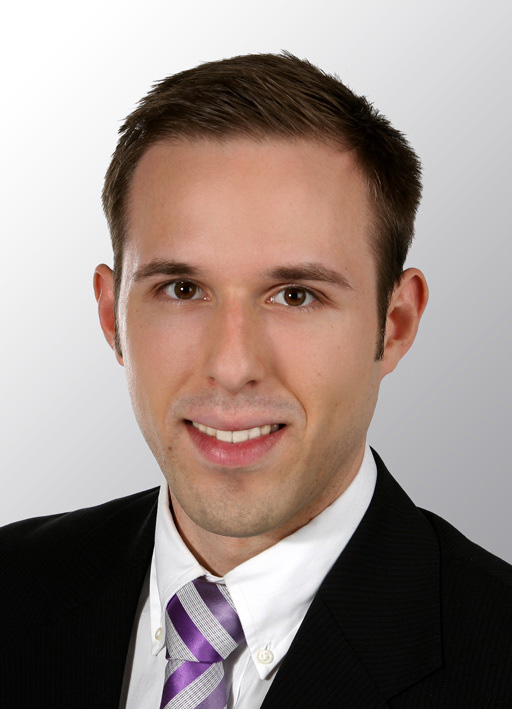
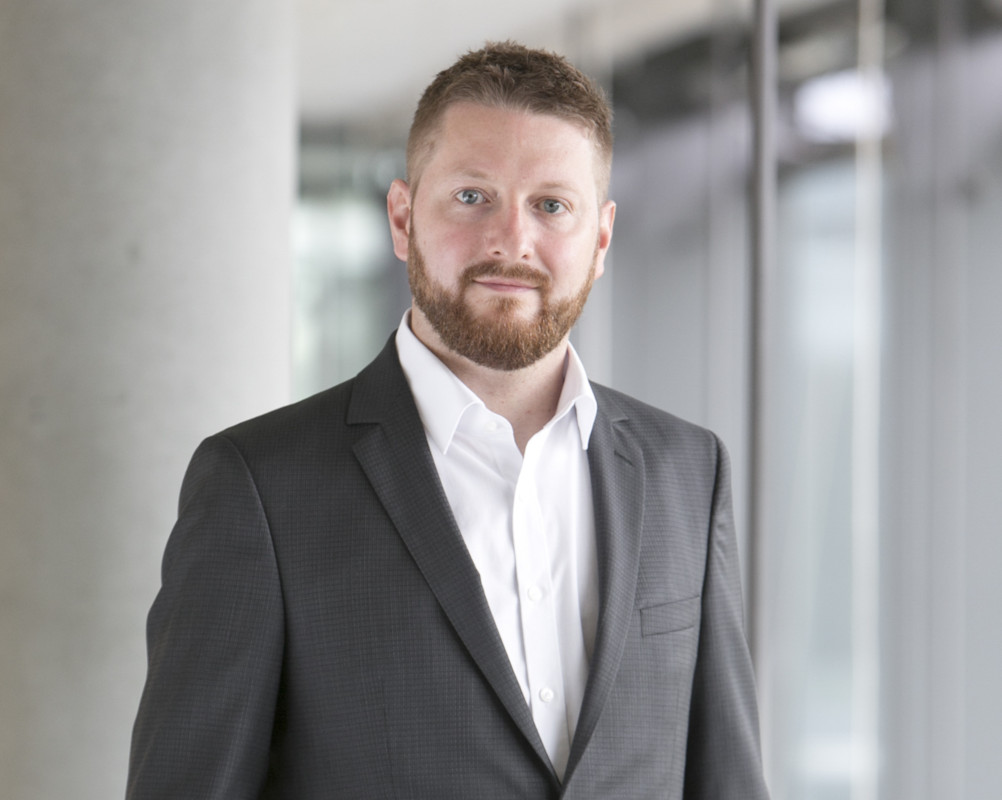
Prof. Kai S. Exner is a Professor of Theoretical Inorganic Chemistry at the University of Duisburg-Essen's Faculty of Chemistry and a member of the Zentrum für Medizinische Biotechnologie (ZMB). His research focuses on electrocatalysis , particularly optimizing electrode materials for energy applications such as batteries, electrolyzers, and fuel cells. He employs computational methods like ab initio calculations and microkinetic modeling to bridge theoretical insights with experimental and industrial applications, emphasizing sustainable catalyst design without relying on noble metals. His work integrates basic research with applied medical biotechnology through ZMB collaborations, though his primary affiliation lies in the Faculty of Chemistry. Exner has pioneered concepts like the electrochemical-step asymmetry index and free-energy span model, which are critical for screening electrocatalysts. His research group, 'Theoretical Inorganic Chemistry,' actively explores mechanisms behind oxygen and chlorine evolution reactions, emphasizing selectivity control and reaction pathway complexity. Exner received the Gottschalk-Diederich-Baedeker-Preis (2024) for advancing the energy transition through foundational electrocatalysis research. He leads Aktuelles Projekt funded by third-party grants and collaborates with facilities like the Analytics Core Facility Essen (ACE) and Imaging Center Campus Essen (ICCE). His advisory role focuses on guiding theoretical and computational approaches in electrochemistry, and he has established a reputation for interdisciplinary research connecting computational chemistry with practical energy solutions.
Prof. Dr. Peter Strasser is a faculty member at the Technische Universität Berlin , affiliated with the Institute of Chemistry and leading the Electrochemical Catalysis, Energy and Materials Sciences Group within the Faculty II - Mathematics and Natural Sciences . His research spans electrocatalysis , fuel cell technology , and high-throughput materials testing , with a focus on nanostructured catalysts for clean energy systems. Research Interests : High Throughput Testing Fuel Cells Electrocatalysis Electrochemical Materials Water Splitting CO2 Conversion Scientific Contributions highlight trends in oxygen evolution reactions , dealloyed catalysts , and non-noble metal electrocatalysts . His work bridges materials science and energy storage , particularly for hydrogen fuel cells and magnesium batteries . Awards : Otto Roelen Medal 2016 Advising notable researchers like former PhD student Mehtap Özaslan , who established a junior research group at the University of Oldenburg and won the Umicore Scientific Award. Prof. Strasser's team collaborates with UniSysCat and has secured funding from the Federal Ministry of Research for catalyst innovation.
Julien Warnan is a researcher at the Catalysis Research Center (CRC) of the Technical University of Munich (TUM). He leads a multidisciplinary research group focusing on renewable energy, particularly artificial photosynthesis and photocatalytic systems for fuel production. His work emphasizes molecular dyes, catalysts, polymers, and hybrid materials to transform CO2 and water into value-added chemicals. He holds the title of Researcher and is actively involved in academic leadership, including co-editing special issues and organizing international conferences like the ECAT conference. His research has been recognized with awards such as the TUM Chemistry Supervisory Award 2021. Recent activities include visiting scientist roles at Imperial College London and collaborations with groups at TUM and other institutions. Research interests encompass MOF-based photocatalysis, biohybrid systems, and sustainable energy conversion. Key achievements include pioneering studies on metal-organic frameworks for CO2 reduction and solar fuel production. His team has published extensively in high-impact journals like Angewandte Chemie and Advanced Materials , with a focus on functional hybrid materials and electrochemical systems. PhD supervision: Nadine Schmaus, Philip Stanley, Johanna Eichhorn, and others Notable collaborations: Shustova Lab, Rieger Group, Fischer Group Labs: Catalysis Research Center (CRC)
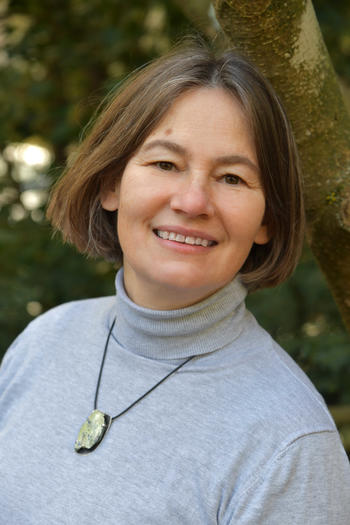
Beate Paulus is a Professor for Theoretical Chemistry at the Freie Universität Berlin , affiliated with the Chemistry and Biochemistry college and the Chemistry department. Her research focuses on advanced quantum chemical methodologies and applications to 2D materials, spintronics, and catalysis. Current affiliation: Freie Universität Berlin Key research areas: Quantum Chemistry, Density Functional Theory, 2D Materials, Spintronics, Electrocatalysis Her work spans computational modeling of electronic structures, magnetic properties, and chemical reactions using Density Functional Theory (DFT) with specialized corrections. She investigates systems like MoS2 , graphene heterostructures , and transition metal complexes , aiming to understand and optimize properties for energy applications, biosensors, and nanoelectronics. Recent publications highlight her contributions to quantum mechanical fluorine tunnelling , spin-selective transport in doped nanoribbons , and surface functionalization strategies for 2D materials. Her group also explores mechanically interlocked molecules and redox-responsive polymers with potential biomedical applications. Beate Paulus leads the Paulus Group , which actively publishes in high-impact journals and collaborates on interdisciplinary projects involving experimental and theoretical approaches.
Max Planck Institute for Sustainable MaterialsGermany
Dr. Barak Ratzker is a researcher at the Max Planck Institute for Sustainable Materials , affiliated with the Microstructure Physics and Alloy Design department. His work focuses on the sustainable synthesis of materials, particularly through hydrogen-based reduction pathways and advanced sintering techniques like spark plasma sintering (SPS) and hot isostatic pressing (HIP). His research spans transparent ceramics, MAX/MXene phases, and alloy design. Key research areas include: Hydrogen reduction of oxides for sustainable metallurgy Pressure-assisted sintering (SPS/HIP) of transparent ceramics Microstructure engineering in refractory materials Development of MXene-based composites for electronics Thermodynamic and kinetic analysis of solid-state reactions His recent publications highlight trends in: Environmentally conscious processing of ferromanganese oxides High-pressure synthesis of MAX phases and MXenes Optimization of optical and mechanical properties in ceramics Dynamic deformation behavior under extreme conditions Biological material interactions (e.g., crusticul-chitin systems)
Dr. Lars Lauterbach is a University Professor at RWTH Aachen University , leading the Department of Synthetic Microbiology . His research focuses on molecular genetics, biochemistry, and gas-converting biocatalysts, particularly hydrogen-dependent enzymatic processes. Institution: RWTH Aachen University Role: Institute Head Contact: lars.lauterbach@rwth-aachen.de His work spans hydrogen metabolism , metalloenzymes , and electrobiochemistry , with recent publications emphasizing CO2 conversion, hydrogenase engineering, and enzymatic cofactor regeneration. Key research areas include: Hydrogen-driven biocatalytic cascades Oxygen-tolerant hydrogenases Carbon dioxide valorization Multi-step enzymatic synthesis Hydrogen storage and utilization Redox chemistry in metalloproteins The 2023-2025 article list reflects trends in CO2-based biotechnology , biocatalytic hydrogenation , and synthetic microbial systems , with applications in pharmaceuticals, fine chemicals, and sustainable energy.
Jun.-Prof. Dr.-Ing. Federica Ferraro is an Assistant Professor in the Faculty of Mechanical Engineering at TU Braunschweig, leading the Reactive Flows in Aero Engines research group. Her work focuses on combustion dynamics, sustainable aviation propulsion, and numerical simulations of reactive flows. She investigates flame-wall interactions, soot formation mechanisms, and alternative fuels like hydrogen and oxymethylene ethers. Key projects include the Cluster of Excellence SE2A (C3.5) and CRC 150 (C07), addressing synthetic fuels and flame retardancy under aviation conditions. Ferraro teaches courses in numerical simulation and high-performance computing for CFD applications. Her research integrates advanced modeling techniques such as Large Eddy Simulation (LES), flamelet manifolds, and quadrature-based methods for particle dynamics. Her contributions span experimental validation, turbulent combustion analysis, and green fuel substitution strategies for decarbonizing aviation. Research Interests : Combustion physics, aero-engine propulsion, sustainable fuels, soot dynamics, CFD modeling, and thermo-chemical systems. Her studies often bridge fundamental combustion science with industrial applications in turbine design and emission control. Projects & Collaboration : Leads the Numerical investigations of synthetic fuel flames (SE2A) and Boundary layer flames with flame retardants (CRC 150). Collaborates with institutions like the Lower Saxony Graduate School on hydrogen/ammonia energy systems. Her team develops novel numerical frameworks for predictive combustion modeling. Labs & Teams : Manages the Reactive Flows group at TU Braunschweig's Institute of Jet Propulsion and Turbomachinery, fostering interdisciplinary research in propulsion and energy technologies.
Claudia Weidenthaler , now an Associate Professor at the University of Duisburg-Essen and group leader at the Max Planck Institut für Kohlenforschung , is renowned for her work in heterogeneous catalysis and materials science . Her research focuses on structure-property relationships of functional materials using in situ diffraction and X-ray spectroscopy . Studied geology, mineralogy, and crystallography at the University of Würzburg Completed her doctorate under Reinhard X. Fischer at the University of Mainz Postdoctoral work at the Universities of Bremen and Frankfurt Moved to Max Planck Institute in 1999, establishing solid-state analytics Her research spans mechanochemical synthesis , energy storage materials (e.g., aluminum hydrides), and solid-state transformations . Recent work includes CO2 hydrogenation , nanoparticle characterization , and metal phosphide synthesis . In 2023, she was honored with the Agricola Medal for her contributions to applied mineralogy. She actively promotes equal opportunities and science outreach as an Equal Opportunities Officer and coordinator of the institute's "Girls' Day" initiative. Advisees include PhD candidates Christos Sidiropoulos and Teja Yanamandram Recipient of the Agricola Medal (2023) Developed unconventional methods combining mechanosynthesis with synchrotron X-ray diffraction Her publications highlight in situ/operando methods for studying catalysts under real conditions, with applications in hydrogen storage , electrocatalysis , and nanomaterials .
Max Planck Institute for Chemical Energy ConversionGermany
Prof. Regina Palkovits is a Full Professor of Heterogeneous Catalysis & Chemical Technology at RWTH Aachen University's Institute of Chemical Technology & Macromolecular Chemistry (ITMC). She serves as Acting Director of ITMC since 2015 and holds a Max Planck Fellowship at the MPI for Chemical Energy Conversion (since 2019). Her research focuses on sustainable catalytic processes for renewable energy and biomass conversion, including photocatalytic CO2 reduction, electrochemical water splitting, and biorefinery pathways. Key projects involve developing solid molecular catalysts, immobilized heteropolyacids, and single-atom catalysts on covalent triazine frameworks. Palkovits leads a research group with ongoing projects in catalytic hydrogenation, bio-based tandem reactions, and hydrogen production technologies. Education: Diploma in Chemical Engineering, Technical University Dortmund (1998–2003) PhD, Max Planck Institute for Coal Research (2003–2006) Postdoc, Utrecht University (2007) Group Leader, Max Planck Institute for Coal Research (2008–2010) Research Interests: Palkovits’ work bridges heterogeneous catalysis and materials innovation to address global challenges. Key areas include: Electrochemical hydrogen production and water splitting Biomass conversion to platform chemicals (e.g., xylitol) CO2-to-fuel processes using photocatalytic systems Immobilized catalyst design for recyclability and stability Awards: Max Planck Fellow (2019) EFCATS Young Researcher Award (2019) DECHEMA Award (2017) Robert Bosch Junior Professorship (2010) Hendrik Casimir–Karl Ziegler Award (2006) Grants & Collaborations: Active in interdisciplinary projects with MPI-CEC and Hamburg University. Her group seeks students for research in catalytic hydrogenolysis, electrochemical conversions, and biorefinery pathways. Labs/Teams: Leads the “Solid Molecular Catalysts” group, focusing on sustainable chemical processes and material synthesis for green energy applications.
Dr. Sofia Angeli is a Group Leader at the Institute of Catalysis Research and Technology (IKFT), Karlsruhe Institute of Technology (KIT), Germany, since March 2024. Previously, she held roles as Senior Scientist/Group Leader (2021–2024) and Postdoctoral Researcher (2017–2019) at KIT. Her research focuses on catalysis for energy transition, CO₂ valorization, kinetic modeling, and digitalization of catalytic processes. She leads interdisciplinary projects integrating experimental and computational methods to advance sustainable chemical processes. PhD in Chemical Engineering (2016): Aristotle University of Thessaloniki, Greece. Thesis: Hydrogen production via intensified methane steam reforming processes. M.Sc. in Advanced Materials (2012): Aristotle University of Thessaloniki. Diploma in Chemical Engineering (2009): Aristotle University of Thessaloniki. Research Interests : Sofia’s work spans kinetic modeling, CO₂ conversion, catalytic pollutant removal, and digital tools for catalysis research. She develops novel catalysts for methane reforming and designs data management systems like Adacta and CaRMeN to streamline reaction mechanism analysis. Her projects often address industrial challenges in emissions reduction and renewable energy. Her recent publications emphasize catalytic processes for energy sustainability (e.g., methane oxidative coupling) and automated modeling frameworks. She collaborates widely, contributing to journals like Chemical Engineering Journal and ACS Catalysis . Advising & Teams : As a Group Leader, she oversees researchers in catalysis and data-driven processes. Her team works on cutting-edge projects supported by KIT’s infrastructure and interdisciplinary networks. Labs/Teams : Active in the IKFT and the Deutschmann Group, focusing on catalyst design and process intensification.
Alexander Roth is a postdoctoral researcher and economist at DIW Berlin (German Institute for Economic Research) and KU Leuven, specializing in energy economics and the decarbonization of the energy sector. He is affiliated with the Department of Energy, Transport, and Environment at DIW Berlin, where he conducts empirical and numerical research on electricity market flexibility, sector coupling, and the integration of heat into power systems. He is also actively involved in public engagement through the energy policy podcast 'fossilfrei' and the EU-focused podcast 'EU Untangled'. His research interests include: Energy transition and decarbonization Electricity market design and flexibility mechanisms Integration of renewable energy sources Energy storage and long-duration storage solutions Climate policy and sector coupling Power system modeling under high renewable penetration Recent publications highlight trends in energy system modeling, policy evaluation (particularly of Germany’s 'Ampel' coalition energy policies), and the technical and economic implications of renewable energy integration. His work often focuses on system-level challenges such as 'Dunkelflaute' events (prolonged low-wind/solar periods) and the role of demand-side flexibility in ensuring grid stability. He frequently collaborates with Wolf-Peter Schill, Claudia Kemfert, and other leading energy economists. Awarded no specific scientific prizes mentioned in the text, Roth contributes extensively to policy consulting and public discourse. He has advised on mechanisms such as the reliability reserve and capacity markets, and his work informs energy policy at national and European levels. He supervises no listed students but is involved in collaborative research projects such as Ariadne, OpenEnergyTracker, and the DIW Bridge Project 'SichER'. He previously worked at the European Commission’s Climate Action Department and the Brussels-based think tank Bruegel, bringing practical policy experience to his academic work. Roth holds a PhD in economics from the Technical University of Berlin and studied in Mannheim and Brussels. His interdisciplinary approach combines economic modeling, empirical analysis, and policy evaluation to address the complex challenges of the energy transition.
Dr. Charlotte Senkpiel is a Senior Scientist in Energy System Analysis at the Fraunhofer Institute for Solar Energy Systems (ISE), Division Power Solutions. Since 2023, she holds dual roles as Deputy Secretary General and Project Lead at Germany's Expert Council on Climate Change (ERK). Her career includes membership in the German Council of Experts on Climate Change (ERK) since 2019, and prior roles as a PhD candidate and researcher at Fraunhofer ISE (2012–2023). She earned her PhD from the University of Freiburg in 2023, focusing on integrating social science with energy system modeling. Research & Projects: Her work centers on energy system modeling, technology diffusion, and policy analysis. Major projects include SOUVERÄN (sustainable supply chains), AutGrid (grid autarky risks/benefits), and Sozio-E2S (socio-cultural influences on energy transitions). Her expertise spans renewable energy integration, decarbonization pathways, and socio-technical systems analysis. Publications: Over 40 peer-reviewed articles and reports since 2013, focusing on energy policy scenarios, decarbonization strategies, and agent-based modeling of technology adoption. Recent work addresses Germany’s 1.5°C carbon budget alignment and industrial electrification pathways. Labs/Teams: Leads energy transition modeling teams at Fraunhofer ISE, collaborating on cross-sectoral decarbonization projects. Active in developing open-source tools for energy system analysis and policy impact assessment.
Dr.-Ing. Sarah Deutz is a researcher at the Institute for Sustainable Hydrogen Economy (INW) within the Research Center Jülich GmbH, one of Germany's largest research centers in the Helmholtz Association. She specializes in life cycle assessment and environmental systems analysis, focusing on carbon capture, utilization, and storage technologies as well as sustainable energy systems and synthetic fuels. Research Focus Her research encompasses several critical areas in sustainable energy and environmental science: Life Cycle Assessment (LCA) of emerging and established energy technologies Carbon Capture and Utilization (CCU) technologies, particularly CO2-based synthetic fuels Direct Air Capture (DAC) systems and their environmental implications Oxymethylene Ethers (OME) as sustainable diesel alternatives Energy System Analysis integrating multiple sectors and technologies Power-to-X technologies for converting renewable electricity into chemical energy carriers Research Impact Dr. Deutz's work bridges the gap between technical innovation and environmental policy, providing crucial insights for the development of sustainable energy systems. Her research on direct air capture technologies has been particularly influential in understanding the potential and limitations of negative emission technologies. Through her extensive publication record, she has contributed significantly to the assessment of CO2-based fuels and their role in decarbonizing the transportation sector. Contact Information Dr. Deutz can be reached at the Institute for Sustainable Hydrogen Economy (INW) at Research Center Jülich: Email: s.deutz@fz-juelich.de Phone: +49 2461/61-85908 Address: Wilhelm-Johnen-Straße, 52428 Jülich, Germany Location: Brainergy Park Jülich, Building/Room 3002
Mario Liebensteiner is a Junior Professor (tenure track W3) for Economics with a focus on Energy Markets and Energy System Analysis at Friedrich-Alexander University Erlangen-Nuremberg (FAU). He is affiliated with the Department of Business, Economics, and Social Sciences (FAU WiSo) and contributes to the interdisciplinary research focus on Energy Markets and Energy System Analysis. Liebensteiner is also a member of the expert panel Energy Systems of the Future (ESYS) of the German Academies of Sciences and Humanities, providing expertise on energy transition and market design. Liebensteiner completed his doctorate in economics at Vienna University of Economics and Business (WU Vienna) and earned his diploma in economics from Johannes Kepler University Linz (JKU Linz) and City University of Hong Kong. Prior to his current position, he worked as a postdoctoral and pre-doctoral researcher at Technical University of Kaiserslautern and Vienna University of Economics and Business. His research focuses on the economic analysis of energy markets, environmental policy, and the transition to sustainable energy systems. Liebensteiner examines the interplay between renewable energy integration, carbon pricing mechanisms, electricity market design, and the challenges of sector coupling in the energy transition. His work investigates how market structures and policy instruments affect investment decisions, system flexibility, and emissions reduction in the power sector, with particular emphasis on the German energy context. He employs both theoretical modeling and empirical analysis to address these complex energy economics questions. Analysis of Liebensteiner's recent publications reveals a strong focus on the economic dimensions of the energy transition, particularly examining the interactions between renewable energy integration, carbon pricing, and electricity market design. His work increasingly addresses the challenges of sector coupling, flexibility needs in power systems, and the socio-economic impacts of energy policies. A notable trend is his examination of both theoretical market mechanisms and their practical implementation in the German context, with growing attention to cross-border electricity trade effects and the integration of hydrogen technologies in future energy systems. Member of the expert panel Energy Systems of the Future (ESYS) of the German Academies of Sciences and Humanities Research published in leading energy economics journals including Energy Economics, Applied Energy, and Energy Policy Liebensteiner collaborates with researchers across disciplines through the Energy Campus Nuremberg (EnCN) and participates in strategic partnerships with energy sector companies organized in the Nuremberg Energy Region (Energieregion Nürnberg eV). His research is connected to the DFG Collaborative Research Center on gas networks and markets, suggesting involvement in significant research funding. While specific grants aren't detailed in the provided information, his publication record in high-impact journals indicates successful research funding acquisition. Liebensteiner is part of the Energy Markets and Energy Systems research group at FAU WiSo, which collaborates closely with engineers at the Energy Campus Nuremberg (EnCN). This interdisciplinary team works on the transformation of electricity and gas sectors, sustainable mobility concepts, sector coupling issues, and business models for decentralized smart energy systems. The research group maintains strategic partnerships with numerous energy sector companies through the Nuremberg Energy Region, aiming to implement secure, cost-effective, climate-friendly, and sustainable energy solutions.
Prof. Dr. Holger Kohlmann is a W2-Professor of Inorganic Chemistry - Functional Materials at the Faculty of Chemistry and Mineralogy, Leipzig University. His research group focuses on solid-state chemistry with an emphasis on hydrogen storage materials , metal hydrides , and in situ neutron/X-ray diffraction techniques. Current Roles : Vice Dean (since 2022), Ombudsperson (since 2021), and Laser Safety Officer Research Topics : Solid-gas reactions, Zintl phase hydrides, magnetic materials, luminescent compounds, and crystal chemistry under extreme conditions The group has developed sapphire single-crystal gas-pressure cells for neutron diffraction studies and investigates reaction pathways through time-resolved in situ methods . They also explore applications in green steel production and hydrogen economy . Notable Scientific Awards : Rudolf-Hoppe-Lecture (2024) Supervisor Award (2023) Will-Kleber Commemorative Coin (2022) His team includes PhD students such as Florian Gehlhaar, Simon Keilholz, and Nicolas Zapp, with recent publications covering oxyfluoride materials , hydridosilicates , and uranium sulfides .