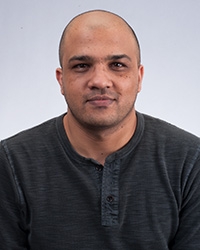
Dr. Ashraf Rateb is a Research Assistant Professor at the University of Texas at Austin , affiliated with the Bureau of Economic Geology within the Jackson School of Geosciences. His work integrates satellite geodesy, climate modeling, and remote sensing to address critical challenges in water management and climate extremes. Ph.D. in Geomatics Engineering (Geodesy), National Cheng Kung University, Taiwan (2017) M.Sc. in Applied Geophysics, Al-Azhar University, Egypt (2012) B.Sc. in Geophysics, Al-Azhar University, Egypt (2009) Dr. Rateb specializes in hydroclimate assessments , leveraging GRACE/FO, InSAR, and GNSS data to study groundwater dynamics, sea-level rise, and land motion. His research examines climate teleconnections driving water cycle changes and employs Bayesian frameworks for uncertainty-aware hydrologic predictions. Recent work focuses on probabilistic modeling of flood/drought risks and socio-environmental adaptation strategies. Publications highlight his expertise in GRACE data applications for water storage mapping, climate extremes analysis, and geodetic monitoring of aquifers across global regions. He has contributed to studies on Texas water management, African groundwater systems, and Middle Eastern hydrology.
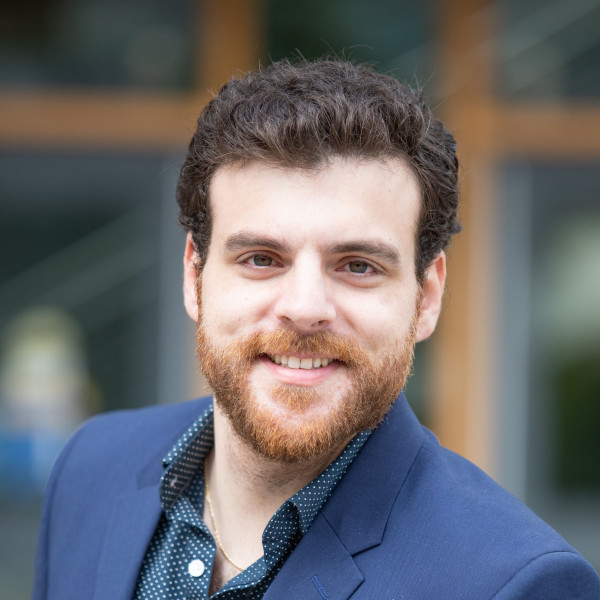
Dr. Ze Jiang is a Lecturer and Australian Research Council (ARC) Early Career Industry Fellow at the School of Civil and Environmental Engineering, University of New South Wales (UNSW), Sydney. He specializes in hydroclimate extremes modeling and forecasting, with significant contributions to spectral transformation methods for climate predictions. Education: Ph.D. in Water Resources Engineering, UNSW (2021) M.Sc. in Hydro-Informatics and Water Management, European Universities Consortium (2015) B.Eng. in Environmental Engineering, Hohai University, China (2012) Dr. Jiang's research focuses on developing innovative tools for climate and hydrological forecasting. His pioneering work includes the Wavelet System Prediction (WASP) method for predicting sustained hydroclimate anomalies like droughts and floods. Research areas span spectral transformations in climate data, bias correction techniques for weather models, drought index development, climate change impacts on agriculture, and flood risk management in data-scarce environments. His publications primarily explore spectral transformation techniques applied to hydroclimate forecasting. Recent work demonstrates consistent innovation in improving prediction accuracy for rainfall, floods, and droughts through frequency-domain manipulation of climate variables, with emerging applications in machine learning and climate risk financing. Awards: ARC Early Career Industry Fellowship (2024-2026) Grants: ARC Early Career Industry Fellowship: 'A Decadal Roadmap for Water Security' ($332K AUD, 2024-2026) UNSW Global Research Partnership: 'Index-based Insurance for Agriculture Risk Transfer' ($20K AUD, 2023-2024) Helmholtz Visiting Researcher Grant: 'Flood Extremes Estimation' (€20K, 2023) He leads research at the Water Research Centre and collaborates internationally, including a visiting fellowship at GFZ-Potsdam (Germany). Current projects focus on decadal drought forecasting frameworks and climate-informed water resource management solutions.
Antonios Mamalakis is an Assistant Professor of Data Science at the University of Virginia's School of Data Science and also holds a joint appointment as Assistant Professor in the Department of Environmental Sciences. His work bridges environmental science and advanced data science methodologies, focusing on improving climate and hydrological predictions. Education: Ph.D. in Civil and Environmental Engineering, University of California, Irvine M.Sc. in Water Resources and Environmental Engineering, University of Patras, Greece Diploma in Civil Engineering, University of Patras, Greece His research focuses on applying machine learning, Bayesian statistics, and explainable AI to environmental challenges such as predicting extreme weather events, understanding climate teleconnections, and advancing causal inference in climate systems. He is particularly interested in enhancing the interpretability and reliability of AI models in geoscientific applications. The recent publications highlight his expertise in climate dynamics, especially in tropical-extratropical interactions, precipitation predictability, and model evaluation. His work frequently appears in top-tier journals such as Nature Communications , Nature Climate Change , and Geophysical Research Letters , indicating significant contributions to climate and data science. Scientific Service: Associate Editor, Artificial Intelligence for the Earth Systems (American Meteorological Society) Mamalakis has been recognized for pioneering the use of explainable AI in geosciences during his time as a research scientist at Colorado State University. His research program at UVA continues to develop robust, interpretable data-driven tools for environmental forecasting. Though specific grants and students are not listed, his active lab and publication record suggest ongoing funded research and mentorship. He leads the Mamalakis Lab, which focuses on developing and applying cutting-edge data science techniques to solve pressing environmental problems, particularly in climate predictability and extreme event modeling.
Sumant Nigam is a Professor and Chair of Atmospheric & Oceanic Science at the University of Maryland, College Park, with a joint appointment in the Earth System Science Interdisciplinary Center (ESSIC). Specializing in climate dynamics, he investigates teleconnections, ocean-atmosphere interactions, monsoon variability, and desert expansion. His research integrates observational analysis, modeling, and dynamical diagnosis to understand climate mechanisms such as the Sahara's expansion and North American droughts. Education: M.Sc. Physics (1978), Indian Institute of Technology, Kanpur Ph.D. Geophysical Fluid Dynamics (1984), Princeton University Postdoctoral Fellowship (1984–1987), MIT Research Interests: Focuses on climate teleconnections, ENSO impacts, Arctic sea ice decline, and the Atlantic Multidecadal Oscillation. Leads the Laboratory for Experimental Hydroclimate Prediction, issuing seasonal forecasts for the South Asian monsoon and ENSO. Active in climate policy, serving as Editor-in-Chief of Elsevier's Encyclopedia of Climate System Science and advisor to US State Department initiatives. Scientific Contributions: Landmark studies on Sahara desert expansion and its climate drivers Advances in understanding North Pacific Oscillation impacts and atmospheric river dynamics Development of SST-based monsoon prediction frameworks Awards: Fellowships: AMS, Royal Meteorological Society Jefferson Science Fellow (2016–17), Fulbright-Nehru (2020) AGU Holton Award (2013) and WMO Gerbier-MUMM Award (2013) Leadership: Directed NSF's Large-scale Dynamic Meteorology Program (2000–2002), chaired AMS Climate Variability Committee, and advises global climate initiatives like the Mekong River Basin study. Education & Mentorship: Teaches graduate courses in climate dynamics, advised 19 Ph.D. and 13 M.S. students, and mentors undergraduate researchers in teleconnection analysis.
Amit Bhardwaj is a Post Doctoral Scholar at Florida State University, specializing in advanced climate and weather modeling. His research focuses on hurricane forecasting (SHIPS/SPIKE models), multi-model ensemble systems, Asian monsoon dynamics, dynamical downscaling, and numerical weather prediction improvements. He utilizes high-resolution regional climate models for studies in Peninsular Florida, Puerto Rico, and the US Virgin Islands. Key technical areas include air-sea coupling impacts on hydroclimate, seasonal rainfall teleconnections, and the application of superensemble techniques for forecast optimization. His work bridges operational meteorology with long-term climate projections, particularly addressing extreme weather events like heatwaves and monsoon variability. Recent studies emphasize Florida's hydroclimatic changes, agro-hydro-meteorological decision frameworks for the Ogallala aquifer, and ecological impacts through downscaled climate projections. Research methodologies include WRF-ARW modeling, RSM-NHM coupling, and TRMM latent heating retrieval analyses.
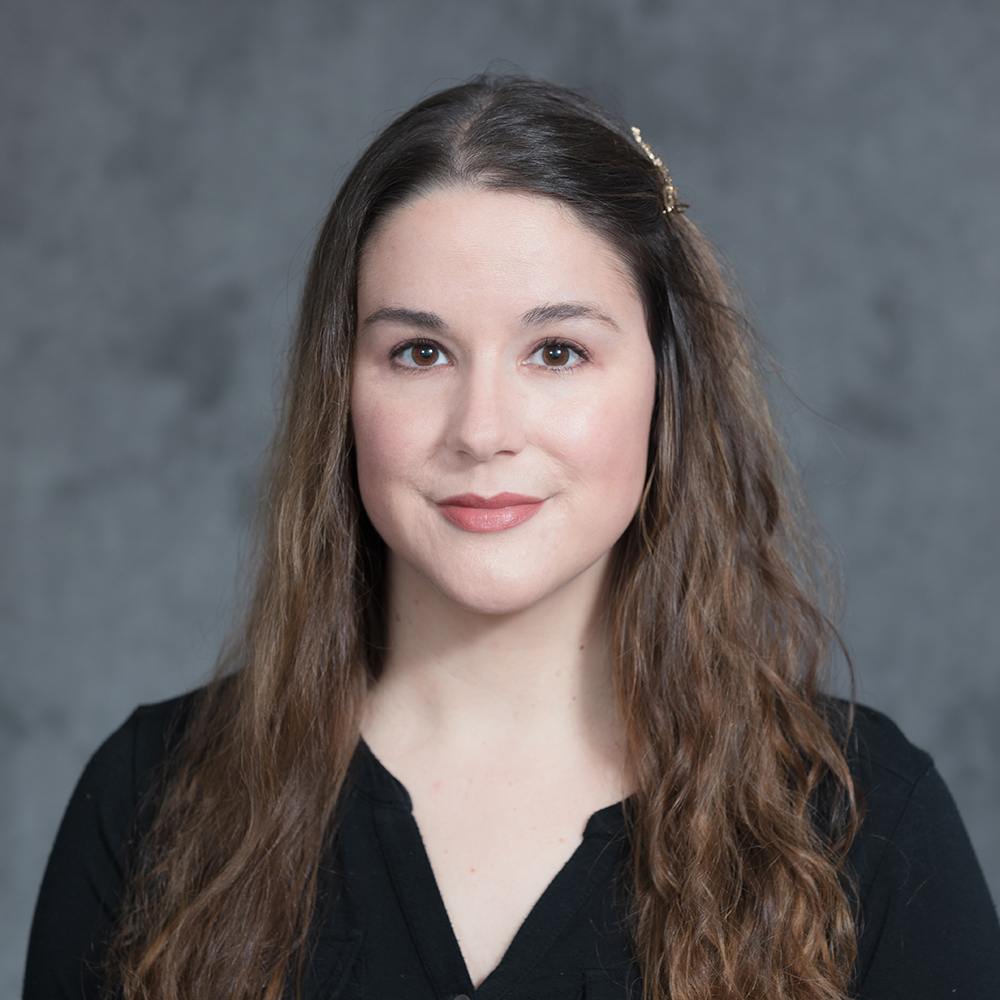
Gabrielle "Bee" Leung is an incoming Assistant Professor in the Department of Atmospheric and Oceanic Sciences (AOS) at the University of Wisconsin–Madison, starting her tenure-track position in Fall 2026. Prior to that, she will join as an Anna Julia Cooper Postdoctoral Fellow in August 2025 to establish her research group. She earned her PhD from Colorado State University’s Department of Atmospheric Science, where her research focused on human impacts on cloud and precipitation systems through aerosol emissions, land-use change, and climate change. PhD, Atmospheric Science, Colorado State University Her research lies at the intersection of climate science, remote sensing, and atmospheric dynamics, with a focus on aerosol-cloud interactions , land-atmosphere coupling , and tropical convective processes . She uses satellite data, field observations, and cloud-resolving models to investigate how anthropogenic changes—such as deforestation, urbanization, and pollution—affect cloud development. A key innovation in her work is the application of object-based analysis to track cloud systems and quantify mesoscale variability. Her concept of the aerosol breeze —a mesoscale circulation driven by aerosol gradients—has advanced understanding of how spatial heterogeneity affects cloud formation. The recent articles highlight a consistent trajectory in her research: leveraging high-resolution data and modeling to dissect complex interactions between aerosols, land cover, and convection. Her work spans observational studies over Southeast Asia, idealized simulations, and NASA mission-related analysis (e.g., INCUS, CAMP2Ex). Broad keywords include Climate Science, Remote Sensing, and Atmospheric Physics, while subfields such as deforestation impacts, cold pool dynamics, and sub-kilometer modeling reveal her methodological and regional focus on tropical and mesoscale processes. Her scientific achievements have been recognized through several awards: Maria Silva Dias Award (2025) Herbert Riehl Memorial Award (2023) David L. Dietrich Honorary Scholarship (2022) NASA FINESST Award (2022) She has been actively involved in mentoring and outreach, including guest lectures, K–12 science demonstrations (e.g., CSU Little Shop of Physics), and leadership in field campaigns such as BACS-II and TIME-SLICE. She has no formal advisees yet but is expected to build a graduate research group at UW–Madison. She has secured competitive grants, most notably the NASA FINESST grant, which supports her PhD research on land-aerosol-cloud interactions in the Maritime Continent. Her future work will likely expand on these themes, integrating satellite observations with modeling to improve climate predictions. She is involved in multiple research teams and campaigns, including the NASA INCUS mission, CAMP2Ex, and BACS-II, where she has led drone and radiosonde operations. Her lab will be established at UW–Madison starting in 2025, focusing on cloud-resolving modeling, satellite data analysis, and process-level understanding of convective systems.
Stephanie Henderson serves as Assistant Professor in the Department of Atmospheric and Oceanic Sciences at the University of Wisconsin-Madison, where she leads research bridging weather forecasting and climate prediction through subseasonal-to-seasonal (S2S) variability studies. Her work addresses the critical predictability gap between synoptic weather systems and seasonal climate patterns, with direct implications for food security, public safety, and economic planning. Education: PhD in Atmospheric Science from Colorado State University Research Focus: Dr. Henderson specializes in tropical-extratropical interactions and global teleconnections , with particular expertise in the Madden-Julian Oscillation (MJO) and atmospheric blocking phenomena. Her methodology integrates observational analysis , numerical modeling , and statistical techniques to unravel how subseasonal processes (2-8 weeks) influence midlatitude weather extremes. Current projects examine MJO impacts on South American precipitation, Northeast Pacific blocking dynamics, and Arctic moisture intrusions. Publication Trends: Recent work (2022-2025) reveals intensifying focus on MJO teleconnection mechanisms across diverse regions, with growing emphasis on polar atmospheric rivers and climate change impacts on subseasonal predictability. Her research increasingly leverages satellite observations (e.g., PREFIRE mission) and addresses practical forecasting applications for extreme weather events. Research Environment: She directs the Subseasonal to Seasonal Variability group, utilizing resources including NOAA PSL SST monitoring, IRI ENSO forecasts, and CIMSS weather portals. The group maintains active collaborations with federal agencies to translate fundamental research into operational forecasting improvements for North American weather extremes.
Noah S. Diffenbaugh is the Kara J Foundation Professor and Kimmelman Family Senior Fellow in Stanford University’s Doerr School of Sustainability, with additional appointments as Senior Fellow at the Stanford Woods Institute for the Environment and Affiliate of the Precourt Institute for Energy. He directs the Climate and Earth System Dynamics Group within the Department of Earth System Science. Education Ph.D. in Earth Sciences, University of California, Santa Cruz (2003) M.S. in Earth Systems, Stanford University (1997) B.S. in Earth Systems, Stanford University (1997) Research Interests Professor Diffenbaugh’s research integrates physical climate modeling with assessments of natural and human vulnerabilities. His group investigates how fine-scale climate processes—such as temperature and precipitation extremes—impact water resources, agriculture, human health, and poverty. By combining numerical models, machine-learning techniques, and observational data, they quantify the mechanisms shaping extreme events and project regional climate risks across multiple degrees of global warming. Scientific Awards & Honors Fellow, American Geophysical Union (2020) William Kaula Award, AGU (2020) James R. Holton Award, AGU (2006) Highly Cited Researcher, Web of Science (2020–2024) Kavli Fellow, U.S. National Academy of Sciences (2010, 2016) NSF CAREER Award (2010–2015) Advising & Mentorship Prof. Diffenbaugh currently advises doctoral students June Choi and Jared Trok, mentors postdoctoral researcher Makoto Kelp and doctoral candidate Peidong Wang, and serves as reader for Adam Burnett’s dissertation. He also directs independent study, directed research, and honors projects for numerous undergraduates across Earth Systems and Sustainability programs. Laboratory & Teams He leads the Climate and Earth System Dynamics Group (climatelab.stanford.edu), a multidisciplinary team using high-resolution Earth-system models and data-driven approaches to study climate dynamics and societal impacts.
Lai-yung Ruby Leung is a Battelle Fellow at Pacific Northwest National Laboratory (PNNL) working in Earth Systems Analysis & Modeling. She serves as Chief Scientist of the Energy Exascale Earth System Model (E3SM) supported by the U.S. Department of Energy, leading major efforts to develop state-of-the-art capabilities for modeling human-Earth system processes on high-performance computers. Dr. Leung's research broadly spans climate and hydrological cycle modeling with expertise in land-atmosphere interactions, orographic processes, monsoon climate, and climate extremes. Dr. Leung earned her educational credentials from prestigious institutions: Ph.D., Atmospheric Science, Texas A&M University M.S., Atmospheric Science, Texas A&M University B.S. (Honors), Physics & Statistics, Chinese University of Hong Kong Her research interests focus on regional and global climate modeling , land-atmosphere interactions , and the regional hydrologic cycle . She investigates orographic precipitation mechanisms, climate extremes, climate variability and change, and aerosol-cloud interactions. Her work integrates advanced modeling techniques with observational data to understand complex Earth system processes, with research featured in Science , Popular Science , Wall Street Journal , and National Public Radio . Dr. Leung has published over 500 peer-reviewed papers and serves as an editor for the American Meteorological Society's Journal of Hydrometeorology . Analysis of Dr. Leung's recent publications reveals her leadership in developing and applying the Energy Exascale Earth System Model (E3SM), with significant contributions to understanding mesoscale convective systems, soil moisture dynamics, urban hydrology, and climate extremes. Her work demonstrates increasing integration of machine learning techniques with traditional climate modeling approaches, particularly in model evaluation frameworks and high-resolution simulations. She maintains strong focus on practical applications of climate science for understanding water resources, extreme weather events, and climate change impacts. Dr. Leung's scientific recognition includes: Election to the National Academy of Engineering (NAE) Election to the Washington State Academy of Sciences (WSAS) Fellow of the American Geophysical Union (AGU) Fellow of the American Meteorological Society (AMS) Fellow of the American Association for the Advancement of Science (AAAS) AMS Hydrologic Sciences Medal (2022) U.S. Department of Energy Office of Science Distinguished Scientist Fellow (2021) Reuter's Hot List of top 1,000 most influential climate scientists (2021) AGU Jacob Bjerknes Lecture (2020) AGU Bert Bolin Global Environmental Change Award (2019) As Chief Scientist of E3SM, Dr. Leung leads major research initiatives funded by the Department of Energy and has organized key workshops sponsored by DOE, NSF, NOAA, and NASA. She has served on numerous advisory panels and National Academies committees that define future priorities in Digital Twin, AI/ML, climate modeling, hydroclimate, and water cycle research. Her professional service includes membership on the Board on Atmospheric Sciences and Climate of the National Academies, council membership with the American Meteorological Society, and editorial roles for prominent journals. Dr. Leung directs research within PNNL's Earth Systems Analysis & Modeling group, collaborating with national and international climate research teams. She leads efforts to advance the Energy Exascale Earth System Model (E3SM), which represents cutting-edge capabilities in modeling human-Earth system processes. Her work connects with multiple PNNL research areas including atmospheric science, global change, and coastal science, contributing to the laboratory's mission of addressing complex environmental challenges through scientific innovation.
Roland Barthel serves as Professor in the Department of Geosciences at the University of Gothenburg's Faculty of Science and concurrently holds the position of Vice-Dean for the Faculty Office of Natural Sciences and Technology. Previously Head of Department (2018-2022), he specializes in groundwater resources within the context of climate change impacts across Sweden and Europe. His research integrates hydrological science with socioeconomic factors to address critical water challenges including drought, scarcity, and extreme weather events. Barthel emphasizes the societal dimensions of water management, particularly regarding unregulated private wells that constitute a significant portion of Sweden's drinking water supply. His interdisciplinary approach bridges natural and social sciences to develop implementable solutions requiring consideration of economic, political, and social frameworks alongside physical system understanding. Analysis of his publication record reveals a dominant focus on data-driven methodologies for groundwater dynamics assessment, drought propagation analysis, and climate adaptation strategies. His work consistently emphasizes regional-scale studies in temperate and high-latitude environments, with increasing attention to interdisciplinary collaboration frameworks. Scientific recognition includes: Student Union's Pedagogical Award (2014) Student Union's Pedagogical Award (2016) As an educator, Barthel pioneered hydrology instruction at the university by developing the master's course Applied Hydrology (GVG460) and undergraduate Hydrology and Hydrogeology (GV2002). He leads Earth Sciences thesis supervision, chairs the program committee, and contributes to multiple geoscience courses. His teaching excellence earned three consecutive pedagogical award nominations with wins in 2014 and 2016. He currently participates in an EU Erasmus+ project developing digital teaching tools with European partners, addressing high market demand for groundwater specialists in Swedish infrastructure and environmental sectors.