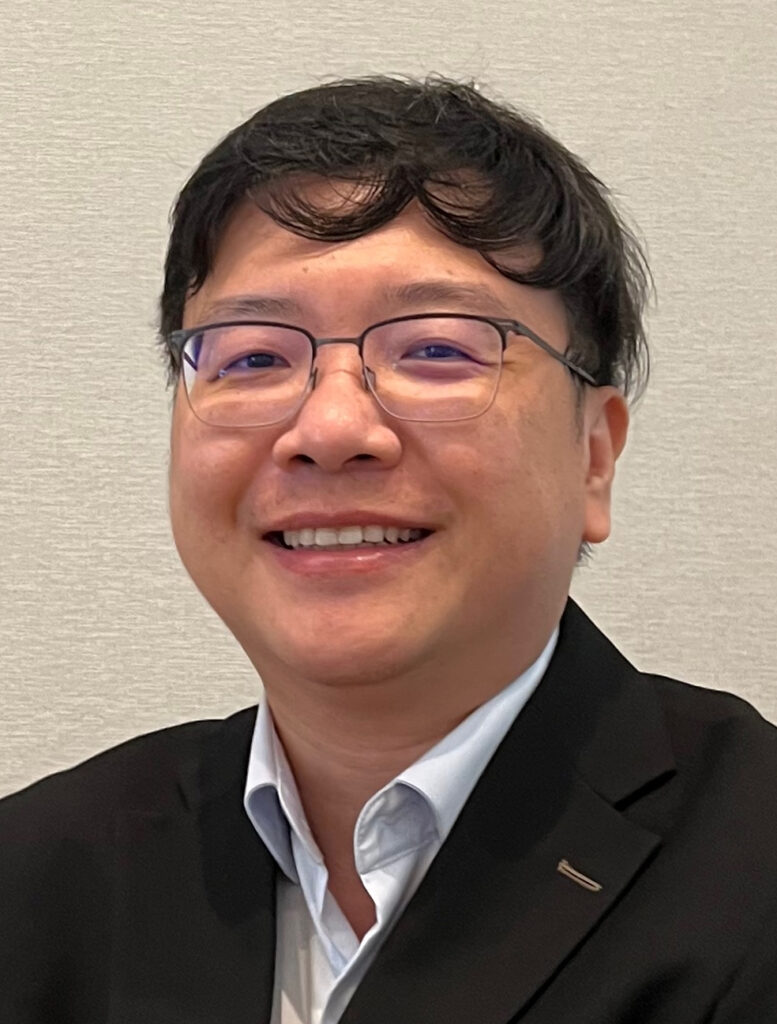
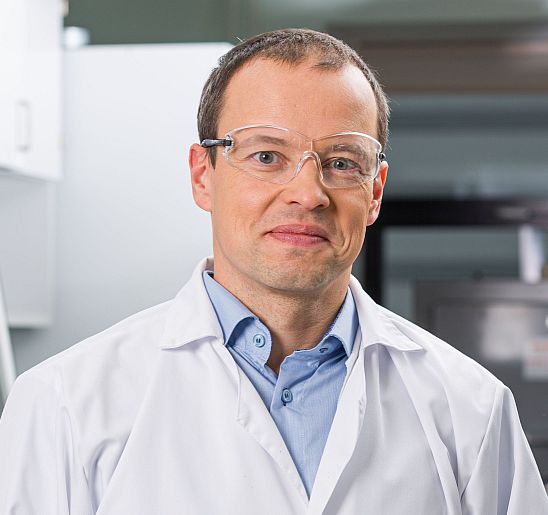
Dr. ONG Ghim Ping Raymond is an Associate Professor and Deputy Head (Research) at the Department of Civil and Environmental Engineering, National University of Singapore (NUS). He concurrently serves as Director (Operations) at the Coastal Protection and Flood Resilience Institute (CFI) Singapore. His expertise spans sustainable pavements, multimodal transport infrastructure, and urban mobility systems. Dr. Ong holds a B.Eng (Civil) with First Class Honours and a PhD from NUS, followed by postdoctoral research at Purdue University. He has authored/co-authored over 85 peer-reviewed journal articles and 120 conference papers. His research focuses on circular economy applications in infrastructure, car-lite urban design, and mega-projects like Tuas Port and Changi Airport expansions. Dr. Ong actively engages in policy advisory roles, serving on international committees for ASCE, ASTM, and EASTS. He has received prestigious awards including the Alfred Noble Prize (ASCE) and Takeuchi Yoshio Award (OCDI). His teaching accolades include multiple NUS Faculty of Engineering commendations. He advises on critical infrastructure projects for agencies like Changi Airport Group and Defence Science and Technology Agency. Dr. Ong frequently contributes to public discourse on transport and urban planning via media interviews and policy consultations.
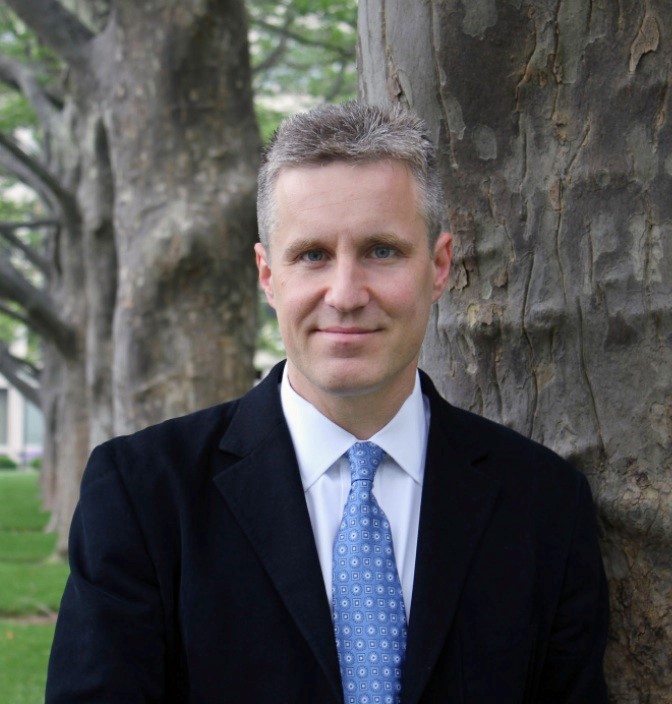
Martin Z. Bazant is the E. G. Roos (1944) Professor of Chemical Engineering and Professor of Mathematics at the Massachusetts Institute of Technology (MIT), holding the Digital Learning Officer role in the Department of Chemical Engineering. His research focuses on mathematical modeling of electrochemical systems, transport phenomena, and applied mathematics, with significant contributions to battery technology and electrochemical energy storage. He is affiliated with MIT’s Department of Mathematics and the MIT Energy Initiative (MITEI), leading initiatives like the Center for Battery Sustainability and D3BATT. Education: Ph.D. from Harvard University (1997), M.S. and B.S. from the University of Arizona (1993, 1992). His work bridges theory and application, addressing challenges in lithium-ion batteries, solid-state systems, and electrolyte dynamics. Notable achievements include pioneering studies on coupled ion-electron transfer mechanisms and phase separation in battery materials. He is an elected member of the National Academy of Engineering (2025) and a Fellow of the Electrochemical Society (2023). As an educator, he develops MOOCs on transport phenomena and contributes to digital learning initiatives. His research group explores advanced battery diagnostics, machine learning for materials science, and environmental applications of electrochemical processes. Key collaborations include startups like Lithios, Inc., and leadership roles in professional societies such as the International Electrokinetics Society.
Dr. Rene Ferdinands is a Lecturer at the University of Sydney's School of Health Sciences, specializing in sports biomechanics, particularly in cricket and golf. He leads research programs focused on optimizing techniques and minimizing injury risks, such as lumbar load analysis in fast bowlers and spin bowling biomechanics. His work includes developing 3D models for analyzing bowling actions and spin delivery mechanics. Education: MSc and PhD from the University of Waikato. Research Themes: Cricket biomechanics, golf swing dynamics, equine biomechanics, and injury prevention. Professional Roles: Editor of the Cricket Coaching Information service for the International Society of Biomechanics in Sports, Honours Committee Member. His research interests span biomechanical analyses of sports techniques, including the development of smart cricket balls for performance assessment and injury mitigation. Key contributions include refining bowling action legality criteria and advancing understanding of lumbar kinetics in elite athletes. He actively supervises Honours and PhD students in biomechanics research across cricket, golf, and other sports. Notable grants include studies on hydration status in cricket performance (2008), lumbar injury prevention (2013), and biomechanical modeling of fast bowling (2009). His work bridges applied research with practical applications in sports technology and athlete development. Dr. Ferdinands collaborates with the Biomechanics Research Team at the University of Sydney, focusing on innovative tools like smart balls and advanced motion analysis techniques to improve sports performance and safety.
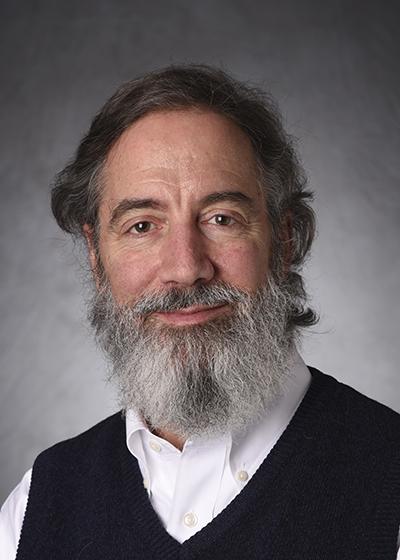
Ralph H. Colby serves as Professor of Materials Science and Engineering and Chemical Engineering at Pennsylvania State University's College of Earth and Mineral Sciences, holding the Corning Faculty Fellowship. His research focuses on molecular-level dynamics in complex fluids, particularly polymers, ionomers, and liquid crystalline systems. With over 130 publications and authorship of the textbook Polymer Physics (2003), he directs an active research program examining structure-property relationships in soft matter. B.S. in Materials Science and Engineering, Cornell University (1979) M.S. in Chemical Engineering, Northwestern University (1983) Ph.D. in Chemical Engineering, Northwestern University (1985) Professor Colby's research spans polymer physics, rheology, and materials for energy applications. His group employs mechanical rheology, dielectric spectroscopy, and scattering techniques to investigate ion transport in single-ion conductors for batteries, dynamics of glass-forming liquids, and self-assembly in polyelectrolyte systems. Current work emphasizes structure-property relationships in ionomers, liquid crystalline polymers, and branched architectures. Analysis of recent publications reveals consistent focus on ionomer membranes for energy applications, processing-structure relationships in advanced polymers, and fundamental dynamics of complex fluids. Key trends include increasing integration of computational modeling with experimental characterization, expansion into sustainable materials processing, and growing emphasis on applications in battery technology and biomedical materials. Penn State Faculty Scholar Medal for Outstanding Achievement (2022) Bingham Medal, Society of Rheology (2012) American Chemical Society Fellowship Corning Faculty Fellowship in Materials Science and Engineering Professor Colby leads multiple federally funded projects including NSF's 'Fundamental Studies of Flow-Induced Polymer Crystallization' and DOE's 'Conduction mechanisms and structure of ionomeric single-ion conductors'. His group maintains strong industry partnerships with Corning Incorporated and participates in interdisciplinary initiatives like the Penn State Intercollege Graduate Degree Program in Materials Science and Engineering. Current research includes collaborations on breast cancer adherence interventions in Rwanda and conjugated polymer development for flexible electronics. The Colby Research Group operates specialized facilities for rheological characterization, dielectric spectroscopy, and X-ray scattering at Penn State's Materials Research Institute. The team maintains active collaborations with national laboratories and international research groups, focusing on translating fundamental polymer physics discoveries into practical applications for energy storage and advanced manufacturing.
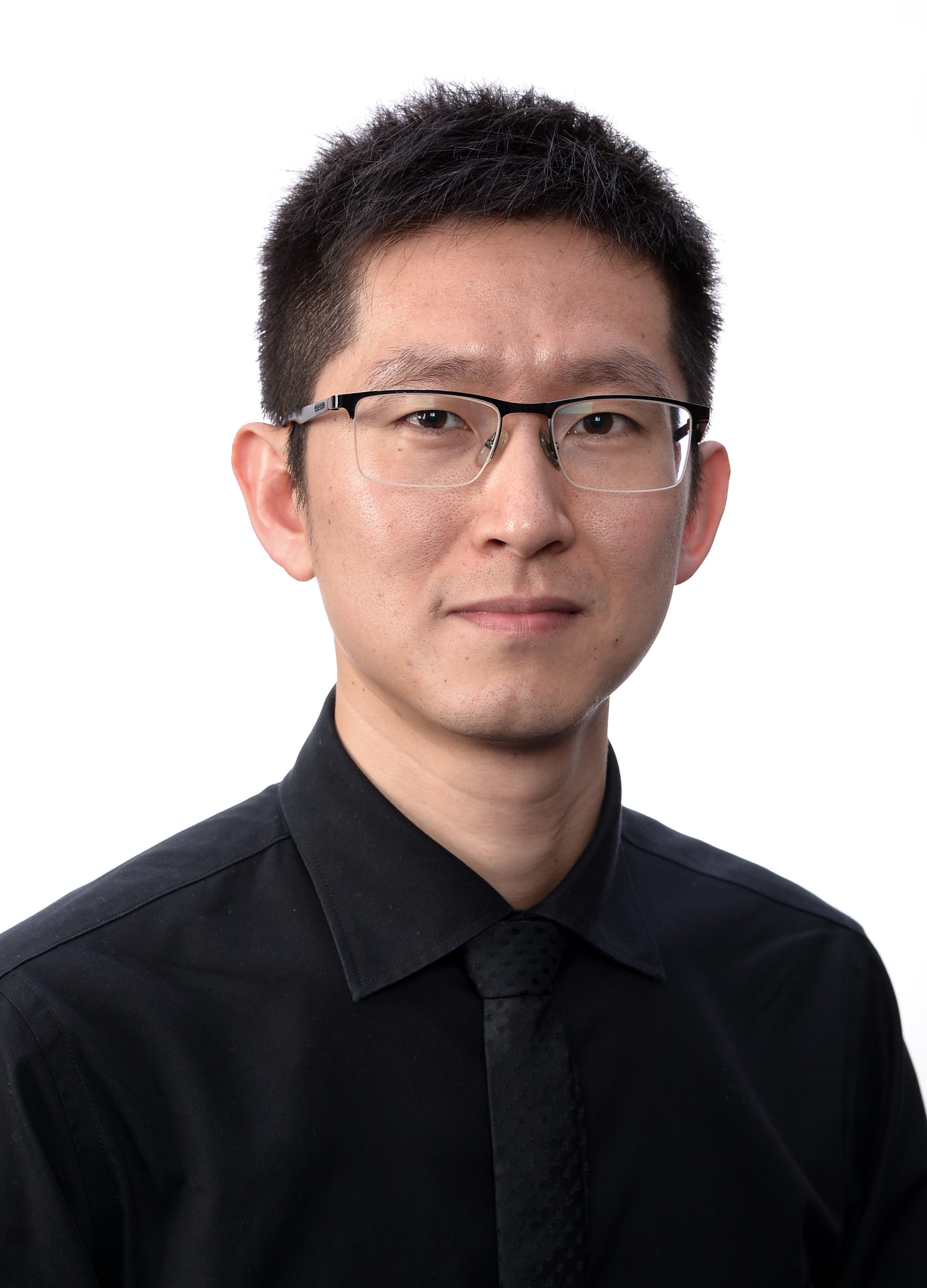
Dr. Geng Guoqing is an Assistant Professor in the Department of Civil and Environmental Engineering at the National University of Singapore (NUS). He holds concurrent roles as East Asian Regional Convener for RILEM and board member of ACI-Singapore Chapter. His research focuses on sustainable construction materials, particularly durability, microstructural characterization, and waste material utilization. Geng earned his PhD from UC Berkeley (2017), followed by postdoctoral research at the Paul Scherrer Institute (Switzerland). He has authored over 50 papers and leads multiple projects funded by Singapore’s Ministry of Education, Energy Center, and National Research Foundation. Education: Bachelor of Engineering, Southeast University, China (2010) Master of Science, UC Berkeley, USA (2013) PhD, UC Berkeley, USA (2017) Research interests center on sustainable construction materials, multi-scale characterization, and material durability . Key themes include recycling low-grade materials, mitigating degradation in concrete, and developing high-performance binders like LC3. His work employs advanced techniques like molecular modeling, X-ray diffraction, and NMR. Recent articles explore hydration kinetics, CSH matrix mechanics, and waste clay applications. Awards include the 2023 RILEM Medal and multiple teaching excellence recognitions. Current projects address CO 2 absorption, sustainable cement blends, and resilient façade materials. Professional service includes editorial roles at Cleaner Materials and Frontiers in Materials , plus organizing the 2022 EASEC Conference. His lab focuses on bridging microstructural insights with macro-scale material performance.
Graham Dobereiner is an Associate Professor and Robert L. Smith Early Career Professor in the Department of Chemistry at Temple University's College of Science and Technology. He received his Ph.D. from Yale University (2011) and completed postdoctoral research at MIT (2012-2014) after earning his B.S. from Brandeis University (2007). His research group develops novel homogeneous transition metal catalysts for synthetic chemistry applications spanning fine chemicals manufacturing, petrochemical processing, and drug discovery. The work integrates organometallic chemistry principles, combining organic molecular diversity with inorganic compound reactivity. Research areas include catalytic isomerization, oxidative synthesis, ligand design, and mechanistic studies of transition metal complexes. Analysis of his recent publications demonstrates strong emphasis on reaction mechanism elucidation, catalyst design for stereoselective transformations (particularly Z-selective isomerizations), and development of novel catalytic systems for sustainable synthesis. His group employs computational and experimental approaches to advance synthetic methodology.
Edward Ashworth is a Postdoctoral Research Associate at the Sydney School of Health Sciences, University of Sydney. He is affiliated with the Thermal Ergonomics Laboratory and the Heat and Health Research Incubator. His research focuses on human adaptations to extreme environments, including heat, altitude, hyperbaric conditions, and space-related stressors. Key projects include improving sleep quality in hot environments and enhancing physical work capacity for outdoor workers. Edward's research interests span environmental physiology, with a focus on thermal tolerance, radiation injury mitigation, and the physiological effects of extreme conditions. He has contributed to studies involving nitrogen kinetics tracking using PET imaging, hyperbaric oxygen therapy, and robotic surgery applications. Awards: Young Investigator Award (2023), Art of Science Contest 1st Prize (2024), Australia Space Biology Summit 1st Place (2022), and Sporting Blue (Auckland University of Technology). Associations: The Physiological Society and American Physiological Society. His work integrates clinical trials, statistical research design, and translational approaches to address challenges in environmental health, cardiovascular disease, and healthy ageing. Current projects aim to optimize thermal tolerance strategies for military and occupational settings.
Professor John L Provis is a leading expert in cement materials science at the University of Sheffield 's School of Chemical, Materials and Biological Engineering. He also holds a Visiting Professor position at Luleå University of Technology's Building Materials division. PhD in Chemical Engineering (University of Melbourne) 2013 RILEM Robert L'Hermite Medal 2015 Honorary Doctorate from Hasselt University Editor-in-Chief of Materials and Structures His research focuses on alkali-activated materials and geopolymer binders for sustainable construction, with key themes in chemical speciation , waste immobilization , and novel cement systems for nuclear applications. Recent publications highlight 15 representative articles spanning topics: Radiation-resistant cementitious matrices Geopolymer synthesis for heavy metal containment Thermodynamic modeling of binder systems Corrosion mechanisms in alkali-activated concretes Low-carbon cement alternatives Microstructural analysis via advanced spectroscopy Scientific Recognition : RILEM Robert L'Hermite Medal recipient Hasselt University Honorary Doctorate Editorial leadership roles in major journals Contact: j.provis@sheffield.ac.uk | Sir Robert Hadfield Building, University of Sheffield
Dr. Sajid Alavi is a Professor in the Department of Grain Science and Industry at Kansas State University. He joined the faculty in 2002 after earning his Ph.D. in Food Science/Food Engineering from Cornell University (2002), M.S. in Agricultural and Biological Engineering from Penn State (1997), and B.S. in Agricultural Engineering from IIT (1995). His research focuses on extrusion processing in food, pet food, and feed applications, with expertise in rheology, food microstructure imaging, and process sustainability. He leads global projects in Africa, Brazil, India, and beyond, emphasizing sustainable food technologies and AI-driven processing innovations. Dr. Alavi is a recipient of the 2010 Young Research Scientist Award from the Cereals & Grains Association. He teaches GRSC 620 (Intro to Extrusion Processing) and GRSC 820 (Advanced Extrusion Processing), and has trained over 1,000 industry leaders through his renowned 'Extrusion Processing: Technology and Commercialization' short course. His work bridges food science and engineering, addressing challenges in plant-based meat analogs, nutrient bioavailability, and food aid product development. Key facilities associated with his work include the BIVAP Feed Quality Assurance Lab and Hal Ross Flour Mill. His research spans sensory analysis of meat alternatives, fiber utilization in pet food, and sustainability assessments of novel crops like intermediate wheatgrass. Recent studies explore insect protein in pet food, AI-driven extrusion optimization, and iron bioavailability in fortified foods. Dr. Alavi’s contributions span academic, industrial, and global food security domains, reflecting a commitment to innovative, scalable food solutions.
Menachem Elimelech is a Professor in the Department of Chemical and Environmental Engineering and holds a secondary appointment at the School of the Environment at Yale University. He is a leading researcher in membrane-based water purification technologies, with a strong focus on desalination, wastewater recycling, and colloidal processes in aquatic systems. Department: Chemical and Environmental Engineering School: School of the Environment University: Yale University Email: menachem.elimelech@yale.edu His research spans fundamental and applied aspects of environmental engineering, particularly in developing advanced membranes for water treatment. Key areas include reverse osmosis, electrodialysis, solar-thermal desalination, and molecular-level understanding of transport phenomena in polyamide membranes. The recent publications (2025) demonstrate a strong trend toward molecular simulations, nanostructured membranes, and innovative materials like ceramic-carbon Janus membranes. His work integrates experimental and computational approaches to unravel ion and solute transport mechanisms, aiming to enhance efficiency and selectivity in water purification systems. Colloidal Processes in Aquatic Environments (2008–Present) Environmental Technology and Education (2008–Present) Recycling of Wastewater (2008–Present) Dr. Elimelech is actively involved in interdisciplinary research and collaborates with experts such as John Fortner and Matthew Eckelman. He contributes to the Yale Superfund Research Center and continues to publish in high-impact journals including Science Advances , Nature Communications , and Environmental Science & Technology .
John S. McCartney is a Professor and Hal Sorenson Endowed Chair in the Department of Structural Engineering at the University of California San Diego (UCSD). He directs the Englekirk Structural Engineering Center and holds editorial roles at journals such as ASCE Journal of Geotechnical and Geoenvironmental Engineering and Computers and Geotechnics. His research focuses on unsaturated soil mechanics, energy geotechnics, and geosynthetics engineering, with applications in thermal energy systems, landfill covers, and seismic response analysis. Education: B.S. and M.S. in Civil Engineering from University of Colorado Boulder (2002), Ph.D. in Civil Engineering from University of Texas at Austin (2007). Research interests include thermo-hydro-mechanical behavior of soils, geothermal energy piles, tire-derived aggregates, and seismic performance of geotechnical systems. His work combines laboratory testing, centrifuge modeling, and numerical simulations to address challenges in sustainable infrastructure and energy systems. Key awards include the Walter L. Huber Research Prize (2016), NSF CAREER Award (2011), and multiple teaching and service recognitions. He actively contributes to ASTM standards and serves as President of the IGS-NA chapter. Lab facilities are located in the Structural and Materials Engineering Building (SME 409). Courses taught include advanced soil mechanics, energy geotechnics, and geotechnical earthquake engineering.
Katrin Schollbach is an Assistant Professor in the Building Materials department at Eindhoven University of Technology's School of Built Environment . Her research focuses on sustainable utilization of industrial by-products in construction materials, particularly steel slags from fossil-free steelmaking processes. Expertise: BOF slag activation, carbonation resistance, heavy metal immobilization, eco-friendly binders Projects: Leading the SLAK project (2023-2029) on future slags from fossil-free steelmaking Collaborations: Active international collaborations in construction materials research Schollbach's work explores the chemical and mineralogical properties of industrial waste materials, optimizing their performance in building applications. Key research themes include chemical activation techniques, carbonation processes, and material characterization using scanning electron microscopy and X-ray diffraction. Recent publications highlight her innovative approaches to BOF slag activation, sewage sludge-based sealing materials, and marine infrastructure applications. Her research output demonstrates consistent growth with 89 total publications and collaborations across multiple disciplines. She contributes to education through courses like Climate-responsive Building Design and Masterproject BPS Research , and maintains active research partnerships with institutions worldwide.
Steven F. Son is the Alfred J. McAllister Professor of Mechanical Engineering at Purdue University, affiliated with the College of Engineering. He holds joint appointments in Aeronautics and Astronautics, Materials Engineering, and Mechanical Engineering. His research focuses on energetic materials, combustion science, and propulsion systems, with emphasis on detonation physics, additive manufacturing of explosives, and novel propellant designs. Key projects include developing throttleable solid propellants, studying material-filled void effects on detonation waves, and optimizing nanomaterials for enhanced reactivity. Dr. Son’s work integrates experimental and computational methods, such as laser absorption spectroscopy and machine learning, to advance understanding of high-energy materials. His contributions span from fundamental material characterization to applied systems like Martian perchlorate-based propellants. He leads research at the Maurice J. Zucrow Laboratories, Purdue’s premier facility for propulsion and energetic materials research. His recent studies explore flexoelectricity in fluoropolymer/aluminum composites, laser ignition systems for solid propellants, and thermal decomposition mechanisms of novel energetic formulations. While no awards are explicitly listed, his prolific publication record and interdisciplinary approach highlight his influence in the field.
Ronald Hedden is a Professor of Practice in the Department of Chemical and Biological Engineering at Rensselaer Polytechnic Institute (RPI), where he focuses on innovations in undergraduate education and polymer science. Previously, he served as an Associate Professor at Texas Tech University (2009–2017). His current research emphasizes Virtual Reality (VR) integration into chemical engineering education, including the development of a Virtual Chemical Plant (VCP) simulation to provide safe, cost-effective access to process equipment. His research interests span chemical engineering, polymer science, soft materials, and nanomaterials. Notable projects include applying VR for teaching process safety and dynamics, as well as exploring nanocomposite materials and membrane technologies. He also investigates polymer rheology and structure-property relationships using advanced characterization techniques like NMR and SANS. Hedden teaches both core chemical engineering courses and interdisciplinary engineering subjects. His work bridges academic research and practical applications, with contributions to biofuel refining, asphalt modification, and nanoparticle incorporation in polymers. While no specific awards are listed, his extensive publication record highlights impactful contributions to materials science and educational technology. His advisory work involves student projects on VR simulations and materials engineering. He collaborates on initiatives like the VCP platform, aimed at advancing safety training and process control education. Hedden’s career reflects a commitment to both cutting-edge research and transformative pedagogy in engineering education.
Tarmo Tamm is a Researcher at the Intelligent Materials and Systems Lab, University of Tartu. His work focuses on conducting polymers, soft actuators, and biomaterials , with emphasis on applications in biomedical engineering, nanotechnology, and electrochemistry. He holds a primary affiliation with the University of Tartu and has authored/co-authored over 100 peer-reviewed articles since 2002. His research spans material characterization, actuator design, and polymer electrolyte systems. Key projects include development of biocompatible hydrogels (e.g., sea cucumber-derived materials), soft exoskeletons inspired by spider leg mechanics, and sustainable paper recycling processes . Tamm’s publications highlight interdisciplinary collaboration with institutions globally, addressing topics like ion mobility in PEDOT films, microbial interactions with silicone foams, and encapsulation techniques for biomedical actuators. His work often bridges fundamental material science with practical applications, such as energy storage systems and medical devices. Current research trends emphasize electrochemomechanical systems and bioinspired materials , with growing focus on sustainable materials engineering.