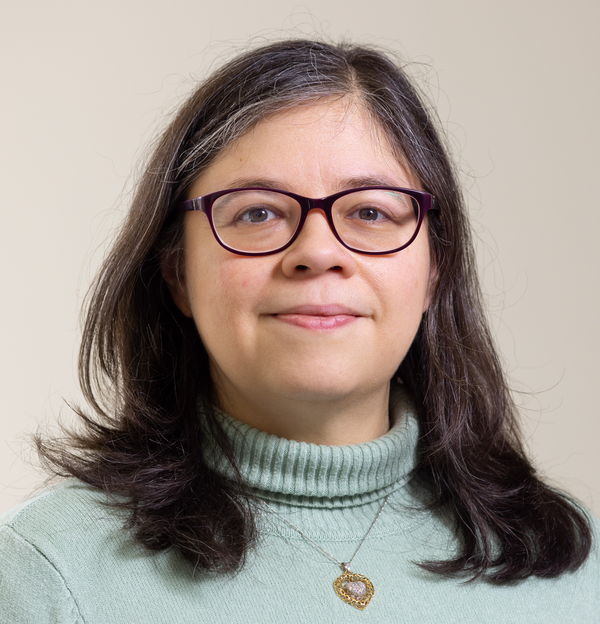
Professor Hannah Mitchison is a leading academic at University College London (UCL) , where she serves as Professor of Molecular Medicine in the Genetics & Genomic Medicine Department at the UCL Great Ormond Street Institute of Child Health. She is Head of the department (2022–present) and has held leadership roles in the Ciliopathy Alliance and UK Cilia Network . Her research focuses on ciliopathies and genetic mutations in rare diseases, particularly Primary Ciliary Dyskinesia (PCD) . PhD in Biochemistry (University of Birmingham, 1991) BSc (Hons) in Biochemistry (University of Sussex, 1986) Her research spans genetic discovery , functional studies of ciliary proteins , and translational genetic therapies for PCD and related disorders. Recent work includes large-scale genomic analyses with the 100,000 Genomes Project and developing the CiliaVar database for motile ciliopathy variants. She also explores genotype-phenotype correlations in PCD cohorts across the UK, Finland, and Palestine. Her teaching roles include supervising PhD and MSc students, lecturing on UCL’s MSc Cell & Gene Therapy and Genomic Medicine programs, and leading the module Genomics of Common and Rare Inherited Diseases . She is co-lead for UCL on the Health Education England-supported MSc Genomic Medicine course. Scientific contributions include over 170 journal articles, with recent high-impact publications in Nature , Science , and European Respiratory Journal , emphasizing genomic approaches and novel therapies for ciliopathies. Collaborations with clinical teams and patient advocacy groups like the Ciliopathy Alliance underscore her translational focus. Funding comes from organizations including the Medical Research Council (MRC), Biotechnology and Biological Sciences Research Council (BBSRC), and NIHR Great Ormond Street Hospital Biomedical Research Centre.
Dr. Stefanie Ullmann is a Researcher at the University of Cambridge's Minderoo Centre for Technology and Democracy . She holds a PhD in Linguistics from University of Marburg, Germany, where her thesis analyzed metaphorical framing of the 2011 Arab Spring revolutions in media/political discourse. Her research spans functional linguistics, critical theory, and digital ethics with particular focus on algorithmic bias, counterspeech strategies, and socio-political conflict discourse. Current affiliation: University of Cambridge, UK Education: PhD in Linguistics (University of Marburg, Germany) Key research areas: Critical metaphor analysis, corpus linguistics, machine translation ethics, digital democracy Recent projects: Giving Voice to Digital Democracies (AI communication impacts) Her publications include: Discourses of the Arab Revolutions in Media and Politics (Routledge, 2022) - monograph on metaphorical framing Counterspeech: Multidisciplinary Perspectives (Routledge, 2023) - co-edited volume on dangerous speech mitigation Contact: su272@cam.ac.uk
Professor Marcel Dinger is a prominent academic and researcher currently serving as Professor and Head of School for Biotechnology and Biomolecular Sciences at UNSW Sydney. With over 20 years of experience in genomics, he has established himself as a leading figure in both academic and entrepreneurial spheres within the field. He has published 153 papers with over 24,000 citations and maintains an h-index of 61 on Google Scholar. His leadership extends beyond academia as he serves as President of the Australasian Genomics Technologies Association (AGTA) and holds director positions at Pryzm Health and the National Centre for Indigenous Genomics (NCIG). Professor Dinger's research laboratory focuses on establishing new links between phenotype and genotype, particularly examining rare and complex diseases in relation to underexplored regions of the genome including pseudogenes, repetitive elements, non-canonical DNA structures, and noncoding RNAs. His work harnesses population-scale genomic datasets and sophisticated data science methods to bring an objective perspective to understanding how the genome stores information and how it is transacted in biology. His research interests span genomics, non-coding RNA biology, clinical applications of genomic medicine, and the development of computational approaches for analyzing complex genomic data. Analysis of Professor Dinger's recent publications reveals a strong emphasis on non-coding RNA research, particularly long noncoding RNAs and their roles in disease mechanisms. His work spans cancer genomics, neurological disorders, and fundamental genomic mechanisms including DNA secondary structures like i-motifs and G-quadruplexes. His research combines experimental approaches with advanced bioinformatics to address fundamental questions in genomic medicine and has significant translational implications for disease diagnosis and treatment. Highly Cited Researcher in Cross-Field category (2019, 2020, 2021) Fellow of the Faculty of Science (Research), Royal Society of Pathologists of Australasia (2016) NHMRC Career Development Award (2010) Queensland Government Smart Futures Fellowship (2009) Foundation of Research, Science and Technology New Zealand Postdoctoral Fellowship (2005) Professor Dinger has been instrumental in establishing and leading several significant research initiatives including Genome.One, one of the first companies globally to provide clinical whole genome sequencing services, and the Kinghorn Centre for Clinical Genomics at the Garvan Institute of Medical Research. His entrepreneurial experience includes founding four biotechnology and IT startups. He serves on multiple governance boards including the National Centre for Indigenous Genomics, focusing on using genomics to improve health outcomes for Australia's First Peoples. His laboratory at UNSW continues to advance our understanding of genomic regulation and its implications for human health and disease.
Dr. Sandra Diaz Pier is a Scientific Lead at the Jülich Supercomputing Centre (JSC) within the Jülich Research Centre , Germany. Specializing in computational neuroscience , high performance computing (HPC) , and machine learning , she bridges neuroscience and advanced computational methods through her research. Education: B.Sc. in Electronic Systems Engineering, Mexico M.Sc. in Computer Science (focus: machine learning, quantum computing), Mexico Second M.Sc. in Electrical Engineering, Ontario, Canada Ph.D. in Computer Science, Germany (2021) Her research focuses on modeling and simulating brain dynamics and plasticity at multiple scales, leveraging HPC to accelerate large-scale neural network simulations. She actively contributes to EU projects like the Human Brain Project (HBP) , Virtual Brain Cloud , and EBRAINS 2.0 , emphasizing infrastructure development and educational training. Her work includes open-source tools such as the NEST simulator , The Virtual Brain , and L2L , enabling efficient parameter exploration and multiscale co-simulation frameworks. The 15 most recent publications highlight her interdisciplinary approach, spanning topics from quantum computing in biomolecular simulations to neural plasticity algorithms and cloud-based brain modeling . These articles reflect her expertise in integrating machine learning , multi-scale simulation , and HPC infrastructure for neuroscience challenges, including seizure propagation, Parkinson’s disease progression, and swarm intelligence in spiking networks. She leads technical coordination in projects like EBRAINS and serves as a task leader in the HBP infrastructure work package , while also organizing workshops and hackathons for open-source tools. Her role involves supporting domain scientists through methodological research and workflow optimization for brain simulations.
Christos Ouzounis is a Professor of Bioinformatics at the Department of Informatics, Aristotle University of Thessaloniki , with a career spanning institutions including the European Bioinformatics Institute , King's College London , and University of Toronto . His work bridges Computational Biology , Digital Biology , and Metagenomics , focusing on large-scale data analysis, machine learning applications, and functional annotation of proteins. Education : BSc in Biological Sciences (1986), MSc in Biological Computation (1987), and DPhil in Computational Chemistry (1993) Key Roles : Director of the Bioinformatics Centre at King's College London (2007-2010), Research Director at IDEP-EKETA (2014-2020) His research interests include low-complexity protein sequences , Covid-19 seasonality patterns linked to UV radiation, and metagenomic analysis of urban microbiomes in cultural heritage sites. Current projects involve machine learning models for microbial coexistence networks, ontological classification of biomedical literature, and bioinformatics tool development . Publications highlight trends in archaeal genomics , functional dark matter in metagenomics, and epidemiological modelling . Notable collaborations include work on BioTextQuest v2.0 for concept discovery and MjCyc for metabolic pathway analysis.
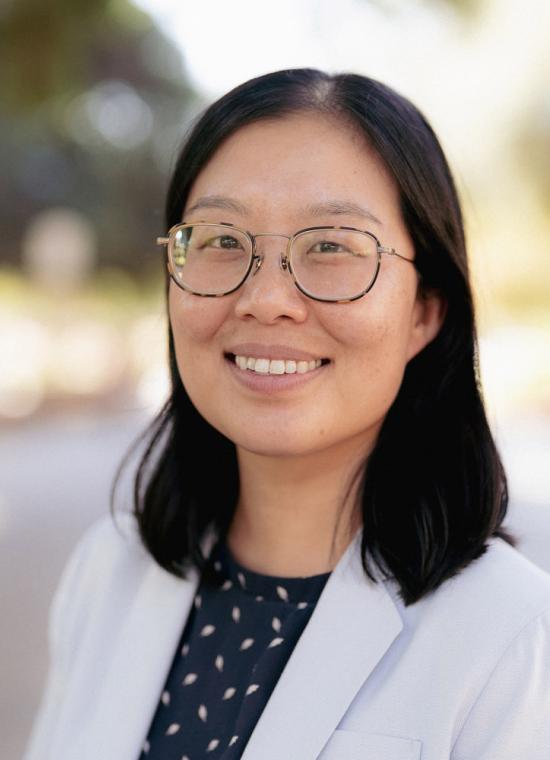
Charlotte Chang serves as Assistant Professor of Biology and Environmental Analysis at Pomona College, where she has been faculty since 2020. Her dual appointment bridges the Department of Biology and Environmental Analysis program, with laboratory space in Seaver South. She maintains active affiliations including a Visiting Science Fellowship with The Nature Conservancy's One Conservancy program and collaborations with Centre for Wildlife Studies India and Wildlife Conservation Society. Ph.D. in Ecology and Evolutionary Biology, Princeton University Master of Philosophy, University of Cambridge Bachelor of Arts, Pomona College Chang's research integrates social-ecological systems analysis to advance conservation science, specializing in digital conservation constituencies, illicit wildlife hunting dynamics, and agroforest management for habitat specialists. Her lab employs innovative methodologies combining data science, quantitative ecology, and field methods to examine human-environment interactions across tropical systems. Current projects include LLMs for natural climate solutions evidence mapping and environmental social media analysis for conservation outreach optimization. Her publication record demonstrates consistent high-impact output across conservation biology, ecological modeling, and social science journals. Trends show increasing focus on digital conservation mobilization since 2020, with notable work on Twitter environmental discourse and platform migration patterns. Earlier research established foundational work on hunting motivation in Southwest China and coffee agroforest biodiversity in India's Western Ghats. David H. Smith Conservation Research Fellow National Science Foundation NIMBioS Postdoctoral Fellow IUCN Critical Ecosystem Partnership Fund Research Grant NSF GROW with USAID research fellowship Fulbright Fellowship Chang actively mentors early-career researchers across North America and Asia, with notable success in placing mentees in conservation organizations and graduate programs. Her lab receives funding from multiple NSF programs and conservation NGOs, supporting fieldwork in China, India, and Southeast Asia. Current grants focus on social media analysis for conservation outreach and natural climate solutions mapping. The Chang Lab operates as an interdisciplinary hub combining computational ecology, conservation social science, and field research. Her team collaborates with environmental practitioners, community leaders, and academic colleagues globally, with recent projects spanning the Western Ghats, Southwest China, and digital conservation networks worldwide.
Associate Professor Kai-Hsiang Chuang is a Principal Research Fellow at the School of Biomedical Sciences within the Faculty of Health, Medicine and Behavioural Sciences at the University of Queensland. He is also affiliated with the Queensland Brain Institute and the Centre for Advanced Imaging. His research focuses on understanding brain networks, developing advanced imaging techniques, and translating these findings to improve diagnosis and intervention for neurological disorders. Dr. Chuang received his Ph.D. in electrical and biomedical engineering from the National Taiwan University, Taiwan, in 2001. His doctoral research focused on improving the detection of brain activity using functional magnetic resonance imaging (fMRI). Ph.D. in Electrical and Biomedical Engineering, National Taiwan University (2001) Dr. Chuang's research spans multiple areas of brain imaging and neuroscience. His primary focus is on functional brain mapping , where he develops in vivo imaging techniques including functional MRI and multimodal integration with optogenetics, calcium imaging, and electrophysiology. He applies these techniques in both humans and animal models to improve understanding and intervention of brain function, disease processes, and treatment effects. Another key area is brain networks in learning, memory, and dementia . His work explores how brain network wiring and activity underpin cognition and behavior, with particular focus on understanding the causal relationship between brain network activity and memory formation. He develops techniques to modulate behavior by manipulating brain network activity. More recently, Dr. Chuang has expanded into brain waste clearance research, studying the brain's fluid drainage system that clears waste and toxic molecules like amyloid plaques. His lab is developing imaging techniques to track this system's function and understand its regulatory mechanisms, which could provide new treatment targets for dementia. Analysis of Dr. Chuang's recent publications reveals a strong focus on advancing functional MRI techniques for brain network analysis, particularly in rodent models. His work consistently bridges basic neuroscience with clinical applications, especially in understanding memory formation and dementia. A notable trend is the development of multimodal approaches that combine fMRI with optogenetics, calcium imaging, and electrophysiology to establish causal relationships in brain networks. His research increasingly addresses the translation of preclinical findings to human applications, with growing emphasis on Alzheimer's disease mechanisms and potential interventions. Dr. Chuang serves on the editorial boards of multiple prestigious journals including Frontiers in Neuroscience: Brain Imaging Methods , Imaging Neuroscience , and Scientific Reports , reflecting his standing in the field. Editorial Board Member, Frontiers in Neuroscience: Brain Imaging Methods Editorial Board Member, Imaging Neuroscience Editorial Board Member, Scientific Reports Dr. Chuang is actively involved in research supervision, currently serving as Principal Advisor for one PhD student working on "Developing imaging and neuro-technologies for decoding memory formation" and Associate Advisor for two other PhD projects. He has successfully completed supervision of three PhD students on topics related to resting-state networks, memory consolidation, and functional MRI. ARC Discovery Projects (2024-2028): "Decoding the brain network of memory formation" ARC Training Centre for Innovation in Biomedical Imaging Technology (2017-2024) NHMRC-NIH BRAIN Initiative Collaborative Research Grants (2016-2023) Universities Australia - Germany Joint Research Co-operation Scheme (2017-2018) Mater Medical Research Institute Limited grant for mindfulness-based cognitive therapy research (2017-2020) Dr. Chuang leads the Functional and Molecular Neuroimaging Group at the Queensland Brain Institute. His laboratory focuses on understanding the functional connectome of the brain and developing functional and molecular imaging techniques to study brain connectivity associated with behavior. The group has developed various MRI techniques to track neuronal connections, map large-scale brain synchrony, and quantify cerebral blood flow and metabolism in vivo. His research team collaborates extensively with other experts at UQ and internationally, including collaborations with Associate Professor Darryl Eyles, Professor Jürgen Götz, Professor Tianzi Jiang, Dr. Fatima Nasrallah, Professor Linda J. Richards, Professor Pankaj Sah, Professor Elizabeth Coulson, Dr. Patricio Opazo, Professor Feng Liu, and Professor Markus Barth.
Pauline Leonard is Professor of Sociology and Associate Dean (Research & Enterprise) in the Faculty of Social Sciences at the University of Southampton. As a Director of the Web Science Institute and founding member of the Work Futures Research Centre, she holds fellowships with the Academy of Social Sciences (FAcSS), Royal Society of Arts (FRSA), and Alan Turing Institute. Her research examines diversity and changing nature of work through lenses of gender, race, age and social background. Core interests include: Impact of technological change on working lives and careers Skilled migration and whiteness studies Organizational transformation in digital economies Trustworthy human-AI collaboration systems Recent publications (2022-2024) demonstrate strong focus on technology's societal impacts, particularly AI ethics in security systems, automation effects on labor, and racial/gender dynamics in tech industries. Research consistently addresses inequality mechanisms through socio-technical frameworks. Awards and honors: Fellow, Academy of Social Sciences (2016) Turing Fellow (2021) Fellow, Royal Society of Arts (2018) Currently leads multiple UKRI-funded projects including 'Trustworthy Human Robot Teams' and 'Verifiably Safe and Trusted Human-AI Systems'. Supervises five PhD students researching sociology, social policy, and web science. Maintains active speaking engagements on migration, digital futures, and post-pandemic work.
Aura Satz is a Visiting Professor at the School of Arts & Humanities, Royal College of Art , with expertise in Critical Practice and Art & Curating. Her work spans film, sound, performance and sculpture with focus on distributed voice and listening strategies. Visiting Artist, School of the Arts Institute of Chicago (2021-2025) Lectured at London Consortium, Goldsmith's College and Slade School of Fine Art Research focuses on: History of sound technology and resistance to standardization Gender roles in WWII ballistic research and computing Emergency sirens as metaphor for societal alarm fatigue Interdisciplinary collaborations with astrophysics and medical research Recent article trends show: 2023-2025 works on warning systems and emergency sound Long-term exploration of sound notation and technological history Scientific Awards: CPH Dox NEW:VISION Award (2024) St. Moritz Art Film Festival Best Feature (2024) Shortlisted at multiple international festivals (2015-2025) Key collaborations include: Warning Research Centre at UCL Nuclear Consulting Group Harvard Centre for Astrophysics Research partnerships with EMPAC and Sonic Acts
Dr. Jacqueline Wong is an Assistant Professor in the Department of Education and Pedagogy at the Faculty of Social and Behavioural Sciences, Utrecht University. Her academic work focuses on enhancing educational practices through evidence-based research in self-regulated learning and learning analytics, with particular applications in higher education contexts. Dr. Wong earned her Ph.D. (cum laude) from Erasmus University Rotterdam with a thesis entitled "Enhancing Self-Regulated Learning Through Instructional Supports and Learning Analytics in Online Higher Education," which received the Best Thesis Award 2021 from the Erasmus Graduate School of Social Sciences and the Humanities. She completed her Master's degree (cum laude) in Educational Psychology, where she examined the use of movements to support text comprehension. Prior to joining Utrecht University, she was a postdoctoral researcher at Delft University of Technology (2020-2022) working with the Program of Innovation in Mathematics Education (PRIME). Dr. Wong's research program spans several interconnected areas: the application of learning analytics to support self-regulated learning, the design of instructional interventions that promote metacognitive awareness, and the investigation of how emerging technologies like generative AI can enhance educational experiences. Her work frequently examines how technology can be leveraged to support students' metacognitive processes and goal-setting behaviors in both traditional and online educational settings. She has made significant contributions to understanding how conversational agents and learning analytics can provide personalized support for students' self-regulated learning processes. Analysis of her recent publications reveals a clear trajectory toward integrating emerging technologies with established educational theories. Her 2024-2025 work increasingly focuses on the intersection of artificial intelligence and educational psychology, particularly examining how generative AI tools can enhance academic text accessibility and provide adaptive support for learning. She also continues to investigate cognitive aspects of learning in educational games and augmented reality environments, with implications for both educational practice and learning theory development. Among her notable achievements, Dr. Wong received the Best Thesis Award 2021 from the Erasmus Graduate School of Social Sciences and the Humanities. This recognition highlights the significant contribution her doctoral work has made to the field of educational psychology and learning sciences. Her systematic reviews, including examinations of student engagement in mathematics education and gamification in MOOCs, have provided valuable syntheses of research in growing areas of educational technology. Dr. Wong has been an active research member of the Leiden-Delft-Erasmus Centre for Learning and Education (LDE-CEL) and the network for Self-Regulated Learning in Digitalised Schools (SeReLeDiS). Her collaborative approach to research is evident in her extensive co-authorship network across multiple institutions. Before joining Utrecht University, she worked with lecturers to promote student motivation and self-regulated learning in blended service mathematics courses and examined the effectiveness of technology tools for learning mathematics. Dr. Wong's work bridges theoretical frameworks with practical implementations, often involving close partnerships with educators to ensure research relevance to real-world classroom challenges. Her current research appears to be moving toward deeper integration of AI technologies with educational theory, particularly examining how generative AI can support metacognitive processes and self-regulated learning across diverse educational contexts.
Kjell Brunnström serves as an Adjunct Professor in the Department of Computer and Electrical Engineering (DET) at Mid Sweden University, based in Sundsvall. He maintains active affiliation with the STC Research Centre, contributing to cutting-edge research in multimedia quality assessment and immersive technologies through extensive international collaborations. His research centers on Quality of Experience (QoE) with specialized focus on 3D video systems , virtual reality environments , and augmented teleoperation interfaces . He pioneers methodologies for subjective and objective video quality evaluation, particularly examining human factors in sports broadcasting (Video Assistant Referee systems), mining applications, and automotive displays. His work bridges theoretical psychophysical models with industrial implementations through standards development like ITU-T Rec. P.919. Analysis of his 15 most recent publications reveals consistent investigation into latency effects, distortion impacts, and viewing condition variables across emerging media formats. Key application domains include sports video refereeing, 360-degree video systems, VR simulators for remote machinery control, and adaptive streaming protocols, demonstrating strong industry-academia translation. Scientific Awards: No awards documented in source material. Advising and Grants: Student supervision and grant funding details were not disclosed in available documentation. Labs and Teams: Brunnström operates within Mid Sweden University's STC Research Centre framework, collaborating with global institutions including Royal Institute of Technology (Sweden), University of Surrey (UK), and multiple European research consortia. His work directly informs ITU standardization efforts and industrial implementations in broadcast and automotive sectors.
Associate Professor Wayne Wobcke is a faculty member in the School of Computer Science and Engineering at the University of New South Wales (UNSW), where he has been employed since 2002. His academic career includes previous positions at the University of Sydney until 1998, British Telecom Labs in the UK for three years, and the University of Melbourne for one year. He holds a PhD in Computer Science from the University of Essex (1989), an MSc from the University of Queensland (1985), and a BSc (Hons) in Mathematics/Computer Science from the University of Queensland (1984). Dr. Wobcke's research spans both theoretical and practical aspects of artificial intelligence and data science. His work encompasses intelligent agents, data mining, agent-based modeling, dialogue management, personal assistants, recommender systems, and computational social science. He has collaborated extensively with industry through three Cooperative Research Centres (Smart Internet Technology CRC, Smart Services CRC, and Data to Decisions CRC), where he served as a Programme Manager and Project Leader for over 10 years. Notable achievements include developing a voice-controlled mobile application for email and calendar interaction (a precursor to Apple's Siri) and deploying a people-to-people recommender system for online dating on one of Australia's largest dating sites. His recent research focuses on data science in humanitarian contexts and machine learning applications in official statistics, conducted in collaboration with BPS (Statistics Indonesia) and STIS (Politeknik Statistika, Indonesia). His publication record shows a consistent trajectory of impactful research, with recent work concentrating on poverty targeting, domain adaptation, natural language processing for recommender systems, and political opinion mining. Scientific Awards: Best Paper Nomination, 11th Workshop on Argument Mining (2024) UNSW Arc Postgraduate Research Supervisor Award (2017, 2018) AAAI Deployed AI Application Award, Twenty-Sixth Annual Conference on Innovative Applications of Artificial Intelligence (2014) Best application paper runner up, 17th Pacific-Asia Conference on Knowledge Discovery and Data Mining (2013) Dr. Wobcke has successfully supervised numerous research students, with Irwan Rahadi currently working on 'Causal Modelling and Machine Learning for Official Statistics'. His grant portfolio includes significant funding from the Australian Research Council and various Cooperative Research Centres, totaling over $3.7 million since 2003. He teaches COMP9414 Artificial Intelligence and COMP9727 Recommender Systems at UNSW.
Prof. Dr. Martin Raubal is a Full Professor at the Institute for Cartography and Geoinformation, Department of Civil, Environmental and Geomatic Engineering, ETH Zurich. He leads research on spatial decision-making, mobile GIS, and location-based services, with applications in transportation, energy, and aviation. His work integrates cognitive engineering and eye-tracking to analyze human mobility and interaction with geospatial systems. Doctorate in Geoinformation (with distinction), Vienna University of Technology (2001) MS in Spatial Information Science and Engineering, University of Maine (1997) Dipl.-Ing. in Surveying Engineering and Geoinformation, Vienna University of Technology (1998) His research focuses on spatiotemporal human mobility, cognitive models for GIS, and sustainable urban systems. Key projects include the Digital Underground initiative at the Singapore-ETH Centre and the Empirical Use and Impact Analysis of Mobility-as-a-Service (EIM). Awards include the UV-Helava Prize and multiple best paper recognitions. Recent publications emphasize 3D spatial analysis, AI-driven geospatial tools, and causal inference in mobility modeling. Collaborations span institutions like Lufthansa Systems, SBB, and ETH-IVT. His lab investigates applications such as electric vehicle charging networks, bikeability indexes, and augmented reality in transportation planning.
Dr. Matilde Nardelli serves as Associate Professor in Historical and Contextual Studies at the London School of Film, Media and Design, University of West London. She joined UWL in 2015 after holding teaching positions at University College London, the Slade School of Fine Art, and the University of Greenwich. Between 2007 and 2012, she held a prestigious British Academy Post-Doctoral Research Fellowship within the Film Programme of the Centre for Intercultural Studies at UCL. Her research centers on media aesthetics, theories and cultures, with particular emphasis on the moving image's relationship to other mass media (television, photography, computers) and its connection to the category of 'art' and fine-art disciplines such as painting and sculpture. Dr. Nardelli explores media obsolescence, waste and cinema, the movement of cinema to museums and galleries, and desert and apocalyptic imaginaries. Her work demonstrates deep engagement with both theoretical frameworks and historical contexts of visual media. Dr. Nardelli's scholarly output shows consistent development across two decades, with recent publications demonstrating continued focus on Italian cinema (especially Fellini and Antonioni), expanded cinema practices, and the intersection of art theory with media studies. Her work appears across diverse publication formats including monographs, edited collections, and articles in high-impact journals, reflecting both depth and breadth in her research agenda. Her notable achievements include the monograph Antonioni and the Aesthetics of Impurity: Re-Making the Image in the 1960s (Edinburgh University Press, 2020), co-edited volume Bruno Munari: The Lightness of Art (Peter Lang, 2017), and numerous articles in peer-reviewed publications including NECSUS: European Journal of Cinema and Media Studies, The Journal of Visual Culture, Tate Papers, Photographies, The Soundtrack, and The Oxford Art Journal. At UWL, Dr. Nardelli teaches across Media and Communications, Photography, and Film Production programs. She convenes undergraduate modules on Visual Media Cultures: Production and Consumption and Photography Theory, and supervises PhD students in Film Studies and Media. Her teaching spans BA programs in Media and Communications, English and Film, English and Creative Writing, and MA programs in Digital Media, Culture and Economy, demonstrating her interdisciplinary approach to media education.
Dr. Guangyu Wang is an Associate Professor in the Department of Forest Resources Management within the Faculty of Forestry at the University of British Columbia. He serves as Associate Dean for Asian Strategies and Director of the Asia Forest Research Centre, demonstrating significant leadership within the institution. His academic profile includes membership in the Graduate and Postdoctoral Studies program where he supervises students in Forestry (MASc, MFor, MSc, PhD). Dr. Wang's research interests span sustainable forest management and integrated watershed management, with particular emphasis on computer modeling applications. His work focuses on watershed-scale forest restoration, sustainable development projects, and Chinese forest management practices. He has developed innovative management plans and sustainable models specifically for Chinese forests. Current research includes climate change adaptation, forest carbon markets, and strategic planning for natural resources. His research portfolio includes leadership of several major initiatives: the Asia Forest Research Centre, National Park Research Center, Adaptation of Asia-Pacific Forests to Climate Change project, Asia-Pacific Forestry Education Coordination Mechanism, and the Asia-Pacific Network for Sustainable Forest Management and Rehabilitation (APFNet) Americas Office. His recent publications reveal a strong focus on carbon sequestration, forest therapy benefits, national park management, and the impacts of environmental factors on forest ecosystems across multiple continents. Asia Forest Research Centre (AFRC) - Promoting regionally specific research to enhance forestry practices in Asia National Park Research Center (NPRC) - Analyzing and evaluating national park management approaches worldwide Adaptation of Asia-Pacific Forests to Climate Change - Developing management strategies for climate-resilient forests Multidisciplinary Institute of Natural Therapy (MINT) - Bridging scientific understanding of forest therapy impacts Dr. Wang's work demonstrates a strong commitment to international collaboration, particularly between Canada and Asia-Pacific countries, addressing critical challenges in sustainable forest management, climate change adaptation, and the human-forest relationship. His research combines technical modeling approaches with practical applications for forest management policy and practice.