Dr. Priniti Panday is a faculty member at the Gabelli School of Business, Roger Williams University, Rhode Island, USA. Her research focuses on gender studies, economic development, and child welfare, with a particular emphasis on the relationship between women’s empowerment and children’s well-being in developing countries. Her methodological approach combines comparative studies, regression analysis, and demographic research across multiple geographic, religious, and income-based contexts. Key Research Themes: Gender inequality and its impact on child mortality/malnutrition Human Development Index sensitivity to income assumptions Interplay of conflict, remittances, and poverty Trade liberalization effects on labor markets Recent Publications: 2025 - Human Development Index income sensitivity 2020 - Comparative women's status and child welfare studies 2018 - Women's status and child welfare in developing countries 2017 - Agricultural output and food aid in Sub-Saharan Africa Contact: Email: ppanday@rwu.edu
Anna P. Durbin, MD , is a Professor in the Department of International Health at the Johns Hopkins Bloomberg School of Public Health and holds joint appointments in the School of Medicine . She is a leading investigator at the Center for Immunization Research and core faculty of the Johns Hopkins Vaccine Initiative and Center for Global Health . Education MD – Wayne State University, 1987 BS – University of Michigan, 1983 Research Interests Dr Durbin’s work focuses on the evaluation of experimental vaccines in human clinical trials, with a special emphasis on dengue and malaria . Her group conducts Phase I live-attenuated dengue vaccine trials aimed at selecting optimal monovalent components for tetravalent formulations. She also leads malaria vaccine trials at a dedicated clinical site in Washington DC. A complementary arm of her research uses rhesus macaque models to dissect the immunopathogenesis of severe dengue disease , examining viral, host and immunologic determinants of protection and pathology. Scientific Awards NIH Merit Award (2005) – for outstanding basic and translational research in respiratory-virus and flavivirus vaccine development NIH Director’s Award (2010) Grants & Programmatic Leadership Principal Investigator, Operation of a Facility for the Testing of Malaria Vaccines in Human Subjects Director, Dengue Vaccine Initiative Lead, Multiplex oral-fluid antibody assay for arbovirus diagnosis, surveillance and prevention Labs & Teams Dr Durbin heads the Dengue & Malaria Vaccine Programs at the Center for Immunization Research , supervising multidisciplinary teams that integrate clinical trial units, immunology laboratories and non-human primate facilities.
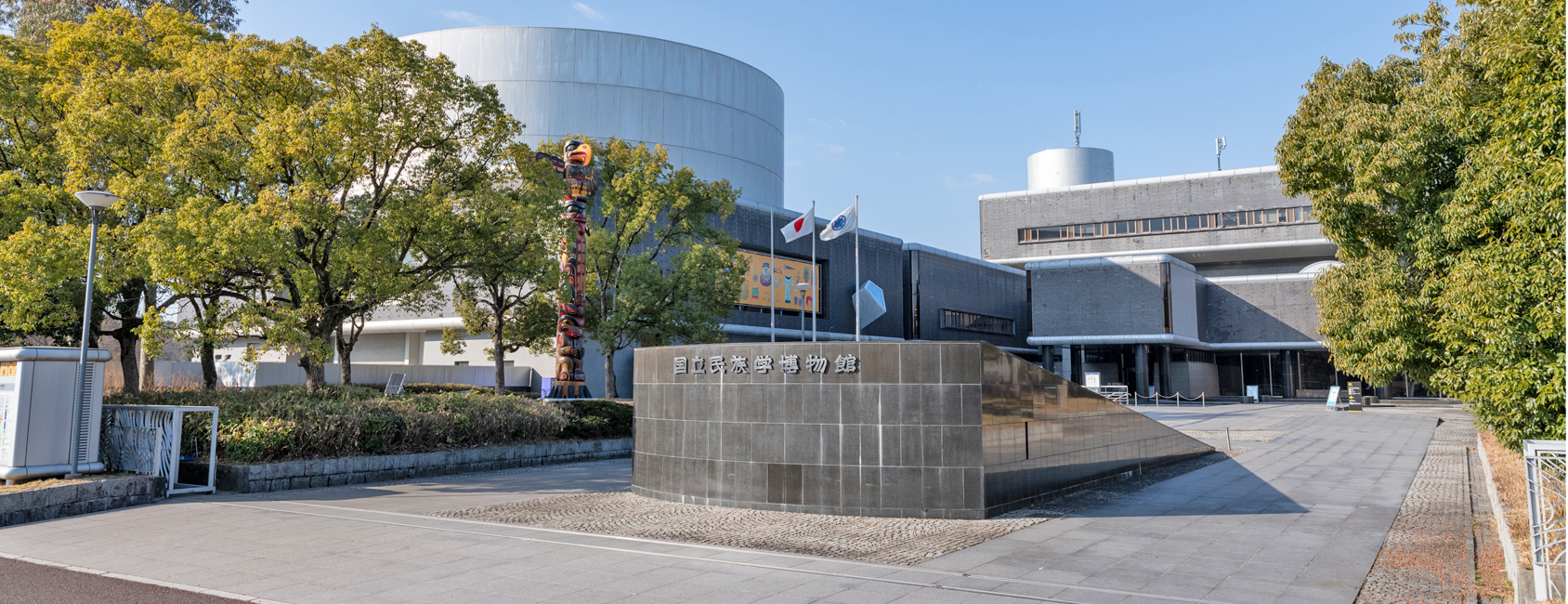
Tien Shi Chen is a Professor at Waseda University's School of International Liberal Studies, where they have served since 2013 (as Associate Professor until 2016, then as Professor). Previously, they were an Associate Professor at the National Museum of Ethnology from 2003 to 2013. Their research focuses on international relations and cultural anthropology, particularly examining issues of citizenship, nationality, statelessness, and diaspora communities across East Asia. Dr. Chen received their Ph.D. from University of Tsukuba, with additional degrees from the same institution specializing in International Relations and International Political Economy. Ph.D., University of Tsukuba Advanced Degree, University of Tsukuba Undergraduate Degree, University of Tsukuba Dr. Chen's research interests span passport studies, citizenship frameworks, and the lived experiences of stateless populations, with particular focus on Chinese diaspora communities. Their anthropological approach examines how individuals navigate complex legal and cultural borders, especially 'minorities in between' nations like Japan and China. A distinctive contribution is the 'Rainbow Metaphor' conceptual framework for understanding multicultural coexistence beyond assimilation models. Dr. Chen's scholarly output reveals consistent thematic development from early work on Chinese merchant networks to contemporary research on statelessness and multiple nationalities. Their publications demonstrate methodological innovation through blending personal experience with academic analysis, particularly regarding statelessness, which informs theoretical contributions to transnational identity studies. The research trajectory shows increasing engagement with policy implications and practical applications of anthropological insights. Dr. Chen has received significant recognition for their contributions: Asia Pacific Research Prize (2002) As an active researcher, Dr. Chen has led multiple major projects including 'Globalization and Statelessness' (2003-2009), 'Nationality and Passport' studies, and the 2022 project 'Identity of Multiple Nationality and Stateless Persons,' which coincided with the 50th anniversary of Japan's normalization of relations with the People's Republic of China. Recent work involves collaboration with students on educational support for stateless children and the creation of educational materials about statelessness. Affiliated with Waseda University's Faculty of International Research and Education and serving as Concurrent Researcher at the Institute of Asia-Pacific Studies, Dr. Chen also maintains strong connections with the Stateless Network, applying anthropological perspectives to practical advocacy for stateless individuals in Japan and globally.
Federica Persano is a Researcher in the Department of Law at the University of Bergamo, specializing in International Law (GIUR-09/A). She serves as an Alternate Member of the Disciplinary Board at the University of Bergamo and teaches courses in International Law and Human Rights Protection. Her research interests span across several critical areas of international and EU law: International and EU Law compliance in corporate policies Asylum law and international child abduction cases Trust law and private international law EU data protection law with focus on children's rights and disability issues Human rights protection in international legal frameworks Dr. Persano's recent scholarly work demonstrates a consistent focus on the intersection of international law with pressing contemporary issues including religious freedom in workplaces, domestic violence cases involving cross-border child abduction, and the application of EU data protection regulations to vulnerable populations. Her publications appear in reputable journals such as Civil Liability and Social Security, European Law Papers, Trusts and Fiduciary Activities, and the European Journal of Privacy Law & Technologies. Her research shows a clear trend toward examining how international legal frameworks address real-world challenges, particularly in the context of EU law implementation and the protection of vulnerable individuals across borders. Dr. Persano has received recognition for her expertise through her appointment to the University's Disciplinary Board and her ongoing teaching responsibilities in the Department of Law. She is actively engaged with students through regular office hours, offering both in-person and remote consultations, demonstrating her commitment to academic mentorship and student support.
Dr. Stephan Dahmen is an Academic Councillor for Social Pedagogy at Paderborn University, where he is affiliated with the Institute of Educational Science within the Faculty of Arts and Humanities. He leads the Working Group Social Pedagogy and maintains office hours for student consultations both during and outside the semester. Dr. Dahmen's research focuses on ethnographic studies of professions and organizations in educational contexts, with particular emphasis on biographical transitions, normalization processes, and regulatory mechanisms in child and youth welfare systems. His work employs practice theory and subject-theoretical approaches to examine how education, upbringing, and socialization occur within institutional frameworks. His recent publications (2023-2024) demonstrate a consistent focus on child protection systems, biographical transitions, and the politicization of youth. These works reveal his methodological expertise in ethnographic research and his theoretical contributions to understanding institutional regulation in social pedagogy. Call for professorship at University of Siegen (declined) - 2022-06-30 Nomination for Karl Peter Grotemeyer Prize for outstanding teaching (2022 and 2019) Dissertation Prize from University Society of Bielefeld University - 2019 Marie-Curie Fellow in FP7 EduWel training network - 2010 Dr. Dahmen actively contributes to the academic community through his review activities for numerous journals and the German Research Foundation (DFG). He is a member of the German Society for Educational Science (DGFE) and the German Sociological Association (DGS), where he participates in specialized sections related to his research interests. His current research projects continue his long-standing investigation into the institutionalization processes within educational and social welfare systems.
Mónica Ruiz-Casares is a Professor at Toronto Metropolitan University's School of Child and Youth Care with adjunct appointments at McGill University in Psychiatry, Social Work, and Equity/Ethics/Policy. Born in Spain, she holds a PhD in Policy Analysis from Cornell University, MA in International Development from George Washington University, and law degree from ICADE. PhD in Policy Analysis and Management / Human Services Studies, Cornell University MSc in Program Planning and Evaluation, Cornell University MA in International Development, George Washington University Postdoctoral Fellowships in Social and Cultural Child Psychiatry, McGill University Licensed Attorney, ICADE (Spain) Her research centers on cross-cultural child wellbeing , specializing in parent-child separation contexts across low- and middle-income countries. Key focus areas include supervisory neglect, migrant/refugee family dynamics, and ethical youth research methodologies. She leads the Global Child Care & Wellbeing Collective , conducting mixed-methods studies that combine large-scale surveys (e.g., 61-country analysis of non-adult supervision) with innovative qualitative approaches like participatory photography. Her work directly informs international child protection policies through partnerships with UNICEF and national governments. Recent publications demonstrate consistent output across high-impact journals, with 2023-2024 work examining child supervision in Laos, pandemic impacts on refugee youth, and mental health policymaking participation. Her research spans eight continents (all except Antarctica), addressing cultural variations in parenting norms and child protection systems. Santé, Chercheur-Boursier Award (Fonds de Recherche du Québec, 2013-2017) CIHR Mentorship Award (2013) American Evaluation Association Type II Award (2005) Richard H. Tomlinson Postdoctoral Fellowship (McGill, 2006-2008) NSF Doctoral Dissertation Fellowship (2002-2003) As a Credentialed Evaluator with 25+ years of policy evaluation experience, she directs multiple active grants including the Families First Program RCT in Indonesia and the International Survey of Children's Wellbeing in Namibia. Her supervisory approach emphasizes methodological innovation in crisis contexts and authentic youth participation, reflected in her co-chair role for the International Society for Child Indicators. The Global Child Care & Wellbeing Collective provides students with field opportunities across Africa, Southeast Asia, and the Americas while developing culturally responsive assessment tools like the Participatory Photography Assessment Technique.
Mike Farley is a Lecturer in the Department of Curriculum, Teaching & Learning at the University of Toronto's Ontario Institute for Studies in Education (OISE). He concurrently serves as a Sessional Lecturer for OISE's Intermediate/Senior Geography program and Adjunct Faculty at Antioch University's Institute for Humane Education. With over 20 years of experience teaching Geography and Environmental Studies in Toronto middle and high schools, he specializes in humane education and animal protection integration. His academic credentials include: BA in International Development Studies, University of Toronto (1997) B.Ed, University of Toronto/OISE (2001) M.Ed in Humane Education, Antioch University (2021) Farley's research focuses on the intersection of animal protection, environmental sustainability, and human rights within educational contexts. He actively develops curricula that incorporate humane education principles across standard subjects, particularly geography and social studies. He founded the annual Educators for Animals Conference, which mobilizes global educators to advance animal welfare in school communities. While specific grant funding isn't documented, his conference platform demonstrates significant professional outreach and collaboration capacity. Though not leading a formal research laboratory, Farley's conference initiative functions as a dynamic professional network connecting educators worldwide to share humane education strategies and resources.
Professor Carsten Niemitz is affiliated with the Department of Biology, Chemistry, and Pharmacy at Free University of Berlin, working within the Institute of Biology's Human Biology and Anthropology division. His research bridges evolutionary biology with practical applications in medicine and conservation. His primary research domains include: Field studies of primate behavior and ecology Evolutionary foundations of human communication and language Biomechanical analysis of functional anatomy Hominid evolutionary pathways Climate science within planetary boundaries framework Species protection strategies Prof. Niemitz maintains a strong interdisciplinary approach connecting biological anthropology with medical applications, particularly through evolutionary perspectives on human physiology. Media inquiries are coordinated through the university's Press and Communication office (030 / 838-73191), indicating his recognition as a subject matter expert for public engagement.
Justin Raycraft is an Assistant Professor in the Department of Anthropology at the University of Lethbridge . He directs the Applied Research in Environmental Anthropology (AREA) Lab , focusing on human-environment interactions in the Tarangire ecosystem of northern Tanzania . His research explores how communities navigate conservation challenges while maintaining their livelihoods. Current faculty member at University of Lethbridge Postdoctoral Fellow at Harvard University (2022) Conducts ethnographic research in Tanzania since 2014 Dr. Raycraft specializes in human dimensions of conservation , political ecology , and environmental anthropology , with a focus on human-wildlife coexistence and community-based conservation . His work examines environmental governance, pastoralism, and climate change through collaborative and participatory research methods. The 15 most recent publications reveal a consistent focus on East African conservation challenges , with key themes in human-carnivore conflict , local ecological knowledge , marine conservation , and extractive industry impacts . His research spans social-ecological systems, protected areas, and sustainability transitions.
Dr. Serdar TALAS is an Assistant Professor at Istanbul University, Faculty of Law, Department of Public Law, specializing in Criminal Law and Criminal Procedure Law. With over a decade of academic experience, he has made significant contributions to Turkish legal scholarship and education. His educational background includes: Doctorate (2004-2011) from Istanbul University, Institute of Social Sciences, Department of Public Law Postgraduate studies (2001-2004) from Istanbul University, Institute of Social Sciences, Department of Public Law Undergraduate degree (1997-2001) from Istanbul University, Faculty of Law Dr. TALAS's research focuses on the intersection of constitutional rights and criminal procedure, with particular emphasis on evidence law, judicial decision-making, and the application of European human rights standards in Turkish criminal justice. His work examines critical issues such as the right to defense, freedom of expression in criminal contexts, and the protection of personal data within criminal proceedings. He has published extensively on criminal liability, especially in specialized areas like medical law and environmental law. His scholarly output demonstrates a consistent focus on theoretical foundations of criminal law while addressing contemporary challenges in criminal justice systems, with recent publications showing increasing engagement with digital age challenges including cybercrime and data protection in criminal investigations. Dr. TALAS has received recognition through participation in numerous EU-supported research projects and has served on editorial boards of legal journals. His work on constitutional court decisions and their impact on criminal law has been particularly influential in Turkish legal circles. As an educator, Dr. TALAS has supervised 21 graduate theses across diverse criminal law topics, mentoring the next generation of legal scholars and practitioners. His teaching spans both undergraduate and postgraduate levels, covering core criminal law subjects as well as specialized courses like Medical Law and Environmental Law. He is actively involved in research projects addressing contemporary legal challenges, including alternative dispute resolution methods, cybercrime prevention, and constitutional court procedures. His international collaborations, particularly with German legal scholars, reflect his commitment to comparative legal studies.
İbrahim Korkmaz serves as an Assistant Professor in the Department of Criminal and Criminal Procedure at Beykent University's Faculty of Law, holding OrcID 0000-0002-5690-432X with contact email ibrahimkorkmaz@beykent.edu.tr. His academic career commenced in 2017 following doctoral completion after a 23-year tenure as a Military Judge at Turkey's Ministry of National Defense (1994-2017). Education: Doctorate in Law, Ankara University (2017) - Thesis: Protection of personal data within the scope of criminal law LLM in International Law (Military Law Specialty), The Judge Advocate General's School (2013) MSc, Gazi University (2007) - Thesis: Use of analytical hierarchy process in military personnel assignment MBA, Naval Postgraduate School (2005) - Thesis: Survival patterns of U.S. naval officers Law Degree, Dicle University (2002) - Thesis: The crime of money laundering Law Degree, Ankara University (1998) Military Academy, Turkish Army School Command (1994) Korkmaz's research centers on criminal law with specialized focus on cybercrime legislation, military interventions, and data protection frameworks. His work bridges legal theory and practical applications in digital forensics, counterterrorism operations, and privacy compliance, reflecting interdisciplinary expertise developed through military service and legal scholarship. Recent publications analyze Turkish cybercrime statutes and European data protection standards. His 2016-2018 publications demonstrate a clear trajectory toward contemporary digital legal challenges, particularly cybercrime mechanisms and data sovereignty issues. Earlier work (2008) reveals foundational expertise in military operations research, showing consistent thematic evolution from defense logistics to cyber warfare jurisprudence. Current conference presentations indicate expanding research into human trafficking and narcotics offenses within Turkish penal code. No scientific awards were documented in available materials. Since 2017, Korkmaz has supervised graduation theses while teaching 15+ annual courses including Criminal Procedure Law, Constitutional Law, and specialized seminars on cybercrime applications. His administrative duties at Beykent University include curriculum development for criminal law programs, though specific grant funding details were not disclosed.
Stacy Eltiti serves as Associate Professor of Psychology and Director of Research at Biola University's Rosemead School of Psychology, with dual affiliations in the Rosemead School and Undergraduate Psychology Department where she teaches statistics, experimental, and cognitive psychology courses. Her academic credentials include a Ph.D. in Cognitive Psychology from the University of Essex (United Kingdom), M.A. from California State University, San Bernardino, and B.A. from California State University, Long Beach. Dr. Eltiti's research program critically examines anxiety mechanisms, attentional biases, and trauma recovery with specialized focus on electromagnetic hypersensitivity, social media addiction, and missionary/TCK populations. Her work uniquely integrates theological perspectives with empirical psychological methods, particularly in Christian educational contexts and cross-cultural mental health frameworks. Recent publications (2018-2023) reveal consistent thematic threads: electromagnetic field health effects (2018), missionary repatriation psychology (2022), and social media's impact on self-control through gratitude mechanisms (2023). These studies demonstrate methodological diversity spanning provocation trials, cross-cultural surveys, and theological-empirical integration. No major scientific awards are documented in the provided materials. Dr. Eltiti actively supervises Ph.D. and Psy.D. candidates while securing research funding including the 2023 Faculty Research and Development Grant for social media addiction studies. She serves on the Graduate Curriculum Committee and chairs the Institutional Review Board (IRB) as Vice Chair. Her leadership as Director of Research shapes ethical standards and research infrastructure at the Rosemead School, with committee roles directly influencing graduate training and human subjects protections across Biola University.
Karen Cross is an Academic Strategic Lead in the School of Creative and Cultural Business at Robert Gordon University (RGU), with specific responsibility for the Fashion Management, Tourism, Hospitality and Events subject area. She serves as Subject Leader for Fashion Management within Gray's School of Art and is a Senior Fellow of the Higher Education Authority with Aurora Women in Leadership certification. Dr. Cross maintains active external roles as an advisor, examiner, and panel member for multiple UK higher education institutions including Coventry University, Glasgow Caledonian University, and the University of Westminster. Her educational background includes a BA (Hons), PG (Cert), and a PhD completed in 2021 with the thesis titled 'Comfort in clothing: a Baumanian critique of how clothing contributes to the well-being of women in the United Kingdom.' Dr. Cross's research explores the positive impacts of fashion through multiple lenses: employment opportunities, cultural and heritage preservation through artisan textile practices, and the role of clothing in providing identity, community, comfort, and wellbeing. She investigates how immersive technologies can enhance storytelling about fashion provenance and sustainability. Her work consistently focuses on Scottish fashion heritage, particularly Harris Tweed, examining how traditional practices can be preserved through sustainable business models while leveraging digital innovations. Her recent publications (2021-2025) demonstrate a clear trajectory focusing on Scottish textile heritage, sustainable fashion practices, wellbeing through clothing, and the integration of digital technologies with traditional fashion practices. These works frequently involve collaborations with Scottish heritage brands and explore practical applications for preserving artisan techniques while developing economically viable, year-round business models. Senior Fellowship of the Higher Education Authority (2016) Aurora Women in Leadership Program Completion (2014) External Examiner for University of Westminster (2015-2019) Multiple External Panel Member appointments at Coventry University, Glasgow Caledonian University, and Heriot-Watt University Dr. Cross actively supervises PhD students, with T.O. Uti's 2025 thesis on social media beauty trends being a current example. She has secured significant research funding through Knowledge Transfer Partnerships, notably with Harris Tweed Hebrides, which focused on developing sustainable year-round business models through design-led product innovation. Her research often involves interdisciplinary collaborations between fashion, textiles, and computing disciplines, as seen in the Augmented Fashion project. Through the Augmented Fashion research project and her Knowledge Transfer Partnership with Harris Tweed Hebrides, Dr. Cross leads initiatives that bridge academic research with industry application. These projects focus on preserving artisan hand-weaving practices while developing sustainable business models that reduce seasonality and explore new markets. Her team integrates digital technologies to enhance storytelling about provenance and heritage, creating innovative approaches to maintaining traditional craftsmanship in the modern fashion industry.
Dr. Sarah Grinn serves as Associate Professor in the Department of Communication Sciences & Disorders at Central Michigan University, leading the Grinn Hearing Lab focused on clinically-translatable research to reduce recreational and occupational noise-induced hearing loss through advanced auditory safety modeling. Her educational foundation includes a PhD from The University of Texas at Dallas, AuD from The University of Florida, and BS from Michigan State University. This clinical-research hybrid training underpins her work on individual susceptibility factors in auditory injury. Research centers on three interconnected domains: noise-induced auditory injury mechanisms (particularly temporary threshold shifts and cochlear synaptopathy), speech-in-noise perception deficits in normal-hearing individuals, and external-ear acoustics' role in pre-cochlear amplification. Current projects analyze VR music concert exposures, stress-aural interactions, and firearm noise impacts using human and chinchilla models to develop personalized risk prediction tools. Analysis of her 2017-2024 publications reveals consistent focus on individual variability in noise susceptibility, with increasing emphasis on virtual-reality methodologies and external-ear mechanics. Her work bridges basic auditory science (chinchilla models) with clinical applications (hearing aid programming, conservation protocols), published in high-impact journals including the Journal of the Acoustical Society of America and Frontiers in Neuroscience. Scientific recognition includes: NIH R01 Grant for Automated Hearing Aid Safety (2023-) NIH Loan Repayment Award in Clinical Research (2021-2023) Susan and Jim Jerger Research Fellowship (2017-2018) Multiple American Academy of Audiology grants Dr. Grinn actively mentors through the Doctor of Audiology program while securing over $1M in active funding. Her collaborative network spans The University of Texas Southwestern Medical Center, UT Dallas, and Boystown National Research Hospital, focusing on translational hearing conservation solutions. The Grinn Hearing Lab operates from Central Michigan University's Health Professions Building, conducting studies on musician hearing protection, office headphone risks, and physiological mechanisms of noise injury using advanced acoustic measurement and virtual-reality exposure systems.
Carsten Wrosch is a Professor in the Department of Psychology at Concordia University, where he directs the Personality, Aging, and Health Research Laboratory and maintains affiliation with the Center for Research on Human Development (CRDH). Holding a PhD from the Free University of Berlin, his academic career centers on interdisciplinary research spanning developmental, health, and personality psychology with a focus on self-regulation across the lifespan. Education: PhD, Free University of Berlin Dr. Wrosch's research program identifies psychological pathways to successful aging by examining how individuals adjust to adversity through self-regulatory processes. His work investigates the interplay between goal management strategies and health outcomes, specifically addressing how disengagement from unattainable goals and reengagement in new pursuits prevent depression, cortisol dysregulation, and chronic disease. This integrates personality theory with developmental and health psychology frameworks to explain individual differences in resilience. Analysis of his recent publications reveals consistent thematic focus on adaptive self-regulation in aging populations, with progressive refinement from theoretical models (e.g., motivational theory of lifespan development) to targeted health applications. Key trends include the protective role of goal adjustment in caregiving contexts, bidirectional relationships between emotional regulation and physiological markers, and lifespan variations in optimism's benefits—demonstrating methodological rigor through longitudinal designs and multi-system health assessments. Dr. Wrosch actively mentors graduate students in both clinical and research streams, with laboratory operations supported by competitive research funding enabling longitudinal studies on aging and health. His supervision approach emphasizes interdisciplinary training in psychological assessment, physiological measurement, and statistical modeling of developmental processes. The Personality, Aging, and Health Research Laboratory operates as a hub for interdisciplinary collaboration within Concordia's CRDH network, maintaining physical infrastructure on the Loyola Campus for conducting studies on goal regulation, stress physiology, and health trajectories in aging populations. The lab environment fosters integration of theoretical development with empirical health applications through team-based research projects.