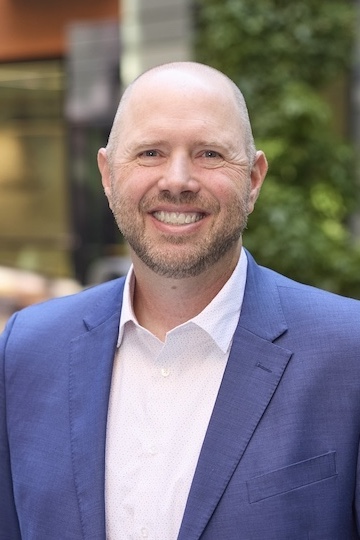
Maarten Goos is a Full Professor of Economics and Institutions at Utrecht University's Faculty of Law, Economics and Governance. He previously held positions at Erasmus University Rotterdam, University College London, KU Leuven, and had visiting roles at Princeton University, MIT, Boston University, and Fudan University. His research focuses on labor markets, technological progress, wage inequality, and institutional impacts. He is also an award-winning teacher, specializing in European macroeconomics, economic growth, and labor economics. Education: He earned his PhD from the London School of Economics (LSE). His academic journey includes roles at multiple prestigious institutions, reflecting deep expertise in labor and technological economics. Research interests include the interplay between technology and labor markets, specifically automation's effects on employment, wage polarization, and the role of institutions in shaping labor dynamics. He examines how skill-biased technological changes and globalization influence job structures and income distribution. His work also addresses the declining labor share in economies, exploring explanations rooted in firm behavior and productivity shifts. He collaborates with the European Commission, national policy institutes, and multinational corporations, contributing to policy initiatives and economic analyses. His research bridges theoretical models with empirical evidence, offering frameworks like the canonical CES model and task-based automation theories to dissect labor market trends. Though no specific awards are listed, his work is noted as award-winning in international publications. Advising/Grants: Goos has advised various organizations and contributed to policy projects, though formal advisee names or grant details are not explicitly stated. His teaching and research emphasize practical implications of economic theories for real-world labor market challenges and institutional reforms. Labs/Teams: Collaborates within Utrecht University's School of Economics and with external networks through European Commission projects and corporate partnerships.