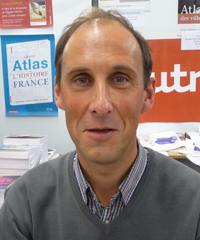
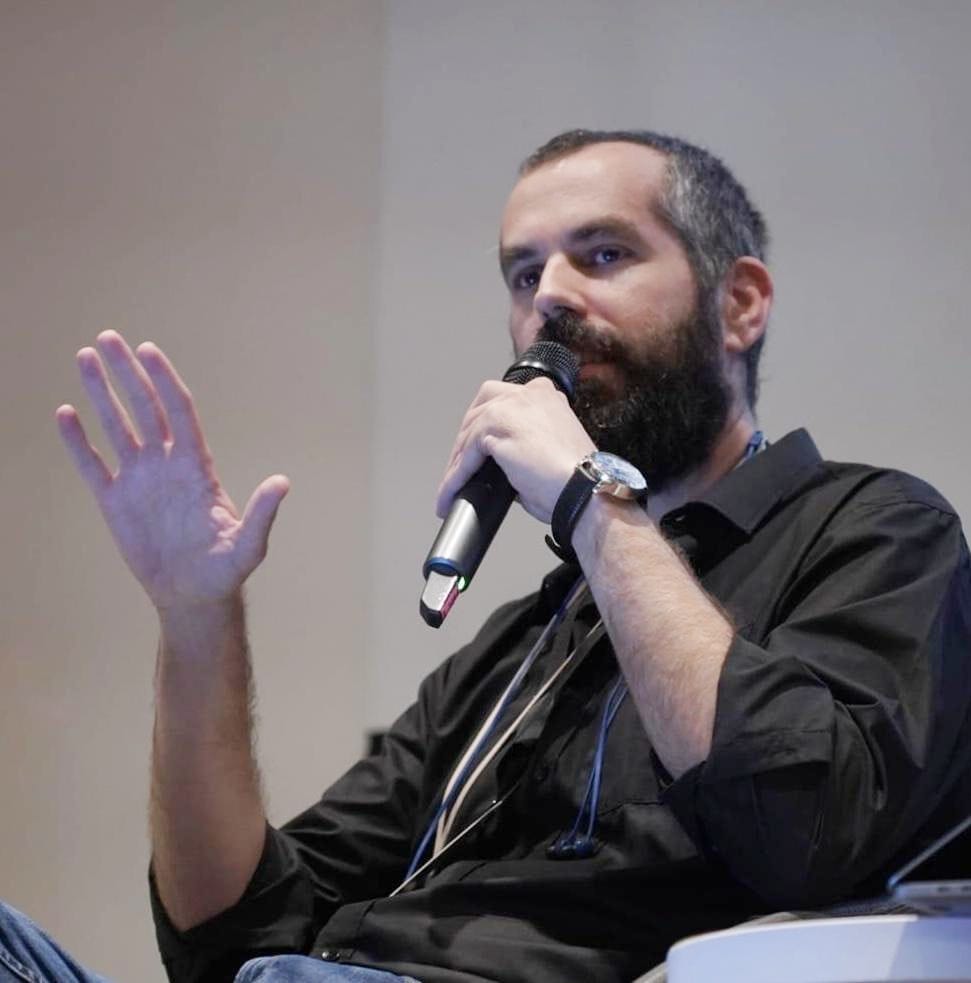
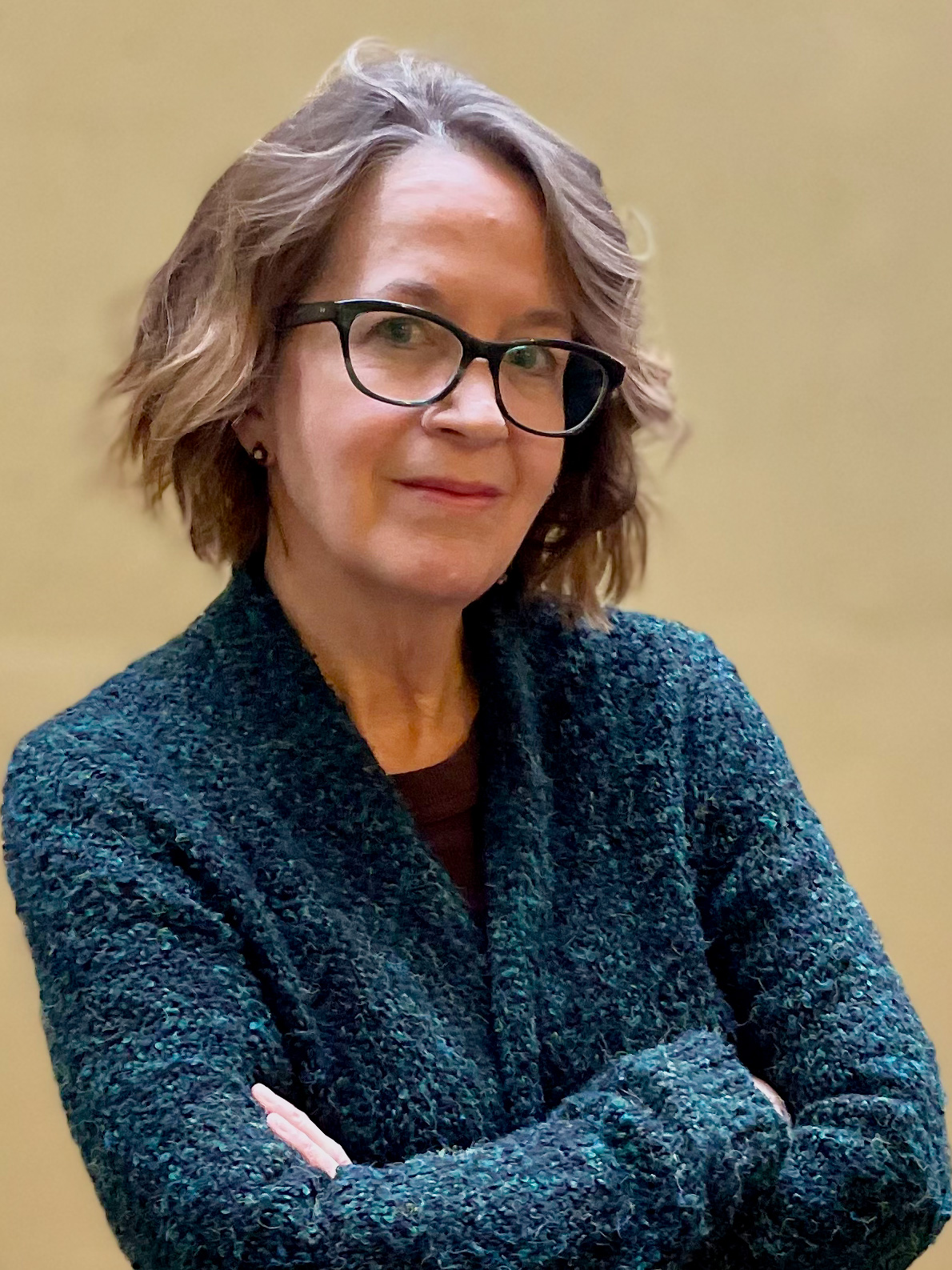
Petra Hietanen-Kunwald serves as a Senior University Lecturer in the Department of Accounting at Aalto University. Her academic profile centers on dispute resolution systems, legal innovation, and the intersection of contract design with civil justice frameworks. Her research spans: Dispute Resolution and Mediation Proactive Contract Design Tax and Cross-Border Dispute Systems Legal Design and Digital Transformation Civil-Commercial Law Integration She investigates how ethical infrastructure and systems theory can optimize conflict management while maintaining procedural fairness. Analysis of her publication trajectory reveals escalating focus on digital dispute resolution (2020-2023), where she pioneers frameworks for AI-driven mediation and transaction design. Earlier works (2013-2019) established foundational critiques of mediation's legal status and explored Finnish civil justice reforms, demonstrating consistent commitment to elevating alternative dispute resolution within legal ecosystems. Key recognitions include: Developer in Education of the Year 2023 2021 JSCAN Best Paper Award for "Effective dispute prevention and resolution through proactive contract design" While specific grant details remain undisclosed, her collaborative publications with Helena Haapio, Maria Solarte-Vasquez, and Risto Koulu indicate robust international research partnerships. Her work directly informs European mediation policy and Finnish legal education curricula.
Professor Catherine Lee MBE is a leading academic and administrator at Anglia Ruskin University (ARU), serving as Pro Vice Chancellor and Dean of the Faculty of Arts, Humanities, Education and Social Sciences and a Visiting Professor at Bishop Grosseteste University . With a career spanning over two decades, she has transformed educational practices through her work on LGBTQ+ inclusion , teacher well-being, and leadership development . PhD in Education (UCL Institute of Education, 2013) National Teaching Fellow (2021) MBE recipient (2023) for services to equality in education Her research focuses on equity in educational institutions , particularly examining how heteronormativity , homophobic policies , and Section 28 have shaped teacher identity and student experiences. Through autoethnographic methods and narrative inquiry , she has produced groundbreaking work on LGBTQ+ teacher visibility and leadership challenges . Her publications and media presence (including a 2023 BAFTA-nominated film based on her memoir Pretended: Schools and Section 28 ) demonstrate a consistent pattern of policy-influencing scholarship across teacher training , gender identity , and institutional change . Recent articles analyze trans inclusion in schools , LGBTQ+ leadership , and social work interventions for queer youth. Scientific Recognition Named in Independent Newspaper’s Pride Power List (2019) Finalist for British Diversity Award (2020) Recipient of Emerald Global Real Impact Awards (2020) As an adviser to the UK Department for Education and founder of the UK's first LGBTQ+ leadership development program , Lee has significantly influenced national educational strategies. Her 15 most recent publications (2023-2017) cover critical areas including teacher identity , LGBTQ+ leadership , and policy reform in both school and university settings.
Professor Justine Nolan serves as the Director of the Australian Human Rights Institute and a Professor in the Faculty of Law and Justice at UNSW Sydney. With over 25 years of experience, she is an internationally recognized expert in modern slavery and human rights issues relating to business practices. Her career has included significant advisory roles with business, civil society, government, and the United Nations, and she has been a key driver of the Australian and global business and human rights movement. Professor Nolan holds an MPP from the University of California, Berkeley, and both an LLB(Hons) and BSc from the Australian National University. Her educational background provides a strong foundation for her interdisciplinary approach to human rights and business issues. Nolan's research focuses on the intersection of business and human rights, particularly supply chain responsibility for human rights and modern slavery. Her work is noted for both conceptual clarity and practical application, setting strategic paths to address significant business and human rights challenges. She has led major research projects, including one on 'transformative business practices' funded by the Laudes Foundation, which identifies and tests replicable business practices for just transitions in global supply chains. Her influential publications include the 2019 co-authored book Addressing Modern Slavery , The International Law of Human Rights (OUP, 2017), and Business and Human Rights: From Principles to Practice (Routledge, 2016). Professor Nolan's scholarly output reveals consistent focus on modern slavery legislation, supply chain transparency, human rights due diligence, and corporate accountability. Her work demonstrates a progression from theoretical frameworks to practical applications, with increasing emphasis on remediation mechanisms and regulatory effectiveness in recent years. UNSW Arc Postgraduate Outstanding Research Supervisor Award (2020) Academic of the Year, Australian Law Awards (2019) UNSW Vice Chancellor's Award for Teaching Excellence (2018) UNSW Plus Alliance Fellow (2019-2020) Professor Nolan has supervised numerous doctoral students on topics including human rights protection in manufacturing supply chains, extraterritorial processing of refugees, the lithium extractive sector and corporate human rights compliance, and remedying corporate human rights violations. She has secured substantial research funding, including grants from the Laudes Foundation (EUR238,033), Freedom Fund (US$72,727), and Australian Government programs. Her teaching portfolio includes International Human Rights Law and Advocacy, Business and Human Rights, and Human Rights Law in Practice. As Director of the Australian Human Rights Institute, Nolan leads a major research center focused on business and human rights issues. She has held significant leadership roles including Deputy Director of the Australian Human Rights Centre (2006-2017) and Associate Dean Academic at UNSW Law (2016-2019). She continues to influence policy through appointments to the Australian Government's Modern Slavery Expert Advisory Group (2020, reappointed 2024) and other expert panels.
Maryna Paliienko serves as Head of the Archival Science and Special Branches of History Department at Taras Shevchenko National University of Kyiv's Faculty of History since 2017, with prior appointments as Professor (2011-2017), Docent (2000-2010), and Assistant (1994-1999). Her career bridges academic leadership and specialized research in archival science, maintaining active roles in both Ukrainian and international scholarly communities. Her academic foundation includes: BA & MA in History from Taras Shevchenko National University of Kyiv (1985-1990), specializing in archival science Postgraduate studies (1991-1994) and Doctoral studies (2003-2006) at the same institution Postgraduate training at Ukrainian Free University in Munich (1995, 1996) Paliienko's research centers on theoretical and methodological development of Archival Science, Source Studies, and Historiography , with particular emphasis on Comparative Archivistics, Digital Age Archival Management, and Access to Archival Information . She investigates how archives construct collective memory, navigates socio-cultural turns in Ukrainian historiography, and addresses challenges in e-government archival systems. Her work consistently connects archival theory with practical applications for professionals, evidenced by collaborations with the State Archival Service of Ukraine. Analysis of her 2016-2020 publications reveals three dominant trends: digital transformation of archival practices (evident in 70% of recent works), international archival cooperation frameworks , and socio-cultural dimensions of archival missions . Her scholarship uniquely bridges historical analysis of Ukrainian diaspora archives with contemporary issues like data protection laws and digitization standards. As research group leader, she maintains strategic partnerships with the State Archival Service of Ukraine and International Institute for Archival Science (Triest-Maribor) , focusing on developing professional training frameworks and implementing archival management innovations. Current projects address digitization in e-government contexts, documentary value assessment methodologies, and socio-cultural impacts on historiographical development.
Dr. Orsolya Nador is an Associate Professor at the Department of Hungarian Linguistics, Institute of Hungarian Language, Literature and Cultural Studies, Faculty of Humanities and Social Sciences at Károli Gáspár Reformed University in Budapest, Hungary. With a PhD in Linguistics and Applied Linguistics from the Hungarian Academy of Sciences (1998), she has dedicated her career to the study of language policy, Hungarian as a foreign language, and the linguistic landscape of East-Central Europe. Her work bridges academic research with practical applications in language teaching and policy development across Central and Eastern European contexts. PhD in Linguistics and Applied Linguistics, Hungarian Academy of Sciences (1998) MA in Hungarian Language and Literature, Eötvös Loránd University (1983) Habilitation, University of Pécs (2001) Dr. univ. in Contemporary Hungarian Literature, Eötvös Loránd University (1988) Teacher of Hungarian-Russian Primary School, Eger Teacher Training College (1981) Dr. Nador's research focuses on language policy history, Hungarian as a foreign language (including educational policy and psycholinguistic aspects), Hungarian as a language of origin, the history of Hungarian applied linguistics, and diachronic analysis of linguistic-ethnic issues in East-Central Europe. Her interdisciplinary approach connects historical linguistics with contemporary language policy challenges, particularly regarding minority languages in the Carpathian Basin region. She has pioneered research on language identity formation and the relationship between linguistic diversity and social cohesion in multi-ethnic contexts, examining how language policies shape national identities across Central Europe. Her recent publications reveal a consistent focus on the linguistic landscape of the Carpathian Basin, with particular attention to language policy development, minority language rights, and the teaching of Hungarian as both a foreign and heritage language. Dr. Nador's scholarly work demonstrates how historical language policies continue to influence contemporary linguistic practices and identity formation across East-Central Europe. Her research increasingly addresses digital aspects of language teaching and the evolving role of Hungarian in the European multilingual context, reflecting her commitment to adapting linguistic research to contemporary educational challenges. Teacher of the Year, Károli Gáspár Reformed University (2015) Brassai Prize, Hungarian Association of Applied Linguists and Language Teachers (2023) Dr. Nador has supervised numerous doctoral students working on language policy issues across Europe, including research on Norwegian language policy, Swiss multilingualism, Hungarian language in Burgenland, and media discourse analysis. She has led international research projects including Te-Le-Hu (2008-2010) and Hungarobox (2013-2015), focusing on language teaching methodologies for Hungarian as a foreign language. Her editorial work includes serving as editor-in-chief for Modern Language Teaching journal since 2018 and previously for THL2 - Journal of Hungarian Language Teaching (2005-2018), where she shaped the discourse on Hungarian language pedagogy for over a decade. As leader of the Hungarology Research Group, Dr. Nador coordinates collaborative research on Hungarian language and culture across international borders. Her team works closely with institutions in Slovakia, Croatia, Romania, and Serbia to document and analyze the linguistic practices of Hungarian minority communities throughout the Carpathian Basin, creating a comprehensive picture of how Hungarian functions as both a majority and minority language in different national contexts.
Michel Deshaies is a Professor at the University of Lorraine, serving as director of CERPA since 2006 and LOTERR since 2012. His academic career began with an aggregation in geography in 1989 and doctorate in 1994 from the University of Nancy 2, where he was a lecturer until 2006 before attaining full professorship. His educational trajectory includes higher education at the University of Le Mans, aggregation of geography (1989), doctoral research on limestone plateau meanders in Eastern France (1994), and HDR accreditation on mining landscapes (2005). These qualifications established his expertise in physical and human geography. Deshaies' research centers on resource exploitation impacts, environmental transformations, and rapid landscape changes with regional specialization in Germany and Central Europe. His work integrates geographical analysis of energy transitions, mining landscape metamorphosis, and socio-ecological conflicts, emphasizing spatial dimensions of human-environment interactions. Key contributions examine territorial anchoring of energy projects and post-mining landscape rehabilitation. Analysis of his 2016-2020 publications reveals consistent focus on energy transition dynamics, mining landscape transformations in Germany, and socio-spatial dimensions of resource conflicts. The corpus demonstrates interdisciplinary methodology combining field observations, spatial analysis, and qualitative approaches to address territorial challenges in European contexts. He currently supervises three doctoral students: Jimmy GRIMAULT (energy transition conflicts), Manuel ISNARDON (radioactive waste storage projects), and Arsène KOUADIO (rural electrification in Côte d'Ivoire). His research funding includes ANR COLLENER (2012-2016) on German renewable energy, the Land Transport Infrastructure Twinning project (2012-2015), and the Gazhouille project on coal gas exploitation. As LOTERR director, he leads research across three thematic axes: Water and Environments, Landscape and Territorial Transitions, and Transitions, Actors and Planning. The laboratory operates advanced technical platforms for hydrometry, topography, sedimentology, and drone-based remote sensing, including specialized tools like IKARE for karst phenomena inventory and a 30,000-image aerial photograph database.
Valérie Amiraux is a Full Professor in the Department of Sociology at the Université de Montréal's Faculty of Arts and Sciences. She holds the Canada Research Chair in the Study of Religious Pluralism (2007-2017) and serves as director of the journal Sociologie et Sociétés since 2016. Affiliated with research centers like CÉRIUM (Centre d'études et de recherches internationales), CRÉ (Centre de recherche en éthique), and CCÉAE (Centre canadien d'études allemandes et européennes), her work bridges academic and institutional networks across Canada and Europe. Research Focus: Religious pluralism in liberal democracies, particularly Quebec and the EU Key Themes: Radicalization processes, regulation of religious symbols (France/UK), legal-juridical dynamics, ethnographic comparisons of Jewish/Sikh/Muslim minorities Leadership: Directed PLURADICAL team (2010-2018), co-organized international conferences on secularism Publications & Grants: Authored/edited works on secularism, religious visibility, and legal frameworks. Recipient of SSHRC, FRQSC, and CRSH grants for projects like TRYSPACES (2016-2023) and CONNECTING LOCAL WELFARE NETWORKS (2012-2022). Her research emphasizes interdisciplinary methodologies and comparative analysis. Scientific Awards: Appointed to the Royal Society of Canada (2018), Excellence in Teaching Award (2012) Student Supervision: Directed 15+ theses/memoirs (2011-2025), focusing on topics like Muslim integration in Quebec, migrant labor in post-Soviet states, and spatial justice in urban contexts
Dr Sangeetha Pillai is a constitutional lawyer and Senior Research Associate at the Andrew and Renata Kaldor Centre for International Refugee Law at the University of New South Wales. She holds a position within the School of Global & Public Law as a Casual Academic, specializing in Australian citizenship law and the constitutional distinctions in governmental power exercised over citizens versus non-citizens. Her academic work focuses on the intersection of constitutional principles and refugee protection frameworks within Australian law. Pillai is recognized as the Kaldor Centre's expert on the domestic public law framework governing refugees and people seeking asylum in Australia. Her research examines the evolving boundaries of parliamentary and executive power over non-citizens through Australian case law, with particular attention to citizenship stripping legislation, constitutional limitations on government authority, and the legal status of refugees within Australia's constitutional framework. She has published extensively in leading Australian and international legal journals, addressing critical issues in citizenship law, refugee protection, and constitutional interpretation. Her scholarly output reveals consistent engagement with constitutional citizenship concepts, particularly examining how Australian constitutional structures create different legal categories for citizens, non-citizens, and refugees. Pillai's work demonstrates a methodological approach combining doctrinal legal analysis with practical policy implications, often focusing on recent legislative developments and their constitutional validity. Her publications frequently address comparative perspectives, examining citizenship frameworks across common law nations. Pillai has demonstrated significant impact beyond academia through her engagement with parliamentary committees and media commentary. She has provided expert submissions to numerous Senate and Parliamentary Joint Committee inquiries regarding citizenship and migration legislation, and has been cited by parliamentary committees on matters pertaining to Australian citizenship law. Her media appearances have addressed high-profile legal issues including the Djokovic visa cancellation, Australia's India travel ban during the pandemic, and constitutional challenges to Australia's asylum seeker laws. As a legal scholar, Pillai maintains an active role in public legal discourse, translating complex constitutional concepts for broader audiences while maintaining rigorous academic standards. Her work bridges theoretical legal scholarship with practical implications for refugee protection and citizenship rights in Australia's evolving legal landscape.
Boaz Hameiri is an Associate Professor and the Head of the Program in Conflict Management and Mediation at Tel Aviv University. He serves as an associate editor at Political Psychology and a Human Development Lab researcher at the Boris Mints Institute. His research examines psychological barriers (e.g., victimhood) to conflict resolution and develops interventions like paradoxical thinking to promote intergroup peace. Educational Background: PhD in Social Psychology, Tel Aviv University (2019) Postdoctoral Fellow, Annenberg School for Communication, University of Pennsylvania (2018-2020) Postdoctoral Innovation Lab Fellow, Beyond Conflict (2018-2020) Research Focus: Hameiri employs mixed-methods (qualitative, quantitative, lab, and field studies) to analyze intergroup conflicts globally. His interventions address entrenched attitudes in intractable conflicts, focusing on victimhood, dehumanization, and ideology. Collaborations span NGOs, media experts, and international scholars. Article Trends: His work explores paradoxical thinking , media interventions , intergroup dehumanization , political victimhood , and AI policy acceptance . These studies apply to contexts like the Israeli-Palestinian conflict, U.S. political polarization, and global migration. Advising: He mentors early-career researchers, including Nguyen C. M. † , Knab N. † , Hebel-Sela S. † , and others (marked with † in publications). Labs & Teams: He collaborates with the Human Development Lab (Boris Mints Institute) and co-edits volumes like Psychological Intergroup Interventions (2023, Routledge) and Personalized Psychological Intergroup Interventions (2025, Routledge).
Margot Kaminski is a Professor of Law and Director of the Privacy Initiative at Silicon Flatirons Center for Law, Technology and Entrepreneurship at the University of Colorado Law School. Her work focuses on AI law, privacy, and First Amendment issues in technology contexts. Current affiliations: University of Colorado Law School, European University Institute (Fernand Braudel Senior Fellow), Berkman Klein Center at Harvard (Faculty Associate) Past roles: Assistant Professor at Ohio State University Moritz College of Law, Executive Director of Yale's Information Society Project Research Interests: AI and algorithmic accountability Data privacy and GDPR analysis First Amendment in digital contexts Copyright law and technological authorship Surveillance law and civil liberties Scientific Awards: 2022 Jules Milstein Scholarship Award 2020 Future of Privacy Forum Privacy Papers for Policymakers Award 2019 University of Colorado Provost's Faculty Achievement Award 2016 Junior Scholar Award (Privacy Law Scholars Conference) Grants & Fellowships: Fulbright-Schuman Innovation Grant (2018) Fulbright-Schuman Grant and Fernand Braudel Senior Fellowship (2024, European University Institute) Key contributor to legal scholarship in Yale Law Journal , Columbia Law Review , and Harvard Law Review , with a focus on the interplay between technology and constitutional rights. Director of the Privacy Initiative at Silicon Flatirons, a research center addressing law and technology intersections. Regularly publishes on AI governance and privacy law in leading journals.
Tara Patricia Cookson is Assistant Professor and Tier 2 Canada Research Chair in Gender, Development, and Global Public Policy at the School of Public Policy and Global Affairs (SPPGA) at the University of British Columbia. She is also an Associate Member of UBC's Geography Department. Her research employs ethnographic and quantitative methods to examine power dynamics in development policy, with particular focus on gender data, social protection systems, and care work. Dr. Cookson's primary research interests include: Gender policy and equality in development contexts Social protection systems and their gendered impacts Care work and its relationship to economic development The politics of gender data and measurement Conditional cash transfer programs and implementation practices Her recent publications demonstrate a strong focus on gender-based violence prevention through social protection systems, the intersection of digital technology and gender equality, and the pandemic's disproportionate impact on women's lives. Her work consistently reveals how seemingly neutral policy tools can have gendered consequences, particularly for women in Latin America and other Global South contexts. Dr. Cookson has received several prestigious awards for her scholarship: Globe Book Award for Public Understanding of Geography (2019) Sarah A. Whaley Book Prize (2019) Global Development Studies Book Award Honorable Mention (2020) Alumni UBC Young Alumni Award (2020) Bill Gates Sr. Prize (2014) She actively engages in policy-relevant scholarship, co-founding Ladysmith, a feminist research collective that connects academic work to practitioner problem-solving around gender data. Dr. Cookson regularly collaborates with international organizations including UN Women, the International Labour Organization, UNICEF, and Global Affairs Canada, bridging academic research with direct engagement in international policy processes.
Susan Herrington is a Professor in the School of Architecture and Landscape Architecture at the University of British Columbia, where she teaches histories of landscape architecture, theories, and vertical studios including the Rewilding Play Design Build studio. As a licensed landscape architect in both the United States and Canada, she maintains an active professional practice while making significant scholarly contributions to landscape architecture. Her educational background includes: MLA from Harvard University BLA from State University of New York Herrington's research focuses on design theories of contemporary landscape architecture, with particular emphasis on children's landscapes and LGBTQ2+ perspectives. Her work examines how landscapes serve as agents of power in constructions of nature, identity, and space. She is currently writing a book on Christopher Tunnard that explores queer aesthetics and ecology in landscape architecture, addressing the notable gap in historical accounts of LGBTQ2+ landscape designers. Her research on children's landscapes has produced the influential Seven Cs guidelines for children's outdoor play spaces, implemented globally. Herrington's publications demonstrate consistent focus on historical and theoretical aspects of landscape architecture, increasingly incorporating social justice, gender studies, and ecological perspectives. Her work bridges academic scholarship with practical application, as evidenced by student design studios addressing real-world challenges like the Rewilding Play project for Vancouver. Her significant contributions have been recognized with numerous awards: UBC Killam Faculty Research Prize (2020) Anne de Fort-Menares Award (2016) John Brinckerhoff Jackson Book Prize (2015) UBC Killam Faculty Fellowship (2011) Landscape Architecture Canada Foundation award (2019) ASLA THE DIRT Best Books of 2021 Professor Herrington has secured research funding from major organizations including SSHRC, CIHR, Graham Foundation, and Canada Council for the Arts. She served as chair of the Landscape Architecture program at SALA (2016-2020) and president of the Society of Architectural Historians Landscape History Chapter (2011-2013), demonstrating leadership beyond her institution. Her studio work, particularly the Rewilding Play initiatives, demonstrates commitment to connecting academic work with community needs, as evidenced by the 2024 exhibition of student work at Vancouver City Hall.
Delphine Nakache is a Full Professor in the Faculty of Law at the University of Ottawa and holds the University Research Chair on Migrant Protection and International Law. Her work focuses on improving legal protections for vulnerable migrant populations through interdisciplinary, community-engaged research that bridges academic scholarship and public policy. University Research Chair on Migrant Protection and International Law (2025–2030) Specializes in refugee law, immigration law, and comparative migration policy analysis Active in community collaboration and policy-relevant research dissemination
Prof. Dr. Andrea Liese is a political scientist at the University of Potsdam , holding the Chair of International Relations since 2010. She earned her PhD at the University of Bremen (2001) and studied political science, law, sociology, and German studies at Goethe University Frankfurt am Main. Her academic career includes roles as a Research Associate at Free University of Berlin (2001-2006), Assistant Professor at Humboldt University Berlin (2007-2009), and Visiting Fellow at WZB, Harvard, LSE, and Oslo. She became Dean of the Faculty of Economics and Social Sciences in 2024 and co-edits the Zeitschrift für Internationale Beziehungen (2022-2024). Research Interests: Authority/expertise of international organizations, norm collisions, international rule of law Key Projects: Collaborative Research Center 700 'Governance in Areas of Limited Statehood' (2006-2017), Research Unit 1745 'International Public Administration' (2014-2021) Publications: Articles in Global Constitutionalism , Governance , International Studies Quarterly , and Review of International Studies Leadership Roles: Member of German UN Association's Research Advisory Board, FES Advisory Board, and Berlin Graduate School of Global Studies faculty. Active in university committees and external panels.
Professor Lisa Vanhala is a distinguished academic at University College London, where she serves as Professor of Political Science, Deputy Head of the Department of Political Science, and Pro-Vice Provost for the Grand Challenge Theme of the Climate Crisis. Her interdisciplinary work bridges political science, law, and sociology with a focus on climate change governance and human rights. Professor Vanhala's educational background includes: DPhil and MPhil in Politics from the University of Oxford Undergraduate studies at McGill University and Sciences Po Paris Her research interests span the intersection of political science, law, and sociology, with particular expertise in climate change governance, human rights law, and legal mobilization. Professor Vanhala has made significant contributions to understanding climate change loss and damage, disability rights, and the mobilization of law in social movements. Her methodological approach emphasizes qualitative research methods, and she has developed innovative frameworks for analyzing climate governance across multiple scales. Her current research focuses on the policies and politics of climate change loss and damage from the UN to the local level. Professor Vanhala's extensive publication record demonstrates a clear evolution in focus from disability rights activism to climate change governance, particularly the politics of loss and damage. Her recent work shows increasing engagement with practical policy implementation and the operationalization of international climate agreements at national and local levels. She has established herself as a leading scholar in the field of climate change litigation and the political dynamics of loss and damage mechanisms. Professor Vanhala has received significant recognition for her work: Prize for her book 'Making Rights a Reality? Disability rights Activists and Legal Mobilization' British Academy Postdoctoral Fellowship ESRC Future Research Leaders Fellowship European Research Council Starting Grant She serves on the editorial boards of prestigious journals including Law & Society Review, Law & Policy, and Environmental Politics. Professor Vanhala regularly consults for UN agencies, philanthropic foundations, and non-governmental organizations, translating her academic expertise into practical policy applications. Her international collaborations include visiting professorships at École des Hautes Etudes en Sciences Sociales (EHESS) in Paris, University of California Berkeley, the European University Institute, and Université Catholique de Louvain.