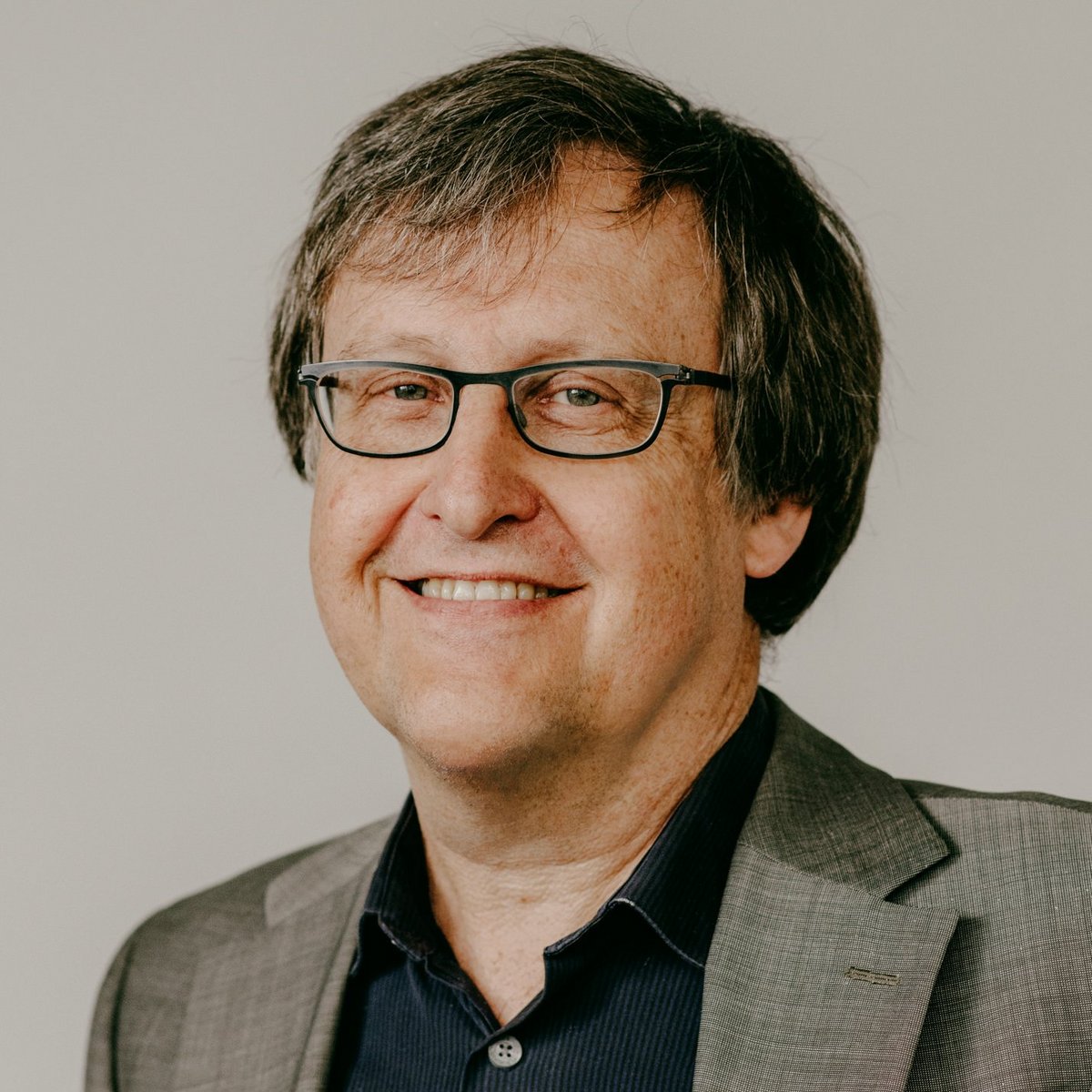
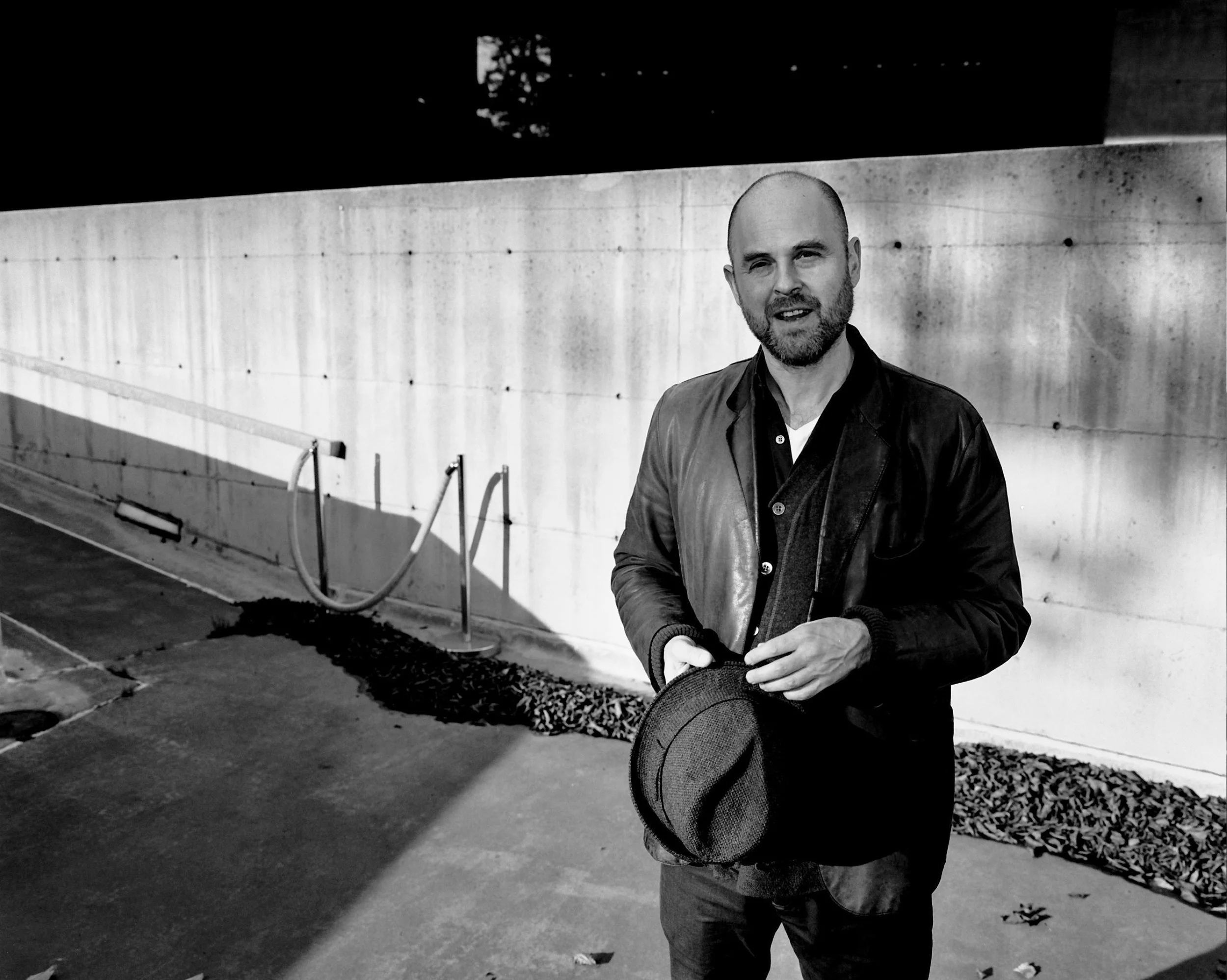
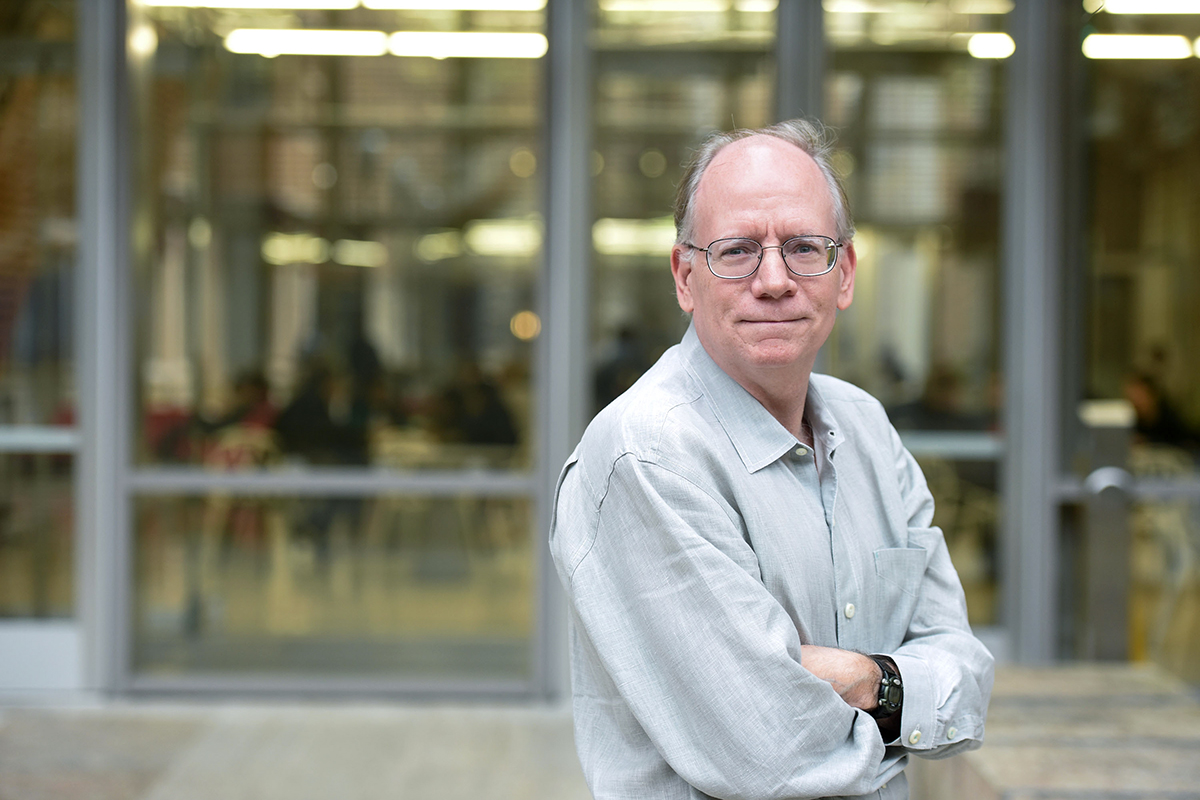
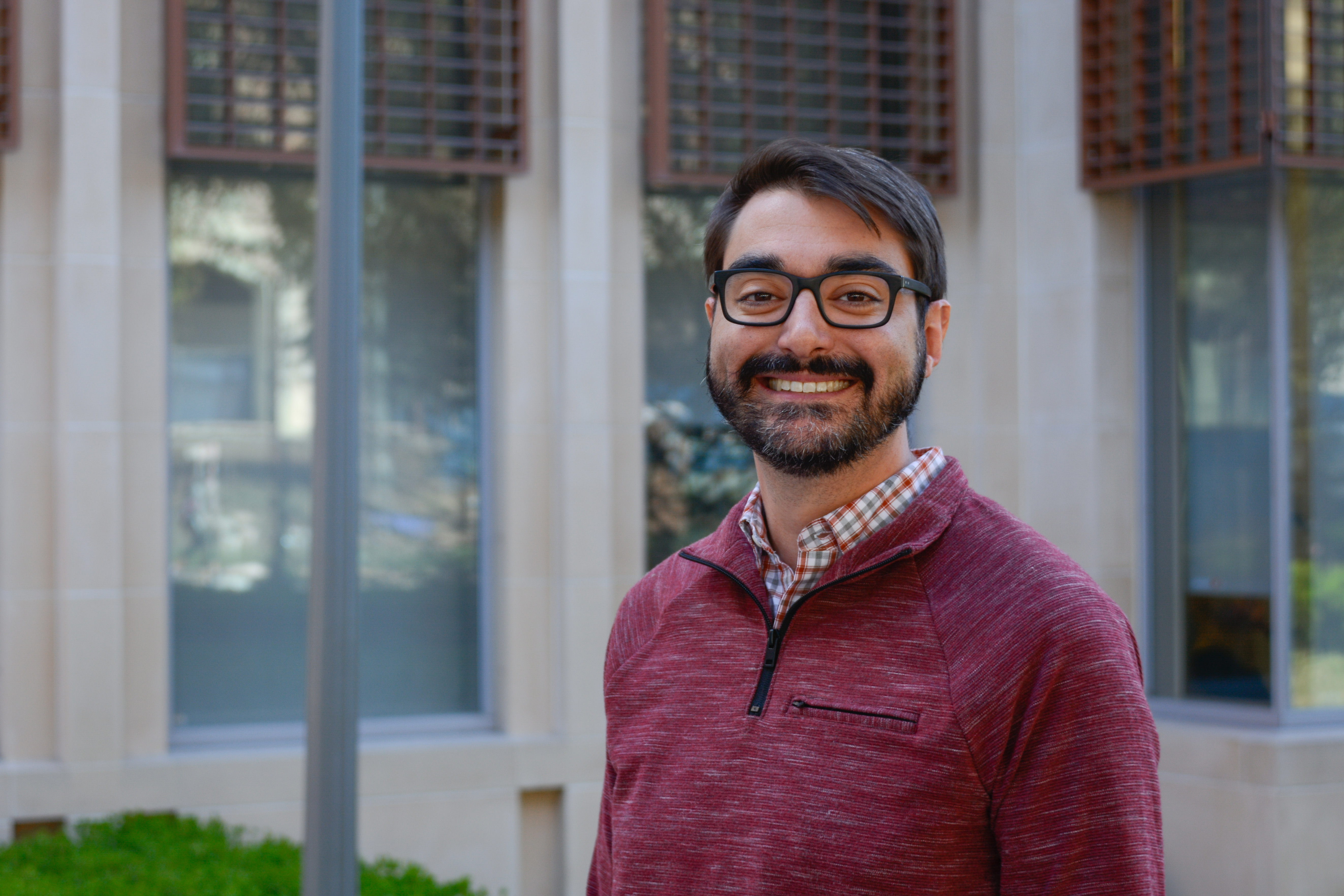
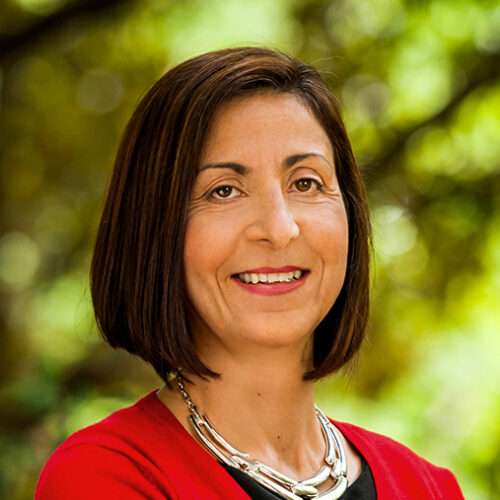
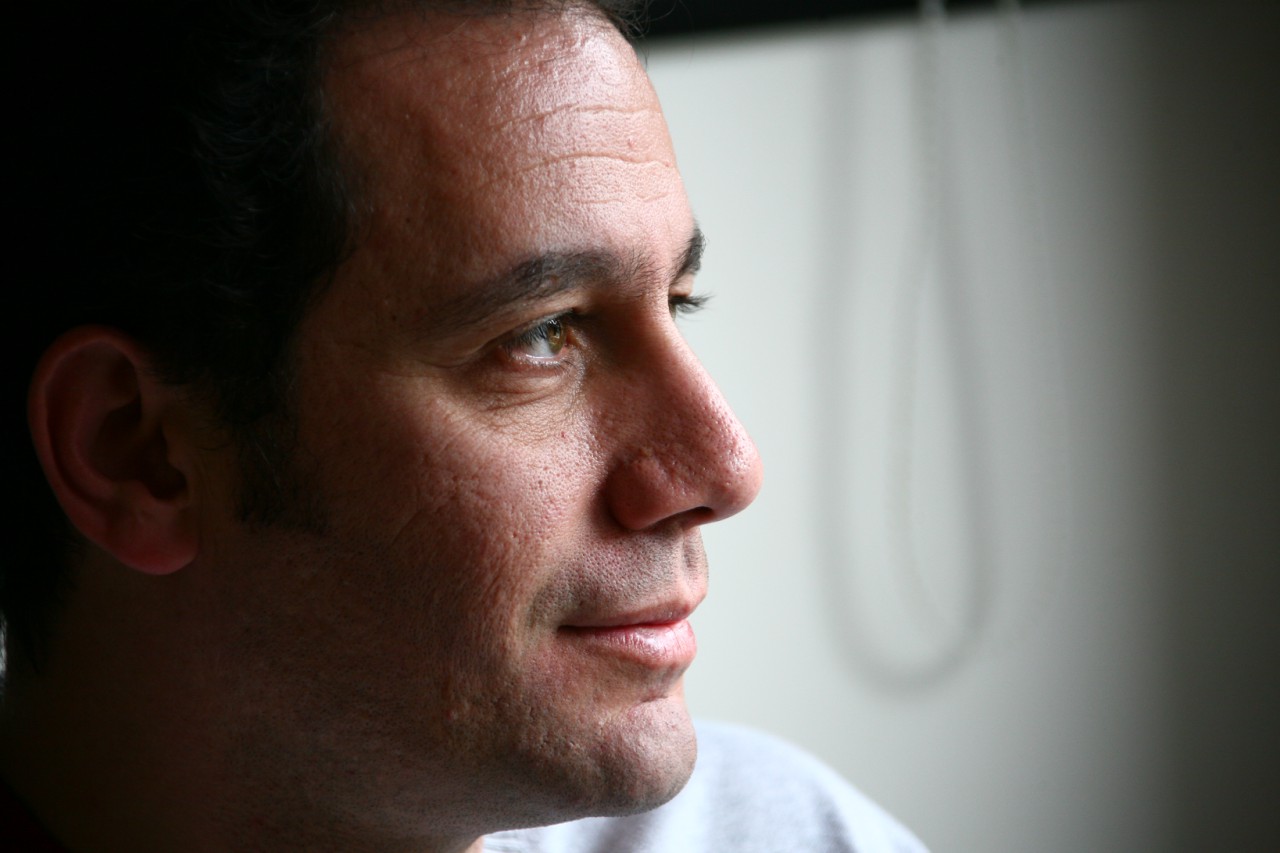
Melissa J. Ferguson is a Professor of Psychology at Yale University since 2020, previously affiliated with Cornell University's Psychology Department (2002-2020). Her research focuses on implicit cognitive processes underpinning evaluation, goal-pursuit, self-control, and social behavior. She investigates impression updating, prejudice expression, and behavioral control mechanisms. Ph.D., Social Psychology, New York University (2002) As director of Yale's Implicit Social Cognition Lab, Ferguson explores how implicit evaluations evolve through reinterpretation and new evidence. Her work spans human-robot interaction, moral agency, and political bias dynamics, with funding from the National Science Foundation and National Institutes of Health. Recent publications analyze: (1) Robot competence evaluation mechanisms, (2) Implicit bias correction methods, (3) Legal decision-making patterns, and (4) Prejudice shifts during political events. She contributes to high-impact outlets like Psychological Science and PNAS . Best Paper Award, ISCON 2016
Ana Serrano is an Associate Professor at Universidad de Zaragoza, Spain, where she is affiliated with the Graphics & Imaging Lab in the EINA (Edificio Ada Byron) school. She earned her PhD at the same institution under the supervision of Prof. Diego Gutierrez and Prof. Belen Masia, and completed a postdoctoral fellowship at the Max-Planck-Institute for Informatics under Prof. Karol Myszkowski. Her research focuses on visual computing , particularly in computational imaging , material appearance perception and editing , and virtual reality . She is especially interested in developing perceptually-driven methods that leverage knowledge of the human perceptual system to enhance user experiences and assist content creation in immersive environments. Her recent publications (2023–2025) span top-tier venues such as SIGGRAPH, CVPR, IEEE TVCG, and Eurographics. These works explore topics like saliency prediction in 3D and 360° video, crossmodal perception in VR, gloss modeling, radiance fields, and perceptual evaluation of immersive content. The research demonstrates a strong integration of machine learning, human perception, and computer graphics to solve real-world problems in visual computing. She has received several prestigious awards, including: Eurographics 2023 Young Researcher Award VGTC VR 2024 Significant New Researcher Award Eurographics 2020 PhD Award Adobe Research Fellowship (honorable mention, 2017) NVIDIA Graduate Fellowship (2018) Ana Serrano actively supervises PhD and Master’s students and has taught courses such as Virtual Reality, Computational Imaging, and Deep Learning applications. She serves as an Associate Editor for Computer Graphics Forum , ACM Transactions on Applied Perception , and Computers and Graphics , and has held leadership roles in major conferences including Eurographics (Tutorials co-chair, 2023), ACM SAP (Program co-chair, 2022), and CEIG (Program co-chair, 2022). Her professional service includes extensive program committee and reviewer roles for SIGGRAPH, IEEE VR, ISMAR, and others. She leads a vibrant research group focused on human perception in virtual environments, with current projects on computational models of attention and perception, integrated with physiological signals. Her lab, the Graphics & Imaging Lab, fosters interdisciplinary collaboration and innovation in visual computing.
Piotr Winkielman is a Professor of Psychology at the University of California, San Diego (since 2007), with affiliations at Warwick Business School (UK) and the Warsaw School of Social Sciences and Humanities (Poland). His research focuses on the interplay of emotion, cognition, embodiment, and consciousness in social cognition, employing methods from social/cognitive psychology and neuroscience. Key interests include unconscious emotion processing, facial mimicry, decision-making under emotional influence, and the neural basis of social perception. Education: PhD in Social Psychology (1997), University of Michigan MSc in Psychology (1991), University of Bielefeld, Germany BSc in Psychology (1988), University of Warsaw, Poland Research Interests: Winkielman explores how fleeting affective reactions influence behavior without conscious awareness, studying facial feedback mechanisms, emotional contagion, and the role of physiological signals in decision-making. His work bridges theories like Affect-As-Information and Facial Feedback, while challenging assumptions about the necessity of conscious processes in emotion. Grants & Funding: Supported by NSF Grant BCS-0350687 for studies on unconscious emotion and physiological feedback. Collaborations include projects on mimicry, stress effects, and cross-modal perception. Labs & Teams: Leads research at UCSD on embodied cognition and social neuroscience, with studies involving EEG, EMG, and behavioral experiments. International collaborations span UK, Poland, and Germany.
Stavros G. Vougioukas is a Professor and Vice Chair in the Department of Biological and Agricultural Engineering at the University of California, Davis. His research focuses on agricultural robotics, mechanization, and automation for specialty crops, with particular emphasis on robotic harvesting systems and precision agriculture technologies. He leads initiatives in developing actuator systems, perception, and control mechanisms to optimize crop management. Key areas of expertise include robotic fruit harvesting, autonomous vehicle navigation in orchards, and site-specific pest management strategies. His work integrates mechanical engineering principles with advanced automation to address labor shortages and improve agricultural efficiency. Recent projects emphasize data-driven solutions for yield estimation, worker activity analysis, and economic viability of robotic systems. Academic contributions span over 50 peer-reviewed publications (2023-2025), with a focus on robotic orchard platforms, crop transport systems, and sensor-based automation. Notable innovations include vacuum suction end-effectors for fruit harvesting and GNSS-free navigation systems for autonomous vehicles. He also explores sustainable agricultural machinery through techno-economic analyses of electric/hybrid tractors. Current research bridges robotics and agricultural economics, addressing labor cost optimization and precision irrigation. His lab collaborates with industry partners to translate prototypes into field-ready solutions, emphasizing practical applications for specialty crop production systems.
Professor Christian F. Doeller is a leading cognitive neuroscientist serving as Director of the Department of Psychology at the Max Planck Institute for Human Cognitive and Brain Sciences (MPI CBS) in Leipzig and Vice President of the Max Planck Society (since 2023). His roles include honorary professorships at the University of Leipzig (2019) and TU Dresden (Cognitive Neuroscience of Learning and Memory). He holds a PhD in Psychology from Saarland University (2005) and has held positions at institutions such as UCL (London), Radboud University (Nijmegen), and NTNU (Trondheim). His research focuses on spatial navigation, memory systems, and cognitive mapping in the human brain, leveraging neuroimaging (fMRI, EEG) and computational modeling. Key areas include hippocampal/entorhinal cortical function, grid cells, and the neural basis of spatial and conceptual representations. Recent work explores non-Euclidean spatial cognition, value-based decision making using grid-like maps, and hormonal influences on navigation. His lab combines experimental psychology, neuroimaging, and theoretical neuroscience to understand how brains build predictive models of environments and concepts. Publications emphasize cognitive maps, neural representations of space/value, and memory formation mechanisms. Over 100 journal articles span high-impact journals like Nature Neuroscience , Neuron , and Current Biology . His work bridges basic research and translational applications in neurodegenerative disorders and spatial cognition deficits.
Frank Russo is a Professor in the Department of Psychology at Toronto Metropolitan University, where he holds the NSERC-Sonova Senior Research Chair in Auditory Cognitive Neuroscience. He leads the Science of Music Auditory Research and Technology (SMART) Lab and holds affiliate and adjunct positions at the University Health Network and the University of Toronto, respectively. Research Interests: Dr. Russo's work lies at the intersection of auditory cognitive neuroscience, music psychology, and rehabilitation. His research explores how humans perceive music and speech, particularly under challenging conditions such as hearing loss or non-native accents. He investigates the cognitive and neural mechanisms of listening effort, emotional speech processing, and the social and therapeutic benefits of music, especially through community choirs and digital interventions. Publication Trends: His recent publications emphasize objective measurement of listening effort using functional near-infrared spectroscopy (fNIRS), music-based interventions for Parkinson’s disease and dementia, vocal and emotional responses to singing, and multisensory integration in beat perception. The work is highly translational, bridging basic cognitive neuroscience with clinical and community applications. Scientific Awards and Honors: NSERC-Sonova Senior Research Chair in Auditory Cognitive Neuroscience Fellow of the Canadian Psychological Association Fellow of Massey College Fellow of the Canadian Society for Brain, Behavior and Cognitive Science Past President of the Canadian Acoustical Association Advising and Grants: Dr. Russo actively mentors students and researchers, as evidenced by his co-authorship with numerous junior colleagues. He has secured major funding through NSERC and industry partnerships, enabling the development of impactful technologies such as hearing aid algorithms, sensory substitution systems, and digital therapeutics. His SingWell project fosters collaboration across academic, clinical, and community sectors. Labs and Teams: He directs the SMART Lab at Toronto Metropolitan University, a hub for interdisciplinary research on music, hearing, and cognition. The lab collaborates extensively with KITE Research Institute, Rehabilitation Sciences at the University of Toronto, and various community organizations focused on aging, hearing loss, and neurodegenerative conditions.
Mikaela Vasstrøm (b.1977) is an Associate Professor at the Department of Global Development and Planning, University of Agder. She holds a PhD from the University of Copenhagen and leads significant research projects including the Norwegian Research Council-funded WINDPLAN initiative, which analyzes social acceptance and governance challenges in onshore wind power development across Norway, Scotland, and Denmark. She co-leads work packages in the WINDREG project focusing on procedural justice and knowledge co-production for energy transitions. Her research examines: Just energy transitions and energy democracy Governance challenges in renewable energy deployment Public participation in environmental conflicts Local/regional development implications of energy policies She co-directs UiA's participation in the Empowered Futures research school, developing PhD-level expertise in energy policy frameworks. Publications focus on wind energy governance, policy legitimacy, and spatial planning conflicts, with consistent themes of: Energy justice in policy design Local government capacity in energy transitions Participatory approaches in sustainability planning Research group affiliations include: Energy and Society Urban and Regional Planning (URPLAN)
Dr. David Sewell is a Senior Lecturer and Deputy Head of School (Teaching & Learning) at the School of Psychology, The University of Queensland. His research focuses on attention, learning, memory, and decision-making, with a strong emphasis on formal mathematical models of human cognition. He is affiliated with the Centre for Perception and Cognitive Neuroscience within the Faculty of Health, Medicine and Behavioural Sciences. Education: Bachelor (Honours) of Arts and Doctor of Philosophy, both from the University of Western Australia. David's research explores the intersection of cognitive psychology and computational modeling. Key areas include perceptual decision-making, attentional mechanisms, and the application of diffusion models to understand cognitive processes. His work also extends to sustainability and collective self-regulation through cognitive frameworks. The 15 most recent articles highlight his contributions to modeling decision thresholds in memory prioritization, analyzing gaze cueing effects, and investigating neural correlates of confidence in multisensory decisions. Collaborative projects frequently involve interdisciplinary approaches, combining neuroscience, psychology, and computational methods. He has supervised multiple PhD candidates, serving as Principal or Associate Advisor, with research topics ranging from visual categorization to metacognition in children. Current and past funding includes ARC Discovery Projects on collective self-regulation and category learning constraints.
Prof. Dr. Urs Fischbacher is a full-time Professor at the Department of Economics at the University of Konstanz, holding the Chair of Behavioral Economics. He is also affiliated with the Thurgau Institute of Economics in Switzerland. Research Focus: Behavioral Economics, Experimental Economics, Game Theory, Social Preferences, Public Goods, Trust and Cooperation, Decision-Making under Stress, and Neuroeconomics. Key Projects: Evaluation of educational interventions in Colombia, analysis of leadership selection in inequality perception, and studies on social pension targeting in Bangladesh. Academic Contributions: His recent articles focus on super-additive cooperation mechanisms, responsibility attribution in decision chains, stress-induced prosociality, and diversity policy impacts. Work spans interdisciplinary collaborations with psychologists and neuroscientists. Contact: Based at the University of Konstanz (Room F315) and Thurgau Institute of Economics. Office hours require appointment via email.
Alva Noë is a Professor of Philosophy at the University of California, Berkeley. His research bridges the philosophy of mind, cognitive science, and aesthetics, emphasizing the embodied and interactive nature of perception and consciousness. B.A., Columbia B.Phil., Oxford Ph.D., Harvard His work explores the interplay between art, philosophy, and human cognition, arguing that consciousness is not confined to the brain but arises from bodily and environmental engagement. Recent projects include studies on love, AI, and pictoriality. Alva's publications span interdisciplinary themes, integrating philosophy with cognitive science and art theory. Notable works include The Entanglement (2023), which examines how art and philosophy shape human identity, and Action in Perception (2004), a foundational text on embodied cognition. No scientific awards or patents are explicitly mentioned in the provided text.
Raymond J. Mooney is a Professor in the Department of Computer Science at the University of Texas at Austin, where he has been a faculty member since 1987. He is the Director of the UT Artificial Intelligence Laboratory and affiliated with multiple research groups including the Machine Learning Research Group, UT Computational Linguistics Lab, and the UT Center for Computational Biology and Bioinformatics. He holds a B.S., M.S., and Ph.D. in Computer Science from the University of Illinois at Urbana-Champaign, where his thesis was supervised by Gerald DeJong. His research spans diverse areas in artificial intelligence, machine learning, and natural language processing: Natural Language Learning Connecting Language and Perception Statistical Relational Learning Information Extraction Transfer and Active Learning Abductive Reasoning Text Mining and Clustering Recommender Systems Knowledge-Base Refinement Recent publications highlight trends in grounded language processing, human-robot interaction, and multimodal reasoning. He has been recognized with prestigious fellowships including ACL (2014), ACM (2010), and AAAI (2005). Scientific awards: Fellow of the Association for Computational Linguistics (2014) Fellow of the Association for Computing Machinery (2010) Fellow of the American Association for Artificial Intelligence (2005) Classic Paper Award (2019) Best Paper Awards (2007, 2004, 1996) He teaches graduate courses like CS 371R: Information Retrieval and Web Search (Fall 2025) and CS 395T: Grounded Natural Language Processing (Spring 2025). His research labs include: UT Artificial Intelligence Laboratory Machine Learning Research Group UT Computational Linguistics Lab UT Center for Computational Biology and Bioinformatics
Garrett Warnell is a Visiting Researcher in the Department of Computer Science at The University of Texas at Austin, specializing in artificial intelligence, computer vision, and robotics with applications in autonomous navigation systems. Education: PhD in Electrical Engineering, University of Maryland Master's in Electrical Engineering, University of Maryland B.S. in Computer Engineering, Michigan State University Research Interests: Dr. Warnell's work focuses on machine learning for robotic control , computer vision for scene understanding , and autonomous navigation in challenging environments . His contributions span imitation learning with limited demonstrations, preference-aware path planning, and off-road mobility. Recent research integrates vision-language models and transformer architectures for social navigation and terrain adaptation, emphasizing human-robot collaboration and robustness in constrained spaces. Publication Trends: Analysis of Dr. Warnell's 2023-2025 publications reveals dominant themes in off-road navigation robustness, with emphasis on particle filtering, diffusion models, and transformer networks for geo-localization and terrain adaptation. A significant trend involves human preference alignment through extrapolation techniques and open-vocabulary models for costmap generation, reflecting growing integration of natural language understanding in robotic systems. Scientific Awards: No awards specified in available documentation. Advising and Grants: Public records indicate no listed advisees or grant funding details. Labs and Teams: Affiliated with UT Austin's Computer Science Department, though specific research group affiliations remain undocumented in provided materials.
Elena Karahanna is a Professor at the Terry College of Business , University of Georgia. Her research spans Artificial Intelligence , Health Information Technology , and the social and algorithmic implications of digital platforms . PhD in MIS, University of Minnesota (1993) MBA in Business Administration, Lehigh University (1988) BS in Computer Science, Lehigh University (1986) Her work examines how conversational agents and social bots reshape e-commerce and social media, the algorithmic coordination in organizations, and the integration of IT in healthcare systems . She has contributed to foundational theories like the Needs-Affordances-Features (NAF) framework for social media analysis. Recent publications highlight her focus on digital governance (e.g., firm-sponsored online communities), chatbot applications in public health (e.g., pandemic response), and privacy concerns in online social networks. Her research often bridges information systems and marketing (e.g., hyper-privacy and dark web insights). Scientific Awards Terry College of Business Service Award, 2024 INFORMS Information Systems Society President's Service Award, 2023 MIS Quarterly Best Paper Award, 2022 AIS Leo Award for Exceptional Lifetime Contributions, 2020 AIS Fellow, 2012 Karahanna has served as Senior Editor for MIS Quarterly , Information Systems Research , and Journal of AIS . She co-founded the Doctoral Student Corner (2014) and the Senior Scholar Consortium (2004), emphasizing her leadership in academic mentorship. She has taught courses on theory development and business intelligence , and her international teaching includes stints in Hong Kong, Cyprus, Singapore, and Australia .
Dr. Ugur Turhan is a Senior Lecturer in aviation at UNSW Canberra with over two decades of experience in academic and professional settings. His expertise spans Air Traffic Management, Airport Operations, Aviation Safety, and Human Factors in Aviation. Previously, he served as Assistant Professor at Eskisehir Technical University and Anadolu University, and held a visiting professorship at Embry Riddle Aviation Academy. Dr. Turhan earned his Ph.D. in Civil Aviation Management from Anadolu University. His academic journey includes significant contributions to aviation education and research across multiple institutions in Turkey and internationally. Dr. Turhan's research focuses on critical aspects of aviation safety and efficiency. His work explores human factors in air traffic control, aircraft maintenance procedures, and emergency management in aviation contexts. He has developed innovative approaches to training air traffic controllers using 3D simulation technology and has investigated the relationship between safety culture and operational performance in aviation organizations. His research bridges theoretical frameworks with practical applications to enhance aviation safety standards globally. Analysis of Dr. Turhan's recent publications reveals a strong emphasis on human factors across aviation domains. His work consistently addresses safety management systems, cognitive workload assessment, and maintenance procedures. A notable trend is the integration of neurophysiological measurements with operational data to assess air traffic controller performance. His research also demonstrates growing interest in the application of advanced technologies for improving maintenance documentation and technician performance. Dr. Turhan has secured significant research funding through multiple international projects. His leadership roles include: Researcher and Eskisehir Technical University Coordinator for the FACT project under European Commission HORIZON2020 SESAR call (2020-present) Researcher and Eskisehir Technical University Coordinator for the Skill-UP project under Erasmus+ (2020-present) Researcher and Anadolu University Coordinator for the STRESS Project under HORIZON 2020-SESAR-2015-1 (2016-2018) Researcher and Anadolu University Coordinator for the IMPACT Project under HORIZON 2020-DRS-2014 (2015-2018) Researcher and Anadolu University Coordinator for SECONOMICS project under European Commission FP7 (2012-2015) Researcher for Boeing-sponsored International Project on Aviation Educational Software (2014-2016) Dr. Turhan has supervised multiple doctoral and master's students in aviation-related fields. His doctoral students include Birsen Acikel (2016) who researched flight training airspace complexity and Tarık Güneş (2021) who assessed aircraft maintenance technician competency. His master's students have investigated topics ranging from Turkish airspace flexibility to aircraft maintenance documentation. Dr. Turhan also serves as a valuable resource for prospective PhD students interested in human factors and safety in aviation and air traffic management.
Steven T. Brown is a Professor of Comparative Literature at the University of Oregon, affiliated with the Schnitzer School of Global Studies and Languages within the College of Arts and Sciences. His scholarship examines Japanese visual culture through transnational frameworks, with expertise in horror cinema, posthumanism, and critical theory. His academic credentials include: B.A. in East Asian Studies and Classics, University of Illinois (1987, Summa Cum Laude) M.A. in East Asian Studies, Stanford University (1988) Ph.D. in Comparative Literature, Stanford University (1994) Brown's research investigates sensory dimensions of Japanese cinema—particularly sound design in J-horror and slow-burn aesthetics—while exploring anime's engagement with posthuman identity. His work bridges Surrealist film theory, transnational cultural flows, and Japanese popular media, revealing how visual narratives interrogate human-machine boundaries in digital societies. Key contributions include analyzing Kurosawa Kiyoshi's sonic landscapes and Ghost in the Shell's technological uncanny. His publication trajectory from Noh theater studies (1990s) to contemporary anime/horror analysis (2000s-2010s) demonstrates evolving focus on sensory experience in visual media. Articles consistently address transnational cultural exchange, with recurring themes of gender representation, technological embodiment, and Japanese-Western artistic dialogues across 27 years of scholarship. Scientific awards: No awards listed in source material While the text doesn't specify current advisees or grants, Brown's extensive publication record—including three monographs with Palgrave Macmillan and Stanford University Press—suggests significant research impact. His editorial work on special journal issues indicates scholarly leadership in Japanese performance studies and anime criticism. No dedicated research labs or collaborative teams are mentioned, though his transnational approach implies cross-institutional academic networks.