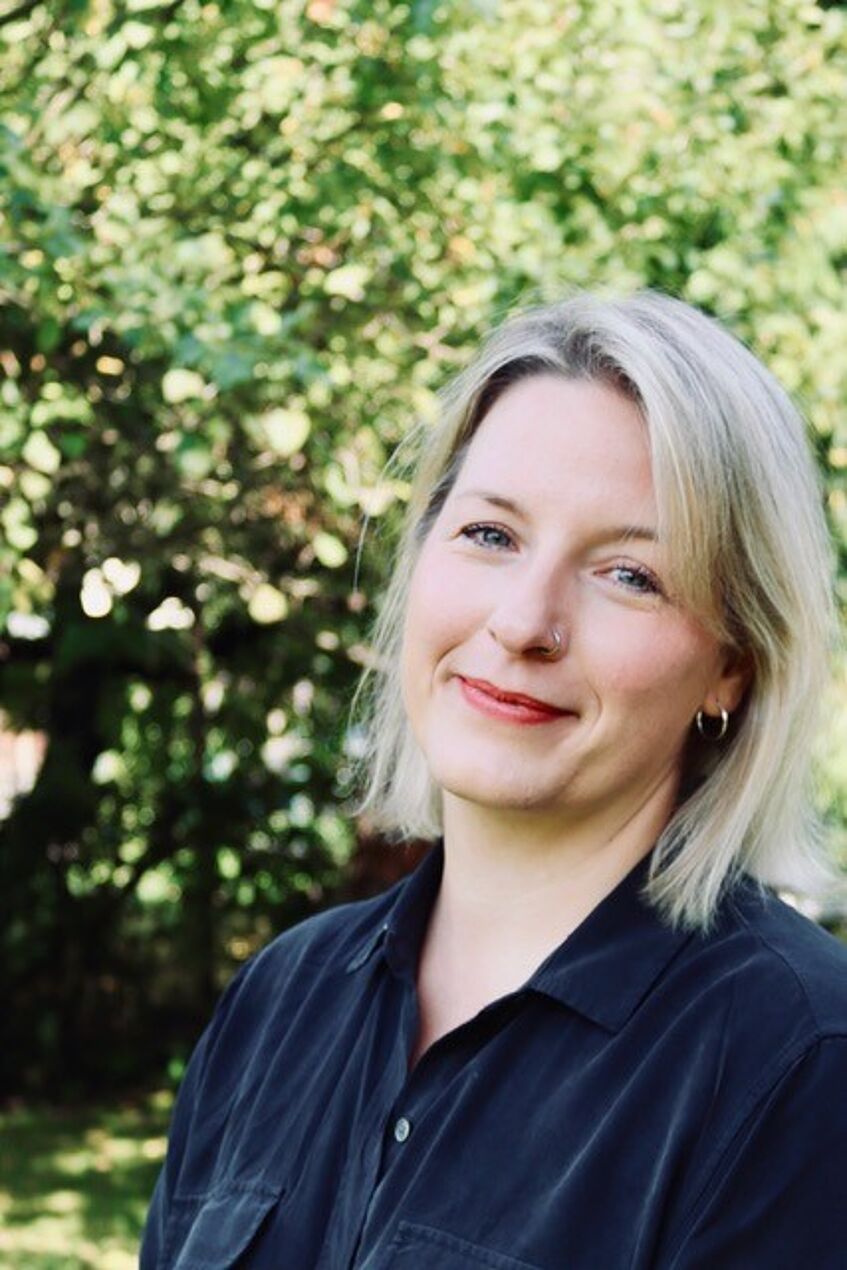
Isabella Anderson-Wagner is an Assistant Professor at the University of Vienna, affiliated with the Faculty of Psychology and the Centre for Microbiology and Environmental Systems Science (CeMESS). Her work focuses on the intersection of brain function, cognition, and gut microbiome interactions, with an emphasis on neural plasticity, learning, and memory formation. She uses advanced neuroimaging techniques like MRI and spectroscopy to explore these processes. Research Interests: Her research investigates how the gut microbiome influences neural plasticity and memory, particularly through studies involving humans and comparative analyses with animals like dogs. Key areas include stress effects on prosocial behavior, the role of microbiome in neurodegenerative risks (e.g., dementia), and the development of mnemonic training strategies like the method of loci. Funding & Awards: She has received prestigious grants, including the Cortex Prize (2023), Young Investigator Grant (Brain & Behaviour Research Foundation, 2023), and Veni Grant (Dutch Research Council, 2020). Her work is funded by projects such as MemoryLane (2025–2030) and The Social Grid (2021–2024). Labs & Teams: Her lab is part of the Vienna Cognitive Science Hub, focusing on interdisciplinary approaches to cognitive and microbial neuroscience. Collaborations span institutions globally, with studies on topics like microbiome-brain interactions and canine cognition.
Shahab Bakhtiari is an Adjunct Professor in the Department of Psychology at the University of Montreal's Faculty of Arts and Sciences. His research focuses on NeuroAI, exploring the intersection of neuroscience and artificial intelligence, particularly in visual perception and learning mechanisms in biological systems and artificial neural networks. He holds a PhD in Neuroscience from McGill University and conducted postdoctoral research at Mila, Quebec AI Institute. Education: Bachelor's and Master's in Electrical Engineering, University of Tehran PhD in Neuroscience, McGill University His research interests include computational neuroscience, machine learning, visual system modeling, and energy-efficient predictive coding. He teaches courses on AI, cognitive neuroscience, and deep learning applications in psychology. Key grants include a CRSNG grant (2023–2029) for comparative visual system studies and the UNIQUE strategic initiative (2022–2029), co-led by 50+ researchers. He has supervised one Master's student, Hamza Abdelhedi, on AI-human face recognition comparisons. His work bridges AI and biological systems, leveraging neuroimaging and deep learning to model brain dynamics and improve AI's biological plausibility.
Luis Velez Quintero is an Assistant Professor at Stockholm University within the Department of Computer and Systems Sciences (DSV) . He is affiliated with the Data Science Research Group and the Stockholm Technology & Interaction Research (STIR) group, focusing on Human–Computer Interaction. His research spans adaptive immersive systems, affective computing, and physiological signal analysis in extended reality (XR) environments. Education & Background : Holds a PhD in Computer and Systems Sciences from Stockholm University (2023), MSc in Health Informatics from Karolinska Institutet (2019), and BSc in Electronics Engineering from the National University of Colombia (2015). He has led the startup PortalSense since 2018, developing VR solutions for real estate visualization. Research Interests : Combines data science and ML with XR technologies to create context-aware systems for healthcare, education, and professional training. Key themes include: Adaptive VR/AR systems using real-time physiological and behavioral signals Biosignal integration for personalized user experiences Immersive technologies for cognitive assessment and skill development Publications : Over 20 peer-reviewed articles, including work on affective databases (AVDOS-VR), biosignal frameworks (Excite-O-Meter), and XR applications in cybersecurity education. Recent efforts explore third-person locomotion in VR and early-stage Alzheimer’s detection via spatial navigation tasks. Awards & Grants : Wallenberg Foundation Grant (2023-2025): Analyzing non-verbal communication in psychotherapy Swedish Institute Scholarship (2017-2019): Fully funded Master’s and PhD studies Seed funding for PortalSense from Fondo Emprender SENA Colombia (2022-2023) Advising & Projects : Lead researcher in projects like AVDOS-VR and CS:NO . Co-designed the Excite-O-Meter open-source plugin for real-time physiological analysis in VR. Active in industry collaborations for scalable health interventions and immersive training systems. Labs & Teams : Collaborates with multidisciplinary teams at STIR and DSV, advancing human-centered AI and adaptive XR technologies.
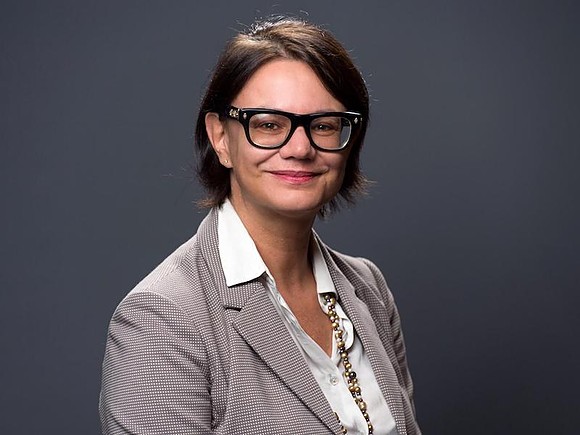
Simona Boscani Leoni is an Associate Professor in the History Section of the Faculty of Arts at the University of Lausanne, where she teaches modern history. She began her position on August 1, 2022, after serving as a substitute MER and professor at UNIL (2018–2021) and as a senior scientist at EPFL (2021–2022). She has been a Swiss National Science Foundation Fellow in Modern History at the University of Bern since 2013. Her research focuses on the social and cultural history of the Alpine region in the early modern period, with particular emphasis on the history of science, knowledge networks, and environmental history. Her work explores how scientific inquiry, religious beliefs, and societal transformations intersected in the Alpine context, especially through the study of figures such as Johann Jakob Scheuchzer and Conrad Gessner. She has co-edited significant volumes on natural history and mountain studies, including Natural History and Mountains: Crossed Views from the Andes to the Himalaya (2021) and Mapping the Territory: Exploring People and Nature, 1700–1830 (2022). Her recent publications, including numerous review articles and edited contributions, reflect a strong engagement with themes such as scientific correspondence, questionnaire-based knowledge collection, and the cultural perception of nature. These works span interdisciplinary domains including history of science, environmental history, and visual culture, often analyzing how natural phenomena were documented, interpreted, and disseminated across Europe. She is an active member of several scholarly associations: Swiss Society for the Study of the 18th Century International Association for Alpine History Swiss Society for Rural History Scientific Council of the Repertorium Academicum Germanicum Editorial board of Atlas zur Geschichte Graubündens, 1525–2024 She has held visiting professorships at the EHESS (Paris) and the University of Padua and has collaborated with institutions such as hallerNet.org on digital editions of scientific correspondence. A book on the scientific discovery of the Alps is forthcoming from Viella (Rome) in spring 2023, with an English translation planned for 2024/25.
Professor Robert Kert is a full Professor of Criminal Law and Criminal Procedure Law at Vienna University of Economics and Business (WU Wien) since 2013. He holds a habilitation (2017) and a doctorate (2001) from the University of Vienna. His expertise spans European and Austrian criminal law, financial criminal law, and legal comparative studies. He has led significant projects, including a European Commission study on legislative reforms regarding illicit drug trafficking. Kert is actively involved in EU legal initiatives, serving as President of the Austrian Association for European Criminal Law and a member of international legal associations. His research focuses on penal sanctions, cross-border criminal proceedings, corporate liability, and environmental criminal law. Over 250 publications since 1995 highlight his contributions to legal academia. Awards include the 2001 teaching authorization award for criminal law. Kert advises on EU legal frameworks and collaborates internationally on comparative law projects, emphasizing the intersection of national and EU criminal justice systems.
Ying Jing is a doctoral researcher at the Max Planck Institute for Human Cognitive and Brain Sciences, affiliated with the Methods and Development Group Brain Networks and the International Max Planck Research School NeuroCom (IMPRS NeuroCom). Her research focuses on advanced neurostimulation techniques, particularly transcranial magnetic stimulation (TMS), combined with functional magnetic resonance imaging (fMRI) to investigate brain networks, motor cortex mapping, and functional connectivity. She explores applications in clinical neuroscience, including TMS-guided therapies for neurological and psychiatric conditions such as depression and motor disorders. Key research interests include neuro-cardiac coupling mechanisms, spatial attention modulation via TMS, and the predictive role of resting-state fMRI in rTMS outcomes. Her work bridges experimental neurophysiology, computational modeling, and clinical translation. She is supported by the China Scholarship Council as a stipend holder. Notably, her studies address discrepancies between task-based activation and TMS hotspots, refine targeting strategies for subthalamic nuclei in rTMS therapy, and model TMS effects on cortical-subcortical circuits. Her contributions advance both fundamental neuroscience and neuromodulation-based interventions. No scientific awards or funded grants are explicitly stated. She collaborates within the Methods and Development Group Brain Networks, contributing to cutting-edge neuroimaging and stimulation methodologies.
Prof. Giuseppe Vannozzi is a Full Professor at the University of Rome Foro Italico, based in the Department of Human Motor Sciences and Health. His research focuses on biomechanics, wearable sensor technology, and gait analysis in neurological and运动 disorders. He has contributed to studies on stroke recovery, Parkinson’s disease, multiple sclerosis, and pediatric conditions like cerebral palsy. His work integrates machine learning with clinical assessment, emphasizing wearable sensors for real-world applications. Research interests include motor control, neurorehabilitation strategies, and the application of inertial measurement units (IMUs) in movement analysis. Key areas include gait variability, postural stability, and upper limb recovery. Recent studies explore the use of auditory cues in Parkinson’s gait improvement and sensor-based interventions for stroke survivors. His publications span over a decade, with recent focus on advanced metrics for gait quality, instrumented clinical tests (e.g., iTUG), and the role of biomechanical parameters in aging populations. He has pioneered sensor fusion algorithms for yoga and sports performance evaluation, and his work on Golden Ratio-based auditory cues highlights interdisciplinary创新. He contributes to academic governance as a member of the University Quality Assurance Committee and has collaborated on EU-funded projects. Teaching responsibilities include courses on research methodology, movement therapy, and motor function assessment in health sciences.
Gil Hochberg is the Ransford Professor of Hebrew and Visual Studies, Comparative Literature, and Middle East Studies at Columbia University. His work critically engages intersections of psychoanalysis, postcolonial theory, nationalism, gender, and sexuality. He specializes in Francophone North African literature, Palestinian literature, Israeli cinema, and Mediterranean cultural studies. Hochberg's research interrogates the entangled histories of Jews and Arabs in modern Middle Eastern cultural production. Key publications include In Spite of Partition (2007), analyzing Jewish-Arab literary relations, and Visual Occupations (2015), examining visual politics in the Israeli-Palestinian conflict. His current project explores art, archives, and historical knowledge production. Hochberg frequently publishes on decolonial theory, queer politics, and the ethical dimensions of cultural representation in conflict zones. His work addresses urgent contemporary issues like refugee heritage, the global rise of Christian Zionism, and the ethical implications of cultural memory. Through interdisciplinary approaches, he critiques dominant narratives around nationalism, identity, and power structures in the Middle East.
Kate M Chapman is a Teaching Assistant Professor in the Department of Psychology within the College of Arts & Sciences at the University of Arkansas. Her academic work bridges cognitive and comparative psychology, with a focus on motor planning and goal-directed behavior in humans and animals. Education: Ph.D., Pennsylvania State University, 2013 M.S., Pennsylvania State University, 2010 B.A., New College of Florida, 2004 Her research investigates how adults, children, and nonhuman animals plan motor actions in anticipation of future goals, particularly during object manipulation and tool use. She explores cognitive planning across species, including primates such as lemurs and tamarins, examining evolutionary roots of motor behavior. She also contributes to pedagogical research in undergraduate psychology education. The recent publications reflect a strong trend in motor cognition, comparative psychology, and action planning. Her work frequently appears in high-impact journals such as Psychological Bulletin , Journal of Experimental Psychology , and Behavioral and Brain Sciences , emphasizing interdisciplinary approaches combining psychology, neuroscience, and evolutionary biology. Scientific Awards: No awards listed in the provided text. Advising and Grants: While no students or grant funding are explicitly mentioned, Dr. Chapman is actively engaged in research and teaching. She mentors students through her research in comparative motor planning and contributes to academic development via her instruction in core psychology courses such as Research Methods, Cognitive Psychology, and Comparative Psychology. Labs and Teams: Though specific lab names or research teams are not mentioned, her research activities suggest involvement in cognitive and comparative psychology research groups at the University of Arkansas, likely collaborating with experts in motor behavior, animal cognition, and educational psychology.
Charlotte Rault is a Lecturer in the Department of Languages and Civilizations at Toulouse Capitole University, affiliated with the Center for Anglophone Studies (CAS) within the University of Toulouse. She has been a faculty member since 2008 and holds a doctorate in Political Science from the University of Caen (2005), with her thesis focusing on political debates surrounding Ireland’s European integration between 1948 and 2002. Her academic work is deeply rooted in Irish politics, European integration, sovereignty, civil society, and human rights, particularly in the context of Brexit and its constitutional implications for the island of Ireland. Her research interests include: Irish politics in the 20th and 21st centuries European integration and sovereignty debates Neutrality and foreign policy in Ireland Civil society and democracy 2.0 Human rights, especially the principle of "non-diminution of rights" in Northern Ireland Migration policy and the Common Travel Area Euroscepticism and political networking between Britain and Ireland Charlotte Rault’s recent publications (2019–2025) reveal a strong thematic focus on Brexit’s impact on Irish constitutional and legal frameworks, the evolution of sovereignty discourse, and cross-border governance. Her work often analyzes political discourse using theoretical frameworks such as deliberative democracy (e.g., Habermas) and critically examines legal agreements like the Northern Ireland Protocol and the Windsor Framework. She frequently collaborates with scholars such as Bairbre Ní Chiosáin and Oana Andreea Macovei, particularly on topics involving migration, human rights, and transnational arrangements. She has contributed to special issues of journals like Mirrors: Review of Anglophone, Iberian and Ibero-American Civilizations and Irish Studies , and her publications span journal articles, book chapters, conference papers, and edited volumes. Her most recent work continues to explore the interplay between law, politics, and identity in the context of post-Brexit Ireland. Charlotte Rault has not received any explicitly mentioned scientific awards or honors in the provided texts. There is no information available about PhD or Master’s students she may have advised. She is actively involved in academic research and regularly presents at international conferences, indicating ongoing scholarly engagement. She is affiliated with multiple institutions within the University of Toulouse, including Toulouse Capitole University (UT1), Université Toulouse - Jean Jaurès (UT2J), and the overarching University of Toulouse (UT). Her primary research unit is the Center for Anglophone Studies (CAS), which hosts interdisciplinary research on anglophone cultures and societies.
Prof. Dr. Katja Fiehler holds the W3 Professorship for Experimental Psychology ("Perception & Action") at Giessen University since March 2020. She previously served as W2 Professor (2016-2020) and Heisenberg-Professor (2011-2016) at the same institution. Her research focuses on sensorimotor integration, tactile perception, and spatial cognition in naturalistic environments, particularly through virtual reality applications. Current roles: Speaker of Cluster Project "The Adaptive Mind" Leadership: Speaker of DFG IRTG-1901 "The Brain in Action" Member of directorate: DFG SFB/TRR-135 "Cardinal mechanisms of perception" Directorate member: Bender Institute for Neuroimaging (BION) Katja's research spans tactile suppression during action, spatial memory coding, and multimodal perception. Her team investigates how sensorimotor predictions modulate sensory processing, how aging affects motor-sensory integration, and the neural basis of allocentric/egocentric spatial representations. Recent publications show strong focus on virtual reality experiments, sensorimotor recalibration, and inter-effector coordination. Key themes include tactile perception modulation by movement demands, spatial cognition in naturalistic environments, and cross-modal metacognition. She leads the "Team Perception and Action" at Giessen University, which includes researchers like Dr. Belkis Ezgi Arikan, Dr. Tom Nissens, and Dr. Meaghan McManus. Her lab develops tools like vexptoolbox for VR-based human behavior studies.
Patrizia Proia is an Associate Professor at the University of Palermo, Department of Psychological, Pedagogical, Physical Exercise and Training Sciences. Her research focuses on exercise physiology, sports genetics, and neurobiological mechanisms linked to physical activity. She teaches courses in biochemistry, physiology of nutrition, and sports training adaptation. Current research on microbiome-exercise interactions Developing protocols for MS and Parkinson's rehabilitation Investigating genetic polymorphisms in elite athletes Exploring nutrigenomics and functional foods Recent publications analyze: Muscle regeneration through probiotic supplementation Impact of nanotechnological devices on pain management Epigenetic regulation of executive functions Bone health in gymnasts and cancer patients Role of gut microbiome in exercise response
Emily Baird is a Professor at the Department of Zoology, Stockholm University , leading interdisciplinary research at the intersection of sensory ecology , neuroethology , and comparative morphology . Her work focuses on how insects like dung beetles and bumblebees process visual information to guide behavior in diverse environments. Key Collaborations : Dlife Project with University of Southern Denmark and University of Kiel (Human Frontiers Science Project) INVISMO Project with Lund University (Swedish Research Council) Research Themes : 3D micro-CT analysis of insect eyes Neural mechanisms for straight-line orientation Flight control in cluttered environments Mechanical principles of dung beetle ball rolling Techniques : Behavioral experiments, X-ray microtomography, computational modeling, ray-tracing simulations.
Professor Bruce Abernethy is Executive Director of UQ's Engagement with the 2032 Olympic and Paralympic Games, following his tenure as Executive Dean of the Faculty of Health and Behavioural Sciences (2014-2023) at the University of Queensland. His academic leadership includes previous roles as Deputy Executive Dean, Associate Dean (Research), and Head of the School of Human Movement Studies (1991-2003). He also served as inaugural Chair Professor at the University of Hong Kong's Institute of Human Performance (2004-2011). His educational background includes First Class Honours and University Medallist status from the University of Queensland, complemented by a PhD from the University of Otago. Professional recognition includes Fellowships from the American Academy of Kinesiology and Physical Education, Australian Sports Medicine Federation, and Exercise and Sport Science Australia. Abernethy's research centers on the interdisciplinary study of skilled movement control and acquisition, bridging human movement science, experimental psychology, neuroscience, and medical sciences. His work investigates expert perception and production of human movement patterns, with particular focus on deception detection in sports, visual-motor expertise, and fundamental movement skills development. This spans applications from elite athletic performance to pediatric movement disorders. Analysis of his recent publications reveals sustained focus on perceptual-cognitive aspects of sport expertise, with recurring themes in deception detection (particularly in football/cricket), gaze behavior analysis, and perceptual training methodologies. His work increasingly integrates interdisciplinary approaches across motor control, cognitive psychology, and sports biomechanics, with strong emphasis on practical applications for athletic training and movement rehabilitation. International Fellow, American Academy of Kinesiology and Physical Education Fellow, Australian Sports Medicine Federation Fellow, Exercise and Sport Science Australia University Medallist, University of Queensland Professor Abernethy has supervised eight PhD candidates to completion between 2003-2022, with research spanning cricket batting expertise, perceptual training, and movement disorders. His funding portfolio demonstrates exceptional grant acquisition success, including sustained support from the Motor Accident Insurance Commission (1997-2019), Australian Research Council (multiple projects 1995-2011), Australian Football League, Australian Sports Commission, and Hong Kong Research Grants Council. Current engagement with the 2032 Games represents strategic alignment of his expertise with major international sporting events. His research is conducted through the Centre for Extracellular Vesicle Nanomedicine within UQ's Faculty of Health and Behavioural Sciences, collaborating with interdisciplinary teams across sports science, psychology, and medical research domains. This network supports his translational research from basic motor control principles to applied sporting and clinical contexts.
Nicki Frey is a Professor in Human-Wildlife Interactions at Utah State University's Department of Wildland Resources, with a focus on resolving conflicts between wildlife and human populations. She serves as an Extension Specialist, conducting research and outreach across Utah and the Intermountain West. PhD in Wildlife Biology (Human-Wildlife Interactions), Utah State University (2004) MS in Wildlife Biology (Human-Wildlife Interactions), Utah State University (2001) BS in Wildlife Management, West Virginia University (1996) Her research centers on human-wildlife interactions , wildlife damage reduction , and ecological balance . Key areas include predator-prey dynamics , sensitive species management , and youth environmental education . She has contributed extensively to sage-grouse conservation , free-roaming horse management , and community-based wildlife research . Nicki Frey's publications and outreach materials (25 peer-reviewed journal articles, 14 fact sheets, 1 technical report, and 18 other publications) demonstrate expertise in ecosystem management , conflict mitigation , and public policy translation . Her work spans small mammals , ringtails , and free-roaming equids , with recent studies analyzing stakeholder perceptions of wildlife management. Scientific Awards & Recognitions Innovative Extension Program Award (2023) The Wildlife Society Fellow (2021) Goldwater Scholarship (2019) Group Achievement Award (2016) Award of Merit (2015) Award of Excellence (2015) Professional Achievement Award (2013) Rural Development Recognition of Achievement (2010) Research Assistant of the Year (2003) As an educator, Frey has mentored 18 graduate students and developed outreach programs for high schoolers, including Wildlife Habitat Evaluation Program and Color Country Natural Resource Camp . Her teaching emphasizes off-campus extension courses on predator management and natural resource stewardship.