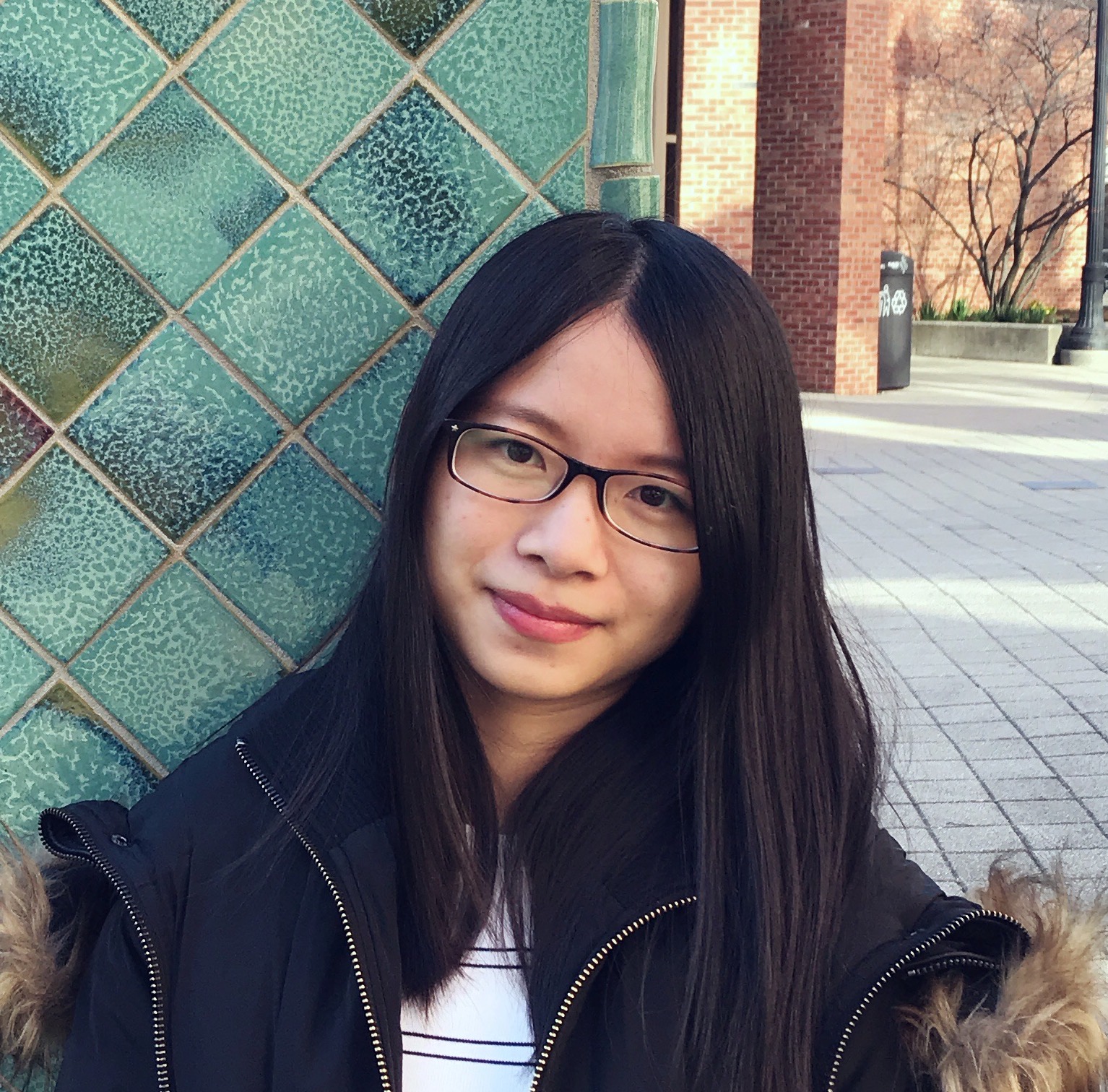
Lisandra (Lia) Costiner is an Assistant Professor in the History of Art (Digital Art History) at Utrecht University's Faculty of Humanities. She specializes in late-medieval and early-modern visual culture through digital methodologies. Trained at University of Oxford (MSt, PhD), Harvard University (BA), and MIT Postdoctoral experience at Villa I Tatti (Florence) and EPFL (Switzerland) Founded international (En)coding Heritage Network and co-leads Oxford X-Reality Hub Her research combines computational analysis of paintings, manuscripts, and artifacts with mixed reality applications. Current projects include two Netherlands eScience Center-funded initiatives. Scientific Awards & Grants: Swiss Government Excellence Scholarship Delmas Foundation Grant Renaissance Society of America Support NWO Open Competition XS Funding
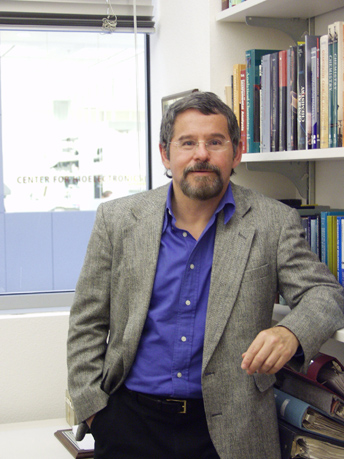
Professor Roland J. Pieters is a distinguished academic at Utrecht University's Faculty of Science, where he serves as a full Professor in the Department of Chemical Biology and Drug Discovery. With over two decades of experience at the institution, he has progressed from Assistant Professor (1998) to Associate Professor (2005) and ultimately to Full Professor (2010-present). His research group is internationally recognized for groundbreaking work at the intersection of carbohydrate chemistry, chemical biology, and drug discovery, with particular emphasis on developing novel therapeutic approaches against bacterial infections and pathogenic mechanisms. Full Professor, Utrecht University (2010-present) Associate Professor, Utrecht University (2005-2010) Assistant Professor, Utrecht University (1998-2005) NWO Talent Post-doctoral Fellow, ETH-Zürich (1995-1996) Postdoctoral Researcher, University of Groningen (1996-1998) Professor Pieters earned his M.Sc. in Organic Chemistry from the University of Groningen in 1990, where he worked with Professor Ben Feringa, and completed his Ph.D. at MIT in 1995 under the supervision of Professor Julius Rebek Jr. His doctoral research focused on molecular recognition and template effects in bisubstrate systems, establishing the foundation for his lifelong interest in molecular interactions. Professor Pieters' research primarily centers on glycodrugs and the strategic interference with protein-carbohydrate interactions using multivalent systems of varying architectures. His laboratory has made significant contributions to understanding how rigid spacers in multivalent ligands can dramatically enhance binding affinity to target proteins, with applications against viral and bacterial adhesion proteins, toxins, galectins, and glycosidases. A particular focus has been on developing inhibitors for Pseudomonas aeruginosa lectin LecA, cholera toxin, influenza virus hemagglutinin, and more recently, SARS-CoV-2 spike protein interactions with host cell receptors. His group also pioneered the use of glyco- and peptide-microarrays for high-throughput screening of carbohydrate-protein interactions and drug discovery, particularly in the area of O-GlcNAcylation research. The publication record of Professor Pieters demonstrates consistent innovation in the field of multivalent carbohydrate-based therapeutics. His recent work (2020-2024) shows a strategic expansion into viral pathogenesis (particularly influenza and SARS-CoV-2), immune modulation through glycan recognition, and novel approaches to vaccine development. A notable trend is the increasing sophistication of multivalent architectures, moving from simple divalent systems to tetra- and hexavalent ligands with precisely engineered spatial arrangements. His research bridges fundamental chemical principles with practical therapeutic applications, maintaining strong connections to pharmaceutical development while advancing basic science understanding of carbohydrate-mediated biological processes. Professor Pieters' scientific achievements have been recognized with prestigious awards including a Fellowship from the Royal Netherlands Academy of Arts and Sciences (KNAW) in 1999 and a VICI personal grant from the Netherlands Organisation for Scientific Research (NWO) in 2008. These competitive awards reflect the significance and innovation of his research program. He has also served on editorial advisory boards, notably as Section Editor-in-Chief for Chemical Biology in the journal Molecules (2018-2022), contributing to the scholarly community through peer review and academic leadership. Fellowship of Royal Netherlands Academy of Sciences (KNAW), 1999 VICI, personal grant, NWO, 2008 Section Editor-in-Chief Chemical Biology for Molecules (2018-2022) Throughout his career, Professor Pieters has coordinated significant research projects including the EU project POLYCARB and secured competitive funding that has sustained his innovative research program. His laboratory has fostered numerous collaborations across Europe and internationally, creating a vibrant research environment that has trained many scientists now working in academia and industry. His research on multivalent carbohydrate systems represents a sustained intellectual contribution to chemical biology with direct relevance to developing new anti-infective strategies and therapeutic approaches. Professor Pieters leads an active research group within Utrecht University's Department of Chemical Biology and Drug Discovery, situated in the David de Wied Building. His laboratory maintains strong connections with other research groups both within Utrecht University and internationally, particularly in the fields of glycobiology, infectious diseases, and drug discovery. The research environment he has cultivated emphasizes interdisciplinary approaches, combining synthetic chemistry, biophysical analysis, and biological testing to address fundamental questions in carbohydrate-mediated biological processes with therapeutic applications.
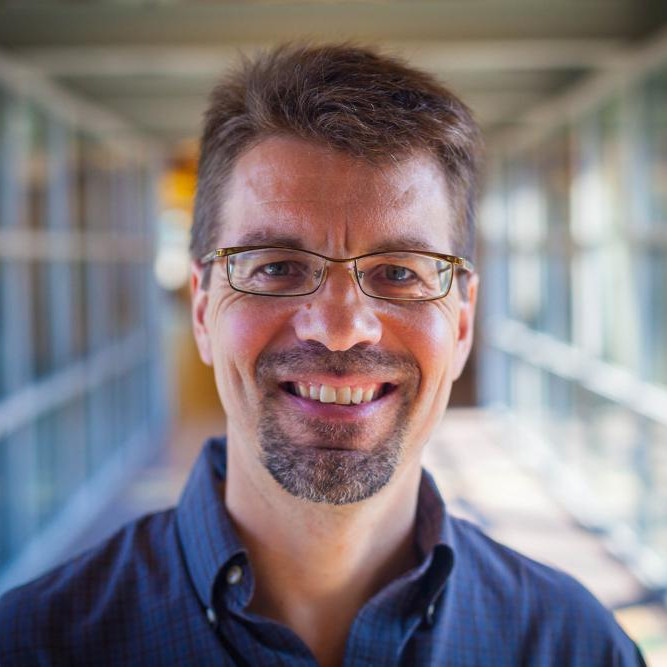
Philip Boone, MD, PhD, is an Attending Physician in the Division of Genetics and Genomics at Boston Children's Hospital and an Instructor of Pediatrics at Harvard Medical School. He specializes in medical genetics with particular expertise in rare disorders, medical mysteries, deletion and duplication syndromes, and Cornelia de Lange syndrome. Dr. Boone sees patients at Boston Children's Brookline location (2 Brookline Place, 7th Floor) and provides comprehensive genetic care including diagnostics, counseling, and individualized management. Stanford University (Undergraduate, 2006) Baylor College of Medicine (Graduate & Medical School, 2013-2014) Boston Combined Residency Program (Internship & Residency, 2016-2020) Harvard Medical School Genetics Training Program (Fellowship, 2020) Dr. Boone's research focuses on neurodevelopmental disorders, chromatin regulation, and genetic diagnostics. His work spans from fundamental genetic mechanisms to clinical applications, with particular emphasis on cohesinopathies including Cornelia de Lange syndrome. He has contributed significantly to understanding genetic variants associated with growth disorders, developmental features, and structural chromosomal abnormalities. His research combines advanced genomic technologies with clinical insights to improve diagnosis and management of rare genetic conditions. Analysis of Dr. Boone's publication record reveals a strong focus on medical genetics with emphasis on neurodevelopmental disorders, chromatin regulation, and genetic diagnostics. His work spans basic research on gene function and regulation to clinical applications in rare disease diagnosis. A notable trend is his investigation of cohesin complex disorders, particularly SMC3 variants and their relationship to Cornelia de Lange syndrome. His publications demonstrate expertise in both traditional genetic analysis and cutting-edge genomic technologies including long-read sequencing and telomere-to-telomere assembly. Dr. Boone actively contributes to medical education through publications on genetic diagnostics and distance learning resources for medical genetics. He has co-authored educational materials that help advance the field's knowledge base and training capabilities. As an attending physician in the Division of Genetics and Genomics at Boston Children's Hospital and a research fellow in the Center for Genomic Medicine at Massachusetts General Hospital, Dr. Boone works within one of the largest pediatric genetics practices in the country. The division includes over 30 board-certified clinical geneticists, genetic counselors, dieticians, and nursing staff who provide comprehensive care for patients with both common and extremely rare genetic conditions.
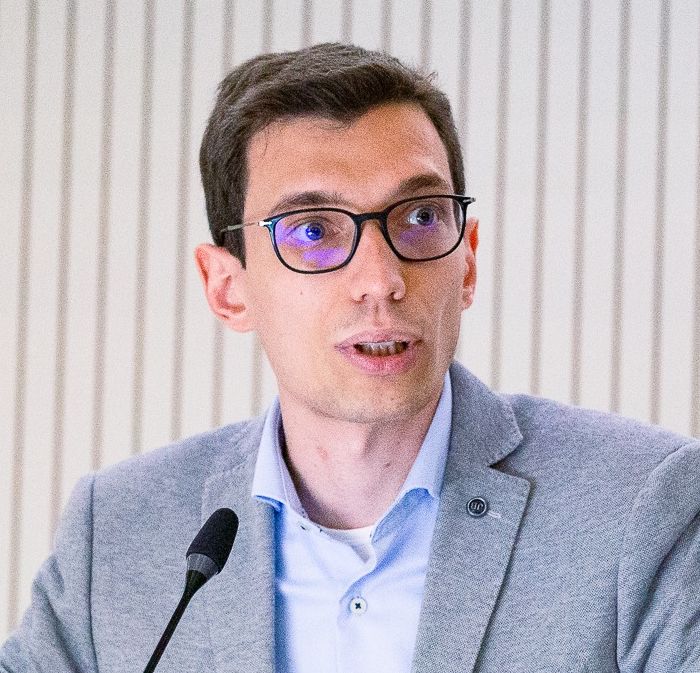
Ziyu Yao is an Assistant Professor in the Department of Computer Science at George Mason University , co-leading the George Mason NLP Group . He is affiliated with the C4I & Cyber Center , Center for Advancing Human-Machine Partnership , and Institute for Digital InnovAtion at GMU. PhD in Computer Science and Engineering from Ohio State University (2021) Internships: Microsoft Semantic Machines, Carnegie Mellon University, Microsoft Research, Fujitsu Lab of America, Tsinghua University Research Interests: Focus on Natural Language Processing (NLP) and Artificial Intelligence (AI) , particularly advancing LLM systems through knowledge grounding , reasoning , and planning . Key areas include: Mechanistic Interpretability for LLMs Interactive Semantic Parsing/Code Generation Responsible and Trustworthy NLP Interfaces Interdisciplinary Applications in Mathematics Education and Network Communication Recent Articles (2024-2025) explore trends in LLM cascading for cost efficiency, mechanistic interpretability surveys, vision-language model reasoning, and interdisciplinary educational technology. Collaborations span institutions like Microsoft Research , William & Mary , and University of Cambridge . Scientific Awards: Presidential Fellowship (OSU Graduate School, 2020) Graduate Student Research Award (OSU CSE, 2021) Top Reviewer at NeurIPS 2023 Advising & Grants: Mentors PhD students like Murong Yue , Hao Yan , and Mohamed Aghzal . Leads NSF projects on AI-driven Mathematics Education and LLM Interpretability , alongside grants from Commonwealth Cyber Initiative and Microsoft Accelerate Foundation Models Research . Organized workshops at COLM 2025 and ICML 2025 . Labs & Teams: Co-leads the NLP Lab at GMU and collaborates with the MathVC NSF Project team (w/ Jennifer Suh, William & Mary). Develops platforms like Gentopia for tool-augmented LLMs and IntelliExplain for non-professional programmers.
Tomaso A. Poggio is the Eugene McDermott Professor in the Department of Brain and Cognitive Sciences at the Massachusetts Institute of Technology , an investigator at the McGovern Institute for Brain Research , a member of the Computer Science and Artificial Intelligence Laboratory (CSAIL) , and the director of both the MIT Center for Biological and Computational Learning (CBCL) and the multi-institutional Center for Brains, Minds and Machines (CBMM) . Research Interests Poggio’s research is fundamentally interdisciplinary, sitting at the intersection of computational neuroscience , machine learning , and computer vision . His work is driven by the conviction that learning is the core gateway to both biological intelligence and artificial systems. Current themes include: Mathematical foundations of statistical learning theory Engineering applications in computer vision, graphics, bioinformatics, and intelligent search Computational neuroscience of visual object recognition and the ventral stream of the visual cortex Scientific Awards & Honors Eugene McDermott Professorship, MIT Advising & Grants Over three decades, Poggio has advised a large cohort of doctoral and master’s students whose theses span machine learning, computer vision, neuroscience, and bioinformatics. Representative graduates include H. Jhuang, Stanley Bileschi, Jacob Bouvrie, Jennifer Louie, M. Kouh, Sayan Mukherjee, Ryan Rifkin, Alexander Rakhlin, Thomas Serre, Gene Yeo, and many others. His research has been continuously supported by major federal and private funding initiatives, most recently through the multi-institutional Center for Brains, Minds and Machines (CBMM) headquartered at the McGovern Institute since 2013. Laboratories & Teams Poggio directs the Poggio Lab (CBCL) at MIT, an interdisciplinary group comprising neuroscientists, computer scientists, mathematicians, and engineers. The lab collaborates closely with experimental neuroscientists to develop predictive computational theories of visual cortex function and to translate those insights into practical algorithms for computer vision and machine learning.
Dr. Tatsuya Mori is a Professor at the Department of Computer Science and Communication Engineering , Faculty of Science and Engineering, Waseda University . He also holds visiting researcher positions at RIKEN Center for Advanced Intelligence Project (since 2018) and National Institute of Information and Communications Technology (since 2019). Education: Ph.D. in Information Science (2005), Waseda University Research Interests: Spanning information security and privacy across emerging technologies like autonomous driving , AI , 3D sensing , VR , biometric measurement , and Web3 . His work focuses on offensive security and interdisciplinary research , including physical-layer attacks on sensors and behavioral studies on phishing detection. Scientific Awards: Recipient of multiple prestigious awards, including the Distinguished Paper Award Runners-Up at IEEE EuroS&P 2024 , IPSJ Outstanding Paper Award 2024 , and CSS2024 Concept Research Prize . His research has been recognized in top conferences like USENIX Security , NDSS , and ACM CCS . Professional Leadership: Active in academic governance as Chief Investigator for NISC Working Groups and Committee Member for JST Research Areas . He serves on program committees for NDSS , IMC , and ACM CCS .
Dr. Joseph Wang is the Distinguished Professor of Nanoengineering and the SAIC Endowed Chair at UC San Diego. He leads the NBE Lab and directs the Center of Wearable Sensors and the Center for Mobile-health Systems. With over 50 researchers in his team, his work focuses on nanomachines, wearable sensors, electrochemistry, and analytical chemistry. His global citation ranking places him #13 in Chemistry and #31 in Materials Science, with an H-index of 217 and over 180,000 citations. He has been a Highly Cited Researcher since 2014 and ranks #4 in Nanoscience & Nanotechnology in the 2025 World Top 100 Scientists list. His research has led to groundbreaking innovations, including microrobots for lung cancer treatment, multiplexed microneedle sensors, and wearable devices for real-time health monitoring. He has been honored with prestigious awards such as the 2024 ACS Award in Analytical Chemistry, IEEE Sensors Council Award, and IUPAC Medal. He holds honorary doctorates from Comenius University and Charles University, and Woxsen University named its Chemistry Department after him. Key contributions include pioneering work in biohybrid microrobots, self-healing wearable devices, and sweat-based health monitoring systems. His lab’s work has been featured in Nature, Science, and The Economist. He co-authored influential books like Analytical Electrochemistry (4th ed.) and Nanomachines , and his research spans clinical applications, environmental sensing, and personalized medicine.
Julian Berger is a postdoctoral researcher at the Max Planck Institute for Human Development in the Center for Adaptive Rationality , where he explores how to enhance decision-making through hybrid human-AI systems. He is also a fellow of the Joachim Herz Foundation and has received funding from the Foundation of German Business and the Danish Data Science Academy. Education: M.A. Psychology in Business and Economics, Universidade Catolica Portuguesa (2021) B.A. Politics, Administration and International Relations, Zeppelin Universität (2018) His research spans human-AI collaboration , collective intelligence , and interpretable machine learning . A recurring theme in his work is developing methods to combine human expertise with AI capabilities for accuracy in domains like medical diagnostics , credit scoring , and football analytics . He has authored publications in high-impact venues such as PNAS , Nature Human Behavior , and Science and Medicine in Football . Scientific awards and funding include: Fellowship for interdisciplinary economics, Joachim Herz Foundation (2024) PhD funding from the Foundation of German Business (Stiftung der deutschen Wirtschaft) Research grant from the Danish Data Science Academy His recent article trends emphasize ensembling techniques that leverage complementary human and AI errors, algorithmic fairness, and practical heuristics like Hybrid Confirmation Trees. These works demonstrate significant improvements in diagnostic accuracy and decision cost-efficiency. Beyond academia, Berger works as a consultant and ML engineer with Simply Rational , focusing on interpretable models for financial and sports analytics. His work bridges theoretical research with real-world applications, prioritizing fairness, transparency, and human accountability in AI systems.
Professor Markus Helfert is a leading academic in Digital Service Innovation and Digital Transformation at Maynooth University's School of Business . He serves as Director of the Innovation Value Institute , Hub for Data and Digital Research, and holds Science Foundation Ireland Principal Investigator roles at Lero – The Irish Software Research Centre and Adapt Research Centre. His research spans Service Innovation , Artificial Intelligence , Intelligent Transportation Systems , FinTech , and Enterprise Architecture , with active involvement in European Standardisation initiatives.
Jonna Häkkilä is a Professor of Industrial Design at the Faculty of Art and Design, University of Lapland and serves as Vice Dean (Research). She holds a Docent title in Human-Computer Interaction and Computer Science from the University of Oulu (since 2011). Her primary research group is LUX (Lapland User Experience Design). Research focuses on user-centered design, wearable technology, cultural heritage digitization, and ethical technology integration with marginalized communities. She leads projects like the MAGICS National Infrastructure for Human in the Digital World and Indigenous Digital Storytelling with New Media. Awards include Best Demo Award at Pervasive Displays 2019 and Best Paper Award at MUM 2017. Active in organizing international conferences and supervising 3 doctoral works. Engaged in Arctic resilience initiatives through co-creative methodologies.
David Evan Harris is a Senior Research Fellow at the International Computer Science Institute (ICSI) and a Chancellor’s Public Scholar at the University of California, Berkeley. He serves as a Continuing Lecturer at the Haas School of Business and Senior Advisor for AI Ethics at the Psychology of Technology Institute. He is affiliated with multiple UC Berkeley centers, including CITRIS, the Center for Latin American Studies, EGAL, and the Business and Public Policy Group. M.S., Sociology, University of São Paulo B.A., Political Economy of Environment & Development, UC Berkeley His research focuses on AI ethics, misinformation, civic technology, social media policy, and global development. He explores deceptive design, digital literacy, and the societal impacts of AI, with a particular emphasis on democratic governance and human rights. His recent publications highlight AI ethics, regulatory challenges in AI governance, and international policy frameworks. Earlier work spans social movements, open knowledge, and poverty visualization. David teaches UC Berkeley courses including AI Ethics for Leaders, Civic Technology, and Futures Thinking. He founded the Global Lives Project in 2004 and previously led research at the Institute for the Future (2008–2018). Fluent in English, Portuguese, and Spanish, he has conducted research in 37 countries.
Thomas Berger is a Professor at the University of Hohenheim , affiliated with the Faculty of Agricultural Sciences and leading the Department of Economics of Land Use . He also contributes to the Computational Science Hub and Hohenheim Tropics initiatives. Focus Areas: Climate change adaptation, land-use modeling, biodiversity-productivity trade-offs, agent-based simulation, and machine learning in agricultural systems. Key Projects: Simulation frameworks for smallholder resilience in Ethiopia, bioeconomic modeling in the Amazon, and hybrid intelligence applications in European agricultural policy. Recent Publications: 2025 study on climate change effects on insecticide reduction in Germany, 2024 work on reconciling biodiversity with productivity via hybrid models, and 2023 methodological contributions to surrogate modeling and seasonal forecast integration. Research Trends: Interdisciplinary integration of climate science, agricultural economics, and computational modeling, with increasing emphasis on AI-assisted decision support systems and sustainability policy validation. Teaching & Outreach: Offers Agricultural Economics seminars and Hohenheim Tropics discussions, requiring advance email registration for office hours.
Ken Koedinger is a University Professor at Carnegie Mellon University (CMU), holding appointments in the School of Computer Science (Human-Computer Interaction Institute) and the Dietrich College of Humanities and Social Sciences (Department of Psychology). He is the co-founder of Carnegie Learning, Inc., and directs the LearnLab, now the scientific arm of CMU’s Simon Initiative. His research focuses on cognitive modeling, intelligent tutoring systems, and the science of learning. Dr. Koedinger has over 250 peer-reviewed publications and has been awarded prestigious titles such as the Hillman Professorship of Computer Science and Fellow of the Cognitive Science Society. Education: Ph.D. in Cognitive Psychology (CMU, 1990), M.S. in Computer Science (University of Wisconsin, 1986). Prior to academia, he taught in an urban high school, informing his interdisciplinary approach to education research. Research Interests: Cognitive modeling, educational technology, learning analytics, and the integration of AI into learning systems. Key projects include Cognitive Tutors, LearnLab, and the Pittsburgh Science of Learning Center. Awards: Over 30 grants from NSF, Department of Education, and private foundations, including major contributions to K-12 math education and AI-driven personalized learning. Advising: Supervised over 30 graduate students, many now leading roles in academia and industry. Current students focus on AI ethics, scalable education, and mixed-reality learning.
Rajesh Krishna BALAN is a Full-Time Professor at the School of Computing and Information Systems (SCIS) at Singapore Management University (SMU) . His research focuses on Human-Machine Collaborative Systems , Pervasive Sensing , and Health & Wellbeing technologies. Based in Singapore, he leverages mobile computing to address urban sustainability and quality-of-life challenges. PhD from Carnegie Mellon University (2006) Specializes in WiFi sensing , VR/AR , and health monitoring Advises PhD students in areas like urban mobility , empathetic design , and cyber-physical systems Beyond academia, BALAN's work bridges ubiquitous computing and public health , with applications in ageing populations , mental health analytics , and smart city optimization . His recent publications highlight cross-disciplinary approaches to sleep analysis , group behavior modeling , and contactless physiological sensing . BALAN actively contributes to educational technology through projects like Technology-Enhanced Learning frameworks. He is also a mentor in collaborative research areas including biomedical informatics and lifestyle monitoring , with a focus on mobile GPU optimization and low-power systems .
Lorenzo Baraldi is an Associate Professor at the University of Modena and Reggio Emilia, where he leads research in deep learning, vision-language integration, and multimodal AI systems. He serves as an ELLIS Scholar and Coordinator of the Modena ELLIS Unit, and has held the position of deputy director at the Interdepartmental Center on Digital Humanities since 2021. Previously, he worked at Facebook AI Research laboratory in Paris in 2017, developing video-matching algorithms for content moderation. His research spans multiple areas including Vision-and-Language integration, Multimodal Retrieval, Image and Video Captioning, Visual-Semantic alignment, Large-Scale model development, High Performance Computing, and Embodied AI. With over 120 publications in international journals and conferences, his work demonstrates consistent contributions to advancing multimodal AI capabilities. He has served as an Associate Editor for Computer Vision and Image Understanding and Pattern Recognition, and as Area Chair for major conferences including ICCV, WACV 2026, and ACM Multimedia 2025. His recent publication record shows significant impact in the field, with multiple papers accepted to top-tier conferences in 2024-2025 including CVPR, ICCV, BMVC, ICLR, ECCV, and NeurIPS. Notably, his paper "Hyperbolic Safety-Aware Vision-Language Models" was selected as a highlight paper at CVPR 2025. His research often involves collaboration with Rita Cucchiara and other researchers at his institution. ELLIS Scholar and Coordinator of the Modena ELLIS Unit Associate Editor for Computer Vision and Image Understanding Area Chair for ICCV and major multimedia conferences Highlight paper at CVPR 2025 Professor Baraldi teaches courses in Computer Vision and Cognitive Systems, Scalable AI, and Computer Architecture for the Artificial Intelligence Engineering and Computer Engineering programs. His teaching spans both undergraduate and graduate levels, with a focus on providing students with both theoretical foundations and practical implementation skills. He has developed educational materials including Deep Learning tutorials for classroom instruction.