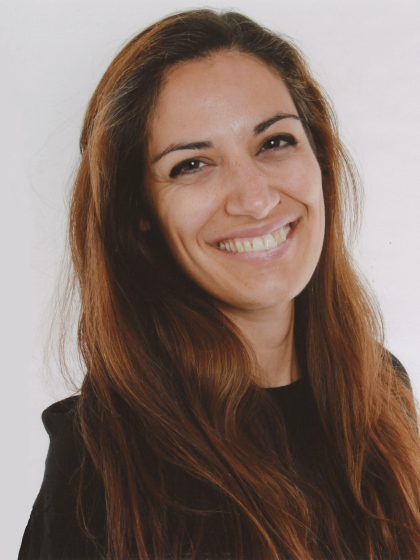
Cristina Batista Paulino is an Associate Professor and Head of the cryo-EM unit at the University of Groningen's Faculty of Science and Engineering. She leads the Enzymology group within the Groningen Biomolecular Sciences and Biotechnology department. Her research focuses on structural biology, particularly membrane proteins and cryo-electron microscopy, elucidating transport mechanisms in membrane proteins. Education: PhD in Biophysics (2014, Max-Planck Institute under Prof. Werner Kühlbrandt), postdoc at the University of Zurich (Prof. Raimund Dutzler). Joined the University of Groningen as an Assistant Professor in 2017, promoted to Associate Professor thereafter. Research Interests: Structural-functional studies of membrane transporters and channels, cryo-EM applications in membrane biology, and protein-lipid interactions. Key projects include understanding the structure-function relationship in ABC transporters and ion channels. Grants & Awards: ENW-KLEIN grant (2021, €700k) for OpuA transporter research, NVBMB Prize 2020, Marie Skłodowska-Curie Fellowship (2017). Labs/Teams: Heads the cryo-EM facility, collaborates with the Electron Microscopy Group and Membrane Enzymology Group.
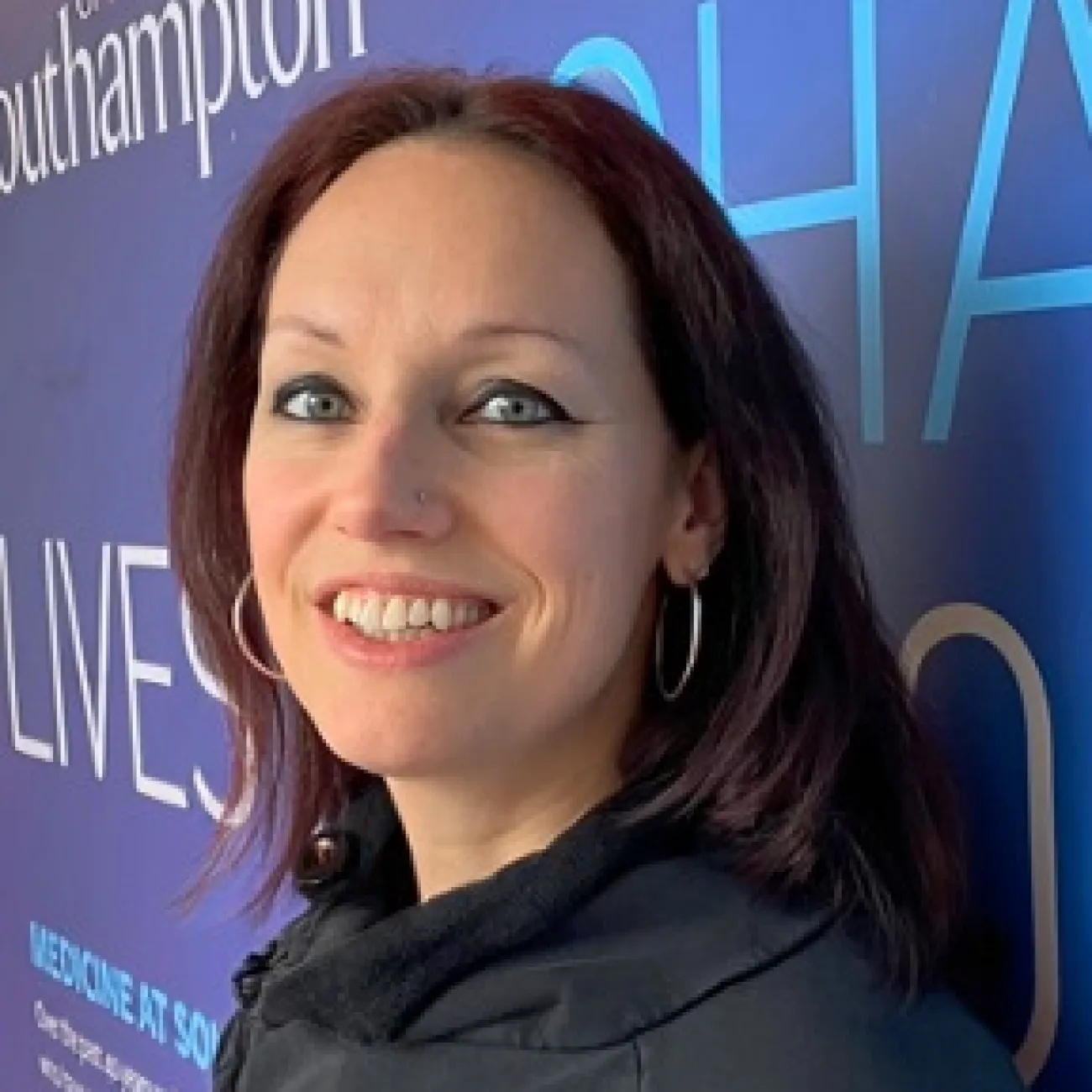
Dr. Zoë Walters is an Associate Professor in Translational Epigenomics at the University of Southampton, affiliated with the Faculty of Medicine and Cancer Sciences department. She leads the MSc Genomics program's Genomics Guided Treatment and Dissertation modules and contributes to BMedSci teaching. Her research focuses on epigenetic mechanisms in cancer and developmental disorders, particularly targeting therapies for pediatric cancers like neuroblastoma and rhabdomyosarcoma. She collaborates on projects addressing therapy resistance, tumor microenvironment dynamics, and precision medicine approaches. Current research includes investigating EZH2 inhibitors in combination therapies, leveraging omic data for sarcoma treatment, and understanding mechanisms of therapeutic resistance. She has received awards such as the Norman Williams Prize (2024) and Young Investigator Award (2023). Her lab also explores AI applications in clinical decision-making for oesophageal cancer. Zoë has supervised numerous PhD students and contributed to over 10 peer-reviewed publications. She serves on editorial boards (e.g., Frontiers in Cell and Developmental Biology) and reviews for journals like Nature Communications and Clinical Epigenetics. Her work spans interdisciplinary collaborations, including with engineering and computer science teams for AI-driven oncology solutions.
Yan Yan is an Assistant Professor at the School of Computer Science, University of Guelph. His research focuses on bioinformatics, multi-omics analysis, and AI-driven computational models for understanding biological processes. His lab develops algorithms for genome-wide association studies, single-cell RNA-seq analysis, and de novo peptide sequencing, with applications in plant genomics and digital agriculture. Education : Not explicitly stated, but his publications suggest advanced training in bioinformatics and computational biology. Research Interests : Bioinformatics, Machine Learning, Big Data Analysis, Statistical Association, and AI applications in agriculture. His work integrates artificial intelligence with omics data to uncover disease mechanisms and improve agricultural practices. Recent trends in his publications emphasize robotics, structural health monitoring, and environmental sensing using hybrid neural networks and deep learning techniques. Grants & Awards : No awards explicitly listed, but his prolific publication record indicates sustained research activity. Advising & Labs : Advises students like B S Puliparambil and J Tomal. His lab actively collaborates on projects involving AI in agriculture, robotics, and structural engineering. Current initiatives include digital twins for human-robot collaboration and precision livestock monitoring systems. Labs/Teams : Leads a computational biology and AI lab focusing on multi-omics integration and smart agriculture solutions.
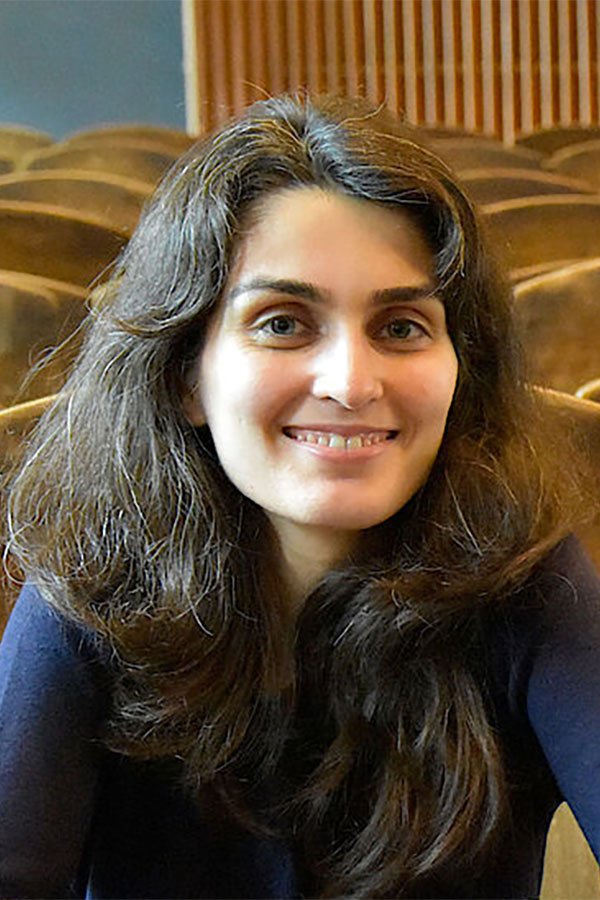
Dr. Setareh Maghsudi is a Professor in the Learning Technical Systems group at the Faculty of Electrical Engineering and Information Technology at Ruhr-University Bochum. She joined Ruhr-University Bochum in August 2023 after serving as an Assistant Professor at the University of Tübingen (2020-2023) and at the Technical University of Berlin (2017-2020). Her academic journey began with an M.Sc. from Kiel University (2008-2010), followed by her Ph.D. and postdoctoral work at Technical University of Berlin (2011-2015), Yale University (2016-2017), University of Manitoba (2015-2016), and Kyushu University (2019). Dr. Maghsudi's research focuses on the application of machine learning to communication networks and distributed systems, with particular emphasis on bandit algorithms, federated learning, and resource allocation in dynamic environments. Her work bridges theoretical machine learning with practical networking challenges, developing algorithms that can adapt to non-stationary environments with partial information. She has made significant contributions to multi-armed bandit frameworks for wireless communications, edge computing, and network optimization. Her recent publications (2023-2025) demonstrate a strong trend toward addressing challenges in integrated sensing and communication (ISAC), federated learning for edge networks, and non-stationary decision-making problems. The publications show expertise spanning theoretical machine learning foundations, wireless communications engineering, and practical implementation for real-world networked systems. Her work increasingly incorporates causal reasoning and robustness considerations into learning frameworks for communication systems. Dr. Maghsudi leads the Learning Technical Systems research group at Ruhr-University Bochum, where she supervises PhD students and postdoctoral researchers working at the intersection of machine learning and communication systems. Her research is supported by various grants focusing on AI for future communication networks. Current projects include developing AI-driven solutions for next-generation communication systems with emphasis on robustness, efficiency, and adaptability in dynamic environments.
Dr. Adam Wood is an Assistant Professor of Engineering at Saint Vincent College since 2020. He holds a Ph.D. in Mechanical Engineering from Carnegie Mellon University, an M.S. from the University of Illinois at Urbana-Champaign, and a B.S. from the University of Pittsburgh. His research focuses on sustainable water purification, microfabrication, and plant biology, particularly exploring biomimetic solutions for desalination using plant-derived materials and food waste. He actively engages students in research projects and career development. Dr. Wood’s work emphasizes environmental sustainability through innovative materials science, including carbon electrodes from bread and mangrove roots. His publications span desalination technologies, microfluidic cell studies, and soft robotics. He teaches courses such as Statics, Materials Engineering, and Design with Modern Materials. While no awards are explicitly noted, his research contributions highlight interdisciplinary approaches to global challenges like water scarcity and renewable materials. His advising and grants section remains underdeveloped in available texts, but his labs focus on biomimetic engineering and sustainable systems. Collaborations include studies on tumor cell behavior in soft matrices and chemotactic cell responses in microfluidics.
Kenny CHNG is a Full-time Associate Professor of Law and Acting Director at the Yong Pung How School of Law, Singapore Management University (SMU). He holds a DPhil in Law (candidate) from the University of Oxford, an LL.M. from Harvard Law School (2018), and an LL.B. (summa cum laude) from SMU (2012). His academic career spans roles from Lecturer (2016–2018) to Assistant Professor (2018–2023) and Senior Tutor at SMU. Education: DPhil in Law (Candidate), University of Oxford LL.M., Harvard Law School (2018) LL.B. (summa cum laude), Singapore Management University (2012) Kenny’s research centers on constitutional and administrative law, with a focus on judicial review, equal protection doctrine, and private international law. His work explores theoretical foundations of stare decisis, ouster clauses, and legitimate expectations in Singapore and comparative jurisdictions. His publications include analyses of constitutional equality, substantive review, and judicial restraint in Singapore, as well as articles on contract law and environmental governance. He has contributed to journals such as the Singapore Journal of Legal Studies , Legal Studies , and International Journal of Constitutional Law . Scientific Awards: HKU Faculty of Law Outstanding Early Career Visiting Fellowship (2025) Senior Hulme Scholarship, University of Oxford (2025) SMU Most Outstanding Teacher Awards (AY23-24, AY21/22, AY20/21) SMU Lee Kong Chian Fellowships (AY23/24, AY22/23, AY21/22, AY20/21) MOE-START Overseas PhD Scholarship (2016) His work intersects theoretical and doctrinal legal studies, with a growing emphasis on administrative policies, constitutional change, and cross-jurisdictional comparisons (UK, Hong Kong, Singapore). He has earned recognition for teaching excellence and scholarly contributions to emerging constitutional frameworks.
Mia L. Huang is an Associate Professor in the Department of Chemistry at Scripps Research, with joint appointments in the Integrative Structural & Computational Biology and Skaggs Graduate School of Chemical and Biological Sciences. Her research focuses on chemical glycobiology, particularly the role of glycans in stem cell differentiation, musculoskeletal biology, and cancer. She employs synthetic chemistry, mass spectrometry, and protein engineering to study glycan-protein interactions. Education: Ph.D. in Chemistry from New York University (2012); B.A. in Chemistry from CUNY Queens College (2007). Research Interests: The Huang Lab develops strategies to elucidate how glycans regulate biological processes. Key projects include studying glycan-mediated interactions in stem cells, musculoskeletal systems, and cancer, using innovative techniques like proximity labeling and glycan engineering. Awards: NIH K99/R00 Pathway to Independence Award (2017) Alfred P. Sloan Research Fellowship in Chemistry (2023) Ono Pharma Breakthrough Science Initiative Awardee (2023) Ellen Browning Scripps Foundation Awardee (2023) Lab Activities: The lab actively collaborates on projects involving surfaceome profiling and glycoprotein interaction mapping. Recent highlights include welcoming visiting scholars Rik Rijkers and Cai Cai Meng, along with summer interns Anastasia and Anthony. The lab also emphasizes interdisciplinary training and innovation in glycobiology.
Dr. Vivek Bajpai is an Assistant Professor in the Department of Sustainable Chemical, Biological and Materials Engineering at the University of Oklahoma. He leads the Bajpai Lab, focusing on interdisciplinary research at the intersection of Engineering, Biology, and Medicine. His work integrates genome editing, stem cell biology, and systems biology to develop interventions for human health and environmental challenges. Education: Ph.D. in Chemical Engineering, University at Buffalo-SUNY, 2015 M.S. in Biological Sciences & Bioengineering, Indian Institute of Technology Kanpur, 2008 M.B.B.S. in Medicine & Surgery, Maharani Laxmi Bai Medical College, 2005 Research Interests: Dr. Bajpai’s lab explores genome engineering, CRISPR-based screening, functional genomics, and pluripotent stem cell applications. Key areas include disease modeling, biomarker discovery, and synthetic biology approaches to address challenges in regenerative medicine and drug development. The lab combines cutting-edge technologies like microfluidics and systems biology to study cellular processes and develop novel therapies. Recent Research Trends: Publications highlight advancements in CRISPR screening for pigmentation determinants, cross-species embryo engineering using iPSCs, and microfluidic assays for cancer metastasis prediction. These studies underscore his lab’s focus on translational applications of stem cells and genetic tools. Awards & Recognition: 2024: Research & Creative Activity Award, University of Oklahoma 2023: NIH Maximizing Investigator Research Award (MIRA) 2018: Mansour Award, Stanford University Advising & Grants: Dr. Bajpai has secured grants from NIH and the Oklahoma Center for Adult Stem Cell Research. His lab collaborates on projects involving stem cell engineering, drug discovery, and tissue regeneration. He mentors students in biomedical engineering and molecular biology. Labs & Teams: The Bajpai Lab is part of the Sarkeys Energy Center and collaborates with institutions like Stanford University and the University of California. Research initiatives include projects on melanogenesis, skeletal evolution, and microfluidic diagnostic tools.
Xiaolong Luo is an Associate Professor in the Department of Mechanical Engineering at The Catholic University of America's School of Engineering. He specializes in microfluidics, biofabrication, and mechatronics, directing the Integrated BioMicroFluidics (iBMF) Laboratory. His work bridges engineering and biology, focusing on microscale device development for applications in drug discovery, tissue engineering, and biosensing. Ph.D., Bioengineering, University of Maryland (2008) M.S., Mechanical Engineering, Temple University (2003) B.E., Mechatronics, Zhejiang University (2001) Research Interests: Dr. Luo's research centers on microfluidics and biofabrication , utilizing biopolymers like chitosan and alginate to create 3D hydrogels, membranes, and Lab-on-a-Chip devices. His projects address challenges in protein/metabolic engineering , cell-cell communication , and synthetic ecosystems , with implications for human health and drug discovery . Article Trends: Recent publications highlight advancements in biopolymer membrane engineering (chitosan/alginate), microfluidic disease modeling (oral mucositis), and antibiotic susceptibility testing . His work also explores multi-species microbial interactions , chemotaxis quantification , and optical biosensing using holography and birefringence. Scientific Awards: Burns Junior Faculty Fellowship (2013) NSF CAREER Award (2016) Kaman Excellence in Research Award (2016) Young Faculty Scholar's Award (2017) GSA Dissertation Grant (2020) Sigma Xi Research Grant (2021) Cosmos Club Scholar (2022) Advising & Grants: He has mentored over 20 graduate and undergraduate students, including recipients of the Edward Hennessy Scholarship and Best Oral Presentation Awards. His grants include an NSF CAREER award ($500K, 2016-2021) and NIH internship supplements . Collaborations span institutions like NIH, FDA, and University of Maryland. Labs & Teams: The iBMF Lab develops Lab-on-a-Chip platforms for applications in protein engineering , microbial interactions , and tissue modeling . Recent projects include a reusable chemotaxis device and electrofabricated membranes for water purification and 3D cell assembly .
Christie M. Sayes is a Professor in the Department of Environmental Science at Baylor University's College of Arts & Sciences. She also holds adjunct professorships at Texas A&M University's College of Veterinary Medicine & Biomedical Sciences and the University of North Carolina at Greensboro's Joint School of Nanoscience. Her research is centered on environmental health and safety, particularly in nanotechnology and nanotoxicology, with a focus on exposure characterization, material behavior, and hazard assessment across biological and environmental systems. Her research interests lie at the intersection of advanced materials, human health & safety, and environmental exposure . Dr. Sayes investigates the fate, transformation, and biological effects of engineered nanoparticles using in vitro models such as lung and intestinal co-cultures at the air-liquid interface. Her work emphasizes material characterization, exposure kinetics, hazard identification, and mechanistic toxicology , aiming to develop safer nanomaterials and formulations. She has extensive experience in physicochemical analysis and toxicological screening of nanomaterials, microplastics, and disinfection byproducts. The trends in her recent publications highlight a strong focus on nanoparticle toxicity, microplastic impacts, inhalation toxicology, and water contaminant interactions . Her studies span antibacterial nanoparticles, oxidative stress mechanisms, cytotoxicity of vaping ingredients, and the biological effects of disinfection byproducts. She frequently employs advanced in vitro models to simulate real-world exposures and assess health risks, contributing significantly to regulatory science and environmental safety. Scientific Affiliations and Leadership: Adjunct Professor, Department of Veterinary Physiology and Pharmacology, Texas A&M University Adjunct Professor, Department of Nanoscience, University of North Carolina, Greensboro Past President, North Carolina Chapter of the Society of Toxicology Dr. Sayes has demonstrated leadership in collaborative research and technical guidance, mentoring students and technicians while contributing to interdisciplinary projects. She is actively involved in developing complex research initiatives and has co-authored studies on nanoparticle protein coronas, adverse outcome pathways, and safer nanomaterial design. Her laboratory, The Sayes Group , focuses on transformational research to enhance the safety and efficacy of advanced materials in real-world applications. Laboratory and Research Team: Dr. Sayes leads The Sayes Group at Baylor University, which conducts research on human and environmental health concerns related to nanomaterials. The team leverages interdisciplinary approaches to study nanoparticle interactions with biological systems, emphasizing training, laboratory services, and applied research .
Emilia Borba Alves is an Assistant Professor at Lusófona University, School of Health Sciences and Technologies, where she has been teaching since 2014. She also serves as the Director of the Master in Clinical Nutrition program since 2023. She is affiliated with CBIOS, the Research Center in Biosciences and Technologies at Lusófona University, where she leads research on functional foods and human health. Her academic background spans engineering, nutrition, and management. Education: Ph.D. in Health Sciences (Nutrition), Universidad de Alcalá, Spain (2022) Postgraduate in Metabolic Diseases and Eating Behavior, Faculty of Medicine, University of Lisbon (2013) Degree in Nutrition Sciences, Atlantic University (2013) Post-graduation in Management, Nova School of Business and Economics (2003) Degree in Chemical Engineering, Instituto Superior Técnico, University of Lisbon (1992) Advanced Training: Clinical Trial Monitoring, Food Metabolites & Microbiota, Professional Update Course on Nutrition in Pregnancy Her research focuses on nutrition, functional foods, gut-skin axis, microbiota, and metabolic diseases , with a particular emphasis on kefir and probiotics . She investigates how fermented foods influence skin health, diabetes, and overall metabolic function. Her work bridges clinical nutrition, food science, and public health. The recent publications highlight a strong trend in fermented foods, gut-skin interactions, diabetes pathophysiology, and nutritional counseling . Many studies use human trials to assess kefir’s impact on skin hydration, atopic dermatitis, and microbial balance. Her work also extends to pharmacist roles in nutrition, teacher knowledge, and public health literacy, showing a multidisciplinary approach to improving nutritional outcomes. Scientific Awards: No awards explicitly mentioned in the text. She has advised or supervised students in the Bachelor and Master’s programs in Nutrition, Pharmaceutical Sciences, and Health Products. She has been involved in research grants through CBIOS, though specific grant names are not listed. Her leadership in the Master’s program indicates active academic mentorship and curriculum development. She is a member of CBIOS (Research Center in Biosciences and Technologies) at Lusófona University, where she conducts studies on the impact of functional foods on human health and disease. Her team likely includes researchers focused on food science, microbiology, and clinical nutrition, particularly in the area of fermented products and their systemic effects.
Franceschiello Benedetta is an Associate Professor at HES-SO Valais-Wallis School of Engineering, specializing in Technical and IT disciplines. She holds a PhD in Mathematical Neuroscience from Université Pierre et Marie Curie (Paris). Her work bridges applied mathematics, computational neuroscience, and neuroimaging, with a focus on visual perception modeling, MRI techniques, and neural dynamics. Teaching: Linear Algebra courses across multiple engineering bachelor programs Expertise: Combines mathematical modeling with neuroscientific applications to study optical illusions, brain connectivity, and ophthalmic diagnostics Key Affiliations: ISMRM, Organization for Human Brain Mapping (OHBM), Association for Research in Vision and Ophthalmology (ARVO) Research Interests: Computational modeling of visual cortex mechanisms underlying geometric optical illusions Development of MRI-based methods for eye structure segmentation and axial length estimation Analysis of brain network reliability through standardized MRI protocols Optimization techniques for medical imaging reconstruction (e.g., weighted LASSO problems) Recent Work Trends: Focus on integrating psychophysical experiments with computational models to elucidate perceptual mechanisms, emphasizing synergistic interactions between physical stimulus parameters. Active in advancing MRI applications for both clinical diagnostics and fundamental neuroscience research.
Ramin Hasani is a researcher at TU Wien's Cyber-Physical Systems department. He holds a Dr.techn. (Doctor of Engineering) and specializes in machine learning applications for robotics, control systems, and biologically-inspired neural networks. His work focuses on developing interpretable neural architectures like Liquid Time-Constant Networks and Neural Circuit Policies, emphasizing safety and stability in autonomous systems. Hasani's research bridges neural network theory with practical robotics challenges, including autonomous racing, medical data analysis, and adversarial robustness. Key research areas include continuous-time neural networks, formal verification of neural ODEs, and bio-inspired control mechanisms derived from biological neural circuits (e.g., Caenorhabditis elegans). He collaborates extensively with institutions like MIT and ETH Zurich, contributing to projects in health-monitoring systems and end-to-end robot learning frameworks. His publications consistently address real-world challenges such as sepsis prediction via reinforcement learning and robust CNN architectures for image classification. Recent work highlights include developing stable recurrent networks through Gershgorin loss functions and advancing zero-shot transfer learning for autonomous systems. Hasani's interdisciplinary approach integrates principles from neuroscience, control theory, and machine learning to create auditable, high-performance AI solutions for cyber-physical environments.
Nenad Bursac, Ph.D., is a Professor of Biomedical Engineering at Duke University, with affiliations in Cell Biology and Medicine. He serves as Co-Director of the Duke Regeneration Center and a member of the Duke Cancer Institute. His research focuses on regenerative therapies for heart and muscle diseases, leveraging stem cells, tissue engineering, and gene editing. Bursac earned his B.S.E. from the University of Belgrade (1994) and Ph.D. from Boston University (2000). Key research interests include cardiac and skeletal muscle tissue engineering, embryonic/adult stem cell therapies, and the application of organ-on-chip technologies for disease modeling. His lab develops in vitro models of diseases like Duchenne Muscular Dystrophy and cardiomyopathies, using human iPSC-derived tissues. Preclinical studies in large animal models explore cell-based therapies for heart failure and arrhythmias. Publications highlight advancements in engineered cardiac tissues, viral vector delivery for gene therapy, and CRISPR-based approaches. Bursac teaches courses such as Bioelectricity, Quantitative Cell and Tissue Engineering, and Cardiovascular System Engineering. His work bridges engineering and biology, aiming to translate lab discoveries into clinical applications.
Paul J. Hergenrother is the Kenneth L. Rinehart Jr. Endowed Chair in Natural Products Chemistry and Professor of Chemistry at the University of Illinois, affiliated with the College of Liberal Arts & Sciences. He holds additional roles as Professor at the Carl R. Woese Institute for Genomic Biology, Micro and Nanotechnology Lab, and Carle Illinois College of Medicine, as well as Deputy Director of the Cancer Center at Illinois and Director of the NIH Chemistry-Biology Interface Training Program. Education: B.S. in Chemistry from the University of Notre Dame (1994), Ph.D. in Chemistry from the University of Texas at Austin (1999). His postdoctoral training was at Harvard University under an American Cancer Society fellowship. Research focuses on synthetic organic chemistry and chemical biology, targeting novel anticancer and antibacterial agents. Key innovations include the 'Complexity-to-Diversity' (CtD) method for generating drug-like compounds, discovery of PAC-1 (a procaspase-3 activator), and DNQ (NQO1-activated anticancer agent). His work also addresses Gram-negative bacterial resistance through predictive antibiotic design and permeation rules. Highlighted contributions include: Development of PAC-1, advancing toward human clinical trials. Identification of DNQ for NQO1-overexpressing cancers. Creation of predictive guidelines for antibiotic accumulation in Gram-negative bacteria. Discovery of fabimycin and lolimycin as novel antibiotics. Awards include the Arthur C. Cope Scholar Award (2017) and ACS Sosnovsky Award (2018). His lab collaborates with medical institutions and industry for translational research, emphasizing both chemical synthesis and biological validation.