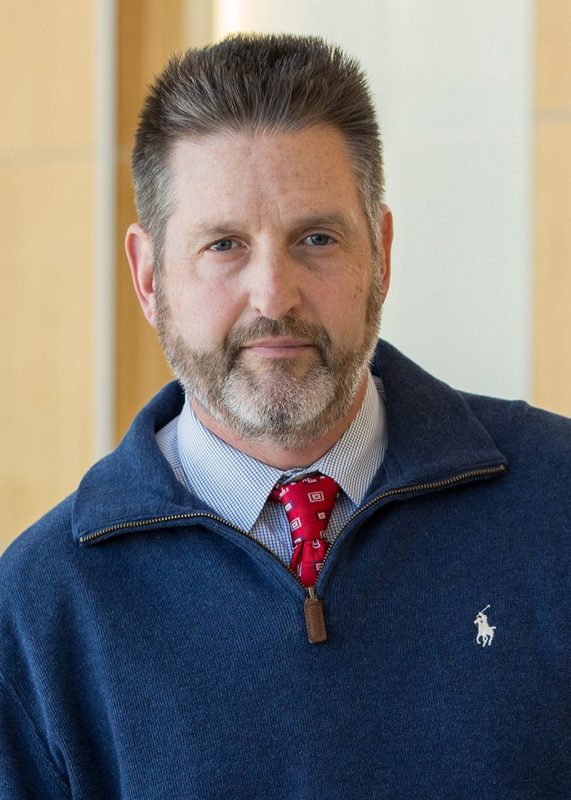
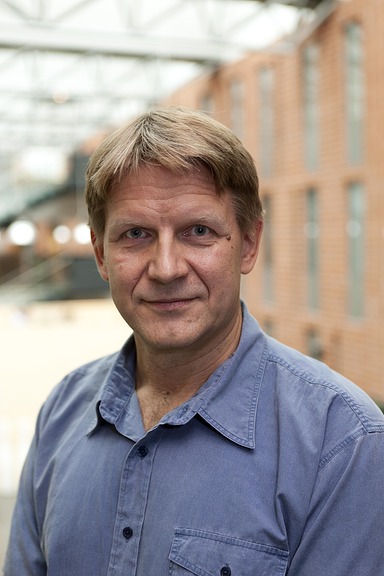
Florin Dolcos is a Professor in the Psychology Department and the Neuroscience Program at the University of Illinois in Urbana-Champaign, affiliated with the Beckman Institute. He directs the Social, Cognitive, Personality, and Emotional (SCoPE) Neuroscience Laboratory, focusing on the interplay between emotion and cognition. University: University of Illinois, Urbana-Champaign Departments: Psychology, Neuroscience Program Institute: Beckman Institute Lab: SCoPE Neuroscience Laboratory Research Interests: Florin Dolcos's work bridges Neuroscience , Cognitive Science , and Affective Science , with a focus on: Emotion-cognition interactions Memory and stress effects Neuroimaging techniques Moral psychology and decision-making Relational and source memory Emotion regulation and mental health Recent Publications Trends: His recent studies investigate how emotion divergently impacts cognition, stress effects on memory retrieval, moral judgment modeling, and trimodal brain imaging methods. These works often employ behavioral experiments, eye-tracking, and multimodal neuroimaging approaches. Labs & Teams: Dolcos leads the SCoPE Neuroscience Laboratory , fostering interdisciplinary research in cognitive and affective neuroscience across the University of Illinois system.
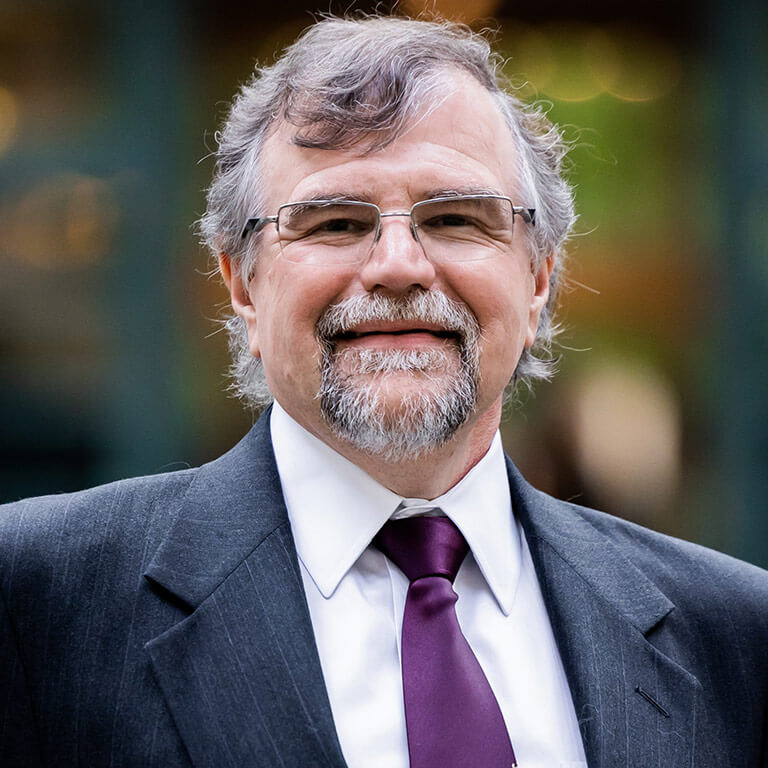
John H. Rossmeisl, Jr. is a Professor of Neurology and Neurosurgery at Virginia Tech's Department of Small Animal Clinical Sciences within the Virginia-Maryland College of Veterinary Medicine. He serves as the Dr. and Mrs. Dorsey Taylor Mahin Professor of Neurology and Neurosurgery and currently holds the position of Associate Department Head. MS (2003), DVM (1997) - Virginia-Maryland College of Veterinary Medicine BA in Zoology and German (1993) - University of New Hampshire Rossmeisl's research focuses on: Development of novel brain tumor therapeutics Blood-brain barrier disruption techniques Convection-enhanced drug delivery systems Comparative neuro-oncology models Medical device engineering for neurological applications Recent publications demonstrate expertise in: High-frequency irreversible electroporation (H-FIRE) Histotripsy ablation methods Neuroimaging biomarkers Molecular targeting of gliomas 3D-printed surgical guides Scientific awards include: Zoetis Award for Research Excellence (2014) Thompson Award (2011) Student AVMA Teaching Excellence Award (2008) As director of the Veterinary and Comparative Neuro-oncology Laboratory, he leads translational research programs that bridge veterinary and human medicine while maintaining active clinical and research collaborations across multiple institutions including Wake Forest University Comprehensive Cancer Center.
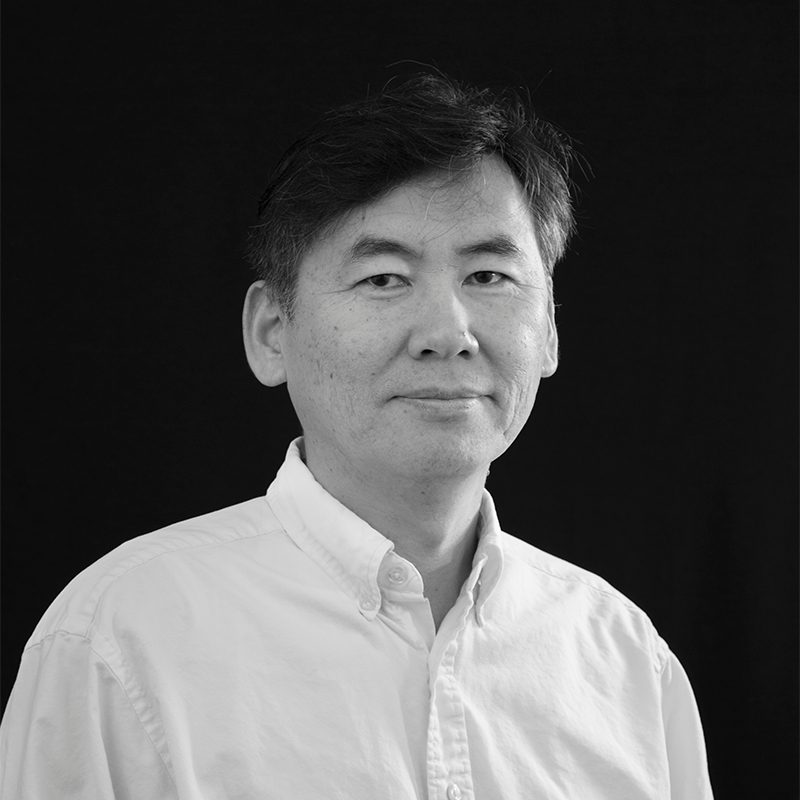
Mintai Kim is a Professor at the School of Design at Virginia Tech, specializing in Landscape Architecture. His work bridges environmental disturbances with community resilience through two primary domains: nightscape research and Geodesign. Utilizing advanced technologies like smart sensors and brain imaging, he investigates light pollution impacts and coastal adaptation strategies. Education: Ph.D. in Environmental Planning (UC Berkeley, 2001), MLA in Landscape Architecture (UC Berkeley, 1994), BS in Landscape Architecture (University of Seoul, 1988) Dr. Kim's research emphasizes: High-resolution light pollution measurement Neurophysiological responses to day/night environments Geodesign applications for sea level rise resilience Feng Shui principles in landscape planning GIS integration for ecological design His publications span topics from urban land cover dynamics to pedestrian lighting safety , showcasing a multidisciplinary approach combining neuroscience, technology, and ecological design. Notable trends include: Longitudinal environmental monitoring Cognitive science applications in landscape Digital tools for climate adaptation Human-centered nightscape design Scientific recognitions include: CELA Excellence in Research Award (2018) Best Paper awards (2013, 2016, 2018) CAUS Scholarship Certificate ILAM Research Excellence Award
Diego Borro is a Full Professor (Catedrático) in Computer Science and Artificial Intelligence at TECNUN, Technological Campus of the University of Navarra , where he has been part of the faculty since 2004. He is a leading researcher at CEIT since 2003, focusing on Robotics, Virtual/Augmented Reality, Computer Vision, and Artificial Intelligence. His academic credentials include a PhD in Computer Science (2003) and an MS in Computer Science (2000) from the University of Navarra and University of Basque Country respectively. His research spans from 3D tracking and haptics to industry 4.0 applications and medical robotics, with over 34 journal papers and 65 conference articles. He has supervised 14 doctoral theses and participated in 55+ research projects. His leadership roles include heading CEIT's Simulation Unit (2012-2016) and Vision and Robotics (V&R) research line (2016-2022), currently serving as main researcher at Intelligent Systems for Industry 4.0 group (SS4I4). Accredited as Full Professor (Catedrático) by ANECA (3 sexenios) Member of IEEE, ACM, and Eurographics societies Key projects: STEPbySTEP exoskeleton benchmark, WARM AR maintenance systems, and inner ear drug delivery research
Dani Dumitriu is an Associate Professor of Pediatrics (in Psychiatry) at Columbia University and the inaugural director of the Center for Early Relational Health. She divides her time between research (80%) and clinical pediatric practice (20%) at Morgan Stanley Children's Hospital. Her work focuses on promoting resilience through neurocircuitry studies and dyadic parent-child health measures. Education: MD and PhD from Icahn School of Medicine at Mount Sinai, BS in Cognitive Neuroscience from UC Santa Barbara, and MBBS from Hawaii Pacific University Leadership: Director of the Center for Early Relational Health, Chair of the COMBO Initiative, and Co-Chair of the WiSE Club Expertise: Pediatrics, neuroscience, resilience, family-patient-clinician inclusive research design, brain imaging, and early-life stress Dr. Dumitriu's research spans multi-modal, multi-species, and multi-scale approaches to understand resilience neurocircuits. She developed the Developmental Origins of Resilience (DOOR) Lab, which investigates stress response variability and autonomic synchrony in animal models and human mother-infant interactions. Her lab also created MouseCircuits.org, an open science repository for neuroscience research. Her recent publications focus on maternal-infant bonding, pandemic impacts on neonatal health, and neurocircuitry mechanisms. These works emphasize resilience, early-life stress, and innovative methodologies across species. Scientific Awards: Society for Pediatric Research New Member Outstanding Science Award, NARSAD Young Investigator Award, and multiple grants including NIMH R01MH126531 Grants: COMBO Study (NIMH R01MH126531), ESPI COMBO Study (CDC), and novel telemetry development (RISE Award) Collaborations: Maternal Child Research Operations (MaCRO) Consortium, Reach Out and Read, Nurture Connection, and Foundation for Social Connection
Alan Dennis is the Distinguished Professor of Information Systems holding the John T. Chambers Chair of Internet Systems at Indiana University's Kelley School of Business, affiliated with the Department of Operations & Decision Technologies. A Fellow of the Association for Information Systems (AIS) and past AIS President, he maintains an active research agenda while contributing to academic leadership through roles like the AIS LEO Award. His academic credentials include a PhD in Business Administration from the University of Arizona (1991), an MBA from Queen's University (1984), and a BS in Computer Science from Acadia University (1982). These foundations support his interdisciplinary approach bridging technical and behavioral domains. Dennis's research centers on Digital Humans, Artificial Intelligence, and Collaboration Technologies, with deep exploration of virtual team dynamics, trust formation, and media effects. His work uniquely integrates psychological principles with information systems design, examining how digital interfaces transform human collaboration through neurophysiological measures and cognitive priming techniques. Recent focus areas include collective intelligence measurement and the application of neuroIS methodologies. Analysis of his publication trajectory (2008-2017) reveals consistent innovation in virtual collaboration frameworks, particularly through Media Synchronicity Theory and electronic brainstorming enhancements. His research demonstrates increasing methodological sophistication, evolving from traditional surveys to neurophysiological tools while maintaining practical relevance for organizational implementation. His extensive honors include the AIS Award for Outstanding Contribution to IS Education (2013), Distinguished IS Educator award (2012), and multiple best paper awards across premier conferences. Teaching excellence is recognized through the Senior Scholars Harry A. Sauvain Award (2015) and Trustee Teaching Award (2014). As a dedicated mentor, Dennis received the Faculty Mentor of the Year award (2014) and Exceptional Inspiration and Guidance Award (2011), reflecting his commitment to doctoral student development. His entrepreneurial ventures—including NameInsights.com (2015-present) and Courseload, Inc. (2005-2015)—demonstrate practical application of his research in real-world technology solutions. He leads interdisciplinary research teams exploring digital human interactions, with current projects examining AI-driven collaboration tools and the physiological impacts of virtual communication environments through partnerships with cognitive scientists and technology developers.
Christy Rogers is an Assistant Professor in the Department of Human Development and Family Sciences at Texas Tech University. She completed her Ph.D. in Human Development with a minor in Quantitative Psychology at the University of California, Davis, followed by a postdoctoral fellowship at the University of North Carolina at Chapel Hill in Psychology and Neuroscience. Dr. Rogers directs the Social Influence on Brain and Socioemotional Development (SIBS) Lab, focusing on adolescent development through family contexts. Education: Ph.D. in Human Development (UC Davis), Minor in Quantitative Psychology Postdoctoral Training: Psychology and Neuroscience (UNC Chapel Hill) Her research examines social, cognitive, and neurobiological processes in adolescent development, utilizing longitudinal interdisciplinary methods such as behavioral coding of family interactions, questionnaires assessing relationships and well-being, and brain imaging to study social influence on decision-making. Key themes include sibling and parent roles in positive youth development, behavioral regulation, and neural correlates of risk-taking. Recent publications highlight sibling relationships, parental mental health during the pandemic, social buffering mechanisms, and neural pathways linking family dynamics to adolescent outcomes. Dr. Rogers' work emphasizes the family's integrative role in shaping developmental trajectories across adolescence.
Dr. Christoph von Tycowicz serves as Head of the Research Group "Geometric Data Analysis and Processing" at the Zuse Institute Berlin (ZIB), within the "Visual and data-centric computing" department of the "Mathematics of Complex Systems" division. His research bridges advanced mathematical theory with practical applications in medical imaging, biomechanics, and cultural heritage analysis. He leads multiple interdisciplinary projects connecting mathematics, computer science, and biomedical engineering, with funding from major research initiatives. Dr. von Tycowicz earned his doctoral degree from Freie Universität Berlin in 2014 with a dissertation titled "Concepts and Algorithms for the Deformation, Analysis, and Compression of Digital Shapes" under the supervision of Konrad Polthier. His educational background established the foundation for his current work in geometric data analysis and computational shape modeling. His primary research interests center on Geometric Data Analysis , Shape Analysis , and Manifold-valued Data Processing . He develops mathematical frameworks for analyzing complex shapes in medical imaging, biomechanics, and cultural heritage applications. His work bridges differential geometry with machine learning to create robust methods for shape comparison, classification, and prediction. Dr. von Tycowicz has made significant contributions to Riemannian statistical shape modeling and geometric deep learning, with applications spanning knee osteoarthritis assessment, Alzheimer's disease progression analysis, and archaeological artifact analysis. Analysis of his publication trajectory reveals a sophisticated evolution from foundational geometric methods toward integrated approaches combining differential geometry with deep learning. His recent work increasingly focuses on manifold-valued graph neural networks, shape-based disease grading systems, and longitudinal analysis of anatomical changes. There's a clear trend toward clinical translation, with growing emphasis on applying these methods to specific medical problems like osteoarthritis assessment using data from the Osteoarthritis Initiative and Alzheimer's disease progression modeling. Dr. von Tycowicz has received significant recognition for his contributions: Best Paper Honorable Mention Award @ Eurographics (2016) Best Paper Award (2020) Student Travel Award (2020) Special Mention @ ICLR Computational Geometry & Topology Challenge (2022) As a mentor, Dr. von Tycowicz has supervised doctoral and master's students including Felix Ambellan (doctoral thesis on Efficient Riemannian Statistical Shape Analysis with Applications in Disease Assessment) and Martha Paskin (master's thesis on Estimating 3D Shape of the Head Skeleton of Basking Sharks). He currently leads multiple substantial research projects including WEAR (mathematical solutions for analyzing ancient tools), Model-Regularized Learning of Complex Dynamical Behavior, and Geometric Learning for Single-Cell RNA Velocity Modeling, demonstrating strong grant acquisition capabilities across interdisciplinary domains. The Geometric Data Analysis and Processing research group, which Dr. von Tycowicz heads, develops the open-source Morphomatics library (v4.0) for statistical shape analysis. This Python library implements intrinsic manifold-based methods that maintain geometric consistency while avoiding bias from arbitrary coordinate choices. The group participates in major research networks including MATH+ and BIFOLD, and collaborates extensively with medical researchers at Charité - Universitätsmedizin Berlin and other institutions. Their work spans medical imaging (particularly knee osteoarthritis analysis), biomechanics, archaeology, and machine learning, with a unifying focus on creating geometrically principled methods for analyzing complex shape data.
Associate Professor Robert Boots is a senior academic at The University of Queensland, affiliated with the Department of Thoracic Medicine at the Royal Brisbane and Women's Hospital (RBWH) and the Burns, Trauma and Critical Care Research Centre. He holds clinical roles as a Thoracic/Sleep Physician at RBWH and an intensivist at Bundaberg Base Hospital. Previously, he served as Deputy Director of ICU at RBWH for two decades and holds leadership positions in critical care education, including with the College of Intensive Care Medicine. Education: Bachelor of Medicine Surgery (Honours), The University of Queensland Master's (Coursework), University of Newcastle Doctor of Philosophy, University of Newcastle Fellow, Royal Australasian College of Physicians Research Focus: His work centers on circadian rhythm disruptions in critical illness recovery, virtual reality applications for patient therapy, and ICU innovations. Key projects include inhaled heparin for pneumonia prevention, telemedicine effectiveness, and sepsis rehabilitation. Collaborations with engineering teams explore AI-driven clinical decision support using multi-source data analytics. Publication Trends: Recent articles (2021–2025) emphasize ICU outcomes, circadian biology, and technology-driven interventions. Themes include predictive analytics for mortality/arrhythmias, virtual reality in oncology, microplastics contamination in diagnostics, and AI in evidence-based medicine. Multi-disciplinary approaches bridge critical care, data science, and engineering. Advising & Grants: Actively supervises postgraduate students in critical care research. Secured past funding for projects like inhaled heparin trials and telemedicine assessments. Current projects include optimizing ICU telemedicine at Bundaberg Base Hospital. Labs & Teams: Member of the Burns, Trauma and Critical Care Research Centre, fostering collaborations across engineering and clinical disciplines for innovations in ICU care.
Dr. Yvonne Eiby is a Senior Research Fellow at The University of Queensland Centre for Clinical Research, affiliated with the Faculty of Health, Medicine and Behavioural Sciences. Her work focuses on neonatal physiology, specifically improving brain outcomes for preterm infants through cardiovascular and nutritional support. Bachelor of Science (The University of Queensland) Bachelor (Honours) of Science (Advanced) (The University of Queensland) Doctor of Philosophy (The University of Queensland) Dr. Eiby’s research bridges biological sciences, biomedical research, and zoology to address critical challenges in preterm infant care. She investigates cardiovascular medicine, neurosciences, and paediatrics, developing pre-clinical models to test interventions like early blood transfusions and sulfate supplementation. Her work extends to lymphatic function and capillary dynamics in preterm piglets. Analysis of her recent publications reveals trends in cardiovascular physiology , neonatal nutrition , and animal model development . She explores cerebrovascular tone , sulfate metabolism , and blood volume management using translational studies across species (rat, pig, mouse, human). Key subfields include hypoxia , inotrope efficacy , and metabolic programming . Dr. Eiby leads multidisciplinary teams including neonatologists, veterinarians, and scientists, funded by NHMRC and hospital foundations. Her lab at UQ Centre for Clinical Research houses a pre-clinical tertiary neonatal ICU for testing intensive care techniques and developing therapies to protect the developing brain.
Dr. Quan Nguyen is a Senior Research Fellow at the Institute for Molecular Bioscience and affiliate of the School of Biomedical Sciences at The University of Queensland . As a National Health and Medical Research Council leadership fellow (EL2) , he leads the Genomics and Machine Learning (GML) Lab , specializing in single-cell spatial omics and machine learning for cancer and neuroinflammatory disease research. Education : PhD in Bioengineering (UQ, 2013), Postdoctoral Bioinformatics (RIKEN, 2015) Expertise : Integrating single-cell spatiotemporal data with population genomics to reconstruct gene regulatory networks and cell-cell interactions in situ. His research focuses on cancer ecosystems (melanoma, brain cancer) and neuroinflammation , using spatial transcriptomics and deep learning to uncover cell-type specific biomarkers for precision medicine . Key contributions include improving histological cancer diagnosis and identifying novel regulators of cell differentiation. His 15 most recent publications (2024-2025) span spatial omics in colorectal cancer , HPV-associated cervical neoplasia , neuroinflammation in aging, and machine learning methods for multi-omics integration . These works emphasize single-cell resolution , tissue context , and clinical translation . Scientific Awards : Australian Research Council DECRA fellowship (2019-2021) CSIRO OCE Research Fellowship (2016) IMB Fellow (2018) Predictive modeling tools for digital pathology in GigaScience (prize-winning) Supervision : Actively mentoring 10+ PhD students on topics like spatial diagnostics , cellular heterogeneity , and multi-omics data fusion . His lab develops open-source software and databases for single-cell analysis , supported by US Congressionally Directed Medical Research Programs and National Health and Medical Research Council grants.
Jouko Lampinen serves as the Dean of the School of Science (SCI) at Aalto University, Finland, overseeing academic and research operations across the institution. His professional contact includes the dean-sci@aalto.fi email address and phone number +358505604827. Lampinen maintains an active research profile in computational information technology while fulfilling his administrative leadership role, with expertise grounded in advanced algorithmic and statistical methodologies. His research spans machine learning, Bayesian statistics, neural networks, and their applications in brain imaging (fMRI/MEG) and computer vision. Key interests include probabilistic modeling for emotion recognition, object detection in autonomous systems, and medical diagnostics. His work addresses critical challenges in reproducibility, scalability, and interpretation of complex models, bridging theoretical machine learning with practical neuroscience and robotics applications. This interdisciplinary focus demonstrates consistent innovation from the late 1990s through 2018. Analysis of his recent publications reveals a dominant trend in applying Bayesian methods and neural networks to neuroimaging data, with significant contributions to emotion processing algorithms, brain-computer interfaces, and point cloud analysis for autonomous vehicles. His scholarly output shows increasing emphasis on real-world validation of computational models, particularly in medical diagnostics and human-computer interaction contexts, while maintaining foundational work in statistical learning theory. No scientific awards or honors were documented in the provided information. Details regarding student mentorship, grant funding, or specific research teams/labs are absent from the source material, though his deanship implies strategic oversight of research infrastructure within Aalto University's School of Science.
Ping Wu, MD, PhD is Professor and Vice Chair for Research in the Department of Neurobiology at the University of Texas Medical Branch (UTMB) School of Medicine, where he also directs the Neuroscience Graduate Program. His affiliations include the Mitchell Center for Neurodegenerative Diseases, Mission Connect TIRR Foundation, and Center for Addiction Research. His educational background includes a PhD in Neuroendocrinology from UTMB, postdoctoral training in Molecular Neuroscience & Gene Transfer at the University of Florida, and a BM (MD equivalent) from Peking University. His research focuses on neural stem/progenitor cells (NSCs), spanning both basic mechanisms and translational applications for neurotrauma, neural infections, neurodegeneration, and substance abuse. Key areas include NSC-based drug screening, fetal brain development under viral infection (notably Zika), and maternal opioid exposure effects. Publications reveal strong emphasis on neurovirology (Zika, Powassan, La Crosse viruses), neurotrauma modeling, and developmental neurotoxicology. Recent work demonstrates expertise in microglial roles in vertical viral transmission, opioid-induced neurodevelopmental perturbations, and NSC-based therapeutic strategies. His team employs human/rodent NSC models, transcriptomics, and advanced in vivo imaging to investigate neuroinflammatory pathways and cellular responses to insults. While no formal awards are listed in the provided text, his leadership roles (Director of Neuroscience Graduate Program, John S. Dunn Distinguished Chair holder) signify institutional recognition. His research program leverages multiple UTMB-affiliated centers for collaborative neurodegenerative and addiction research, with significant focus on translational applications of NSC biology.
Carlo Alberto Barbano is a Postdoctoral Researcher in Deep Learning for Medical Imaging at the University of Turin , Department of Computer Science. He is a member of the EIDOS group and the Asl To3 Radiomics Lab, with a visiting position at Inria MIND since Jan. 2025. His work bridges AI with clinical applications, focusing on neuroimaging, debiasing algorithms, and multimodal learning. Education: Double Ph.D. in Computer Science (Télécom Paris & University of Turin, 2023) Master’s in Artificial Intelligence (University of Turin, 2020) Research Interests revolve around developing robust and unbiased deep learning models for medical imaging tasks. Key areas include: Contrastive learning for neuroimaging and brain age prediction Multimodal learning with cross-modal interaction Debiasing techniques in supervised and unsupervised settings Robustness in clinical AI applications Stain normalization for histology slides Integration of prior knowledge in machine learning frameworks Scientific Awards include: Best Poster Award, ISBI, 2023 Member of ELLIS Society, 2024 Ongoing Research focuses on anatomical foundation models for brain MRIs, knowledge transfer across modalities, and fairness in medical imaging AI. His work at Asl To3 Radiomics Lab involves practical clinical implementation of deep learning tools.
Joni-Kristian Kämäräinen serves as Professor of Signal Processing within the Computing Sciences department at Tampere University, where he leads research in the Vision Group. Previously, he held faculty positions at LUT University's School of Engineering Science for five years before joining Tampere University in 2012 (tenured 2017, promoted to full professor in 2020). His academic journey includes a postdoctoral fellowship at the University of Surrey's Center of Vision, Speech and Signal Processing under Josef Kittler. His research centers on robot vision and robot learning , with significant contributions to computer vision and machine learning. Key focus areas include visual place recognition, RGB-D tracking, color constancy, and anthropometric measurements. His group maintains strong industry collaborations with Huawei, Nokia Technologies, and Business Finland-funded projects. His publication portfolio shows a clear trajectory toward real-world robotic applications, with recent work emphasizing visual place recognition under varying conditions (2022-2024), depth-aware video processing (2023-2024), and reinforcement learning for industrial manipulators (2023-2025). The 2023 textbook Koneoppimisen perusteet (Machine Learning Fundamentals) demonstrates his commitment to education. Expert Statement for Finnish Parliament (2022) on AI solutions Contributor to Finnish Roadmap: Robots and the Future of Welfare Services (2021) Featured in YLE Uutiset (2018), Aamulehti (2021), and multiple technical press outlets He has supervised 20 PhD students since 2007, including Vivienne Huiling Wang (2025), Samu Koskinen (2025), and Fatemeh Shokollahi Yancheshmeh (2024), with alumni placed at Aalto University, Ericsson AB, and Huawei. His group receives funding from the Academy of Finland, EU Horizon 2020, Business Finland, Huawei, and Nokia Technologies. The Vision Group operates from Tampere University's Hervanta Campus, maintaining close ties with industrial partners through applied research projects.