Anna Wilbik is a Professor in Data Fusion and Intelligent Interaction at the Department of Advanced Computing Sciences, Faculty of Science and Engineering, Maastricht University (The Netherlands). Her research bridges data understanding and human-machine synergy in complex systems, focusing on multi-criteria decision making, explainable AI, and data fusion techniques. PhD in Computer Science (with honors), Systems Research Institute, Polish Academy of Science (2010) Postdoctoral Fellow, University of Missouri (2011) Stanford University TOP500 Innovators Program Alumnus Research Pillars: Intelligent human-machine interaction for joint decision making Data fusion methods for heterogeneous data integration Contextualized multi-criteria decision frameworks Fuzzy logic and linguistic summaries for explainability Federated learning systems Article Trends: Recent work focuses on intuitionistic fuzzy sets for knowledge-intensive processes, federated learning with uncertainty handling, and linguistic summarization techniques for interpretable AI. She actively explores explainability , collaborative business models , and driver behavior analysis through attention-based models. Professional Leadership: Vice-chair of IEEE Fuzzy Systems Technical Committee Organizer of IEEE World Congress on Computational Intelligence (2024)
Professor Steven J. Murdoch is a faculty member at the University College London (UCL) in the Department of Computer Science . He holds a Royal Society University Research Fellow position and leads the Information Security Research Group . He is affiliated with Christ’s College as a bye-fellow, and is a Fellow of the Institution of Engineering and Technology (IET) and the BCS . His work bridges security engineering , privacy-enhancing technologies , and legal-technical intersections . Academic Leadership : Program chair and general chair for major conferences like Privacy Enhancing Technologies Symposium and Financial Cryptography . Research Contributions : Notable for exposing vulnerabilities in EMV protocols , designing blockchain-based fair exchange protocols , and analyzing malware delivery ecosystems . Scientific Awards : Received the IRTF Applied Networking Research Prize 2020 for internet-wide scanning methodologies. Professional Impact : Active in Tor Project and critical infrastructure analysis, including the Post Office Horizon scandal . Email: s.murdoch@ucl.ac.uk .
Professor Kylie Tucker is a distinguished academic at the University of Queensland, serving as Professor and School Director of Teaching and Learning in the School of Biomedical Sciences within the Faculty of Health, Medicine and Behavioural Sciences. She is also an Affiliate of the Centre for Innovation in Pain and Health Research (CIPHeR) and currently serves as President of the International Society of Electrophysiology and Kinesiology (ISEK) for the term 2024-2026. Professor Tucker leads a dynamic research environment focused on advancing knowledge about muscles and movement control, with significant contributions to understanding how pain impacts movement, methods for estimating muscle forces, and assessment of childhood movement control and adolescent skeletal maturity. Professor Tucker earned her Bachelor of Arts, Bachelor of Science, and Doctor of Philosophy from the University of Adelaide. Her academic journey has positioned her as a leader in neuromuscular research, particularly in the areas of motor control and pain adaptation. Within the School of Biomedical Sciences, she has held significant leadership roles including Deputy Director of Teaching and Learning (2018-2020), inaugural chair of the REMEDE committee (2021-2023), and Director of Teaching and Learning (2024-2025). She also co-facilitates UQ's flagship Career Progression for Women program. Her research interests span motor control, pain research, biomechanics, electromyography, neuromuscular control, pediatric movement, scoliosis, and muscle physiology. Professor Tucker's work has transformed understanding of pain's impact on movement and advanced assessment methods for childhood movement control and skeletal maturity. She has recently proposed new insights into scoliosis progression, identifying unique muscle features that can be non-invasively detected early in curve progression. Approximately 3-7% of children worldwide develop adolescent idiopathic scoliosis, often requiring surgical intervention when conservative treatments fail. Analysis of Professor Tucker's recent publications reveals a strong focus on neuromuscular control mechanisms, particularly in relation to pain, scoliosis, and pediatric movement disorders. Her work integrates advanced methodologies including electromyography, shear wave elastography, and biomechanical modeling to investigate muscle function across diverse populations. A notable trend is her leadership in consensus projects (CEDE) establishing standardized methodologies for electromyography research, reflecting her commitment to methodological rigor in the field. Professor Tucker actively mentors the next generation of researchers, supervising numerous PhD students across projects related to scoliosis, knee osteoarthritis, pain research, and pediatric movement disorders. Her research is supported by significant funding including NHMRC MRFF EPCDR grants for chronic musculoskeletal conditions in children and the SRS Research Grant for novel insights into adolescent idiopathic scoliosis. She leads the Motor Control and Pain Research Lab, a collaborative environment bringing together basic science and clinical researchers. The lab focuses on two main research streams: Motor Control and Pain Research and Child and Adolescent Neuromotor Control Research. Professor Tucker teaches across 10 UQ programs with class sizes ranging from 70-1400 students, demonstrating her commitment to education alongside her research leadership.
Sathyanarayanan N. Aakur is an Assistant Professor in the Department of Computer Science and Software Engineering at Auburn University's College of Engineering. Previously, he was an Assistant Professor in the Department of Computer Science at Oklahoma State University. He is an IEEE Senior Member and has received the prestigious NSF CAREER award for his research on multi-modal event understanding. Dr. Aakur received his PhD from the University of South Florida, where he worked with Dr. Sudeep Sarkar in the Computer Vision and Pattern Recognition Group. He also holds a Master's degree in Management Information Systems from the Muma College of Business at the University of South Florida and an undergraduate degree in Electronics and Communication Engineering from Velammal Engineering College, Anna University, India. His research focuses on the intersection of computer vision, natural language processing, and psychology, with the goal of building intelligent agents that understand the visual world beyond simple recognition or captioning. His work encompasses self-supervised predictive learning for video event segmentation, commonsense reasoning to ground perception and prior knowledge, and generative modeling for building knowledge systems. Much of his group's current work focuses on analyzing, modeling, and synthesizing complex video scenes, with applications in agriculture and animal diagnostics. His recent publications demonstrate a strong focus on open-world visual understanding, neurosymbolic reasoning, and multimodal learning. His work spans from fundamental computer vision problems like egocentric action recognition and scene graph generation to applied research in agricultural technology and biomedical informatics. He has successfully published at top-tier conferences including CVPR, ICCV, ECCV, and WACV, as well as in high-impact journals like IEEE TPAMI. NSF CAREER Award (2022) IEEE Senior Member (2024) Dr. Aakur serves as Area Chair for major conferences including CVPR, WACV, ICML, and NeurIPS, and as Associate Editor for Pattern Recognition journal. He has successfully mentored numerous students who have published at top venues in computer vision and machine learning. His research group has received funding from sources including the NSF and USDA for projects related to multimodal time series classification and stress detection in precision agriculture. The lab maintains active collaborations with institutions including the University of South Florida and Florida State University.
Prof. Dr. Torsten-Oliver Salge is a University Professor and Co-Director of the Institute for Technology and Innovation Management (TIM) at RWTH Aachen University, where he heads the Innovation, Strategy and Organisation (ISO) Group since April 2013. He also serves as a Fellow of Cambridge Digital Innovation at the University of Cambridge, maintaining strong international academic connections. His work bridges theoretical organizational research with practical applications across multiple sectors. Salge completed his business administration studies across multiple European countries including Germany, France, Italy, and England. He earned both his Ph.D. and M.Phil. degrees from the University of Cambridge. His academic journey includes positions as interim professor at the University of Duisburg-Essen (2012-2013), junior professor at the Ruhr-University Bochum (2009-2012), and post-doctoral research associate at Cambridge (2009). His research focuses on organizational behavior in innovation contexts , particularly examining collaboration across disciplinary, organizational, and institutional boundaries. He investigates how organizations learn from performance feedback, approach problem-solving, and implement strategic HRM practices that enhance employee well-being. A distinctive feature of his work is the examination of technology legitimation, adoption processes, and payoff realization in complex organizational settings. His research combines behavioral and institutional perspectives to understand innovation processes. Analysis of Salge's publication record reveals a strong emphasis on healthcare innovation management, with numerous studies examining hospital information systems, infection control, and healthcare service improvement. His work often applies dynamic capabilities theory to innovation processes and demonstrates methodological sophistication through both quantitative and qualitative approaches. The publications show consistent contributions to top-tier management journals including Academy of Management Review , MIS Quarterly , and Journal of Product Innovation Management . Scientific Recognition: Nominated for European Research Paper of the Year 2016 (CIONET) Multiple Best Paper awards at Academy of Management conferences across various divisions Shortlisted for Strategic Management Society (SMS) Best Conference Paper Awards Recipient of prestigious scholarships including ESRC, DAAD, and Cambridge European Trust funding Recognized with the Knut Holt Best Paper Award from ISPIM Throughout his career, Salge has maintained active collaborations with organizations across healthcare, central government, and financial services sectors. His international scholarly network is evidenced by visiting appointments at universities in Auckland, Buenos Aires, Cambridge, Oxford, and Philadelphia. At RWTH Aachen, he leads an interdisciplinary team within the TIME Research Area, which comprises over 100 senior and junior researchers working at the intersection of innovation, technology management, marketing, and entrepreneurship. As Co-Director of the RWTH TIM institute, Salge oversees a research unit with approximately 30 doctoral candidates, 5 postdocs, and more than 20 student researchers. The institute maintains strong industry connections and focuses on strategic technology management, open innovation, innovation culture, organizational change, business model development, and customer-oriented value creation.
Pentti Juhana Henttonen is an active Researcher at the University of Helsinki, affiliated with the Swedish School of Social Sciences and the Institute of Humanities and Social Sciences. He serves as a Doctoral Researcher in the Doctoral Program in Human Behavior and works as a project planner, contributing to multiple research initiatives focused on human interaction and psychological phenomena. His research interests span cognitive science with particular emphasis on narcissism, sisu (the Finnish concept of inner strength and perseverance), second language acquisition, and physiological responses during social interactions. Henttonen employs diverse methodologies including physiological measurements, conversation analysis, and experience sampling methods to investigate how individuals process emotions, interact with others, and demonstrate mental fortitude in challenging situations. His publication record shows significant activity with 49 publications spanning from 2009 to 2025, with particular concentration in recent years (2023-2025). His work appears across interdisciplinary journals in psychology, linguistics, and social sciences, demonstrating a trend toward increasingly sophisticated methodologies combining physiological measurements with conversational analysis. Recent publications focus on narcissistic traits and their physiological correlates, the cultural phenomenon of sisu, and second language learner behavior. Henttonen actively contributes to the academic community through peer review services for journals including Scientific Reports, BMC Psychology, and Heliyon. He has organized academic events such as the HSSH workshop on motion energy and pose analysis and the HSSH seminar on VR methodology, demonstrating leadership in advancing methodological approaches in social science research. His research is supported through multiple projects funded by institutions including the Academy of Finland (Suomen Akatemia), with his most recent work focusing on patterns in second language learners' behavior (2023-2024) and previous projects examining narcissism (2019-2023) and neighbor dialogues (2018-2020). His work bridges theoretical psychological concepts with practical applications, as evidenced by his media appearances discussing narcissism and sisu for broader public understanding.
Dr. Shweta Singh serves as an Assistant Professor of Information Systems and Management at Warwick Business School, University of Warwick. She concurrently holds prestigious appointments as a Fellow at the Warwick Institute for Global Sustainability Development (IGSD) and a Behavioral Data Science researcher at The Alan Turing Institute in London. Her academic journey includes a Ph.D. in Information and Decision Sciences from the Carlson School of Management at the University of Minnesota, complemented by dual Master's degrees in Computer Science and Applied Economics from the same institution. Ph.D. in Information and Decision Sciences, University of Minnesota Master's in Computer Science, University of Minnesota Master's in Applied Economics, University of Minnesota Dr. Singh's research centers on developing ethical and responsible artificial intelligence systems that address societal challenges. Her work specifically targets mitigating AI bias, creating explainable AI frameworks, and leveraging technology to combat societal injustice. She investigates how digital platforms, sharing economy models, and IT outsourcing create business value while ensuring these technologies promote sustainability and reduce inequalities. Her innovative approach combines technical AI expertise with deep social awareness, particularly focusing on gender equality and child protection in digital spaces. Her publication record demonstrates consistent high-impact contributions to Information Systems Research, International Conference on Information Systems, and related venues. The trajectory of her work shows increasing focus on practical applications of responsible AI, with recent projects addressing online child safety and human trafficking prevention. Her research increasingly intersects with policy development, as evidenced by her contributions to UK Parliamentary Office of Science and Technology briefs. Doctoral Dissertation Fellowship, University of Minnesota McNamara Fellowship, University of Minnesota Social Impact Project of the Year shortlist (2023) Asian Women of Achievement Award finalist (2023) British Indian Awards finalist (2019) Top 5 Women in Tech for Good Award shortlist (2022) Inspiring 50 UK recognition (2025) Dr. Singh actively mentors students and has been recognized with the Staff Social Inclusion Award (2024) for her teaching excellence. Her advisory roles extend beyond academia to include the UN Women UK delegation for the Commission on the Status of Women and the Advisory Board of AI retail company 'Love the Sales'. She serves as an external collaborator for Boston Consulting Group's Henderson Institute, bridging academic research with industry applications. Through her leadership in the ISM-Analytics (ISMA) Group at Warwick, Dr. Singh fosters interdisciplinary collaboration focused on creating socially responsible technological solutions. Her work with the IGSD specifically targets UN sustainability goals related to reducing inequalities and promoting inclusive societies through responsible AI implementation.
Molly Crockett is a Professor at Princeton University's Department of Psychology and affiliated with the University Center for Human Values . Her research integrates cognitive science, social psychology, philosophy, and data science to examine how systems of power shape knowledge production, and how technologies like artificial intelligence reinforce social inequalities. Education: Ph.D. from the University of Cambridge Her lab focuses on epistemic injustice , using behavioral experiments, computational modeling, and machine learning to study moral cognition, narrative testimony, and the cultural evolution of ethics. Recent work highlights AI's role in distorting scientific understanding and explores how social norms constrain self-knowledge. Key article trends include analyses of algorithmic bias in social networks, moral outrage dynamics, and the interplay between self-perception and societal expectations. She actively mentors postdoctoral, PhD, and undergraduate researchers, emphasizing diversity and inclusion in scientific practice. Publications span topics from neurobiological markers of guilt to positive illusions in relationships , reflecting her interdisciplinary approach. Her lab avoids tech industry funding to maintain research autonomy.
Dr. Jun Hu is an Associate Professor in Design Research on Social Computing at the Department of Industrial Design, Eindhoven University of Technology (TU/e). He serves as the Scientific Director for the Engineering Doctorate program in Designing Human-System Interaction and is the chair of the working group "Aesthetics and empowerment" of IFIP TC14. Additionally, he holds positions as a Distinguished Adjunct Professor at Jiangnan University and a Guest Professor at Zhejiang University. Dr. Hu earned his Ph.D. degree in Interaction Design and an Engineering Doctorate degree in User-system Interaction, both from TU/e. He also holds a B.Sc degree in Mathematics and an M.Eng degree in Computer Science. He is a System Analyst and a Senior Programmer with qualifications from the Ministry of Human Resources and Social Security, and the Ministry of Industry and Information Technology of China. His research focuses on the intersection of Human-Computer Interaction, Social Computing, and Design Research, with particular interests in data physicalization, empowering systems, and health informatics. Dr. Hu's work explores how technology can be designed to support human needs in social contexts, with applications in health, stress management, and physical activity motivation. His approach often combines aesthetic considerations with functional design to create systems that empower users. Analysis of Dr. Hu's recent publications reveals a strong focus on data physicalization, social aspects of personal informatics, and health applications of interactive systems. His work spans from theoretical frameworks for understanding user interaction with physicalized data to practical applications in stress management for children and motivation for physical activity. There's a clear trend toward integrating AI capabilities into human-centered design approaches while maintaining a focus on user empowerment. Senior Member of ACM Distinguished Adjunct Professor at Jiangnan University Guest Professor at Zhejiang University Editor-in-chief for EAI Endorsed Transactions on Pervasive Health and Technology Associate editor for Behaviour & Information Technology and Entertainment Computing Editor for the International Journal of Arts and Technology Dr. Hu has supervised numerous students through the Engineering Doctorate program and has been involved in various research grants, particularly in the areas of health technology and human-system interaction. He has served in leadership roles including head of the Designed Intelligence group at ID TU/e from 2015-2017 and currently chairs the working group "Aesthetics and empowerment" of IFIP TC14. He coordinates the TU/e DESIS Lab in the DESIS Network and serves on multiple editorial boards. Dr. Hu is actively involved with the Design Of Empowering Systems research group and the EAISI Health initiative at TU/e. His work often involves interdisciplinary collaboration across computer science, design, and healthcare domains, focusing on creating systems that empower users through thoughtful integration of technology into everyday contexts. He also serves as Chairman of the Foundation for Design Promotion in Europe and China and is a board member of the International Chinese Association of Computer Human Interaction (ICACHI).
Dr. Colin Palmer is a Visiting Fellow in the School of Psychology at the University of New South Wales (UNSW), where he conducts research on visual perception with a focus on social features of our sensory environment. His work examines how the brain processes elements like eyes, faces, and behaviors of people around us using visual psychophysics, computational modeling, and 3D graphical rendering. Dr. Palmer completed his Ph.D. in 2016 and Bachelor of Behavioural Neuroscience (Honours) in 2009, both at Monash University. His doctoral research explored how neurocognitive models of sensory processing relate to differences in sensory integration and social cognition in autism. His primary research interests center on understanding the perceptual and neural mechanisms underlying our sensitivity to dynamic social cues, particularly eye and head movements. Dr. Palmer investigates how the visual system extracts basic environmental elements (color, shape, motion) and develops a mechanistic understanding of how our experience of the social world arises from nervous system activity. His work has clinical applications for understanding sensory and social difficulties in conditions like autism and schizophrenia. Dr. Palmer's recent publications reveal a consistent focus on social vision, particularly gaze perception, face processing, and animacy detection. His research increasingly incorporates computational modeling approaches to understand visual perception mechanisms. There's a strong emphasis on how lighting and shading affect face and gaze perception, with growing attention to clinical applications for neurodevelopmental conditions. Dr. Palmer has received recognition for his work through several awards: Emerging Investigator Award, Australasian Cognitive Neuroscience Society, 2017 Postdoctoral presentation award, Australasian Cognitive Neuroscience Society, 2016 Dr. Palmer is actively involved in research supervision and teaching. He teaches PSYC 3221 Vision and Brain and is available to supervise research students. His research is supported by significant funding: ARC Discovery Project (2020-2022): "Extracting meaning from motion" ($492,000) ARC Discovery Early Career Researcher Award (2019-2021): "Human sensitivity to the dynamics of other people's eye movements" ($356,000) Experimental Psychology Society Study Visit Grant (2017): "Testing computational theories of autism spectrum disorder in the social domain" (£2,580) Dr. Palmer collaborates extensively with Professor Colin Clifford at UNSW and maintains international collaborations with researchers in the UK and Australia, particularly on projects related to autism spectrum disorders and social cognition.
Petter Lundborg is a Professor at the Department of Economics, Lund University, and affiliated with the Centre for Economic Demography and IZA Bonn. He joined Lund University in 2010 after working at VU Amsterdam from 2006 to 2010. His academic career focuses on health and labor economics, with significant contributions to understanding the connections between health, education, and economic outcomes. Lundborg's research interests span health economics, labor market outcomes, education, early life conditions, and household finance. His work often examines how childhood experiences and health conditions affect long-term economic and social outcomes. He has made notable contributions to understanding the impact of school nutrition programs, military service, and healthcare consolidation on individual and societal well-being. His research utilizes natural experiments and large-scale administrative data to identify causal relationships in economic behavior. His recent publications demonstrate a strong empirical approach to policy evaluation, particularly in health and education sectors. Lundborg frequently publishes in top economics journals including American Economic Review, Journal of Finance, and Journal of Health Economics. His work consistently addresses important policy questions with rigorous methodology, making significant contributions to both academic literature and policy discussions. Lundborg was awarded the prestigious Assar Lindbeck-medaljen in 2017, recognizing his significant contributions to economic research. His work has received widespread attention, with mentions in 28 news outlets, references in 12 policy sources, and substantial engagement across social media platforms including 211 X posts and mentions in Wikipedia. As an active researcher, Lundborg currently leads multiple research projects funded by major organizations including the Swedish Council for Working Life and Social Research (Forte), Swedish Research Council, and The Bank of Sweden Tercentenary Foundation. He serves as Principal Investigator on projects examining early labor market experiences, socioeconomic segregation across the life course, fertility and inequality, and the Landskrona Population Study. Lundborg also supervises PhD students, including Natalie Irmert (2022-2026), and participates extensively in peer review activities for academic institutions and journals. Lundborg is part of extensive research networks examining demographic and economic patterns across generations. His work on the Landskrona Population Study investigates long-term demographic trends, while his projects on early life adversity and socioeconomic segregation explore how neighborhood, school, and policy environments shape life outcomes. His research contributes significantly to understanding how social and economic policies affect individual trajectories across the lifespan.
Eugene M. Caruso is a Professor at UCLA Anderson School of Management , holding the Bing and Alice Liu Yang Endowed Term Chair in Teaching Excellence . He serves as Faculty Co-Director of the Inclusive Ethics Initiative and specializes in Behavioral Science, Decision-Making, and Ethics. His research focuses on how individuals interpret objective facts differently, emphasizing systematic testing of intuitions in managerial contexts. Education: Ph.D. in Social Psychology (2007), Harvard University M.A. in Social Psychology (2004), Harvard University B.A. in Psychology, cum laude (1998), Princeton University Caruso’s research bridges Behavioral Decision-Making and Social Judgment , exploring temporal perception, ethical choices, and resource allocation. His work reveals how past-future asymmetries and contextual biases shape moral decisions. Articles demonstrate expertise in Psychological Science , Political Psychology , and Organizational Behavior . Scientific Recognition: Editor’s Choice in Science (2017) Editor’s Choice in Science (2006) His collaborative publications with scholars like Daniel Kahneman and Max Bazerman span topics from charitable appeals to legal intent perception . Caruso’s career transition from Digitas to academic leadership underscores his commitment to rigorous empirical methods in understanding human behavior.
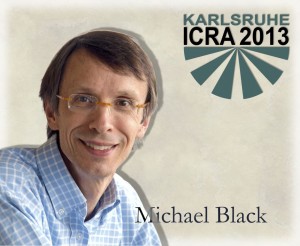
Michael Black is a leading researcher in computer vision and human body modeling. He is a founding director at the Max Planck Institute for Intelligent Systems in Tübingen, Germany, where he leads the Perceiving Systems department. He holds concurrent academic appointments as Honorarprofessor at the University of Tübingen, Adjunct Professor (Research) in Computer Science at Brown University, and Visiting Professor of Electrical Engineering at Stanford University. B.Sc., University of British Columbia (1985) M.S., Stanford University (1989) Ph.D., Yale University (1992) His research centers on the mathematical representation of human body shape, with applications in computer vision, graphics, and neuroscience. He has pioneered methods for analyzing body shape variation using statistical models derived from 3D body scans and has developed techniques for estimating body shape from commodity sensors. His work bridges geometry, perception, and machine learning to enable machines to understand human form and behavior. His publications and research have significantly influenced the field of computer vision, particularly in shape modeling and pose estimation, with long-standing contributions to both theoretical and applied aspects. His work integrates broad disciplines such as machine learning, imaging, and human-computer interaction. IEEE Computer Society Outstanding Paper Award (1991) Honorable Mention for the Marr Prize (1999) Honorable Mention for the Marr Prize (2005) 2010 Koenderink Prize for Fundamental Contributions in Computer Vision Michael Black has advised numerous students and researchers through his roles at Brown University and the Max Planck Institute, though specific names are not listed. He has led major research initiatives and secured significant funding through his leadership in the Perceiving Systems department. His work continues to drive innovation in intelligent systems that perceive and interpret human behavior. He leads the Perceiving Systems department at the Max Planck Institute for Intelligent Systems, a multidisciplinary team focused on vision, learning, and human-centered computing. The group integrates computer vision, machine learning, and 3D modeling to develop systems that understand human shape, motion, and behavior.
Simanti Banerjee is a Professor in the Department of Agricultural Economics at the University of Nebraska-Lincoln, where she joined in August 2014. She previously served as a Visiting Assistant Professor in the Economics Department at Oberlin College (2013-14) and as a post-doctoral researcher at the University of Stirling in Scotland UK (2010-13). She earned her Ph.D. from Pennsylvania State University in 2010. Her research focuses on analyzing coordination within groups, inter-personal bargaining, and the impact of information, communication and social networks on human decision making. She uses experimental and behavioral economic methods to study conservation policies, technology adoption, and decision making under risk & uncertainty. Her work has been funded by grants from USDA and NSF, and she has established the Behavioral and Experimental Economics Lab (BEEL) at UNL. Professor Banerjee teaches Environmental & Natural Resource Economics (AECN-NREE 265) at the undergraduate level and co-teaches Behavioral & Experimental Economics (AECN 818) at the graduate level. Her publication record shows consistent research in spatial coordination, conservation auctions, behavioral economics, and agricultural policy, with a particular emphasis on how information and communication affect environmental decision making in agricultural contexts. Her recent work has increasingly focused on regenerative ranching practices, soil health, and ecosystem services valuation. She has received significant research funding from USDA and NSF to support her work on environmental and agricultural economics. Her collaborative network includes researchers from multiple institutions across the United States and internationally. Professor Banerjee has advised numerous graduate students, including current PhD candidates Abdelmalek Hammami, Hanin Hosny, and Diya Ganguly, as well as MS students. Her research program demonstrates a strong commitment to understanding how economic principles can be applied to solve environmental challenges in agricultural settings.
Laura Korhonen is a Professor of Child and Adolescent Psychiatry at Linköping University , serving as Head of Department of Biomedical and Clinical Sciences (BKV) and leading the national knowledge center Barnafrid . She is affiliated with the Center for Social and Affective Neuroscience (CSAN) and actively contributes to research on child mental health, trauma, and violence prevention. Professor in Child and Adolescent Psychiatry Head of Department of Biomedical and Clinical Sciences Director of Barnafrid National Knowledge Center Active in Center for Social and Affective Neuroscience Teaching roles in medical and psychotherapy programs Her research focuses on psychotic symptoms in children , biomarkers for mental illness , and mental health in refugee populations . She examines the impact of trauma, digital media use, and violence on child development, advocating for early interventions and cross-sector collaboration. Recent publications highlight her work on refugee youth mental health , challenges in ICD-10 coding for child maltreatment , and associations between digital media usage and adolescent well-being . Her team applies mixed-methods approaches to understand non-suicidal self-injury cessation and participatory research methods across Europe. Scientific Awards: Co-investigator in SEK 30 million Forte Council grants (2022) Laura leads Barnafrid , Sweden's national center for child violence prevention, and collaborates internationally through networks like COST Action 19106 . Her work informs European policy guidelines and crisis response frameworks for children in conflict zones.