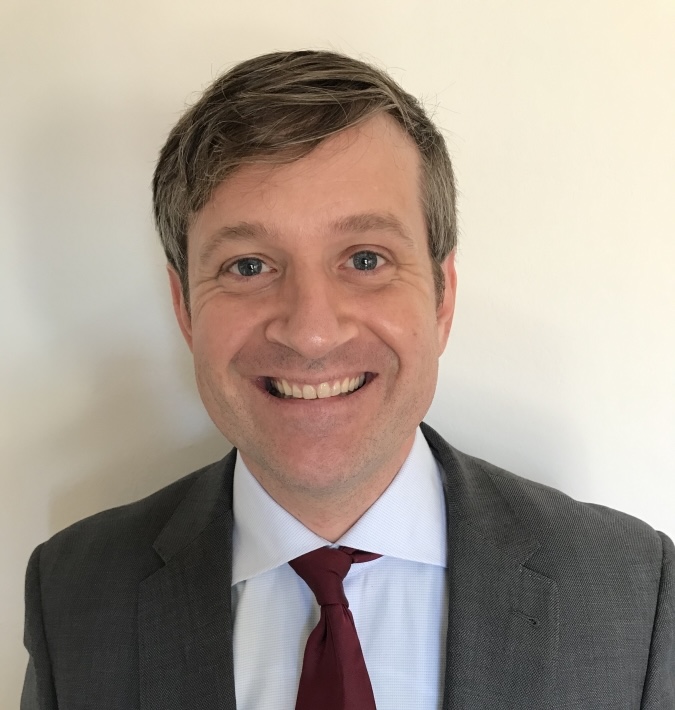
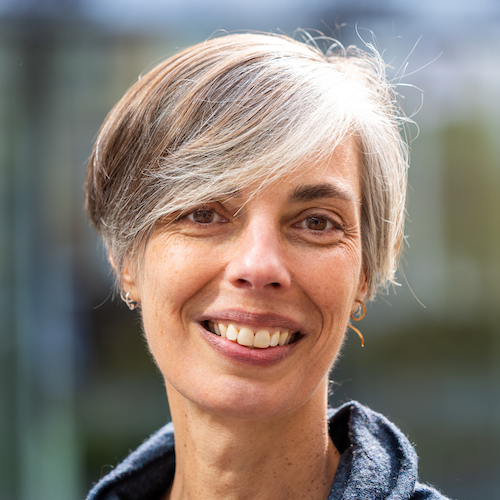
Curtis Lee Baker is a Professor in the Department of Ophthalmology & Visual Sciences at McGill University's Faculty of Medicine, with an associate appointment in the Department of Biomedical Engineering. His research focuses on understanding human visual perception through neural mechanisms relevant to real-world visual processing. His laboratory investigates how early visual processing detects complex cues like contrast, texture, and motion to establish figure-ground relationships and depth perception. Key research areas include: Neural mechanisms of second-order vision Texture and motion processing Figure-ground segregation Depth perception from motion parallax Computational modeling of visual cortex Dr. Baker employs diverse methodologies including single-unit electrophysiology, optical imaging, human psychophysics, and machine learning. His recent publications (2022-2014) demonstrate consistent focus on neural processing of visual boundaries, texture perception, and motion-based depth cues, with increasing integration of computational approaches like convolutional neural networks. His work bridges neuroscience, engineering, and computational modeling to understand fundamental visual processing mechanisms. Current students include Ana Ramirez Hernandez, Jinani Sooriyaarachchi, and Ethan Pirso, with several alumni having completed graduate work in neuroscience, physiology, and biomedical engineering. The lab actively recruits students with quantitative backgrounds for projects involving signal processing, machine learning, and neurophysiological data analysis.
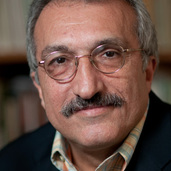
Abbas Milani serves as a Research Fellow and co-director of the Iran Democracy Project at the Hoover Institution, and as the Hamid and Christina Moghadam Director of Iranian Studies at Stanford University. His expertise centers on US/Iran relations and Iranian cultural, political, and security issues. Milani's research interests span Iranian history, politics, and US-Iran relations, with a particular focus on the evolution of Iranian political thought, regime dynamics, and the historical context of contemporary Iranian politics. His scholarship bridges academic analysis with policy relevance, examining how historical patterns shape current geopolitical realities in the Middle East. His recent publications demonstrate consistent focus on Iranian regime stability, nuclear policy, US-Iran relations, and regional power dynamics. Milani's analytical approach combines historical perspective with contemporary political analysis, revealing patterns in Iranian leadership behavior, regime survival strategies, and the interplay between domestic politics and foreign policy. Member of the American Association of Political Science Member of the American Academy of Political and Social Science Member of the Association of Iranian Studies Milani maintains an active role in mentoring emerging scholars and engaging with policy communities, translating complex historical and political analysis into accessible insights for broader audiences. His work often appears in major media outlets, demonstrating his commitment to bridging academic research and public understanding of critical geopolitical issues.
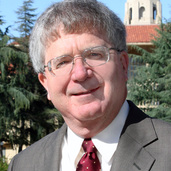
Michael W. McConnell is the Richard and Frances Mallery Professor of Law and the director of the Constitutional Law Center at Stanford Law School, and a senior fellow at the Hoover Institution. He previously held chaired professorships at the University of Chicago and the University of Utah, and visiting professorships at Harvard and New York University. From 2002 to 2009, he served as a circuit judge on the US Court of Appeals for the Tenth Circuit, nominated by President George W. Bush and confirmed by a Democratic-majority Senate by unanimous consent. McConnell's research focuses primarily on constitutional law and theory, with special emphasis on church and state relations, equal protection, and the separation of powers. His scholarly work examines the historical foundations of constitutional principles and their application to contemporary legal issues. He has published extensively on religious liberty, federalism, and executive power, contributing significantly to debates on originalism and constitutional interpretation. McConnell is particularly known for his nuanced understanding of the Establishment Clause and his arguments that the Constitution promotes religious pluralism rather than secularism. His recent scholarship demonstrates how constitutional structures can accommodate religious diversity while maintaining government neutrality. His recent publications and commentary demonstrate a consistent focus on the balance of power between branches of government, particularly executive authority. McConnell has been actively engaged in legal debates surrounding presidential power, including Trump-era challenges to traditional constitutional boundaries. His scholarship shows a commitment to preserving constitutional structures while adapting them to modern governance challenges, with particular attention to how historical understandings inform contemporary constitutional interpretation. 2025 Notre Dame Prize for Religious Liberty Canterbury Medal from the Becket Fund for Religious Liberty Thomas M. Cooley Book Prize (2021) As a former Tenth Circuit judge and Supreme Court clerk for Justice William J. Brennan Jr., McConnell brings practical judicial experience to his academic work. He has argued fifteen cases before the US Supreme Court, most notably achieving an 8-1 victory in a Takings Clause case representing California raisin farmers. His expertise is frequently sought in constitutional challenges, including recent amicus briefs challenging presidential tariff powers. McConnell also serves as co-chair of the Meta Oversight Board, applying his constitutional expertise to digital free speech issues and content moderation policies. McConnell is actively involved with Hoover Institution research teams, particularly the 'Socialism and Free Market Capitalism: The Human Prosperity Project' and the 'Regulation and Rule of Law Initiative,' where he serves as co-chairman. His work bridges academic scholarship and practical legal application, influencing both constitutional theory and contemporary legal debates. He regularly engages with policymakers, participates in congressional testimony, and contributes to public discourse through media appearances and commentary on pressing constitutional issues.
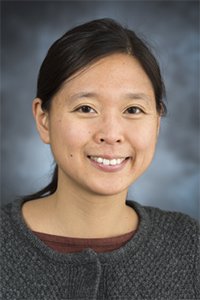
Dr. Le Zhang is an Assistant Professor of Neurology and of Neuroscience at Yale University School of Medicine. She holds primary appointment in the Department of Neurology and secondary appointment in the Department of Neuroscience, with affiliations across multiple research centers including the Center for Brain & Mind Health, Hafler Lab, Interdepartmental Neuroscience Program, WHRY Pilot Project Program Investigators, Women's Health Research at Yale, Wu Tsai Institute, and Yale Combined Program in the Biological and Biomedical Sciences (BBS). Dr. Zhang received her educational training through: B.S. in Biological Science from Peking University (2004) Ph.D. in Molecular Biology and Biochemistry from the University of Hong Kong (2010) Postdoctoral Fellow at University of Pennsylvania School of Medicine (2011) Research Fellow at Harvard Medical School (2016) Dr. Zhang's research program focuses on immune responses of the central nervous system in neurodegenerative diseases. Her work integrates cutting-edge single cell technologies, human research and mouse genetics to elucidate the body-to-brain immune axis in both health and disease. She has made significant contributions to understanding neuroinflammation in Parkinson's disease, Alzheimer's disease, HIV-associated neurocognitive disorder, and Multiple sclerosis. Her laboratory employs advanced techniques including single-cell transcriptomics, proteomics, and computational approaches to unravel complex immune mechanisms in neurological disorders. An analysis of Dr. Zhang's recent publications (2022-2025) reveals a strong focus on neuroimmunology and single-cell analysis of neurological disorders. Her work spans Parkinson's disease, Alzheimer's disease, multiple sclerosis, and HIV-associated neurocognitive disorders, with particular emphasis on how immune cells interact with the central nervous system. The research employs cutting-edge single-cell technologies to create detailed cellular atlases of diseased brains, revealing novel immune mechanisms and potential therapeutic targets. Dr. Zhang has received several prestigious awards recognizing her research contributions: NIH Blueprint for Neuroscience Interoception Research Initiative Early-Stage Investigator Award (2023) NIH NIDA's Avenir Award (DP2) (2022) Yale Alzheimer's Disease Research Center (ADRC) Research Scholar Award (2021) Kavli Institute for Neuroscience Innovative Research Award (2019) Dr. Zhang serves as Principal Investigator of the Zhang Lab, which focuses on understanding the immune network of the central nervous system. Her laboratory is actively recruiting highly motivated scientists to work on neuroimmunology and technology development. She has been involved in significant research initiatives including the SCORCH consortium for studying single-cell opioid responses in the context of HIV. Dr. Zhang previously served on the Yale School of Medicine Faculty Advisory Council from 2018-2023. Dr. Zhang's work has important implications for developing new therapeutic approaches for neurodegenerative diseases by targeting the immune system. Her research on the gut-brain axis and body-to-brain immune communication represents a paradigm shift in understanding how peripheral immune responses influence neurological health and disease.
Armin Kirchknopf serves as a Junior Researcher at the Media Computing Research Group within the Institute of Creative Media/Technologies, Department of Media and Digital Technologies at the University of Applied Sciences St. Pölten. His interdisciplinary work bridges artificial intelligence, computer vision, and social media analysis, with significant contributions to misinformation detection and disaster response systems. Based at Campus-Platz 1 in St. Pölten, Austria, he actively collaborates on EU-funded projects and publishes in top-tier AI venues. His educational journey spans humanities and technology: a Bachelor of Arts in Egyptology and Master of Arts in Classical Archaeology from the University of Vienna (including fieldwork at excavation sites across Austria, Germany, and Egypt), followed by a Bachelor of Science in Media Technology from FH St. Pölten. This unique background informs his human-centered AI research approach. Kirchknopf's research centers on explainable multimodal AI systems for real-world challenges. His recent work demonstrates expertise in transformer-based architectures for cross-lingual fake news detection, sexism identification, and flood monitoring through social media imagery. He pioneers techniques like Grad-CAM for object detection explainability and develops visualization tools for complex data interpretation, emphasizing transparency and social impact in AI deployment. Analysis of his 13 publications (2017-2022) reveals a strategic shift toward applied AI in societal contexts , particularly using social media data for disaster management and combating online toxicity. His projects consistently integrate computer vision with natural language processing, showing increasing sophistication in multilingual capabilities and model interpretability frameworks. His scientific recognition includes: Creative Business Award for co-developing the Tenjin learning quiz application No documented student advisement or grant leadership appears in current records, though he actively mentors through project-based collaborations. His work with the Media Computing Research Group drives innovation in educational technology and public safety applications. Kirchknopf contributes to the Media Computing Research Group's portfolio including Fake News Detection, SAiEX (Safe AI with explainable integrity), InfraBase (building footprint segmentation), and Ressel Center music therapy projects. His cross-disciplinary collaborations span computer scientists, archaeologists, and social scientists, reflecting the group's commitment to human-centric technological solutions .
Anubhav Pratap-Singh is an Associate Professor in the Food, Nutrition and Health department within the Faculty of Land and Food Systems at the University of British Columbia, where he holds the Food and Beverage Innovation Professorship. He leads the UBC Food Process Engineering Laboratory and his research spans environmental and natural resources economics, food chemistry (including fermentation), and natural resource management. His primary research interests focus on agri-food transformation, cold plasma food engineering, food processing, functional foods, heat transfer, high pressure mass transfer, novel non-thermal processing, nutraceuticals, pasteurization, and pulsed light sterilization. Dr. Pratap-Singh's work addresses fundamental questions about the impact of food processing on food quality, how technology can maximize desirable effects while minimizing deleterious ones to feed the growing global population, and how to ensure food safety and nutrition for all socioeconomic groups. His research program is organized around three main pillars: developing novel processing technologies for food preservation, developing technologies for food fortification, and modeling the human GI tract to understand the interaction between food processing and human health. He has made significant contributions to sonic mixing technology for thermal processing and pulsed UV light processing for food surface decontamination, with particular expertise in processing of liquid particulate matter. Dr. Pratap-Singh has received numerous prestigious awards throughout his career, including the Banting Fellowship (2016) and Green College Leading Scholar award (2017). His work has been recognized with the Young Entrepreneur Award (2009), IFTPS Graduate Scholar designation (2014), and Gold Medal from the Institute for Thermal Processing Specialists (2014), among other fellowships and honors. He is affiliated with the BioProducts Institute and Materials and Manufacturing Research Institute at UBC, and supervises graduate students in Food Science (MSc and PhD programs). His laboratory focuses on interdisciplinary research that addresses critical challenges in food science, with implications for feeding the projected 10 billion people by 2050 while countering negative public perceptions around processed foods.
Dr. Elizabeth Dunn is a Professor in the Department of Psychology at the University of British Columbia, Faculty of Arts. Her research examines how time, money, and technology shape human happiness, with a secondary focus on health. She co-authored the book "Happy Money: The Science of Happier Spending" with Dr. Michael Norton and has given talks at TED, PopTech!, and TEDx. Dr. Dunn earned her PhD from the University of Virginia in 2004. Her academic journey has been marked by numerous accolades, including being named a "rising star" by the Chronicle of Higher Education in 2004. Her research primarily focuses on the science of happiness, examining how prosocial spending, time management, and technology use affect well-being. She investigates how to promote rewarding social interactions using technology and how spending decisions shape happiness in everyday life. Her work has appeared in top journals, with three papers published in Science. Recent research has expanded into climate action framing, AI companionship effects, and recycling behavior. Dr. Dunn's research portfolio shows a consistent focus on practical applications of happiness science. Her work has evolved from examining basic happiness mechanisms to applying these principles to contemporary issues like climate change, digital technology impacts, and environmental behavior. She frequently employs experimental methods and large-scale data analysis to understand how small behavioral changes can significantly impact well-being. Royal Society of Canada's College of New Scholars, Artists and Scientists (2015) Society for Personality and Social Psychology Fellow (2014) Social Science and Humanities Research Council Impact Connection Award Finalist (2014, 2015) Killam Faculty Research Fellowship (2011) Killam Faculty Research Prize (2010) Robert E. Knox Master Teaching Award (2010) Canadian Institutes of Health Research New Investigator Award (2010) Mind Gym Academic Prize Honouree (2007) Peter Wall Institute for Advanced Studies – Early Career Scholar (2007) Chronicle of Higher Education Rising Star (2004) Dr. Dunn has supervised numerous graduate students through the UBC Psychology Department's MA and PhD programs. While she is not currently accepting new graduate students for fall 2025, her lab has been instrumental in training the next generation of happiness researchers. Her research has been supported by significant grants including the Killam Faculty Research Fellowship and the Canadian Institutes of Health Research New Investigator Award. She is also a co-author of influential books that translate academic research into practical advice for the public. Dr. Dunn leads an active research laboratory focused on happiness and well-being. Her team conducts experimental research examining how time, money, and technology shape human happiness. The lab has expanded its focus to include contemporary issues such as the impact of AI on social connection, climate action framing, and sustainable behavior. The lab's work combines rigorous experimental methodology with real-world applications to help people optimize their pursuit of happiness.
Josée Johnston is a Professor of Sociology at the University of Toronto and serves as Chair of the Tri-Campus Graduate Department. Her work spans multiple campuses within the University of Toronto system, with offices located at UTM (DV3230) and UTSG (17125-37, 700 University Ave, 17th floor). As an active faculty member available for supervising graduate students, she contributes significantly to sociology education and research across the university's three campuses. Dr. Johnston's research program centers on the intersections of culture, consumption, and environmental issues with politics and inequality. Her work explores ethical consumption and food politics through the lens of food, examining how class, gender, and power shape our relationship with what we eat. She has made significant contributions to understanding 'foodies'—their values, eating habits, and how food remains central to identity and belonging in contemporary society. Her research extends to appearance politics, examining how young people navigate beauty standards through an intersectional lens of privilege and inequality. Analysis of Dr. Johnston's recent publications reveals a consistent focus on food sociology, with particular attention to meat consumption, ethical food systems, and the cultural contradictions inherent in modern eating practices. Her work spans multiple disciplines including environmental sociology, gender studies, and political sociology, often employing intersectional frameworks to examine how power dynamics shape consumption practices. A notable trend in her scholarship is the examination of how everyday food practices reflect broader social inequalities and political divisions. Dr. Johnston is actively engaged in research funding, serving as a co-investigator on an SSHRC-funded project led by Dr. Emily Huddart Kennedy (UBC) that explores affective polarization and climate action. This research investigates how emotions, relationships, and political divisions shape possibilities for decarbonization in Canada. She is also working on an updated edition of Introducing Sociology Using the Stuff of Everyday Life (Routledge), co-authored with Kate Cairns and Shyon Baumann, which introduces core sociological concepts through everyday material culture.
Gene-Hua Crystal Ng serves as an Associate Professor in the Department of Earth and Environmental Sciences at the University of Minnesota, where her research investigates dynamic interactions within the hydrologic cycle—including atmospheric, biological, soil, and geochemical processes—to understand environmental responses to climate change, land use, and contamination. Her expertise spans hydrology, hydrogeology, ecohydrology, and statistical data assimilation methods, employing computer models to analyze land surface, unsaturated zone, and groundwater aquifer connections. Current projects address soil-crop-climate controls on groundwater recharge in the High Plains, vegetation resilience in the Mojave Desert, and chemical-microbial processes affecting groundwater quality near Bemidji (MN) and Cape Cod (MA), emphasizing arid-to-temperate settings under natural and human-impacted conditions. Dr. Ng directs the Ng Hydrology/Hydrogeology Research Group and actively recruits graduate students and post-doctoral researchers for her lab. While no scientific awards are documented in the source material, her work integrates field observations with modeling to advance water resource management and ecological sustainability. Contact details include gcng@umn.edu and office location at 385-14 John T. Tate Hall.
Professor Cyrill P. Rigamonti is a Tenured Professor of Law at the University of Bern, where he teaches intellectual property law, antitrust/competition law, and media law. He serves as Director of the Institute for Economic Law and Chair of the Department for Economic Law, and is the founder of the Center for the Law of Innovation and Competition (CLIC). Professor Rigamonti is also an elected member of the Federal Arbitral Commission on Copyright and Neighboring Rights, serving as its President since 2024, having previously been Vice President since 2020. Professor Rigamonti holds a S.J.D. from Harvard Law School, an LL.M. from Georgetown University Law Center, and a J.D./Ph.D. from the University of Zurich. He also earned a habilitation from the University of Bern and is admitted to practice in New York and Zurich. His academic career includes a visiting position at the University of Oxford's Faculty of Law and Oxford Intellectual Property Research Centre in Spring 2024. Professor Rigamonti's research focuses on intellectual property law, particularly copyright, patent, and trademark law, as well as competition law. His work examines the intersection of intellectual property with fundamental rights, digital technologies, and international harmonization efforts. He has made significant contributions to understanding Swiss copyright law in comparative perspective, particularly regarding non-original photographs, parody exceptions, and internet service provider liability. His scholarly output shows consistent focus on the evolving relationship between copyright law and digital technologies, with particular attention to secondary liability, parody exceptions, and the protection of non-creative works. Professor Rigamonti's work bridges theoretical analysis with practical legal application, as evidenced by multiple citations of his scholarship in Swiss Federal Supreme Court decisions. Prix Jubilé from the Swiss Academy of Humanities and Social Sciences (first legal scholar to receive this award) Mancini and Addison Brown prizes from Harvard Law School Professor Rigamonti actively engages with the legal profession through his service on editorial boards including the leading Swiss intellectual property law journal (sic!), as a peer reviewer for the International Review of Intellectual Property and Competition Law (IIC), and as National Correspondent for the Journal of Intellectual Property, Information Technology and E-Commerce Law (JIPITEC). He also serves as Vice President of the Board of the Hans Sigrist Foundation at the University of Bern and on the list of arbitrators for the Swiss-U.S. Data Privacy Framework Binding Arbitration Program.
Lilja Øvrelid is a Professor at the Department of Informatics, University of Oslo, leading the Language Technology Research Group. Her research focuses on syntactic and semantic text processing using machine learning techniques such as dependency parsing, negation analysis, and sentiment analysis. She teaches courses including IN1140: Introduction to Language Technology , IN5550: Neural Methods in NLP , and INF5830: Natural Language Processing . Her academic interests span natural language processing, machine learning, and computational linguistics, with a particular emphasis on Norwegian language technology. Recent publications highlight work in sentiment analysis (including patient feedback), event extraction from Norwegian news, benchmarking language models, emotion analysis for under-resourced languages (Pashto, Farsi-Dari), and bias detection in multilingual models. She actively contributes to the development of Norwegian language resources such as NorBench, NorQuAD, and NoReC. Current projects include BigMed and SIRIUS , focusing on biomedical text mining and AI infrastructure. Collaborations with colleagues like Erik Velldal, David Samuel, and Vladislav Mikhailov are frequent in her work. Despite no explicit mention of scientific awards, her contributions to NLP and computational linguistics are substantial through publications, datasets, and tool development.
Univ.-Prof. Dr. med. Martin A. Kriegel serves as full Professor and Department Head of the Department of Translational Rheumatology and Immunology at the Institute of Musculoskeletal Medicine, University of Münster, while maintaining an active laboratory at Yale School of Medicine. He leads the Section for Rheumatology and Clinical Immunology (SRKI) at Medical Clinic D, where his team integrates clinical care with cutting-edge microbiome research. His department operates from Röntgenstraße 21 and Von-Esmarch-Str. 54 in Münster, Germany, with extensive collaborations including the "Cells in Motion" research initiative and the CiM-IMPRS graduate program. Dr. Kriegel's research program focuses on the critical interface between host immunity and microbiota, particularly investigating how gut commensals translocate to host tissues and trigger autoimmune responses. His laboratory pioneered the discovery that specific pathobionts like Enterococcus gallinarum and certain Lactobacillus strains can translocate from the gut to mesenteric lymph nodes, liver, and other sites, driving autoimmune responses through molecular mimicry of human autoantigens. His work has established fundamental mechanisms by which microbiota influence rheumatic diseases, cutaneous autoimmunity, and cancer immunology, with particular emphasis on Ro60 autoantigen mimicry, TLR7-dependent pathways, and diet-microbiome interactions. The laboratory employs advanced techniques including gnotobiotic mouse models, humanized systems, and detailed molecular characterization of host-pathobiont interactions. Analysis of Dr. Kriegel's publication record reveals a consistent trajectory of high-impact research connecting microbiome dynamics to autoimmune pathogenesis. His most recent work (2023-2025) demonstrates increasingly sophisticated understanding of how specific bacterial strains influence disease phenotypes across multiple autoimmune conditions, with notable advances in identifying shared microbiome signatures across lupus and inflammatory bowel disease. The publications show progressive refinement from initial observations of microbial translocation to detailed mechanistic insights into tryptophan catabolism pathways, structural basis of molecular mimicry, and diet-sensitive microbial triggers. Dr. Kriegel's scientific recognition includes US Patent No. 11,058,756 B2 for compositions treating autoimmune diseases by reducing enterococcus, reflecting the translational potential of his research. His laboratory receives substantial funding, most notably a $3 million award from the Lupus Research Alliance for the TransLuMi project investigating gut pathobiont translocation in systemic lupus erythematosus. As an educator and mentor, Dr. Kriegel directs a substantial research team including multiple postdocs (Drs. Marcia Pereira, Nathalie Becker), PhD candidates (Anna Brinkhege, Carina Brune, Helen Fuhrmann), and laboratory specialists. He participates in the CiM-IMPRS graduate program and supervises medical students through the MedK program. His laboratory currently manages multiple significant research projects including: (A) intestinal wall permeability and pathobiont translocation in autoimmunity; (B) diet-environment-microbiome interactions; (C) microbiota disruption of immunological tolerance; and (D) microbiome roles in lymphoma development. The Kriegel laboratory maintains state-of-the-art facilities at both Münster and Yale, with specialized capabilities in gnotobiotic research, microbiome analysis, and immune profiling. His team collaborates with international partners including Dr. Eran Elinav at Weizmann Institute, Dr. Nissan Yissachar at Bar-Ilan University, Prof. George Tsokos at Harvard, and Prof. Ilana Brito at Cornell University. The laboratory's website (https://www.medizin.uni-muenster.de/mikrobiom/startseite/) details ongoing projects and research opportunities.
Caleb Bernacchio is the Legendre-Soulé Endowed Chair in Business Ethics and Faculty Director of the Center for Ethics and Economic Justice at Loyola University New Orleans' College of Business. His research integrates virtue-based ethics, behavioral strategy, and organizational theory, with a focus on neo-Aristotelian and MacIntyrean frameworks. Primary Affiliation: College of Business, Loyola University New Orleans Research Focus: Business Ethics, Organizational Theory, Thomism, Catholic Social Teaching Leadership: Director of Center for Ethics and Economic Justice Email: cmbernac@loyno.edu Dr. Bernacchio’s scholarly work explores intersections between ethics and organizational practices, including monograph-in-progress on neo-Aristotelian ethics of markets. His publications analyze virtue ethics, moral motivation in markets, and ethical foundations for collaborative organizations. Recent articles examine: MacIntyrean critiques of managerial agency Agent-centered ethics for digital work Personalist moral psychology Recognition ethics in business Internal goods of economic activity Thomistic dialogues with modern philosophers As Center Director, he develops programs for ethical leadership formation and economic justice engagement through study-service initiatives. His teaching employs case methods alongside behavioral strategy research to cultivate nuanced ethical understanding in business leaders.
Mohammad Reza Farzanegan is Professor of Economics of the Middle East and Chair of the Research Group at the Center for Near and Middle Eastern Studies (CNMS) of the Philipps-University of Marburg in Germany. He serves as program director for the International Master's program in Economics of the Middle East, shaping academic pathways for students specializing in Middle Eastern economic studies. Professor Farzanegan's research spans the political economy of oil, demographic transitions, political economy of sanctions and conflict, and empirical institutional economics. His work examines how resource rents, political institutions, and external sanctions shape economic outcomes in the Middle East, with special attention to Iran's unique historical and institutional context. His methodological approach combines rigorous quantitative analysis with deep contextual understanding of Middle Eastern political economies, frequently employing advanced econometric techniques including Vector Autoregression models, synthetic control methods, and panel data analysis. Analysis of Professor Farzanegan's recent publications reveals a consistent focus on the political economy of the Middle East, particularly Iran. His research spans multiple dimensions including energy economics, conflict studies, development economics, and institutional analysis. A notable trend is his application of innovative methodologies to study the impact of sanctions, resource rents, and political institutions on economic outcomes in the region, often using novel data sources such as newspaper coverage to construct indices of corruption and internal conflict. Alexander von Humboldt Georg Forster Research Fellowship (2010-2012) Professor Farzanegan has secured research funding from prestigious organizations including DAAD, which currently supports his project on the Political Economy of Natural Resources at CNMS in collaboration with Iranian institutions. Through his leadership at CNMS, he fosters interdisciplinary research on the Middle East and maintains active collaborations with academic and research institutions across the region, particularly in Iran. His scholarly contributions have established him as a leading expert on Iran's political economy and the broader economic dynamics of the Middle East. As an educator, he directs the International Master's program in Economics of the Middle East, shaping the next generation of scholars and policymakers with specialized knowledge of the region's economic challenges and opportunities. His work bridges academic research and policy relevance, contributing to understanding of critical issues affecting the Middle East's economic development.
Raquel Fernández is a Full Professor of Computational Linguistics and Dialogue Systems at the Institute for Logic, Language & Computation (ILLC), University of Amsterdam. She serves as Vice-Director for Research at ILLC and is a board member of the ELLIS Amsterdam Unit. Her research focuses on interdisciplinary approaches at the intersection of computational linguistics, cognitive science, and artificial intelligence, with emphasis on dialogue modeling, multimodal processing, and language grounding in visual/social contexts. Her work is supported by prestigious grants including the European Research Council (ERC Consolidator Grant 819455) and multiple Dutch Research Council (NWO) awards (VENI, VIDI, Aspasia). She has received scientific recognition such as the Outstanding Paper Award at EMNLP and Best Data Award at GenBench Workshop. Her recent publications analyze multimodal dialogue systems, visual storytelling evaluation consistency, and co-speech gesture modeling, reflecting trends in Linguistic-Cognitive Integration , Multimodal AI , and Contextual NLP . She leads the Dialogue Modelling Group and has been actively involved in academic leadership as co-president of SemDial, VP-Elect for SIGDAT, and ethics chair for major conferences like COLM. Scientific Awards ERC Consolidator Grant 819455 NWO VENI/VIDI/Aspasia grants Outstanding Paper Award at EMNLP 2023 Best Data Award at GenBench Workshop Elected ELLIS Fellow 2023