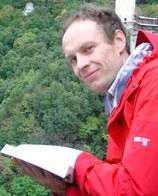
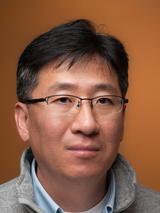
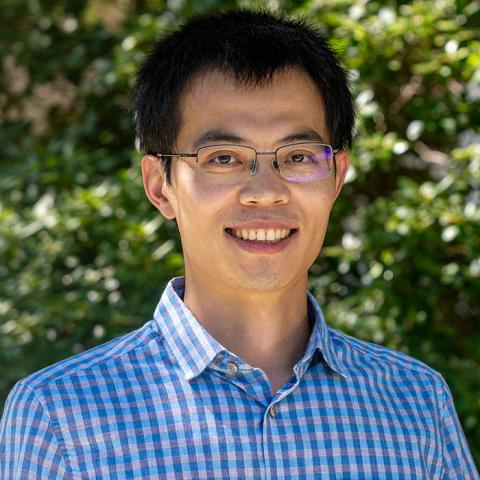
Shunbin Xu is an Associate Professor at Wayne State University School of Medicine , holding dual appointments in the Department of Ophthalmology/Kresge Eye Institute and Department of Anatomy & Cell Biology . His research focuses on the roles of microRNAs (miRNAs) in ocular development and diseases, particularly the miR-183/96/182 cluster —a key regulator of retinal function, corneal immunity, and neuroimmune interactions. Key Appointments : 2004–2013: Assistant Professor at Rush University Medical Center 2013–Present: Associate Professor at Wayne State University (Tenured since 2019) Research Themes : Demonstrated the miR-183/96/182 cluster as a central node in retinal degeneration, innate immunity, and neuroimmune crosstalk Identified roles in Pseudomonas aeruginosa keratitis , diabetic retinopathy, and sensory-neuroimmune pathway interactions Developed miRNA-based therapeutic strategies for ocular inflammation and degenerative diseases Scientific Support : Current NIH/NEI R01 Grants Past funding from ADA, JDRF, Glaucoma Research Foundation, and American Cancer Society Collaborations : Partnered with institutions like EyeGene (NIH) to identify human miRNA cluster mutations linked to syndromic retinal dystrophies.
Jessica Coates, Ph.D., is a Lecturer in the Department of Biology at Spelman College, where she has served since 2023. Her research bridges biological systems with computational approaches to address public health challenges and promote equitable technology development. Education Ph.D. : Emory University B.S. : Spelman College Dr. Coates specializes in statistical modeling of infectious disease dynamics, health equity analysis, and responsible technology applications. Her work examines how public health interventions affect pathogen evolution, antibiotic impacts on microbiomes, and systemic disparities in maternal health outcomes. Recent publications highlight her interdisciplinary focus, combining environmental science, immunology, and data science. Key trends include antibiotic effects on ecosystems (2025), equitable maternal health digitization (2022), and measles diagnostic reliability (2020). No scientific awards were explicitly mentioned in available records. She teaches microbiology courses and maintains active collaborations with institutions like IBM and Mercer University through previous roles.
Philip Rosenstiel is a Professor and Director at the Institute of Clinical Molecular Biology (IKMB) at Kiel University (CAU) and University Medical Center Schleswig-Holstein. He leads the Systems Immunology group, focusing on mucosal immunity, host-microbiome interactions, and inflammatory bowel disease (IBD) pathogenesis. His research integrates molecular pathways including NOD-like receptors, autophagy, and ER stress using genomics, bioinformatics, and organoid models. Research Interests: Rosenstiel's work examines the gut as a 'metaorganism' where host genetics and microbiome dynamics co-determine health. Key areas include: (1) Epithelial stress responses in IBD, (2) Microbial sensing and co-metabolism, and (3) Genomic predictors of therapy outcomes. His lab employs systems immunology approaches to translate mechanistic insights into clinical applications. Publications Focus: Recent articles emphasize epithelial barrier function, microbiome signatures in liver disease, metabolic inflammation, and therapeutic biomarkers for IBD. Core themes include mucosal immunology, microbial ecology, and precision medicine approaches. Team & Infrastructure: Leads the iTREAT team with 15+ researchers at IKMB. The institute provides advanced genomics, microbiome analysis, and biobanking resources. Collaborative projects include DFG-funded initiatives and multicenter IBD consortia.
Riccardo Percudani is a Full Professor in Biochemistry at the University of Parma 's Department of Chemical, Life and Environmental Sustainability Sciences. His expertise spans Bioinformatics, Biochemistry, and Molecular Biology , with a focus on gene function identification, protein evolution, and purine metabolism. PhD in Molecular Biology and Pathology (1999) Master's in Biology (1994, with Honors) His research explores: Bioinformatics : Metabolic pathway analysis, coevolutionary transitions, and gene discovery Biochemistry : Uric acid metabolism, uricase enzyme adaptation, and catsper channel assembly Translational Medicine : Uricolytic treatments for genetic disorders and pig-to-human kidney transplant risks Recent publications highlight virtual screening for gene discovery , evolutionary metabolism studies , and flagellar trafficking mechanisms . Awards : Science Editor's Choice (2010), Nature Chemical Biology News & Views (2006), Faculty of 1000 Recommendation (2010) He leads research units in national grants (PRIN, Telethon) and contributes to technology transfer with patented uric acid conversion methods. Active in editorial boards (Scientific Reports) and European research infrastructure (ELIXIR-ITA).
Jayne Raper is a Professor in the Department of Biological Sciences at Hunter College, CUNY, focusing on trypanosome lytic factors (TLFs) and their role in primate innate immunity. Her research explores the molecular mechanisms of antimicrobial high-density lipoproteins, particularly how TLFs kill African trypanosomes through proteins like apolipoprotein L-I (apoL-I) and haptoglobin-related protein (Hpr). Education : BSc (1982), University of Newcastle Upon Tyne PhD (1989), University of Cambridge Postdoctoral training at Johns Hopkins School of Medicine (1989-1993) and the de Duve Institute, Belgium (1993-1995) Recent research highlights include the structural and functional characterization of APOL1 variants, their role in cytotoxicity and resistance to trypanosomes, and the evolution of primate-specific TLF components. Her work has implications for understanding innate immunity, host-pathogen coevolution, and potential therapeutic applications. Laboratory : Raper Laboratory
Clay Small serves as a Research Assistant Professor in the Department of Data Science within the College of Arts and Sciences at the University of Oregon. His interdisciplinary work bridges evolutionary genomics, computational biology, and host-microbe interactions, with a primary focus on bony fishes. Dr. Small leverages advanced genomic techniques to investigate evolutionary adaptations, particularly in syngnathid fishes (seahorses, pipefishes, and seadragons) and threespine sticklebacks, while maintaining active collaborations with the Institute of Ecology and Evolution. Education Ph.D., Zoology - Texas A&M University, College Station, TX B.S., Zoology, cum laude - University of Idaho, Moscow, ID Research Interests Dr. Small investigates the genomic rules governing evolutionary repeatability, specializing in phenotypic novelties and host-microbe coevolution . His research integrates computational biology, evo-devo, and microbial ecology to understand how genetic variation drives biodiversity across molecular, phenotypic, and community levels. Key methodologies include next-generation sequencing, QTL mapping, and microbiome analysis. His three primary study systems reveal deep evolutionary questions: (1) Genomic basis of male pregnancy in syngnathids; (2) Host genetic control of microbiome assembly in sticklebacks; (3) Developmental genetics of novel bone tissues in sculpins. This work has produced foundational genomic resources for syngnathid fishes and advanced models for human disease research. Publication Trends Dr. Small's recent publications (2019-2025) demonstrate a trajectory toward increasingly sophisticated genomic analyses of evolutionary adaptations. His 2022-2025 work focuses on chromosome-scale assemblies for syngnathiform fishes and single-cell sequencing to dissect developmental genetic mechanisms. Concurrently, his stickleback microbiome research reveals how host genotypes shape microbial communities, with implications for inflammatory diseases. A unifying theme is the application of computational genomics to decode evolutionary innovations. Scientific Awards No scientific awards or fellowships are documented in the available information. Advising and Grants Dr. Small teaches graduate courses in genomics, R programming, statistical inference, and data visualization through the Knight Campus Bioinformatics and Genomics Master's Program. While specific grant details aren't provided, his research has been supported by institutional resources at the University of Oregon and collaborative projects with the Cresko Lab. His work involves training students in genomic analysis techniques and mentoring on interdisciplinary research projects. Labs and Teams Dr. Small operates within the Institute of Ecology and Evolution and collaborates extensively with Bill Cresko's research group. His work involves interdisciplinary teams spanning computational biology, evolutionary genetics, and microbial ecology, often leveraging resources from the Knight Campus for Accelerating Scientific Impact. Current projects include multi-institutional genome sequencing initiatives and experimental evolution studies of host-microbe dynamics.
Dr. Ruairi Donnelly is a Research Fellow in the Department of Plant Sciences at the University of Cambridge, specializing in mathematical modeling of plant disease epidemics. His work focuses on developing solutions for improving plant health through ecological and epidemiological models, with emphasis on viral pathogens like cassava mosaic and brown streak viruses that impact global food security. His educational background includes a PhD in Mathematics from Heriot-Watt University (2015), an MRes in Mathematics in the Living Environment from the University of York (2010), and a BSc in Mathematical Sciences from Dublin City University (2005). PhD: Mathematics, Heriot-Watt University (2015) MRes: Mathematics in the Living Environment, University of York (2010) BSc: Mathematical Sciences, Dublin City University (2005) Dr. Donnelly's research integrates mathematical, statistical, and economic approaches to study insect-pathogen-plant interactions in crop epidemic dynamics. He leads investigations into pathogen-mediated insect superabundance and viral transmission mechanisms, with field collaborations in East Africa alongside Cambridge virologists and BecA ILRI researchers in Nairobi. His methodologies include computational modeling of vector behavior, host-pathogen coevolution, and sustainable disease management strategies. His publication record reveals strong trends in cassava virus epidemiology, vector transmission dynamics, and model-driven pest management. Recent work emphasizes cassava virus forecasting (2025), whitefly transmission mechanics (2023), and pathogen-induced vector superabundance (2022), demonstrating consistent focus on agricultural systems in developing economies. As part of Professor Chris Gilligan's Epidemiology and Modelling group, he contributes to interdisciplinary projects predicting plant disease outbreaks and optimizing sustainable control strategies. The group maintains active field sites in Nigeria and East Africa for real-time epidemic monitoring. Dr. Donnelly collaborates extensively with international partners on grant-funded research targeting viral disease mitigation in subsistence agriculture. His work directly supports crop resilience initiatives through the Crop Science Centre and Global Food Security IRC at Cambridge. The research group operates computational laboratories for epidemic simulation and maintains field stations in East Africa for experimental validation of disease management strategies. Current projects integrate satellite data with epidemiological models for real-time cassava disease forecasting across West Africa.
Nelson Ting is a Professor in the Department of Anthropology and the Institute of Ecology and Evolution at the University of Oregon, where he leads the Ting Lab. His work bridges the disciplines of anthropology, ecology, and evolutionary biology with a focus on conservation applications. He also co-directs the University of Oregon Molecular Anthropology Group, serving as an intellectual hub for primate ecological, evolutionary, and functional genetics/genomics research, training, and outreach. B.A. in Biology and Anthropology, Washington University (1999) M.A. in Anthropology, University of Missouri (2001) Ph.D. in Anthropology, City University of New York Graduate Center (2008) Ting's research lies at the intersections of genetics/genomics, evolutionary ecology, and conservation in natural animal populations, with a particular emphasis on mammals inhabiting the African tropics. His work combines lab-based methods, fieldwork, and computational approaches to elucidate processes that drive diversity, adaptation, and health. He investigates population history to understand environmental change effects, infers abundance for population monitoring, clarifies demography and social behavior in threatened taxa, and studies host-microbe and host-pathogen relationships to connect evolution, environment, behavior, and health. His ultimate goal is to inform conservation decisions and aid in the designation of conservation priorities for endangered species. An analysis of Ting's recent publications reveals a consistent focus on primate conservation genomics, with particular emphasis on African colobus monkeys and forest elephants. His work increasingly integrates host-microbiome interactions with traditional conservation genetics approaches. The research spans molecular techniques from population genetics to whole genome analyses, often connecting ecological observations with genetic data to address conservation challenges. A growing trend in his publications involves interdisciplinary collaborations that bridge field ecology, laboratory genomics, and community-based conservation approaches. National Science Foundation funding for primate conservation research National Institutes of Health funding for host-pathogen interaction studies National Geographic Society funding for elephant hybridization research Wenner-Gren Foundation for Anthropological Research funding Scientific advisor on the Red Colobus Working Group Member of the IUCN African Elephant Specialist Group Member of the IUCN Conservation Genetics Specialist Group Professor Ting has mentored numerous graduate students through the Anthropology, Biology, and Environmental Studies doctoral programs at the University of Oregon. His lab has received substantial grant funding from major organizations including the National Science Foundation, National Institutes of Health, National Geographic Society, and Wenner-Gren Foundation. His research often involves international collaboration with scientists and conservationists in Africa, particularly in Uganda and Gabon, where his team conducts fieldwork on endangered primates and other mammals. Ting is dedicated to translating scientific findings into actionable conservation strategies and policy recommendations. The Ting Lab, located in Pacific Hall, is part of the University of Oregon's Molecular Anthropology Group and maintains strong connections with the Institute of Ecology and Evolution. The lab brings together researchers with expertise in molecular genetics, bioinformatics, field ecology, and conservation science to address pressing questions in wildlife conservation. Current projects focus on African forest elephants, red colobus monkeys, and other threatened species in tropical ecosystems, employing cutting-edge genomic approaches to inform conservation priorities.
Professor Frank Jiggins serves as Professor of Evolutionary Genetics in the Department of Genetics at the University of Cambridge, where he leads the Jiggins Group investigating host-parasite evolutionary dynamics. Having returned to Cambridge in 2009 after research positions at the University of Edinburgh's Institute of Evolutionary Biology, he maintains dual laboratory facilities at Downing Street and the Evolutionary Genetics Laboratory in Madingley. His research program focuses on genetic variation in infection susceptibility using Drosophila , Aedes aegypti mosquitoes, and rabbits as model systems. Key investigation areas include: Genomic signatures of natural selection in host-parasite coevolution Maintenance of infection susceptibility variation in natural populations Mosquito vector competence determinants for human pathogens Evolutionary genetics of disease transmission dynamics Comparative genomics of insect immune systems Population genetics of host resistance mechanisms Employing advanced genomic and evolutionary genetic methodologies, his work bridges fundamental evolutionary theory with disease ecology applications. Professor Jiggins' research recognition includes: Wellcome Trust Fellowship (University of Edinburgh) Royal Society Research Fellowship (University of Edinburgh) He actively mentors five postgraduate students while maintaining collaborative networks across evolutionary biology and vector-borne disease research communities. His group's dual-site operation supports both computational genomics and experimental infection studies.
Jeanne Salje is a Wellcome Trust Senior Research Fellow and Principal Investigator at the Cambridge Institute for Medical Research (CIMR), University of Cambridge, where she leads research on the fundamental biology of obligate intracellular bacteria within the Department of Pathology, School of Clinical Medicine. Her work focuses on Orientia tsutsugamushi , the causative agent of scrub typhus, which affects over 1 million people annually with a 6% fatality rate in untreated cases. Her research explores bacterial cell biology, host-pathogen interactions, and membrane trafficking mechanisms in intracellular pathogens. Key interests include developmental differentiation of O. tsutsugamushi , bacterial manipulation of host cytoskeleton, genome evolution in fragmented pathogens, and development of novel diagnostics. Her lab employs advanced techniques including super-resolution microscopy, dual RNA-seq, and chemical probes for intracellular bacteria. Analysis of her 15 most recent publications reveals consistent focus on O. tsutsugamushi pathogenesis, with emerging themes in bacterial motility mechanisms, strain virulence variation, and genomic plasticity. Her work bridges fundamental cell biology and translational applications for neglected tropical diseases. Scientific recognition includes: Wellcome Trust Senior Research Fellow Her research group includes PhD students and postdoctoral researchers in Cambridge and Bangkok, supported by Wellcome Trust funding. Current projects address unmet needs in scrub typhus diagnostics and treatment through long-standing collaborations in Southeast Asia. Her lab develops innovative methods for studying genetically intractable intracellular bacteria, including super-resolution imaging techniques and metabolic labeling approaches. The Salje lab maintains active research partnerships in Thailand, focusing on field applications of their basic science discoveries. Their work on O. tsutsugamushi motility, differentiation, and genome biology provides critical insights for developing new interventions against this neglected pathogen.
Amanda Brown serves as an Assistant Professor in the Department of Biological Sciences at Texas Tech University, where her research program investigates the formation and stability of microbial mutualisms across diverse hosts including humans, plants, insects, and nematodes. Her interdisciplinary approach integrates experimental and computational methodologies to address fundamental questions in host-microbe interactions. Her academic journey includes a PhD in Molecular Ecology and Evolution from the University of British Columbia, followed by postdoctoral training in Population and Comparative Genomics at the University of Montana and Oregon State University, where she was awarded an AAUW Postdoctoral Fellowship. Dr. Brown employs cutting-edge omics technologies including shotgun metagenomics, metatranscriptomics, and miRNomics, combined with fluorescence in situ hybridization and advanced bioinformatics pipeline development. Her lab focuses on nutritional symbiosis, metabolic complementation, disease suppressive microbiomes, and microbial community resilience across systems such as plant-parasitic nematode endosymbioses, hemipteran insects, banana endophytes, mosquito viromes, cotton rhizospheres, and human chronic polymicrobial infections in cystic fibrosis. The overarching theme examines how mutualisms influence ecological processes like species invasions, biomass production, and disease outbreaks. Analysis of her 15 most recent publications (2022-2025) reveals a dominant focus on nematode-bacterial symbioses—particularly Wolbachia and Cardinium in plant-parasitic nematodes—with significant contributions to understanding symbiont evolution, host range expansion, and horizontal gene transfer. Her work increasingly bridges agricultural systems (banana, cotton, sorghum) and clinical contexts (human infections), demonstrating how computational approaches can unravel complex microbiome dynamics across ecological scales. Her scientific recognition includes: AAUW Postdoctoral Fellowship As principal investigator of the Brown Lab, she directs research exploring microbial community dynamics through soil sampling, endosymbiont characterization, and metapangenomic analyses. Her team develops computational algorithms for big data handling in multi-omics networks, with applications in predicting microbiome resilience and developing disease-suppressive strategies for both agricultural and medical challenges.
Chisu Song serves as a Research Associate Professor in the Department of Medicine (Infectious Diseases) at Northwestern University Feinberg School of Medicine. She maintains dual institutional affiliations with the Northwestern University Clinical and Translational Sciences Institute (NUCATS) and the Robert J. Havey, MD Institute for Global Health - Center for Pathogen Genomics and Microbial Evolution. Her academic credentials include: PhD in Microbiology from University of Alabama at Birmingham (2001) Postdoctoral Fellowship in Microbiology at University of Alabama at Birmingham (2003) Postdoctoral Fellowship in Hematology-Oncology at University of Alabama at Birmingham (2005) Postdoctoral Fellowship in Microbiology and Immunology at Vanderbilt University (2007) Dr. Song's research centers on APOBEC3 cytidine deaminase proteins and their dual roles in HIV-1 regulation and human carcinogenesis. Her work investigates how cellular regulatory mechanisms controlling APOBEC3 proteins could enable sustained HIV remission without antiretroviral therapy (functional cure) while simultaneously elucidating their contributions to over 50% of human cancers through mutagenesis driving drug resistance and metastasis. This interdisciplinary research bridges virology, cancer biology, and molecular therapeutics. Analysis of her publication record reveals consistent focus on APOBEC3-HIV interactions across 13 publications, with recent work (2015-2025) demonstrating progression from fundamental mechanisms of APOBEC3 localization and regulation toward therapeutic applications. Her research integrates structural virology, protein biochemistry, and drug discovery to develop inhibitors targeting APOBEC3 degradation pathways and identify broad-spectrum antivirals with implications for both HIV treatment and cancer therapeutics. Her scientific recognition includes: The Foundation of AIDS Research (amfAR) Research Fellowship (2005) She maintains active membership in the American Society for Microbiology (2012-present). Dr. Song has no disclosed external professional relationships for calendar year 2024 per Feinberg School of Medicine transparency policies. Her research is conducted through institutional affiliations with NUCATS and the Institute for Global Health, where she contributes to pathogen genomics and microbial evolution initiatives. Current work focuses on developing therapeutic interventions targeting APOBEC3 regulatory pathways for HIV functional cure strategies and cancer treatment applications.
Foen Peng is an Assistant Professor of Biology at Haverford College, specializing in evolutionary and genetic mechanisms underlying plant adaptation to pollinators. His research focuses on monkeyflowers (Mimulus), examining genomic and phenotypic changes in floral traits such as color, shape, and scent. Education: BS in Urban Planning (2011), East China Normal University PhD in Biology (2018), University of Washington Peng's lab investigates how organisms evolve in response to environmental pressures, particularly through plant-pollinator interactions, integrating genomics, developmental biology, and ecological modeling. His work spans speciation, immune responses in parasitism, and reaction-diffusion systems in pigmentation. Recent publications highlight interdisciplinary approaches to understanding evolutionary conflicts, hybrid speciation, and gene regulation in floral adaptation. Research themes include pollinator-driven diversification, genetic trade-offs, and molecular mechanisms of phenotypic variation.
Dr. Susanne Dunker is a Working Group Leader and Deputy Department Head at the Department for Physiological Diversity at the Helmholtz Centre for Environmental Research (UFZ) and the German Center for Integrative Biodiversity Research (iDiv) in Leipzig, Germany. Her research bridges aquatic and terrestrial ecosystems with a focus on biodiversity assessment using advanced imaging techniques. Dr. Dunker's research interests span water quality, phytoplankton diversity, cyanobacterial blooms, air quality, pollination, and pollen diversity. She has pioneered the use of multispectral imaging flow cytometry for environmental monitoring, enabling high-throughput analysis of phytoplankton communities and pollen diversity. Her work integrates machine learning with biological analysis to develop innovative monitoring strategies for both aquatic and aerial ecosystems, with applications in understanding biodiversity dynamics, ecosystem services, and human health impacts. Her publication record demonstrates a strong focus on developing and applying imaging flow cytometry techniques across multiple domains. The research shows a clear trajectory from aquatic systems (phytoplankton analysis) to terrestrial systems (pollen analysis), with increasing integration of machine learning and deep learning approaches. Her work has significant implications for environmental monitoring, biodiversity assessment, and understanding the impacts of environmental change on ecosystem functioning. UFZ Technology Transfer Award (2019) UFZ Sustainability Challenge Award (2022) Dr. Dunker leads multiple research projects including PollenNet, OrthoDiv, ProtistQuant, PlanktAI, and SedimentAI, demonstrating her leadership in interdisciplinary research. Her work on reducing plastic in laboratories shows her commitment to sustainable research practices. She serves as a reviewer for numerous high-impact journals and participates in important scientific commissions including the German VDI/DIN mirror committee on automated pollen monitoring. Her laboratory utilizes advanced imaging flow cytometry and deep learning approaches to analyze biodiversity across different ecosystems. The iCyt platform she co-leads provides integrative cytomics support for biodiversity research. Her team's work connects microscopic biological processes with ecosystem-level functions, creating a bridge between cellular traits and environmental monitoring applications.
Dr. Marcel de Zoete is an Associate Professor of Host-Microbiota Interactions at the Department of Medical Microbiology, Utrecht University Medical Center. He also serves as a principal investigator at the Utrecht Exposome Hub. His research focuses on the role of intestinal microbiota in inflammatory bowel disease (IBD), colorectal cancer, diabetes, and metabolic syndrome. Education: PhD in Medical Microbiology, Utrecht University (2003-2010) Postdoctoral Fellow, Yale School of Medicine (2011-2015) Postdoctoral Associate, Utrecht University (2010-2011) MSc in Medical Biology, VU University Amsterdam (1998-2003) Internships at Texas A&M University and Erasmus University Research: Dr. de Zoete investigates how intestinal 'pathogenic' commensals (pathobionts) interact with host epithelial cells and the immune system to drive disease development. His work includes developing genomic methods for antimicrobial resistance gene tracking and mechanistic studies of microbiota-host interactions. Scientific Contributions: 2025: Discovery of Fusobacterium nucleatum 's role in PD-L1 upregulation in colorectal cancer 2024: Development of Omnigene-Gut™ for microbiome stability in pediatrics 2024: Next-generation IgA-SEQ for high-throughput microbiota analysis 2023: Identification of novel Allobaculum species Funding & Recognition: NWO VIDI Grant (2015) for intestinal microbiota research NWO Rubicon Fellowship (2011) for innate immunity studies Teaching & Collaborations: Dr. de Zoete contributes to the Infection & Immunity course and leads research groups in microbial genomics, host-microbiota interactions, and translational microbiomics.