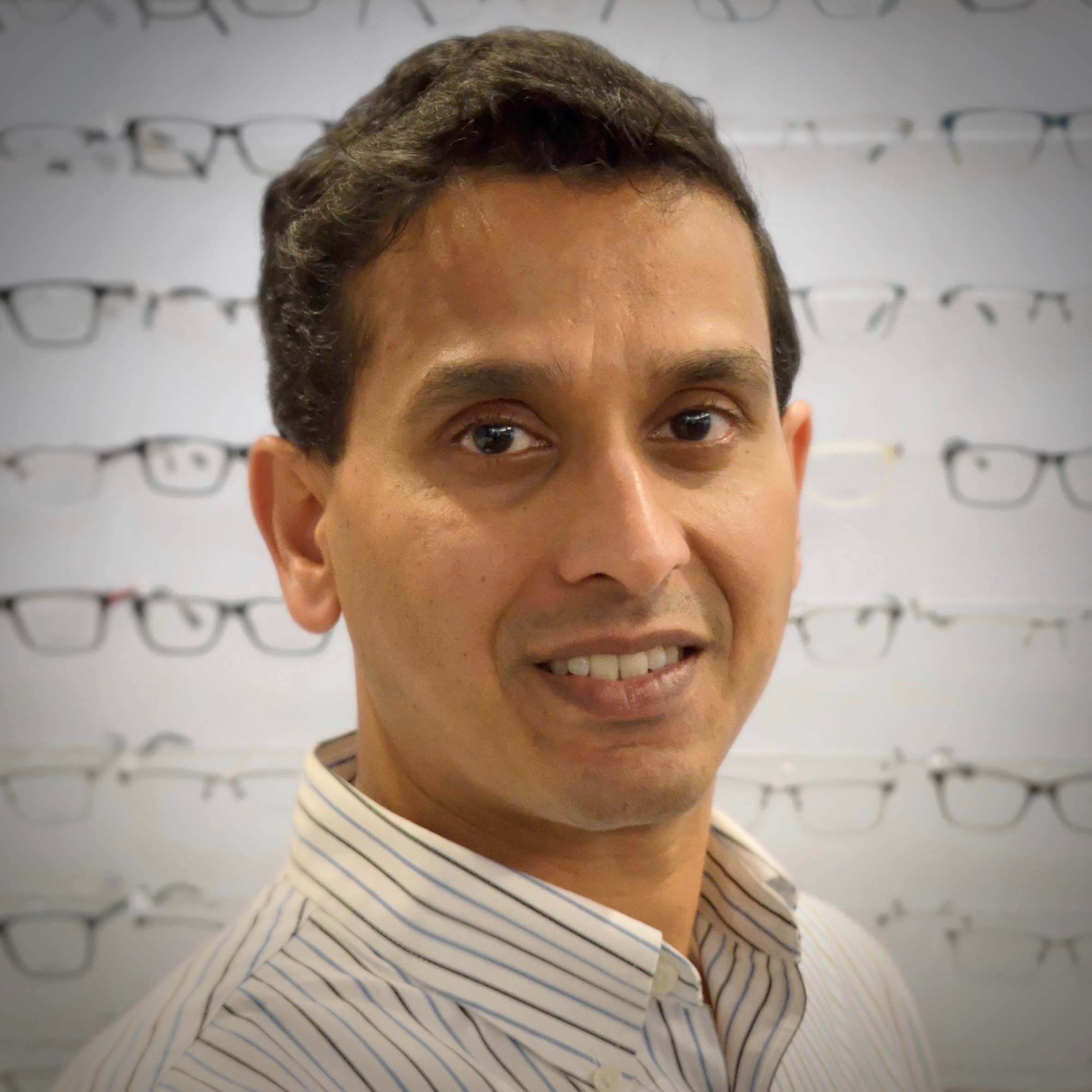
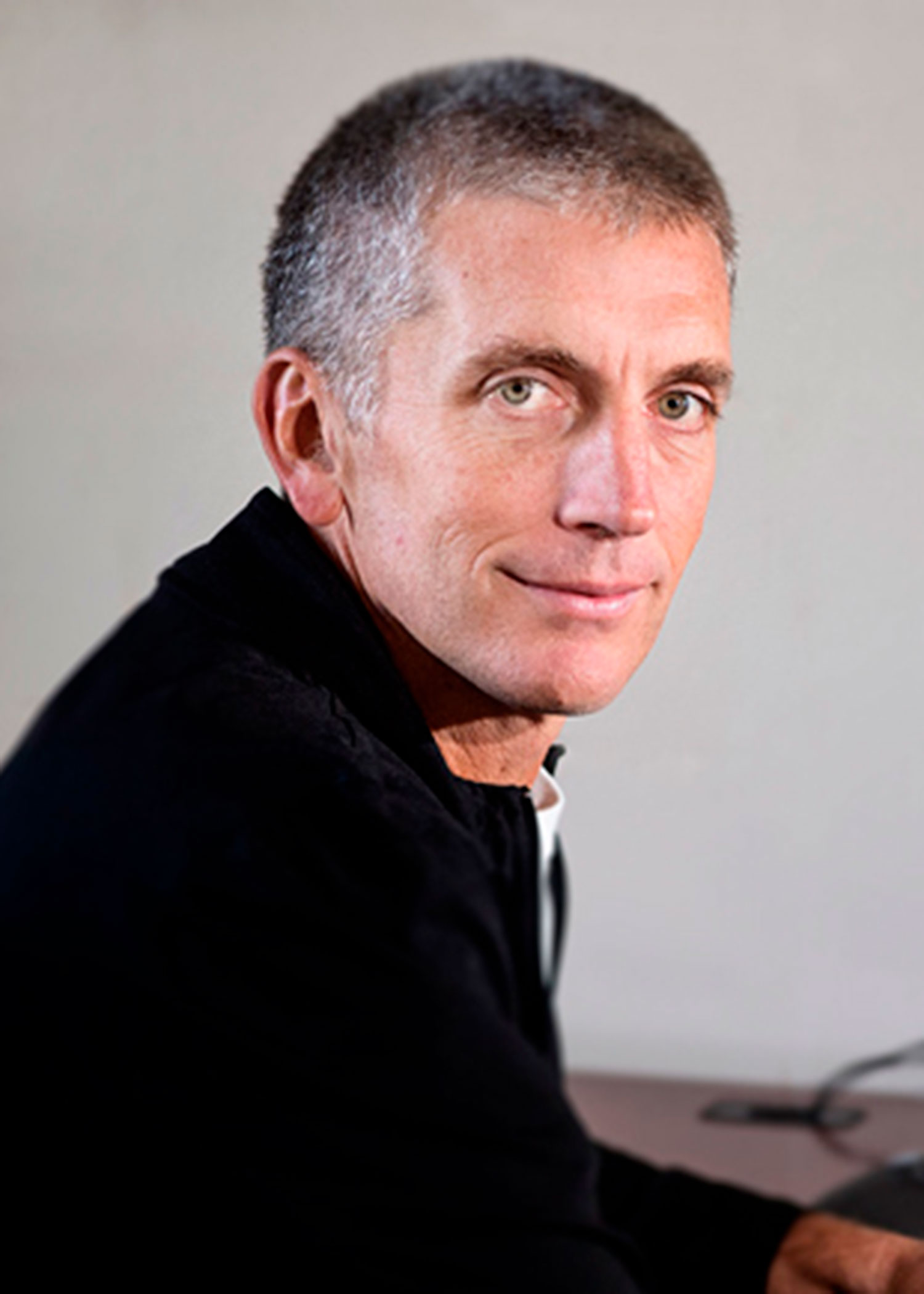
Ajay Kumar Vijay is a researcher and Consultant Lecturer at the School of Optometry and Vision Science , University of New South Wales (UNSW). With a PhD in Optometry from UNSW (2007) and a BSc in Optometry from Birla Institute of Technology (1993), his work focuses on ocular microbiology , particularly in contact lens-related infections , antimicrobial resistance , and corneal disease . He actively collaborates with industry to develop novel disinfectants , antimicrobial coatings , and contact lens storage systems . PhD, Optometry, UNSW (2007) BSc, Optometry, Birla Institute of Technology (1993) His research spans animal models for corneal infections , tear metabolomics , and biofilm analysis on contact lens cases. He contributes to understanding microbial adhesion , inflammasome activation in keratitis, and silver-impregnated lens cases for bacterial control. Recent projects include antiviral coatings and COVID-19 rapid response research on disinfection systems. Vijay’s 15 most recent publications (2025–2022) cover antimicrobial peptides , contact lens comfort , and coronavirus disinfection . Keywords include Staphylococcus aureus , Pseudomonas aeruginosa , and biofilm inhibition , with sub-fields like tear lipid analysis , inflammasome therapy , and peptidomimetic development . BCLA Dallos Award (2017) Fellow of the American Academy of Optometry He supervises PhD candidates such as Gauri Shankar Shreshta (Scientia PhD, Joint Supervisor) and Madeeha Afzal (PhD, Co-supervisor). His affiliations include the Association for Research in Vision and Ophthalmology , International Society of Contact Lens Research , and the Eye Research Group at UNSW, focusing on Ocular Surface Research (including Dry Eye and Contact Lenses).
Sorin Istrail is the James A. and Julie N. Brown Professor of Computational and Mathematical Sciences and Professor of Computer Science at Brown University, where he leads the Istrail Laboratory within the Department of Computer Science and the Center for Computational Molecular Biology. His career spans academia and industry, with notable roles at Celera Genomics and Sandia National Laboratories. Born in Târgu Neamț, Romania Summa Cum Laude BSc in Mathematics, Alexandru Ioan Cuza University (1975) PhD in Mathematics and Physics, University of New Mexico (2000) Research focuses on computational biology, genomics, and algorithmic complexity, particularly in haplotype inference, gene regulatory networks, and protein folding. His work on the human genome project and the computational intractability of the Three-Dimensional Ising Model Problem (STOC 2000) has had significant scientific impact. Recent publications emphasize disease genomics, regulatory genome analysis, and computational methods in virology. Awards include Fellow of the International Society for Computational Biology (2021), Applied Biosystems Science Fellow (2003), and recognition in the Top 100 DOE Discoveries (2001). Grants from the NSF and Brown University support his work in haplotype reconstruction and computational ecology. Co-Editor-in-Chief, Journal of Computational Biology (2000-2020) Co-founder, RECOMB Conference Series (1997) Editorial roles in MIT Press and Springer-Verlag series He has mentored over 30 students and researchers across institutions, with alumni at MIT, Google, and academic positions. His lab integrates computer science, statistics, and biology to address fundamental questions in molecular genetics and precision medicine.
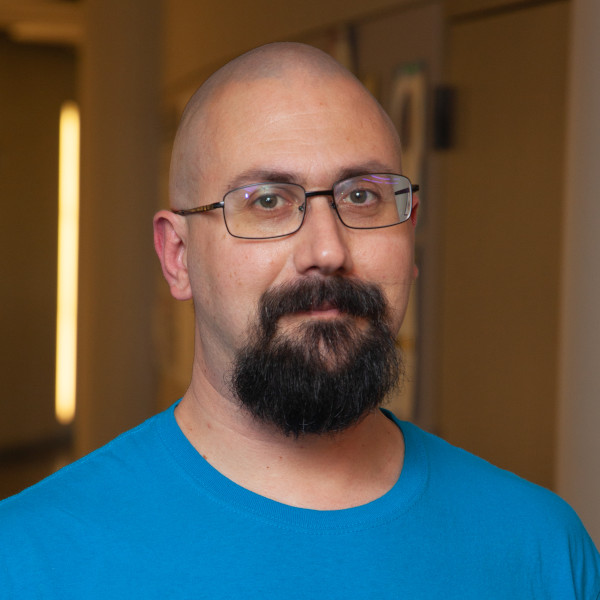
Nicole C Rockey serves as Assistant Professor of Civil and Environmental Engineering at Duke University, joining the faculty in August 2023. Her research program focuses on reducing infectious disease burden through environmental engineering solutions targeting viral pathogen persistence in built environments. Her educational background includes: B.S. in Civil Engineering from University of Texas at Austin (2013) M.S. in Environmental Engineering from University of Michigan, Ann Arbor (2016) Ph.D. in Environmental Engineering from University of Michigan, Ann Arbor (2021) Dr. Rockey's research integrates virology and engineering to investigate pathogen persistence mechanisms, with particular emphasis on virus inactivation dynamics in air, water, and surfaces. She employs advanced techniques including organoid culture systems, flow virometry, and predictive modeling to establish transmission risks and develop engineering controls for microbial threats. Her work addresses critical challenges posed by urbanization, climate change, and population growth on infectious disease landscapes. Analysis of her 15 most recent publications reveals a concentrated research trajectory in influenza virus transmission dynamics, disinfection efficacy (UV, chlorine, heat), and environmental factors affecting viral stability. Key thematic clusters include humidity-dependent virus decay, mucus-virus interactions, engineered water treatment systems, and zoonotic spillover risks - demonstrating significant contributions to environmental virology and public health engineering. No scientific awards specific to Dr. Rockey were documented in the provided materials. She currently advises three Ph.D. students (Karin Brett, Gavin Duffy, Sterling Knight) and supervises postdoctoral associate Margot Olive (recipient of SNF Postdoc.Mobility Fellowship) and research technician Zachariah Broemmel. Her courses include Environmental Molecular Biotechnology and Environmental Microbiology, training next-generation environmental engineers in pathogen detection and control methodologies. The Rockey Research Group maintains active investigations into spatiotemporal dynamics of microbes in indoor environments, with ongoing projects examining ventilation impacts, disinfection efficacy, and phage-host interactions in engineered systems. Their work directly informs engineering interventions for sustainable pandemic preparedness and response.
Dr. Owen Bodger serves as a Senior Lecturer in Health Data Science at Swansea University's School of Medicine. With a strong foundation in Mathematics and Statistics, he brings extensive expertise in social research, data analysis, and computer programming to his academic role. His professional activities encompass teaching, research, and research support across multiple health science disciplines. Dr. Bodger's research interests span health data science methodology, biostatistics education, and the practical application of statistical techniques to diverse medical challenges. His work demonstrates significant contributions across trauma surgery, burn care, cardiovascular medicine, and medical education. He has developed innovative approaches to statistical education, particularly through his publication 'Statistics Without Maths,' which focuses on making complex statistical concepts accessible to those without strong mathematical backgrounds. His research consistently bridges theoretical statistical methods with practical clinical applications, resulting in tools and protocols directly implementable in healthcare settings. Analysis of Dr. Bodger's recent publications reveals a strong pattern of interdisciplinary collaboration across medical specialties. His work spans from clinical trials in orthopedic surgery to innovative educational approaches in biostatistics, with particular emphasis on trauma care, cardiovascular medicine, and medical education methodology. A notable trend is his focus on developing practical assessment tools and protocols that can be directly applied in clinical environments, often addressing resource constraints in healthcare settings. Dr. Bodger actively supervises postgraduate students, currently co-supervising two PhD candidates researching empathy-based stress in social workers during the pandemic and risk factors for burn contractures in lower-income countries. He has successfully supervised PhD students to completion, including work on linguistic factors in drug nomenclature. His teaching responsibilities include multiple advanced statistics modules for health sciences students, with particular focus on research methods and data analysis for both undergraduate and postgraduate learners.
Dr. John Gould is a Lecturer in the School of Environmental and Life Sciences at the University of Newcastle, Australia. His research focuses on conservation biology, particularly the population dynamics of threatened Australian amphibians and the application of management strategies to reduce extinction risk. Dr. Gould earned his Doctor of Philosophy in Environmental Science from the University of Newcastle, along with a Bachelor of Science (Biological Science) and a Bachelor of Environmental Science and Management (Honours), also from the University of Newcastle. Dr. Gould's research explores the intersection of animal behavior, natural history, and conservation. His work has led to several discoveries of unknown or poorly described behaviors and species interactions in the wild across amphibians and invertebrates. His research specifically examines key threatening processes such as emerging infectious diseases and introduced fish, as well as management approaches like habitat construction and exclusion fencing. His PhD focused on the reproductive behavior of an Australian ground frog (Lechriodus), including communal spawning and oviposition site selection, which has implications for conserving amphibians that breed in highly ephemeral waterbodies. Dr. Gould's recent publications demonstrate a strong focus on amphibian conservation, with particular attention to behavioral ecology, habitat management, and species interactions. His work spans from detailed observations of specific behaviors (like tadpole habitat switching and mosquito feeding strategies) to broader conservation applications (such as fire ecology impacts and exclusion fencing effectiveness). A notable trend is his use of citizen science and innovative identification methods for monitoring threatened species. Dr. Gould serves as a co-supervisor for graduate students, including a Master's student working on an art-based citizen science project about frogs and a PhD student researching the ecology of the threatened Green and Golden Bell Frog in created habitats. He has held teaching appointments as Course Coordinator for several environmental science courses including "Implementing Environmental Resilience and Addressing Complexity," "Biodiversity, Conservation and Management," and "Sustainability and Ecosystem Health." His research collaborations span multiple countries, with significant work conducted in Australia, but also including international partnerships with researchers in Germany, the United States, Denmark, the United Kingdom, and other nations.
Ann E. Jerse is a Professor in the Department of Microbiology and Immunology at the Uniformed Services University of the Health Sciences (USUHS), School of Medicine, located in Bethesda, MD. Her research focuses on the adaptation of Neisseria gonorrhoeae to the female reproductive tract, animal modeling of gonococcal and gonococcal-chlamydial infections, antibiotic resistance and microbial fitness, and the development of novel anti-infectives and vaccines. Education: B.A. Medical Technology, Indiana State University (1979) Ph.D. Microbiology and Immunology, University of Maryland School of Medicine, Baltimore, MD, USA (1983) Post-doctoral Fellow, University of North Carolina, Chapel Hill, NC (1991-1993) Dr. Jerse's research program centers on understanding gonococcal pathogenesis through murine genital tract infection models. She investigates bacterial adaptation mechanisms, host immune responses to primary and repeat infections, and the impact of co-infections with Chlamydia trachomatis. Her work on lipid A modifications and efflux pump systems provides critical insights into immune evasion and antibiotic resistance evolution. Current projects explore the fitness costs of resistance mutations and strategies for novel vaccine development against this increasingly resistant pathogen. Analysis of her 2006-2014 publications reveals consistent focus on molecular mechanisms of gonococcal virulence, with emphasis on bacterial surface structures (opacity proteins, lipid A), host receptor interactions (TLR4, CEACAMs), and translational applications for combating antibiotic-resistant gonorrhea. Her research bridges microbiology, immunology, and infectious disease therapeutics through rigorous in vivo modeling. Dr. Jerse maintains active collaboration with researchers across institutions including University of North Carolina and University of Rochester. Her publication record in journals like Infection and Immunity, Journal of Infectious Diseases, and mBio demonstrates significant contributions to the field despite absence of listed awards in the provided text. Mentorship is evident through co-authorship with junior researchers on multiple publications, though specific student names aren't provided. Research is likely supported by federal grants targeting antimicrobial resistance and STI pathogenesis. Her laboratory continues developing advanced murine models to evaluate vaccine candidates and therapeutic interventions against multidrug-resistant Neisseria gonorrhoeae.
Dr. Matthew Jennings serves as an Assistant Professor in the Biology Department at Wilkes University, maintaining his office in Cohen Science Center Room 231. His contact information includes email (matthew.jennings@wilkes.edu) and phone ((570) 408-4581), reflecting his active engagement in academic duties. His educational background features: PhD in Biological Sciences from the University of Arkansas (2016) MS in Biology from Villanova University (2010) BS in Biology/Philosophy from the University of Scranton (2005) Dr. Jennings' research centers on microbial physiology and biotechnology, with specialization in methanogen systems, cave microbiology adaptations, and engineered living materials. His laboratory investigates calcification mechanisms in Escherichia coli and develops genetic tools for cave-derived microbes to enhance their utility in self-healing construction materials and CO 2 sequestration applications. This work bridges environmental microbiology with practical biotechnological solutions. Publication trends from 2010-2025 reveal consistent focus on microbial mineralization processes, particularly carbonate precipitation in bacterial systems. His research portfolio demonstrates evolution from foundational archaeal stress response studies toward applied biotechnology, with recent emphasis on engineered living materials and antimicrobial strategies. The interdisciplinary nature spans environmental science, materials engineering, and molecular microbiology. Dr. Jennings teaches core microbiology courses including BIO 113 (Microbiology), BIO 326 (Immunology and Immunohistochemistry), BIO 327 (Medical Microbiology), and BIO 329 (Virology), integrating his research expertise into undergraduate and graduate instruction.
Sir Tom Blundell is Emeritus Professor and Director of Research in the Department of Biochemistry, University of Cambridge, where he has held the Sir William Dunn Professorship since 1995. He is also Emeritus Fellow at a Cambridge college and co-founder of Astex Therapeutics. A Fellow of the Royal Society, the Academy of Medical Sciences and Academia Europaea, he has received honorary doctorates from fifteen universities. Education and academic career: Professor of Crystallography, Birkbeck College, University of London (1976) Honorary Director, Imperial Cancer Research Fund Unit of Structural Molecular Biology (1989) Sir William Dunn Professor of Biochemistry, University of Cambridge (1995–present) Chairman, Council of Biological Sciences, University of Cambridge (from 2003) Research interests: Tom Blundell’s research integrates structural biology and computational chemistry to understand multiprotein assemblies that control cell regulation, DNA repair, and mitosis. His group uses X-ray crystallography and cryo-electron microscopy to resolve macromolecular structures, then applies structure-guided fragment-based discovery to develop chemical probes and therapeutics against cancer and mycobacterial infections . Recent work focuses on DNA-PKcs in non-homologous end joining , anti-tuberculosis inhibitors , and SARS-CoV-2 targets . Scientific awards and honours: Fellow of the Royal Society (FRS) Fellow of the Academy of Medical Sciences (FMedSci) Member of Academia Europaea Honorary doctorates from fifteen universities worldwide Leadership, boards and grants: Director-General, Agricultural and Food Research Council (1991–1994) Founding Chief Executive, Biotechnology and Biological Sciences Research Council (BBSRC) (1994–1996) Chairman, Royal Commission on Environmental Pollution (1998–2005) President, UK Biosciences Federation (2004–2008) Co-founder and SAB member, Astex Therapeutics (oncology drugs in early clinical trials) Non-Executive Director, Celltech (1996–2005) Science advisory roles with Pfizer, UCB, SmithKline Beecham Labs, teams and resources: Blundell directs an interdisciplinary research group housed in the Department of Biochemistry, Cambridge, with access to world-class synchrotron and cryo-EM facilities. The team combines wet-lab structural biology with computational platforms such as PDBe-KB , ProtCHOIR , Graphein and SDM for structural bioinformatics and AI-driven drug discovery.
Dr. Suzannah Rihn is a virologist and ERC Senior Research Fellow at the Cambridge Institute of Therapeutic Immunology & Infectious Disease (CITIID), which operates within the Department of Medicine at the University of Cambridge. Her research primarily investigates fitness and interferon-related determinants of virus transmission, with special emphasis on coronaviruses and their potential for cross-species transmission to humans. Dr. Rihn received her undergraduate degree from Smith College (Massachusetts, USA) and completed her PhD at Rockefeller University (New York, USA). In 2016, she joined the MRC University of Glasgow Centre for Virus Research as a Postdoctoral Research Assistant, where she was awarded a Sir Henry Wellcome Postdoctoral Fellowship. In 2022, she secured €1.6 million from the European Research Council (ERC) Starting Grant to investigate how new coronaviruses might transmit between rodents and humans in the future. Her research spans virology, immunology, and pandemic preparedness, with particular focus on viral emergence, cross-species transmission, zoonosis, and interferon-stimulated genes. Dr. Rihn's work bridges fundamental virology with practical applications for pandemic prevention, examining how viruses overcome host barriers during transmission events through molecular and immunological approaches. Analysis of Dr. Rihn's publication record reveals a strong trajectory from HIV research to coronavirus studies, with increasing focus on SARS-CoV-2 and related viruses. Her work examines viral evolution, host-pathogen interactions, immune evasion mechanisms, and the development of research tools for coronavirus studies, demonstrating expertise in both retroviruses and coronaviruses. Dr. Rihn has received significant recognition for her research, including: Sir Henry Wellcome Postdoctoral Fellowship European Research Council (ERC) Starting Grant (€1.6 million) As a Principal Investigator, Dr. Rihn leads research into viral transmission mechanisms and pandemic preparedness. Her ERC-funded project specifically investigates rodent-to-human coronavirus transmission potential. She collaborates with prominent researchers including Professor Ravindra Gupta and Professor Sam Wilson within the Cambridge Immunology Network framework. Dr. Rihn's laboratory work focuses on understanding viral fitness determinants and interferon-related mechanisms in virus transmission. Her research contributes significantly to epidemic and pandemic preparedness efforts through the Cambridge Institute of Therapeutic Immunology & Infectious Disease, with implications for surveillance strategies and intervention development to prevent future viral spillover events.
Professor Andres Floto is the University Professor of Respiratory Biology at the University of Cambridge and Co-Director of both the Cambridge Centre for AI in Medicine and the Cambridge Infectious Diseases Interdisciplinary Research Centre. He serves as Director of the UK Cystic Fibrosis Innovation Hub and Research Director at the Cambridge Centre for Lung Infection, Papworth Hospital. His research bridges innate immunity, bacterial pathogenesis, and machine learning applications in biomedicine, with a focus on mycobacterial infections and cystic fibrosis. Scientific awards highlight his contributions: European Respiratory Society Gold Medal (2022), Royal College of Physicians Weber-Parkes Medal (2017), and Fellow of the Academy of Medical Sciences (2022). His work spans antibiotic discovery for Mycobacterium tuberculosis , M. abscessus , and Pseudomonas aeruginosa , integrating structural biology and computational methods. European Respiratory Society Gold Medal 2022 Weber-Parkes Medal, Royal College of Physicians 2017 Fellow of the Academy of Medical Sciences 2022 Vertex Innovation Award 2016 Rosetrees Foundation Interdisciplinary Prize 2015 BUPA Foundation Researcher of the Year 2010 Floto leads an international team at the Victor Phillip Dahdaleh Heart & Lung Research Institute, mentoring PhD students in antibiotic development, AI-driven drug discovery, and bacterial evolution. Collaborations span computational biology, structural genomics, and clinical translational research.
Dr. Felix Randow is a molecular immunologist at the University of Cambridge , affiliated with the Department of Medicine and the Cambridge Immunology Network . His research focuses on cell-autonomous immunity in mammals, exploring how individual cells defend against pathogens through mechanisms like ubiquitin signaling and autophagy. He collaborates with institutions such as the MRC Laboratory of Molecular Biology (CITIID) . Current research themes include: Cell-autonomous defense mechanisms Ubiquitin system in pathogen recognition Autophagy and mitochondrial dynamics Bacterial immune evasion strategies Host-pathogen co-evolution Recent publications highlight his work on galectin-mediated mitochondrial dynamics, bacterial manipulation of ubiquitin ligases (e.g., RNF213), and the role of autophagy receptors like NDP52 in targeting cytosolic pathogens. His team investigates both fundamental immunological principles and translational applications for infectious disease therapies. Dr. Randow’s lab is part of Cambridge’s interdisciplinary immunology initiatives, contributing to guidelines for autophagy assays and training programs for researchers. Collaborative profiles include Dr. Leo James and Professor Paul Lehner.
Philip Rosenstiel is a Professor and Director at the Institute of Clinical Molecular Biology (IKMB) at Kiel University (CAU) and University Medical Center Schleswig-Holstein. He leads the Systems Immunology group, focusing on mucosal immunity, host-microbiome interactions, and inflammatory bowel disease (IBD) pathogenesis. His research integrates molecular pathways including NOD-like receptors, autophagy, and ER stress using genomics, bioinformatics, and organoid models. Research Interests: Rosenstiel's work examines the gut as a 'metaorganism' where host genetics and microbiome dynamics co-determine health. Key areas include: (1) Epithelial stress responses in IBD, (2) Microbial sensing and co-metabolism, and (3) Genomic predictors of therapy outcomes. His lab employs systems immunology approaches to translate mechanistic insights into clinical applications. Publications Focus: Recent articles emphasize epithelial barrier function, microbiome signatures in liver disease, metabolic inflammation, and therapeutic biomarkers for IBD. Core themes include mucosal immunology, microbial ecology, and precision medicine approaches. Team & Infrastructure: Leads the iTREAT team with 15+ researchers at IKMB. The institute provides advanced genomics, microbiome analysis, and biobanking resources. Collaborative projects include DFG-funded initiatives and multicenter IBD consortia.
Dr. Federico G. Hoffmann is a Professor at Mississippi State University with extensive research in evolutionary genomics and molecular biology. His work spans multiple biological systems including insects, fish, mammals, and parasites, with a particular focus on gene family evolution and adaptation mechanisms. Education: Texas Tech University, Doctor of Philosophy (PHD), Biology University of the Republic, Uruguay, Master of Science (MS), Zoology University of the Republic, Uruguay, Bachelor of Science (BS), Biological Sciences Dr. Hoffmann's research primarily focuses on comparative genomics and molecular evolution , with special emphasis on gene family evolution, particularly globin genes across vertebrates. His laboratory investigates how gene duplications, losses, and functional diversification shape evolutionary adaptations. His work spans multiple biological systems from insects to mammals, examining how genomic changes drive physiological adaptations to environmental challenges. His research group employs cutting-edge genomic, transcriptomic, and bioinformatic approaches to understand molecular evolutionary processes. Analysis of his recent publications reveals strong trends in transcriptomic and genomic studies of diverse organisms, with particular emphasis on host-pathogen interactions, viral evolution, and molecular adaptations. His work frequently examines how gene families evolve through duplication, neofunctionalization, and subfunctionalization across diverse taxa. Recent publications show increasing focus on insect genomics, particularly bed bugs and black soldier flies, as well as continued work on vertebrate hemoglobin evolution. Professional Memberships: American Society of Mammalogists Society for the Study of Evolution Society for the Study of Molecular Evolution Dr. Hoffmann leads the Hoffman Lab at Mississippi State University, which is affiliated with the Mississippi Agricultural and Forestry Experiment Station. His research group conducts extensive genomic and transcriptomic analyses to understand evolutionary mechanisms across diverse biological systems. The lab maintains active collaborations with researchers internationally, as evidenced by the global scope of co-authors on recent publications spanning multiple continents.
Nelson Ting is a Professor in the Department of Anthropology and the Institute of Ecology and Evolution at the University of Oregon, where he leads the Ting Lab. His work bridges the disciplines of anthropology, ecology, and evolutionary biology with a focus on conservation applications. He also co-directs the University of Oregon Molecular Anthropology Group, serving as an intellectual hub for primate ecological, evolutionary, and functional genetics/genomics research, training, and outreach. B.A. in Biology and Anthropology, Washington University (1999) M.A. in Anthropology, University of Missouri (2001) Ph.D. in Anthropology, City University of New York Graduate Center (2008) Ting's research lies at the intersections of genetics/genomics, evolutionary ecology, and conservation in natural animal populations, with a particular emphasis on mammals inhabiting the African tropics. His work combines lab-based methods, fieldwork, and computational approaches to elucidate processes that drive diversity, adaptation, and health. He investigates population history to understand environmental change effects, infers abundance for population monitoring, clarifies demography and social behavior in threatened taxa, and studies host-microbe and host-pathogen relationships to connect evolution, environment, behavior, and health. His ultimate goal is to inform conservation decisions and aid in the designation of conservation priorities for endangered species. An analysis of Ting's recent publications reveals a consistent focus on primate conservation genomics, with particular emphasis on African colobus monkeys and forest elephants. His work increasingly integrates host-microbiome interactions with traditional conservation genetics approaches. The research spans molecular techniques from population genetics to whole genome analyses, often connecting ecological observations with genetic data to address conservation challenges. A growing trend in his publications involves interdisciplinary collaborations that bridge field ecology, laboratory genomics, and community-based conservation approaches. National Science Foundation funding for primate conservation research National Institutes of Health funding for host-pathogen interaction studies National Geographic Society funding for elephant hybridization research Wenner-Gren Foundation for Anthropological Research funding Scientific advisor on the Red Colobus Working Group Member of the IUCN African Elephant Specialist Group Member of the IUCN Conservation Genetics Specialist Group Professor Ting has mentored numerous graduate students through the Anthropology, Biology, and Environmental Studies doctoral programs at the University of Oregon. His lab has received substantial grant funding from major organizations including the National Science Foundation, National Institutes of Health, National Geographic Society, and Wenner-Gren Foundation. His research often involves international collaboration with scientists and conservationists in Africa, particularly in Uganda and Gabon, where his team conducts fieldwork on endangered primates and other mammals. Ting is dedicated to translating scientific findings into actionable conservation strategies and policy recommendations. The Ting Lab, located in Pacific Hall, is part of the University of Oregon's Molecular Anthropology Group and maintains strong connections with the Institute of Ecology and Evolution. The lab brings together researchers with expertise in molecular genetics, bioinformatics, field ecology, and conservation science to address pressing questions in wildlife conservation. Current projects focus on African forest elephants, red colobus monkeys, and other threatened species in tropical ecosystems, employing cutting-edge genomic approaches to inform conservation priorities.
Alex Murphy is a Senior Research Associate at the Department of Plant Sciences, University of Cambridge, focusing on plant virology and molecular plant pathology. PhD in Molecular Plant Biology, University College London (1989-1992) BSc in Botany and Genetics, University College London (1985-1988) Research Interests Dr. Murphy investigates the interplay between plant viruses, insect behavior, and host resistance mechanisms. Key areas include: Viral manipulation of salicylic acid pathways Insect-mediated virus transmission dynamics Gene silencing in plant-pathogen interactions Ecological impacts of viral infections on pollination Development of sustainable agricultural practices Computational modeling of disease spread Scientific Awards Leverhulme Fellowship (2004-2008) Cambridge University Broodbank Independent Research Fellowship (1997-2000) Dr. Murphy's work explores how viruses subvert plant defenses and alter insect behavior to enhance their transmission, with implications for sustainable crop protection. Contact: amm1013@cam.ac.uk