SUNY College of Environmental Science and ForestryUnited States
Jun Hyung Lee is a Visiting Assistant Professor in the Department of Environmental Biology at SUNY College of Environmental Science and Forestry (ESF). His research focuses on advancing forest tree improvement and conservation through molecular and synthetic biology approaches, with a particular emphasis on enhancing plant resilience to environmental stresses via beneficial microbial interactions. He teaches courses in plant biotechnology and tissue culture methods. Education includes a Ph.D. in Forest Genetics from Purdue University (USA), and M.S. and B.S. degrees in Plant Science from Seoul National University (South Korea). His work integrates cutting-edge genetic engineering techniques with ecological studies to address challenges in plant stress tolerance, symbiosis, and epigenetic regulation. Recent projects include identifying novel symbiosis pathways for thermotolerance and analyzing flooding tolerance in hybrid poplars. Publications highlight contributions to plant-microbe interaction research, synthetic biology applications, and genome editing epigenetic impacts. Collaborations span institutions like Oak Ridge National Laboratory and the University of Georgia, reflecting his transdisciplinary approach to plant science. Lee’s teaching emphasizes practical skills in biotechnology, bridging laboratory innovation with field applications.
Yin Bao is an Assistant Professor in Plant and Soil Sciences and Mechanical Engineering at the University of Delaware since 2023, previously holding the same position at Auburn University's Department of Biosystems Engineering (2019-2023). He holds a BE in Mechanical Engineering from China Agricultural University (2012) and a PhD in Agricultural and Biosystems Engineering from Iowa State University (2018), followed by postdoctoral research there until 2019. His research focuses on automation technology for agriculture and forestry, leveraging robotics, machine learning, and sensing systems to develop tools for precision farming and plant phenotyping. Key areas include unmanned systems (UGVs/UAVs), spectral imaging, and AI-driven predictive models for crop and livestock management. Recent work emphasizes automated inventory systems for forest nurseries, UAV-based vegetation assessment, and machine learning applications in crop yield prediction. His publications span robotic guidance systems, root segmentation in X-ray CT scans, and equine gait analysis using deep learning. Notable projects include the Robotic Assay for Drought (RoAD) system and the 'smart canopy' sorghum initiative. Collaborative efforts involve integrating multifrequency microwave sensing and electronic nose technologies for crop quality analysis.
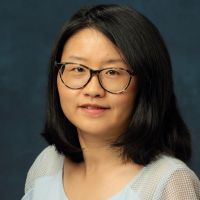
Ning Zhang is an Assistant Professor in the Biology Department at James Madison University (JMU), joining in 2024. Her research focuses on enhancing crop resilience through molecular and biochemical studies of plant defense mechanisms against bacterial pathogens, alongside developing genome editing technologies for trait improvement. She holds a PhD in Horticulture and Crop Science from The Ohio State University (2016), an MS in Silviculture from Zhejiang Agriculture and Forestry University (2011), and a BS in Landscape Architecture from Shandong Agricultural University (2008). Research Interests: Dr. Zhang's lab investigates plant immunity pathways, CRISPR/Cas9 genome editing applications, and engineering crops for disease resistance. Her work integrates molecular biology, genetics, and biochemistry to tackle challenges posed by climate change and biotic/abiotic stresses. Recent Trends in Publications: Her articles concentrate on MAPK signaling pathways, NLR protein interactions, PP2C phosphatase regulation, and bacterial effector mechanisms in tomato and other crops. Key themes include immune system activation, pathogen recognition diversity, and transgenic plant development. Lab Information: The Zhang Lab at JMU is part of the Department of Biology, focusing on plant biotechnology solutions for agricultural sustainability. They collaborate on projects involving CRISPR-based gene editing and stress tolerance research.
Manu Magar is a Researcher at the School of Biological Sciences , University of Western Australia , with a focus on plant genetics and climate resilience. They also hold an external position as a Biotechnologist at the National Biotechnology Research Center, Nepal Agricultural Research Council since May 2014. M.Sc.Ag. in Agricultural Science from Acharya N G Ranga Agricultural University (2012) B.Sc.Ag. in Horticulture from Tribhuwan University (2009) Research Interests Their work centers on plant breeding , gene expression , and crop genomics to combat heat stress in wheat. Key areas include transcription factor analysis , ERF gene regulation, and drought tolerance mechanisms. Article Trends Magar’s publications (2022–2025) emphasize AP2/ERF superfamily genes in wheat, heat tolerance pathways, and ethyline signaling during grain filling. Their work bridges genomic studies and transcription factor roles in stress response. Collaborations & Research Active in international collaborations between Australia, Nepal, and India, Magar contributes to crop improvement via genomic analysis and biotechnology .
Prof. Senthold Asseng is a Professor of Digital Agriculture at the Technical University of Munich (TUM), leading the Hans Eisenmann Forum for Agricultural Sciences since 2021. His research focuses on climate-plant-soil systems modeling, addressing global food security, sustainable agriculture, and digital technologies like vertical farming and autonomous robotics. He holds a PhD from Humboldt University Berlin and habilitation from TUM, with prior roles at CSIRO Australia and the University of Florida (as Full Professor and Director of the Florida Climate Institute). His honors include AAAS Fellow, Web of Science Highly Cited Researcher, and multiple teaching/mentorship awards. Education: BSc/MSc in Agronomy & Horticulture, Humboldt University Berlin (1989-1990) PhD in Agronomy, Humboldt University Berlin (1994) Habilitation in Agronomy, TUM (2004) Research Interests: Climate change impacts on crops, digital agriculture technologies, systems analysis for autonomous farming, and vertical farming sustainability. His work integrates modeling, robotics, and environmental control to enhance agricultural resilience and productivity. Awards: AAAS Fellow (2019) Highly Cited Researcher (2019) UF Research Foundation Professor (2016-2019) Grants & Leadership: Led interdisciplinary projects like AgMIP-Wheat, SECC, and FAO advisory roles. Active in editorial roles for journals like Global Change Biology and Environmental Research Letters . Labs/Teams: Chair of Digital Agriculture at TUM, collaborating on projects like Smartfield and Proteins4Singapore , focusing on automation, controlled environment agriculture, and climate-smart solutions.
Carol Smith is an Associate Professor in the Department of Soil & Physical Sciences at Lincoln University, New Zealand, where she serves as Head of Department since 2017. She has been an elected academic staff member of the Lincoln University Council from 2018-2022. Dr. Smith holds a PhD from the University of Aberdeen, an MSc from the University of Reading, and a BSc(Hons) from the University of Portsmouth, forming the foundation of her expertise in soil science and physical geography. Her research spans both fundamental and applied aspects of pedology. On the fundamental side, she investigates Quaternary pedology and paleoenvironmental reconstruction using loess stratigraphy, geomorphology, and micromorphology, which provides critical data for verifying future climate change predictive models. Applied research focuses on sustainable use of recycled organic matter and rehabilitation of degraded soils. She collaborates internationally on multidisciplinary projects involving paleoclimate reconstruction, paleoliquefaction, Antarctic soils, and viticulture. Dr. Smith is passionate about teaching and science communication, employing experiential learning methods to develop practical field skills in soil science through 'soil judging competitions' in New Zealand and Australia. Her research addresses UN Sustainable Development Goals including Life on Land (15), Climate Action (13), and Quality Education (4). Among her notable recognitions are the Norman H Taylor Memorial award 2020 from the New Zealand Society of Soil Science for outstanding contributions to soil science in New Zealand and Fellowship in the Royal Geographical Society, London. She serves as Associate Editor of Natural Sciences Education and was previously editor of Quaternary Australasia. Dr. Smith has supervised numerous graduate students through research-based supervision, with completed projects covering diverse topics from soil patterns in Southland to Antarctic soil ecology. She teaches advanced courses in field research, soil science, and physical landscapes, and has developed innovative approaches to teaching during the pandemic, including virtual field trips.
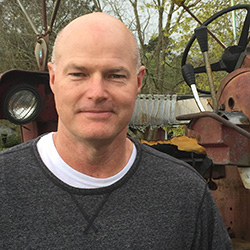
David L Jordan is the William Neal Reynolds Distinguished Professor in the Department of Crop and Soil Sciences within the College of Agriculture and Life Sciences at North Carolina State University. His appointment consists of 50% Extension, 25% Research, and 25% Academic responsibilities. He serves as a Crop Science Extension Specialist with a focus on peanut production and weed management, working closely with the North Carolina Peanut Growers Association, private consultants, industry representatives, and farmers. Dr. Jordan received his educational background from North Carolina State University and the University of Arkansas: PhD in Agronomy, University of Arkansas, 1993 MS in Crop Science, North Carolina State University, 1988 BS in Agronomy, North Carolina State University, 1985 AS, Chowan College, 1983 Dr. Jordan's research focuses primarily on peanut-based cropping systems, integrated pest management in peanut production, and the applied biology and management of weeds. His work addresses critical challenges in sustainable agriculture, including herbicide resistance management, crop rotation strategies, and aflatoxin mitigation in peanut production. He has developed significant expertise in developing risk tools to assist peanut growers and their advisors manage pests. His international work extends to Africa, where he collaborates with colleagues to develop more effective and sustainable pest management strategies for peanut (groundnut) and to improve food safety through aflatoxin mitigation. His recent publications reveal a strong focus on optimizing agricultural practices for peanut, cotton, and soybean production. Key themes include crop rotation effects on weed populations, nematode management in peanut systems, herbicide resistance evolution in agricultural weeds, and international peanut production practices. His research integrates field studies with practical extension applications to address real-world agricultural challenges across multiple continents. Dr. Jordan has received numerous prestigious awards throughout his career: Fellow of multiple professional societies including the American Society of Agronomy, Crop Science Society of America, Weed Science Society of America, and Southern Weed Science Society William Neal Reynolds Distinguished Professor (2015) Academy of Outstanding Faculty in Extension and Engagement, North Carolina State University (2022) Outstanding Extension and Engagement Award, North Carolina State University (2022) Dow AgroSciences Award for Excellence in Education from the American Peanut Research and Education Society (2010) Dr. Jordan has mentored numerous graduate students, serving as advisor or co-advisor for 3 MCS, 13 MS, and 12 PhD students, and has served on 40 MS, 45 PhD, and 7 MA graduate committees. His grant funding totals over $11.9 million from Louisiana State University Agricultural Center (1993-1996) and North Carolina State University (1996-present). He has led multiple USAID-funded international projects focused on peanut production and aflatoxin mitigation in countries like Ghana, Haiti, and Malawi. Dr. Jordan leads a comprehensive research and extension program focused on peanut production systems. His work involves close collaboration with multiple departments at NC State including Entomology and Plant Pathology and Biological and Agricultural Engineering. Internationally, he works with colleagues across Africa to develop sustainable pest management strategies. His program emphasizes interdisciplinary collaboration among many individuals, disciplines, and institutions with the common goal of improving the quality of life of people through agricultural improvements, education, and science.
Professor Shubhra Pasayat is affiliated with the Department of Electrical and Computer Engineering and Materials Science & Engineering at the University of Wisconsin-Madison. She holds a PhD (2021) and MS (2017) from University of California, Santa Barbara, and a B.Tech (2013) from Indian Institute of Technology Kharagpur. Research focus: MOCVD growth of III-nitrides/oxides for optoelectronics, power electronics, quantum materials, and bio-photonics Key applications: LEDs, LASERs, HEMTs, bio-photonics, and sanitization technologies Her research interests center on wide bandgap semiconductor materials, particularly group-III nitrides and oxides. She works on strain relaxation techniques using porous GaN substrates, quantum dot engineering for visible light emission, and high-voltage GaN HEMT development. Current projects include lattice engineering for improved crystal quality and thermal management in RF devices. Publications highlight advancements in ultraviolet lasers, high-electron-mobility transistors, and micro-LEDs. Her work spans fundamental material studies and device optimization for industrial applications like electric vehicles, 5G/6G communications, and horticultural lighting. 2024 Awards : NSF CAREER, ONR DEPSCoR, WARF Early Career Innovator 2022 Awards : UCSB ECE Outstanding Dissertation, JAP Best Paper She teaches ECE 235 Introduction to Solid State Electronics and mentors research at both graduate and undergraduate levels.
Dr. Yunfei Jiang is an Assistant Professor in the Department of Plant, Food, and Environmental Sciences at Dalhousie University's Faculty of Agriculture. Her research focuses on improving crop resilience to climate change and sustainable agronomic practices in Atlantic Canada, with expertise in agronomy, crop physiology, and environmental stress responses. She holds a Ph.D. in Plant Science from the University of Saskatchewan (2017), an M.Sc. from Dalhousie University (2013), and a B.Sc. in Horticulture from Fujian Agriculture and Forestry University (2010). Her research includes evaluating enhanced efficiency fertilizers, biochar, and intercropping systems to enhance soil health and crop yields. She teaches courses such as AGRN2001 (Cereal-Based Cropping Systems) and PLSC2001 (Plant Propagation Techniques). Funding and awards details, along with her graduate students' projects, are available on her lab website at jiangdal.ca . Dr. Jiang is affiliated with professional organizations including the Nova Scotia Institute of Agrologists and the American Society of Agronomy. Her lab, the Agronomy and Crop Physiology (ACP) Lab, emphasizes sustainable agriculture and crop adaptation to environmental challenges. Contact her via email at yunfei.jiang@dal.ca or visit her lab's address: PO Box 550, Truro, NS B2N 5E3.
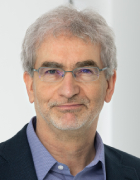
David Bawden is a Professor in the Department of Library and Information Science (CityLIS) at City, University of London. With a publication record spanning over two decades, he has established himself as a leading scholar in information science, particularly known for his work on the philosophical foundations of information, knowledge organization, and information behavior. His research frequently intersects with Luciano Floridi's Philosophy of Information, which he has applied to library and information science theory and practice. Bawden's research interests focus on the theoretical underpinnings of information science, including information behavior, information literacy, knowledge organization, and the philosophical dimensions of information. His work often explores the conceptual frameworks that shape how we understand information in both physical and digital environments. He has made significant contributions to understanding information privacy through a philosophical lens and has examined temporal aspects of information in contemporary society. His recent publications demonstrate a continued focus on theoretical developments in information science, with particular attention to the implications of Floridi's work for library and information practice. Bawden's scholarship shows a consistent trajectory from examining historical aspects of information to contemporary challenges in the digital age, maintaining a strong theoretical orientation throughout. As a frequent collaborator with Lyn Robinson (also at City, University of London), Bawden has co-authored numerous papers exploring transitions between concepts of information across different domains, information overload, and the philosophical foundations of information science. His work has appeared in leading journals including the Journal of Documentation, Journal of the Association for Information Science and Technology, and Information Research. Bawden has been actively involved in the CityLIS program, contributing to innovative approaches to information science education including the development of curricula addressing data librarianship and the 'onlife' nature of contemporary information experience. His scholarship reflects a deep commitment to advancing the theoretical foundations of the field while maintaining relevance to practical information challenges.
Richard DUNCAN is a Professor in Conservation Biology at the University of Canberra's Science School and Department of Centre for Conservation and Ecology Genetics. His research focuses on the ecology of invasive species, particularly understanding how introduced species arrive, establish, and spread in new environments. Key areas include invasive weeds and pests, ecological community structure, and applying quantitative methods to address both fundamental and applied ecological questions. Education: PhD in Forest Ecology, University of Canterbury (1989, award date noted as 2024 in text) Research Interests: His work spans invasive species ecology, population dynamics, and restoration strategies. He employs diverse methods including field experiments, modeling, and genomics, with recent focus on grasslands and aquatic systems. Current projects address amphibian chytrid fungus, carp invasions, and rodent control. Articles Trends: Recent publications emphasize invasive species impacts on ecosystems, pathogen-driven niche contractions, and conservation tools like geospatial modeling and genomic simulations. Themes include species distribution modeling, pest management, and restoration ecology. Awards & Grants: Lead investigator on 35+ projects, including ARC Plant Biosecurity Training Centre and chytrid fungus mitigation efforts Associate Editor for Proceedings of the Royal Society B and Diversity and Distributions Advising: Accepting PhD students in invasive species ecology, with focus on using biological invasions to explore ecological theory and management applications. Labs/Teams: Collaborates widely on conservation genetics, aquatic invasions, and biosecurity, including work with the Biological Heritage Science Challenge and Indigenous Grasslands Trust.
Professor Oula Ghannoum is a renowned plant scientist and academic leader at the Hawkesbury Institute for the Environment (HIE), Western Sydney University. She serves as Director of the ARC Training Centre for Smart and Sustainable Horticulture and holds leadership roles, including Biological Sciences Discipline Lead and Associate Editor at Functional Plant Biology . Her research focuses on photosynthesis, global change biology, and protected cropping, aiming to enhance food security and climate resilience through crop improvement and sustainable agricultural practices. Education: BSc (Honours) in Plant Biochemistry, University of NSW (1993) PhD in Plant Physiology, Western Sydney University (1998) Research Interests: Professor Ghannoum’s work addresses global challenges like food security and climate change by exploring plant responses to environmental stress. Her lab uses advanced technologies like smart glasshouses and hyperspectral imaging to optimize crop yield and quality. Key areas include sugar signaling pathways in C3/C4 plants, water use efficiency, and heat tolerance in cereal crops. Grants & Funding: She has secured over $25M in research funding, leading projects on C4 photosynthesis, automated crop monitoring, and protected cropping systems. Notable collaborations include the ARC Centre of Excellence for Translational Photosynthesis and Future Food Systems CRC. Awards: 2024 Vice-Chancellor’s Excellence in Research Award 2023 Education and Outreach Award (Australian Society of Plant Scientists) 2001 ARC Postdoctoral Fellowship Labs & Teams: Her team develops innovative frameworks for sustainable horticulture, combining biology with AI and smart technologies. Ongoing work includes imaging-based crop monitoring and phenotyping for climate-resilient crops.
Dr. Pamela D. Roberts is a Professor of Plant Pathology and State Extension Specialist for Vegetable Pathology at the University of Florida's Southwest Florida Research and Education Center (SWFREC) in Immokalee, FL. She holds a B.Sc. in Horticultural Sciences from Kansas State University, an M.S. in Plant Pathology from the University of Hawaii, and a Ph.D. in Plant Pathology from the University of Florida. Her research focuses on sustainable disease management in vegetables and specialty crops, emphasizing integrated management strategies for bacterial and fungal-like pathogens. She leads the Florida Extension Plant Disease Diagnostic Laboratory at SWFREC, offering diagnostic services and disease management recommendations. Her extension programs include educational outreach on plant diseases and field demonstrations of integrated management techniques. Dr. Roberts has received prestigious awards such as the UF/IFAS Jim App Team Award and the Dallas Townsend Distinguished Extension Award. She serves as Editor-in-Chief of the American Phytopathological Society journal Plant Health Progress . Her work spans disease diagnosis, epidemiology, and pathogen evolution, with a strong emphasis on crops like tomato, pepper, and citrus. Her research publications address topics such as Xanthomonas pathogen diversity, remote sensing for disease detection, and sustainable agricultural practices. She collaborates on projects involving molecular diagnostics, pest management strategies, and crop resilience. Ongoing efforts include combating bacterial spot diseases, whitefly-transmitted viruses, and citrus black spot.
Dr. John M. Ruter is the Allan M. Armitage Professor and Director of the UGA Trial Gardens within the College of Agricultural & Environmental Sciences at the University of Georgia. His work integrates plant breeding, genetics, and sustainable nursery crop production, focusing on ornamental plants for southeastern landscapes. Education: B.S. in Ornamental Horticulture, California Polytechnic State University (1984) M.S. in Ornamental Horticulture and Landscape Design, University of Tennessee (1986) Ph.D. in Horticultural Science, University of Florida (1989) Research interests include developing climate-resilient ornamental plants (e.g., Camellia oleifera , hibiscus, crape myrtle), mutation breeding via gamma irradiation, and optimizing nursery production systems. Recent projects focus on polyploid conifer evaluation and tea oil crop development for the southeastern U.S. Recent publications highlight advancements in induced mutagenesis (EMS, gamma irradiation), disease resistance screening (Cercospora leaf spot), and genetic characterization of native and ornamental species. Key subfields include ornamental breeding , genomic analysis , and sustainable production practices . As Director of the UGA Trial Gardens, he leads plant evaluation programs that inform regional landscaping decisions and cultivar development.
Jenny Kao-Kniffin is a Professor in the Horticulture Section of the School of Integrative Plant Science at Cornell University. Her research focuses on the belowground ecology of horticultural landscapes, particularly the ecology and management of invasive plants and weeds in horticultural landscapes, wetlands, and urban ecosystems. She applies concepts from microbial ecology to understand how soil microorganisms impact plant populations both beneficially (aiding in plant growth and fitness) and negatively (keeping populations in check). Dr. Kao-Kniffin's research interests include: Weed science and ecological management of weeds Urban ecology and urban agriculture Rhizosphere biology and plant-microbe interactions Soil microbiome selection and manipulation Ecological approaches to sustainable agriculture Her work centers on three main research areas: selection of rhizosphere microbiomes that modulate plant traits, identifying functional roles of microbiomes that mediate plant growth, and assembly of plant-microbial communities that enhance ecosystem services. She has demonstrated that microbiomes can be manipulated to alter flowering time in plants and has developed ecological approaches for weed management through soil carbon amendments. Her recent publications reveal a strong focus on urban soil microbiomes, nitrogen cycling in agroecosystems, and the application of microbial ecology to sustainable agriculture. The research spans from fundamental plant-microbe interaction studies to practical applications in urban agriculture and weed management, with particular emphasis on how soil amendments and microbial communities can be leveraged for ecological management of plant systems. Notable scientific achievements include: The White House Presidential Early Career Award for Scientists and Engineers (PECASE), 2019 Weihenstephan Science Award, International Collaboration for Early Career Scientists 2017 Cornell University CALS Award for Excellence in Mentoring Undergraduate Students in Independent Research 2013 Dr. Kao-Kniffin actively mentors graduate students and has developed extension programs focused on assisting public and private audiences with methods to manage weedy and invasive plants in horticultural landscapes. Her lab has developed a web-based software program that allows users to select weed management methods based on conventional or organic preferences. She teaches PLSCI 4900: Reflection on Plant Sciences Experiential Learning and maintains an active research program with several ongoing projects in urban agriculture, particularly working with New York City farmers to construct clean soil from local materials.