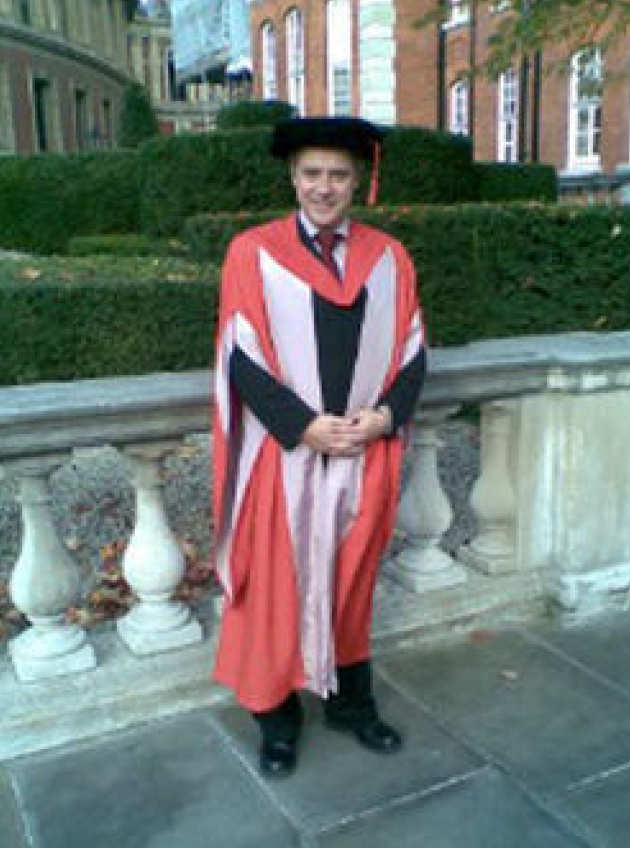
Dr. Simon Beaumont is an Associate Professor in the Department of Chemistry at Durham University , with additional responsibilities as Associate Dean (PGR) in the Faculty of Science. His research program integrates heterogeneous catalysis , nanomaterials , and in situ spectroscopic techniques to develop sustainable chemical processes. BA & MSci Natural Sciences, University of Cambridge (2003-2007) PhD in Heterogeneous Catalysis, University of Cambridge (2010) Postdoctoral Fellowship at UC Berkeley (2010-2012) Research foci include mechanistic studies of catalytic processes, nanoparticle synthesis , and in situ characterization via X-ray absorption (NEXAFS), DRIFTS, and Raman. His work addresses challenges in CO2 hydrogenation , biomass conversion , and environmental remediation , supported by national/EU/industrial funding. Recent publications highlight trends in selective hydrogenation (furfural), multi-functional catalysts (acid-base systems), and nanoparticle stability under reactive conditions. All studies emphasize molecular-level understanding for practical catalyst design. Scientific awards include Leverhulme Trust and Addison Wheeler fellowships. Teaching portfolio spans first-year laboratories , organic chemistry tutorials , and advanced catalysis lectures . Supervision of five research postgraduates and leadership of industry-funded projects further demonstrate his academic impact.
Prof. Joost Reek is a Professor at the University of Amsterdam's Faculty of Science and leads the Homogeneous, Supramolecular and Bio-Inspired Catalysis group within the Van 't Hoff Institute for Molecular Sciences. He serves as scientific director of NIOK (Netherlands Institute for Catalysis Research), a nationwide graduate school coordinating catalysis research across Dutch universities under recognition by the Royal Netherlands Academy of Sciences (KNAW). His research focuses on supramolecular chemistry and catalysis, with expertise in supramolecular cages, homogeneous catalysis, sustainable chemistry, solar fuels, and electrochemical conversions. The group develops novel catalysts for industrial reactions (hydroformylation, hydrogenation), biomass conversion, and solar fuel generation including water oxidation and CO 2 reduction. Recent work explores nanocage systems for bioorthogonal chemistry and photoactive catalytic nanospheres. Reek's team secured a €10.6 million Synergy grant in 2023 for brain cancer research involving nanocages delivering small interfering RNAs. They maintain industry partnerships through NIOK's VIRAN advisory board and operate a spin-off company translating molecular research into applications. The group is embedded within the Van 't Hoff Institute for Molecular Sciences, utilizing advanced facilities for molecular design and catalytic testing. Their interdisciplinary approach bridges fundamental supramolecular chemistry with sustainable energy solutions and biomedical innovations.
Professor George Britovsek (FRSC) is a leading figure in catalysis and sustainable carbon management at Imperial College London . As Director of the MRes in Catalysis & Engineering and Head of Teaching in Inorganic Chemistry, he bridges academic leadership with cutting-edge research. His work focuses on transition metal complexes for converting ethylene , alkanes , biomass , and CO₂ into valuable chemicals and fuels through industrial collaborations. Education : M.Sc. (Technical University of Aachen, 1990), Ph.D. (Aachen, 1993) under Prof. W. Keim Postdoctoral Training : University of Tasmania (1994-1996), Imperial College London (1996-2000) His research interests span: Selective oxidation of alkanes using bio-inspired iron complexes Alkene conversions to functional polymers via novel catalysts CO₂ valorization into polymers and cyclic carbonates Biomass-derived feedstocks for chemical synthesis Recent catalysis trends highlight his work on: Designing Fe-N/C catalysts for epoxidation Developing PN3P pincer ligands for H₂ activation Creating degradable polyethylene via iron-catalyzed chain growth Modeling alternating α-olefin distributions in chromium systems Awards : Fellow of the Royal Society of Chemistry (FRSC) Students & Collaborators actively engage in: Photocatalytic polymer degradation Electrocatalytic CO₂ conversion Functionalized polymeric materials 3D-printed catalytic scaffolds His Britovsek Research Group operates at the Molecular Sciences Research Hub, White City Campus, advancing both homogeneous and heterogeneous catalysis through experimental and computational approaches.
Graham Dobereiner is an Associate Professor and Robert L. Smith Early Career Professor in the Department of Chemistry at Temple University's College of Science and Technology. He received his Ph.D. from Yale University (2011) and completed postdoctoral research at MIT (2012-2014) after earning his B.S. from Brandeis University (2007). His research group develops novel homogeneous transition metal catalysts for synthetic chemistry applications spanning fine chemicals manufacturing, petrochemical processing, and drug discovery. The work integrates organometallic chemistry principles, combining organic molecular diversity with inorganic compound reactivity. Research areas include catalytic isomerization, oxidative synthesis, ligand design, and mechanistic studies of transition metal complexes. Analysis of his recent publications demonstrates strong emphasis on reaction mechanism elucidation, catalyst design for stereoselective transformations (particularly Z-selective isomerizations), and development of novel catalytic systems for sustainable synthesis. His group employs computational and experimental approaches to advance synthetic methodology.
Prof. Dr. Saim Özkar is a distinguished Professor in the Department of Chemistry at Middle East Technical University (METU), Ankara, Turkey. He earned his BS (1972) and MSc (1972) from the Technical University of Istanbul and his PhD (1976) from the Technical University of Munich, Germany. His career includes roles as Assistant Professor (1979–1982), Associate Professor (1982–1988), and full Professor (1988–present) at METU, with visiting positions at the University of Toronto and Colorado State University. His research focuses on homogeneous and heterogeneous catalysis , transition metal nanoparticles , hydrogen storage materials , and organometallic chemistry . Key areas include catalytic hydrogen release from solid-state storage systems and nanoparticle synthesis for sustainable energy solutions. Özkar has published extensively on nanocatalysts for hydrogen generation, with recent work emphasizing ruthenium, rhodium, and nickel nanoparticles. His articles consistently explore catalytic efficiency, stability, and applications in green energy. Awards & Grants: Science Prize, Scientific and Technical Research Council of Turkey (1996) Permanent Member, Turkish Academy of Sciences (1996) Fulbright Scholarship (2000), Volkswagen Foundation Grants (1982–1984, 1992–1994), NATO Research Grant (1981–1983) He has mentored students including Prof. Dr. Yalçın Tonbul and Dr. Joydev Manna. His lab specializes in advanced nanocatalyst design and collaborates with international institutions like Colorado State University.
Mathieu Odijk is a Full Professor at the University of Twente's Faculty of Science and Technology, leading the Integrated Devices and Systems department. His research focuses on microfluidic systems, catalysis, and organ-on-chip platforms, with contributions to UN Sustainable Development Goals through advanced material characterization and biomedical engineering. He has authored over 120 publications and holds an h-index of 27 with 1,820 citations. Expertise: Microfluidics, catalyst particle diagnostics, SERS substrates, organ-on-chip systems, and spectroscopic techniques. Collaborations include Weckhuysen (catalysis), van den Berg (microfluidics), and Meirer (materials science). Key projects: Modular organ-on-chip platforms (STARTER), droplet-based catalyst screening, and real-time reaction monitoring via ATR-IR systems. His research combines nanotechnology and chemical engineering to develop tools for sustainable energy, environmental remediation, and biomedical applications. Recent work includes microreactors for catalyst particle analysis, light-driven urea oxidation for wearable kidney devices, and standardized platforms for organ-on-chip research.
Professor Philip Wai Hong Chan holds a Chair in Chemistry at Monash University, leading research in organic and inorganic chemistry with a focus on sustainable catalytic methodologies. He earned a B.Sc.(Honours) from the University of Bristol (1995) and a D.Phil. from the University of Oxford (1998), followed by postdoctoral training at Tohoku University, University of Sydney, and University of Hong Kong. Since 2014, he has been a Professor in Monash's School of Chemistry, advancing studies in homogeneous catalysis, photoredox systems, and organocatalysis. His research integrates synthetic chemistry with applications in drug discovery and materials science, particularly targeting bioactive natural products and functional materials. Key areas include transition metal catalysis for complex molecule synthesis and development of green chemistry approaches. Chan leads major projects like the ARC Training Centre for Advanced Radiochemical Technologies and has authored over 157 publications. Recognition includes multiple Asian Core Program Lectureship Awards (2007, 2014), a SPMS Teaching Excellence Award (2012), and contributions to antimicrobial research through self-assembling nanoparticles. He collaborates globally on topics like sustainable catalysis and medical imaging, reflecting his commitment to UN Sustainable Development Goals in health and innovation.
Connor Delaney is an Assistant Professor in the Department of Chemistry and Biochemistry at the University of Texas at Dallas, part of the School of Natural Sciences and Mathematics. He joined the faculty in August 2023 after completing a Ruth L. Kirschstein NRSA Postdoctoral Fellowship at the University of California, Berkeley. Education: PhD in Chemistry, University of Illinois at Urbana-Champaign (2020) BS in Chemistry, Northeastern University (2014) His research focuses on organometallic chemistry and synthetic methodology , particularly in developing new methods for Csp3 bond formation and the synthesis of saturated heterocycles —key structural motifs in pharmaceuticals and agrochemicals. The Delaney Lab emphasizes mechanistic understanding, training students in the synthesis of sensitive organometallic compounds and strategies for elucidating reaction pathways. His recent publications in journals like Science and J. Am. Chem. Soc. reveal a strong focus on cross-coupling reactions , especially the Suzuki-Miyaura reaction , with deep mechanistic investigations into boronate pathways and alternative catalytic cycles. His work bridges fundamental organometallic principles with practical synthetic applications. Scientific Awards: Ruth L. Kirschstein NRSA Postdoctoral Fellowship (NIH F32), National Institutes of Health (2021) Denmark Group Kobayashi Student Mentorship Award (2019) J. C. Martin Memorial Student Travel Award, University of Illinois at Urbana-Champaign (2019) Dr. Delaney advises a growing research group, including PhD students and a postdoctoral scholar, preparing them for careers in both industry and academia. His lab has secured independent funding to support its research program. The Delaney Lab, launched in August 2023, is actively investigating oxidative addition reactions, C–H activation, and base-free cross-coupling methodologies. Research Lab: Delaney Lab at UT Dallas Focus: Organometallic Reactivity, Synthetic Methods, Reaction Mechanism
Dr. Golo Storch is a Junior Fellow and Research Group Leader at the Technical University of Munich (TUM), where he leads the Emmy Noether Research Group funded by the German Research Foundation and holds an ERC Starting Grant. He is affiliated with the TUM School of Natural Sciences and the Department of Organic Chemistry I, focusing on flavin-based catalysis for organic synthesis. Dr. Storch completed his undergraduate and graduate studies in Chemistry at Heidelberg University (2007-2012), followed by a doctorate in 2016 under Prof. Oliver Trapp, focusing on stereodynamic ligands and self-amplifying catalysis. He then conducted postdoctoral research at Yale University (2016-2018) with Prof. Scott Miller, exploring quinone redox-interconversion and peptide ligands for site-selective catalysis. Since 2019, he has led his independent research group at TUM. Dr. Storch's research centers on designing molecular flavin catalysts for selective organic transformations, inspired by flavoenzyme chemistry. His work focuses on position- and stereoselective catalysis, particularly using non-covalent interactions to control catalytically active sites. Key research directions include photochemical excitation of flavins for oxidation/reduction reactions, activation of molecular oxygen for selective oxygenation, and applications in modifying peptide natural products and complex organic molecules. His group combines synthetic methodology, photochemistry, DFT calculations, and spectroscopy to develop sustainable alternatives to precious metal catalysts. Dr. Storch's recent publications demonstrate significant contributions to flavin catalysis, showing how tailored flavin structures can enable diverse chemical transformations including hydrogen atom abstraction, C-H functionalization, selective oxygenation, and deracemization reactions. His work bridges photochemistry and organocatalysis, with applications in natural product modification and sustainable synthesis. Research Award of the Dr. Otto Röhm Memorial Foundation (2023) ERC Starting Grant 2023 (2023) ADUC Prize of the German Chemical Society (2023) Member of the Young College of the Bavarian Academy of Sciences and Humanities (2023) Exploration Grant, Boehringer Ingelheim Foundation (2024) ORCHEM Award 2024, German Chemical Society Emmy Noether Programme, German Research Foundation (since 2021) Liebig Fellowship, Chemical Industry Fund (2019-2021) Dr. Storch actively mentors PhD and Master's students in his research group, with several successful PhD completions. His research is supported by multiple prestigious grants including the ERC Starting Grant "BifurCAT," the DFG Emmy Noether Programme, and the Boehringer Ingelheim Foundation Exploration Grant for hybrid macrolide natural products research. He is also an Associate PI at the Catalysis Research Center (CRC) and participates in the newly funded CRC 392 on Molecular Evolution. The Storch Lab, part of the TUM Catalysis Research Center, focuses on "Designed Flavins for Catalysis" with the motto "Tailor-Made Catalysts - New Reactivity - Selective Editing." The group collaborates extensively with other research teams at TUM, including the de Vivie-Riedle group, Hauer lab, Bach group, and Dreuw labs, demonstrating strong interdisciplinary connections within the university's chemistry and physics departments.
Dr. Reuben Leveson-Gower is an Assistant Professor in the Biocatalysis Section of the Department of Biotechnology at TU Delft. His research focuses on designing enzymes for novel chemical reactions, combining synthetic chemistry principles with biological systems to advance green chemistry and deepen understanding of enzyme mechanisms. He holds a PhD from the University of Groningen (cum laude) and has expertise in protein engineering, directed evolution, and computational enzymology. Notable awards include the FEBS Short-Term Fellowship and the Salters’ Institute Graduate Prize. Education: PhD in Chemistry (Groningen), MChem with First Class Honors (Durham). Research Focus: Artificial enzyme design, biocatalytic reactions, protein engineering, and sustainable chemical processes. Awards: FEBS Fellowship, Salters’ Prize, cum laude PhD distinction. His lab employs interdisciplinary techniques such as synthetic chemistry, bioinformatics, and mechanistic enzymology to evolve enzymes for non-natural reactions. Key projects include developing Friedel-Crafts alkylases and boron-catalyzed systems. Collaborations emphasize translational applications in industry and environmental sustainability.
Prof. Fabian Dielmann is a Professor of Organometallic Chemistry at the University of Innsbruck's Department of General, Inorganic and Theoretical Chemistry. He leads the Dielmann Lab within the Center for Chemistry and Biomedicine. His research focuses on molecular inorganic chemistry, phosphorus chemistry, coordination chemistry, and catalysis. Joined University of Innsbruck as Full Professor in 2020 Previously held positions at Münster University (2013–2020) and UCSD/UCR (2011–2013) Recipient of prestigious awards including the Heinz Maier-Leibnitz-Preis (2019) and Karl-Arnold-Preis (2020) Active in bimetallic catalysis, CO₂ capture, and light-driven materials Research interests emphasize phosphorus-rich compounds, transition metal complexes, and sustainable catalytic systems. His work spans from fundamental reactivity studies to applications in green chemistry and energy storage. Recent articles highlight breakthroughs in photoswitchable carbon dioxide capture and novel phosphorus-based materials. Key grants include Emmy Noether Research Group (2017–present) and Alexander von Humboldt Foundation fellowships. His lab focuses on supramolecular assemblies, dynamic covalent polymers, and reactive intermediates like carbenes and nitrenes.
Dr. Ali Siamaki is a faculty member at Fayetteville State University in the Department of Chemistry, Physics & Materials Science. His research focuses on heterogeneous and homogeneous catalysis, metal nanoparticles synthesis, and their application in cross-coupling reactions under microwave and continuous flow conditions. M.S., University of Calgary, Canada Ph.D., McGill University, Canada His research group explores three core areas: preparation of solid-supported metal nanoparticles, their catalytic evaluation in C-C reactions (Suzuki, Heck, Sonogashira), and microwave/flow reaction applications. Students gain expertise in SEM, TEM, FT-IR, and XRD techniques. He teaches courses in organic chemistry, polymer science, and general chemistry. Recent work includes highly cited studies on graphene-supported Pd/Fe3O4 nanoparticles and nickel-palladium bimetallic catalysts for Sonogashira reactions. His team actively presents at conferences like ACS Meetings and Emerging Researcher National Conference in STEM. Scientific Awards Top Cited Article in 2011-2012 Certificate by the Journal of Catalysis Research Students Current: Katherine Coker, MaryKristy Eweama, Harlee Winkleman. Former: Lacey Picinich, Destiny Ivey, Sojeong Folsom, and others.
Iris Yu is an Assistant Professor in the Civil and Environmental Engineering department at the National University of Singapore (NUS) . Her research focuses on green chemistry and biomass conversion , particularly utilizing microwave-assisted processing and green solvents to transform food and biomass waste into sustainable chemicals and materials. She actively contributes to teaching courses like Green Catalysis and Circular Economy , while leading a team of researchers in biorefinery and waste valorization projects. Her scientific awards include the L'Oréal-UNESCO for Women in Science Singapore Award 2024 MIT Technology Review Innovator Under 35 (TR35) Asia Pacific 2023 Fellow of the Royal Society of Chemistry (2023–Present) Clarivate Highly Cited Researcher (Cross-Field) 2022–2023 World's Top 2% Scientist by Stanford University 2023 Yu’s research interests span biomass upcycling microwave technology bioresource utilization catalysis fundamentals green and sustainable chemistry platform chemical production . Her publications frequently address microwave-assisted biorefineries , catalytic hydrogenation mechanisms , and sustainable solvent impacts on biomass conversion. She serves on editorial boards for journals like Science of the Total Environment and ACS Sustainable Chemistry & Engineering , and mentors students in the IRIS@NUS internship program. Her lab’s work has been recognized in awards such as the Best Student Poster at SIWW2024, highlighting innovative approaches like microalgae-based food waste valorization .
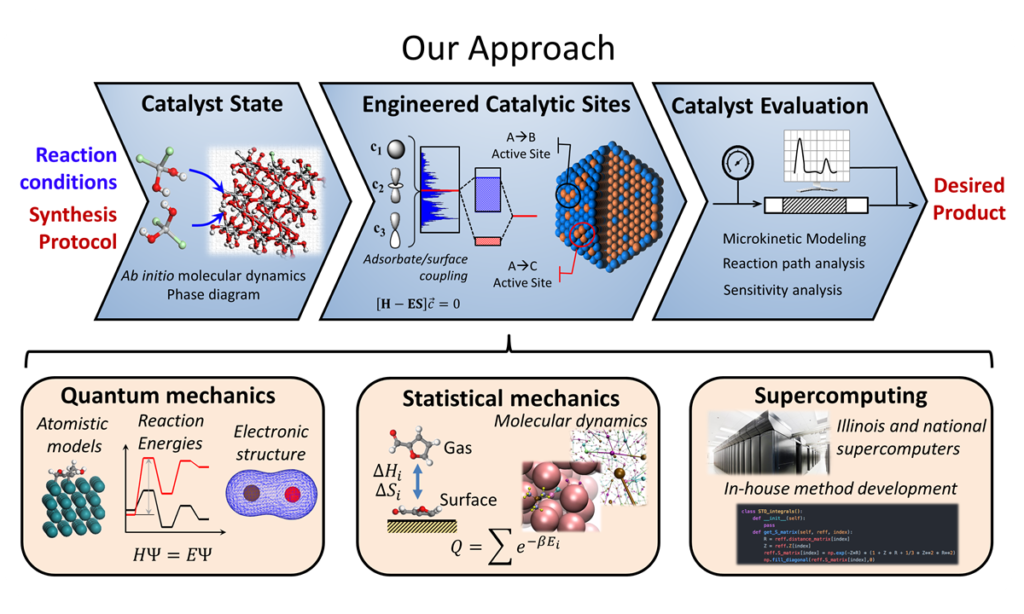
Dr. Alex Mironenko is an Assistant Professor in the Department of Chemical and Biomolecular Engineering at the University of Illinois at Urbana-Champaign. His research focuses on developing quantum mechanical methods to predict catalytic behaviors for renewable energy and chemical production. He leads the Mironenko Lab, which emphasizes computational models for heterogeneous catalysis, reactive force fields, and nanozyme design. Education: PhD in Chemical Engineering, University of Delaware (2018) Kadanoff-Rice Postdoctoral Scholar, University of Chicago (2018-2020) MS in Chemical Engineering, University of Kansas (2012) Diploma of Engineer, Omsk F.M. Dostoevsky State University, Russia (2009) Research Interests: Computational heterogeneous catalysis Reactive force fields derived from first principles Low-dimensional metal oxide catalysts Nanozymes and biomimetic catalysis Selective C-C coupling for CO₂ valorization Improving density functional theory accuracy Awards: ACS Petroleum Research Fund Doctoral Investigator Award (2021) Allan P. Colburn Outstanding Dissertation Prize (2019) Kadanoff-Rice Postdoctoral Fellowship (2018-2020) Advising and Grants: Advised PhD student Neil Tran (publication on methanol carbonylation mechanisms) Funded by NSF, ACS, and industry partnerships Labs/Teams: Mironenko Virtual Catalysis and Quantum Chemistry Lab Collaborations with institutions like University of Chicago and industry partners
Amit Sachdeva is an Associate Professor of Bio-Organic Chemistry at the University of East Anglia (UEA), where he leads the School of Chemistry, Pharmacy and Pharmacology's Department of Chemistry. He serves as Director of Postgraduate Research in Chemistry, overseeing doctoral training and academic strategy. His research focuses on Chemical Biology and Synthetic Biology, with a specific emphasis on expanding genetic code capabilities to engineer novel proteins for biomedical applications. Dr. Sachdeva completed his PhD at the University of Illinois at Urbana-Champaign, investigating DNA-based enzymes, followed by postdoctoral work at the MRC Laboratory of Molecular Biology in Cambridge. His current work includes developing light-responsive antibodies for targeted therapies and ultrafast viral diagnostics. Notable achievements include pioneering photoactive antibody fragments and securing patents (e.g., WO-2020193981-A1) for light-controlled antigen binding. Key Projects: Designing cancer biotherapeutics (Leverhulme Trust), fluorescent switches for SARS-CoV-2 detection (Royal Society of Chemistry), and biomolecular wire development (Engineering and Physical Sciences Research Council). Grants: Over £5M from institutions like The Big C Appeal and Wellcome Trust. Research Interests: Genetic code expansion, protein engineering, non-natural amino acids, and their applications in diagnostics/therapeutics. His work contributes to UN Sustainable Development Goals, particularly in health and innovation. Publications: Over 25 peer-reviewed articles in top journals like Nature Chemical Biology , Angewandte Chemie , and Nature Reviews Chemistry , with several highly cited contributions (e.g., 99th percentile in 2023).