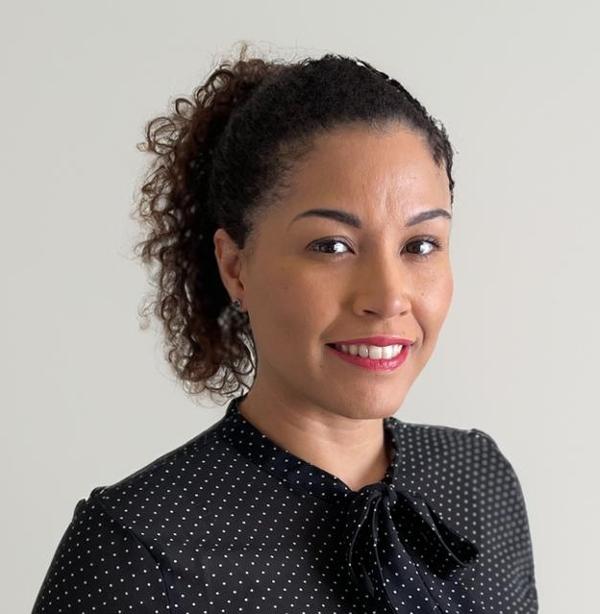
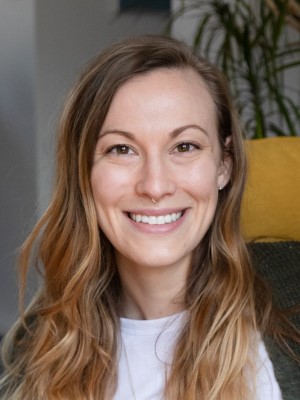
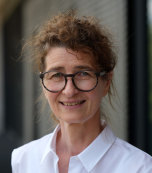
Vanessa Figueiredo is an Assistant Professor in the Department of Computer Science at the University of Regina. She directs the ExplorAI Research Group, focusing on human-centred intelligent systems for education and gaming. Her research bridges human-computer interaction, cognitive psychology, and artificial intelligence to create adaptive learning technologies. Research areas include: Intelligent tutoring systems for personalized education Conversational agents promoting critical thinking in children Procedural generation of game narratives using LLMs User-friendly interfaces for non-technical users Her team collaborates with educators and learners through qualitative fieldwork and controlled experiments to design technologies for K-12, higher education, and informal learning contexts. Current projects explore NPC dialogue generation and homework support systems.
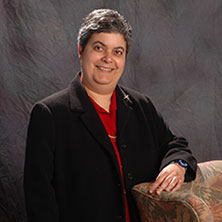
Dr. Sooyeon Lee is an Assistant Professor in the Department of Informatics at the New Jersey Institute of Technology (NJIT). Her research focuses on accessible technologies for people with disabilities, particularly those with visual impairments and deaf or hard-of-hearing (DHH) needs. She designs innovative solutions in areas such as AI-driven navigation systems, multimodal interaction frameworks, and inclusive virtual reality experiences. Her work bridges human-centered design principles with cutting-edge AI and sensor technologies. Dr. Lee holds a Ph.D. and B.S. in Information Sciences and Technology from Pennsylvania State University, with a specialization in Human-Computer Interaction. Her academic contributions span over 30 peer-reviewed publications, including seminal work on NaviGPT, an AI-driven navigation system for visually impaired users, and BubbleCam, a privacy-focused remote assistance tool. Central to her research are collaborations with user communities, including participatory design studies with blind users, DHH viewers, and ASL learners. She explores topics such as non-speech audio captioning trends, spatial audio descriptions for VR performances, and text simplification for DHH adults. Her datasets, such as the ASL-Homework-RGBD dataset, have become benchmark resources for sign language technology research. Dr. Lee’s work addresses emerging challenges in human-AI collaboration for accessibility, ethical AI practices in assistive tech, and the intersection of privacy and remote assistance systems. She actively contributes to advancing accessibility standards in multimedia content, educational tools, and smart environments.
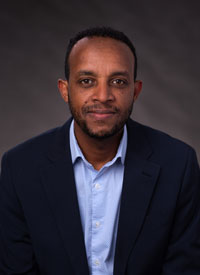
Professor Gary O'Reilly is a faculty member at University College Dublin's School of Psychology, holding a full-time academic position. He also has a part-time role as a Principal Clinical Psychologist at Children's Health Ireland. His expertise spans clinical psychology, technology-based interventions (e.g., the Pesky Gnats project), and forensic psychology. He coordinates modules such as 'Intellectual Disability Block' and 'Advanced C&A Clinical Psychology.' O'Reilly earned his BA, MA, MPsychSc, and PhD in Psychology from UCD. His research focuses on mental health interventions for children and adults, particularly leveraging technology to improve accessibility. He has secured grants, including one on the Church of Ireland and Irish State relations (2010–2012). He regularly supervises PhD and MSc students and advocates for equitable access to mental health care through non-commercialized platforms. Education: BA in Psychology, University College Dublin MA in Psychology, University College Dublin MPsychSc in Clinical Psychology, University College Dublin PhD in Human Sciences - Psychology, University College Dublin Research Interests: Clinical psychology, computer game-based CBT interventions for youth (e.g., Pesky Gnats), forensic psychology, and trauma-focused therapy. His work emphasizes technology's role in mental health treatment and reducing barriers to care. Professional Activities: Director of the Doctoral Training Programme in Clinical Psychology at UCD. Active in prison violence research, child sexual abuse prevention, and trauma intervention development. Leads the 'Pesky Gnats' initiative, combining therapist training, computer games, and apps for anxiety/depression in youth. Grants: Internal funding scheme (2016–2026) Church of Ireland and the Irish State grant (2010–2012) Labs/Teams: Leads the Pesky Gnats team, collaborating with clinicians and technologists to develop therapeutic tools. Engages in interdisciplinary research on prison violence and trauma.
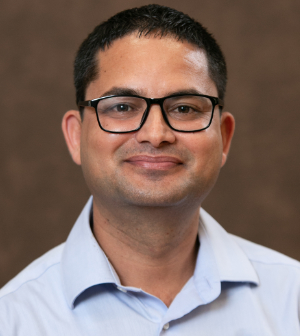
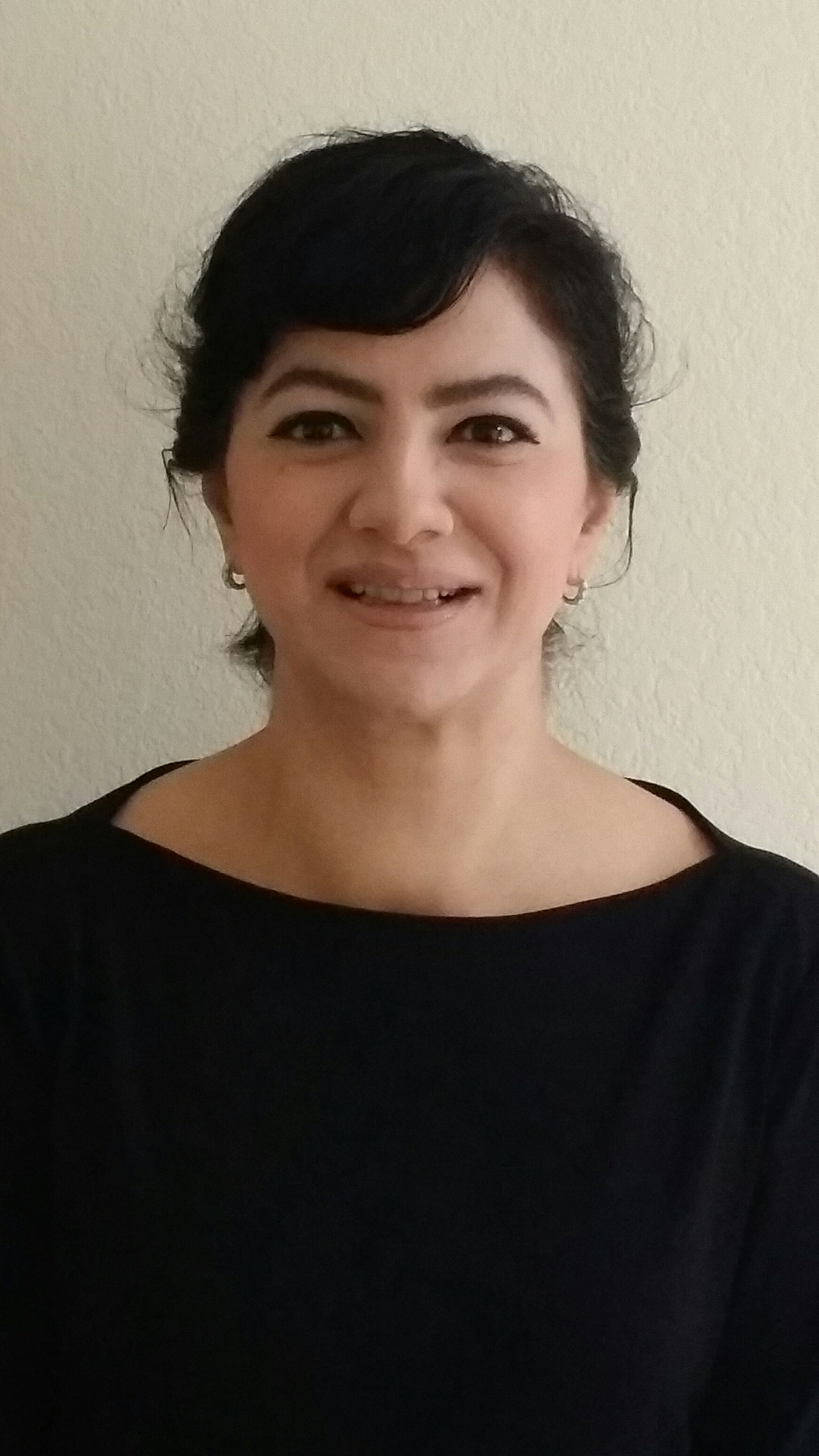
Dr. Paakhi Srivastava is an Assistant Professor in the Department of Psychology and Counseling at Immaculata University. She holds a Ph.D. in Clinical Psychology from the All India Institute of Medical Sciences, New Delhi, India, and completed a postdoctoral fellowship at the WELL Center at Drexel University. Her research focuses on improving mental health treatment outcomes through novel interventions and digital health technologies, particularly for binge-spectrum eating disorders (B-EDs) and body image dissatisfaction. Education: Ph.D., Clinical Psychology, All India Institute of Medical Sciences M.Phil, Clinical Psychology, Institute of Human Behavior and Allied Sciences M.A., Clinical Psychology, University of Delhi B.A., Psychology, University of Delhi Dr. Srivastava's research integrates ecological momentary assessment , artificial intelligence-based smartphone apps (JITAIs), and chatbots to enhance cognitive behavior therapies (CBT) and develop mindfulness-based interventions. Her work addresses both treatment enhancement and accessibility for underserved populations. Her publications in journals like International Journal of Eating Disorders and Eating and Weight Disorders explore topics such as reward mechanisms in body dissatisfaction, mood trajectories during CBT, and homework compliance in eating disorder treatment. She is a licensed psychologist in India and Pennsylvania, skilled in CBT, Acceptance and Commitment Therapy, and Emotion Regulation Therapy.
Ruth Segal, Ph.D., OTR, serves as Department Chair and Professor in the Department of Occupational Therapy at Seton Hall University's Interprofessional Health Sciences Campus. She leads the department with dedication to academic excellence and celebrates her graduates' professional achievements. Education: Ph.D. in Occupational Therapy, University of Southern California (1995) M.A. in Occupational Therapy, University of Southern California (1989) B.S. in Occupational Therapy, University of Southern California (1987) Research Focus: Dr. Segal's scholarship centers on teaching and learning methodologies in occupational therapy education, with particular emphasis on academic resilience . Her work explores caregiving dynamics , aging processes , wellness promotion , and the experiences of parents of children with disabilities . Through qualitative research, she investigates how individuals and families construct meaning through occupation during life challenges including bereavement, disability, and chronic conditions. Publication Trends: Her 20+ year publication record reveals consistent focus on family occupations and disability, with increasing attention to educational interventions. Early work examined ADHD family dynamics (1998-2000), evolving to caregiver experiences (2002-2006), and recently emphasizing student resilience and interprofessional training (2010-present). The research demonstrates methodological rigor in qualitative approaches applied to occupational science. Scientific Awards: No specific awards or fellowships are documented in the provided materials. Grant Leadership: Project Transitions (2023-2028): $1.18M federal grant developing OT/SLP training for ASD school transitions Project Write to Learn (2017-2022): $1.23M program improving writing interventions for children with learning disabilities Resilience Training (2022-present): $15K university-funded study on student academic resilience Academic Contributions: Dr. Segal teaches graduate research methods courses (GMOT 7303/7320) and mentors student researchers through federally funded projects. Her scholarship bridges clinical practice and education, with current work focusing on interprofessional collaboration and student development. Research Ecosystem: She directs interdisciplinary teams through OSEP-funded initiatives, creating dynamic research environments where OT/SLP students collaborate on pediatric interventions. These projects function as living laboratories for developing evidence-based practices in school-based and community settings.
Seife Dendir is a development and applied micro-economist who has served on the faculty of Radford University’s Department of Economics since 2005. He teaches a full range of microeconomics, development, and managerial economics courses to undergraduate and MBA students. Education: Ph.D. & M.A. in Applied Economics, Western Michigan University B.A. in Economics, Addis Ababa University Research Interests: Dr. Dendir’s research lies at the intersection of economic development , applied microeconometrics , and education economics . He investigates intergenerational educational mobility, returns to schooling, intra-household resource allocation, and child labour in developing countries, notably Ethiopia and Sub-Saharan Africa. A secondary strand explores sports analytics and the effectiveness of online pedagogical tools in economics instruction. Across more than 20 peer-reviewed articles, his work exhibits three dominant themes: (i) rigorous empirical analysis of education, labour and health outcomes in developing economies; (ii) evaluation of teaching technologies and student performance in economics classrooms; and (iii) data-driven studies in soccer analytics. Recent publications (2022-2023) extend his development agenda to intergenerational mobility and COVID-19 mortality disparities, while simultaneously refining online-learning experiments. Scientific Awards: No awards or fellowships are listed in the provided sources. Advising & Grants: No graduate students, grants, or funded projects are mentioned in the supplied text. Labs & Teams: There is no indication of dedicated research labs or formal research teams.
Dr. Marcia L. Montague is a Clinical Associate Professor in Special Education at Texas A&M University's College of Education and Human Development. With over ten years of higher education teaching experience and nine years as a special education classroom teacher, she focuses on transition support for first-generation college students and individuals with disabilities. Her leadership includes roles as Training Director at the Center on Disability and Development, Chair of the Special Education Master's Program, and Co-Director of Heart of Texas GEAR UP. Education Ph.D., Educational Psychology, Texas A&M University M.Ed., Educational Psychology (Bilingual Special Education), Texas A&M University B.S., Interdisciplinary Studies (Special Education), Texas A&M University Research Focus Montague's research examines systemic approaches to educational equity, including: college retention strategies for marginalized students; disability-inclusive disaster preparedness; evidence-based teacher training models; and culturally responsive family engagement. Her work emphasizes practical interventions in K-12 and postsecondary settings, often through community partnerships with school districts and disability service agencies. Publication Trends Her scholarly output (2014-present) demonstrates consistent focus on special education praxis, with recent meta-analyses evaluating GEAR UP programs' long-term efficacy. Recurring themes include: validating assessment tools for self-advocacy; optimizing MTSS frameworks for teacher development; and creating accessible resources for Spanish-speaking families. Methodologies range from case studies in disaster management to large-scale educational data analysis. Awards and Honors College of Education Extraordinary Service Award (2024) Chancellor's Academy of Teacher Educators Team Award (2023-2024) Provost Faculty Teaching Excellence Award (2023-2024) Distinguished Achievement Award for Teaching (2021) Faculty Sustainability Champion Award (2021) Departmental Outstanding Teaching Award (2021) Leadership and Service Directs multiple university initiatives including Aggie Homework Helpline and Heart of Texas GEAR UP. Provides professional development for educators and disability service providers. Noted accomplishments include being named T-Camp Namesake (2025) for exemplary contributions to student development.
Julia Darby is a Professor in the Department of Economics at the University of Strathclyde. She joined Strathclyde in 2003 after previous roles at the Universities of Glasgow, Stirling, and the National Institute of Economic and Social Research in London. Her expertise spans applied macroeconomics with a focus on labor markets, fiscal policy, wage determination, and econometric modeling. Education: BSc in Economics (University College, 1986), MSc (University of York) Research Themes: Labour market dynamics, fiscal policy analysis, market volatility, and policy evaluation Key Collaborations: Scottish Institute for Research in Economics (SIRE), Glasgow Chambers of Commerce SDG Contributions: Education and labor market policy improvements Her research network includes collaborations with academics across 6 similar profiles, focusing on fiscal relations, market volatility, and tax competition. Julia supervises PhD students in macroeconomics and econometrics, and her teaching covers economic policy, macroeconomics, and econometrics at undergraduate and masters levels. She has participated in 35 professional activities including conferences, examinations, and committee memberships, with notable work on Brexit uncertainty indices and UK social care workforce analysis.
Dr. Kedar Nepal serves as Associate Professor of Mathematics in Mercer University's College of Liberal Arts and Sciences, specializing in undergraduate mathematics education since joining the faculty in 2014. His instructional portfolio includes calculus sequences, differential equations, probability, statistics, and advanced mathematics transition courses. His academic credentials feature: Ph.D. in Mathematics (specialization: Undergraduate Mathematics Education) from Oklahoma State University M.S. in Applied Mathematics from Oklahoma State University M.S. in Pure Mathematics from Tribhuvan University, Kathmandu, Nepal B.S. in Mathematics from Tribhuvan University, Kathmandu, Nepal Dr. Nepal's research investigates self-regulated learning mechanisms in undergraduate mathematics, with emphasis on self-assessment accuracy, metacognitive monitoring, and problem-solving execution. His work examines how students evaluate their mathematical competence and implement learning strategies, particularly in foundational courses. Current projects explore digital learning tools' impact on calculus comprehension and pre-K educational content development. His publication history (2014-2020) reveals consistent focus on self-regulation in mathematics education, with recurring themes in assessment literacy, problem-solving barriers, and instructor development. Key contributions analyze web-based homework efficacy, self-assessment/performance correlations, and cognitive obstacles in mathematical reasoning. Dr. Nepal maintains active engagement with collegiate mathematics education communities through conference presentations and collaborative research. Outside academia, he pursues travel, college football, and developing multimedia learning resources for early childhood education.
Emily Godager is a Teaching Professor in the Department of Communication at the University of Wisconsin-Milwaukee within the College of Letters & Science. Her work focuses on organizational communication dynamics, particularly how communication technologies and discursive practices mediate work-life conflicts, identity construction in non-traditional professions like adventure work, and emotional labor in workplace environments. She also explores pedagogical strategies for teaching statistical methods in communication research through innovative frameworks like Bayesian analysis and metaphorical reasoning using superhero themes. Recent research highlights include analyzing remote work challenges, pandemic-era communication strategies, and boundary management post-parental leave. Her studies emphasize the interplay between discourses of professionalism and personal identity, as well as the role of sensemaking in organizational transitions and leader exits. No Scientific Awards Listed Emily’s advising and grant activities are not explicitly detailed in the provided text. She contributes to curricular development in communication studies but no specific grants or student advisees are mentioned. Current or past lab/team affiliations are not documented here.
Nadia Sorkhabi is Professor of Child & Adolescent Development at San José State University, researching cultural variations in parenting practices and child outcomes. PhD from UC Berkeley. Work compares parenting typologies across cultures, examining impacts on academic achievement, social competence, and mental health. Recent studies investigate mediator variables like self-regulation and psychological autonomy. Publications include cross-national collaborations analyzing Lebanese, Iranian, and Latino family dynamics. Theoretical frameworks integrate Baumrind's parenting typology with cultural psychology.
Ambrose Leung is an Associate Professor in Policy Studies at Mount Royal University, holding a PhD from Carleton University. He specializes in applied microeconomics with a research focus on behavioral economics and youth decision-making. His research examines diverse aspects of youth behavior including delinquency patterns, financial literacy development, and educational outcomes through economic frameworks. Recent work explores social capital's impact on happiness and pedagogical innovations in economics education. Publications demonstrate consistent focus on educational psychology and economic behavior. Recent articles investigate universal design for learning frameworks, collaborative pedagogy, and cross-cultural virtual teamwork dynamics.
Darja Reuschke is an Associate Professor in the Department of Strategy and International Business at the University of Birmingham. Her research focuses on labor markets, self-employment dynamics, and spatial aspects of work, particularly in urban contexts. She holds a PhD from TU Dortmund (2009) and a degree from Humboldt University Berlin (2002). Her work has been supported by grants from the ERC, ESRC, and UKRI. Notable roles include serving on the ESRC Grant Assessment Panel (2018–2022) and the UKRI Policy Fellowship panel since 2023. Education: PhD in Spatial Planning, TU Dortmund (2009) Bachelor’s Degree in Geography, Humboldt University Berlin (2002) Research Interests: Economic Geography of labor markets Social and spatial dimensions of self-employment Urban studies focusing on neighborhoods and spatial mobility Digital work and remote work trends Grants/Awards: ERC Starting Grant (2014–2020): 'WORKANDHOME' UKRI/ESRC Rapid Response Grant (2020–2022): 'Inclusivity in Post-COVID Self-Employment' Best PhD Award, TU Dortmund (2009) Teaching & Mentoring: Expertise in research methods, urban geography, and economic geography Guided student groups in study skills and pastoral care (2016–2023) Recent Projects: Analysis of Long-COVID's impact on workforce participation Study on digital coworking spaces and commercial real estate Investigation into homeworking productivity during the pandemic
Daniel Wheatley is a Reader in the Department of Management at the University of Birmingham's Birmingham Business School. He currently serves as Director of Postgraduate Taught Programmes and previously held the role of Director of Undergraduate Programmes from 2018 to 2021. Before joining the University of Birmingham in 2016, he was a Principal Lecturer and School Standards and Quality Manager at Nottingham Business School. Daniel Wheatley's educational qualifications include: PhD in Business and Management (2009) Postgraduate Certificate in Higher Education (PGCHE) (2007) MSc in Social Science Research Methods (2005) BA (Hons) in Business Economics (2003) His research focuses on workplace well-being, job quality, work-life balance, and flexible working arrangements, including remote and hybrid work models. He investigates the spatial dimensions of work such as commuting and homeworking, and broader time-use patterns including leisure and household labour. His work often explores gendered aspects of work and time use, particularly within dual-career households. Methodologically, he specializes in statistical analysis of large-scale secondary datasets like Understanding Society and the British Household Panel Survey, as well as mixed-method research design. Daniel Wheatley's recent publications demonstrate a strong trend toward analyzing the transformation of work in the post-COVID era, with significant focus on remote and hybrid working, flexibility ripple effects, and the evolving quality of working lives. His research spans disciplines including labour economics, organizational studies, urban sociology, and gender studies, with a particular emphasis on subjective well-being and policy implications. His scientific recognitions include: Chartered Institute of Personnel and Development (CIPD) Academic Fellow (2022) Senior Fellow of the Higher Education Academy (SFHEA) (2015) Fellow of the Regional Studies Association (FeRSA) (2011) Daniel Wheatley is actively involved in research supervision, currently co-supervising multiple PhD students at the University of Birmingham and Nottingham Trent University. He has secured research funding through collaborations and institutional projects, including contributions to the CIPD Good Work Index and urban employment mapping initiatives. His work has significant policy relevance, particularly in shaping standards for good work and informing public funding decisions for leisure and cultural activities. He is affiliated with research groups and initiatives focused on workplace quality and urban economic development, contributing to interdisciplinary teams that analyze employment patterns and well-being outcomes. His editorial role as Associate Editor (Website) for Economic Issues further demonstrates his active engagement in the academic community.
Claudia de Witt is a Professor of Educational Theory and Media Education at FernUniversität in Hagen. As Vice President of the university and a member of CATALPA’s Executive Board, she leads projects like AI.EDU and IMPACT, focusing on artificial intelligence in higher education. She represents educational science perspectives on personalized learning and digitalization within CATALPA. Research Interests: Her work explores the intersection of higher education and AI, innovations with educational technologies, success conditions for digitalization in self-study, formative assessments, study success/dropout in digital formats, didactic mentoring in distance learning, and pragmatist educational theory in data ethics. Projects like AI.EDU investigate AI’s role in enhancing educational outcomes. Networks and Collaborations: She collaborates with institutions like the German Research Center for Artificial Intelligence (DFKI), Leibniz Institute for Human Development and Educational Information (DIPF), University of Bremen, and KI-Campus. Her leadership in CATALPA and digitale_kultur research focus highlights her commitment to digital educational design.